Romania · Timiş
Where to Stay in Timişoara, Timiş
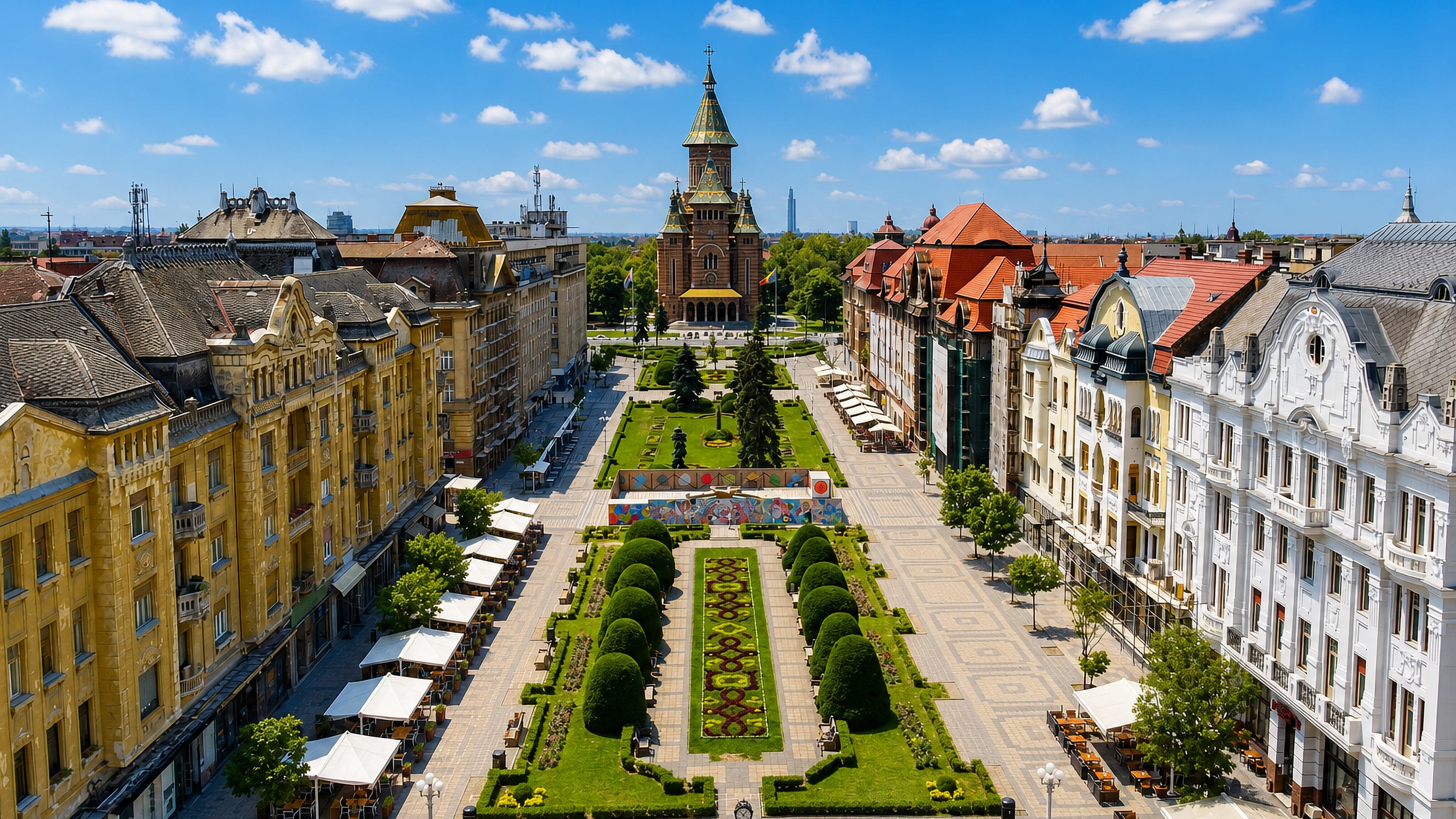
Timișoara is the seat of Timiș County in the Banat, a city of squares holding the National Museum of Banat and the Piarist Church.
Hotel links are affiliate links: booking through them may earn us a commission, at no extra cost to you. It never affects how places are ranked. How this works


Where to stay in Timişoara
Each area has its own feel; here's who each one suits.

 TimişoaraRomania
Elisabetin
Elisabetin is a historic district of Timişoara, known for its 1900s architecture, its many parks and the university quarter set among them.Where to stay → TimişoaraRomania
Fratelia
Fratelia is a district in southern Timişoara, known as Chișoda Nouă until 1925 and framed by Calea Șagului and Calea Martirilor.Where to stay → TimişoaraRomania
Freidorf
Freidorf lies on the south-west outskirts of Timişoara, a district settled by Germans in the Banat and taken into the city in 1950.Where to stay →Hotel links are affiliate links: booking through them may earn us a commission, at no extra cost to you. It never affects how places are ranked. How this works
Find hotels in Timişoara
Direct booking searches for these neighbourhoods.
Between Mary's Square and Piața Romanilor
The National Museum of Banat, the Art Museum of Timișoara and the protected houses of Piața Romanilor all stand inside one walkFind hotels in Between Mary's Square and Piața RomanilorStaying in a working quarter under the Water Tower in IosefinIosefin
Older housing and market streets gather around the Water Tower in Iosefin, well away from the museum squaresFind hotels in IosefinHotel links are affiliate links: booking through them may earn us a commission, at no extra cost to you. It never affects how places are ranked. How this works
Things to do in Timişoara
Ranked by global recognition; descriptions from Wikidata (CC0).
Museums & Galleries
3- Timișoara Military Museum Heritage
- National Museum of Banat
- Art Museum of Timișoara
Churches & Religious Sites
3- Wooden church in Hodoș, Timiș Heritage
- Biserica Mizericordienilor, azi biserică greco-catolică Heritage
- Biserica din Fratelia
Castles & Historic Sites
3- Emanuil Ungurianu bust, Iancu Huniade Square, Timișoara Heritage
- Fidelity Column Heritage
- Monumentul lui Vicențiu Babeș Heritage
Stadiums & Sports
3- Constantin Jude Hall
- Sala Banu Sport Timișoara
- Sala UVT Oituz
Landmarks & Notable Places
8- Water Tower in Iosefin Heritage
- Benjamin Habekost house Heritage
- Casa din Piața Romanilor nr. 5 (Timișoara) Heritage
- Casa din Piața Romanilor nr. 9 (Timișoara) Heritage
- Casă (Piața Romanilor, nr. 3) Heritage
Show 3 more →
- Casă (Piața Romanilor, nr. 4) Heritage
- József Bócz house Heritage
- Maria Habekost house Heritage
worth knowingacross 5 categories in Timişoara
About Timişoara
What is Timişoara known for?
Mary's Square carries the Monument of Virgin Mary, Piața Romanilor is lined with protected houses, and the National Museum of Banat, the Art Museum of Timișoara and the Museum of the Communist Consumer between them cover the whole span of what the city has kept. Monuments punctuate the rest. The Fidelity Column and the Cross Obelisk stand as free-standing set pieces, while the Timișoara Zoological Garden and the Timișoara Military Museum draw the visits that the galleries do not.
Squares first, then collections.
What are the main landmarks in Timişoara?
Two churches set the tone of the older core: the Piarist Church, and Biserica Mizericordienilor, a former hospital order's church that later passed to Greek-Catholic use. Houses count here as much as churches, and the Benjamin Habekost house, the Maria Habekost house and the József Bócz house are protected in their own right, as are the numbered addresses along Piața Romanilor. The Fidelity Column stands apart.
Out of the centre entirely, the wooden church at Hodoș, the Timișoara Zoological Garden and the Water Tower in Iosefin round out the list of what Timiș County marks on this ground.
What is the history of Timişoara?
Nothing here belongs to a single century. Timișoara is named in the record from 1266 as a place of consequence in the Banat, and the centuries that followed left the city with a layered building stock rather than a single dominant period, which is why the protected list here takes in churches and houses as readily as monuments or a water tower. Orders arrived early.
The Piarist Church and Biserica Mizericordienilor belong to the religious institutions that ran schools and hospitals, the second passing later into Greek-Catholic hands, and both are still standing among the squares. The houses record who lived here. Names on the protected register - Benjamin Habekost, Maria Habekost, József Bócz - run German and Hungarian as readily as Romanian, and the numbered houses of Piața Romanilor were built for the same mixed urban society.
Monuments followed the buildings. The Monument of Virgin Mary in Mary's Square, the Fidelity Column and the Cross Obelisk each mark an episode the city chose to fix in stone, and their survival through every later regime is itself part of the record. Collecting is the modern layer.
The National Museum of Banat gathered the region's material into one institution, the Art Museum of Timișoara took the picture collection, the Timișoara Military Museum the arms, and the Museum of the Communist Consumer preserves the ordinary goods of the late twentieth century, an unusual thing for a city to catalogue. Sport and spectacle came too, with Constantin Jude Hall and Sala Banu Sport, and the Timișoara Zoological Garden, giving the twentieth-century city the public buildings that the squares alone could not supply.
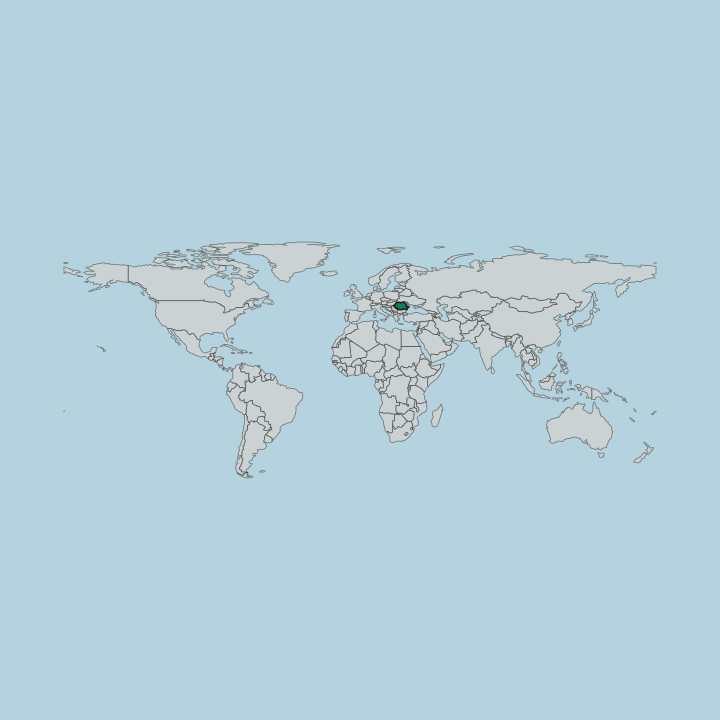
Where is Timişoara?
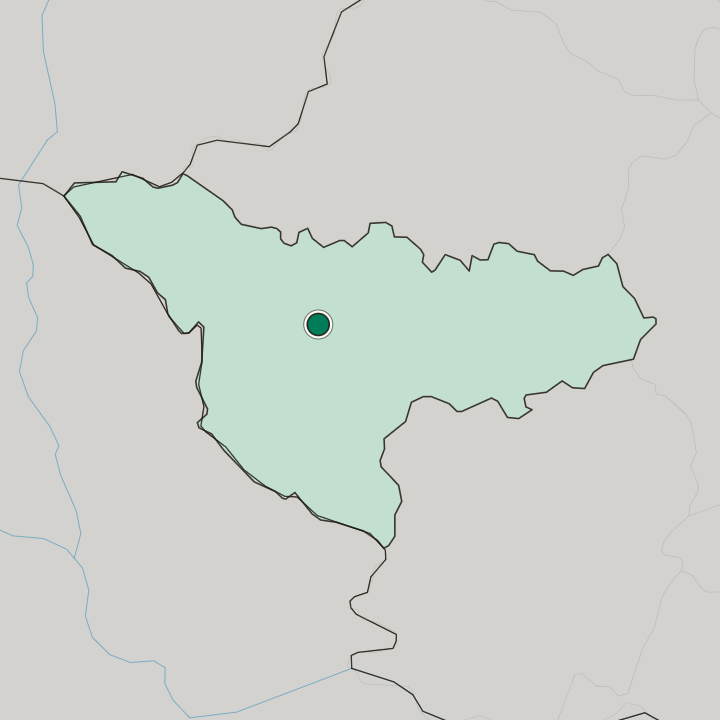
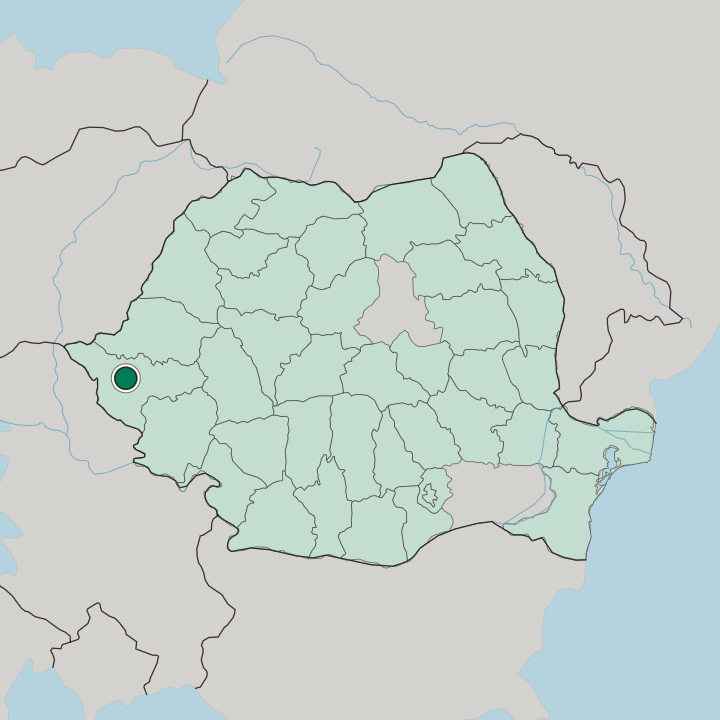
Timișoara spreads wide rather than tall. The city takes in a large area of Timiș County, from the square-and-museum core around Mary's Square out to Iosefin with its water tower and on to the outer ground where the Timișoara Zoological Garden sits, and the built-up parts run into one another without a break in the level. Open Banat country begins past the edge.
Villages of the county, among them Hodoș with its wooden church, keep their own footing on that ground a short drive out.
What is the climate of Timişoara?
Little breaks the Banat's horizon. Open ground on every side lets weather cross Timiș County unobstructed, so a temperate year here delivers a long hot summer and a winter that arrives without much warning. Shade matters by July.
The squares around the Monument of Virgin Mary bake through the middle of the day, which is when the Art Museum of Timișoara and the National Museum of Banat see their steadiest traffic.
How do you get to Timişoara?
Timișoara pulls in the traffic of the whole Banat, and the roads of Timiș County converge on a city large enough that arrival and destination are rarely the same point. Crossing the city takes time. From Mary's Square to the Water Tower in Iosefin is a walk rather than a stroll, and reaching the Timișoara Zoological Garden or the wooden church at Hodoș means transport of some kind.
Piața Romanilor is the exception, close in.
Common questions
What is the best area to stay in Timişoara?
Between Mary's Square and Piața Romanilor: First visits aiming at the Monument of Virgin Mary and the Piarist Church. Iosefin: Staying in a working quarter under the Water Tower in Iosefin.
Good for
Updated October 2026