Serbia · Autonomna Pokrajina Vojvodina
Where to Stay in Zrenjanin, Autonomna Pokrajina Vojvodina
Zrenjanin, administrative centre of the Central Banat District in Vojvodina, carried the name Veliki Bečkerek until 1918 and Petrovgrad after it.
Hotel links are affiliate links: booking through them may earn us a commission, at no extra cost to you. It never affects how places are ranked. How this works


Where to stay in Zrenjanin
Where the beds are, and what that means for the visit.
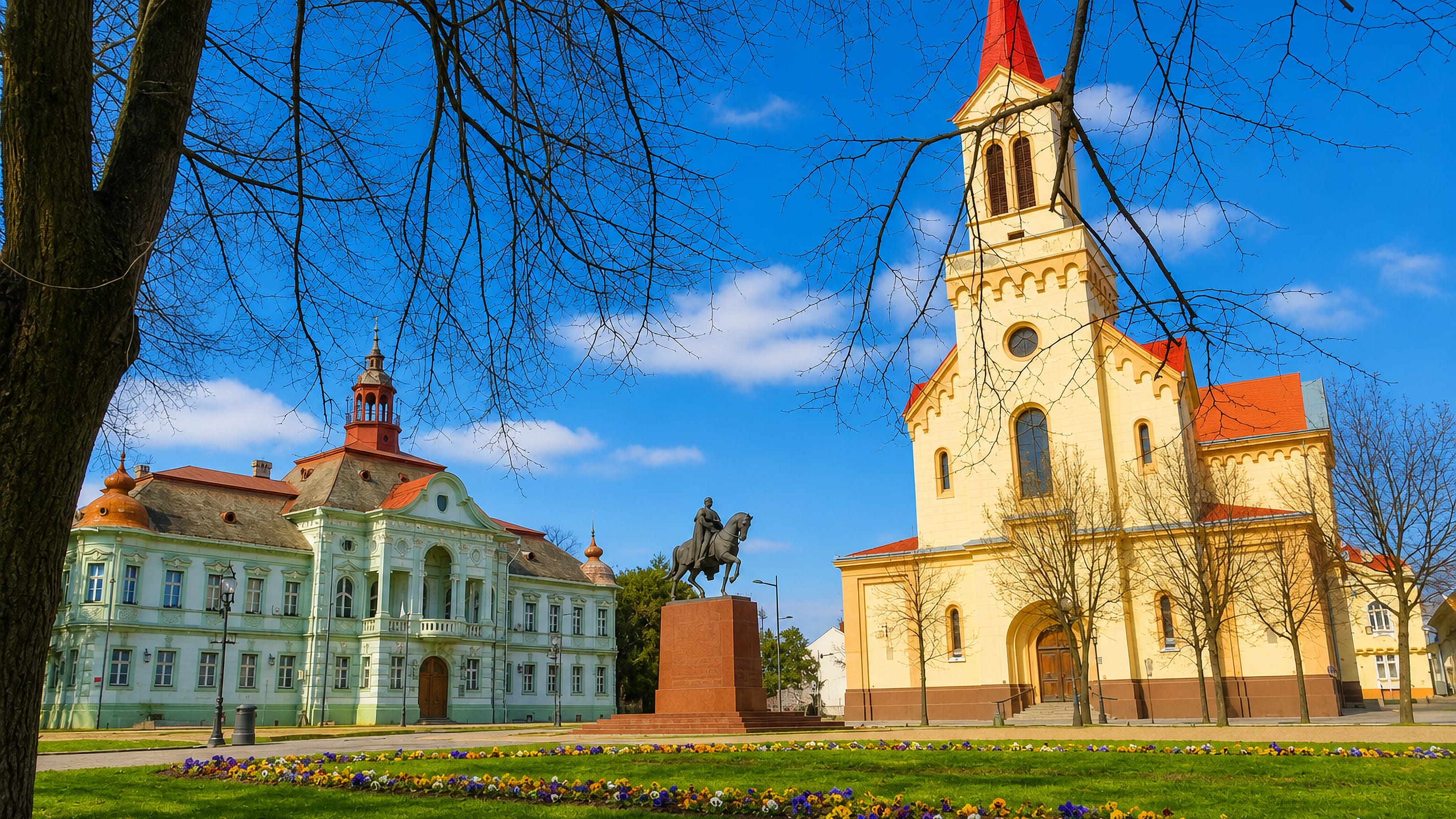
The cathedral end of town is the obvious base. Zrenjanin Cathedral, the National Museum of Zrenjanin and the Uspenska church stand close enough to one another that a room among them turns most of a visit into a walk instead of a drive. Compactness is the whole argument.
Anyone here for the Beer Museum in Zrenjanin or for Todor Manojlović's house will find both inside the same few streets, and neither asks for a car. Crkva Vaznesenja Gospodnjeg belongs to the same short circuit, which makes the historic core the one part of the city where a visit can be planned entirely on foot. Outside that core the calculation changes.
The city's administrative reach extends well across the Central Banat District, and beds grow scarce once the built-up streets give way to open country. Saint Melanija monastery stands apart from the rest. A room near the Slovak evangelic church or the Реформатска црква keeps the quieter residential blocks close while leaving the museum and the cathedral within an easy walk, which suits a longer stay better than a single night.
The district is wide. A car is worth more on the outer edge than in the lanes around Zrenjanin Cathedral, where the churches and the National Museum of Zrenjanin are close enough that driving between them wastes the walk.
Find hotels in Zrenjanin
Direct booking searches for these neighbourhoods.
The streets around Zrenjanin Cathedral
Zrenjanin Cathedral, the Uspenska church and the National Museum of Zrenjanin fall within a few blocks of one another, so a room here takes the drive out of almost every stop.Find hotels in The streets around Zrenjanin Cathedrala visit built on the Beer Museum in Zrenjanin and Todor Manojlović's houseAround the Beer Museum in Zrenjanin
The Beer Museum in Zrenjanin and Todor Manojlović's house sit on the same short circuit through the older streets, which suits a stay more interested in the town's own record than in its churches.Find hotels in Around the Beer Museum in Zrenjaninresidential quiet within reach of the Реформатска цркваThe quieter blocks by the Slovak evangelic church
The Slovak evangelic church and the Реформатска црква stand away from the cathedral lanes, so a bed here trades the centre's traffic for a short walk back into it.Find hotels in The quieter blocks by the Slovak evangelic churchHotel links are affiliate links: booking through them may earn us a commission, at no extra cost to you. It never affects how places are ranked. How this works
Things to do in Zrenjanin
Ranked by global recognition; descriptions from Wikidata (CC0).
Museums & Galleries
2- National Museum of Zrenjanin
- Beer Museum in Zrenjanin
Churches & Religious Sites
3- Zrenjanin Cathedral Heritage
- Uspenska church, Zrenjanin Heritage
- Реформатска црква Heritage
Castles & Historic Sites
1- Родна кућа народног хероја Стевице Јовановића Heritage
Landmarks & Notable Places
1- Todor Manojlović's house
worth knowingacross 4 categories in Zrenjanin
About Zrenjanin
The town has answered to three names.
What is Zrenjanin known for?
Zrenjanin served as Veliki Bečkerek under Austria-Hungary, took the name Petrovgrad after 1918 in honour of King Peter I, and holds its present name as the administrative centre of the Central Banat District. Churches mark the difference. Zrenjanin Cathedral, the Uspenska church, the Slovak evangelic church and the Реформатска црква stand within one urban area, and the National Museum of Zrenjanin keeps the civic record of that mixture.
The Beer Museum in Zrenjanin is the odd one out.
What are the main landmarks in Zrenjanin?
Faith built most of the list. Zrenjanin Cathedral leads it, and the Uspenska church, Crkva Vaznesenja Gospodnjeg, the Slovak evangelic church and the Реформатска црква each mark a separate congregation inside a single town. Saint Melanija monastery stands among them.
The National Museum of Zrenjanin holds the civic collection, Todor Manojlović's house keeps a writer's rooms, and the Родна кућа народног хероја Стевице Јовановића is preserved as a memorial. The Beer Museum in Zrenjanin fits none of those categories.
What is the history of Zrenjanin?
The town dates from 1326. For most of the centuries that followed it answered to two names at once, Veliki Bečkerek and Nagybecskerek, and it kept both under Austria-Hungary until 1918. Then the name changed again.
After World War I the city took the name Petrovgrad, honouring King Peter I, who held the titles King of Serbia and King of Serbs, Croats and Slovenes. The present name came later. Zrenjanin has carried it since, and the older forms survive only in the record.
Vojvodina's mixture is written into the buildings. Zrenjanin Cathedral, the Uspenska church, the Slovak evangelic church, Crkva Vaznesenja Gospodnjeg and the Реформатска црква belong to different communities that settled the same streets, and Saint Melanija monastery adds a further strand. The National Museum of Zrenjanin holds that record.
Two houses are kept for the people who lived in them: Todor Manojlović's house, and the Родна кућа народног хероја Стевице Јовановића, preserved as a memorial. Government business fills out the picture. Zrenjanin became the administrative centre of the Central Banat District within the autonomous province of Vojvodina in Serbia, which is the role that shapes the city's business rather than its skyline.
Where is Zrenjanin?
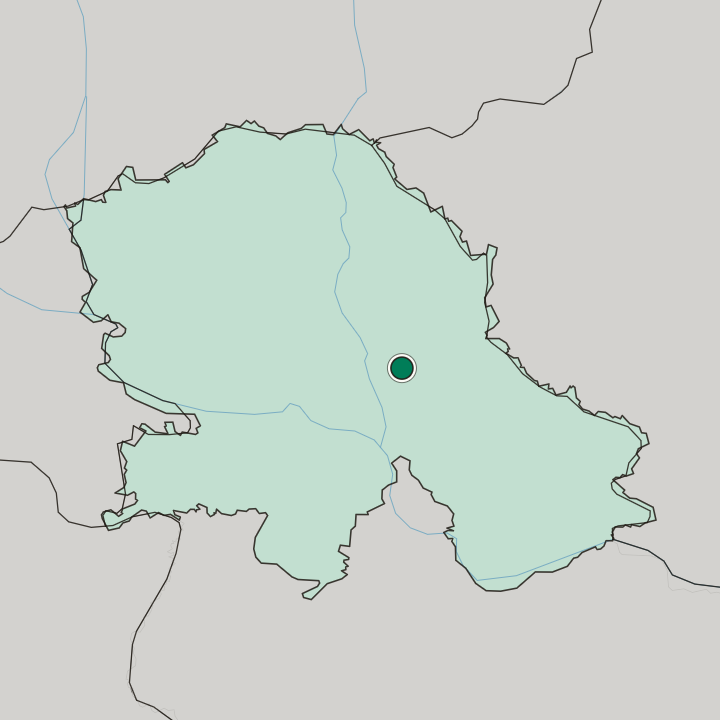
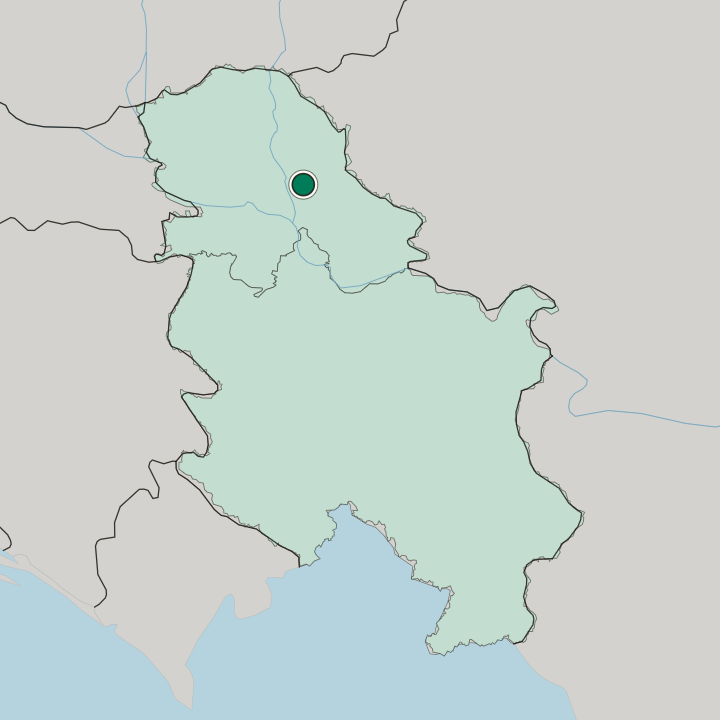
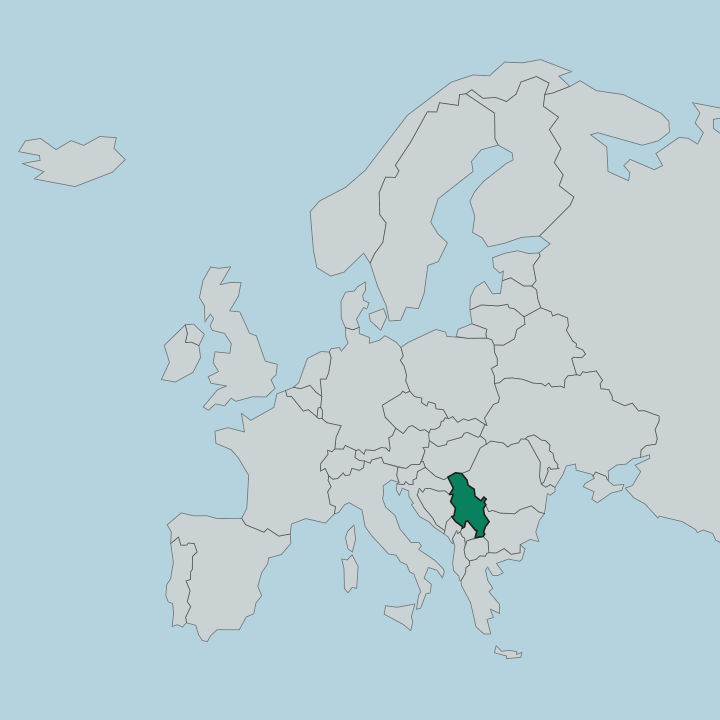
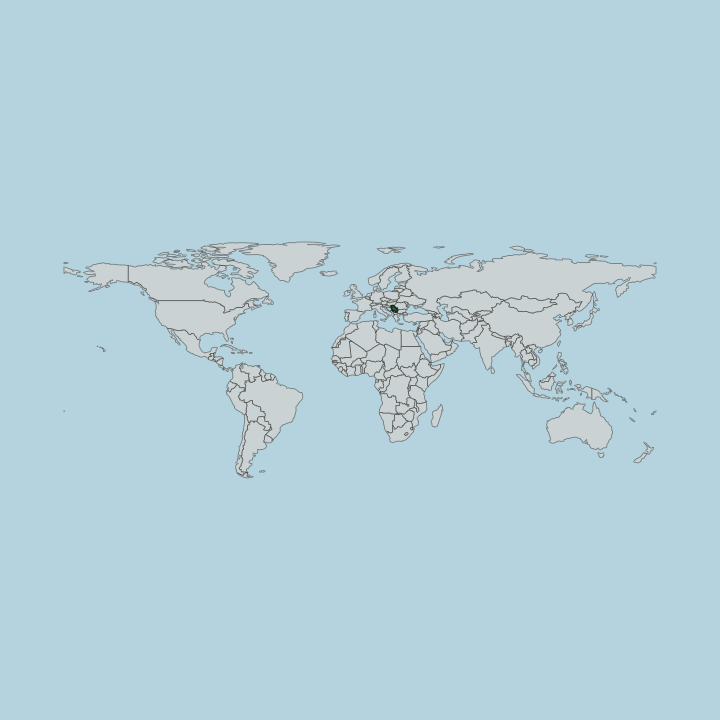
The city is inland. Zrenjanin sits within the autonomous province of Vojvodina and serves as the administrative centre of the Central Banat District, so its map covers both a tight built-up core and a much wider administrative area beyond it. That gap matters on foot.
Zrenjanin Cathedral, the Uspenska church, the Slovak evangelic church and the Реформатска црква all stand inside the town itself rather than scattered across the district. Vojvodina is one of Serbia's autonomous provinces.
What is the climate of Zrenjanin?
Vojvodina gives the weather nothing to break on. The province spreads out around Zrenjanin without a coast or a mountain range in the record, so the temperate year of the northern hemisphere arrives here unmodified, cold at one end and warm at the other. That is the whole mechanism.
The Central Banat District behaves the same way from edge to edge, which is why the seasons a visitor meets in Zrenjanin are the seasons of the wider province rather than anything the town produces on its own.
How do you get to Zrenjanin?
Administration pulls the traffic in. Zrenjanin functions as the administrative centre of the Central Banat District, which is what draws the district's business into it rather than past it, and that role is the one durable fact about reaching the city. Vojvodina surrounds it on every side.
Once inside, the older streets around Zrenjanin Cathedral and the National Museum of Zrenjanin lie close enough together that the final stretch of any arrival is walked.
Common questions
What is the best area to stay in Zrenjanin?
The streets around Zrenjanin Cathedral: walking between Zrenjanin Cathedral, the Uspenska church and the National Museum of Zrenjanin. Around the Beer Museum in Zrenjanin: a visit built on the Beer Museum in Zrenjanin and Todor Manojlović's house. The quieter blocks by the Slovak evangelic church: residential quiet within reach of the Реформатска црква.
Good for
More cities in Autonomna Pokrajina Vojvodina
Updated September 2026