Serbia · Autonomna Pokrajina Vojvodina
Where to Stay in Novi Sad, Autonomna Pokrajina Vojvodina
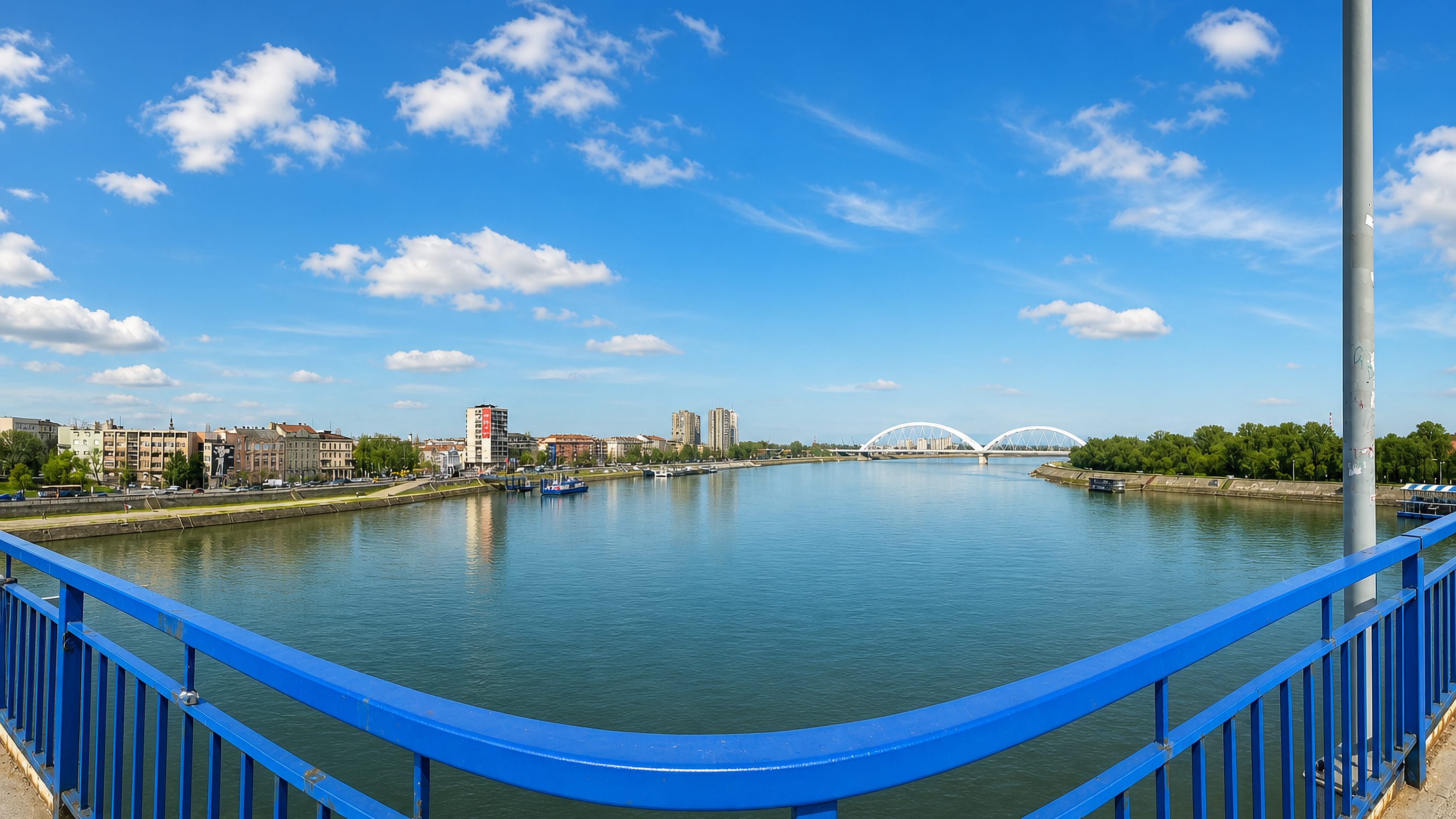
The Danube slides past Novi Sad below Fruška Gora, the capital of Vojvodina and Serbia's second city, known for the ramparts of Petrovaradin Fortress.
Hotel links are affiliate links: booking through them may earn us a commission, at no extra cost to you. It never affects how places are ranked. How this works


Where to stay in Novi Sad
How the choice of base plays out on the ground.
Novi Sad keeps most of its beds on the Bačka bank of the Danube, in the compact old core around the Museum of the City of Novi Sad and the Gallery of Matica srpska. The compact old core is easily crossed on foot. Streets radiate from the square where the Nikolajevska crkva and the Evangelička crkva stand, and the galleries, the Pavle Beljanski Memorial Collection, and the Museum of Vojvodina all sit within a short stroll of one another.
Stay here if you want the churches, the collections, and the riverbank promenade at your door. Across the Danube, the fortified hill of Petrovaradin offers a quieter base with a longer view. Rooms below the ramparts look back over the water toward the Bačka shore, and the climb up to the Saint George Church, the Arsenal building, and the birth house of Ban Josip Jelačić rewards anyone who prefers stone lanes to the busy centre.
The two banks suit different travellers. Choose the old core for the museums and the nightlife, or Petrovaradin for the fortress walls, the Almaš church across the river, and the calmer nights above the Danube.
Find hotels in Novi Sad
Direct booking searches for these neighbourhoods.
Old core (Bačka bank)
The walkable centre gathers the Museum of Vojvodina, the Nikolajevska crkva, and the Pavle Beljanski Memorial Collection around one set of squares on the Bačka bank of the Danube.Find hotels in Old core (Bačka bank)Travellers who prefer stone lanes below the fortress walls to the busy old corePetrovaradin
The fortified hill of Petrovaradin sets rooms beneath ramparts that guard the Saint George Church, the Arsenal building, and the birth house of Ban Josip Jelačić, with the Danube between it and the centre.Find hotels in PetrovaradinHotel links are affiliate links: booking through them may earn us a commission, at no extra cost to you. It never affects how places are ranked. How this works
Things to do in Novi Sad
Ranked by global recognition; descriptions from Wikidata (CC0).
Museums & Galleries
3- Building of the Gallery of Fine Arts – Gift Collection of Rajko Mamuzić Heritage
- Museum of Vojvodina
- Тhe Gallery of Matica srpska
Churches & Religious Sites
3- Almaš church Heritage
- Nikolajevska crkva, Novi Sad Heritage
- Saint George Church in Petrovaradin Heritage
Castles & Historic Sites
3- Statue of Peter I of Serbia in Novi Sad
- Dvoje by Jovan Soldatović
- Holy Trinity column in Novi Sad
Stadiums & Sports
1- Slana Bara Sports Center
Landmarks & Notable Places
1- Birth house of Ban Josip Jelačić (Petrovaradin) Heritage
worth knowingacross 5 categories in Novi Sad
About Novi Sad
Novi Sad is known as the cultural centre of Vojvodina.
What is Novi Sad known for?
This river city on the Danube sits between the Bačka and Syrmia regions, and its walkable old core holds the Gallery of Matica srpska, the Museum of Vojvodina, and the twin-spired Nikolajevska crkva. Across the water rises Petrovaradin, the fortified hill whose ramparts guard the Arsenal building and the Saint George Church. Serbia's second city wears its museums well.
What are the main landmarks in Novi Sad?
The main landmarks of Novi Sad cluster on both banks of the Danube. Petrovaradin Fortress crowns the Syrmian side, and within its walls stand the Arsenal building and the Saint George Church, with the birth house of Ban Josip Jelačić on a lane just below the ramparts. Two banks, one walk.
On the Bačka bank the old core holds the Gallery of Matica srpska, the Museum of Vojvodina, and the twin churches of the Nikolajevska crkva and the Evangelička crkva, with the Pavle Beljanski Memorial Collection and the Almaš church nearby.
What is the history of Novi Sad?
Novi Sad grew from a settlement chartered in 1694 on the Bačka bank of the Danube, opposite the older fortress hill of Petrovaradin. Merchants and craftsmen settled across the water. The town on the plain drew Serbs, Germans, Hungarians, and others who built the churches that still mark its squares, among them the Nikolajevska crkva and the Almaš church, while the Evangelička crkva served the Protestant families of the growing quarter.
Over the following centuries the place became a hub of Serbian learning and letters, and the Gallery of Matica srpska and the Museum of Vojvodina carry that inheritance forward. Petrovaradin's stone defences long guarded the crossing where the Danube cuts between the Bačka and Syrmia regions. Its Arsenal building and the Saint George Church survive from that fortified past, and the birth house of Ban Josip Jelačić stands among the lanes below the walls.
Trade, faith, and the river shaped the town. By the time it took its place as the seat of Vojvodina, Novi Sad had gathered the collections, the churches, and the mixed heritage that still define its old core on the Pannonian plain.
Where is Novi Sad?
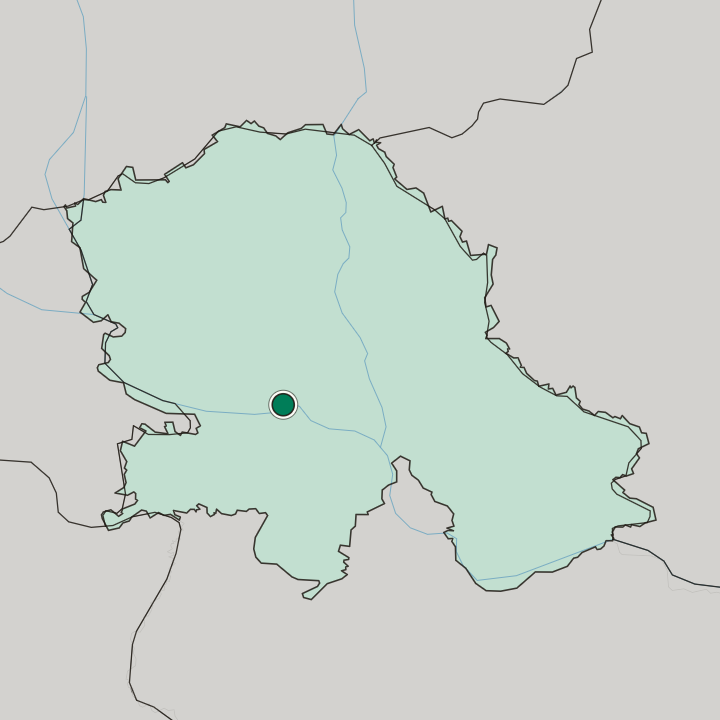
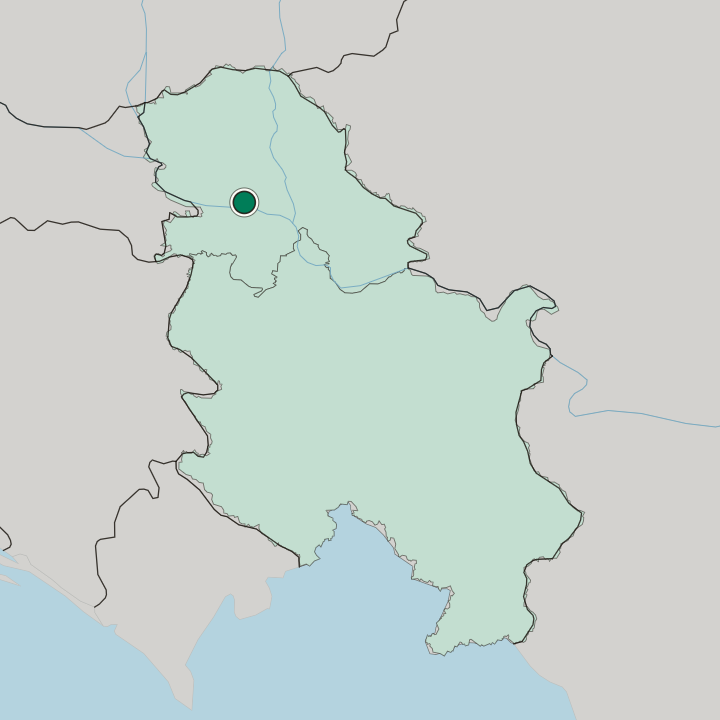
Novi Sad lies on the Danube in the southern Pannonian plain, where the Bačka region to the north meets Syrmia to the south. The city straddles the river. Its old core spreads across the flat Bačka bank, while the fortress hill of Petrovaradin rises on the Syrmian side against the northern slopes of Fruška Gora.
This is the low, fertile heartland of Vojvodina, and the Danube that runs between the two banks sets both the shape of the city and its outlook toward Belgrade downstream.
What is the climate of Novi Sad?
Novi Sad has the continental climate of the Pannonian plain. The high season warms the Bačka plain. The flat, open country of the Bačka around the Danube brings hot, dry spells in the high season and cold, often grey winters when the river runs low under the northern slopes of Fruška Gora.
Spring and autumn are the softer seasons on the plain, when the fields of Vojvodina turn and the fortress hill of Petrovaradin catches a lower light across the water.
How do you get to Novi Sad?
Novi Sad sits on the Danube corridor between Belgrade and Budapest, and the main road and rail line linking the two capitals runs straight through the city. Trains stop in the centre. From Belgrade downstream the route follows the river across the Bačka and over the water to Petrovaradin, and travellers arriving from the north cross the Pannonian plain of Vojvodina before the fortress hill and the old core come into view along the Danube.
Common questions
What is the best area to stay in Novi Sad?
Old core (Bačka bank): Museum-goers who want the Gallery of Matica srpska and the riverbank promenade on foot. Petrovaradin: Travellers who prefer stone lanes below the fortress walls to the busy old core.
Good for
More cities in Autonomna Pokrajina Vojvodina
Updated October 2026