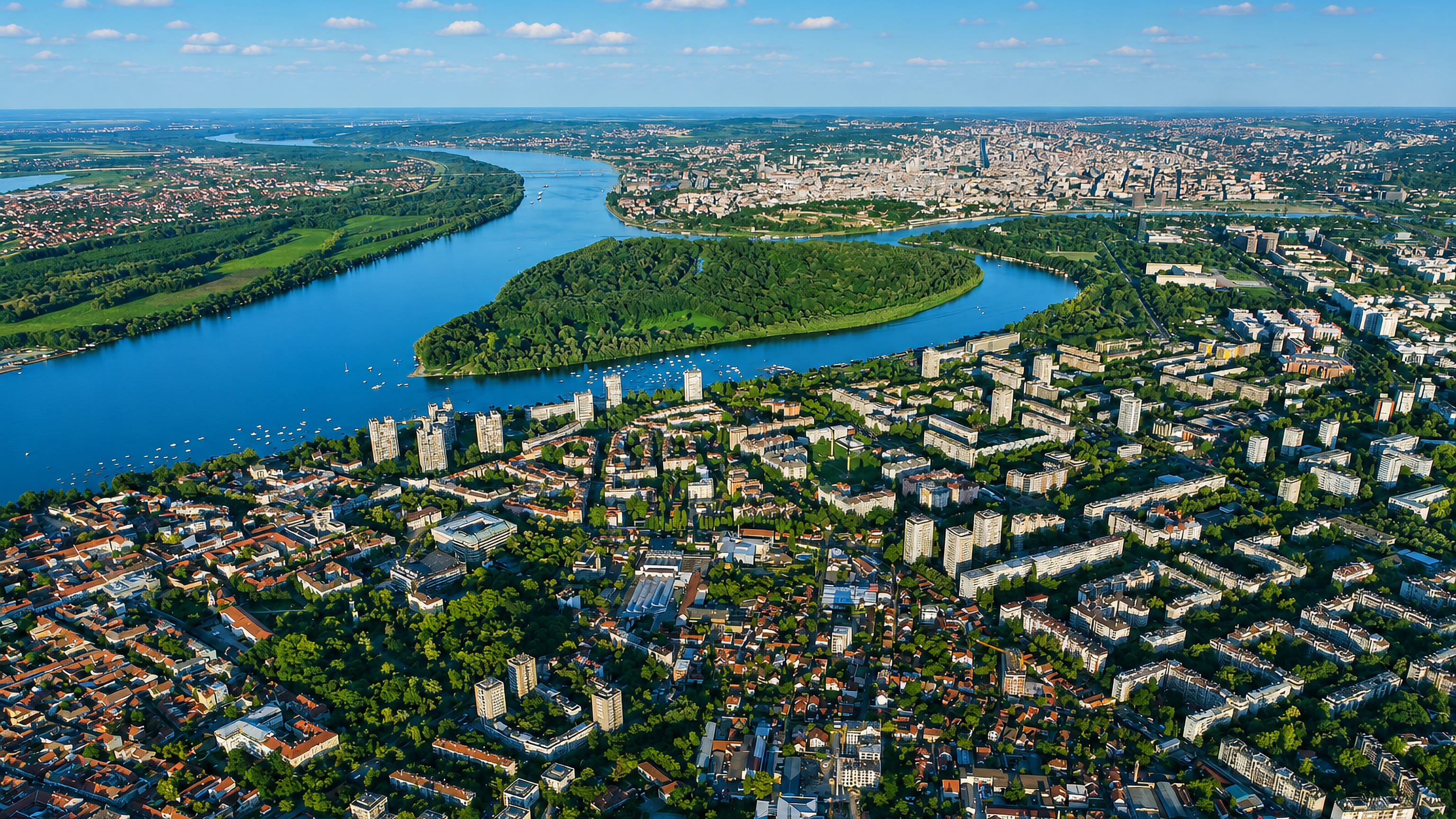
Serbia: Regions, Cities & Travel Guide
The plains of Vojvodina roll north from Belgrade in Serbia, a landlocked country in the Balkans of mountains, lakes, and national parks.
Hotel links are affiliate links: booking through them may earn us a commission, at no extra cost to you. It never affects how places are ranked. How this works


Top destinations in Serbia
Cities to start from, then drill into areas and hotels.
 Serbia
Belgrade
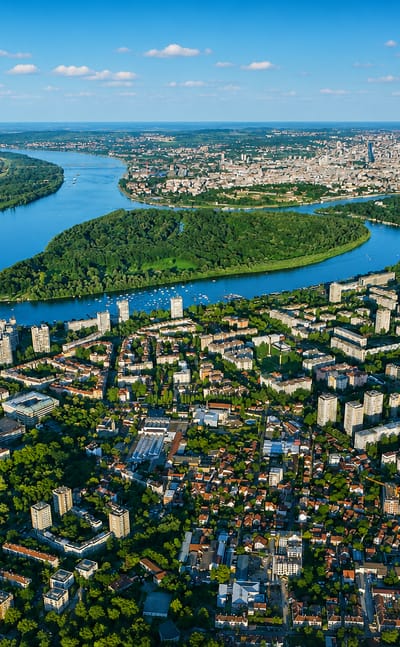
The Danube meets the Sava beneath the walls of Kalemegdan in Belgrade, the capital of Serbia where the plains give way to the Balkans.Where to stay →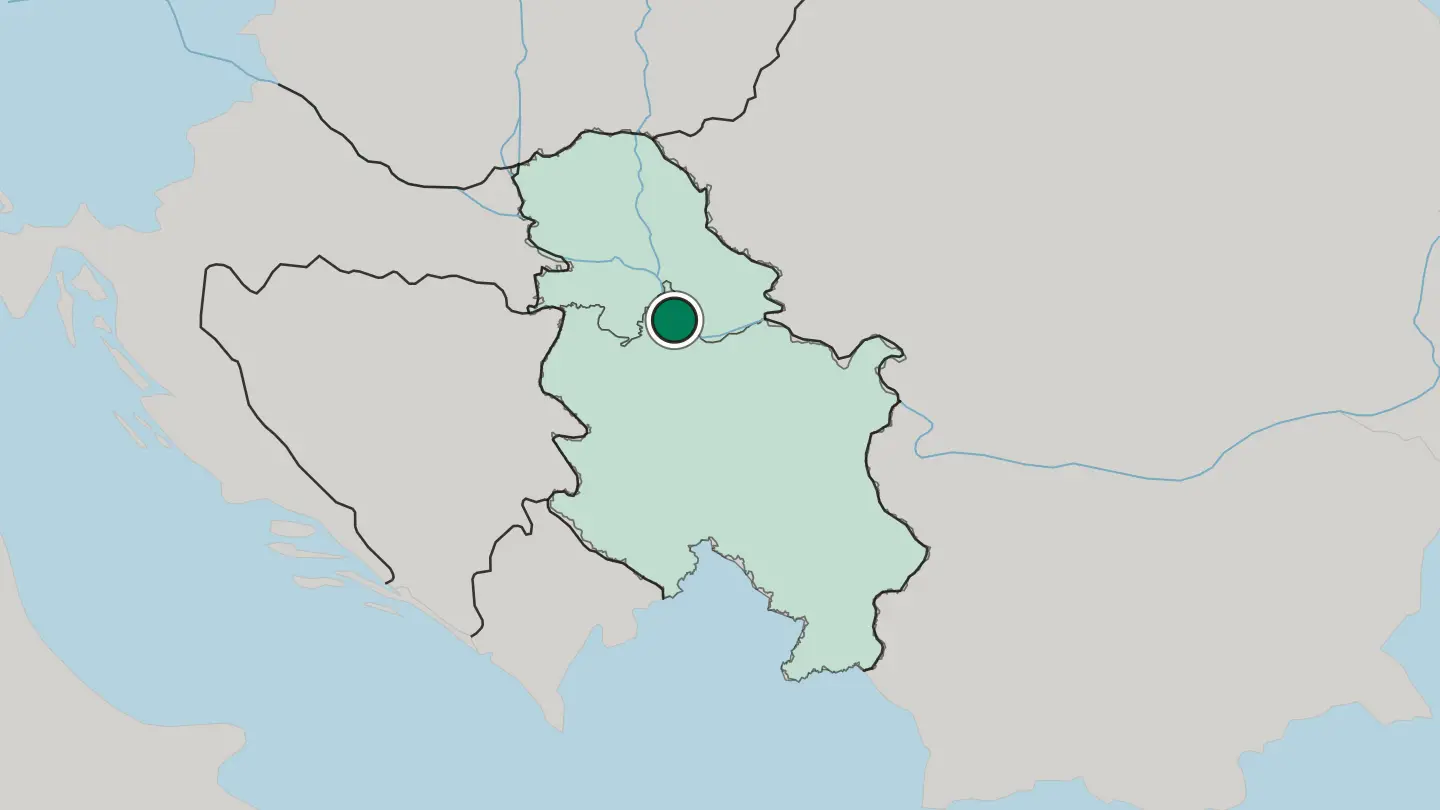
 Serbia
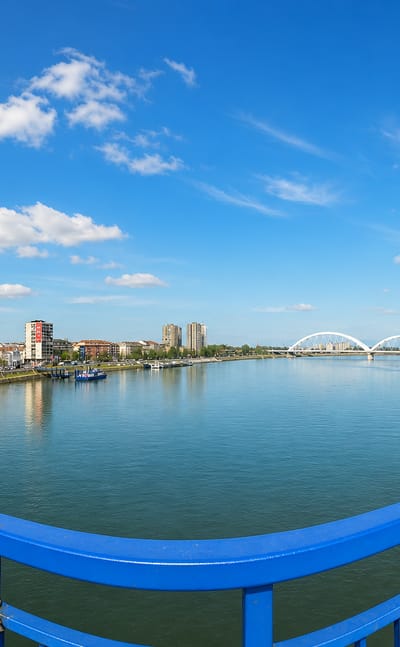
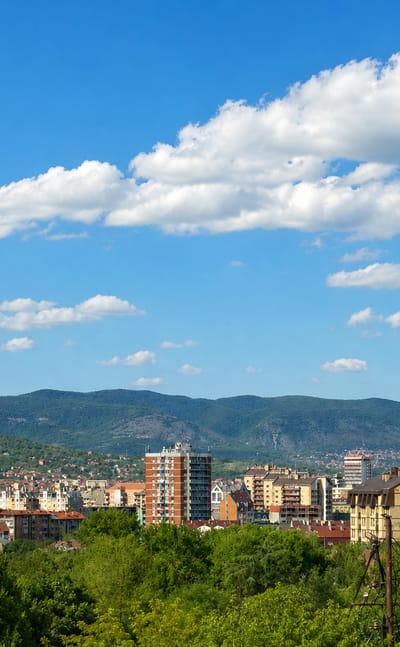
Novi Sad
The Danube slides past Novi Sad below Fruška Gora, the capital of Vojvodina and Serbia's second city, known for the ramparts of Petrovaradin Fortress.Where to stay →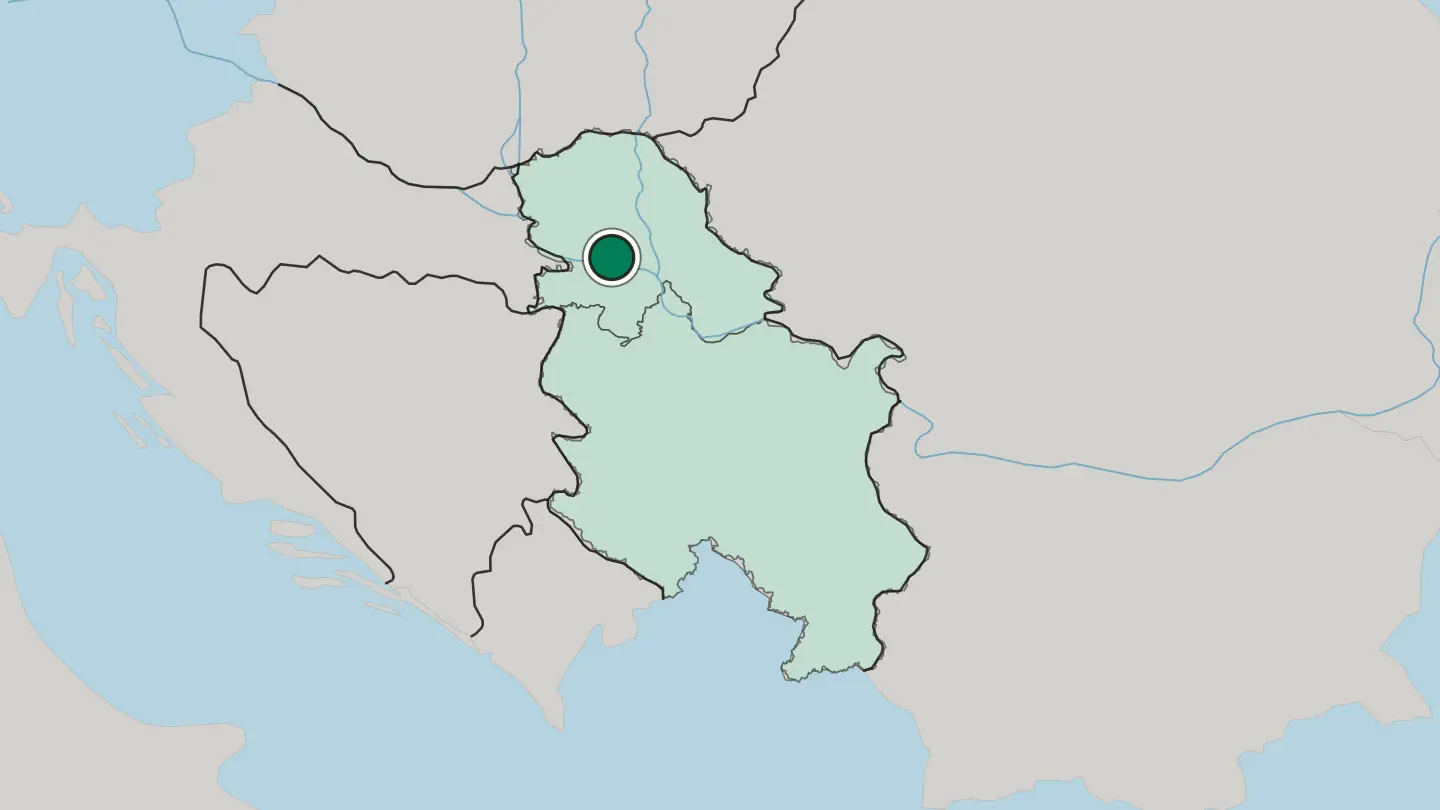
 Serbia
Niš
Niš is the third-largest city in Serbia, the administrative centre of the Nišava District, known for the Niš Fortress and the National Museum of Niš.Where to stay →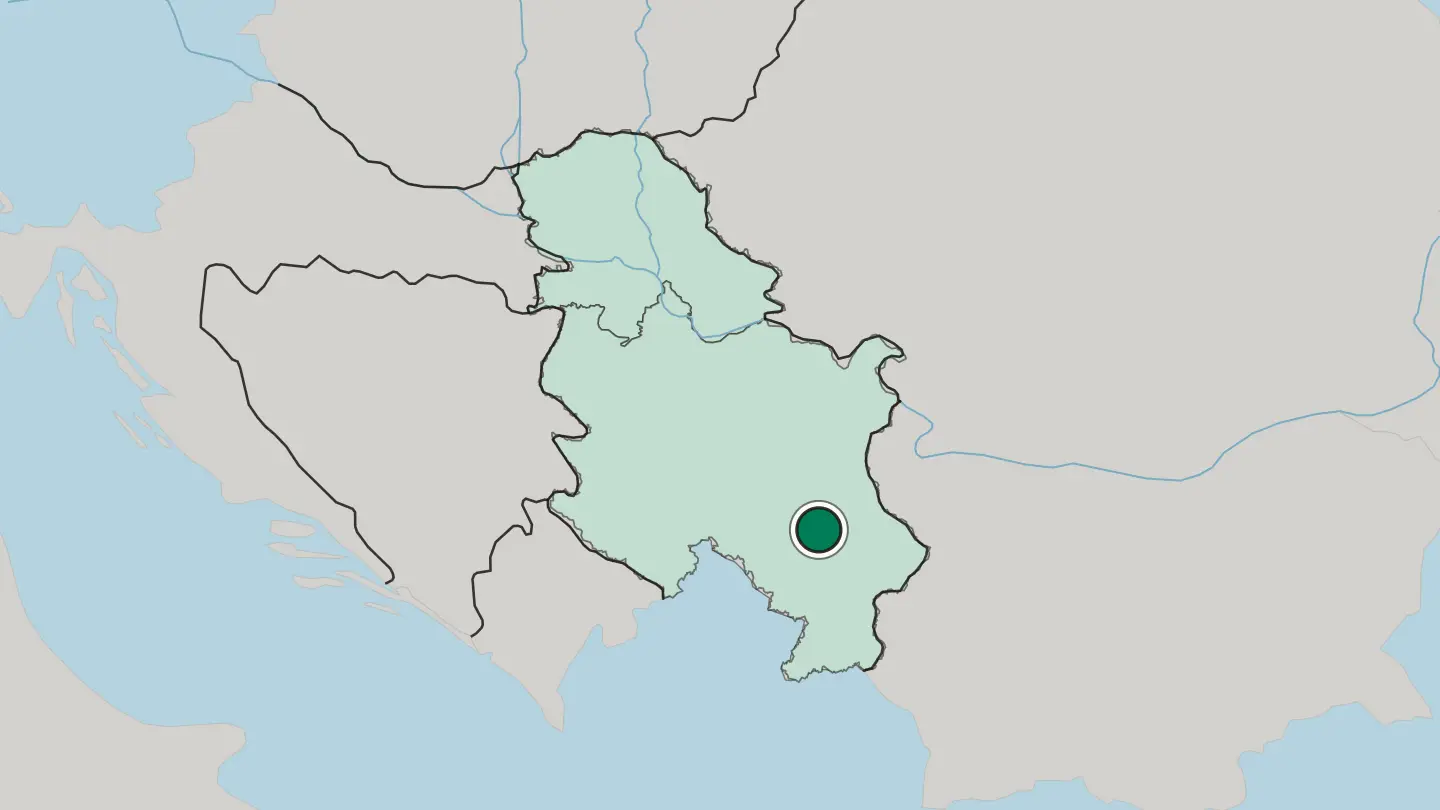
 Serbia
Subotica
Subotica is a city in northern Serbia's Vojvodina, near the Hungarian border, known for its Art Nouveau buildings and the Subotica Cathedral.Where to stay →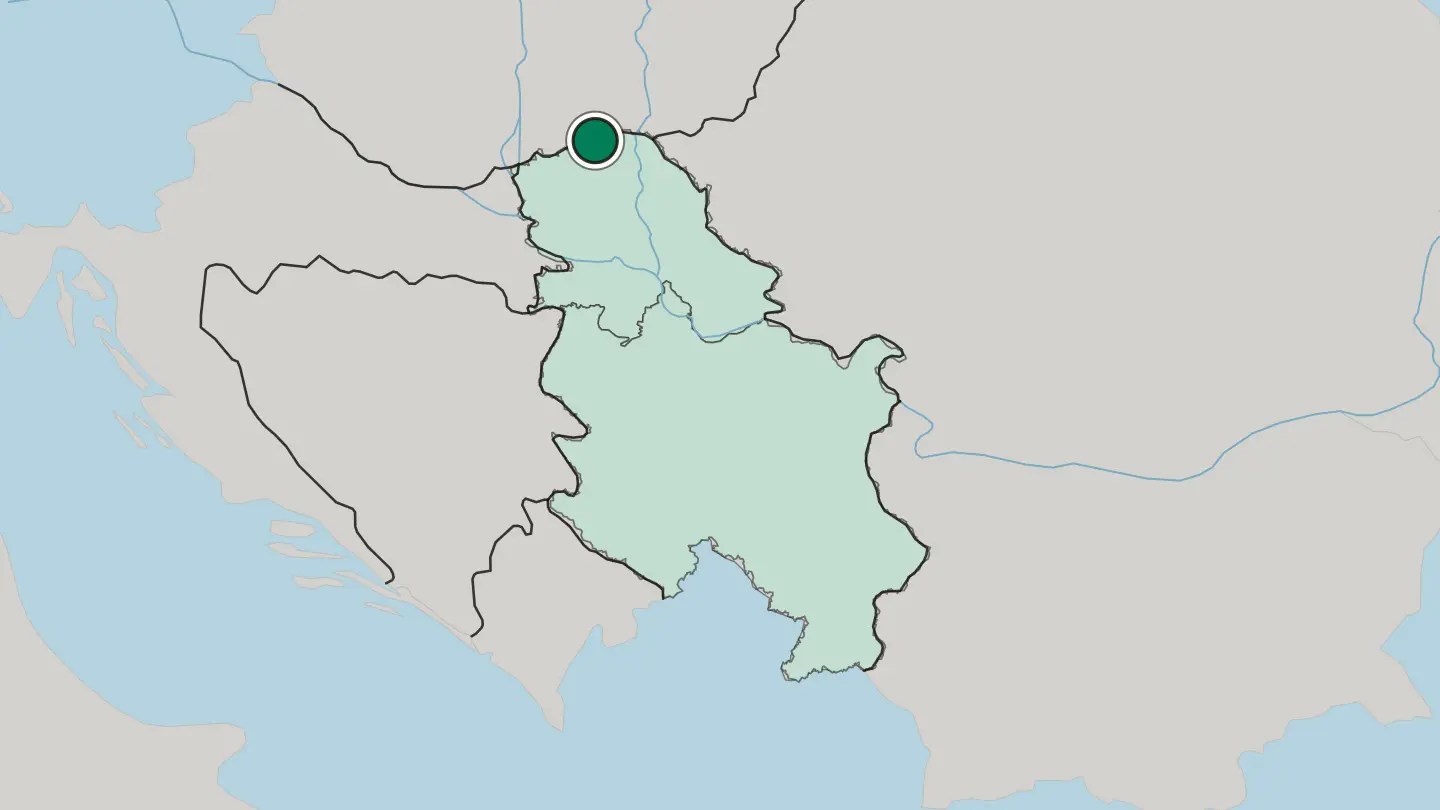
 Serbia
Novi Pazar
Novi Pazar is the chief city of the Sandžak region in southwestern Serbia, an old Ottoman town beside the ruins of medieval Ras.Where to stay →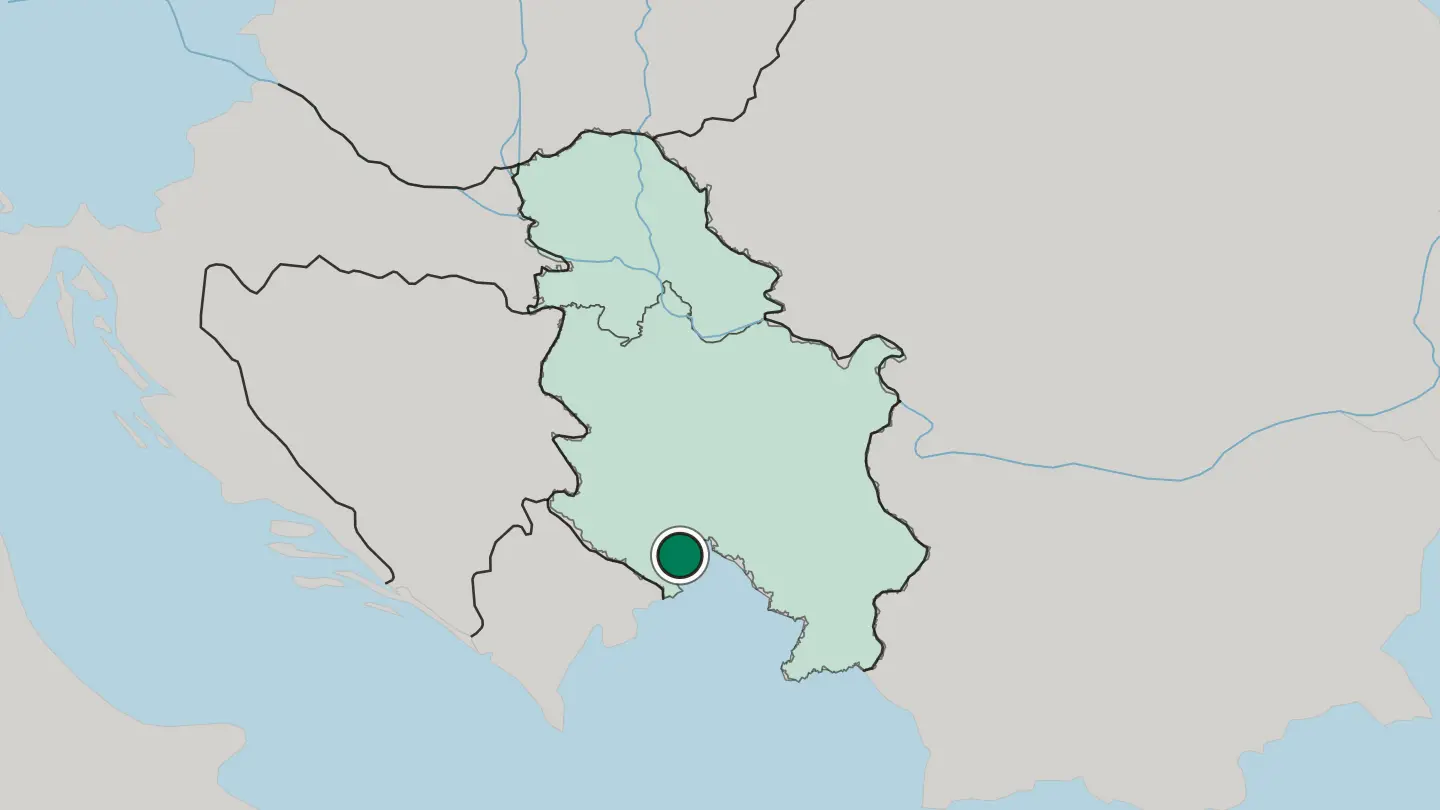
 Serbia
Kragujevac
Kragujevac is a city in the Šumadija hills of central Serbia, the first capital of the modern Serbian state.Where to stay →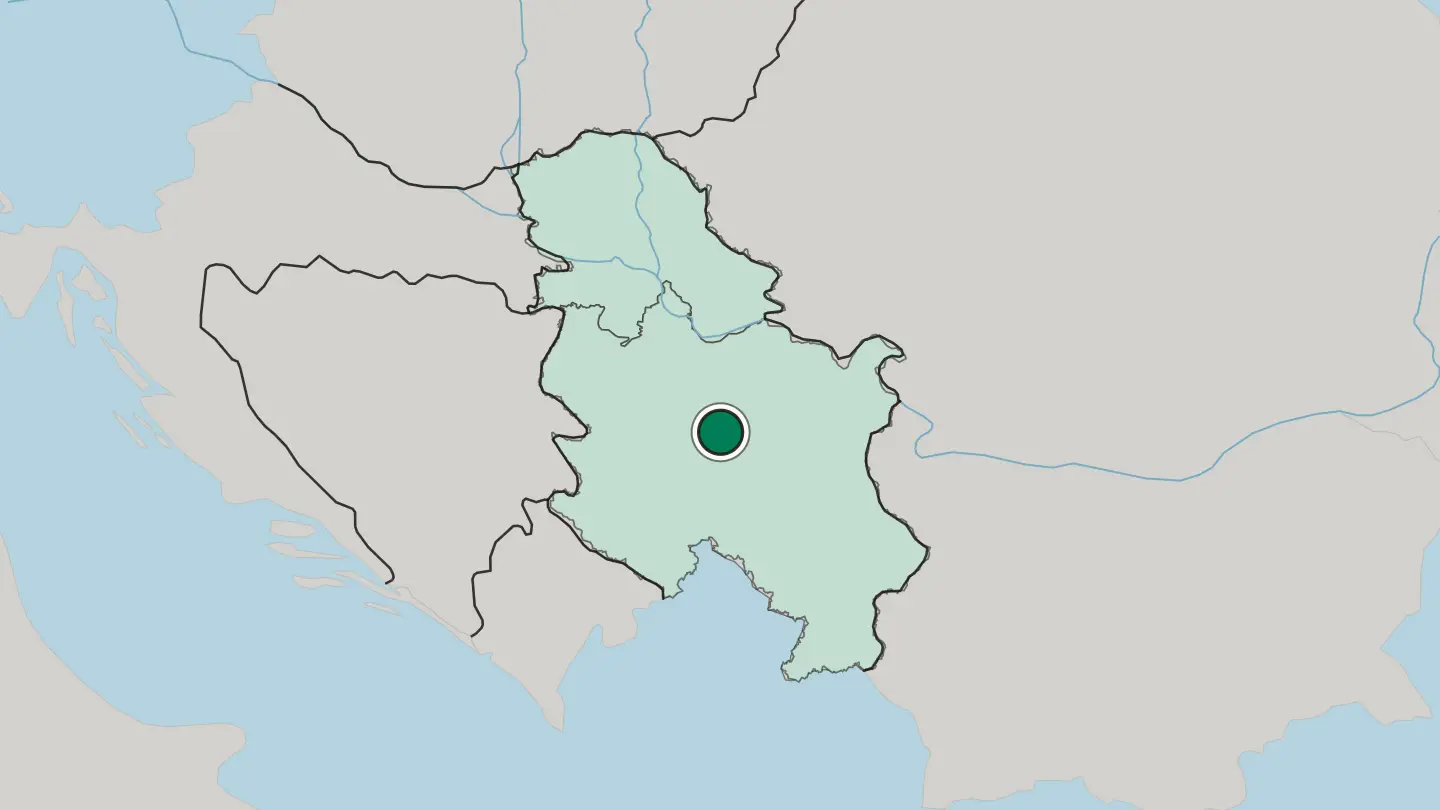
 Serbia
Zrenjanin
Zrenjanin, administrative centre of the Central Banat District in Vojvodina, carried the name Veliki Bečkerek until 1918 and Petrovgrad after it.Where to stay →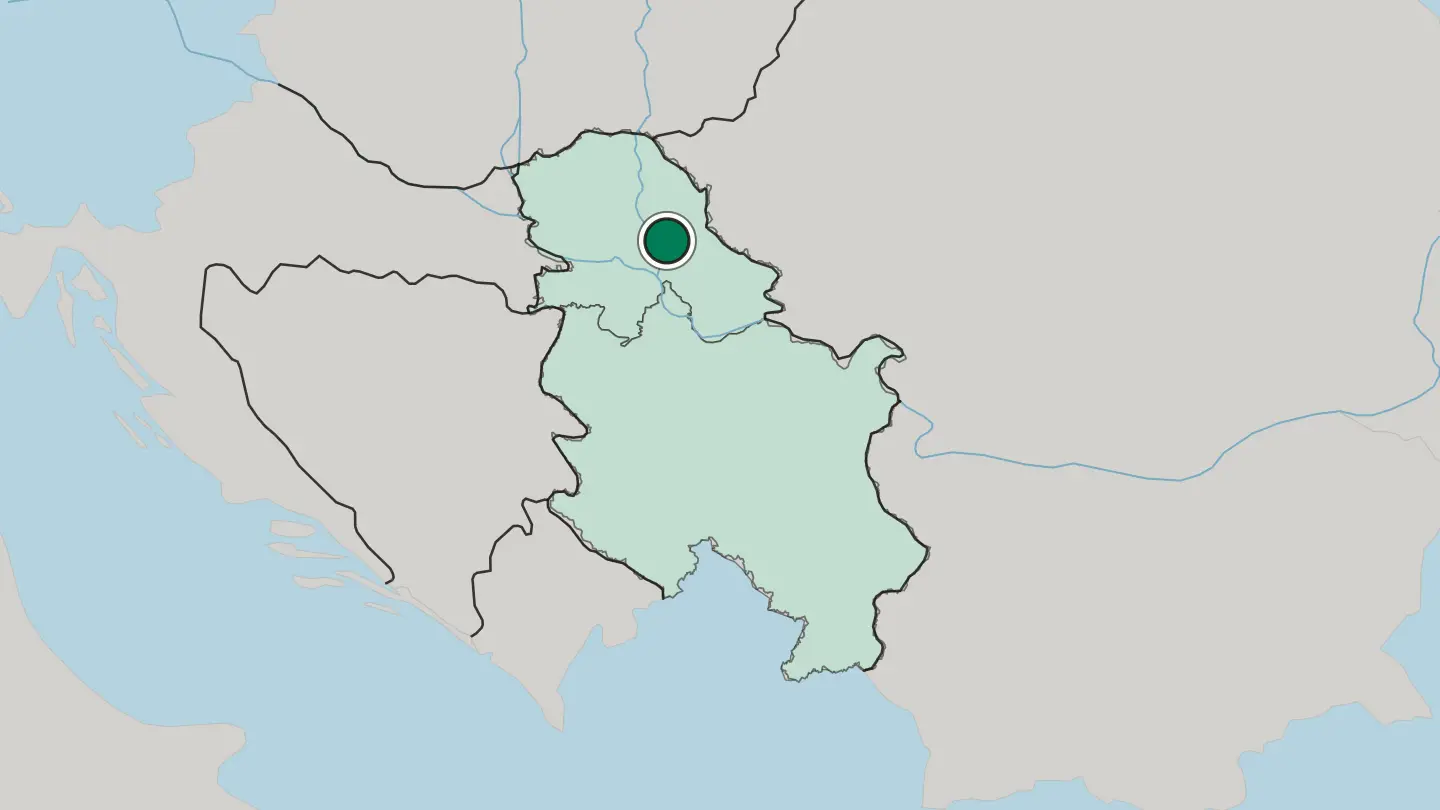
 Serbia
Čačak
Čačak is a city of central Serbia in the West Morava valley, an old market town near a river gorge full of cliff-side monasteries and warm springs.Where to stay →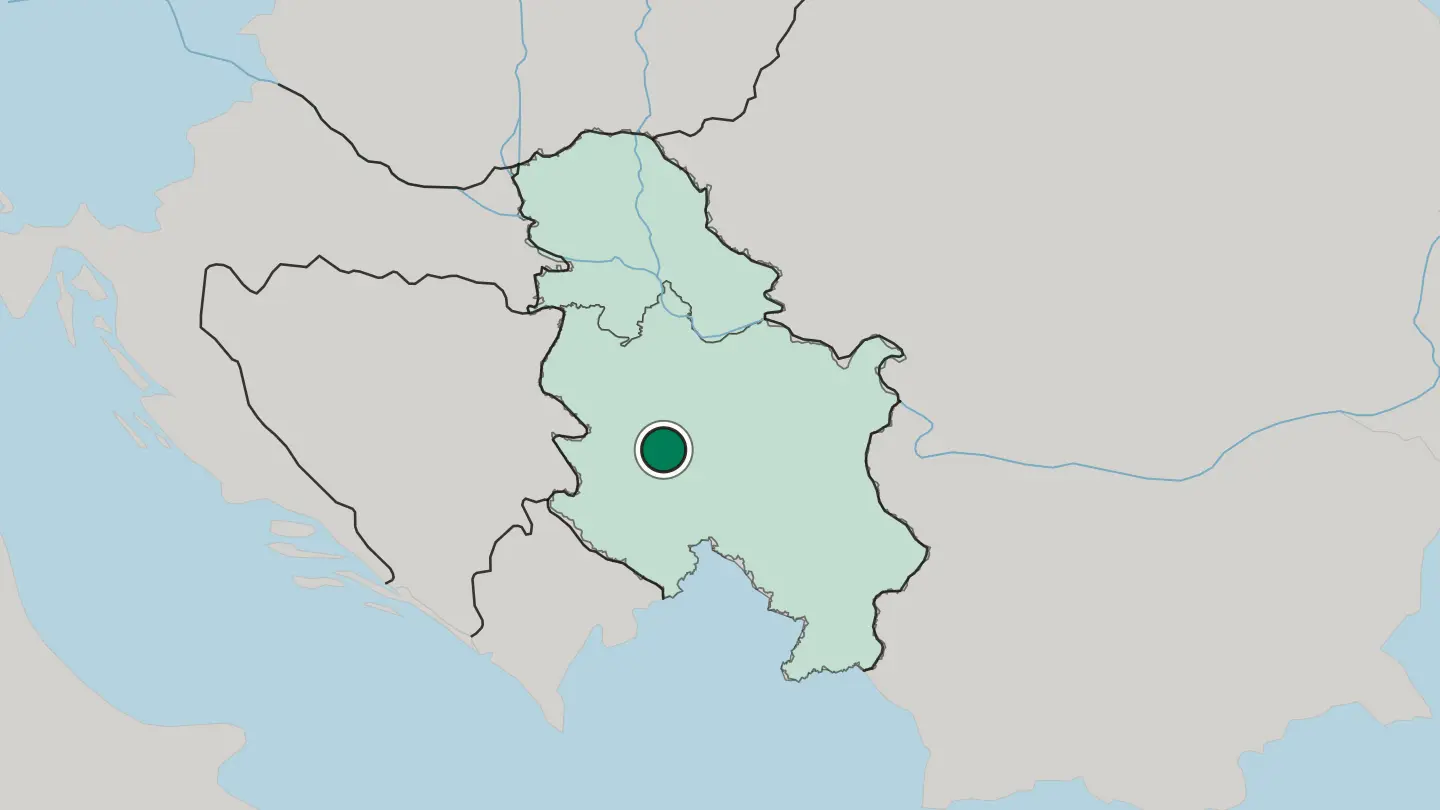
 Serbia
Leskovac
Leskovac, seat of the Jablanica District in southern Serbia, stands on the floor of the Leskovac Depression by the Veternica.Where to stay →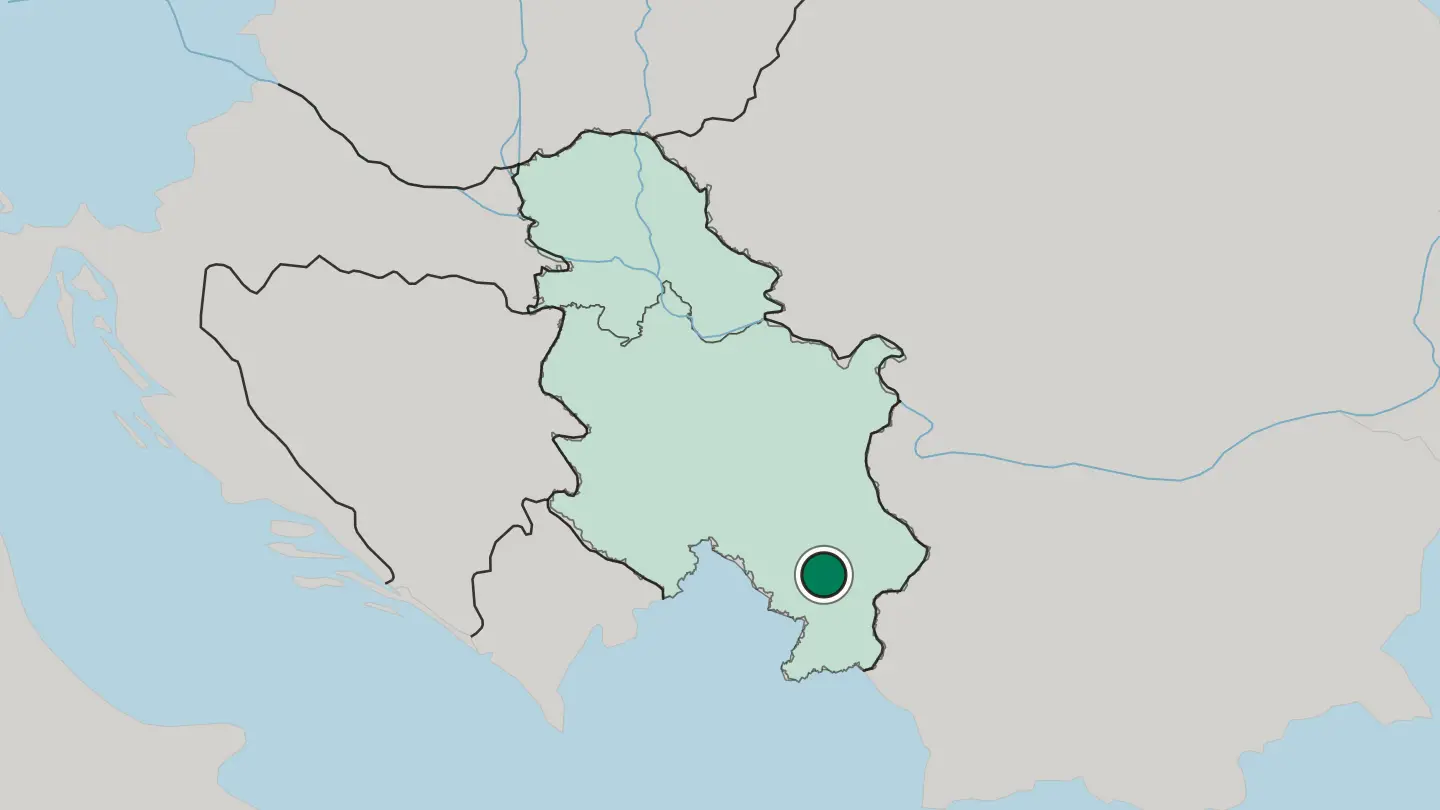
Hotel links are affiliate links: booking through them may earn us a commission, at no extra cost to you. It never affects how places are ranked. How this works
Regions of Serbia
Serbia
Autonomna Pokrajina Vojvodina
Vojvodina is the flat, fertile autonomous province filling northern Serbia above the Danube.Towns & cities →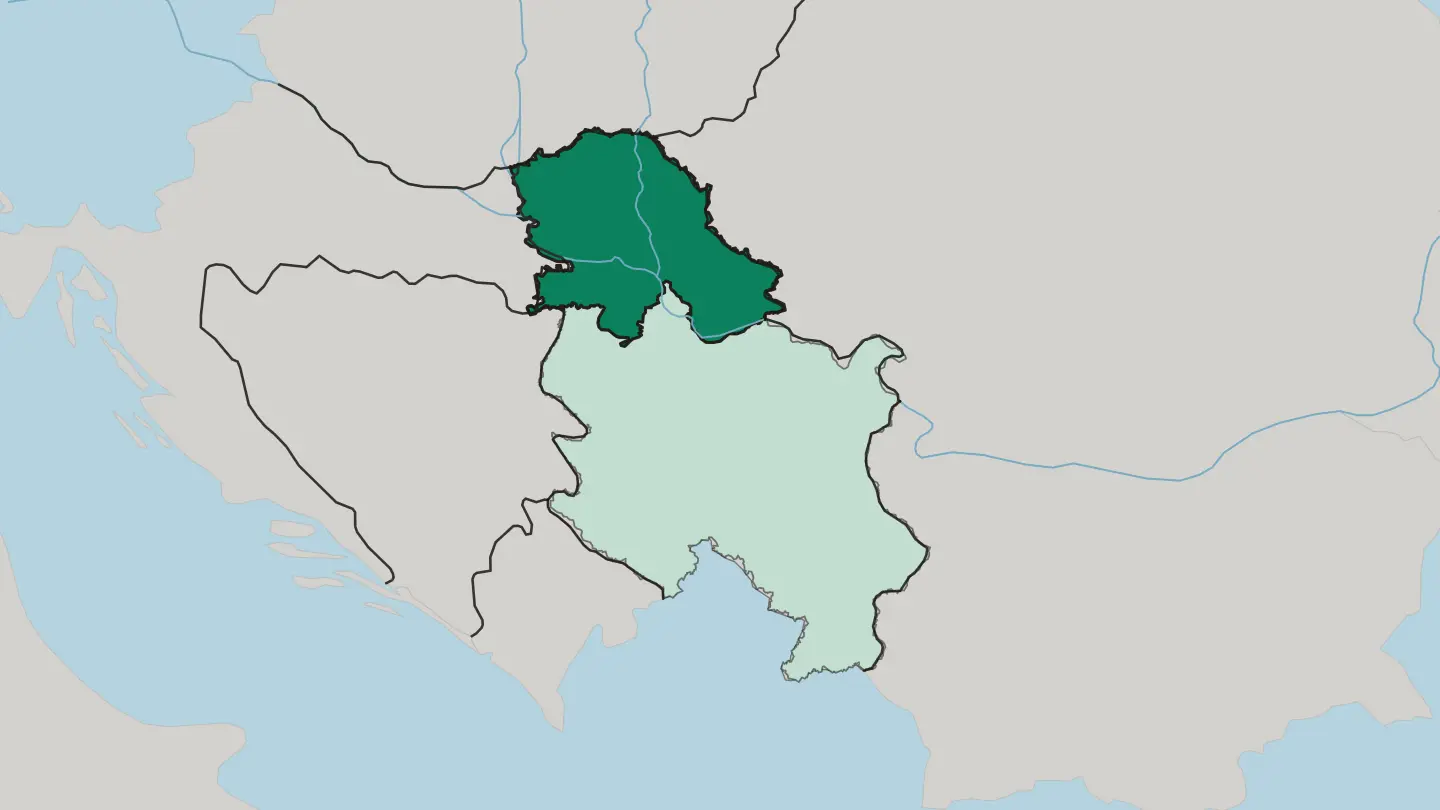 Serbia
Central Serbia
Belgrade rises at the heart of Central Serbia, the central part of Serbia between the Vojvodina plains and the Kopaonik mountains.Towns & cities →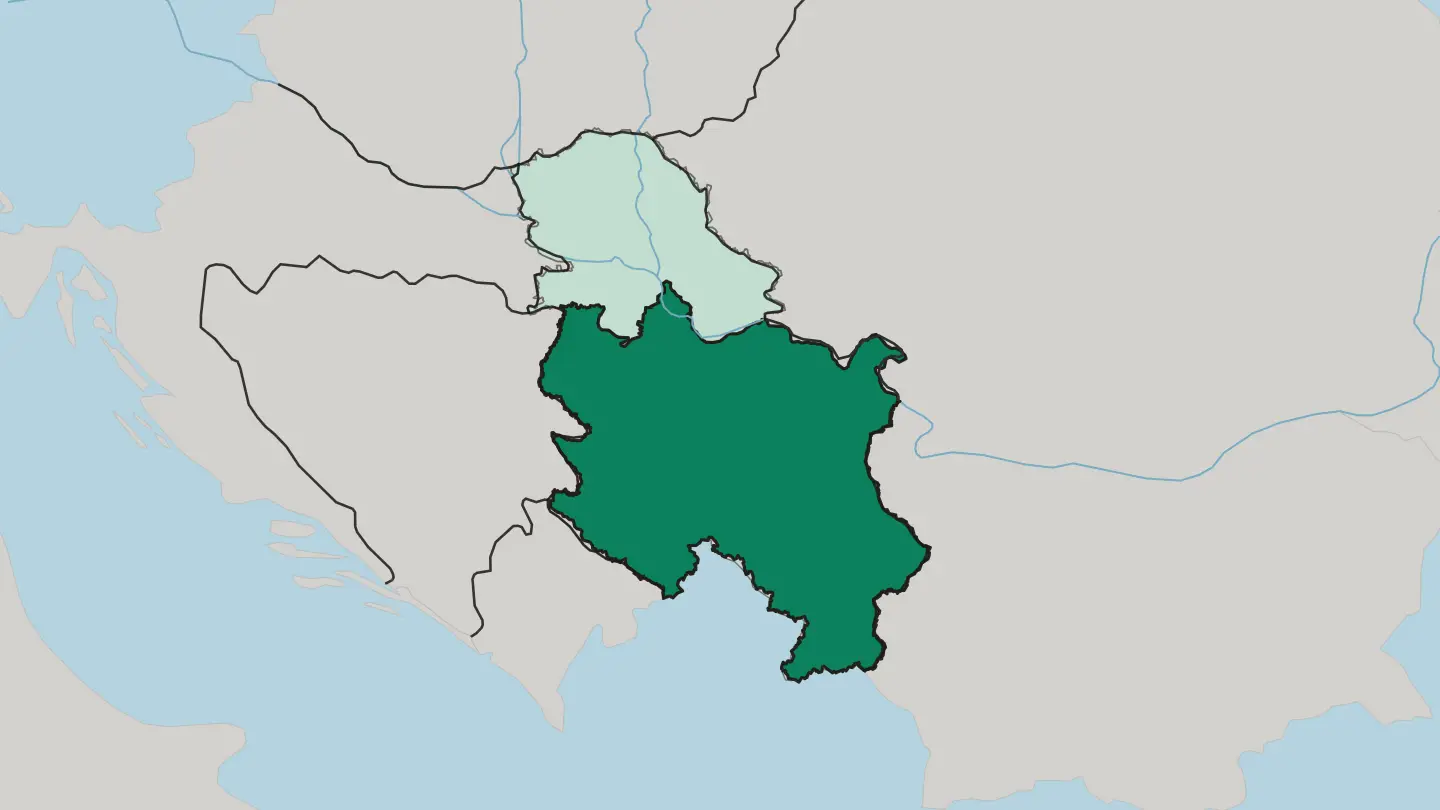
Explore by experience
Not sure which place? Start from how you want to travel.
About Serbia
What is Serbia known for?
Serbia is known as a Balkan country in Southeastern Europe, its land running from the plains of Vojvodina to the ski slopes of Kopaonik. Belgrade leads it. The capital gathers the country's life, while mountains, lakes, and national parks spread south and west toward Montenegro, and spa resorts draw travellers across the interior of Serbia.
Where is Serbia?
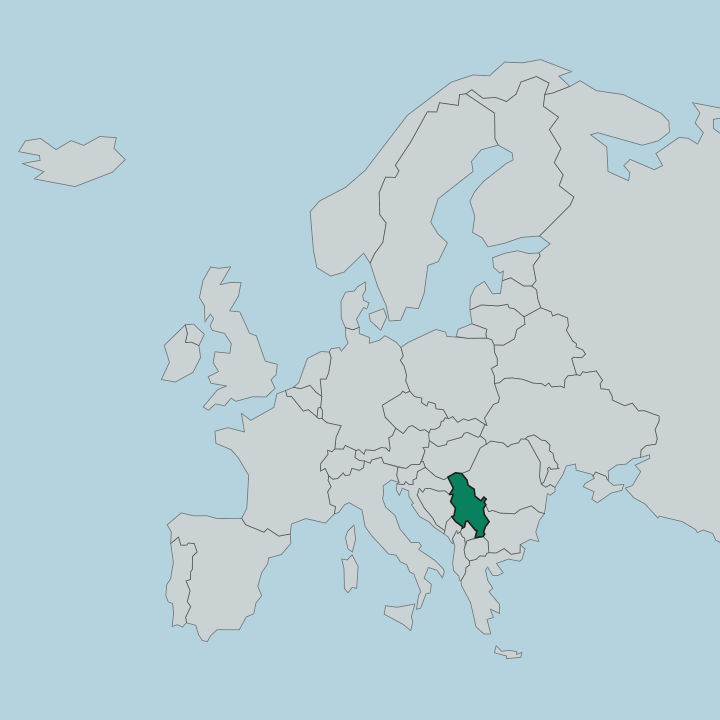
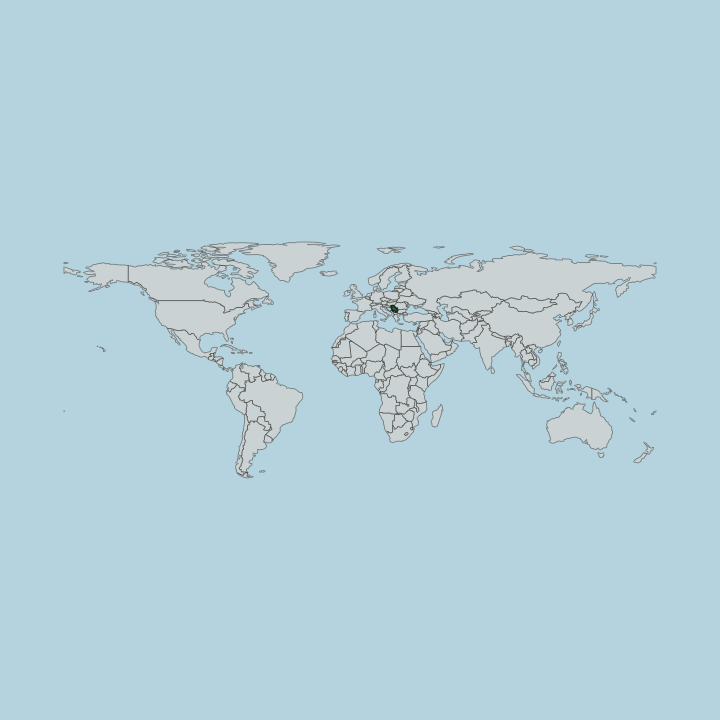
Serbia lies landlocked in the Balkans, at the meeting of Southeastern and Central Europe. The land splits in two. Across the north spread the flat plains of Vojvodina, open farmland reaching toward the Hungarian border, while the south rises into the mountains, lakes, and national parks that fill the interior of the country.
Kopaonik crowns the high ground. Its slopes rank among the tallest of the Serbian mountains, an upland spine that gathers the winter snow and divides the northern plains of Vojvodina from the deep southern valleys. The parks guard the wild ground.
Across the south the national parks of Serbia shelter forest, gorge, and lake, a landscape far removed from the level fields that open toward Hungary in the north. Serbia shares its borders with neighbours on nearly every side. Hungary lies to the north and Romania to the northeast, Bulgaria to the southeast and North Macedonia to the south, while Croatia, Bosnia and Herzegovina, and Montenegro close the western and southwestern edges.
Serbia meets no sea. Landlocked within the Balkans, the country sits on the old land routes between Central Europe and the regions beyond, its valleys long carrying the roads that cross Serbia from the plains of Vojvodina to the southern mountains. Belgrade holds the centre.
The capital stands where the northern plains give way to the hills, the hinge between the flat Vojvodina country and the higher ground that climbs toward Montenegro and Kopaonik in the south.
What is the history of Serbia?
Serbia traces its roots to the early medieval Balkans, its first states forming around the year 780. Its position drew armies for centuries. Between Central Europe and the Near East, the country grew into a crossroads of European history, fought over and passed between empires as the borders shifted around it.
Belgrade stood through it all. The city on the northern edge of the Balkans held its ground as the seat of power, guarding the plains of Vojvodina and the roads that ran south into the mountains. Serbia later became the dominant component of Yugoslavia, the federation that bound the South Slav lands through the twentieth century.
That union shaped the modern country. When Yugoslavia broke apart, Serbia carried on as one of its successor states, keeping Belgrade as its capital and Vojvodina among its lands, a country reaching from the northern plains to the southern mountains. The old crossroads endured.
Through empire, kingdom, and federation, the country held its language and its name across the Balkans, and that long past still marks the towns of Serbia from Vojvodina to Kopaonik.
What is Serbia like?
Serbia draws its culture from the Serbian language and the mingling of peoples at the crossroads of the Balkans. Many strands meet here. Centuries on the routes between Central Europe and the Near East left the country a mix of cultures, faiths, and traditions, bound together by the Serbian tongue spoken from Vojvodina to the southern mountains.
Belgrade sets the pace. The capital gathers the theatres, music, and street life of the country, a centre of Serbian culture on the northern plains. That culture carries a warmth the country is known for.
Serbian hospitality runs deep. Across Serbia the table, the song, and the welcome of guests hold a central place, from the farming villages of Vojvodina to the spa towns and the ski country around Kopaonik. The regions keep their own flavour.
The open north, long tied to Central Europe, differs from the mountain south, yet the Serbian language and a shared past bind the whole country together across the Balkans, one identity spread from the Hungarian border to the southern ranges.
What is the climate of Serbia?
Serbia sits in the temperate band of the Balkans, its weather split between the plains and the mountains. Summer and winter stand far apart here. Warm summers cross the open plains of Vojvodina, while cold and snowy winters settle over the high ground, and the snow lies longest on Kopaonik, where the ski season draws travellers into the mountains of the south.
How do you get to Serbia?
Serbia is reached most easily through Belgrade, the country's hub for air and rail in the heart of the Balkans. The routes converge on the capital. Roads and railways cross in from Hungary, Romania, Bulgaria, and the other neighbours, following the old land corridors between Central Europe and the Near East that have long run through Serbia.
Good for
Updated September 2026