Russia · Dagestan
Where to Stay in Buynaksk, Dagestan
Buynaksk sits in the Greater Caucasus foothills on the Shura-Ozen River, a Dagestan town of 1834 also on record as Темир-Хан-Шура.
Find your area →


Where to stay in Buynaksk
Where visitors usually base themselves, and why.
Buynaksk is small enough that the choice is a matter of streets rather than districts. The town is compact, and the two sites its record names, the Buynaksk Synagogue and the Museum in Buynaksk, sit within the same walkable middle rather than at opposite ends of a sprawl. That simplifies things.
A room anywhere central puts both within reach, and the Shura-Ozen River is never far from wherever the room turns out to be. The Greater Caucasus foothills are the other consideration. Rooms on the rising ground trade a few minutes of walking for the ridgeline, and in a town this size those few minutes are the whole difference between one side of Buynaksk and the other.
Makhachkala is the alternative base. The capital of Dagestan lies 40 kilometres off and carries the arrival routes, so a night there and a day here works for anyone short of time. You take Buynaksk itself if the Buynaksk Synagogue and the Museum in Buynaksk are the point of the trip, and if a small town on the Shura-Ozen River suits you better than a capital does.
About Buynaksk
Темир-Хан-Шура is the other name on the record here.
What is Buynaksk known for?
The town holds two of the sites Dagestan lists in it, the Buynaksk Synagogue and the Museum in Buynaksk, a pairing that says more about who has lived on the Shura-Ozen River than any single monument could. Makhachkala pulls the traffic. Buynaksk keeps the quieter role, 40 kilometres southwest of the republic's capital and hard against the first ridges of the Greater Caucasus.
What are the main landmarks in Buynaksk?
The record names two sites: the Buynaksk Synagogue and the Museum in Buynaksk. That is a short list, but a telling one, because a synagogue and a town museum together sketch a community history broader than a foothill town of the Greater Caucasus would suggest. Both sit within the same small centre.
The Shura-Ozen River is the third fixture, unlisted and unavoidable.
What is the history of Buynaksk?
The founding year is 1834. Темир-Хан-Шура and Buynaksk are both on the record for the same settlement, which took shape in the foothills of the Greater Caucasus beside the Shura-Ozen River. That position explains a great deal. A town hemmed by rising ground grows along the valley rather than outward in every direction, and Buynaksk has never had much room to do otherwise.
The Republic of Dagestan is the administrative frame, and Russia the wider one. What survives of the older town is short but specific. The Buynaksk Synagogue is the building that carries the most history per square metre, and the Museum in Buynaksk holds the documents and objects that place it in a wider Dagestan story.
The rest is street fabric. Makhachkala carries the administrative weight of the republic from 40 kilometres away, which leaves this town keeping its record in its own two buildings rather than in a capital's archives. Nothing here was rebuilt for display.
The two sites the record names are working buildings in a working town, and their interest lies in what they preserve rather than in how they present it.
Where is Buynaksk?
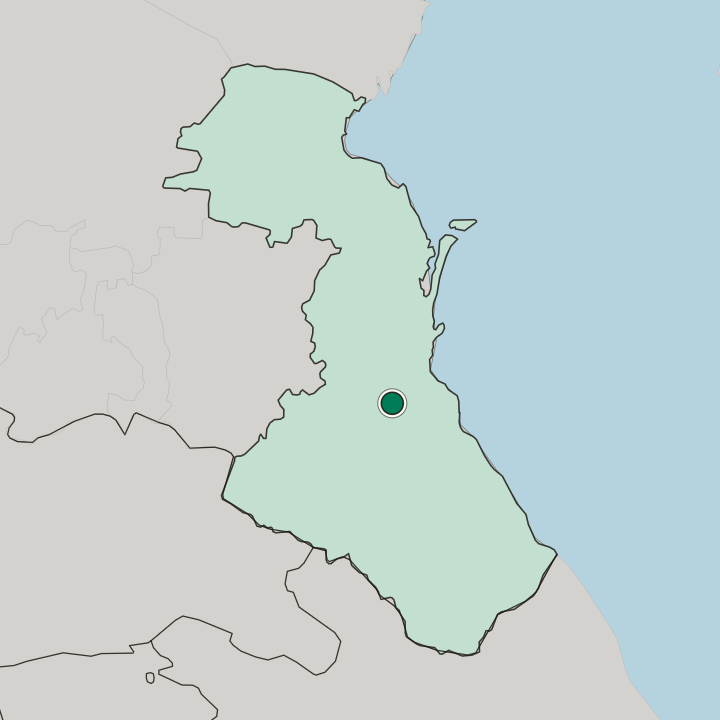
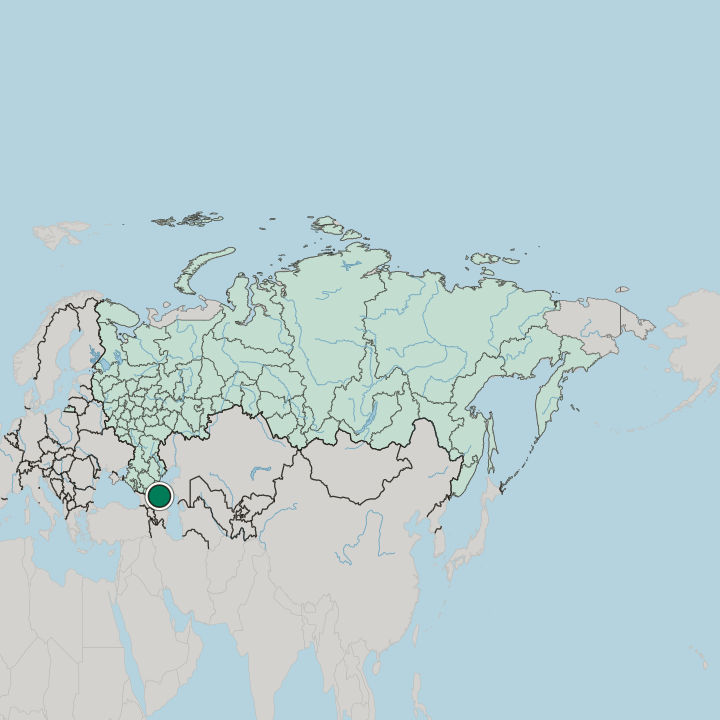
The Shura-Ozen River is the axis. Buynaksk occupies roughly 21 square kilometres in the foothills of the Greater Caucasus, which sets the town at the meeting of lower ground and the range behind it, with the river running through the middle of what was built. Makhachkala lies 40 kilometres off, the capital of the Republic of Dagestan.
What is the climate of Buynaksk?
The Greater Caucasus sets the terms. Buynaksk lies in the temperate band but in the foothills of the range, which makes altitude as much a factor as the season and gives the town a cooler year than the lower ground of the Republic of Dagestan around it. Shelter matters here.
Walking between the Buynaksk Synagogue and the Museum in Buynaksk is a short enough errand that the season barely enters into it.
How do you get to Buynaksk?
Makhachkala is the arrival point. The capital of the Republic of Dagestan lies 40 kilometres from Buynaksk, and the run between the two is the leg that matters, climbing from lower ground into the foothills of the Greater Caucasus. Inside town, nothing needs a vehicle: the Buynaksk Synagogue and the Museum in Buynaksk both sit near the middle, and the Shura-Ozen River runs through the same ground.
More cities in Dagestan
Updated October 2026