Russia · Moskva
Where to Stay in Moscow, Moskva


Where to stay in Moscow
The right area depends on your trip — here's what each neighbourhood is best for.
 MoscowRussia
Taganskiy
The Kotelnicheskaya Embankment Building rises over Taganskiy, a central district of Moscow known for the Novospassky Monastery.Where to stay →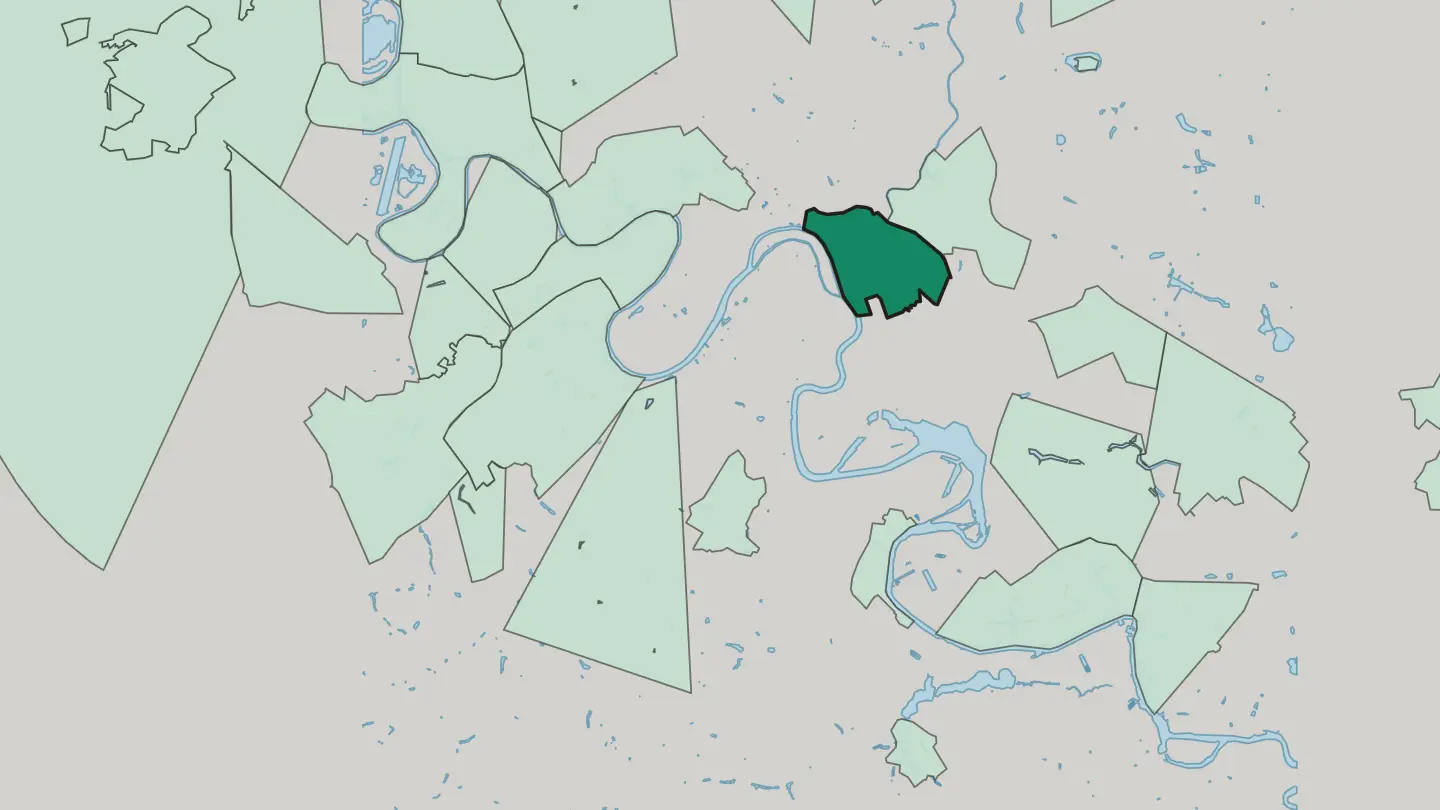
 MoscowRussia
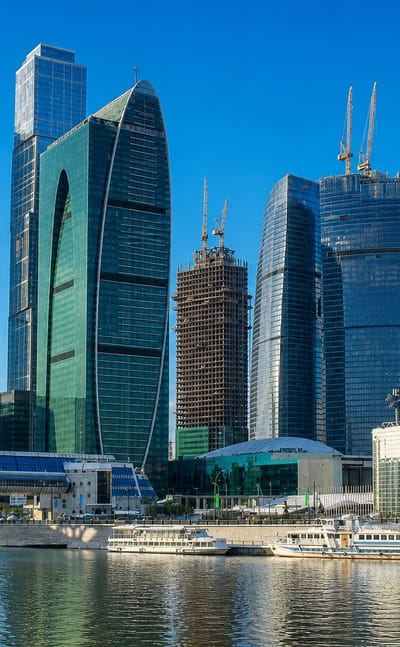
Lefortovo
Lefortovo is a historic district of Moscow, Russia, grown from the old German Quarter and marked by the Lefortovo Palace.Where to stay →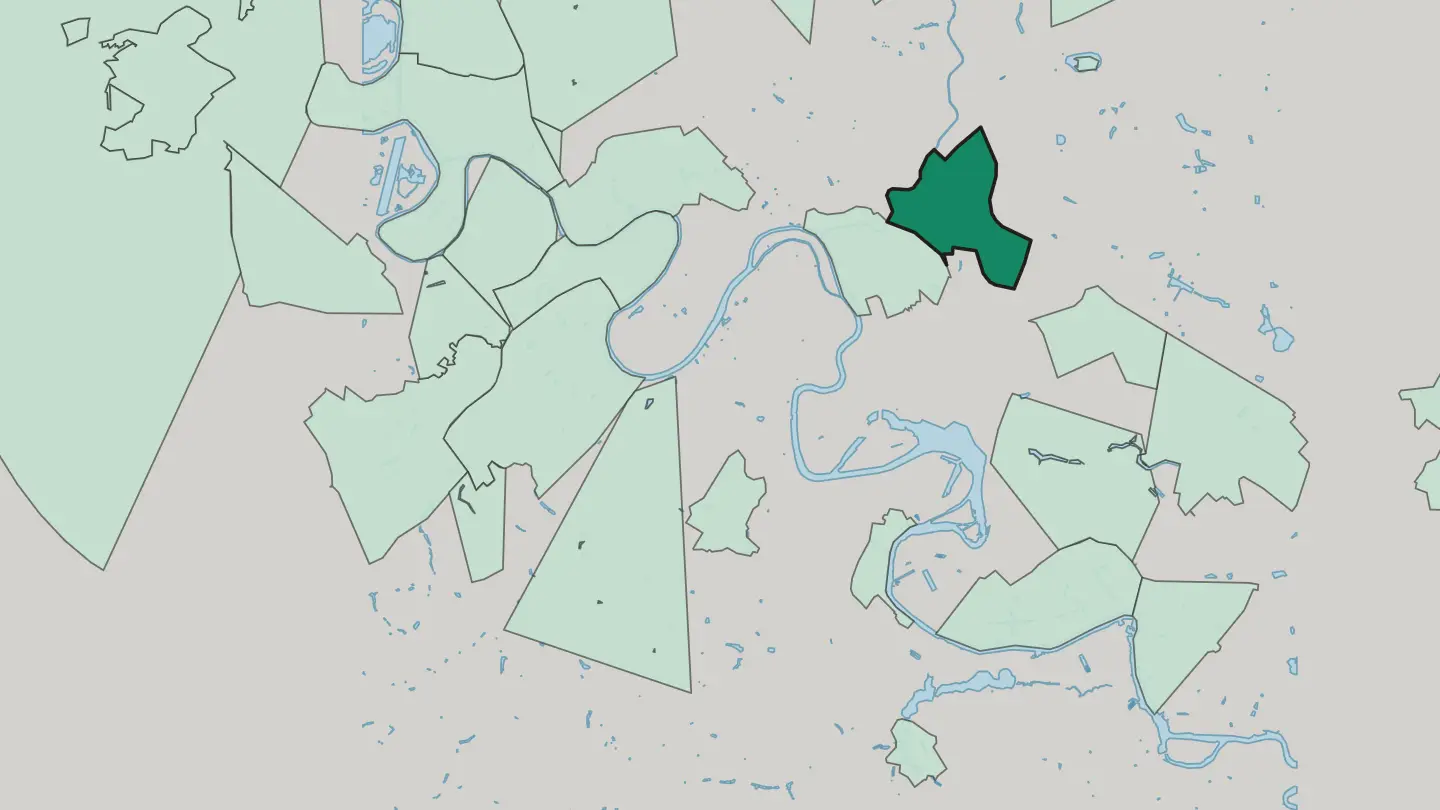
 MoscowRussia
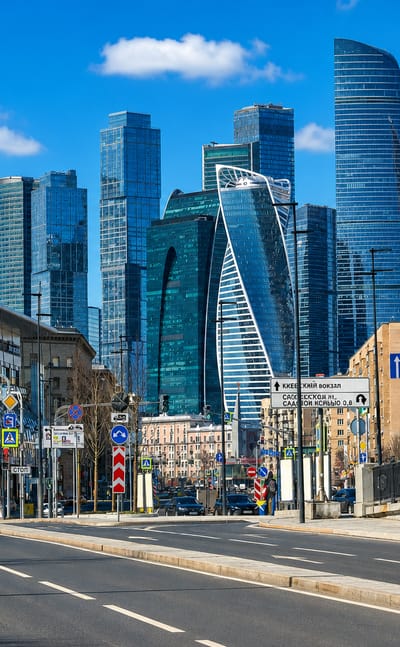
Dorogomilovo
The Triumphal Arch of Moscow stands in Dorogomilovo, a district of Moscow shaped by Kutuzov and the Borodinskaya panorama museum.Where to stay →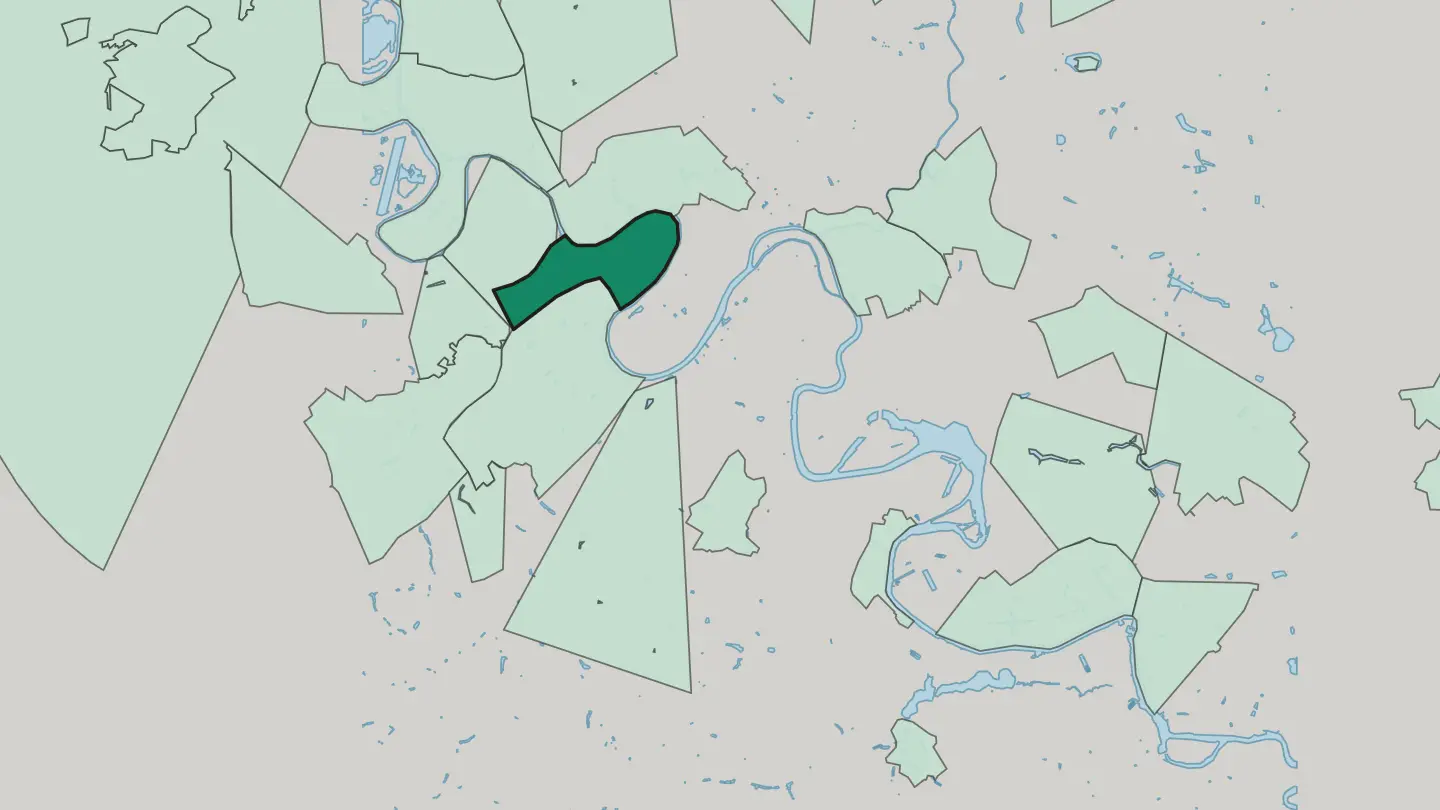
 MoscowRussia
Presnenskiy
Krasnaya Presnya Park spreads green near the Moskva River in Presnenskiy, a central district of Moscow known for the Expocentre exhibition halls.Where to stay →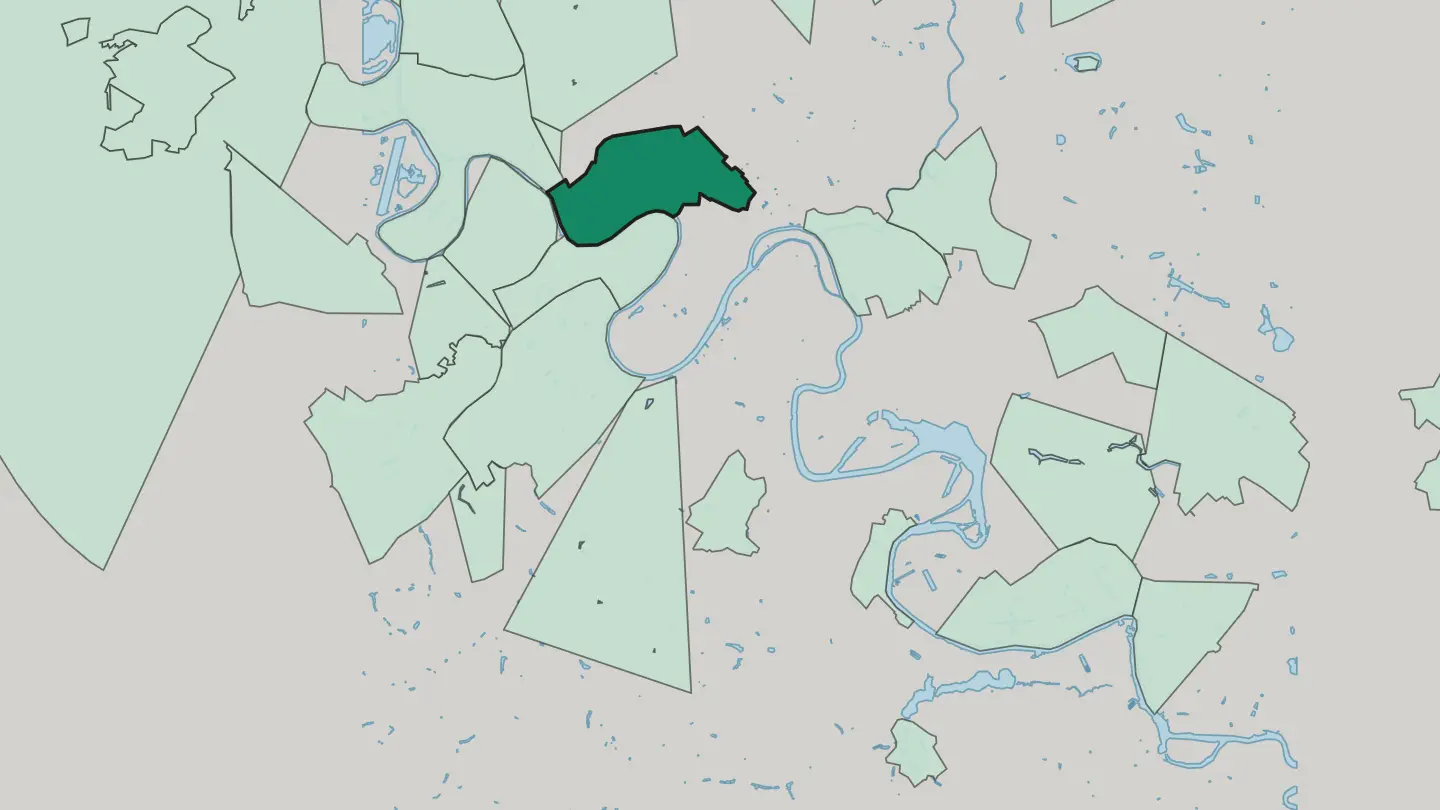 MoscowRussia
Novyye Cherëmushki
Novyye Cherëmushki is a Moscow district laid out from 1959, with the Lebedev Physical Institute and the Darwin Museum close by.Where to stay →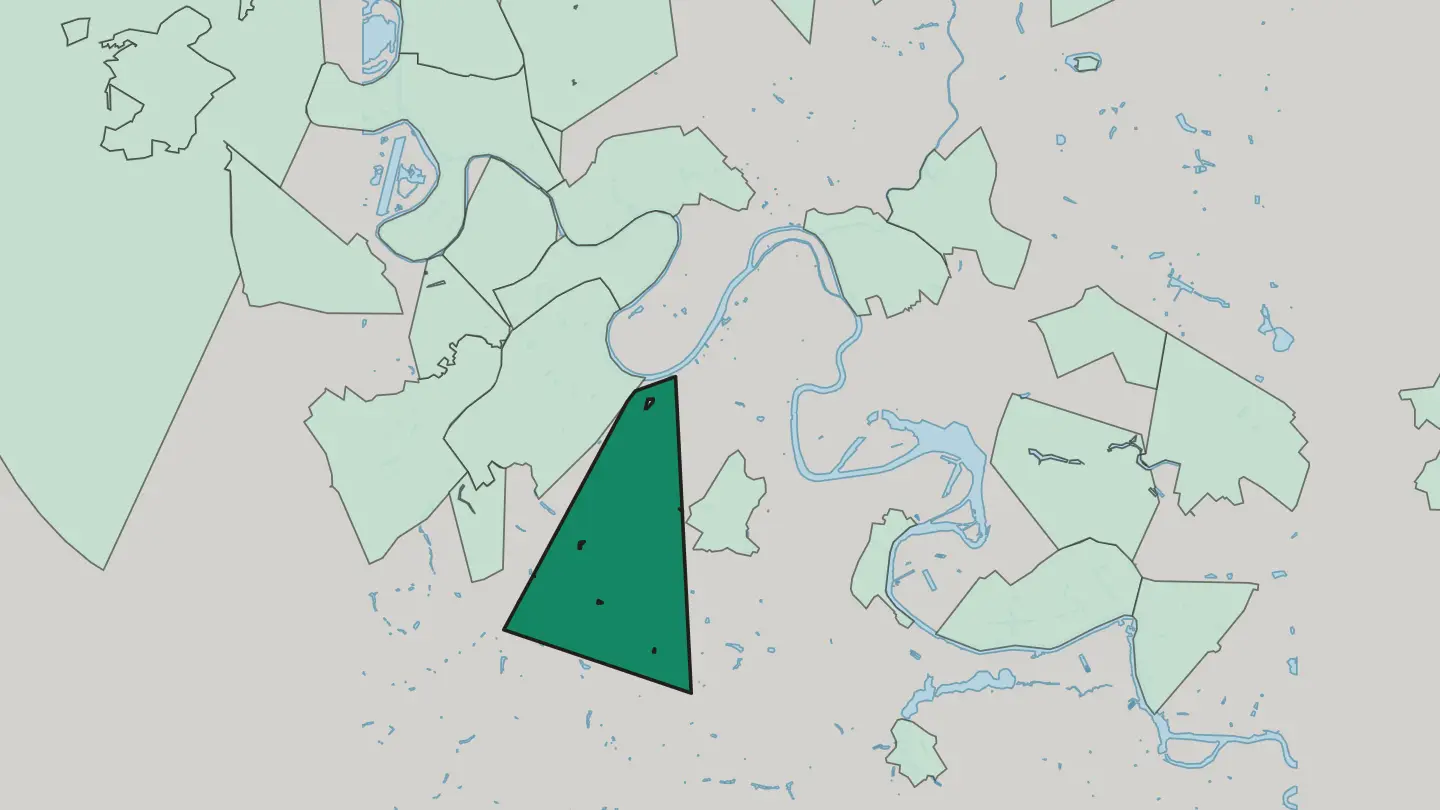 MoscowRussia
Sokol’niki
Sokolniki is a residential district of Moscow, one of the settled quarters of the Russian capital.Where to stay →MoscowRussia
Fili
The Church of the Intercession at Fili and Filyovsky park anchor Fili, a district of Moscow along the Shelepikhinskaya Embankment.Where to stay →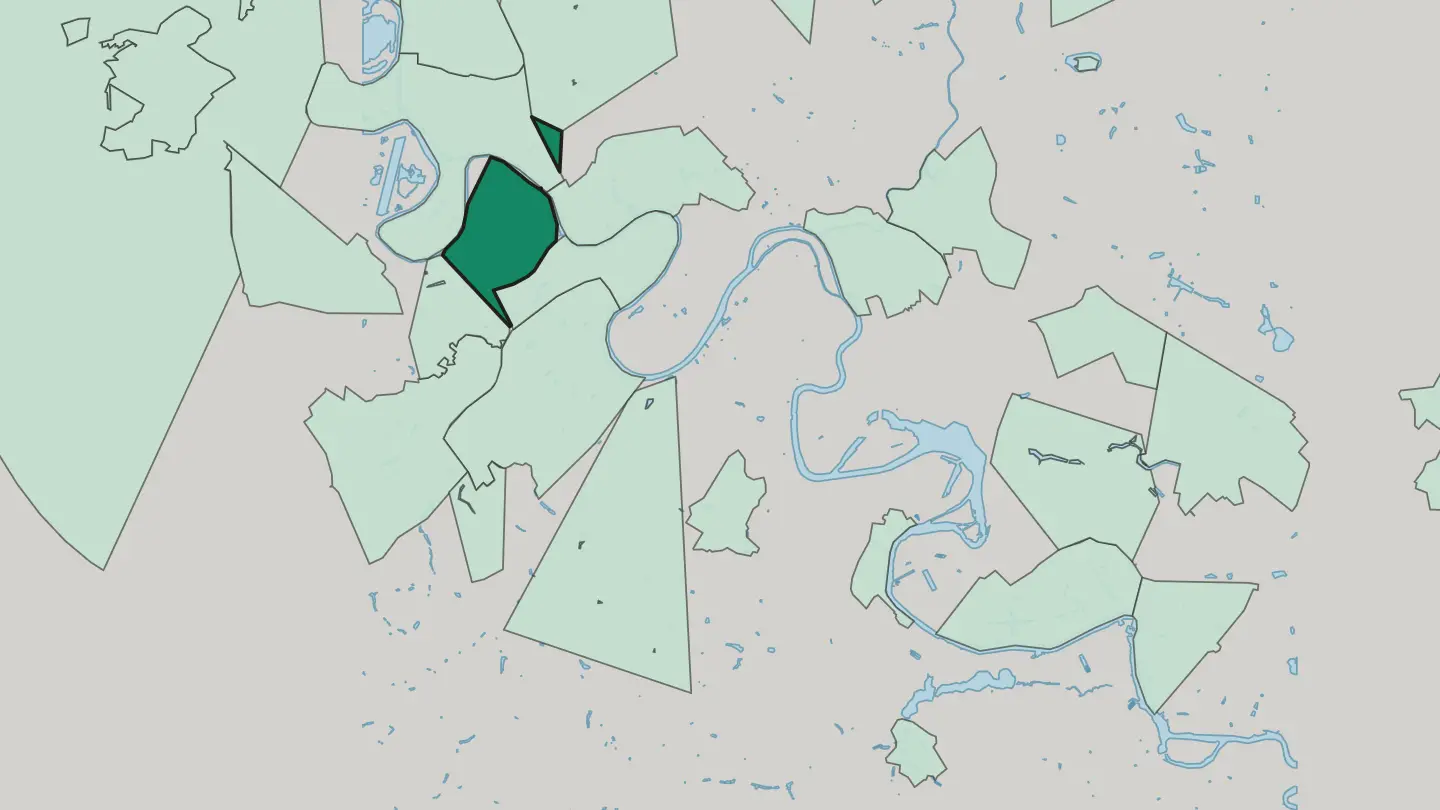
 MoscowRussia
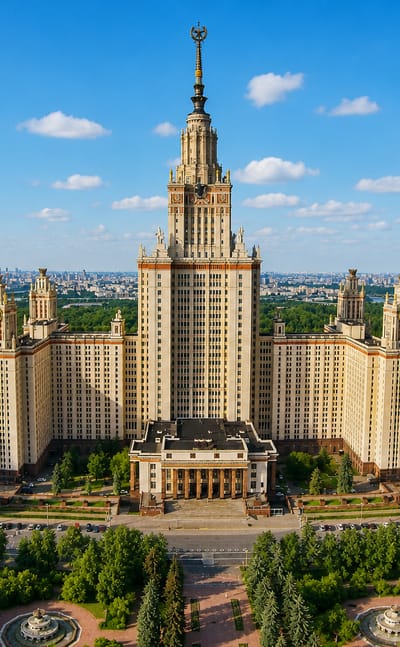
Ramenki
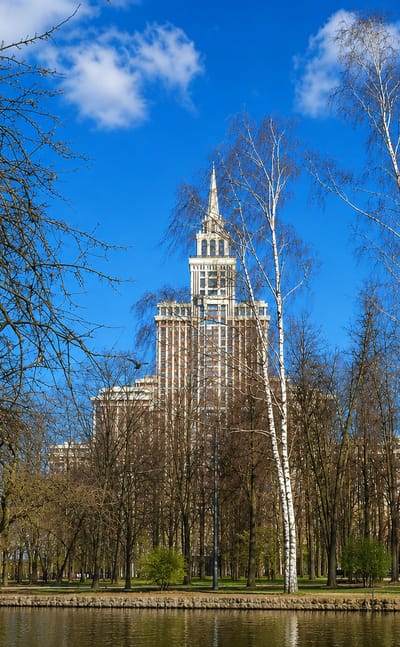
The main building of Moscow State University, one of the Seven Sisters, rises over the Vorobyovy Gory heights in Ramenki, a district of Moscow.Where to stay →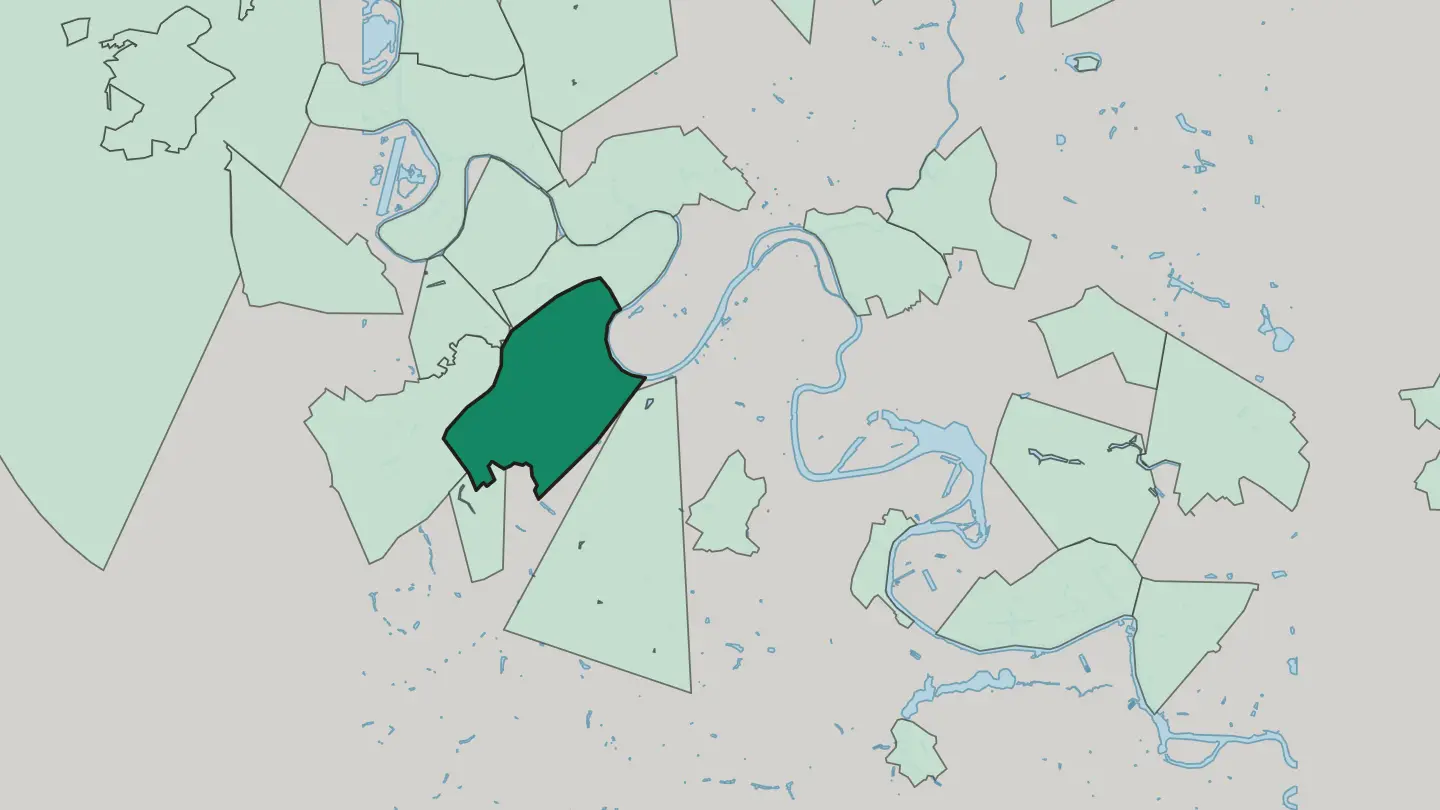 MoscowRussia
Kotlovka
Kotlovka is a residential district of Moscow, Russia, holding the Cheryomushki Estate and the Church of Saint Eudoxia of Moscow.Where to stay →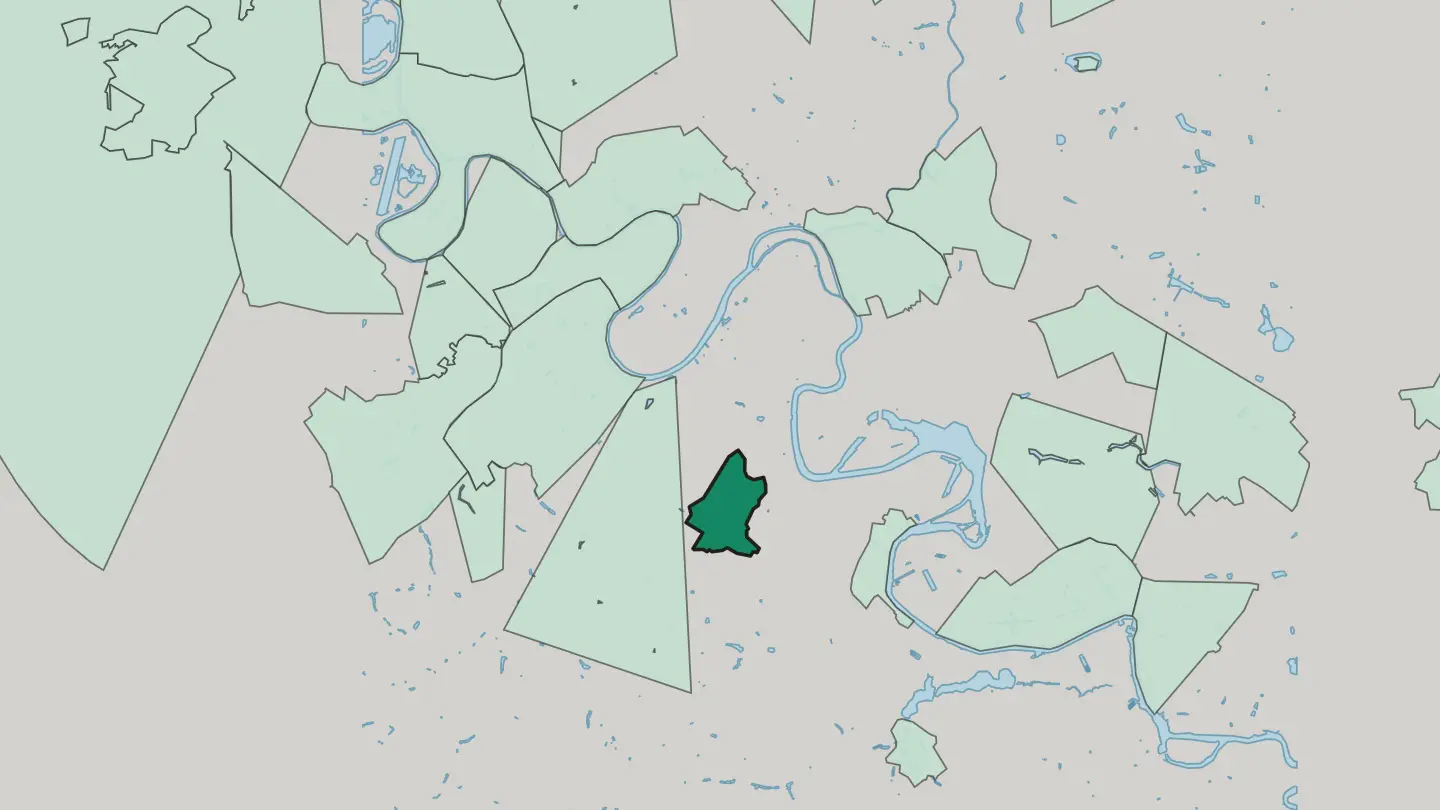
 MoscowRussia
Sokol
The garden-city cottages of the Sokol Settlement mark Sokol, a leafy district of Moscow beside the Aeroport area.Where to stay →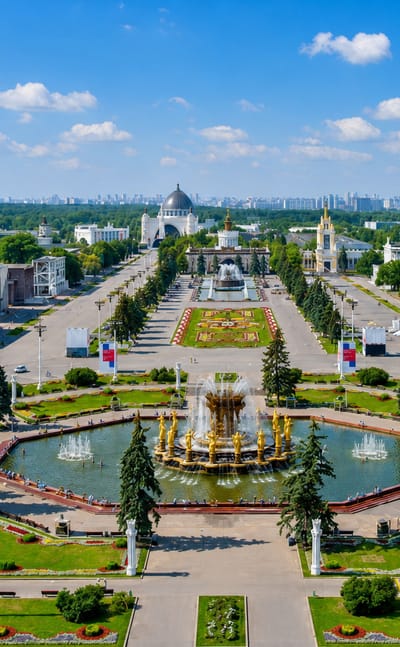 MoscowRussia
Ostankinskiy
The Ostankino Tower rises over the pavilions of VDNKh and the old Ostankino Palace in Ostankinskiy, a district of Moscow.Where to stay →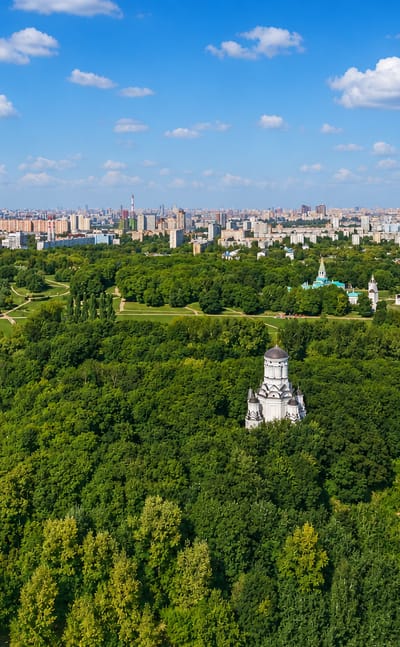 MoscowRussia
Kolomenskoye
Kolomenskoye is a historic estate district of Moscow, Russia, known for the Church of the Ascension of 1532 and the House of Peter I.Where to stay →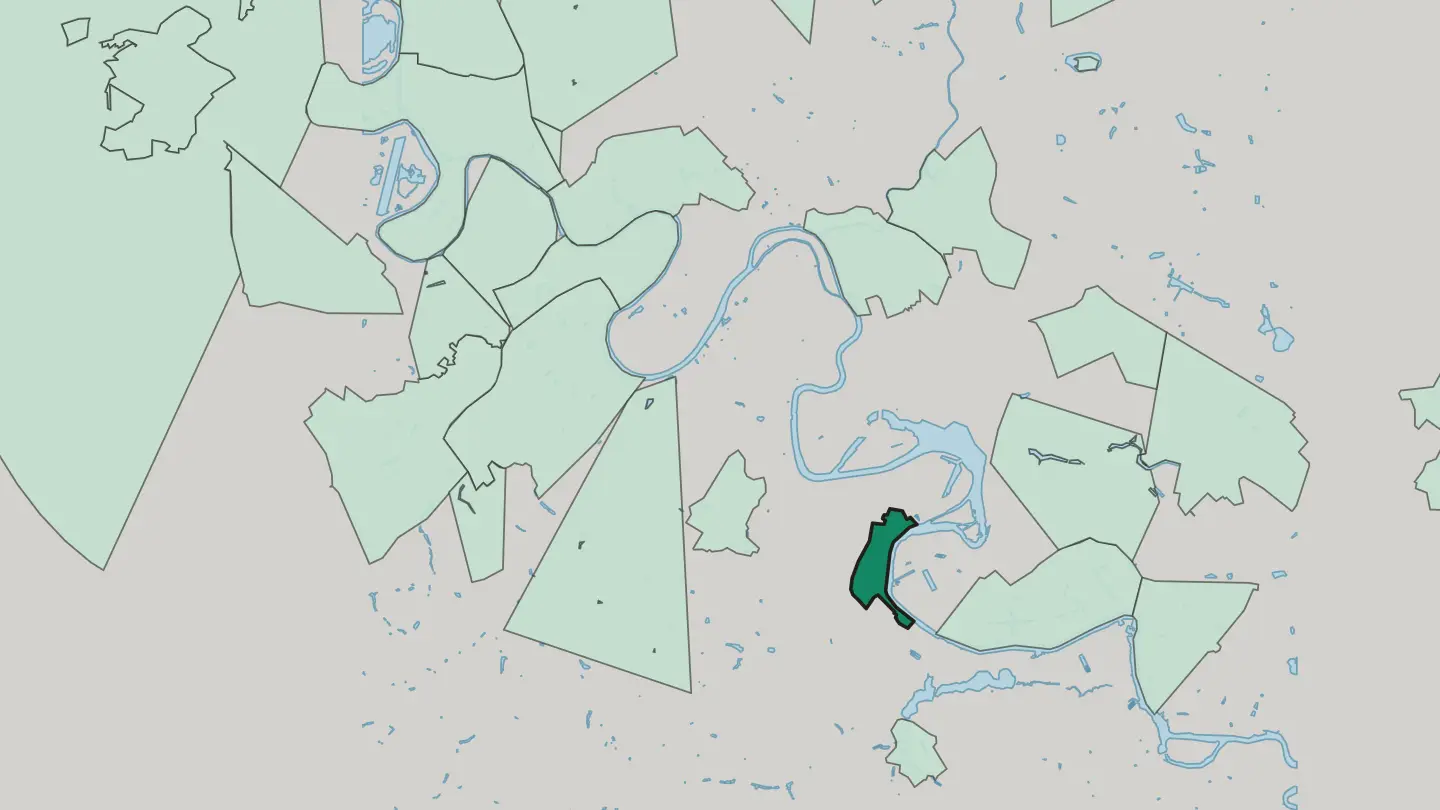
All neighbourhoods (35)
 MoscowRussia
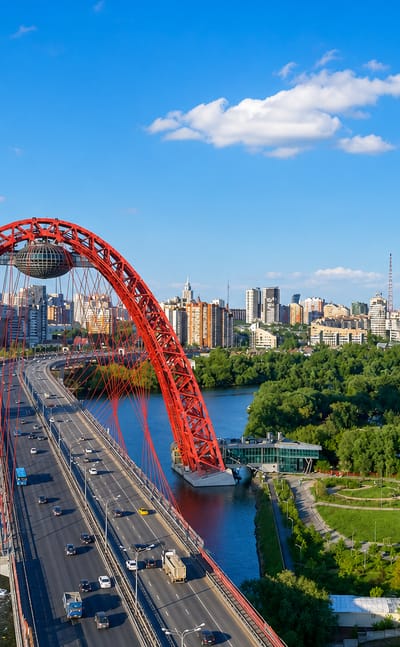
Khoroshëvo-Mnevniki
Khoroshëvo-Mnevniki is a district of Moscow, Russia, known for the Holy Trinity Church in Khoroshevo and the Khoroshyovsky Bridge.Where to stay →MoscowRussiaRyazanskiy
The Krenkel Radio Museum stands among the streets of Ryazanskiy, a residential district of Moscow marked by its heritage Club Building.Where to stay → MoscowRussia
Matveyevskoye
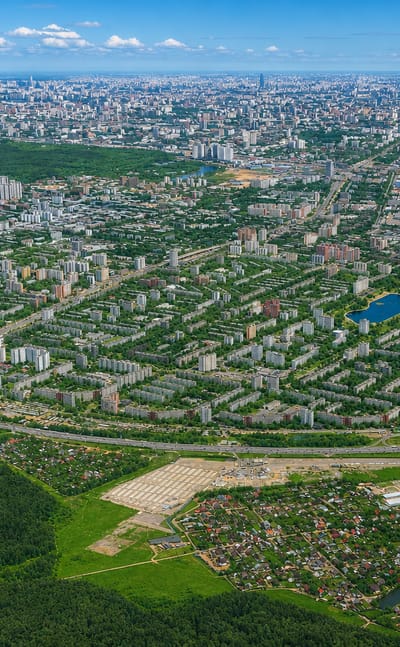
Matveyevskoye is a residential district of Moscow, Russia, best known for the House of Cinema Veterans.Where to stay →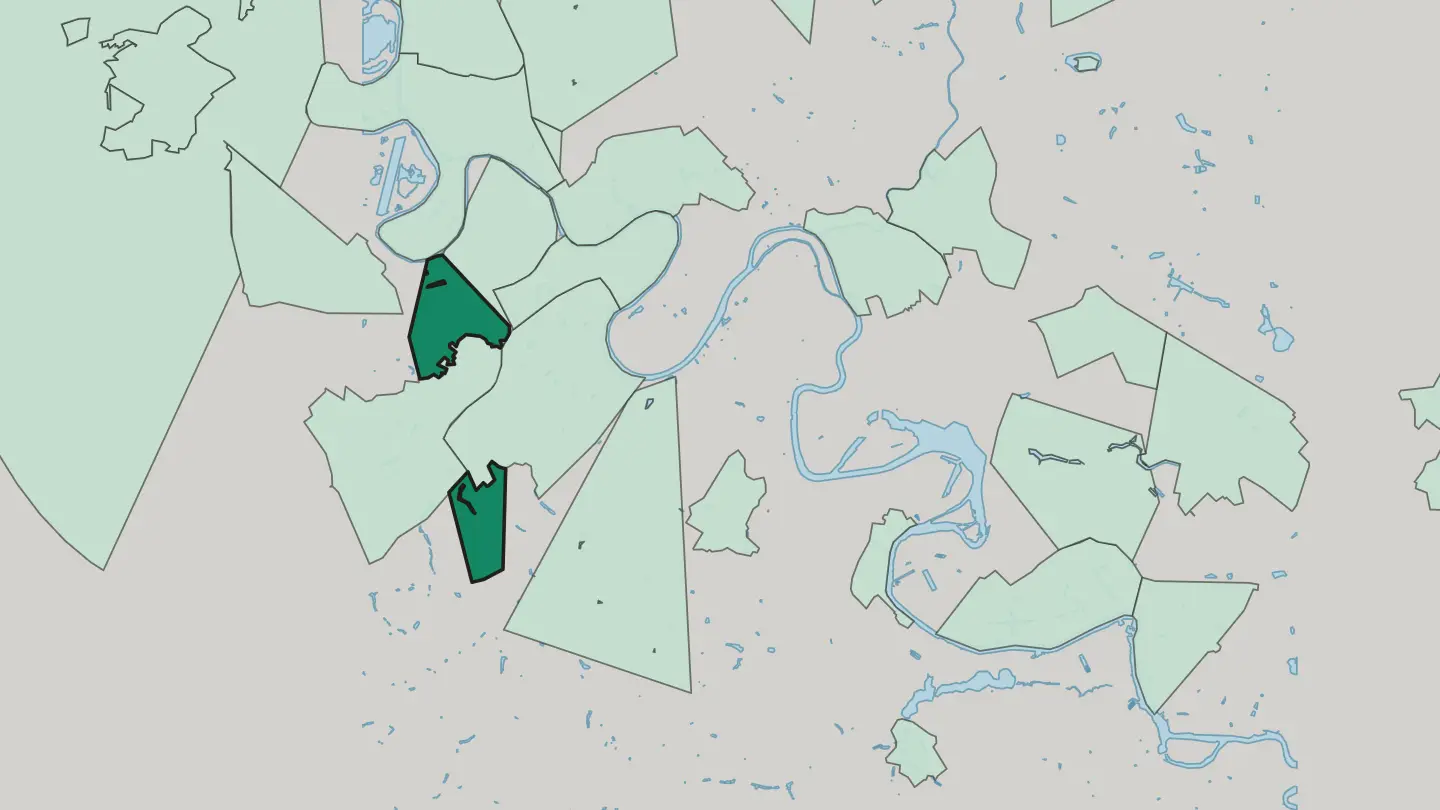
 MoscowRussia
Izmaylovo
Izmaylovo is a district of Moscow, Russia, grown from a historic estate of 1389, known for the Izmailovo Kremlin and Partizanskaya metro.Where to stay →MoscowRussiaKoptëvo
Koptëvo is a district of Moscow's Northern Administrative Okrug, a green residential quarter beside Timiryazev Academy Park and the Golovinskie Ponds.Where to stay → MoscowRussia
Shchukino
The Kurchatov Monument marks Shchukino, a district of Moscow in the North-Western Administrative Okrug, grown around Laboratory Number 2.Where to stay →MoscowRussiaSviblovo
Sviblovo is a residential district of Moscow laid out in 1978, taking its name from the old Sviblovo Estate that stands on the site.Where to stay →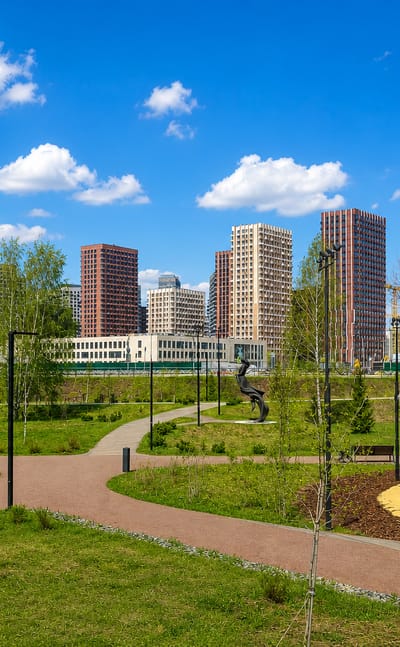 MoscowRussia
Pokrovskoye-Streshnëvo
The old Pokrovskoye-Streshnevo estate and its park sit beside the Moscow-Volga Canal in Pokrovskoye-Streshnëvo, a district of Moscow.Where to stay →MoscowRussiaLyublino
Lyublino is a residential district of Moscow, Russia, set out in its present form in 1996, with the Lomakov cars museum.Where to stay →MoscowRussiaKuntsevo
Kuntsevo is a residential district in the Western Administrative Okrug of Moscow, Russia, formed as part of the city in 1960.Where to stay →MoscowRussiaOtradnoye
Otradnoye is a residential district of Moscow in Russia, one of the raions of the North-Eastern Administrative Okrug.Where to stay →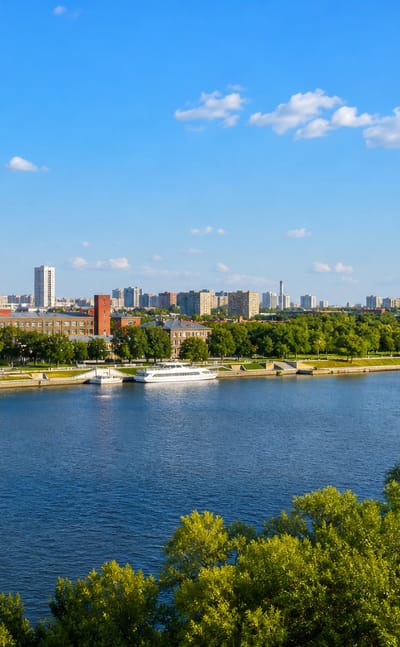 MoscowRussia
Ochakovo-Matveyevskoye
The old Troyekurovo estate and the Church of Saint Nicholas in Troyekurovo anchor Ochakovo-Matveyevskoye, a district of Moscow.Where to stay →MoscowRussiaMetrogorodok
Metrogorodok is the northernmost district of the Eastern Administrative Okrug of Moscow, Russia, and holds the Losiny Ostrov burial mounds.Where to stay → MoscowRussia
Mar’ino
Mar'ino is a residential district in Moscow's South-Eastern Administrative Okrug, a quarter of apartment blocks off Nizhniye Polya Street.Where to stay →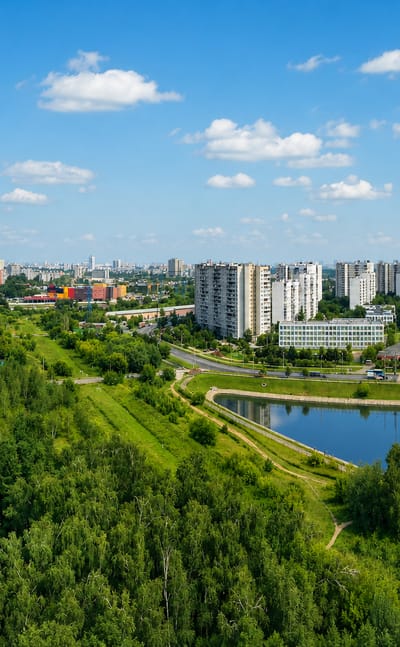 MoscowRussia
Vykhino-Zhulebino
Vykhino-Zhulebino is a large residential district of Moscow, joining the two areas its name records, Vykhino and Zhulebino.Where to stay →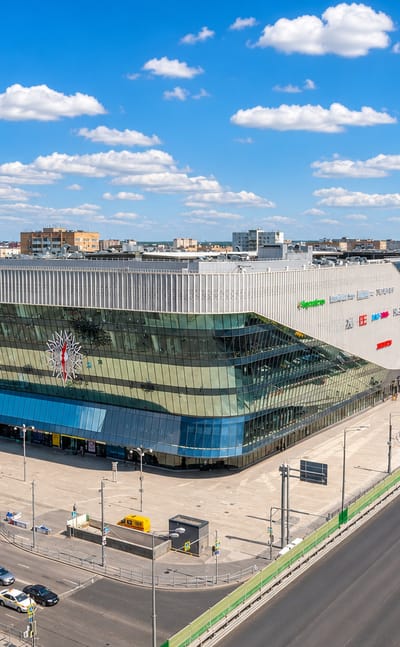 MoscowRussia
Gol’yanovo
Gol'yanovo is a residential district of Moscow, Russia, gathered around the Church of Saint Zosima and Savvatiy off Shchyolkovskoye Highway.Where to stay → MoscowRussia
Bibirevo
The Church of Saint Sergius of Radonezh rises over Bibirevo, a residential district in the North-Eastern Administrative Okrug of Moscow.Where to stay →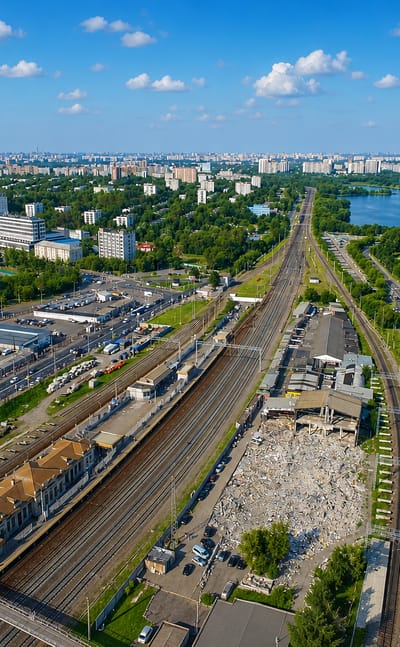 MoscowRussia
Tsaritsyno
Tsaritsyno Palace and its park give the district of Tsaritsyno its name, a corner of Moscow built around an ensemble begun in 1776.Where to stay →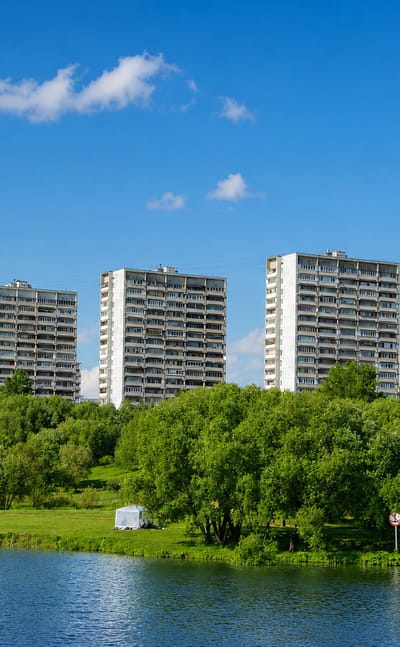 MoscowRussia
Kapotnya
Kapotnya is an outer district of Moscow, Russia, set around the Church of the Nativity of the Theotokos.Where to stay →MoscowRussiaRublëvo
The Rublyovo pumping station draws water from the Moskva River in Rublëvo, a district of Moscow shaped by the Moscow water supply.Where to stay →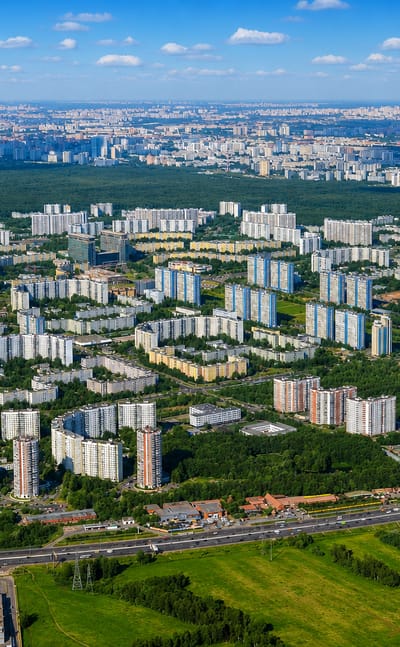 MoscowRussia
Yasenevo
Yasenevo is a large residential district of Moscow, holding the old Yasenevo Palace and the Church of Saints Peter and Paul.Where to stay → MoscowRussia
Nekrasovka
A stop on the Moscow Metro carries the name Nekrasovka, a district of Moscow set in its South-Eastern Administrative Okrug.Where to stay →MoscowRussiaZelenograd
Forest left between the housing blocks gives Zelenograd its name, a district of Moscow laid out from 1958 for electronics beyond the Moscow Ring Road.Where to stay →Things to do in Moscow
Ranked by global recognition; descriptions from Wikidata (CC0).
Museums & Galleries
6- State Historical Museum Heritage
- Pushkin Museum of Fine Arts Heritage
- Tretyakov Gallery Heritage
- Kremlin Armoury Heritage
- Monument to the Conquerors of Space Heritage
Show 1 more →
- Kutuzovskai︠a︡ izba Heritage
Churches & Religious Sites
8- Church of the Ascension, Kolomenskoye UNESCO
- St. Basil's Cathedral Heritage
- Dormition Cathedral Heritage
- Cathedral of the Archangel Heritage
- Cathedral of the Annunciation Heritage
Show 3 more →
- Kazan Cathedral Heritage
- Yelokhovo Cathedral Heritage
- Andronikov Monastery Heritage
Castles & Historic Sites
8- Kremlin Heritage
- Grand Kremlin Palace Heritage
- Tsar Cannon Heritage
- Tsar Bell Heritage
- Tsaritsyno Park + palace Heritage
Show 3 more →
- German Quarter Heritage
- Catherine Palace Heritage
- Sokol Settlement (Moscow) Heritage
Nature & Outdoors
8- Exhibition of achievements of national economy Heritage
- Gorky Park Heritage
- Kolomenskoye Heritage
- Sokolniki Park Heritage
- Pokrovskoye-Streshnevo Heritage
Show 3 more →
- Sviblovo Estate Heritage
- Krasnaya Presnya Park Heritage
- Lyublino Park Heritage
Parks & Gardens
3- Lilac garden Shelkovskoe highway Heritage
- Botanical Garden of Moscow State University Heritage
- Botanical Garden of the First Moscow State Medical University named after Sechenov Heritage
Landmarks & Notable Places
8- Lenin's Mausoleum Heritage
- Ostankino Tower Heritage
- Lubyanka Building Heritage
- White House Heritage
- GUM Heritage
Show 3 more →
- main building of Moscow State University Heritage
- Kotelnicheskaya Embankment Building Heritage
- Gerasimov Institute of Cinematography Heritage
worth knowingacross 6 categories in Moscow
About Moscow
What is Moscow known for?
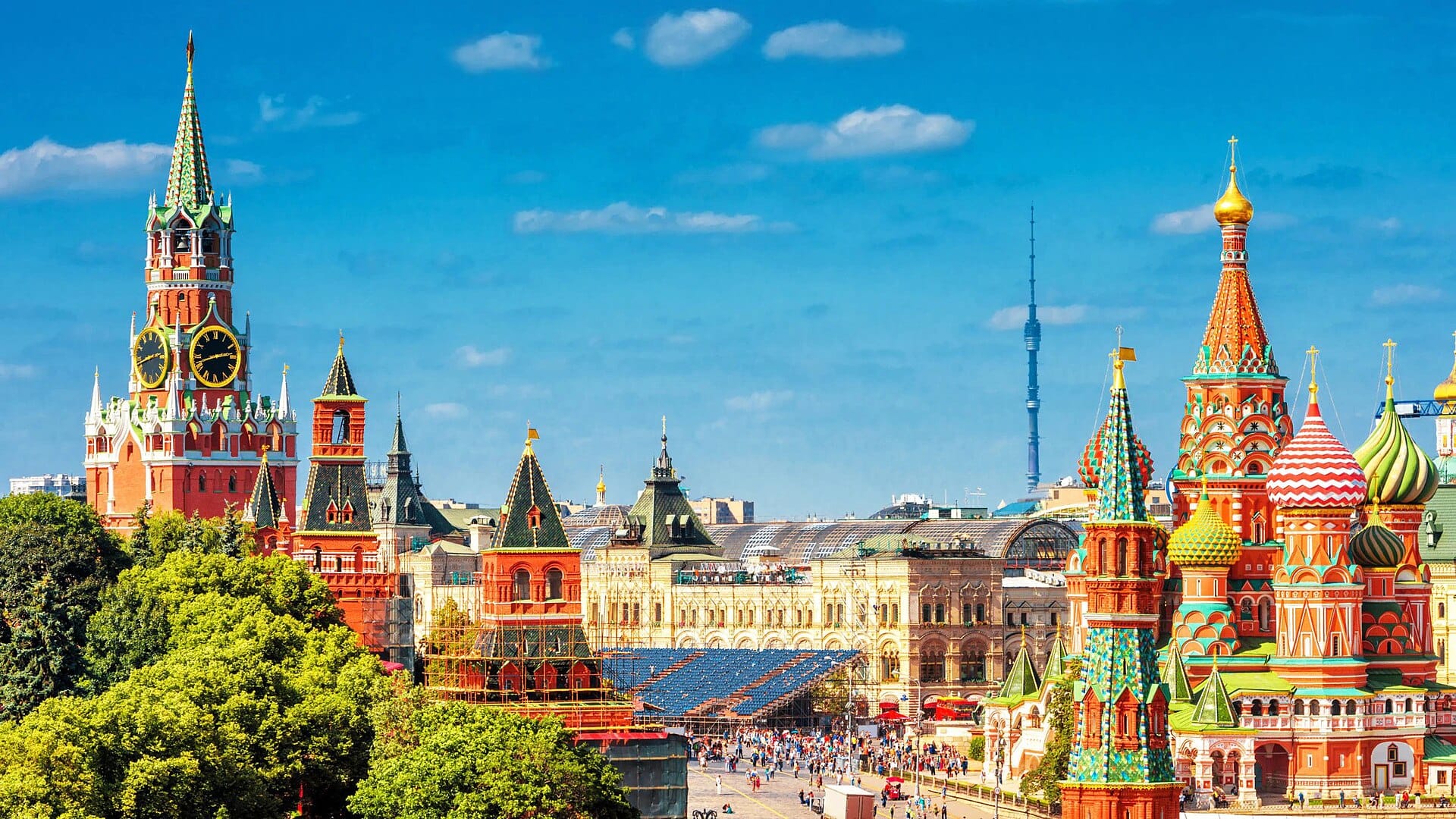
Moscow is known as the capital of Russia and the seat of the Kremlin. Red Square opens beside the fortress walls, framed by St. Basil's Cathedral, the GUM arcades, and Lenin's Mausoleum. The Tretyakov Gallery and the Pushkin Museum of Fine Arts hold the great national art collections, while the Moscow Conservatory trains its musicians.
Old Arbat Street draws the crowds. This is the country's centre of power and culture alike.
What are the main landmarks in Moscow?
Moscow packs its greatest monuments into the Kremlin and Red Square. Inside the walls stand the Grand Kremlin Palace, the Kremlin Armoury, the Dormition Cathedral, and the Cathedral of the Archangel, along with the giant Tsar Bell and Tsar Cannon. St. Basil's Cathedral closes the square's south end.
Nearby rise the State Historical Museum, the Russian State Library, and the grey mass of the Lubyanka Building. Green space opens at Gorky Park.
What is the history of Moscow?
Moscow traces its founding to 1147, when a small fortress rose above the Moskva River. That stronghold grew into the Kremlin, and the city spread outward in rings from its walls. Princes and tsars made it their seat.
The cathedrals inside the walls, among them the Dormition Cathedral and the Cathedral of the Annunciation, served the coronations and rites of the ruling house. Trade filled the streets below. The city has served as capital of the Russian Empire, the Soviet Union, and the Russian Federation in turn.
War and fire tested the city more than once, and each time it was rebuilt. The Soviet century left its own marks, from Lenin's Mausoleum on Red Square to the vast halls of the metro. Red Square became the nation's stage.
The White House rose later along the river as a seat of government. Through every era the walled hill of the Kremlin stayed the true centre of the country. Its towers and cathedrals still gather the whole story of the city into one walled hill that rises above the Moskva River at the heart of the plain.
Where is Moscow?
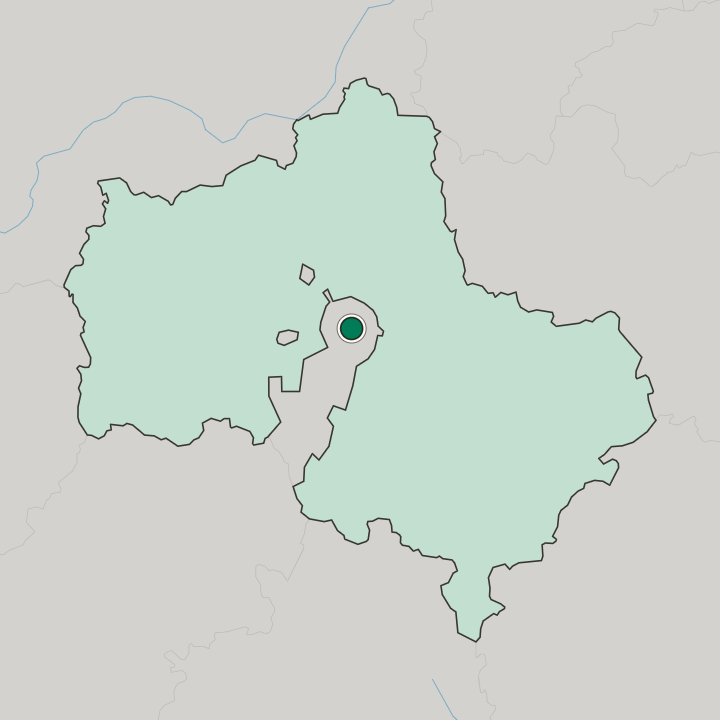
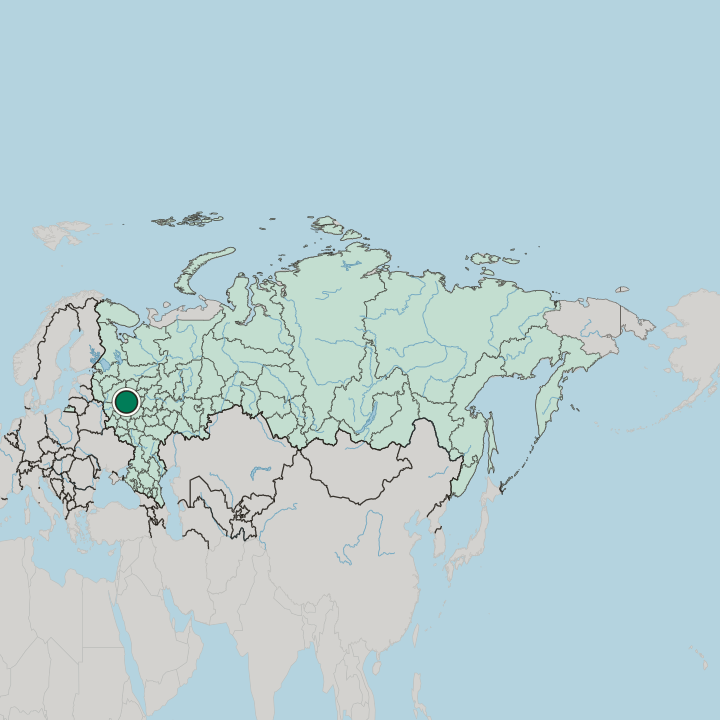
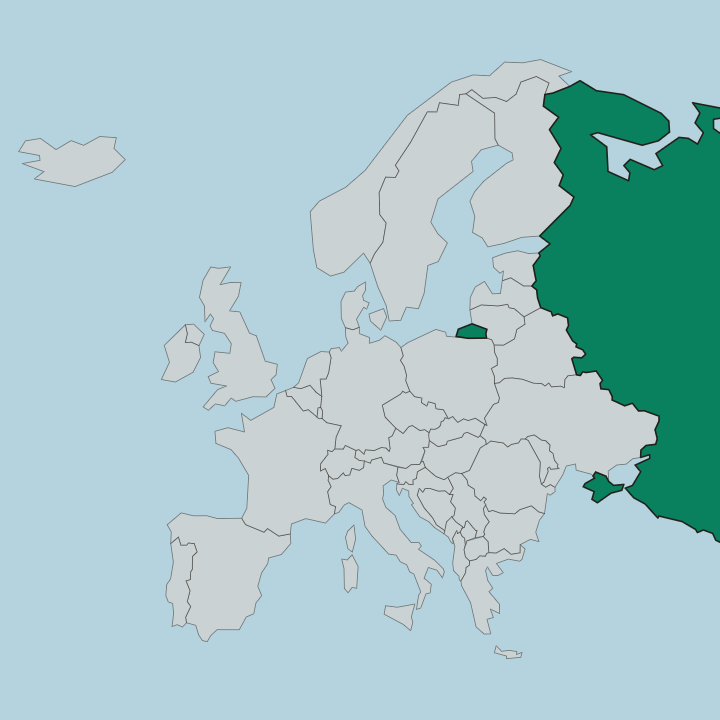
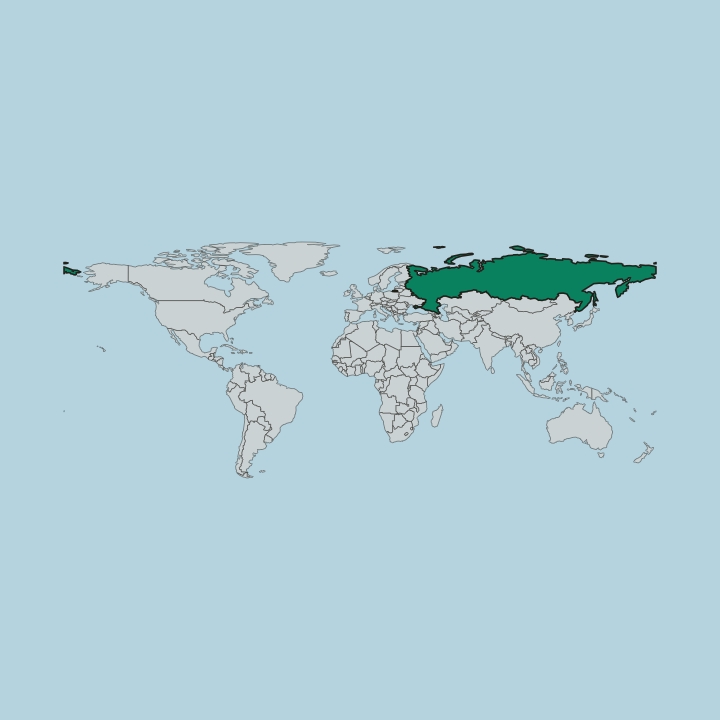
Moscow stands on the Moskva River in Central Russia, at the centre of the country's road and rail network. The river winds through the city in wide bends, threaded by bridges and stone embankments that carry the main avenues down to the water. Ring roads circle the core.
The historic centre sits inside them, with the Kremlin and Red Square at the very middle of the plan. Far from any sea, Moscow lies deep inland.
What is the climate of Moscow?
Moscow has a humid continental climate, with a wide swing between the seasons. Winters are long and cold, and snow lies over the city and the frozen Moskva River for months at a time. Summers are warm and short.
Thunderstorms build over the city in the warm months, and the light stretches far into the northern evenings before the cold returns. The transitional seasons are brief in Moscow.
How do you get to Moscow?
Moscow sits at the centre of the country's transport web, and most travellers arrive by air, rail, or road. The great terminals ring the centre, among them the Leningradsky railway station, sending trains out across the country and beyond. From any of them the metro reaches the core.
Stations like Komsomolskaya and Novoslobodskaya link the rail terminals to Red Square in minutes, running late every night. Ring roads carry the traffic around.
Good for
Updated October 2026