Russia · Orenburg Oblast
Where to Stay in Orsk, Orenburg Oblast
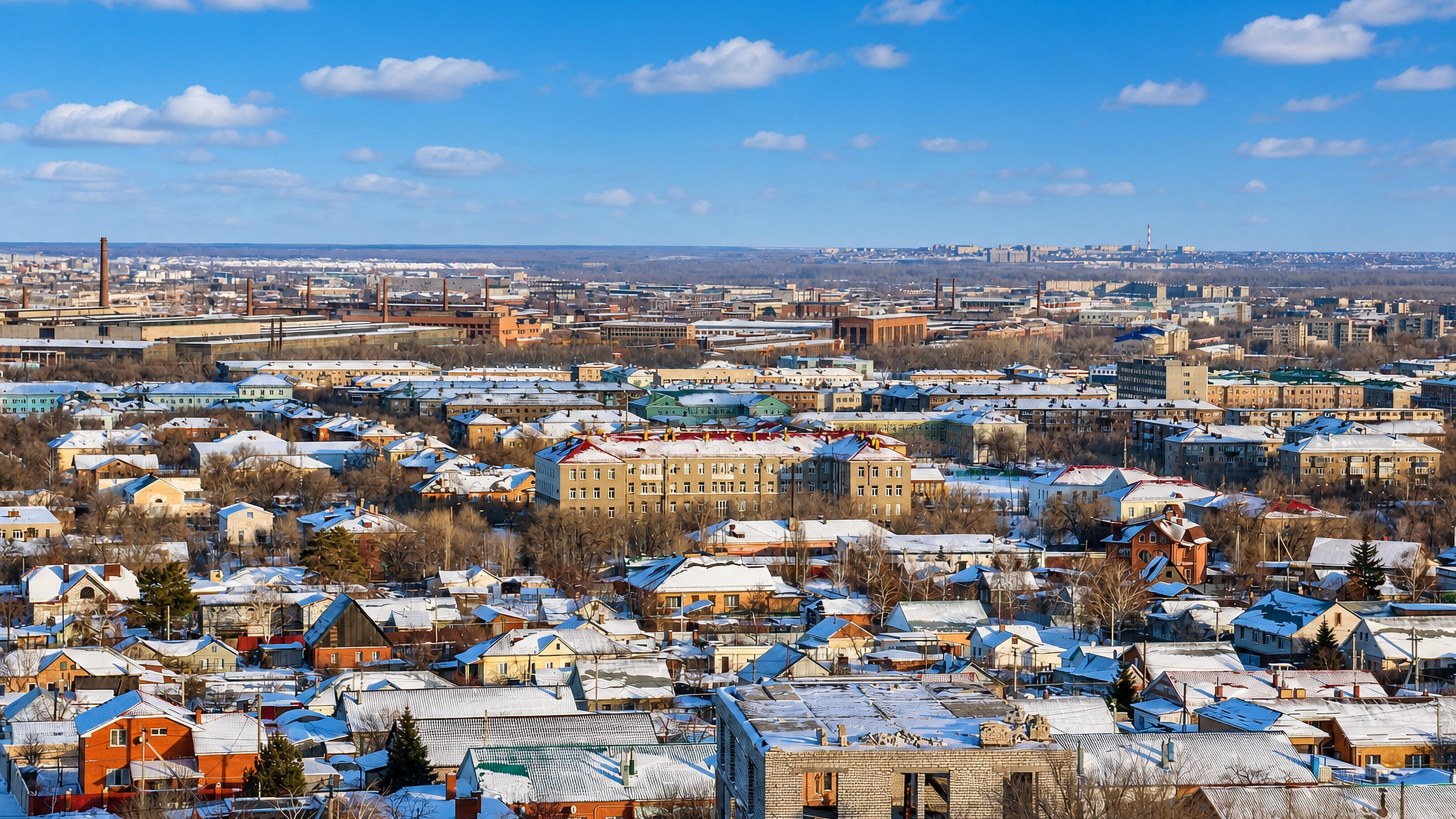
Orsk is a city of the southern Urals in Russia, an old frontier fortress on the Ural river, split between Europe and Asia on the edge of the Kazakh steppe.
Find your area →


Where to stay in Orsk
Where the beds are, and what that means for the visit.
Where you stay in Orsk turns on the old town or the new. The streets of the old town keep the church, the museum, and the fortress hill within a walk, and staying on the hill suits anyone here for the history. The river runs below the rise.
Bare steppe spreads beyond. Out across the water in the new town, the streets give way to the wide Soviet squares, the parks, and the great works of the plain. A room in the new town trades the old hill for broad avenues, blocks, and the flat open steppe.
The Ural divides the two halves. Stay on the hill for the old fort, or across for the new city. The old town and the new face across the river.
Things to do in Orsk
Ranked by global recognition; descriptions from Wikidata (CC0).
Castles & Historic Sites
1- Taras Shevchenko monument Heritage
Landmarks & Notable Places
8- Восточная колоннада Heritage
- Дворец культуры нефтехимиков Heritage
- Детский сад Heritage
- Дом культуры машиностроителей Heritage
- Дом культуры строителей Heritage
Show 3 more →
- Жилой дом Heritage
- Западная колоннада Heritage
- Здание Дома культуры Heritage
worth knowingacross 2 categories in Orsk
About Orsk
Orsk is the frontier city of the Ural river.
What is Orsk known for?
On the steppe of the southern Urals where the Or joins the Ural, it grew from an old Cossack fortress into an industrial town, and it keeps the fortress hill of the old town on the Asian bank, the wide Soviet new town across the water, the great works that smelt its nickel and oil, and the bare steppe that runs to Kazakhstan. The broad river divides two continents. Dry steppe spreads all around.
What are the main landmarks in Orsk?
The fortress hill is the mark of Orsk. The old town on its rise above the Ural, where the frontier fort once stood, keeps a church and old streets over the river, the emblem of the city, downtown. A river splits two continents.
The Ural runs between Europe and Asia through the town, while the Soviet new town, the nickel works, and the wide steppe mark the country around Orsk.
What is the history of Orsk?
Orsk began as a fortress on the frontier. In the seventeen-hundreds the Russians built a fort where the Or joins the Ural, to guard the steppe frontier and trade with the Kazakh nomads, and a Cossack town grew on the fortress hill. The town traded across the steppe.
Caravans of the steppe brought hides, wool, and gold to the fort, and Orsk grew as a market where Russia traded with the lands of Central Asia. The Soviets built a new city across the river. When the state came to smelt the nickel and oil of the region, engineers laid out a whole new town on the plain across the Ural, planned in the socialist style with wide squares and blocks.
The old fort became a quiet quarter. On its hill the old town kept its church and its narrow streets, while the new town roared with works and mills, and Orsk grew into an industrial city on the edge of Asia, keeping its fortress, its river, and its steppe. The two towns face across the water.
Orsk keeps its old fort and its works on the Ural.
Where is Orsk?
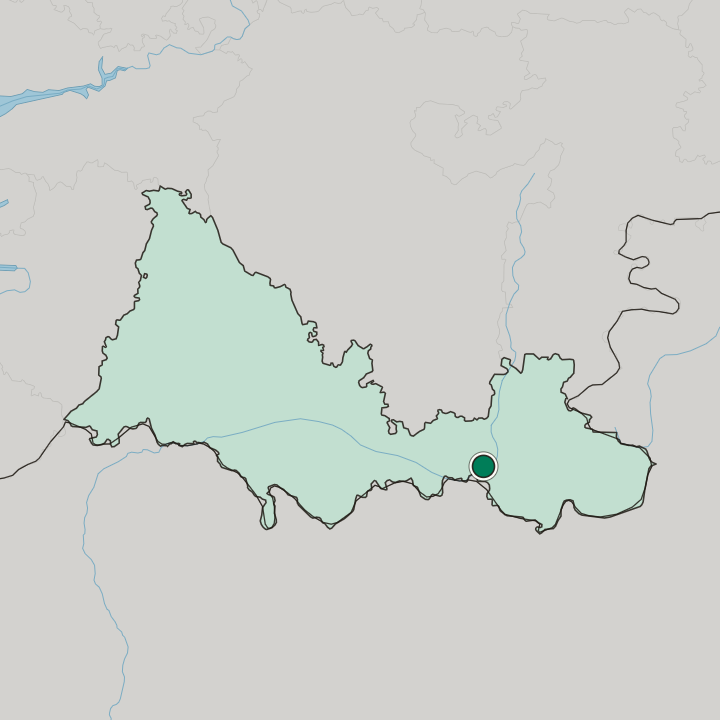
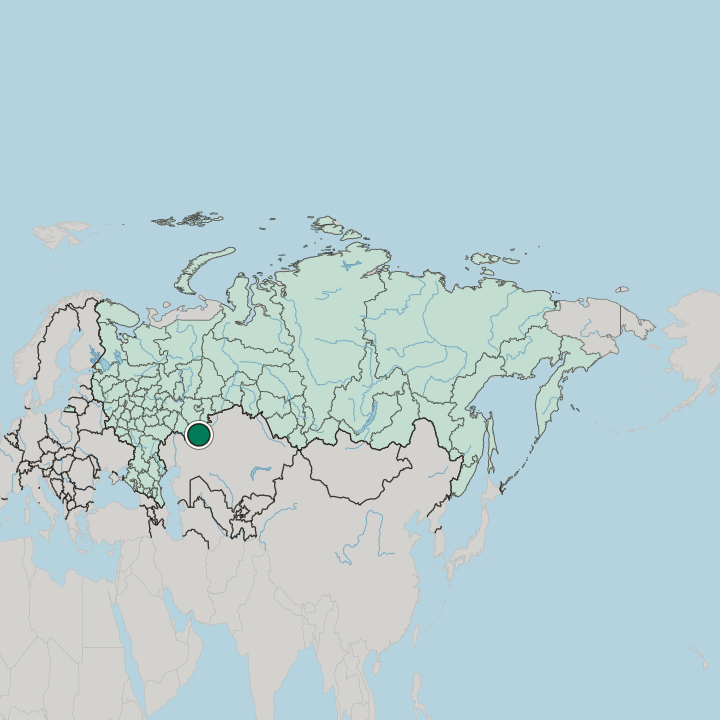
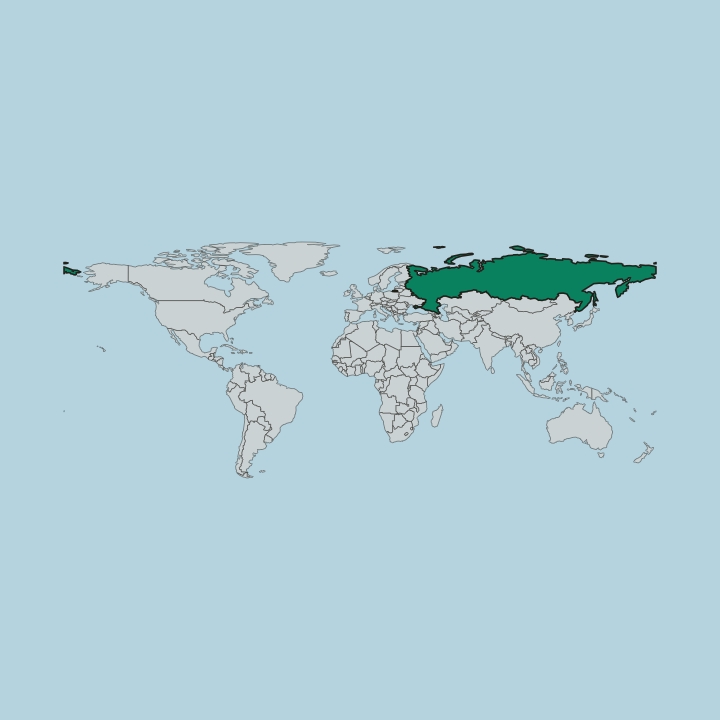
Orsk lies in the south of the Ural region, on the Ural river at the mouth of the Or. The city sits on the open steppe where Europe gives way to Asia at the river, on flat dry grassland by low bare hills, with the old town on a hill above the water and the new town spread on the plain across the river. The steppe runs flat to the sky.
Bare hills ring the plain.
What is the climate of Orsk?
Orsk has a dry, sharp continental climate. Warm dusty summers and long frozen winters cross the steppe, with fierce heat in the brief summer and blizzards and deep frost in the cold months. The winter bites hard and long.
Dust storms sweep the plain.
How do you get to Orsk?
Orsk lies in the far south of the Urals, on the rail and road near the Kazakh border. The Trans-Siberian branch and the highway run to it across the steppe from Orenburg, and roads lead south into Kazakhstan. Trains cross the plain.
Orenburg lies west up the line.
Good for
More cities in Orenburg Oblast
Updated October 2026