Russia
Orenburg Oblast, Russia — Towns & Travel Guide
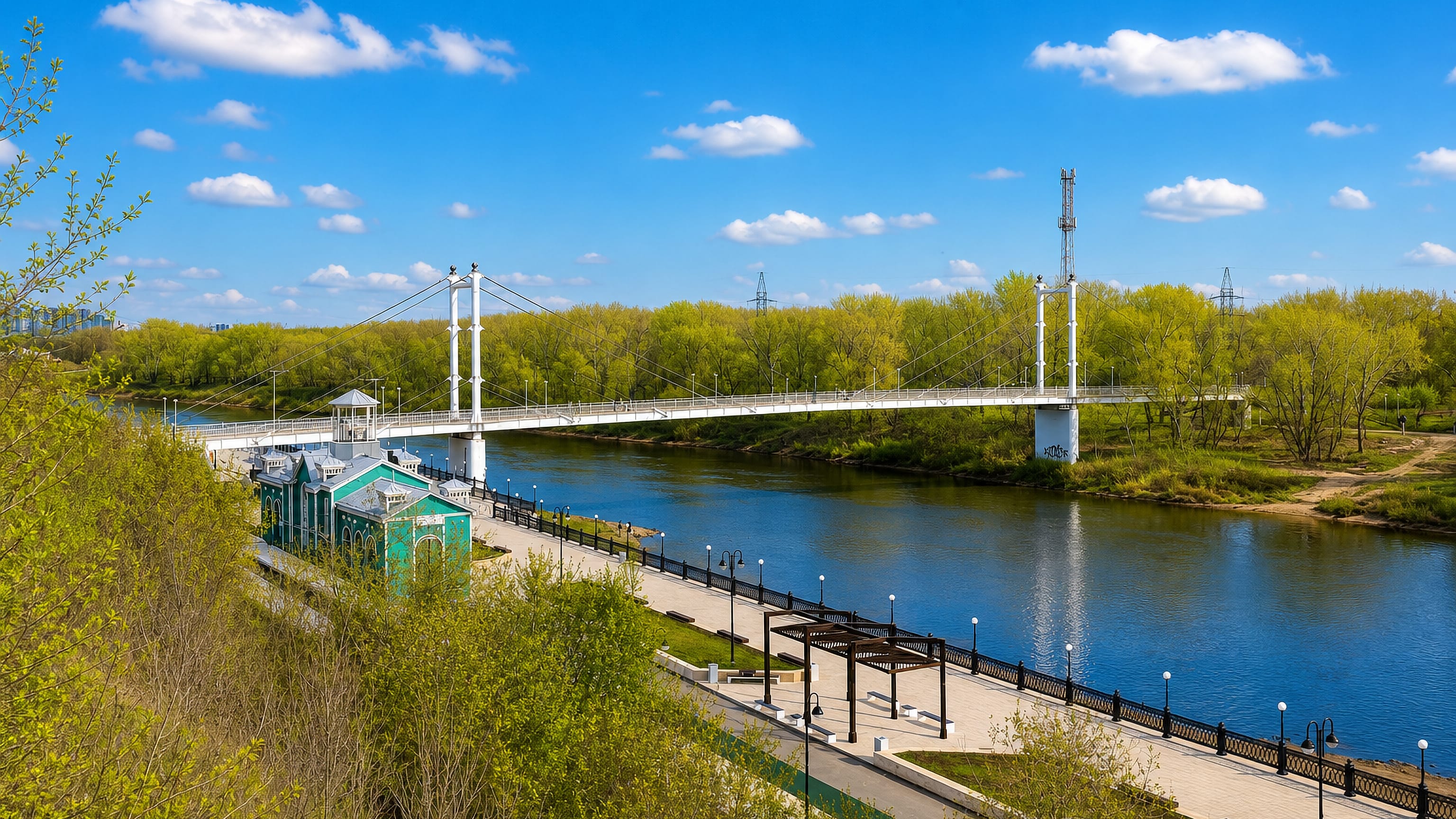
Orenburg Oblast is a steppe region of southern Russia along the Ural River, straddling the line between Europe and Asia.
Find your area →


Towns & cities in Orenburg Oblast
Pick a town or city — each links to where to stay.
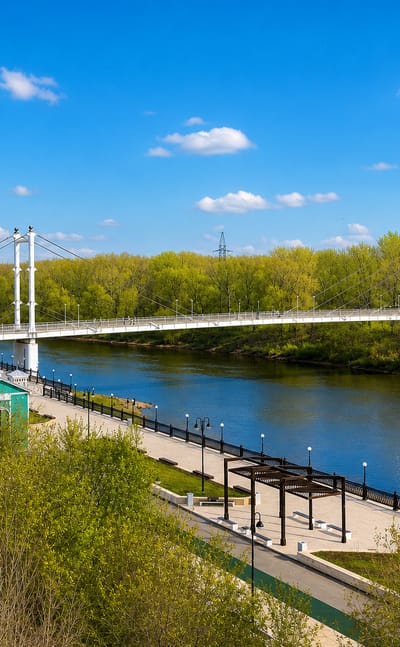
 Russia
Orenburg
Mosque and cathedral share the skyline at Orenburg, a frontier city in Orenburg Oblast known for the Orenburg Caravanserai and Gostiny Dvor.Where to stay →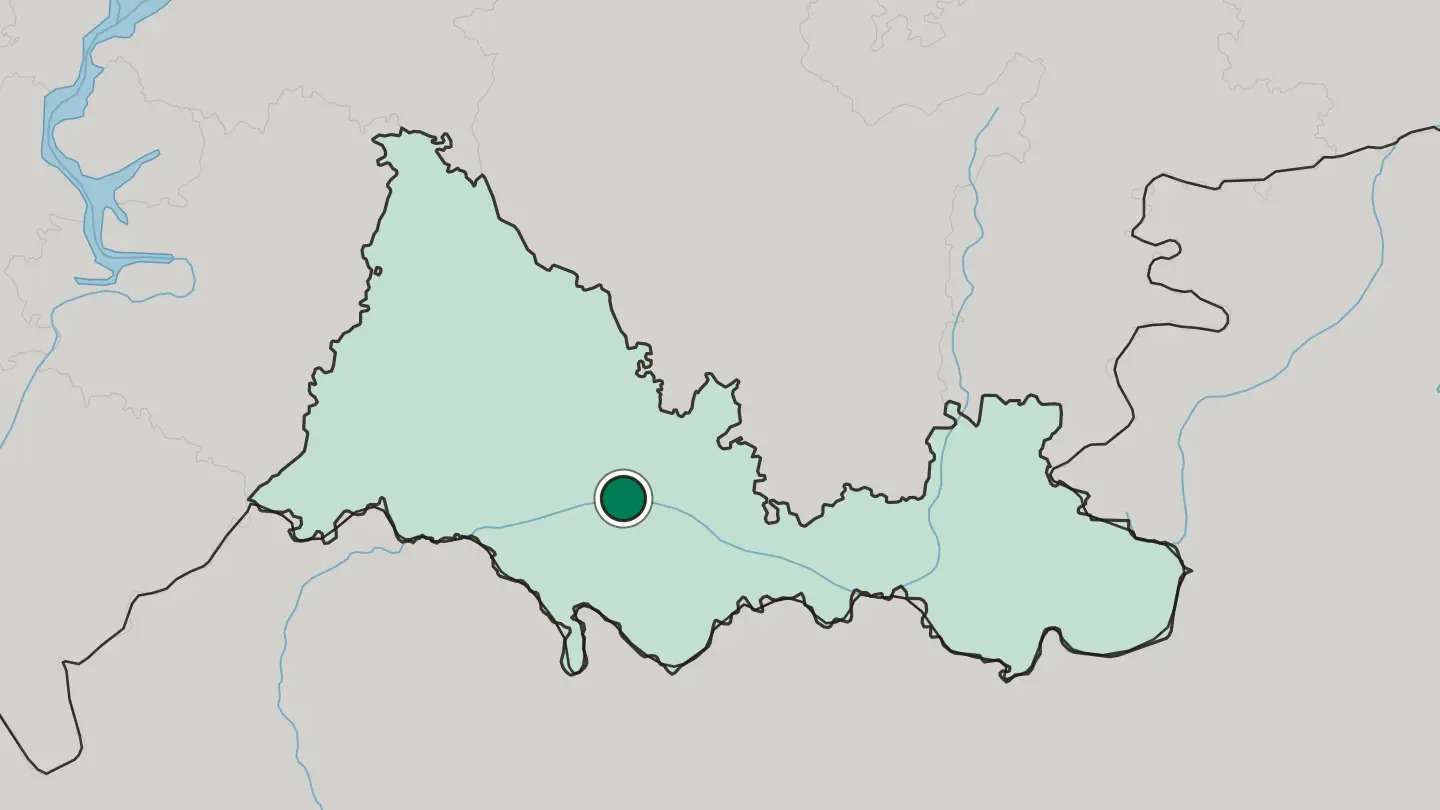
 Russia
Orsk
Orsk is a city of the southern Urals in Russia, an old frontier fortress on the Ural river, split between Europe and Asia on the edge of the Kazakh steppe.Where to stay →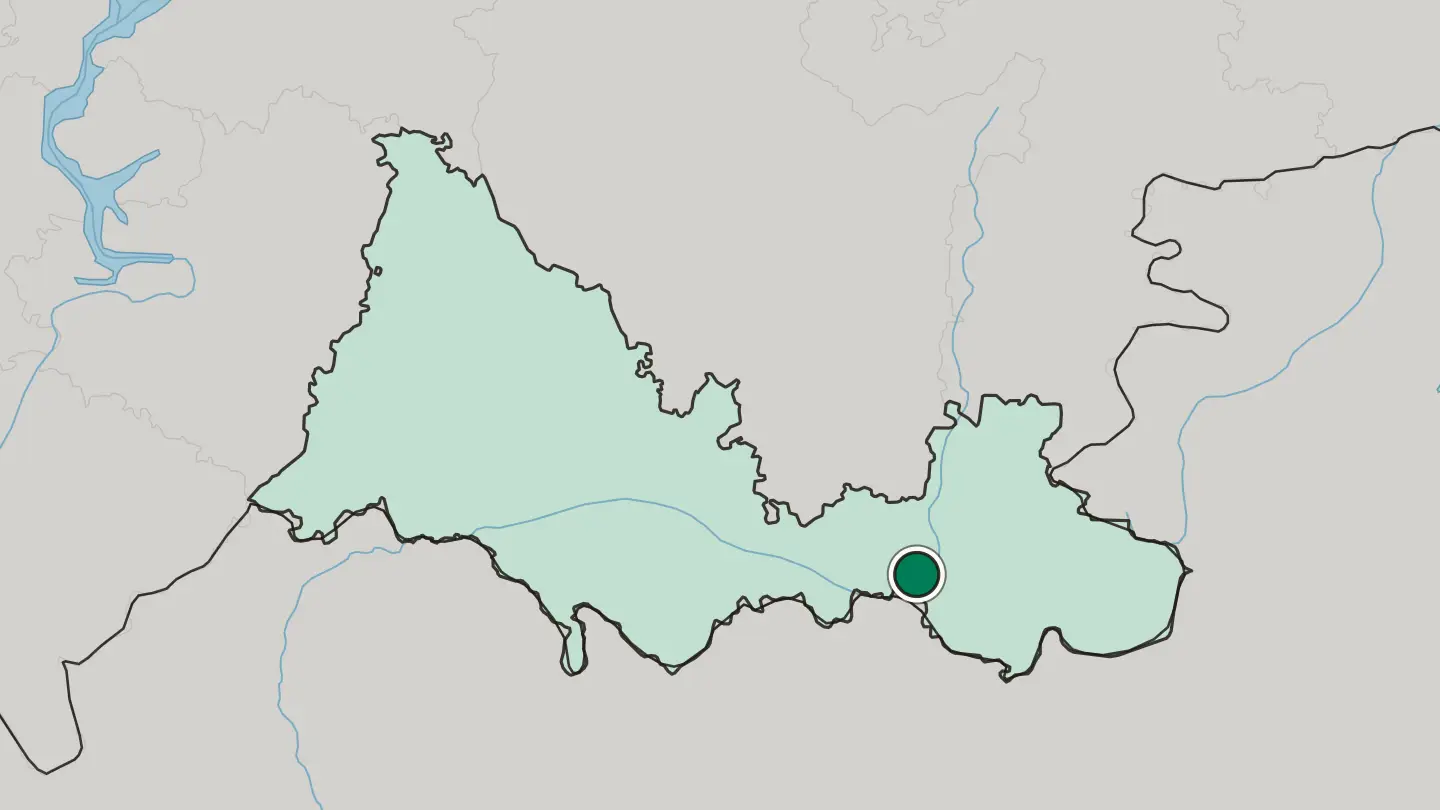
 Russia
Novotroitsk
Novotroitsk stands on the right bank of the Ural River in Orenburg Oblast, close to the Kazakhstan border and barely two kilometres from Orsk.Where to stay →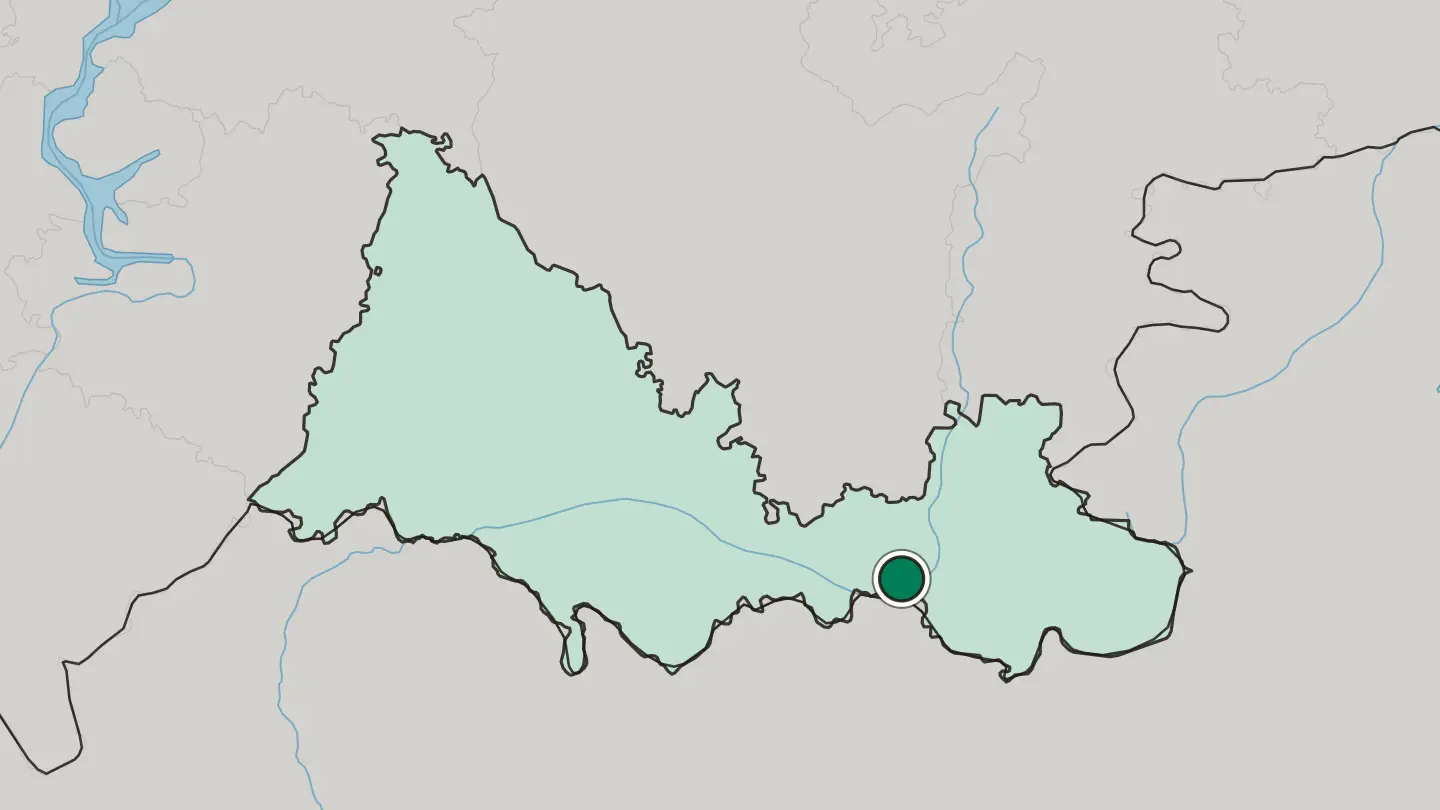
 Russia
Buzuluk
Buzuluk is a merchant town of Orenburg Oblast, founded in 1736 on the Samara, Buzuluk and Domashka rivers northwest of Orenburg.Where to stay →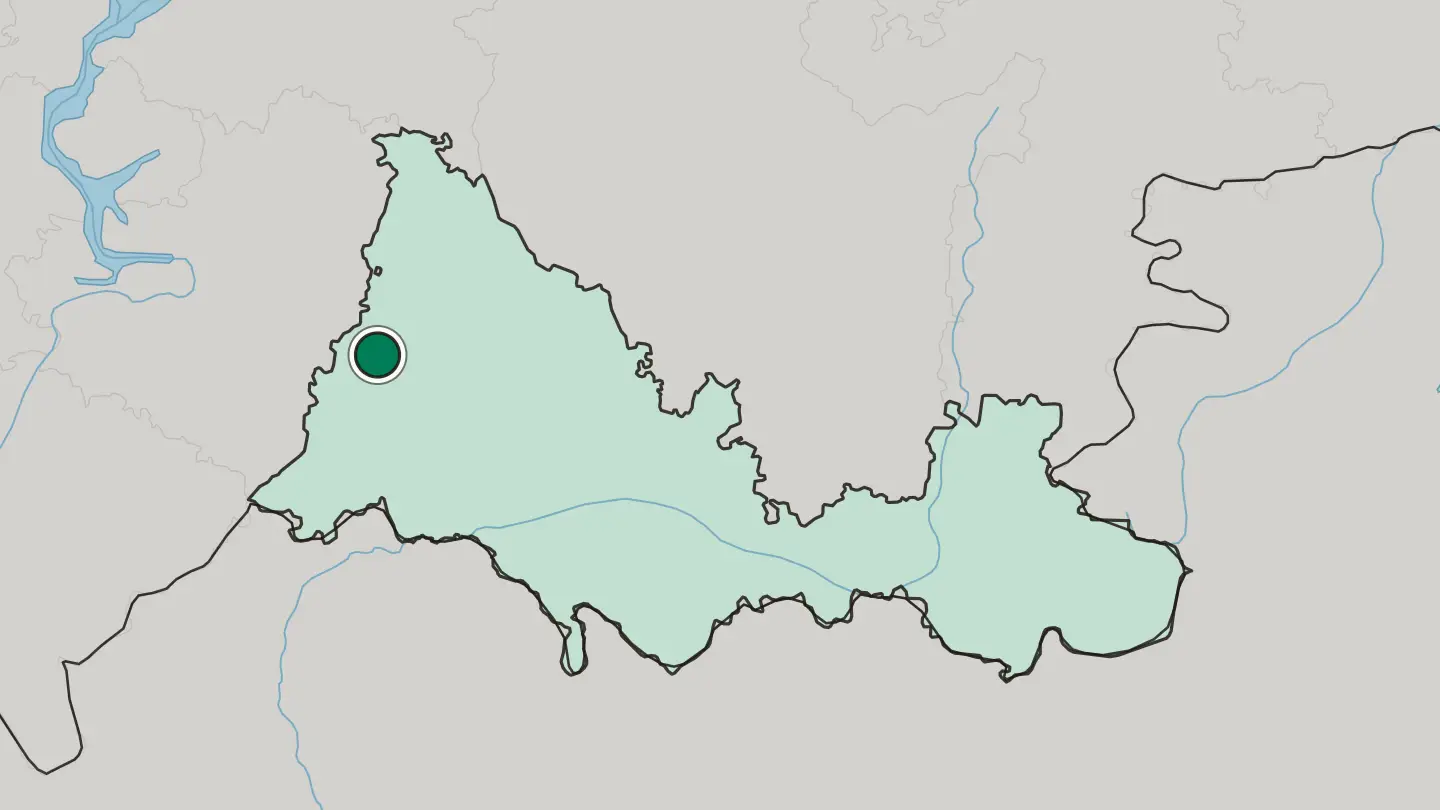 Russia
Buguruslan
Buguruslan dates from 1748. The Orenburg Oblast town holds a Zemstvo hospital, a bank and a monastery building on its protected register.Where to stay →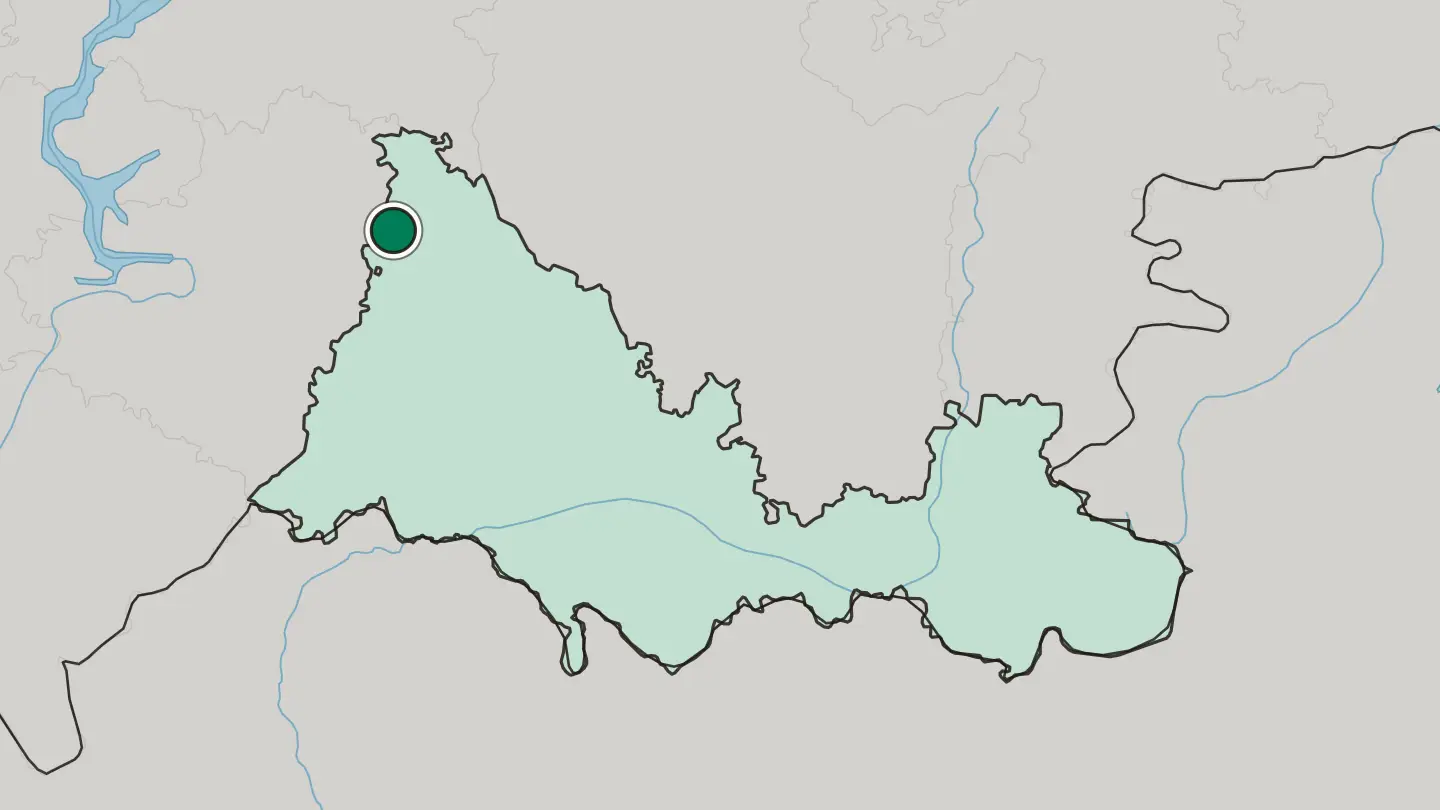
About Orenburg Oblast
The Ural River defines the region.
What is Orenburg Oblast known for?
It splits the continents here, so one bank of Orenburg counts as Europe and the far bank as Asia. The oblast is also known for the featherlight down shawls knitted from the fleece of local goats, fine enough to be drawn through a wedding ring. Gas made the rest of its name, and the vast Orenburg field near the capital feeds one of the largest gas-processing complexes ever built.
Wheat, sunflowers, and grazing herds cover the open steppe between the towns.
Where is Orenburg Oblast?
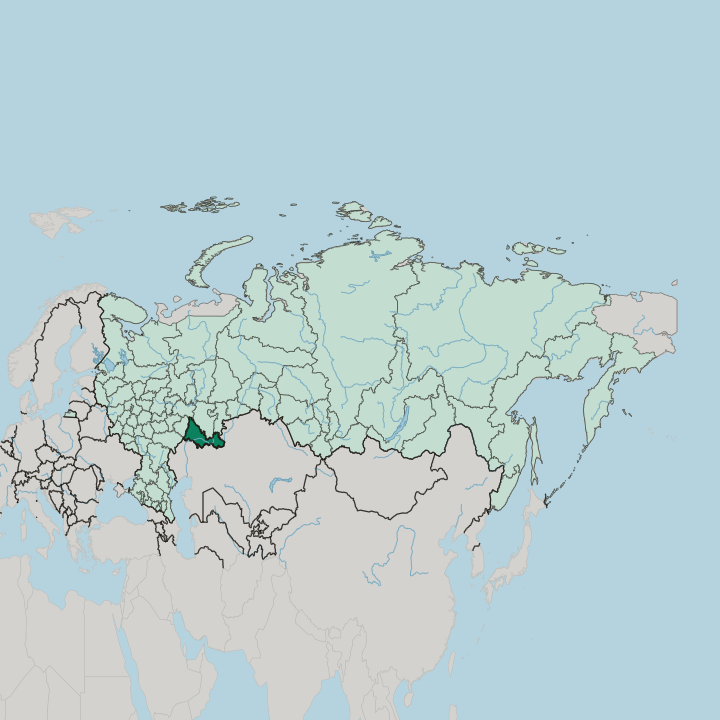
Orenburg Oblast stretches along the southern end of the Ural Mountains in southern Russia, a long strip of steppe pressed against the border with Kazakhstan to the east and south. The Ural River is the thread that ties it together. It rises in the mountains, runs down through Orsk, then bends west for the last stretch to the capital, where the Sakmara joins it.
That river carries the region's defining fact. The Ural is taken as the boundary between Europe and Asia, so the oblast lies partly in one continent and partly in the other, with most of its land on the European side of the divide. The land itself is mostly low and open.
Limestone uplands called the Obshchy Syrt roll across the west, the worn ridges of the southern Urals rise in the middle, and flatter plateau spreads east toward the Asian steppe. Nakas is the high point, a modest 668 metres. Bashkortostan and Tatarstan sit to the north, Chelyabinsk Oblast to the north-east, and Samara and Saratov oblasts to the west.
Grassland runs to every horizon between the towns.
What is Orenburg Oblast like?
One craft carries the region's name. Knitters here spin the down of local goats into lace shawls so thin the whole cloth passes through a wedding ring, yet warm enough for a steppe winter. The tradition took shape in the frontier settlements around Orenburg roughly two and a half centuries ago, and its patterns, from cat's paws to strawberries, are handed down like family recipes.
A shawl the size of a bedsheet weighs only a few hundred grams and folds into a goose egg. That contradiction, huge yet weightless, sits at the heart of local pride. The steppe has always been a meeting ground of peoples.
Russians make up most of the population, but Tatars, Kazakhs, Bashkirs, and Ukrainians have long shared these grasslands, and Orthodox churches stand near mosques in the towns. The border is lived, not drawn. Orenburg once served as the administrative seat over the whole Kazakh steppe, and the trade and traffic of that history still colour the region's food, faces, and markets.
What is the history of Orenburg Oblast?
This was built as a frontier. Orenburg went up as a fortress on the Ural in 1743, on its third chosen site after the first two were abandoned, guarding the empire's edge against the nomads of the steppe. Barely thirty years later the fortress stood at the centre of the storm, besieged through the winter of 1773 by the rebel army of Pugachev in the largest peasant revolt Russia had known.
The oblast in its modern form was drawn up in 1934, and for two decades bore the name Chkalov. Gas, discovered under the steppe in the 1960s, rewrote the region a second time.
What is the climate of Orenburg Oblast?
The steppe climate here runs to extremes. Far from any sea, Orenburg swings from hard frosts that can bite past minus forty in January to July afternoons that push toward forty above, with dry winds combing the open grassland. Snow lies thin and the winter sky stays clear and still.
Summers are hot and short, the best stretch for travel falling between May and September when the steppe greens and the salt lakes at Sol-Iletsk fill with bathers. The mild shoulder seasons are gone almost before they arrive.
How do you get to Orenburg Oblast?
Most arrivals come through the capital. Orenburg has the region's airport and its main rail station on the South Ural line, with direct trains from Moscow, Samara, and Ufa crossing the steppe. Orsk keeps a smaller airport of its own in the east.
The oblast sits far from Moscow, well over a thousand kilometres to the south-east, so flying saves a long haul across European Russia. From the capital, road and rail thread out to Orsk, the salt town of Sol-Iletsk, and the pine forest at Buzuluk.
Common questions
What is the best area to stay in Orenburg Oblast?
Orenburg: the Ural riverfront and the continental crossing. Orsk: the eastern industrial Urals. Buzuluk: the Buzuluk pine forest.
Good for
More regions in Russia
Updated September 2026