Russia · Primorskiy Kray
Where to Stay in Vladivostok, Primorskiy Kray
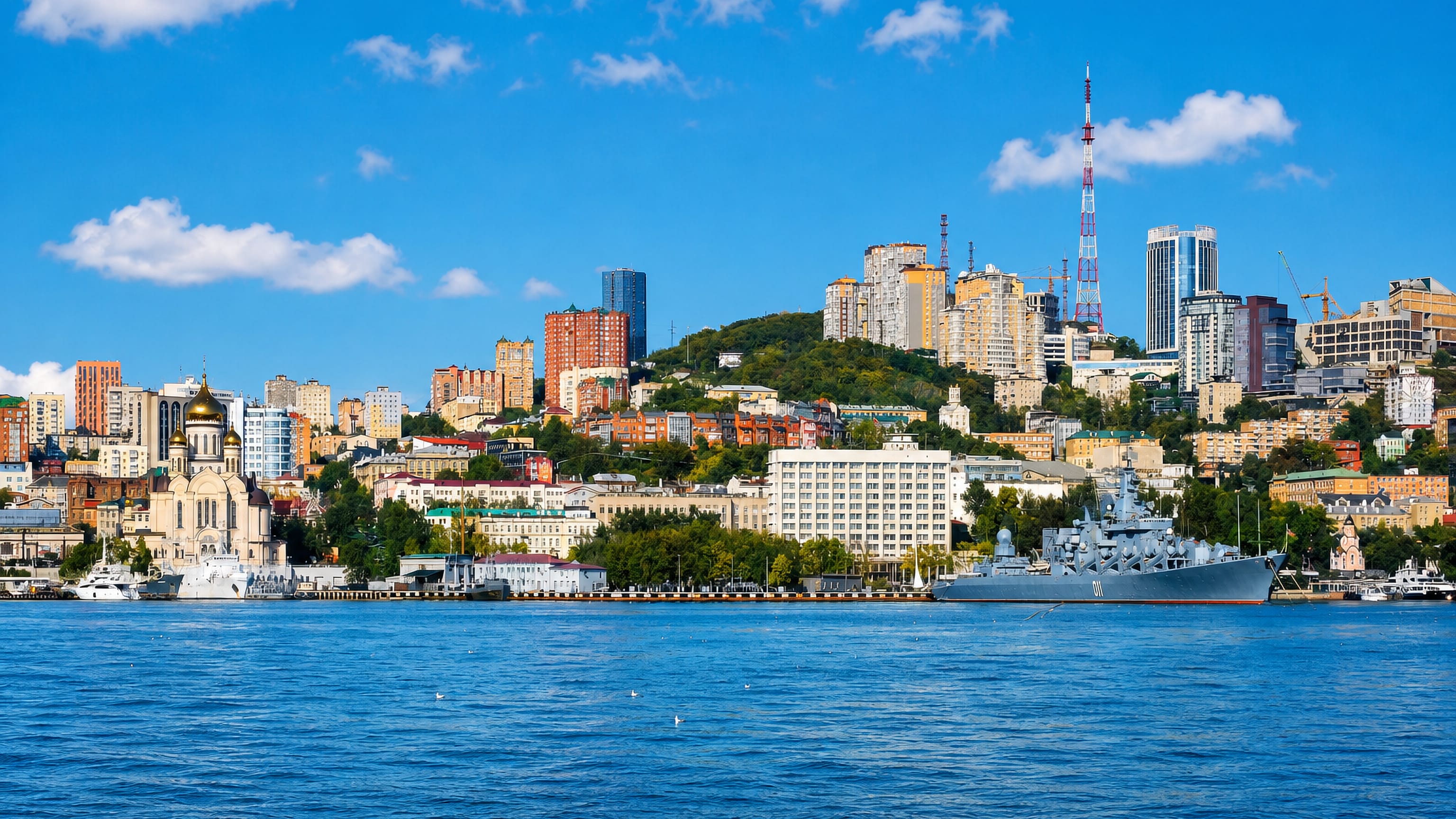
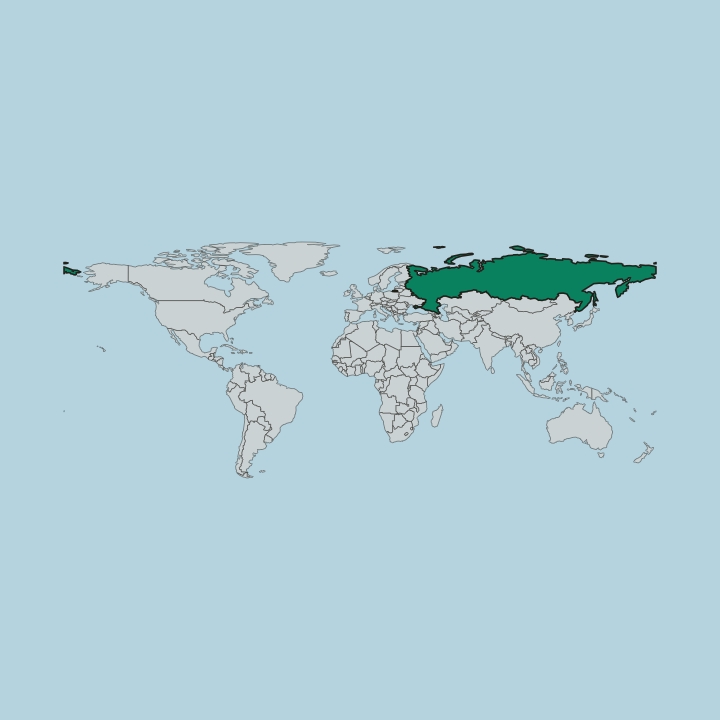
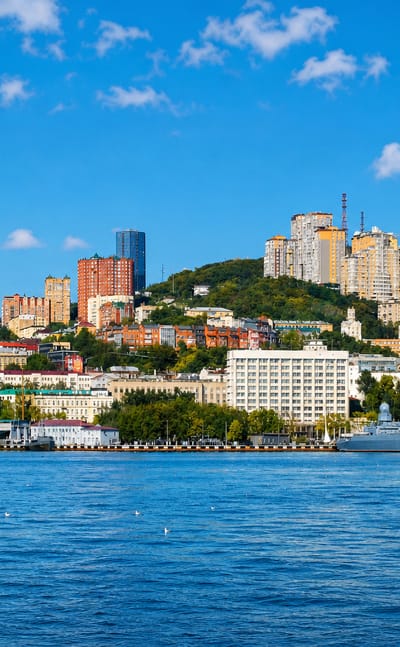
Vladivostok is a port city on the Sea of Japan, wrapped around the Golden Horn Bay, the largest city of Primorsky Krai.
Find your area →


Where to stay in Vladivostok
Where you base yourself shapes the visit — here's the character of each area.
 VladivostokRussia
Millionka
Millionka is a dense old quarter of central Vladivostok, its lanes packed behind Svetlanskaya Street near the Vladivostok Synagogue.Where to stay →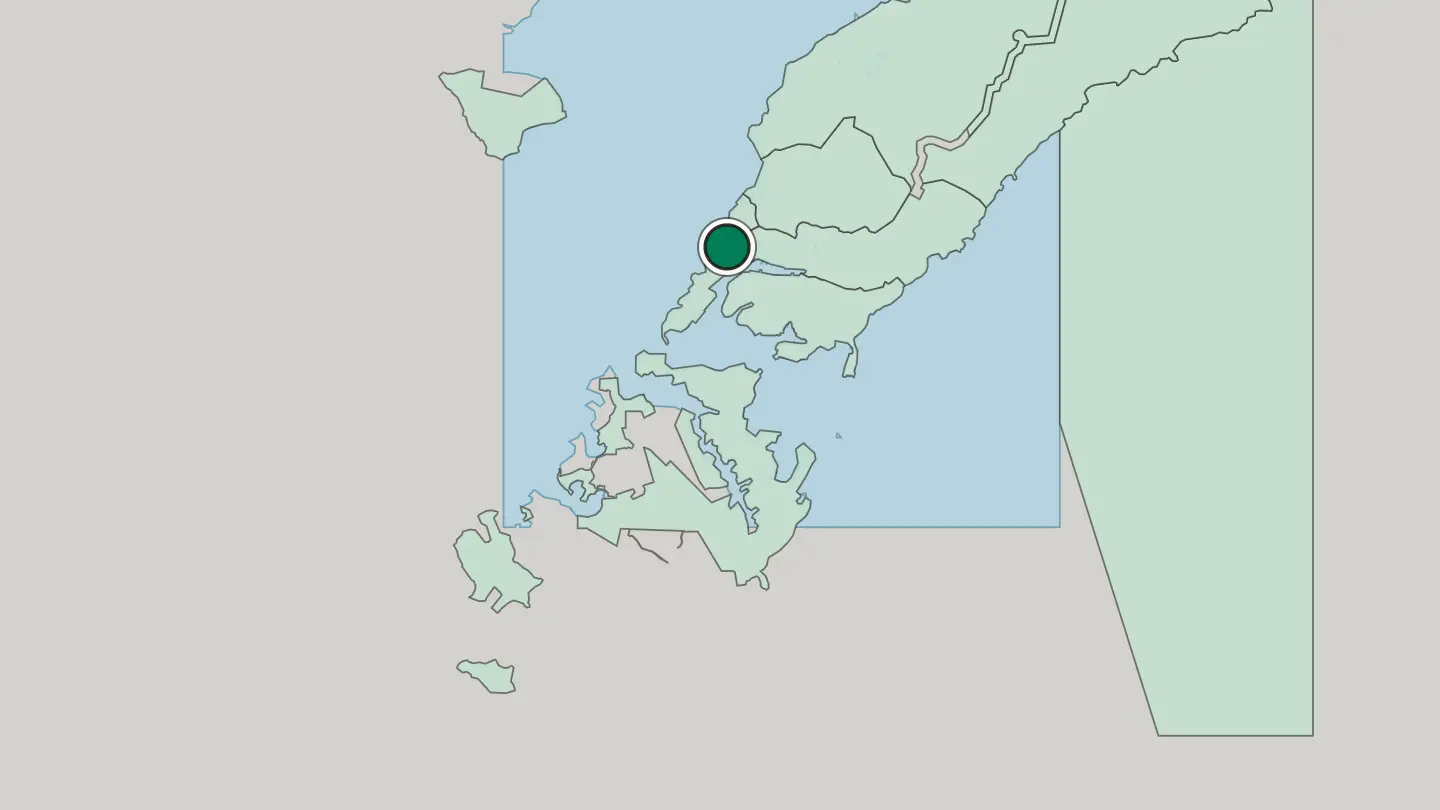 VladivostokRussia
Pervomaisky district
Pervomaisky district is the part of Vladivostok south of the Golden Horn Bay, reaching out along Cape Churkin.Where to stay →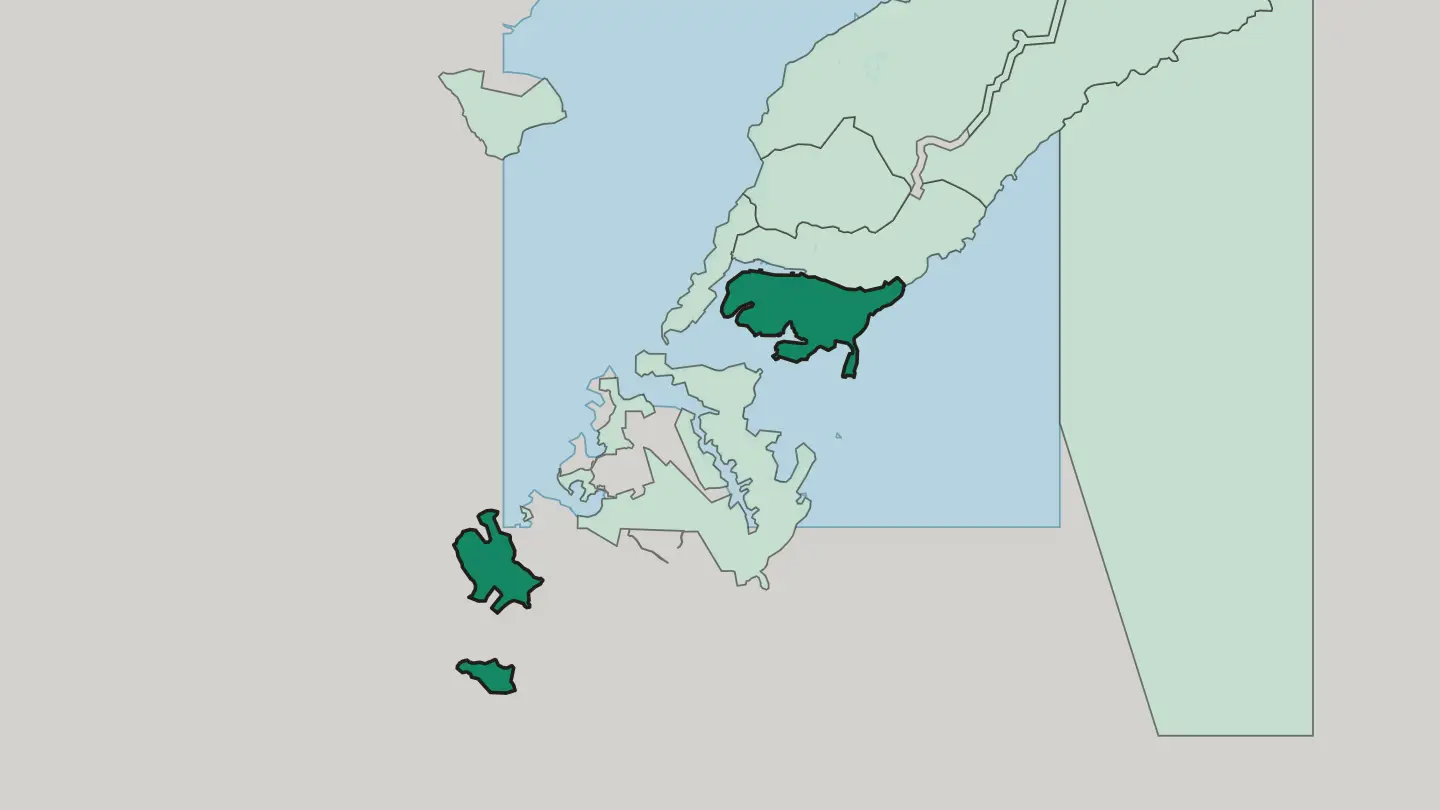
 VladivostokRussia
Leninsky City District
Leninsky City District is the historic central district of Vladivostok, tracing Svetlanskaya Street and old Pushkinskaya Street.Where to stay →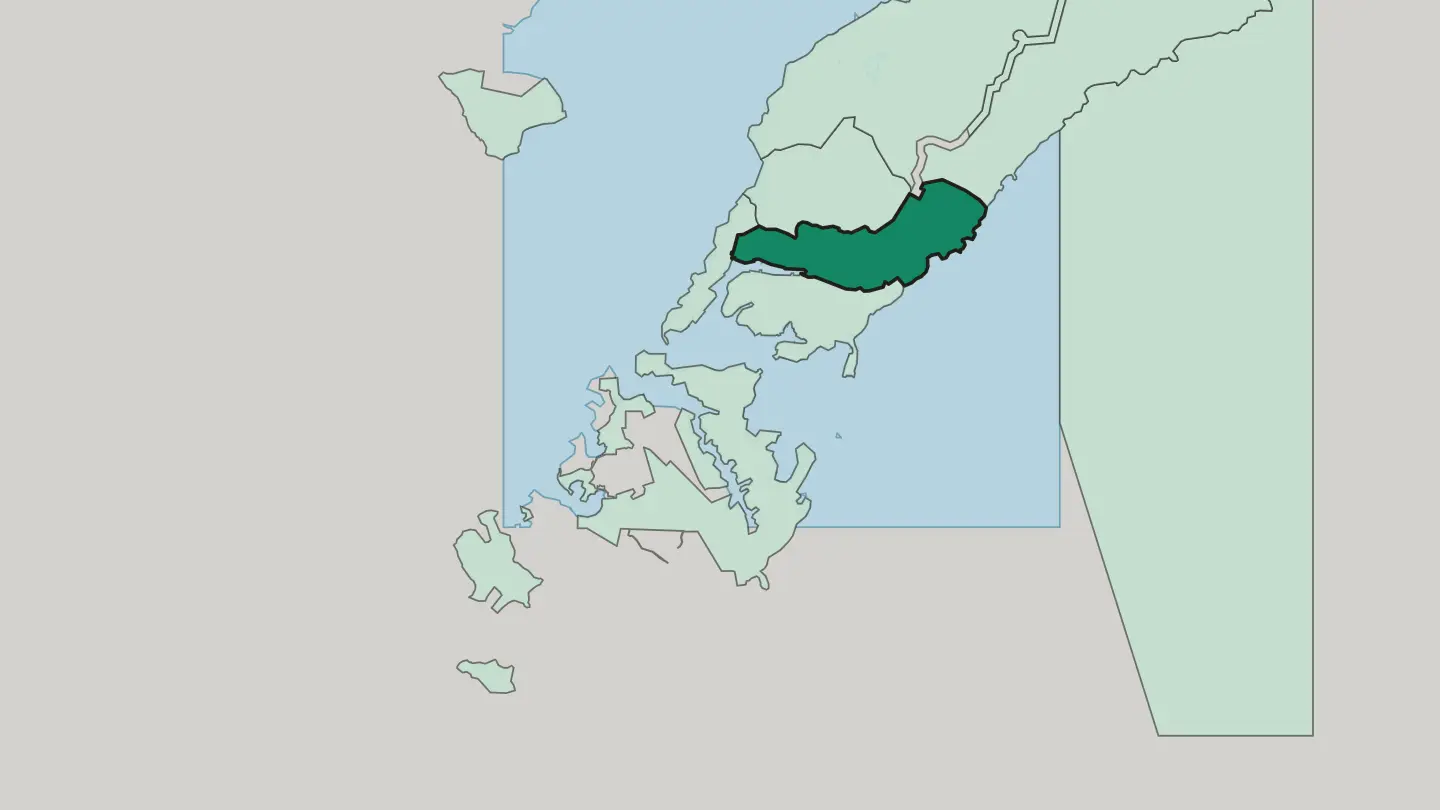 VladivostokRussia
Frunzensky District
Frunzensky District is the historic central borough of Vladivostok, Russia, wrapped along Svetlanskaya Street and the port.Where to stay →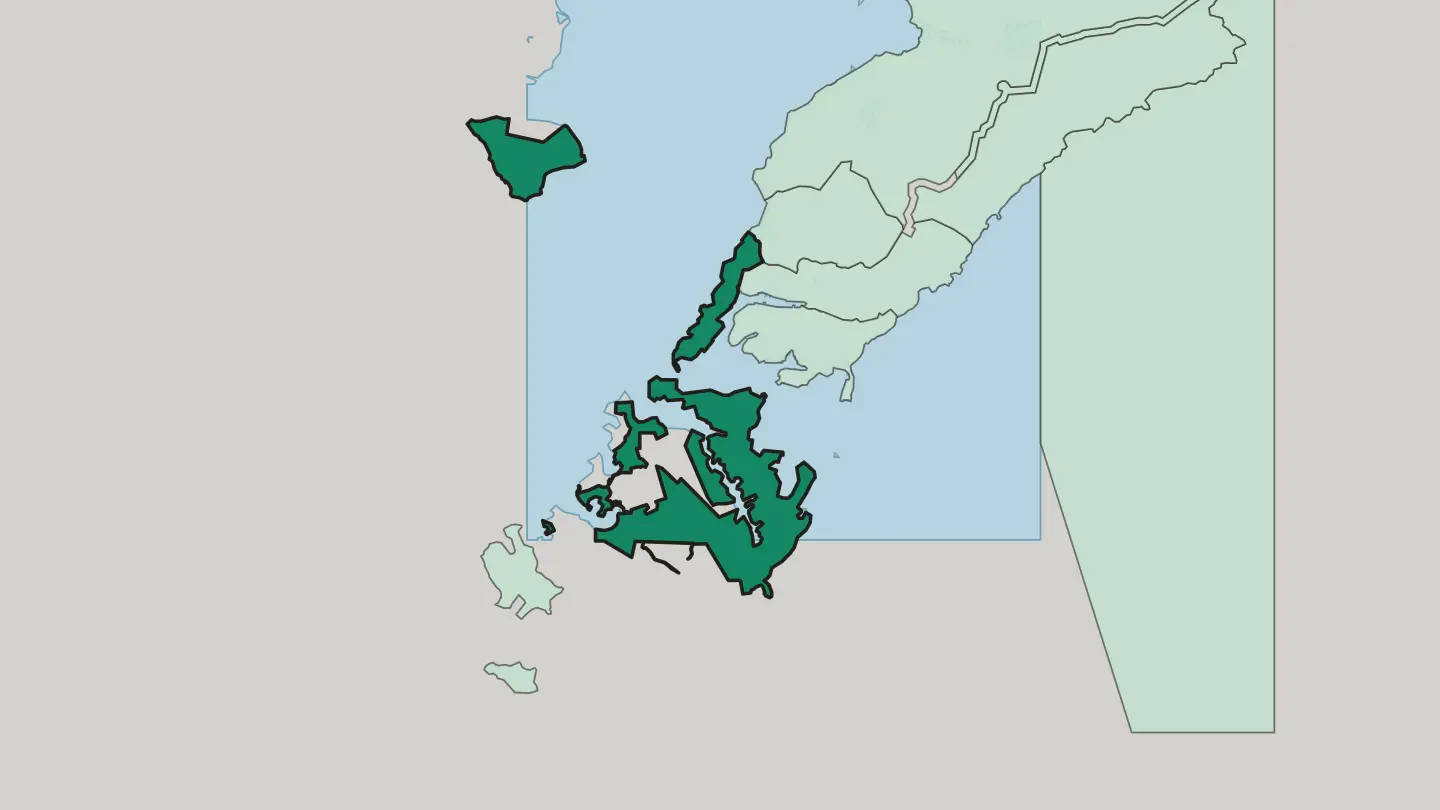 VladivostokRussia
Pervorechenskiĭ raĭon
Pervorechenskiĭ raĭon is an inland borough of Vladivostok, built along the Pervaya Rechka rail corridor.Where to stay →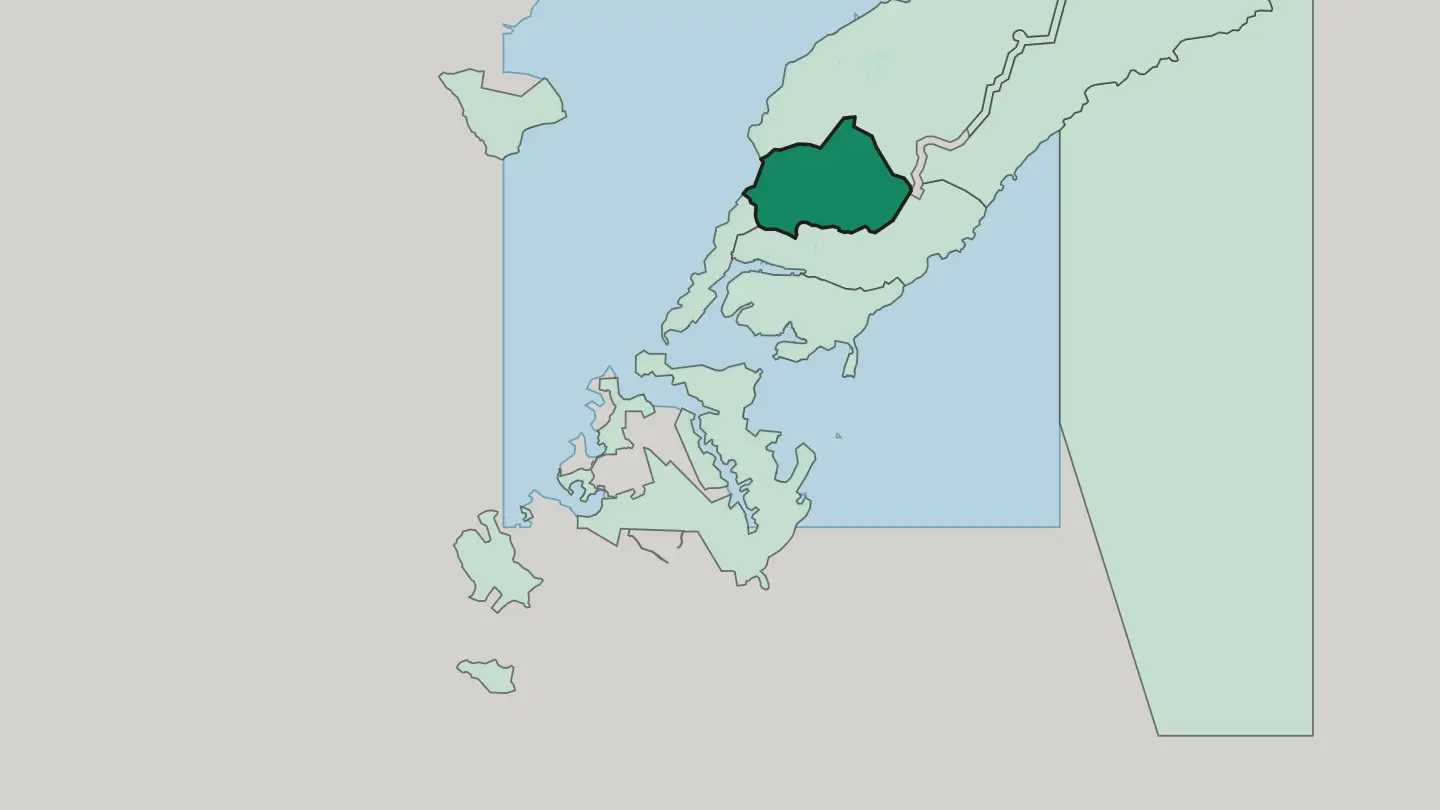 VladivostokRussia
Sovetsky district
Sovetsky district is the northern borough of Vladivostok, a residential expanse of hillside blocks along the rail line past Pervaya Rechka station.Where to stay →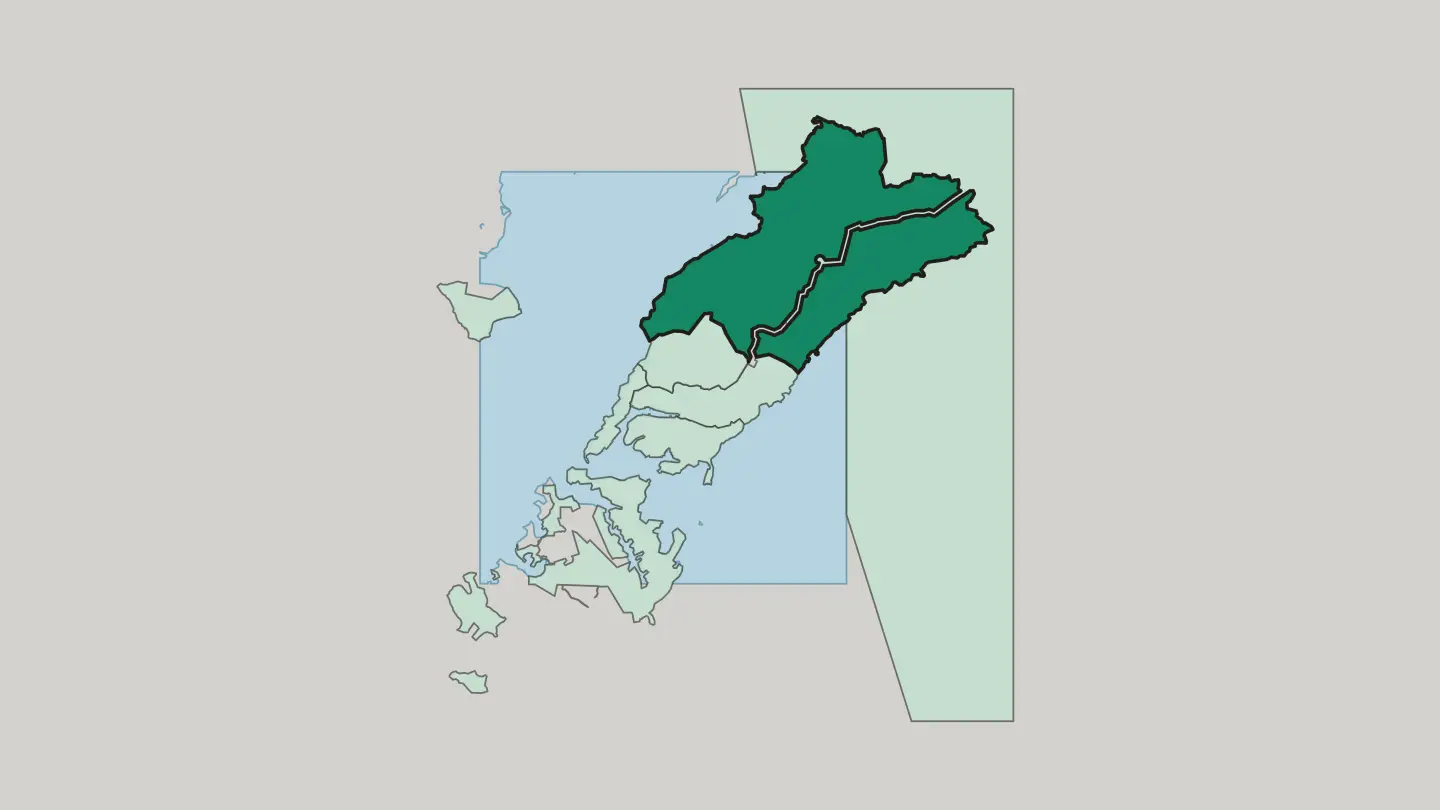 VladivostokRussia
Emar
Emar is a coastal neighbourhood of Vladivostok, known for the children's centre Пионерский лагерь «Океан».Where to stay →Things to do in Vladivostok
Ranked by global recognition; descriptions from Wikidata (CC0).
Museums & Galleries
3- Soviet submarine S-56 Heritage
- Vladivostok Fortress Heritage
- Vladimir K. Arseniev Museum of Far East History
Churches & Religious Sites
4- Most Holy Mother of God Catholic Church (Vladivostok) Heritage
- Saint Paul's Lutheran Church Heritage
- Vladivostok Synagogue Heritage
- St. Nicholas Cathedral Heritage
Castles & Historic Sites
3- Monument to the Fighters for Soviet Power in the Far East Heritage
- 9288 km Milestone Heritage
- monument to Muravyov-Amursky in Vladivostok Heritage
Landmarks & Notable Places
8- Former Oriental Institute, Vladivostok Heritage
- Vladivostok GUM Heritage
- Stalin tunnel Heritage
- Kinoteatr Okean Heritage
- Pervaya Rechka station Heritage
Show 3 more →
- Vtoraya Rechka Heritage
- Port of Vladivostok Heritage
- Svetlanskaya Street 41, Vladivostok Heritage
worth knowingacross 4 categories in Vladivostok
About Vladivostok
What is Vladivostok known for?
Vladivostok is known as Russia's great port on the Sea of Japan. The city wraps around the Golden Horn Bay, where the Port of Vladivostok, the merchant docks, and the navy all share the same water. Old warships stand as museums, among them the Soviet submarine S-56 and the memorial ship Krasnyy Vympel.
The Vladivostok Fortress rings the heights above the harbour. Sea and service shaped it.
What are the main landmarks in Vladivostok?
Vladivostok crowds its landmarks around the Golden Horn Bay. The Vladivostok Fortress holds the heights, while the Soviet submarine S-56 and the memorial ship Krasnyy Vympel line the waterfront as museums. Nikolai's Triumphal Arch and the monument to Muravyov-Amursky mark the old centre.
Museums and faiths meet here. The Arseniev Museum of Far East History and the Primorye State Art Gallery sit near the Vladivostok Synagogue, the Most Holy Mother of God Catholic Church, and Saint Paul's Lutheran Church.
What is the history of Vladivostok?
Vladivostok was founded in 1860 as a port on the Golden Horn Bay. The deep bay drew the navy, and the Vladivostok Fortress soon ringed the heights to guard it. The monument to Muravyov-Amursky recalls the men of the city's founding era.
A mixed people settled the young city. The Former Oriental Institute rose to study the East, and the Vladivostok Synagogue, the Most Holy Mother of God Catholic Church, and Saint Paul's Lutheran Church served its many faiths. Trade and the open sea built the young city fast.
Later the city became the base of a fleet and a capital. It grew into the administrative centre of Primorsky Krai and, in time, the seat of the Far Eastern Federal District. Warships of that old fleet became museums.
The Soviet submarine S-56 and the memorial ship Krasnyy Vympel line the waterfront still. A Soviet-era monument stands on the central square, the Monument to the Fighters for Soviet Power in the Far East. The Port of Vladivostok kept the city turned to the sea.
Old fortress and working harbour still share the same bay.
Where is Vladivostok?
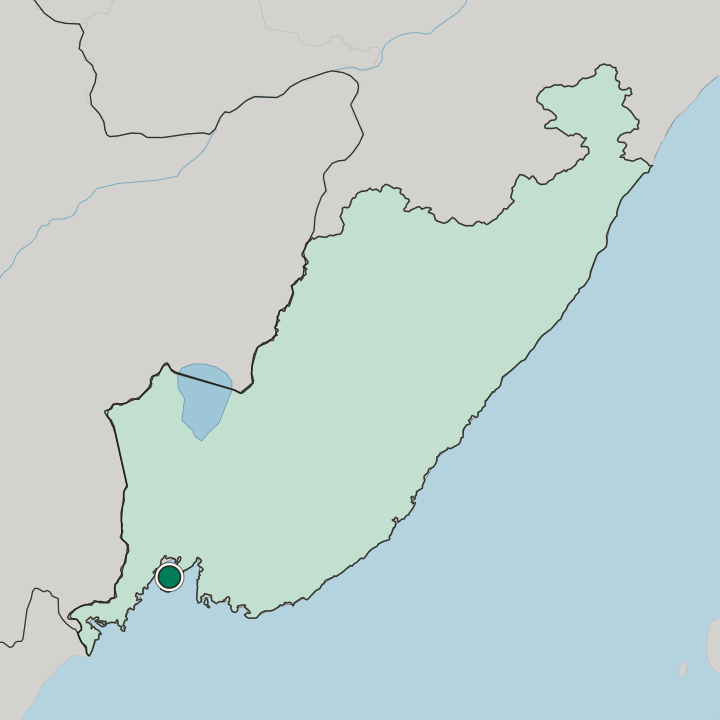
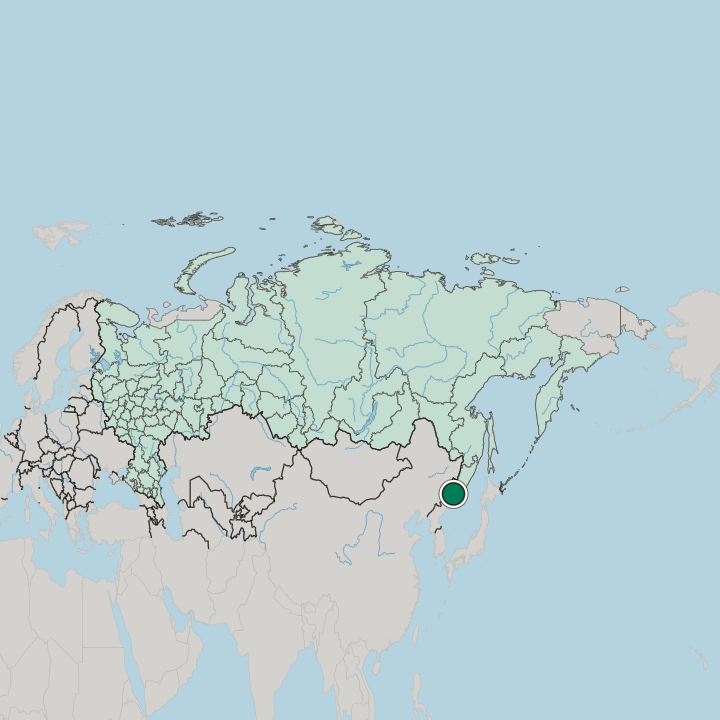
Vladivostok stands in the far south of Primorsky Krai, wrapped around the Golden Horn Bay on the Sea of Japan. Steep hills climb from the water, and the city spreads over the ridges above the bay. The Vladivostok Fortress crowns the heights.
The far south-east of the country lies close to the borders with China and North Korea. Beyond it the sea reaches away to the east.
What is the climate of Vladivostok?
Vladivostok has a temperate climate shaped by the sea. Winters are cold and dry, with hard winds off the mainland, while summers turn mild and humid off the sea. The Golden Horn Bay can freeze in the coldest months.
Spring and autumn stay short and changeable. The Sea of Japan tempers the worst of it.
How do you get to Vladivostok?
Vladivostok is reached by rail, road, and sea. Trains from the west run the length of the country and stop at Pervaya Rechka station and the main terminal by the bay. Ships and ferries call at the Port of Vladivostok on the Golden Horn Bay.
Most arrivals land near the water. From the centre the sights climb the slopes close by.
Good for
More cities in Primorskiy Kray
Updated October 2026