Saudi Arabia · Riyadh Region
Where to Stay in Riyadh, Riyadh Region
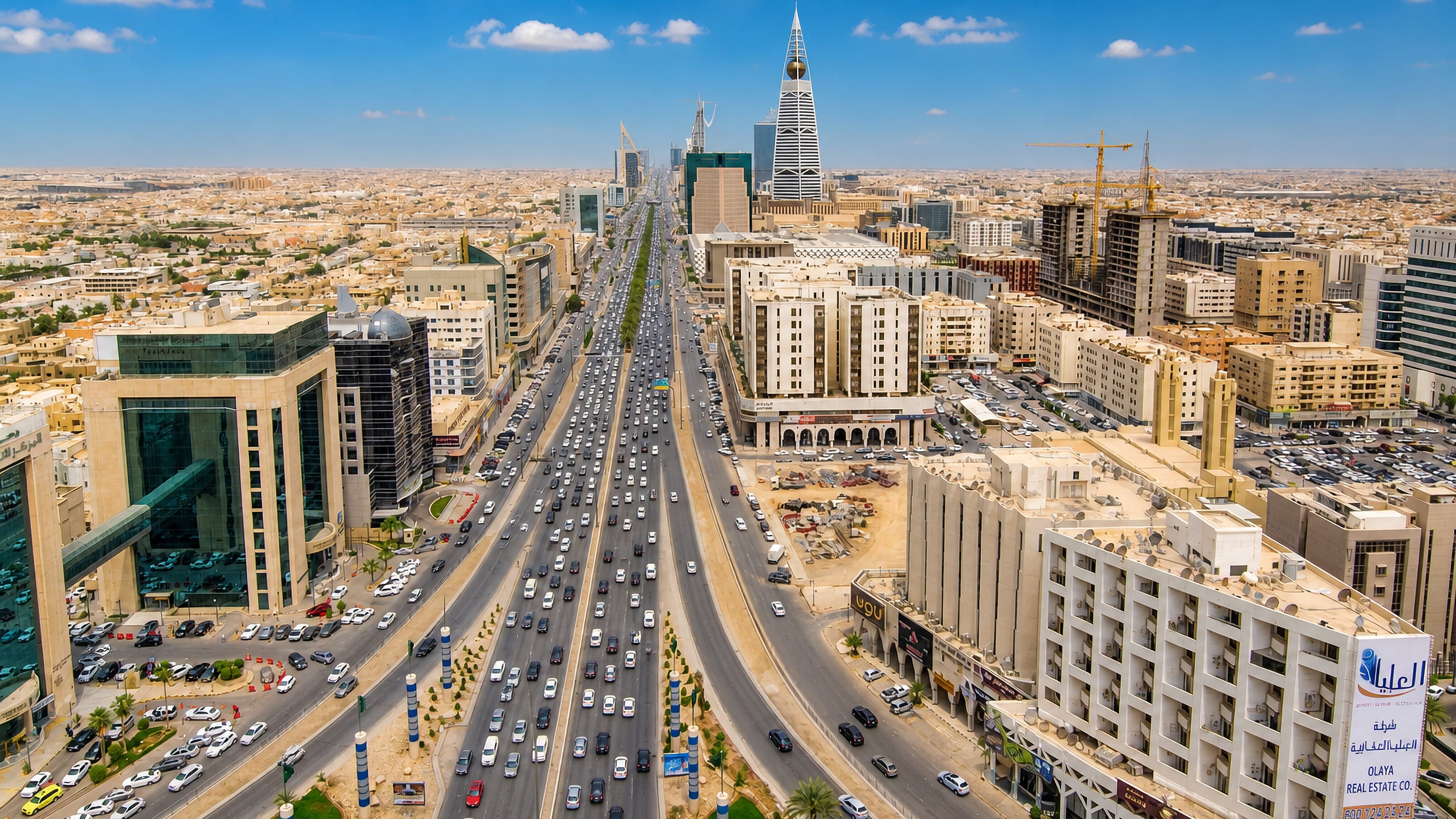
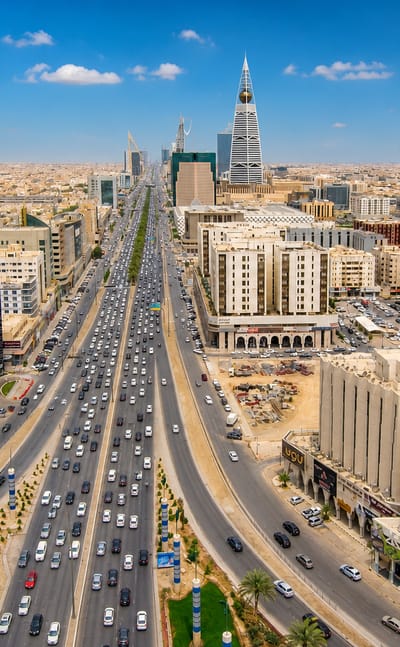
Riyadh rises above Wadi Hanifa on the Tuwaig escarpment, the capital and largest city of Saudi Arabia, known for Masmak Fort and its glass towers.
Hotel links are affiliate links: booking through them may earn us a commission, at no extra cost to you. It never affects how places are ranked. How this works


Where to stay in Riyadh
The right area depends on your trip — here's what each neighbourhood is best for.
 RiyadhSaudi Arabia
Al Murabba
Al Murabba is a historic quarter of Riyadh built around the King Abdul Aziz Historical Centre.Al Murabba →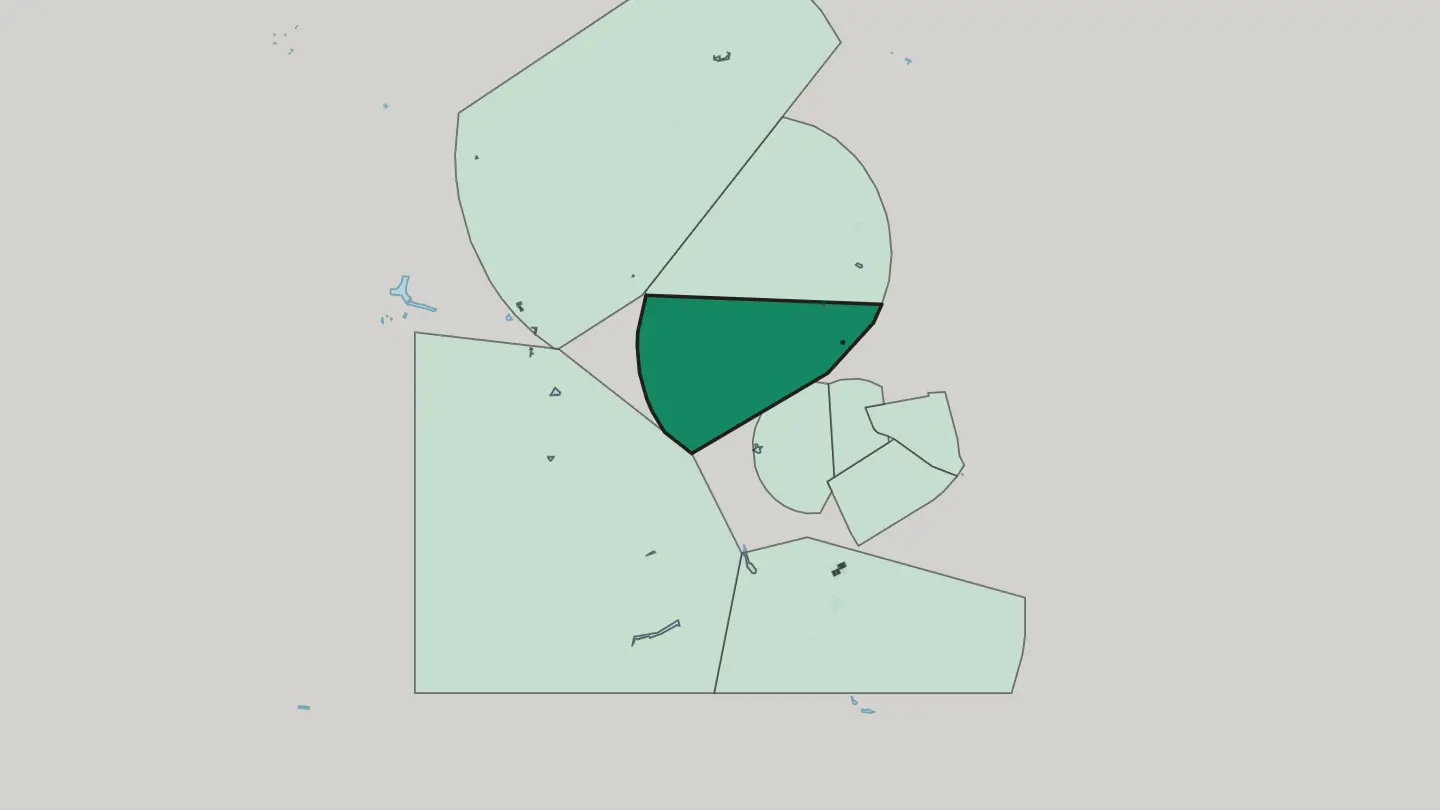 RiyadhSaudi Arabia
Al Wizarat
Al Wizarat is a central district of Riyadh, the Saudi capital, built around ministries, the SAMA Money Museum, and quiet residential streets.Al Wizarat →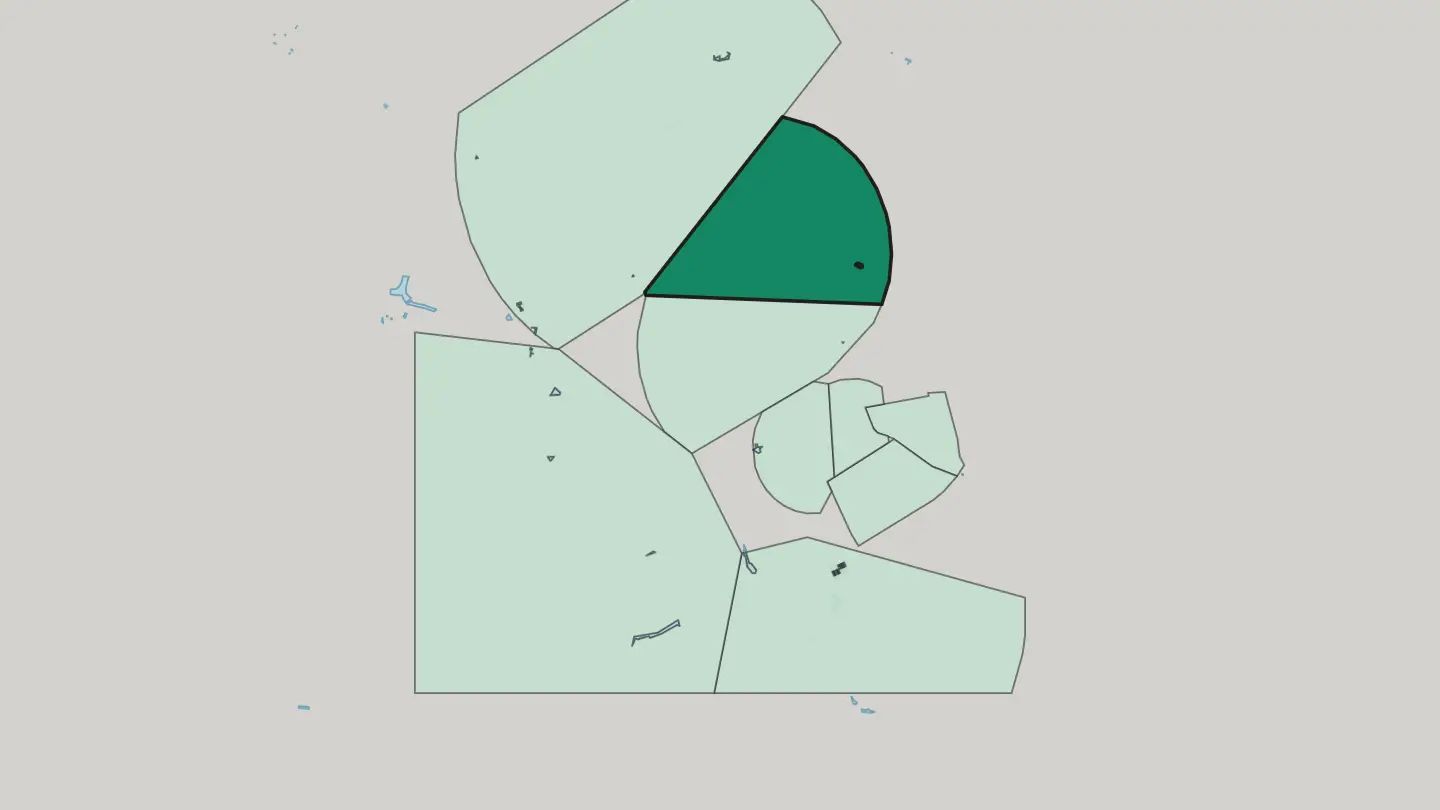 RiyadhSaudi Arabia
Al-Bathaa
Al-Bathaa is a historic district of Riyadh, Saudi Arabia, built around Masmak Fort and the SAMA Money Museum.Al-Bathaa →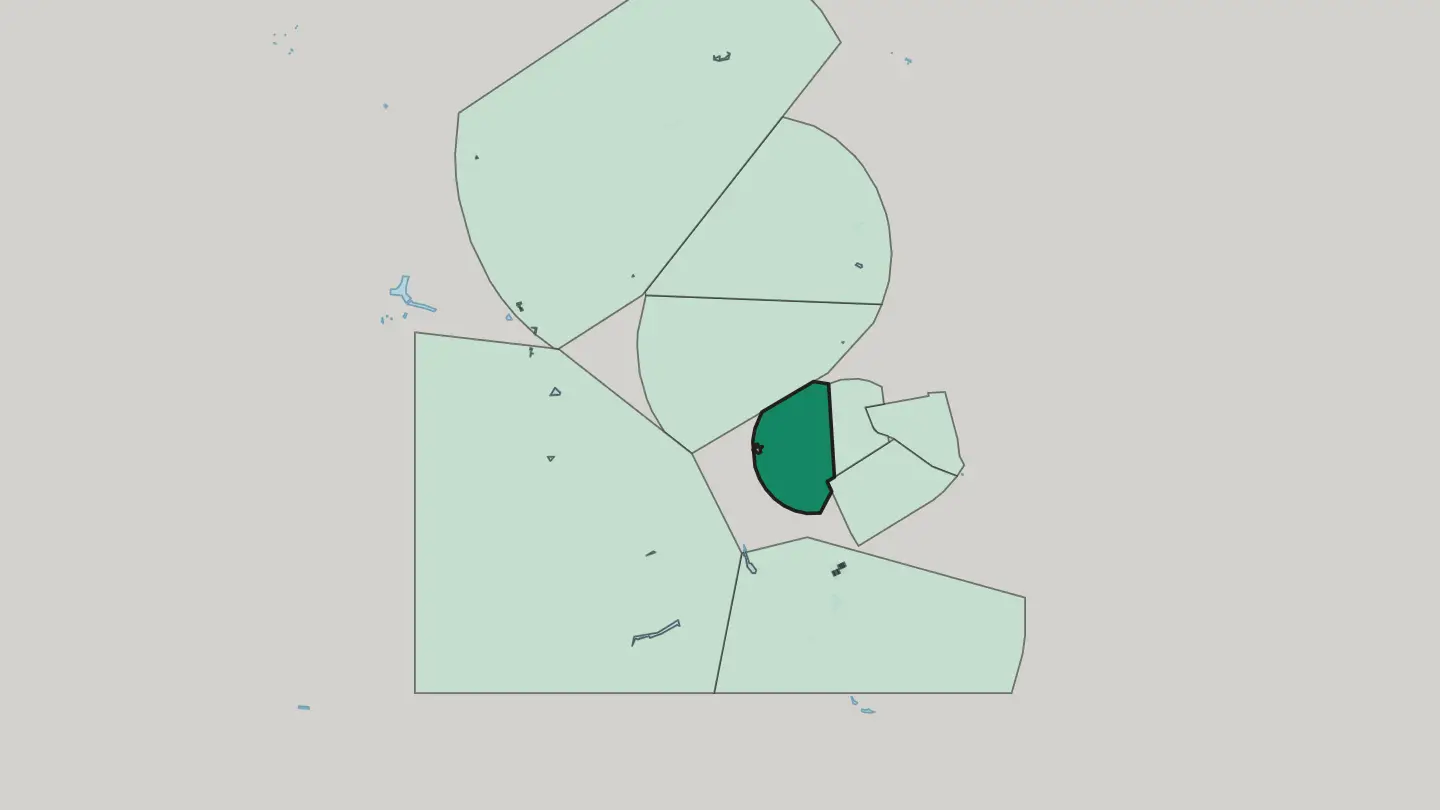 RiyadhSaudi Arabia
Ghubaira
Ghubaira is a residential neighbourhood of Riyadh in the al-Batha sub-municipality, near old Masmak Fort.Ghubaira →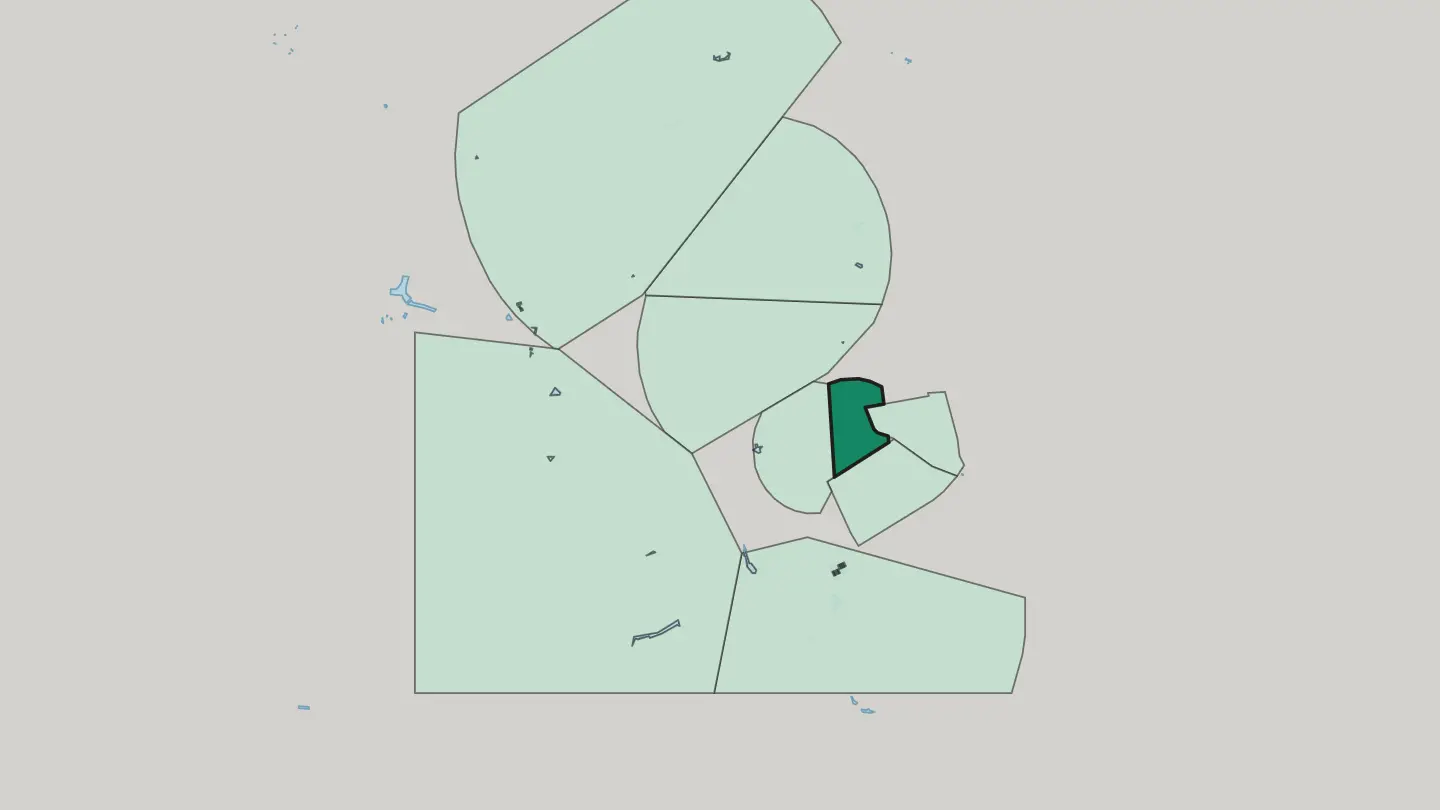 RiyadhSaudi Arabia
Al Khaldiyeh neighborhood
Al Khaldiyeh is a residential neighborhood of Riyadh, set in the arid interior of Saudi Arabia's Riyadh Region.Al Khaldiyeh neighborhood →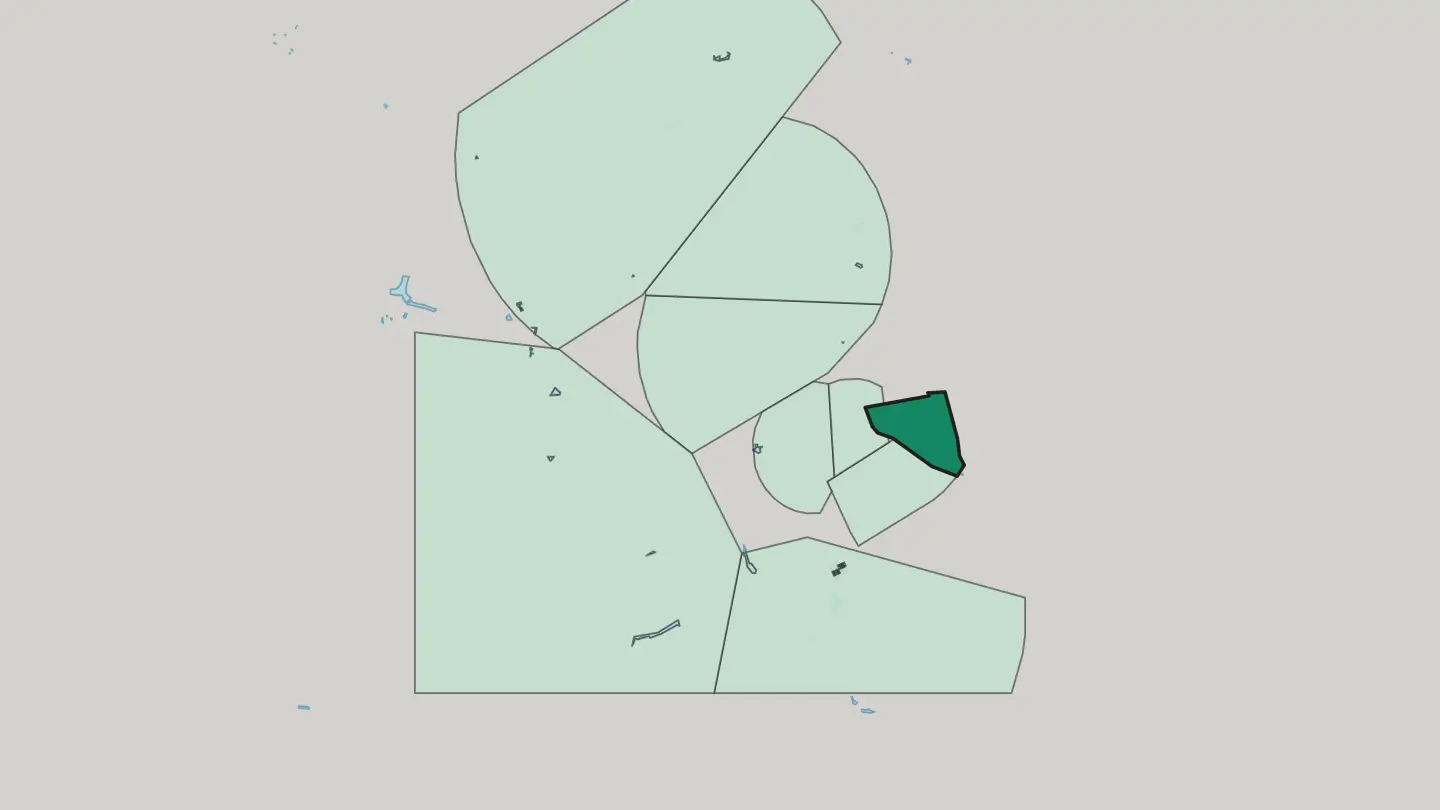
 RiyadhSaudi Arabia
Al Mansurah
Al Mansurah is a historic neighbourhood of southern Riyadh, once a Hajj caravanserai on the road to Mecca.Al Mansurah →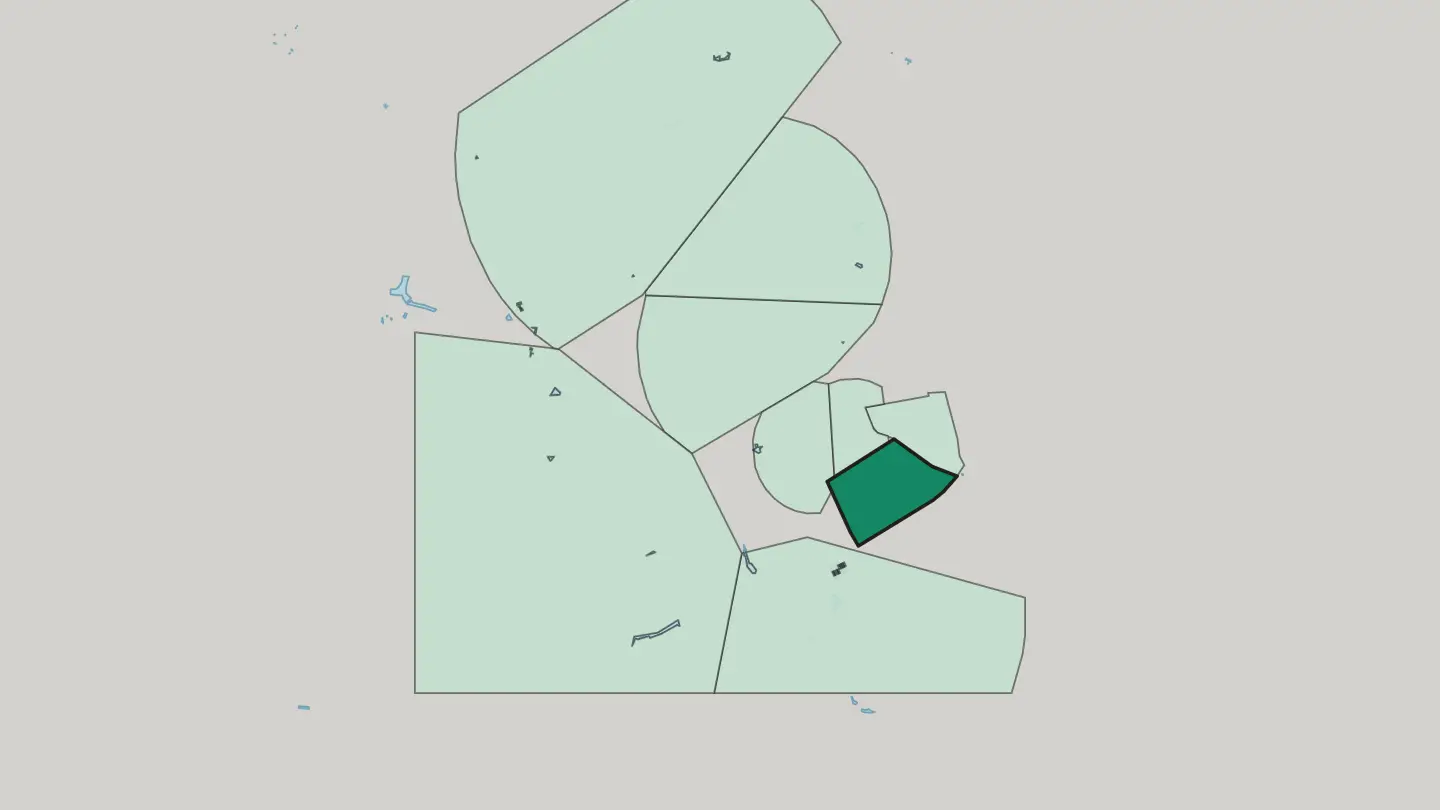
 RiyadhSaudi Arabia
Olaya
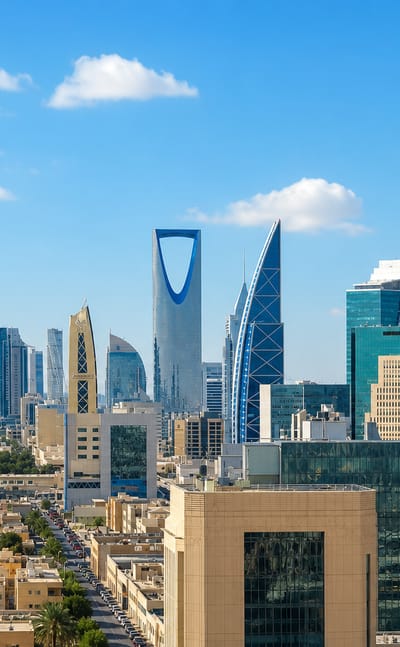
Olaya is Riyadh's tower-lined business quarter, the strip around Kingdom Centre and Al Faisaliah Centre.Olaya →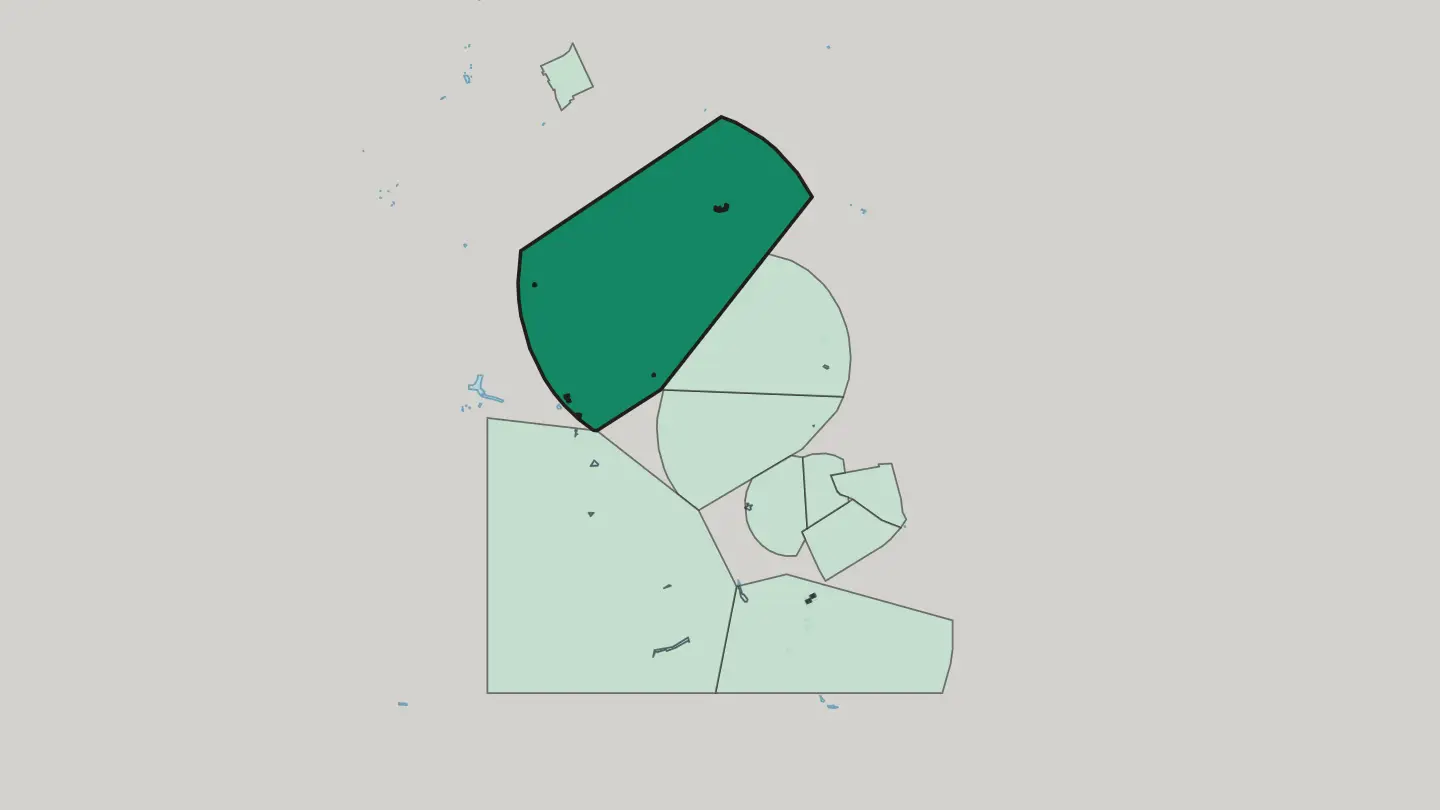 RiyadhSaudi Arabia
Al-Suwaidi
Al-Suwaidi is a large residential quarter of southwestern Riyadh, spread along the right bank of Wadi Hanifa.Al-Suwaidi →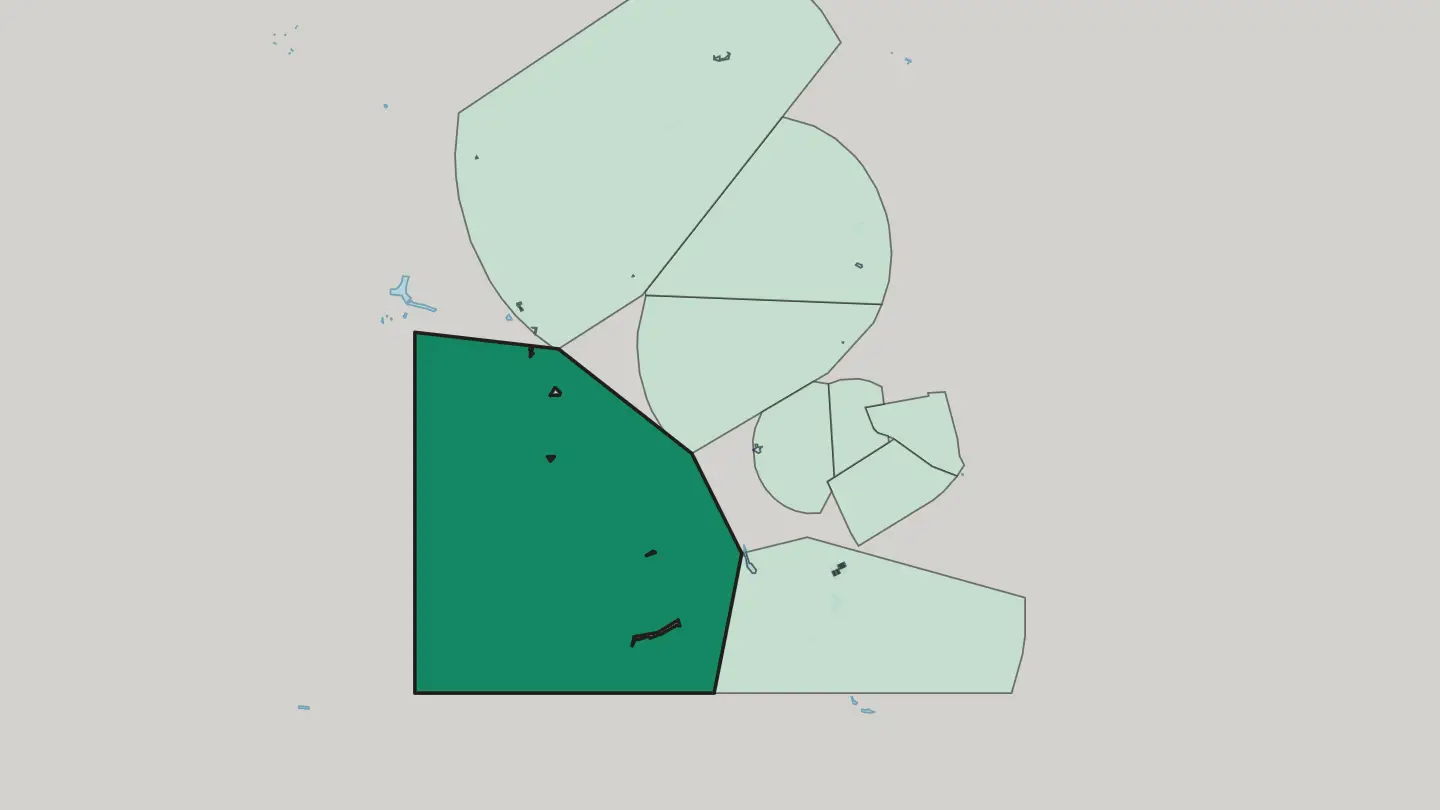 RiyadhSaudi Arabia
Al Masaniʽ
Al Masaniʽ is a workaday interior neighbourhood of Riyadh, its name marking the workshops that grew across this part of the city.Al Masaniʽ →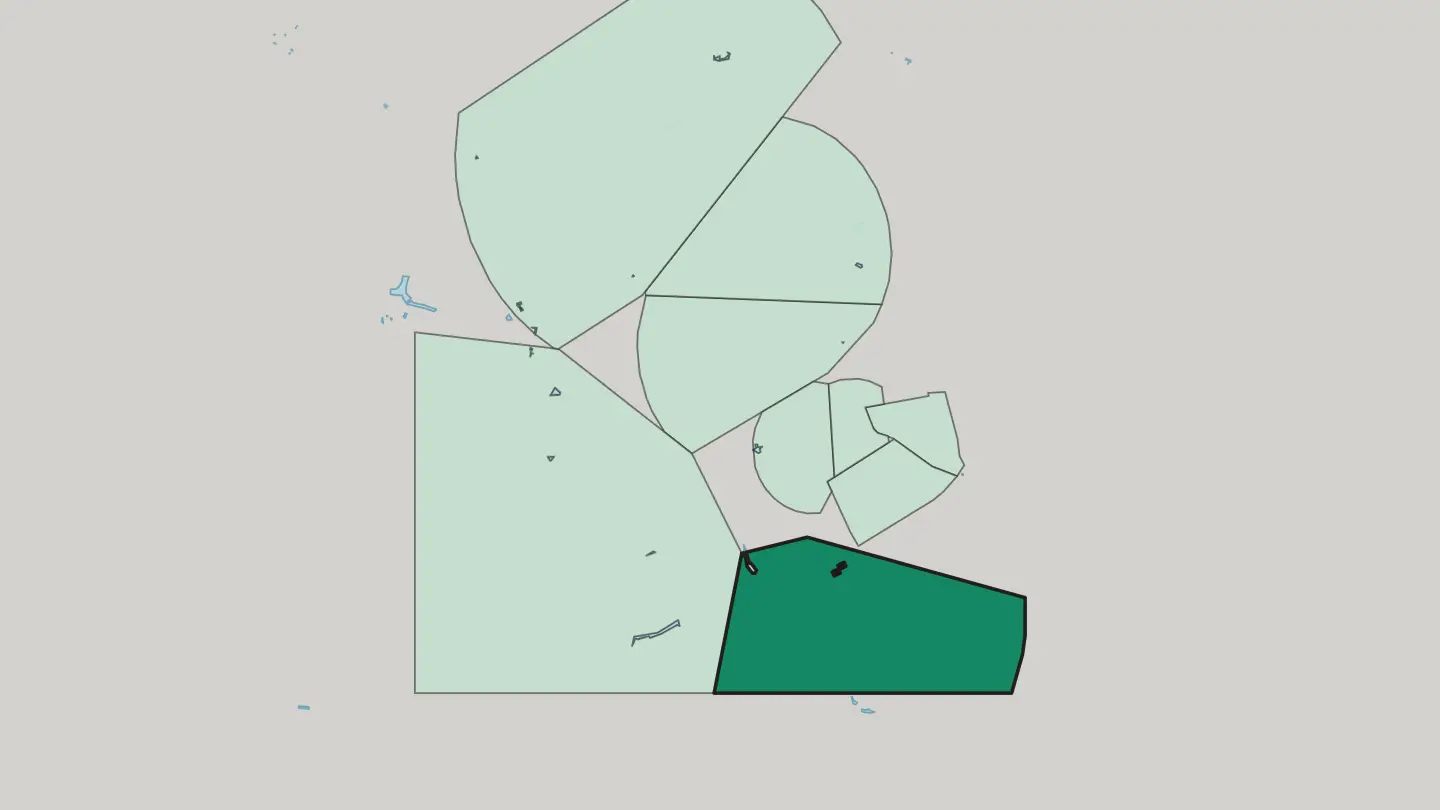 RiyadhSaudi Arabia
King Abdullah Financial District
King Abdullah Financial District is a purpose-built business quarter in northern Riyadh, off King Fahd Road in the Al-Aqeeq area.King Abdullah Financial District →RiyadhSaudi ArabiaAl Zahirah
Al Zahirah is a residential neighborhood of Riyadh, set within the Riyadh Region of Saudi Arabia.Al Zahirah →Hotel links are affiliate links: booking through them may earn us a commission, at no extra cost to you. It never affects how places are ranked. How this works
Things to do in Riyadh
Ranked by global recognition; descriptions from Wikidata (CC0).
Museums & Galleries
3- Masmak Fort
- King Abdul Aziz Historical Centre
- Naila Art Gallery
Castles & Historic Sites
1- Wall of Fame
Stadiums & Sports
2- ميدان الرياض للرماية
- The Green Halls
Landmarks & Notable Places
2- Kingdom Centre
- Al Faisaliah Centre
worth knowingacross 4 categories in Riyadh
About Riyadh
What is Riyadh known for?
Riyadh is known as the capital and largest city of Saudi Arabia, the seat of government and the country's business core. Masmak Fort marks the old town, while towers like Al Faisaliah Centre define the modern skyline. The city sits on the eastern bank of Wadi Hanifa.
It grew from a walled town into a metropolis. Trade and power built it.
What are the main landmarks in Riyadh?
Riyadh's landmarks range from the old fort to the modern towers. Masmak Fort anchors the historic centre, near the King Abdul Aziz Historical Centre and Al Deira Market. Al Faisaliah Centre rises over the skyline.
Museums fill the city, among them the SAMA Money Museum, the Museum of World Cultures, and the Green Halls. Maydan Ad-Diriyah lies out toward Wadi Hanifa.
What is the history of Riyadh?
Riyadh began as a walled town on the eastern bank of Wadi Hanifa, founded in 1746. For its first centuries it was a modest settlement of the interior, ringed by walls and guarded by forts. Masmak Fort still stands from those early days.
The old town was small and self-contained, a compact settlement built to endure a hard land. Water from Wadi Hanifa made settlement possible. Caravan routes crossing the dry land ran under the guard of the town.
The modern city largely took shape in the 1950s, when the old fortifications were pulled down and Riyadh spread out beyond its walls. Pulling down the old walls opened the way for that growth. It grew into the capital and largest city of Saudi Arabia and the seat of the Riyadh Province.
Towers replaced the old ramparts. What had once been a compact walled town became a sprawling metropolis spread across the interior. Masmak Fort and Al Deira Market keep the memory of the older city.
The old walls are gone. Riyadh rose from the dry interior to run an entire kingdom.
Where is Riyadh?
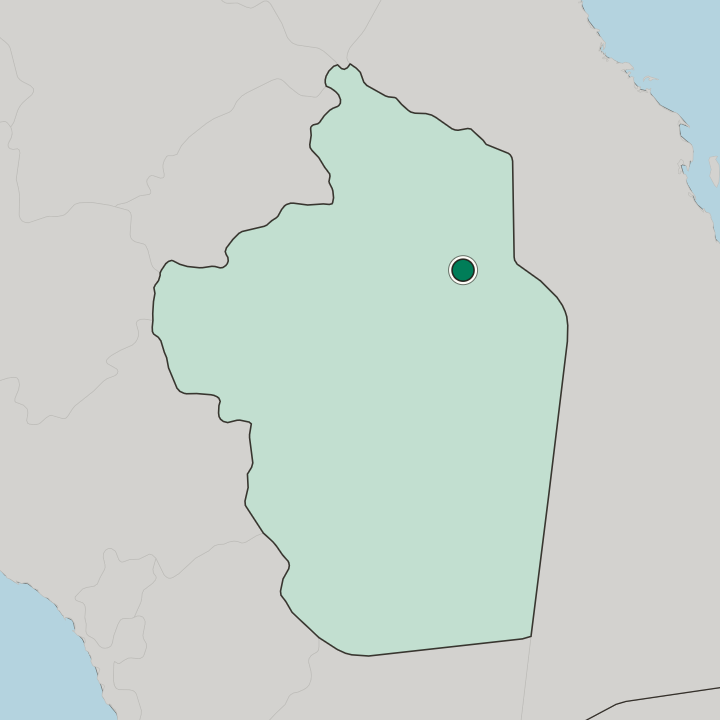
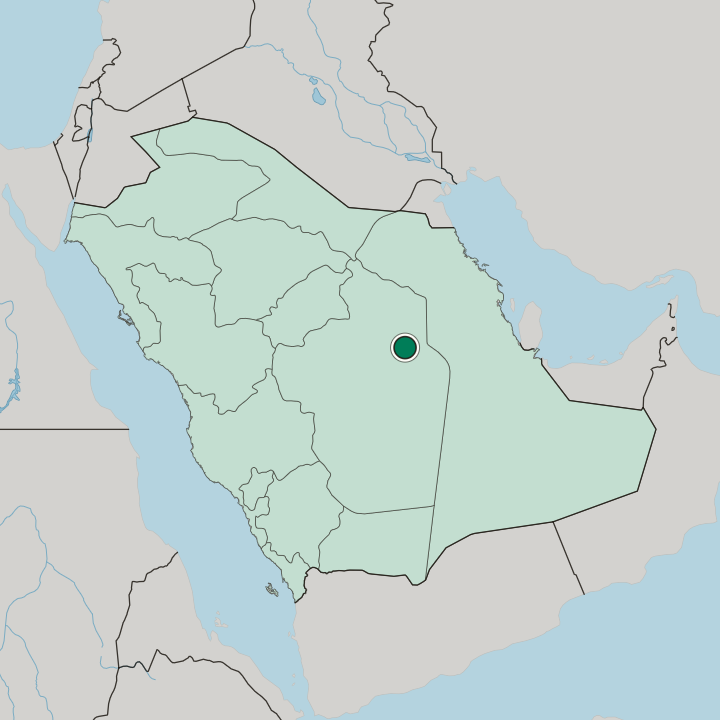
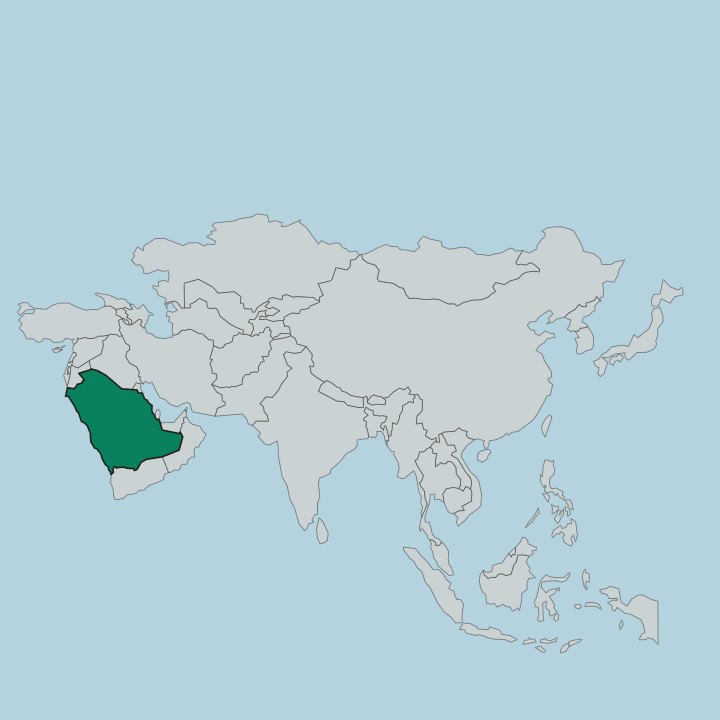
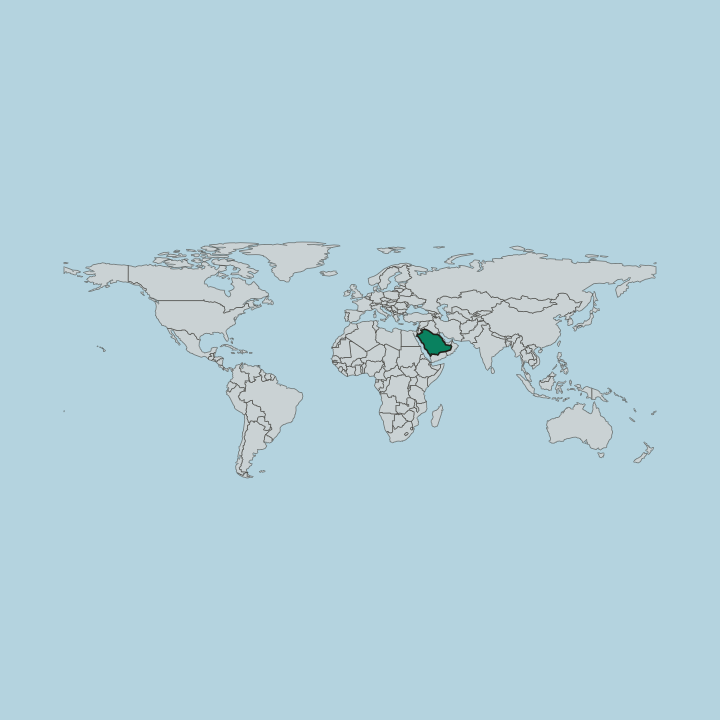
Riyadh lies near the centre of Saudi Arabia, on the eastern bank of Wadi Hanifa in the heart of the Tuwaig escarpment. It is the capital and largest city of the country and the seat of Riyadh Province. The city sits well inland, far from any coast.
Wadi Hanifa cuts through the dry ground beside the built-up city. The land around is arid and open.
What is the climate of Riyadh?
Riyadh has a hot, dry climate typical of the deep interior. Summers are long and scorching, with fierce sun over the Tuwaig escarpment and little cloud. Rainfall over the Tuwaig escarpment stays sparse, and when it comes, it falls in brief bursts that can flood Wadi Hanifa before draining away.
Winter in Riyadh is over quickly. Cold nights settle over the dry land.
How do you get to Riyadh?
For a city this far inland, the plane is how most people arrive in Riyadh. The international airport that serves the capital handles arrivals from across the world, since the city sits far inland and overland routes cross long stretches of dry country to reach it. Roads and highways link Riyadh to the rest of Saudi Arabia, reaching out from Riyadh Province across the interior.
As the capital, Riyadh anchors the road network of the whole country. Everything here runs by land or air.
Good for
More cities in Riyadh Region
Updated September 2026