Sweden
Blekinge County, Sweden — Towns & Travel Guide
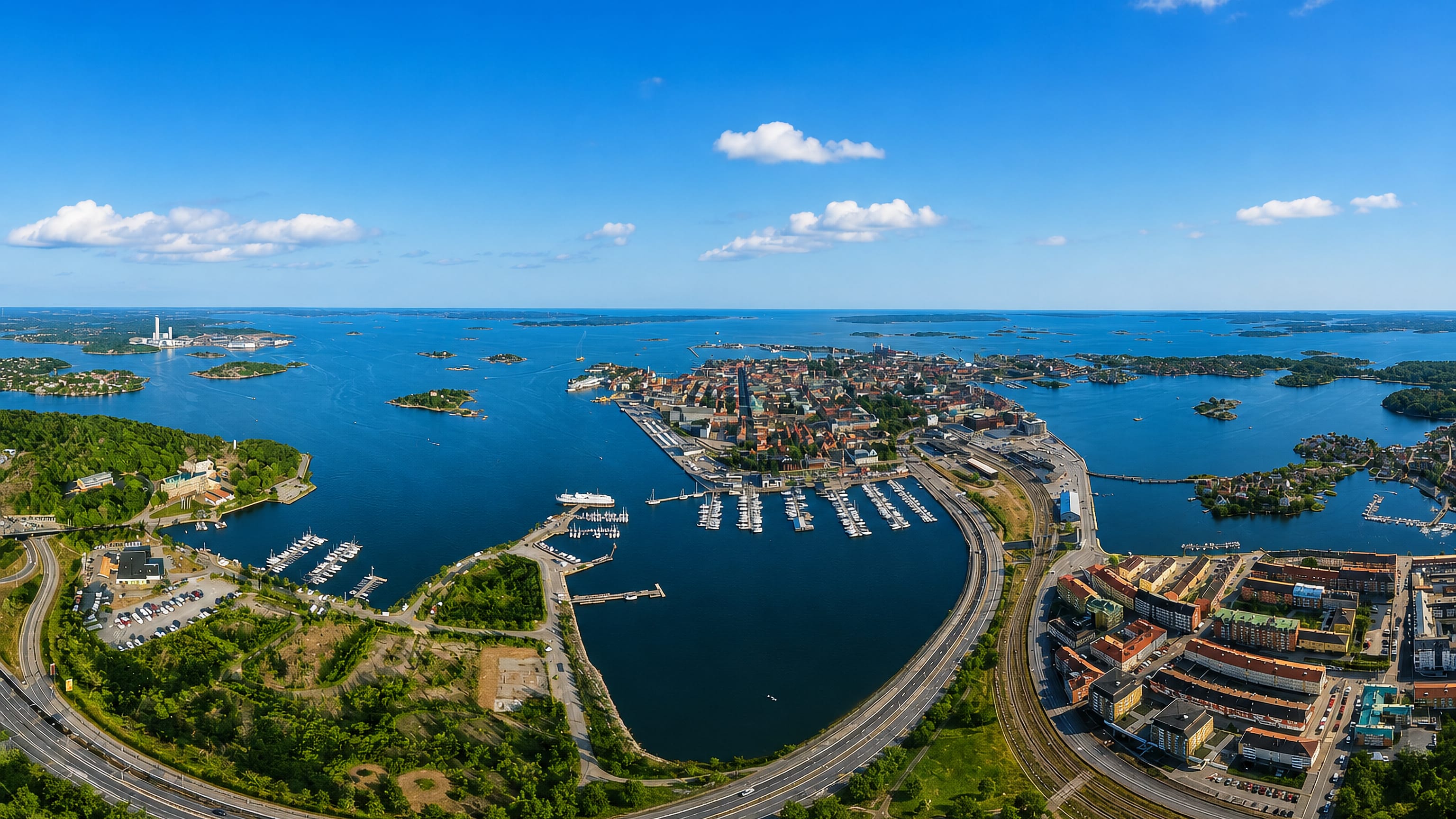
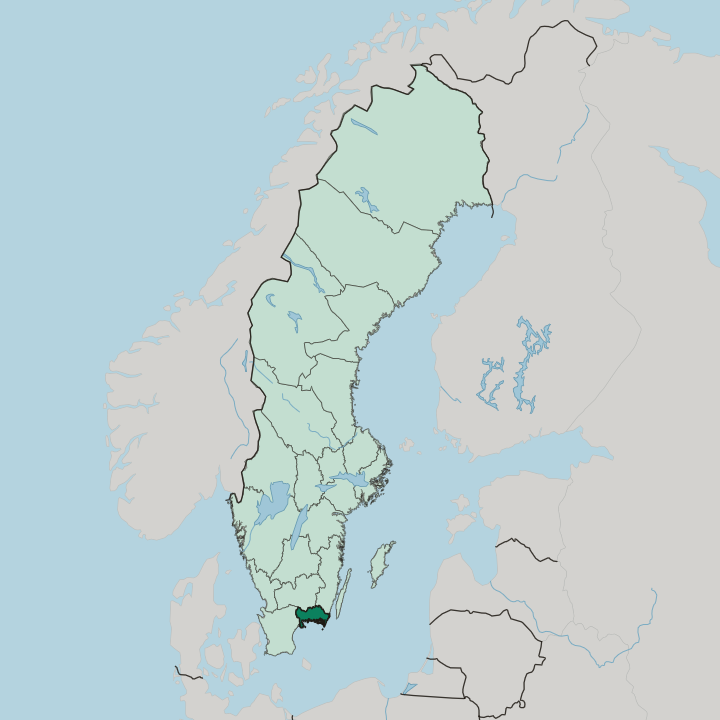
Blekinge County is the smallest county of Sweden, set on the Baltic coast in the south of the country, with Karlskrona as its capital.
Hotel links are affiliate links: booking through them may earn us a commission, at no extra cost to you. It never affects how places are ranked. How this works


Towns & cities in Blekinge County
Pick a town or city — each links to where to stay.
 Sweden
Karlskrona
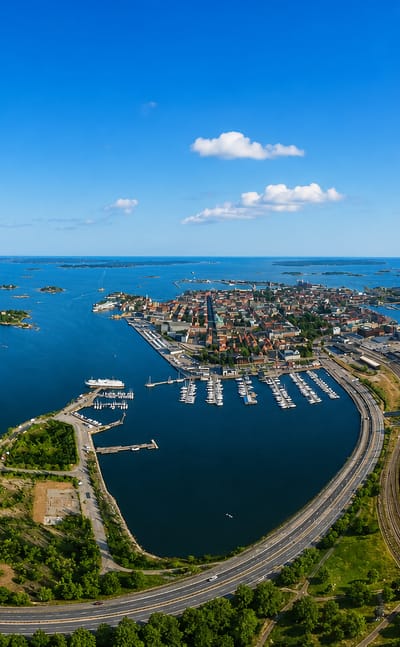
Karlskrona is the seat of Blekinge County in southern Sweden, a baroque naval city spread across an archipelago and listed as a UNESCO World Heritage Site.Where to stay →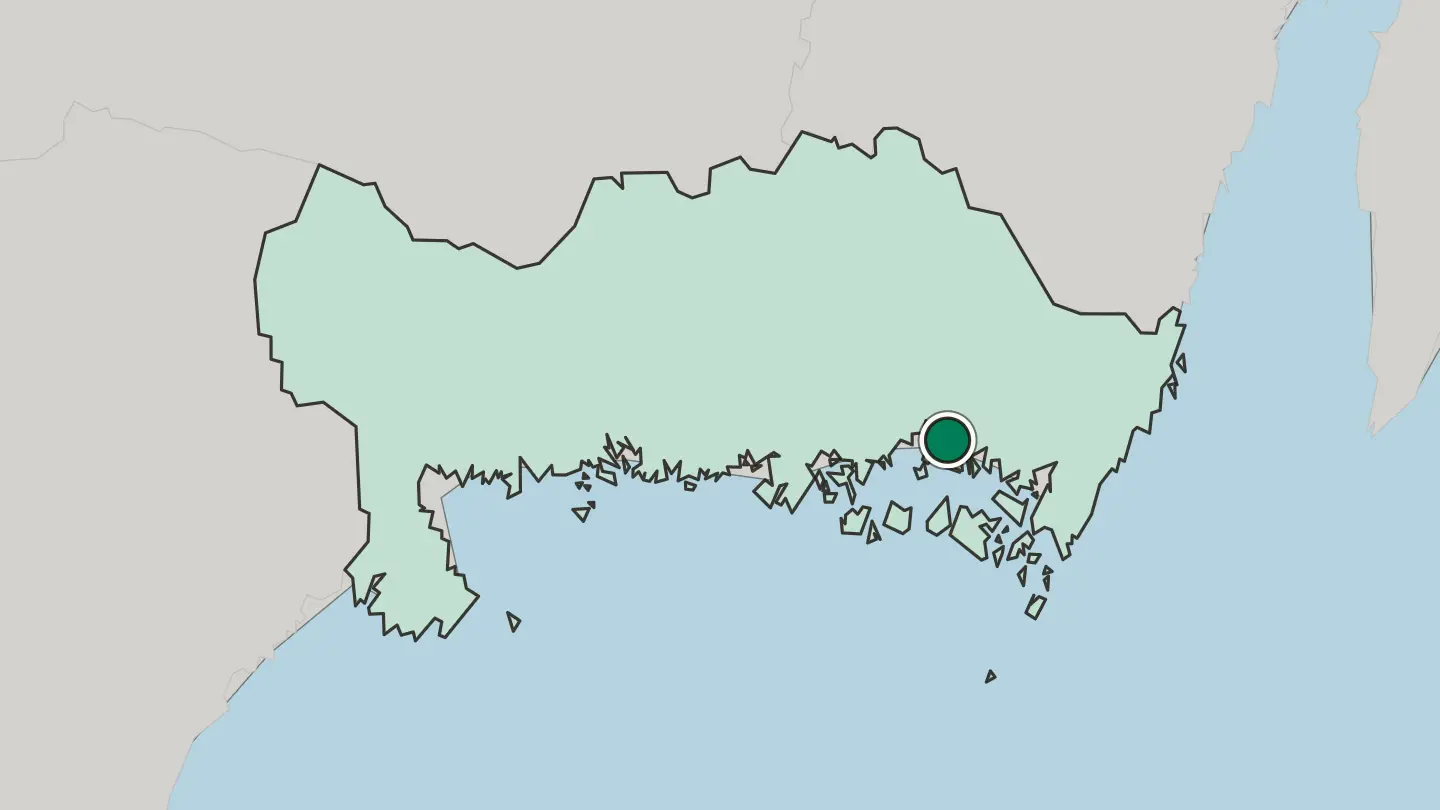
 Sweden
Karlshamn
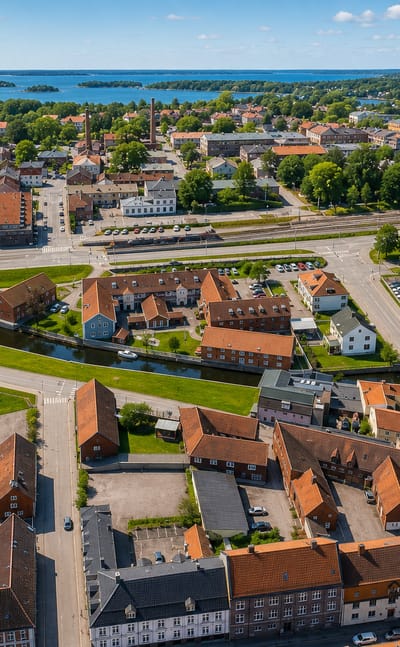
Karlshamn is a sheltered Baltic port town in south-western Blekinge, long known for its harbour, its tobacco trade, and its arrack punsch.Where to stay →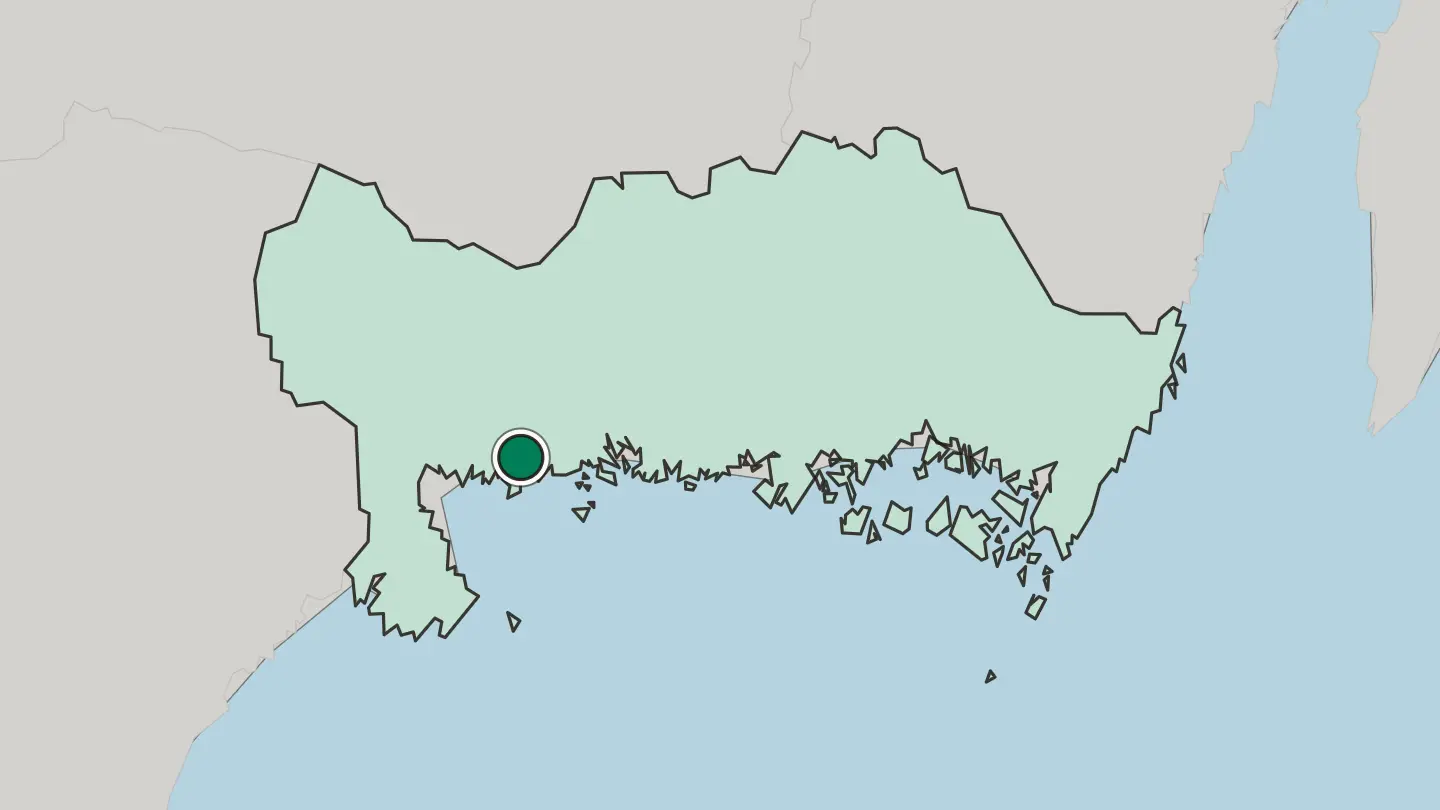
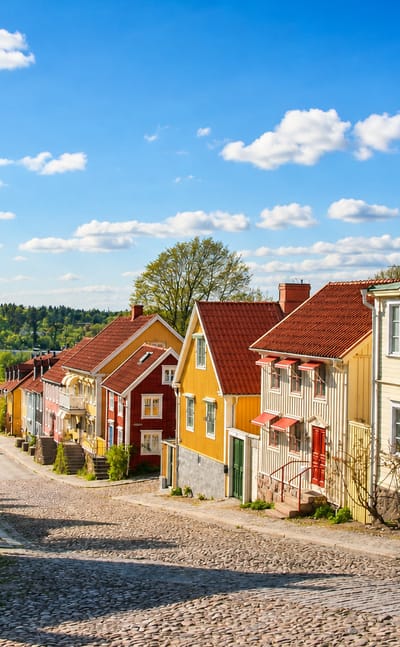 Sweden
Ronneby
Ronneby is a spa-and-river town in south-eastern Blekinge County, set on the Ronnebyån where it threads down toward the Baltic coast.Where to stay →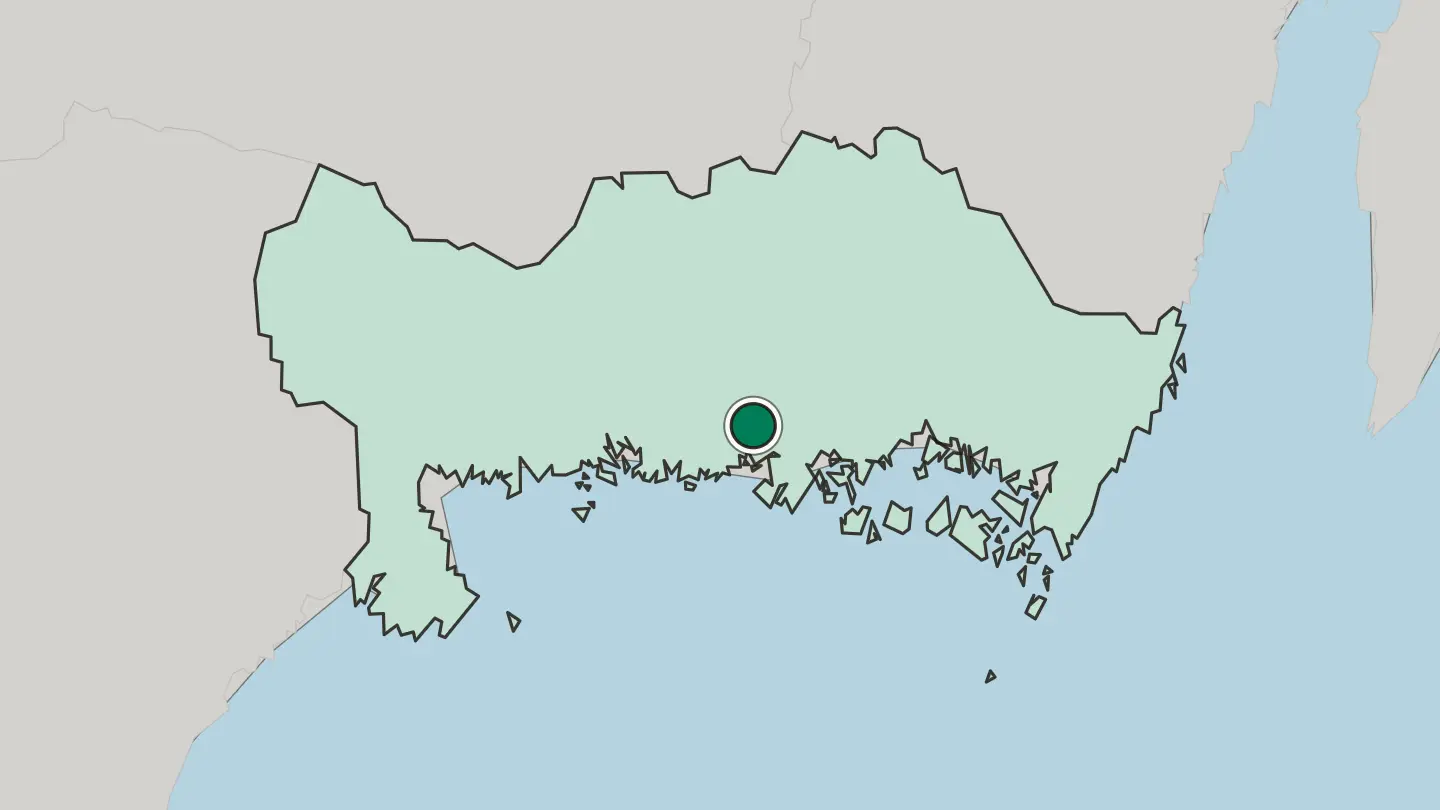
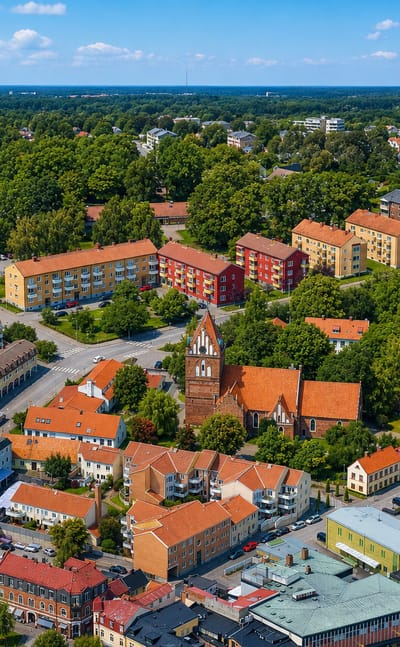 Sweden
Sölvesborg
Sölvesborg is a small coastal town with Danish medieval roots in south-western Blekinge County, on a bay of the Baltic.Where to stay →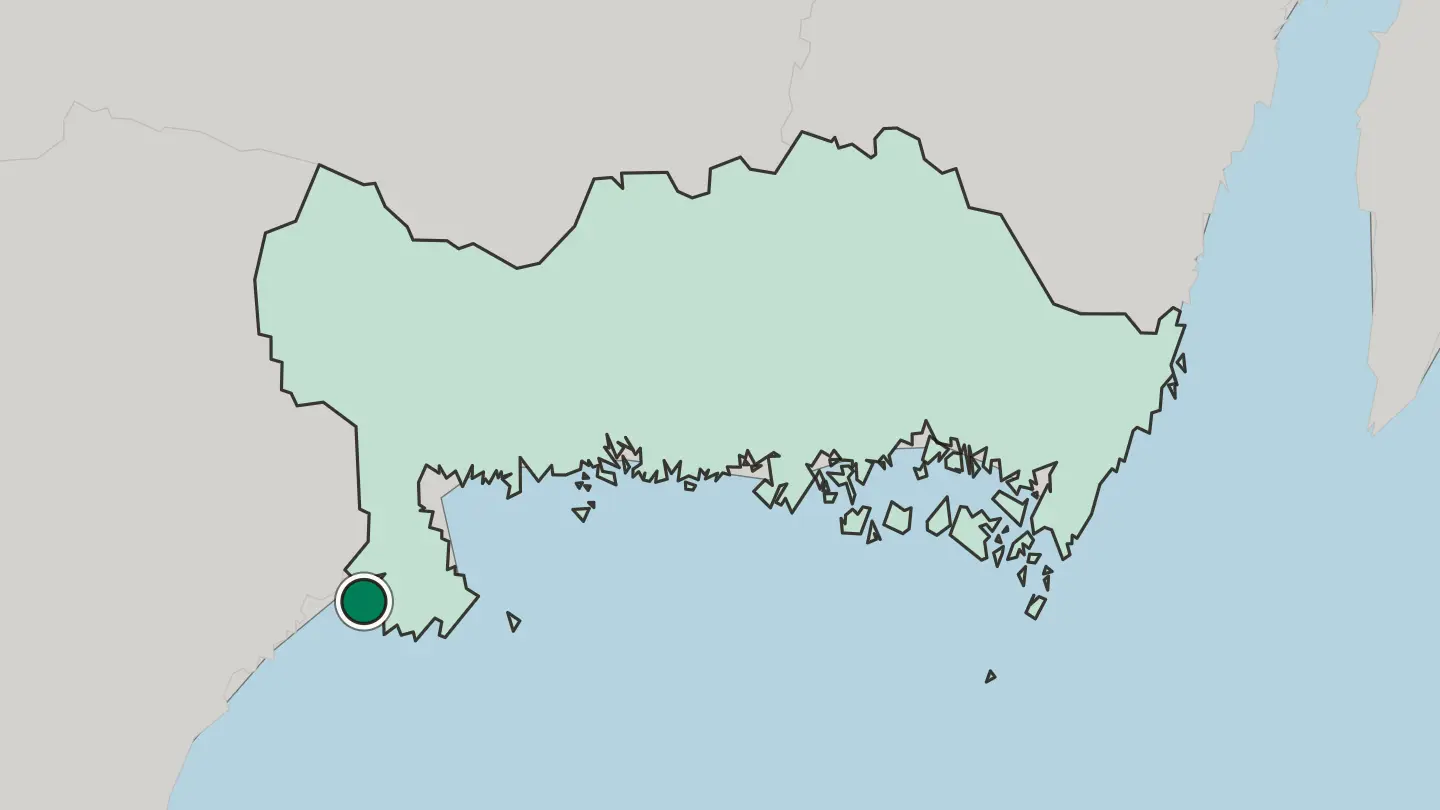
 Sweden
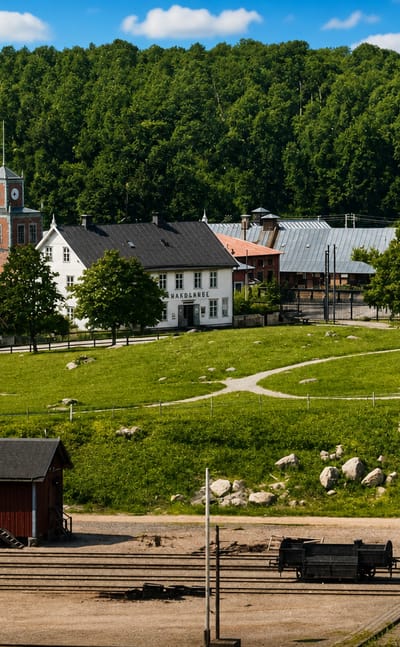
Olofström
Olofström is a municipality in the wooded western part of Blekinge, an industrial town grown up around metalworking and the lakes of the inland forest.Where to stay →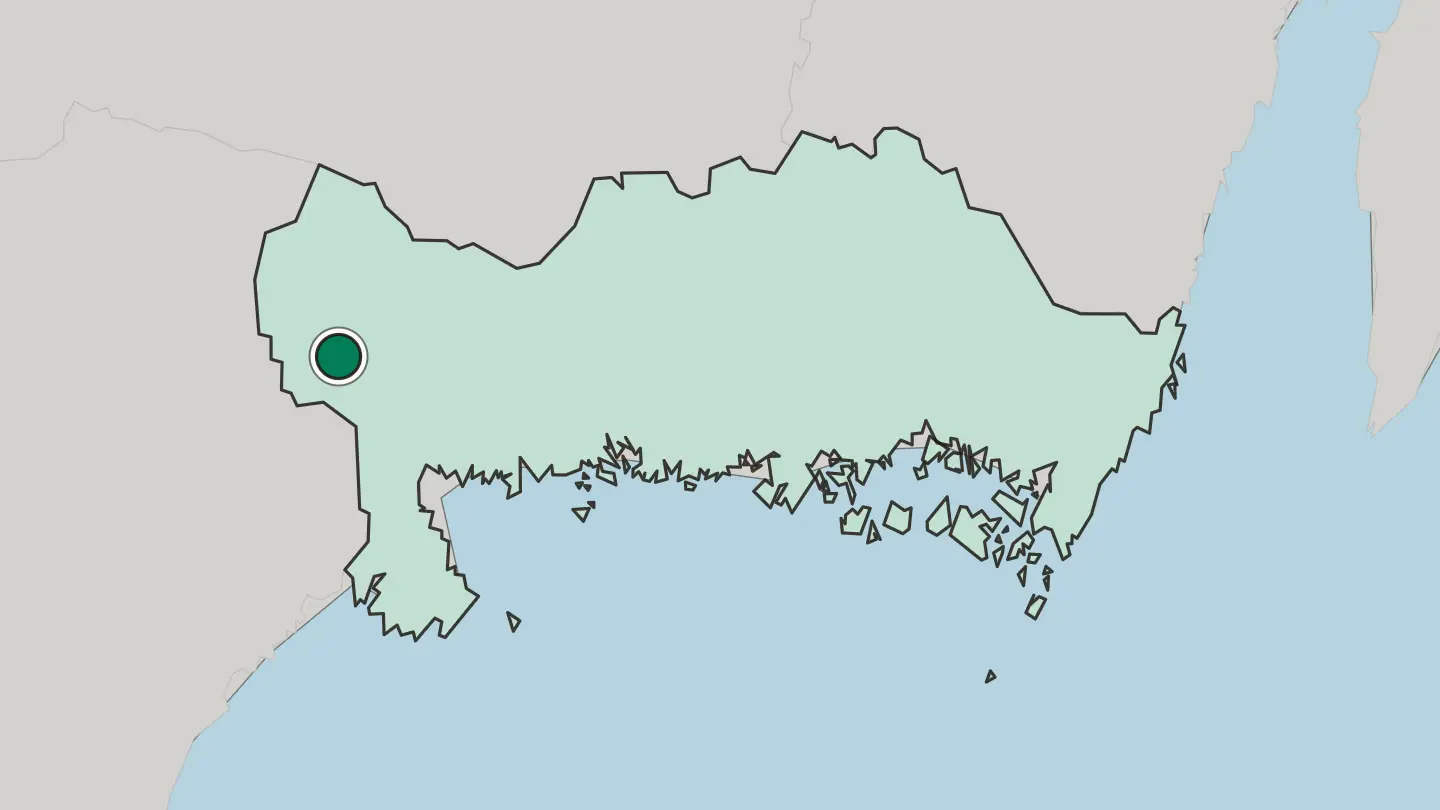
Hotel links are affiliate links: booking through them may earn us a commission, at no extra cost to you. It never affects how places are ranked. How this works
About Blekinge County
Blekinge is known as the garden of Sweden.
What is Blekinge County known for?
The mild coast, the orchards, and the granite skerries give it a softer face than much of the country, while the naval city of Karlskrona anchors the east with its old dockyard and baroque streets. The archipelago fringes the whole shore. Karlshamn and Ronneby fill the west.
People know it as a small, green coastal county.
Where is Blekinge County?
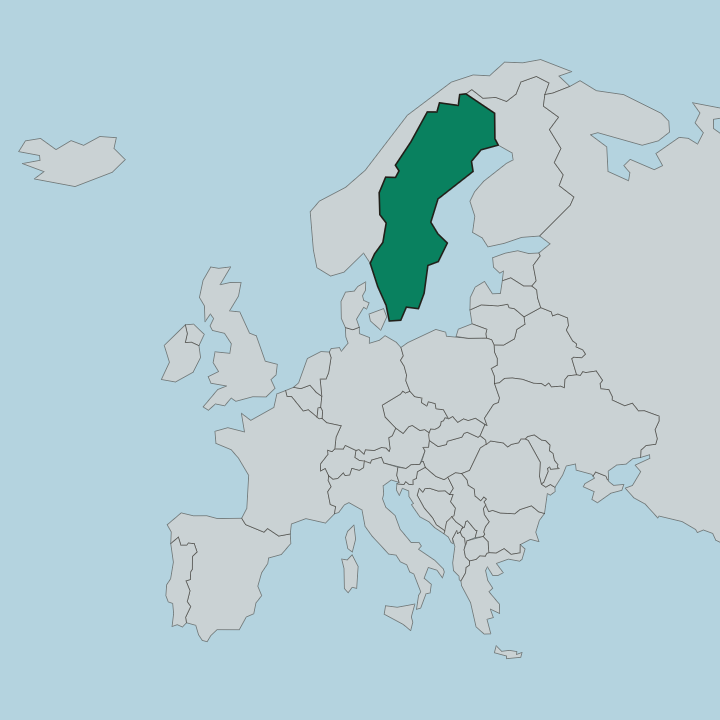
Blekinge lies on the Baltic coast in the south of Sweden, the smallest of the country's counties, bordered by Skåne to the west, Kronoberg to the north, and Kalmar to the east. The land slopes from wooded inland ridges down through a belt of farmland and orchards to a low, broken coast, where granite headlands, bays, and a long chain of skerries meet the open sea. Rivers cross it to the shore.
The coast is its heart. The archipelago runs the length of the county, a scatter of islands and rocks that shelters the harbours and shapes the life of the coast, with Karlskrona built across a cluster of these islands at the eastern end. Forest and lakes fill the higher ground inland toward the Småland border.
Karlshamn and Ronneby sit on their own river mouths to the west. The whole county is small. A short drive crosses it.
What is Blekinge County like?
Blekinge carries a coastal and naval culture. The county grew around the sea, with fishing villages, stone harbours, and the great dockyard at Karlskrona shaping its life for centuries, and the navy still marks the eastern towns with its yards, its drill, and its long tradition. The sea runs through everything.
Boatbuilding and seafaring are old crafts here. The province was Danish until the seventeenth century, and that older border history lingers in dialect, place names, and church custom across the western parishes. Folk music, fiddle traditions, and summer festivals draw on the same coastal and rural roots.
Orchards and gardens give the county its mild, cultivated face, while the islands keep an old fishing and sailing way of life. Karlskrona, with its baroque plan and naval port, holds a place on the world heritage list.
What is the history of Blekinge County?
Blekinge was long a Danish province. It guarded the eastern flank of the Danish realm until the wars of the seventeenth century passed it to Sweden, and the new rulers soon founded Karlskrona as a great naval base on its sheltered islands. The county was formed in the 1680s.
Shipwrights and sailors were drawn to the new dockyard from across the land, and the province has kept its naval and coastal character ever since.
What is the climate of Blekinge County?
Blekinge has one of the mildest climates in Sweden. Its Baltic shore and southern position keep winters short and relatively gentle, with frost and snow less lasting than across the inland counties to the north. Coastal summers run warm and long.
The mild, sheltered coast ripens orchards and gardens that give the county its green name, and the warm season draws sailors and bathers out along the shore and the islands. Rain falls steadily across the year.
How do you get to Blekinge County?
Blekinge is reached by rail, road, sea, and air. The southern main line and coastal railways link Karlskrona and Karlshamn to the wider Swedish network, while the main coast road carries traffic east and west along the shore. Ferries sail from Karlshamn across the Baltic to Poland, carrying both freight and passengers from the western harbour.
A regional airport at Ronneby serves flights to Stockholm. Roads thread inland to the borders.
Common questions
What is the best area to stay in Blekinge County?
Karlskrona: first-time visitors and the Karlskrona dockyard. Ronneby: spa stays and parkland. Coast and islands: families and sailors.
Good for
More regions in Sweden
Updated September 2026