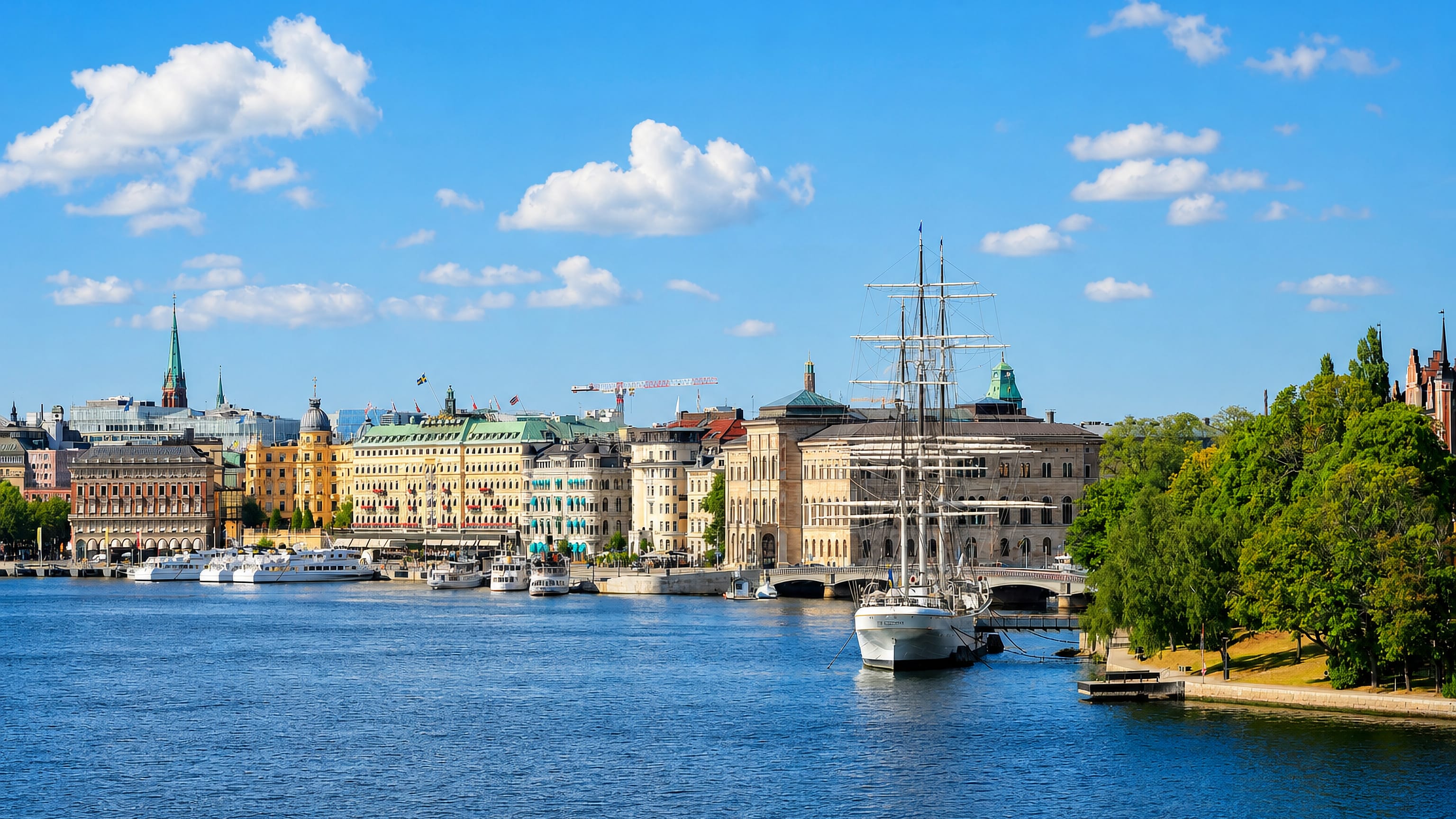
Sweden: Regions, Cities & Travel Guide
Sweden is a sovereign country on the Scandinavian Peninsula, a constitutional monarchy where forest, lake, and a long Baltic coast define the land.
Hotel links are affiliate links: booking through them may earn us a commission, at no extra cost to you. It never affects how places are ranked. How this works


Top destinations in Sweden
Cities to start from, then drill into areas and hotels.
 Sweden
Stockholm
Stockholm is the capital of Sweden, a city built across fourteen islands where Lake Mälaren empties into the brackish Baltic Sea.Where to stay →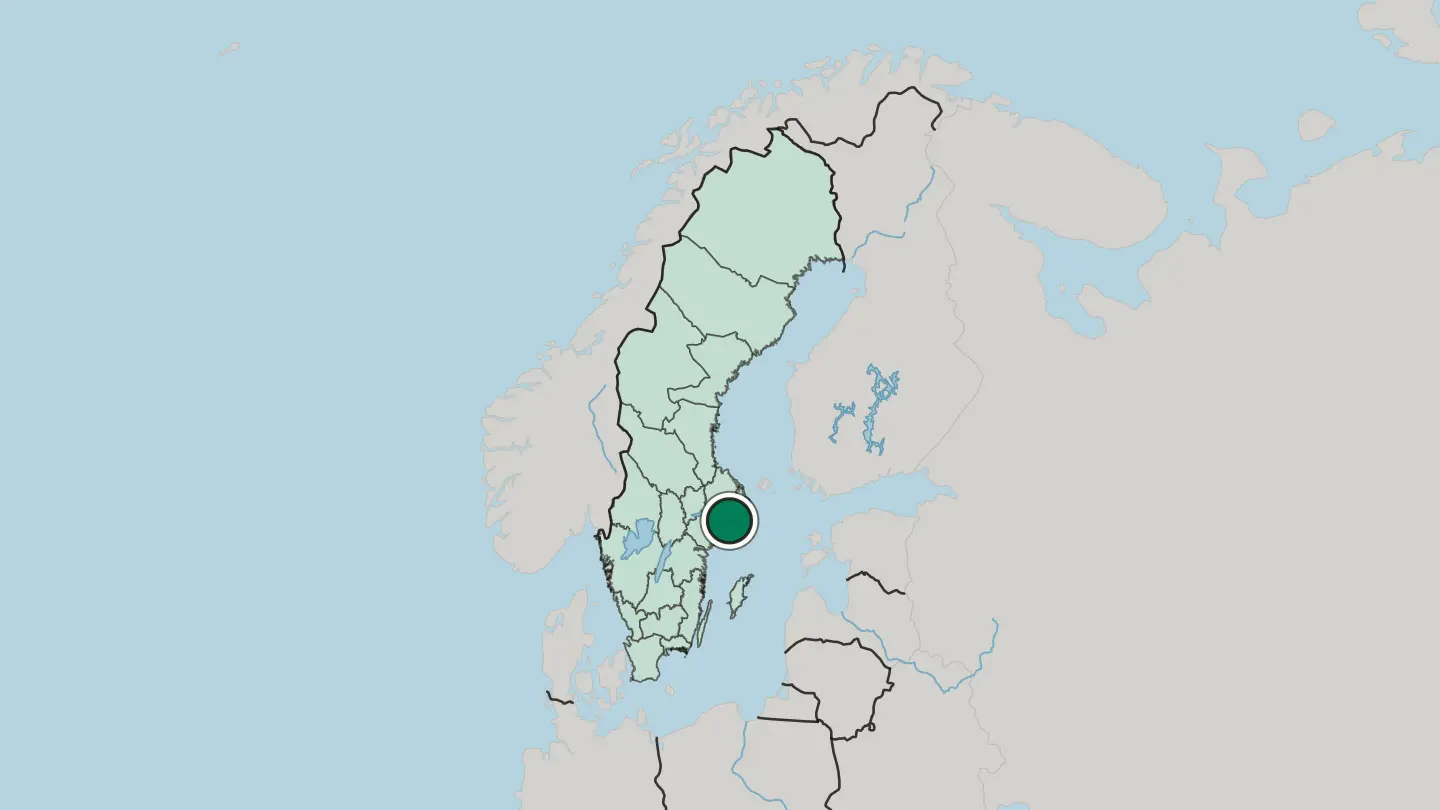
 Sweden
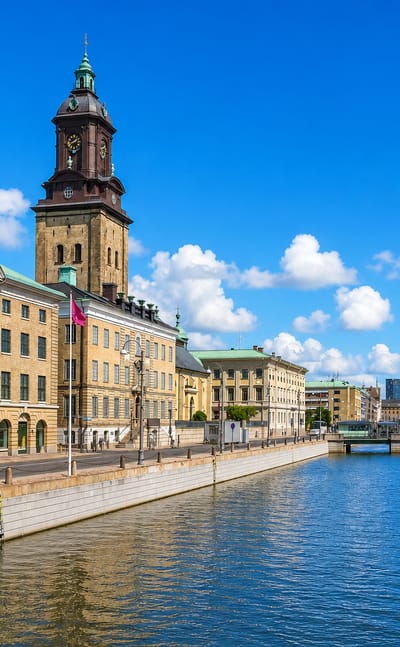
Gothenburg
Göteborg is Sweden's second-largest city, a major port on the west coast where the Göta älv river meets the Kattegat.Where to stay →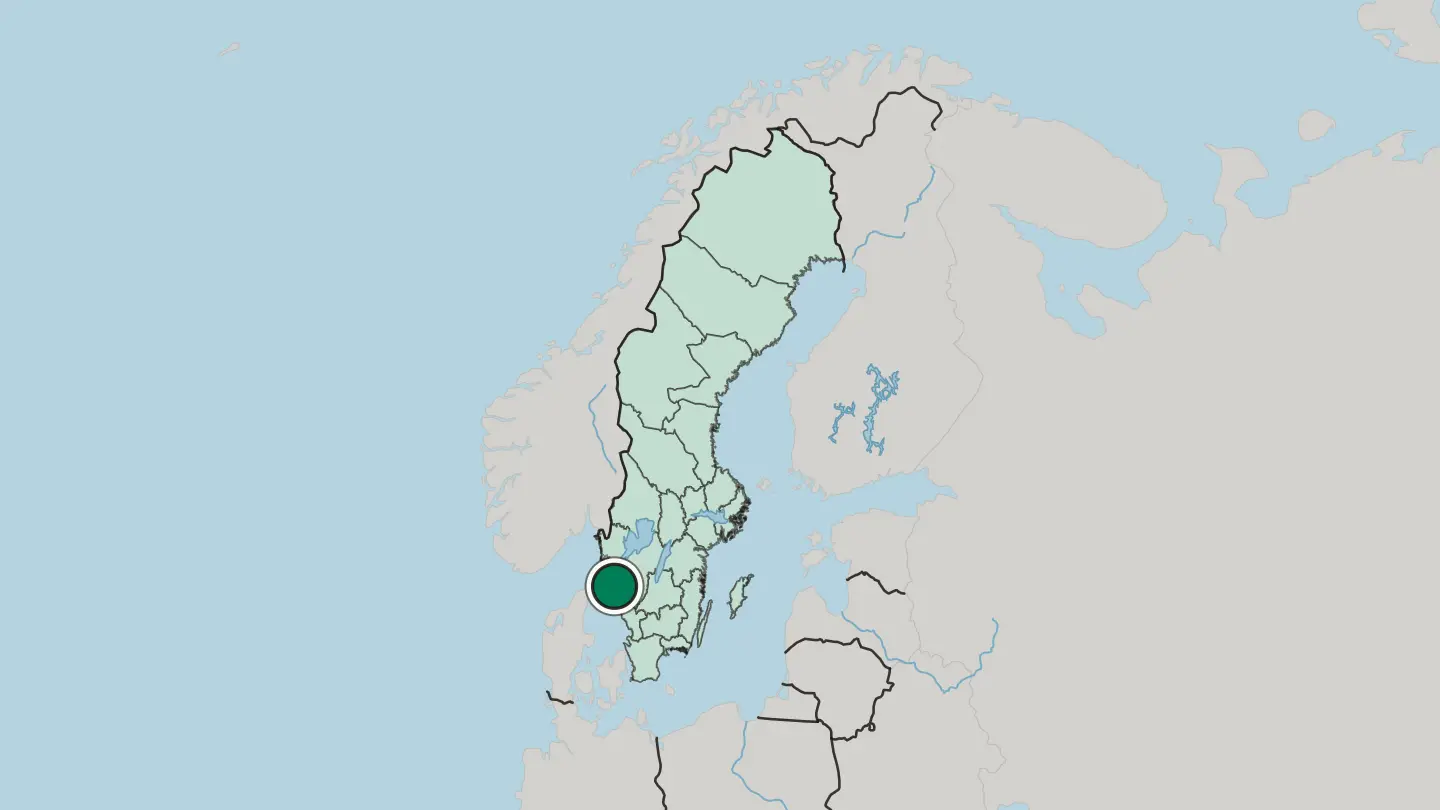
 Sweden
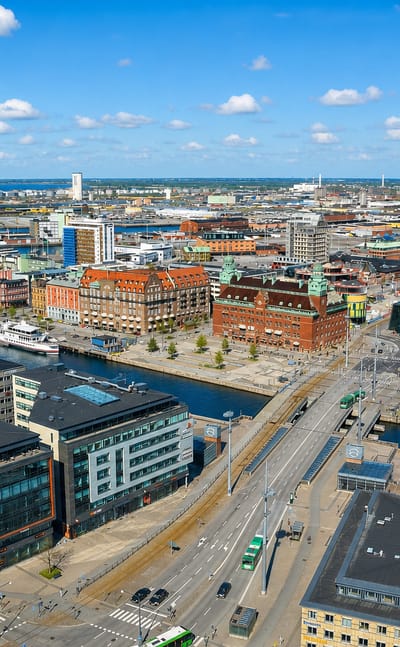
Malmö
Malmö is the largest city in Skåne and the third-largest in Sweden, a port on the Öresund strait facing Copenhagen across the water.Where to stay →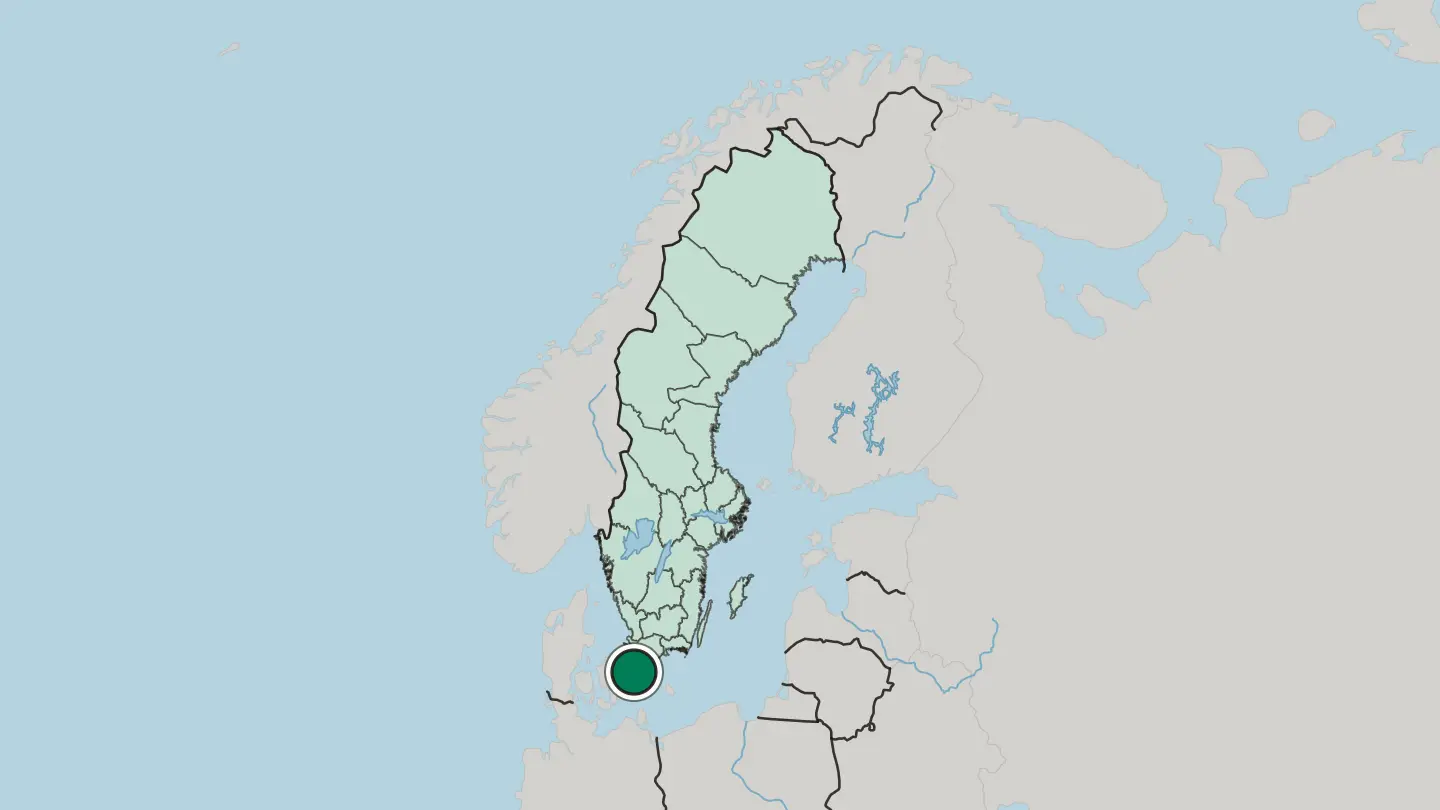
 Sweden
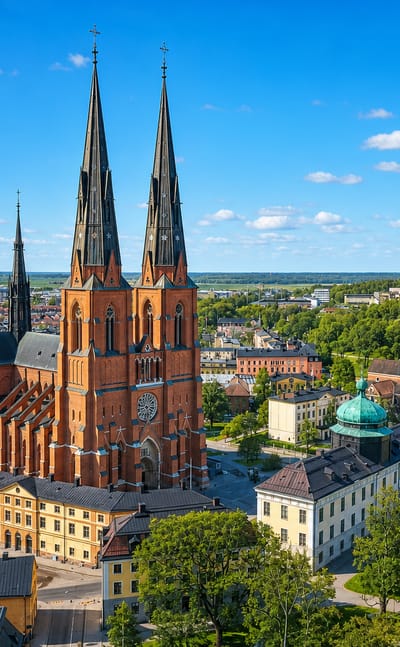
Uppsala
Uppsala is the seat of Uppsala County in eastern Sweden, a cathedral-and-university city on the Fyrisån where Sweden's oldest learning took root.Where to stay →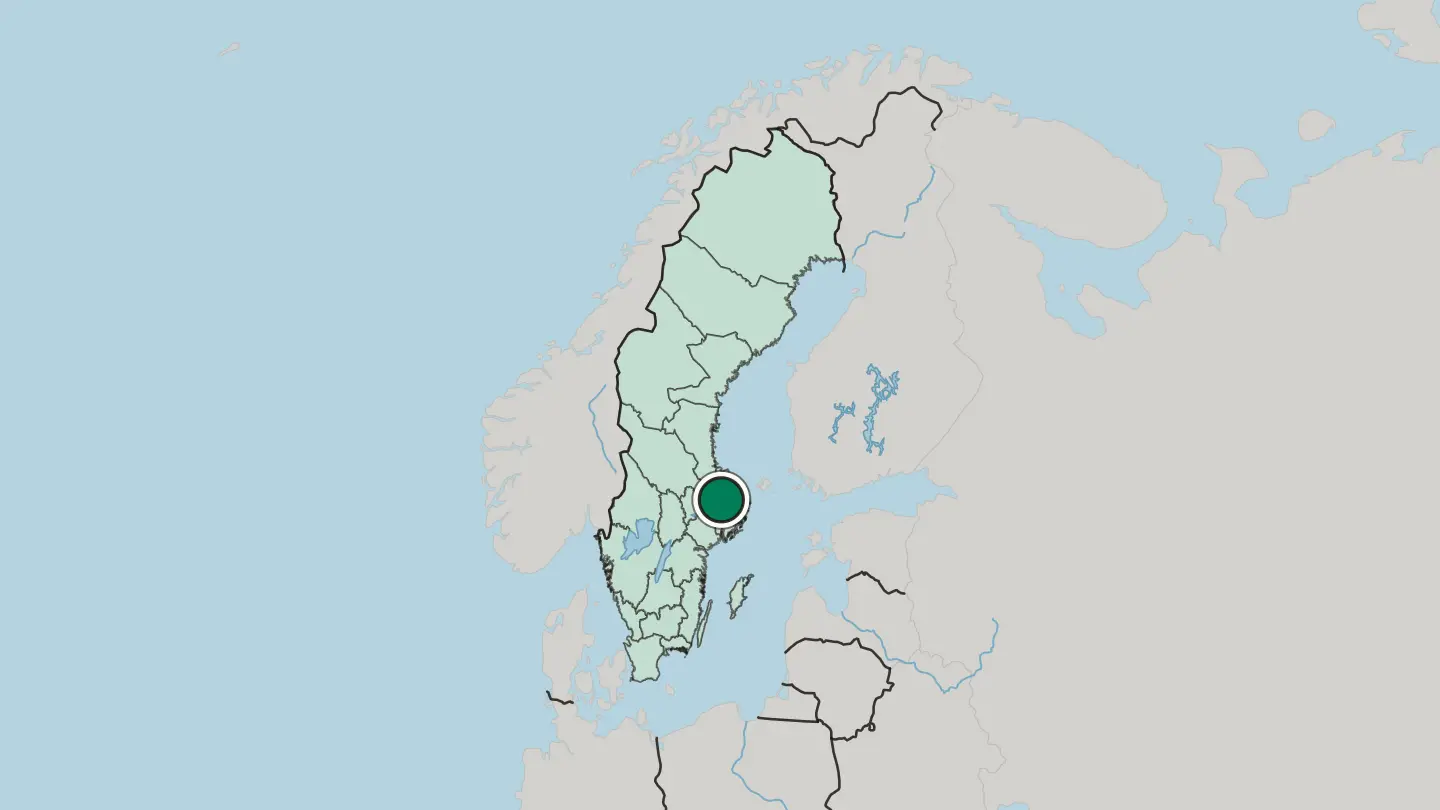
 Sweden
Kiruna
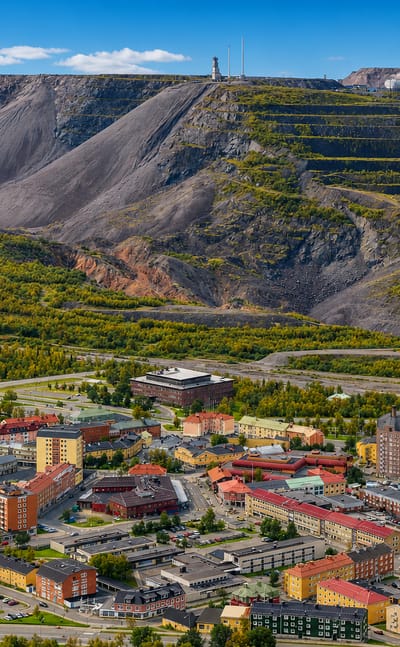
Kiruna is a municipality in Norrbotten County and Sweden's northernmost city, an iron-mining town high above the Arctic Circle in Lapland.Where to stay →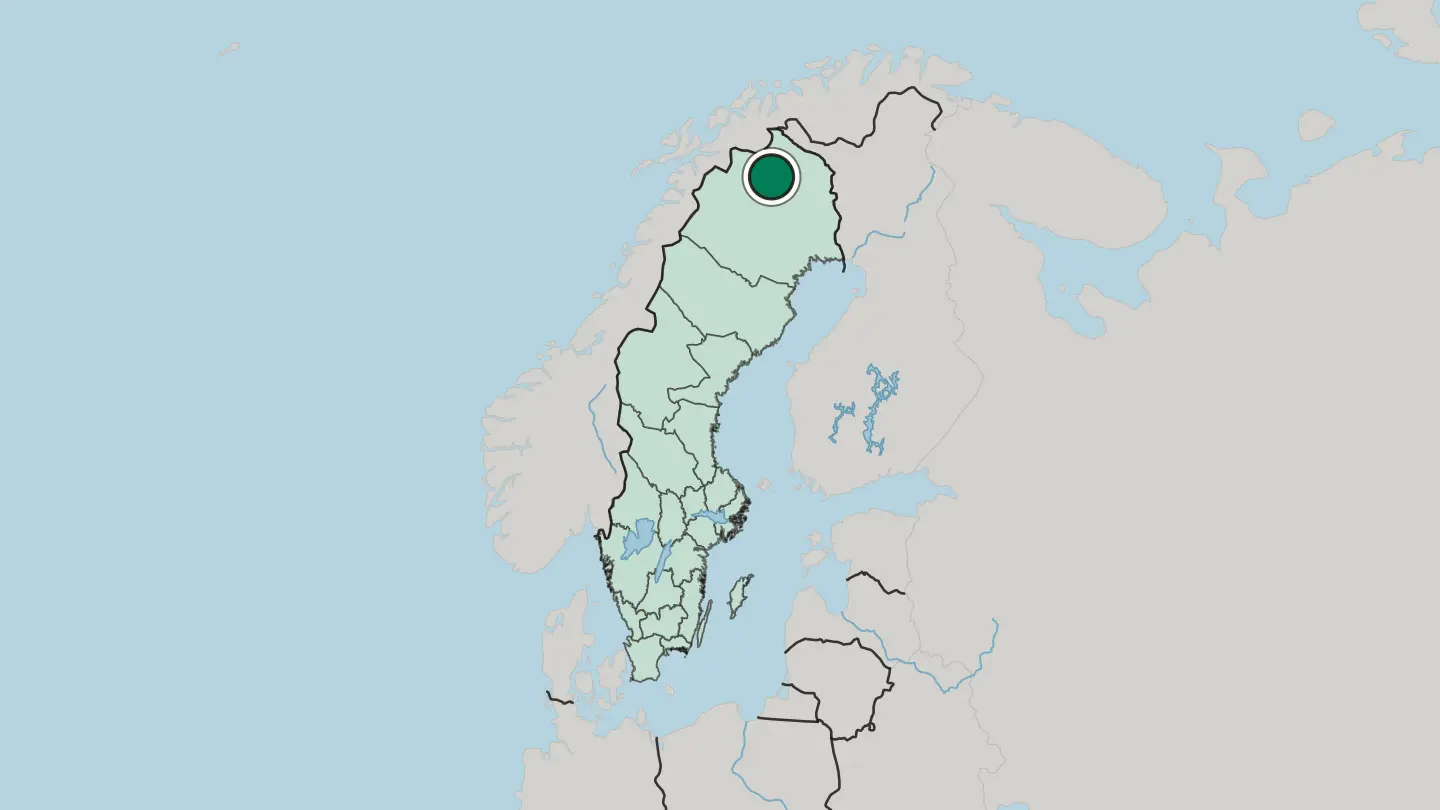
 Sweden
Lund
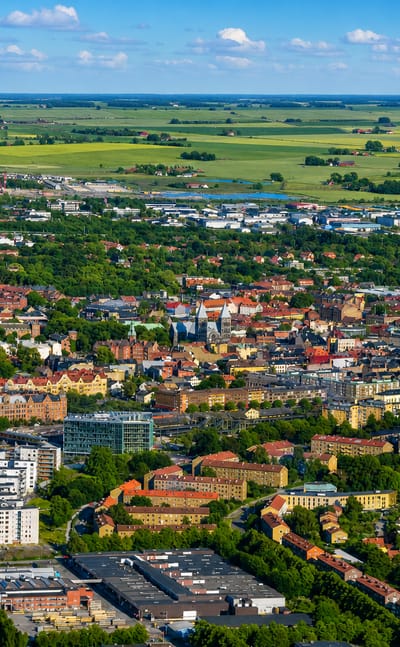
Lund is a historic university city in the south-western part of Skåne County, one of the oldest towns in Sweden, just inland from the Öresund coast.Where to stay →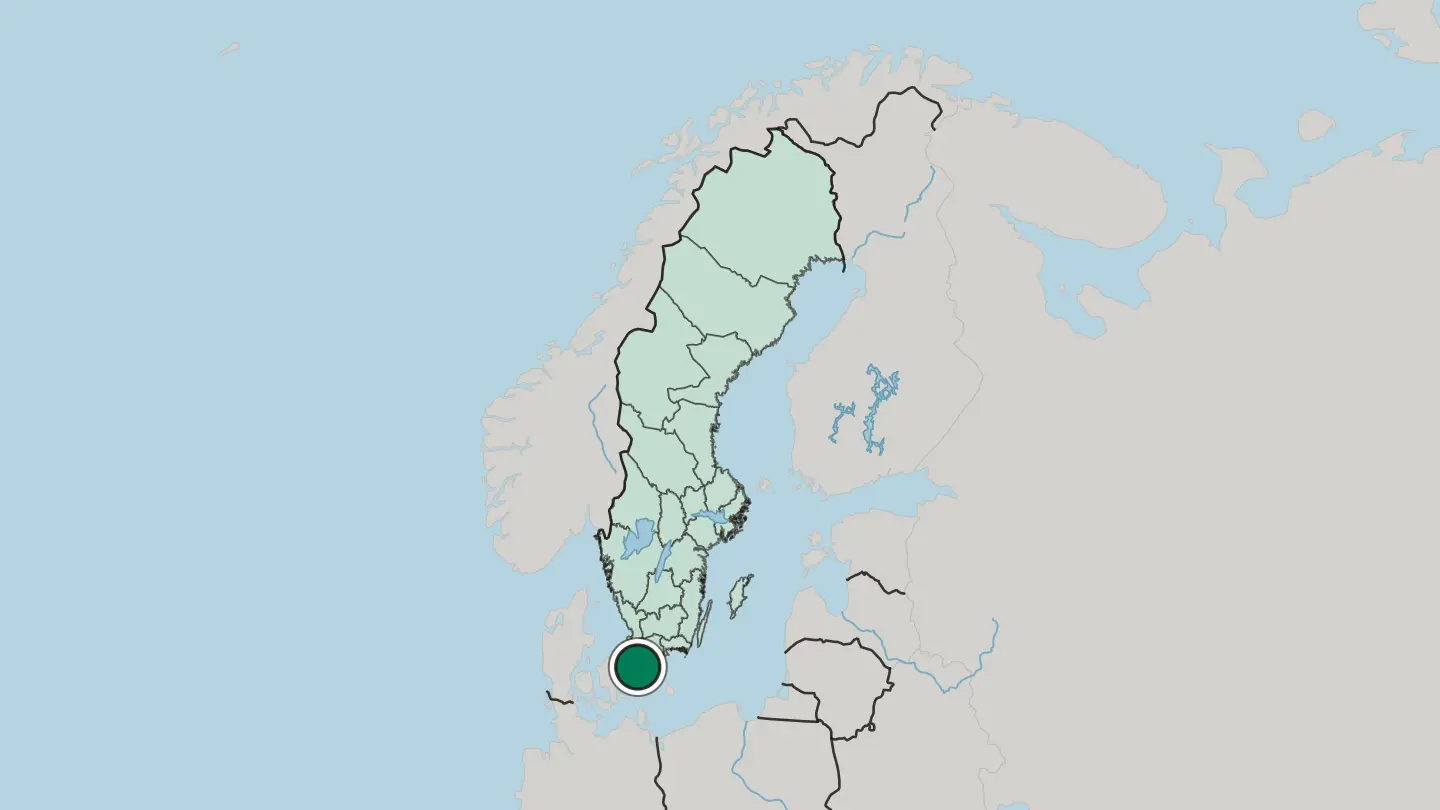
 Sweden
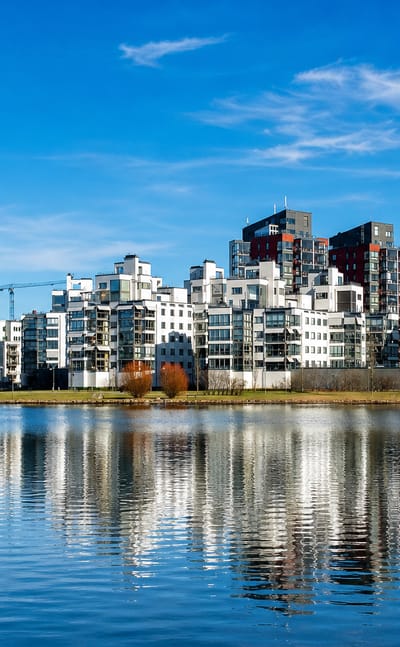
Västerås
Västerås is the county seat of Västmanland County, where the Svartån river meets Lake Mälaren in eastern Sweden.Where to stay →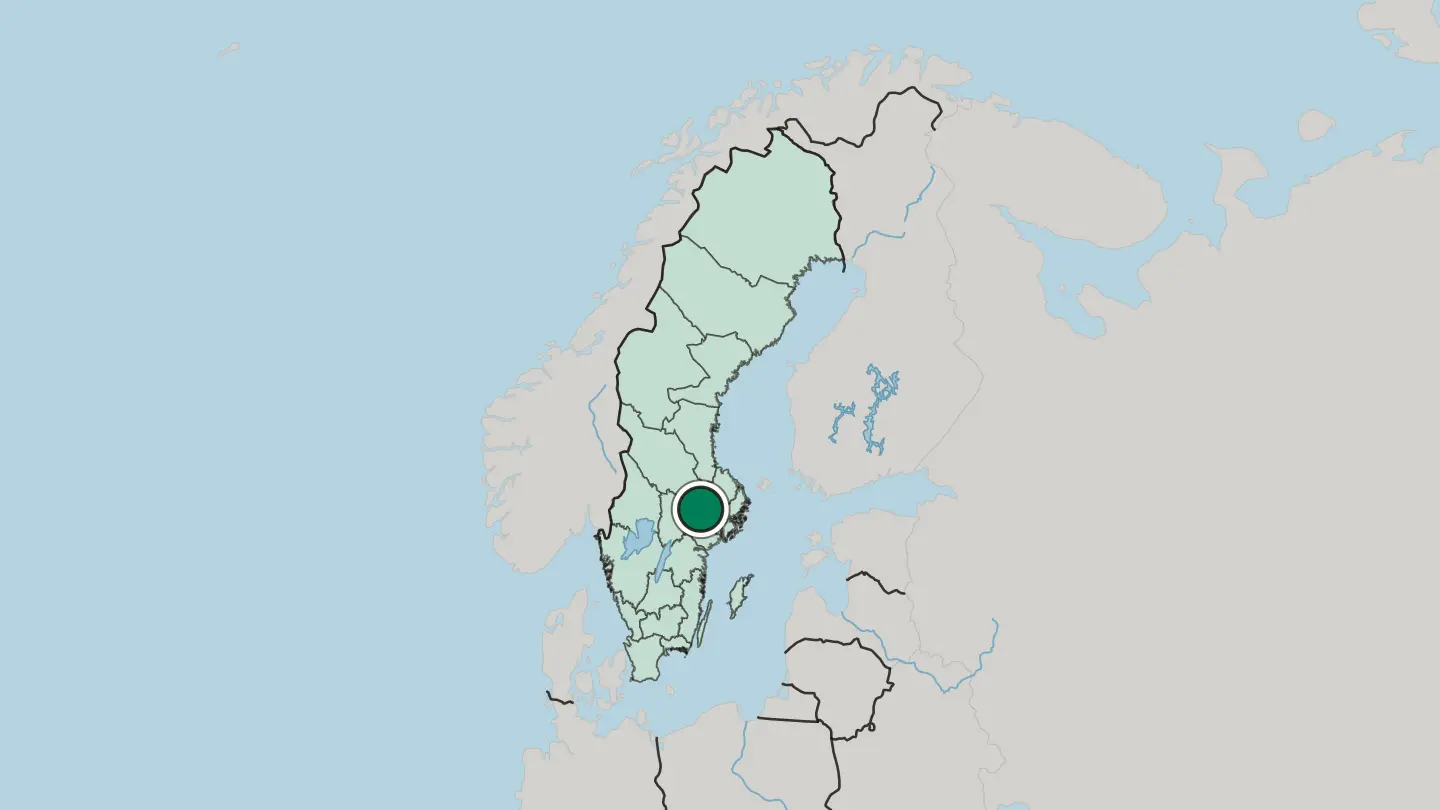
 Sweden
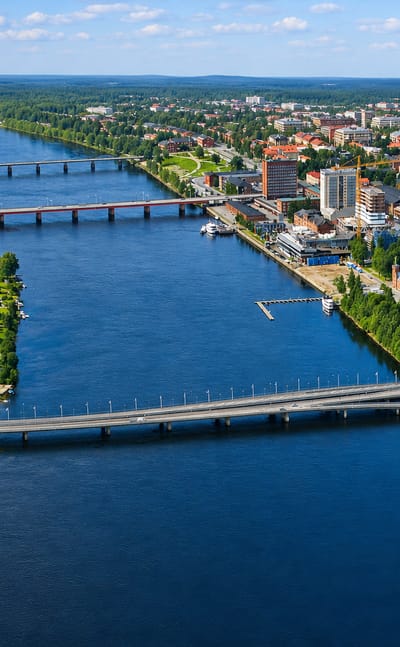
Umeå
Umeå is a city in the south-eastern part of Västerbotten County, in northern Sweden, the county seat and a university town on the Umeälven river.Where to stay →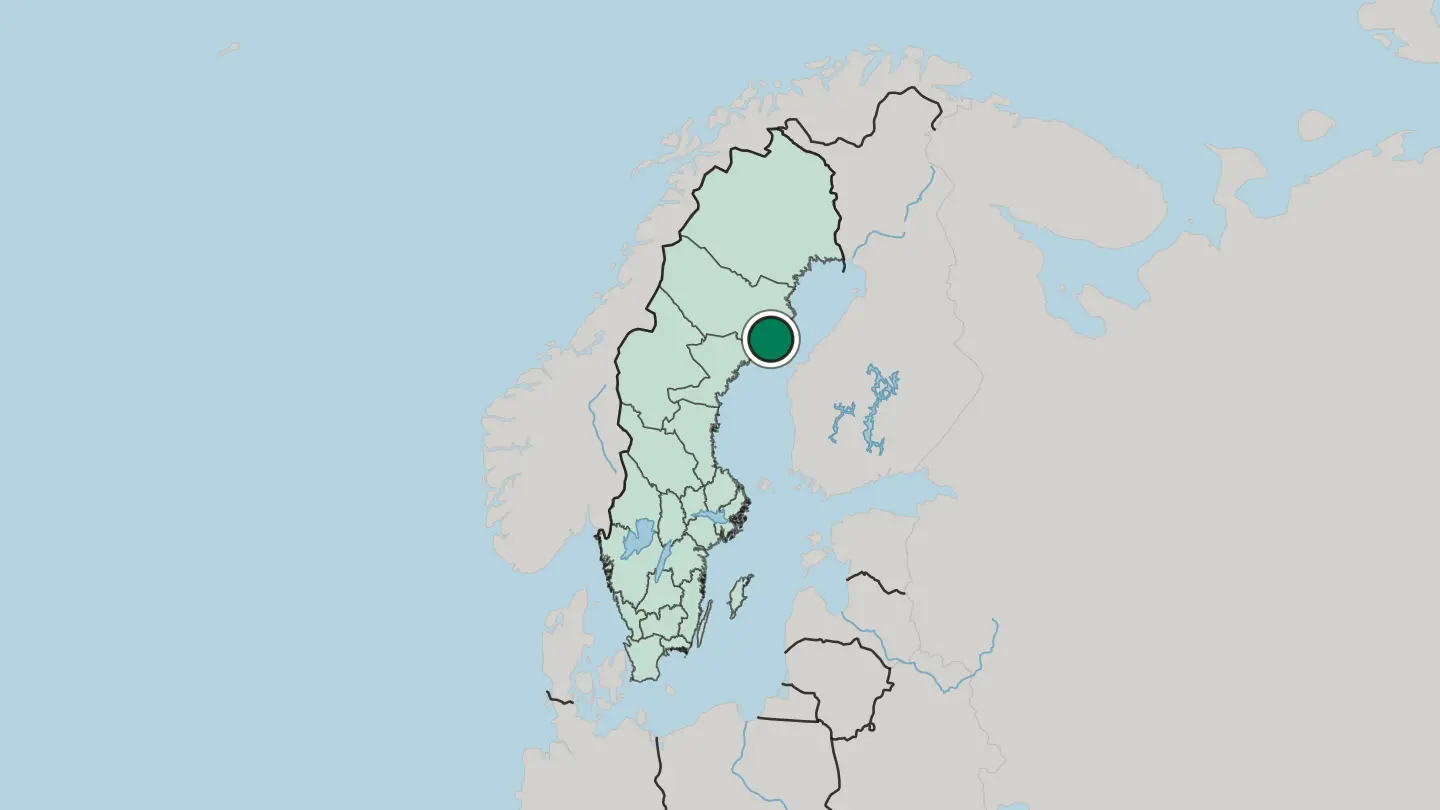
 Sweden
Jönköping
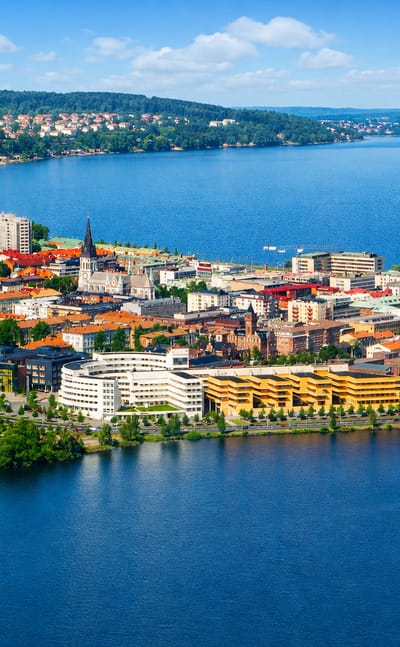
Jönköping is a city at the southern tip of Lake Vättern, the seat of Jönköping County in southern Sweden.Where to stay →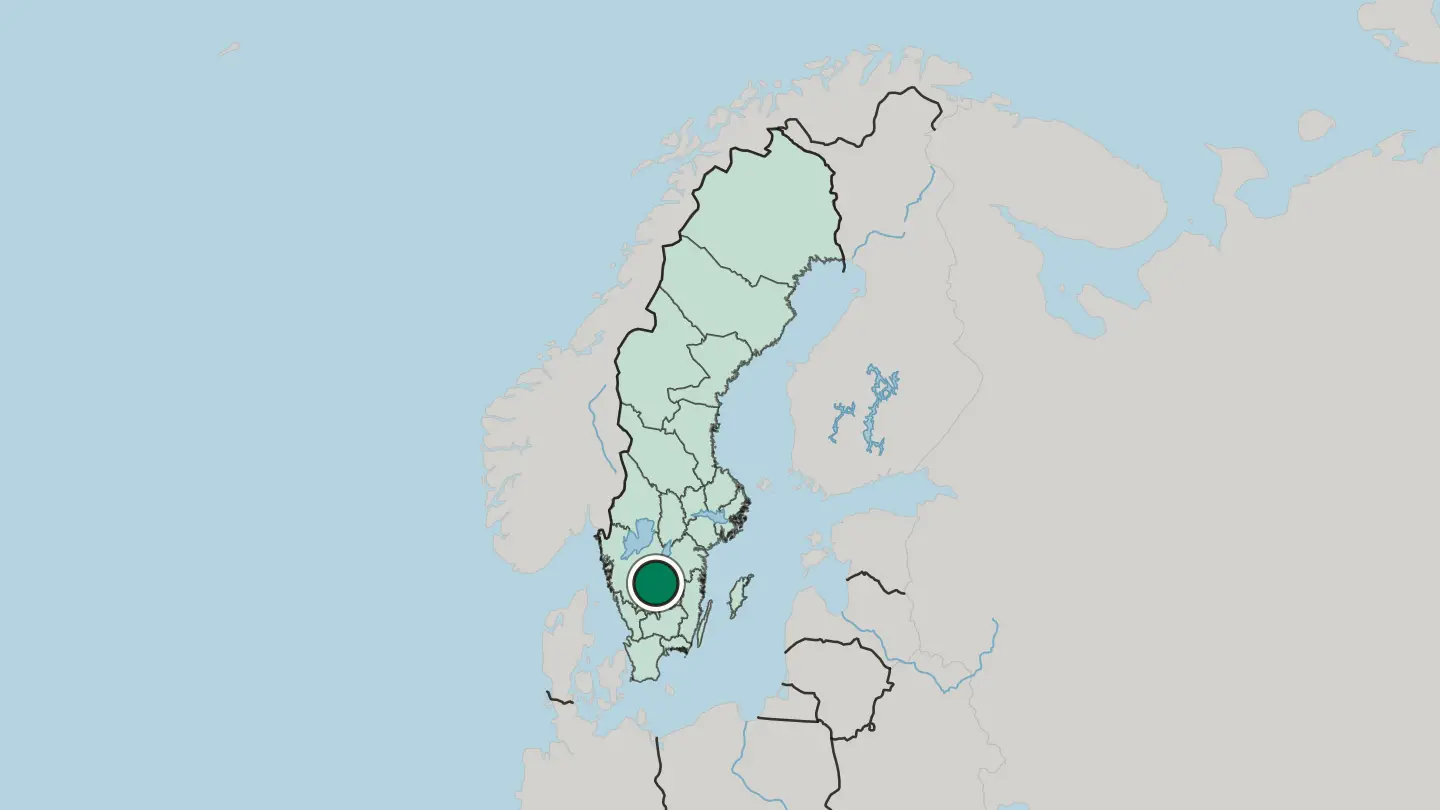
Hotel links are affiliate links: booking through them may earn us a commission, at no extra cost to you. It never affects how places are ranked. How this works
Regions of Sweden
 Sweden
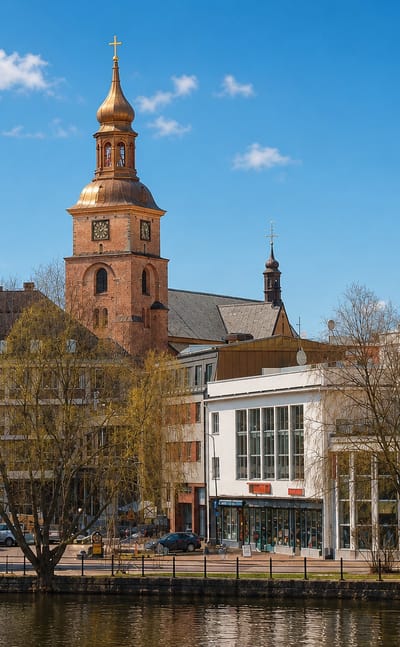
Blekinge County
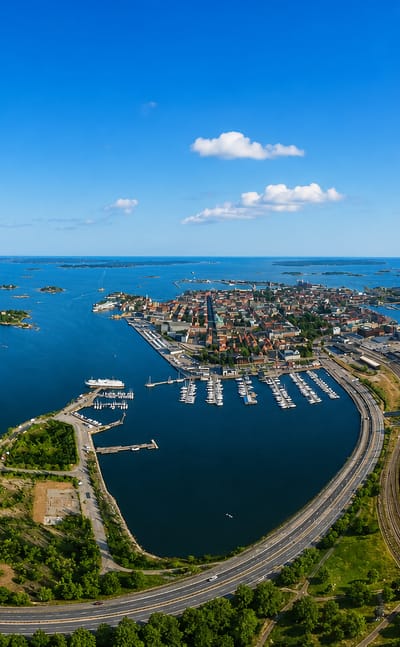
Blekinge County is the smallest county of Sweden, set on the Baltic coast in the south of the country, with Karlskrona as its capital.Towns & cities →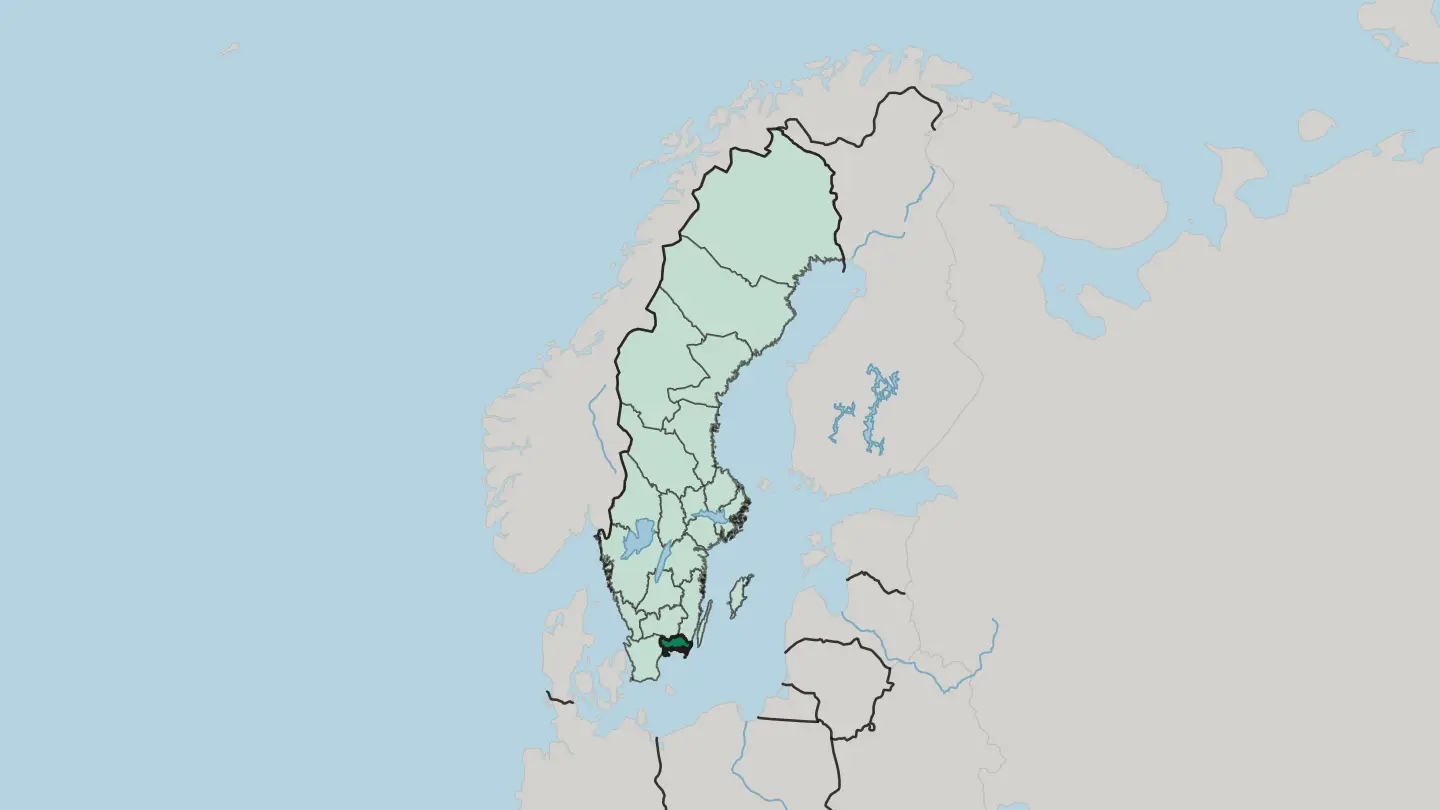
 Sweden
Dalarna County
Dalarna County lies in central Sweden, a region of forests, lakes, and mountains in the heart of the country, with Falun as its capital.Towns & cities →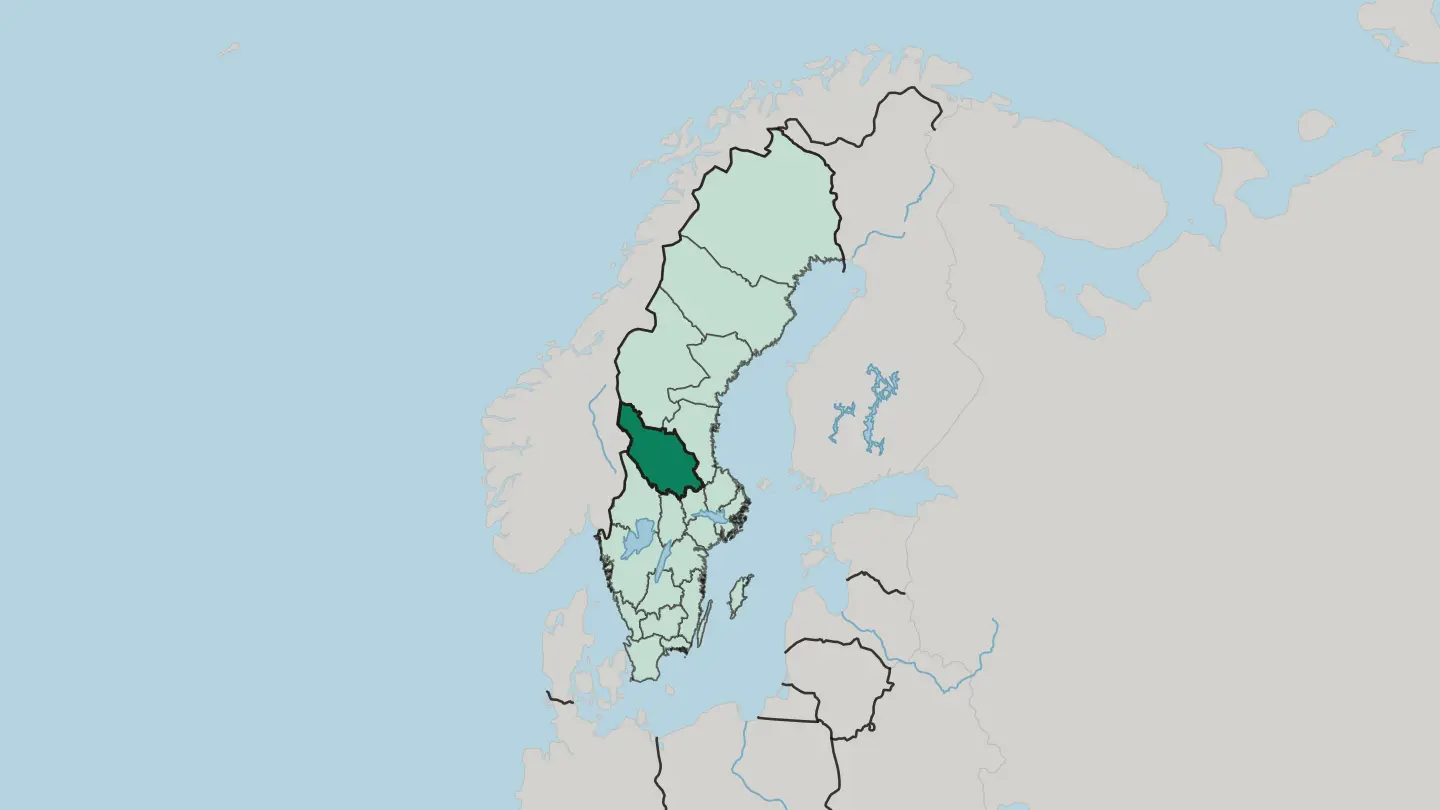
 Sweden
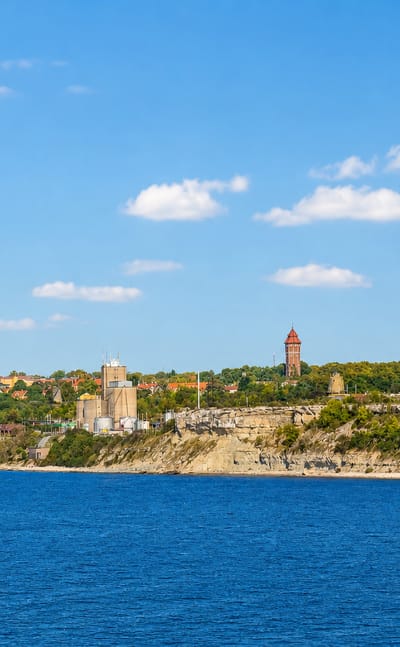
Gotland County
Gotland County is a county (län) of Sweden, built around the largest island in the Baltic Sea, off the mainland's south-eastern coast.Towns & cities →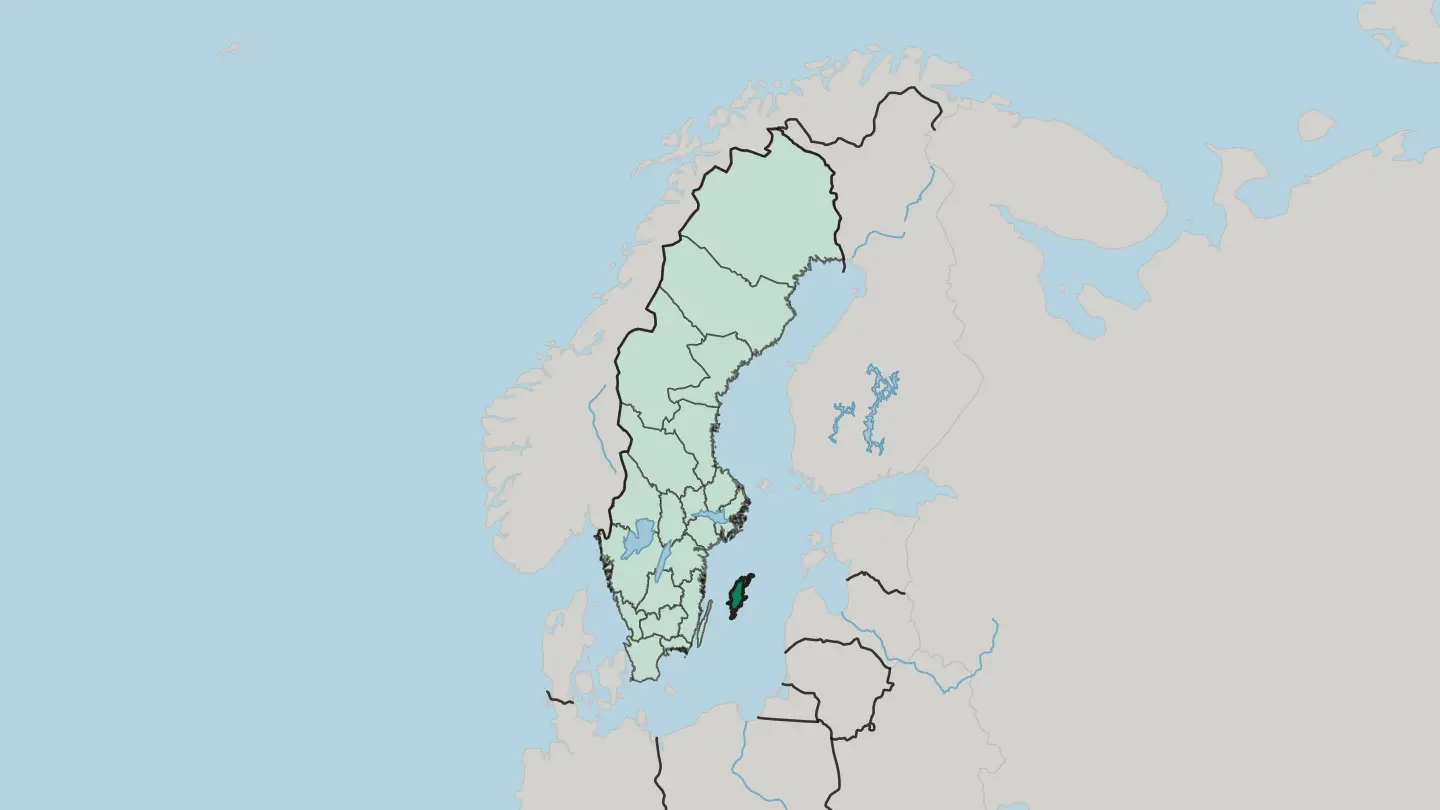
 Sweden
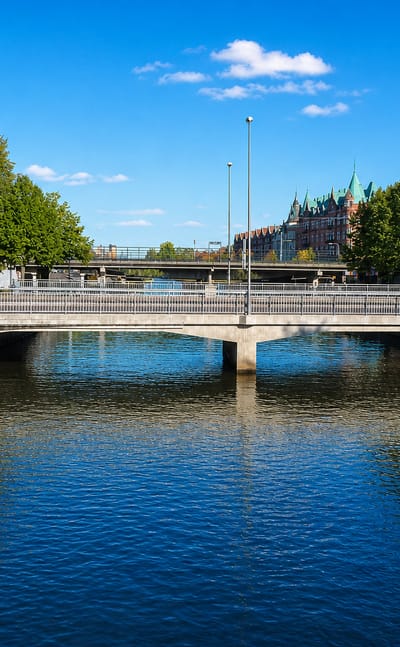
Gävleborg County
Gävleborg County is a coastal län in eastern Sweden, fronting the Gulf of Bothnia between Uppsala and the far north.Towns & cities →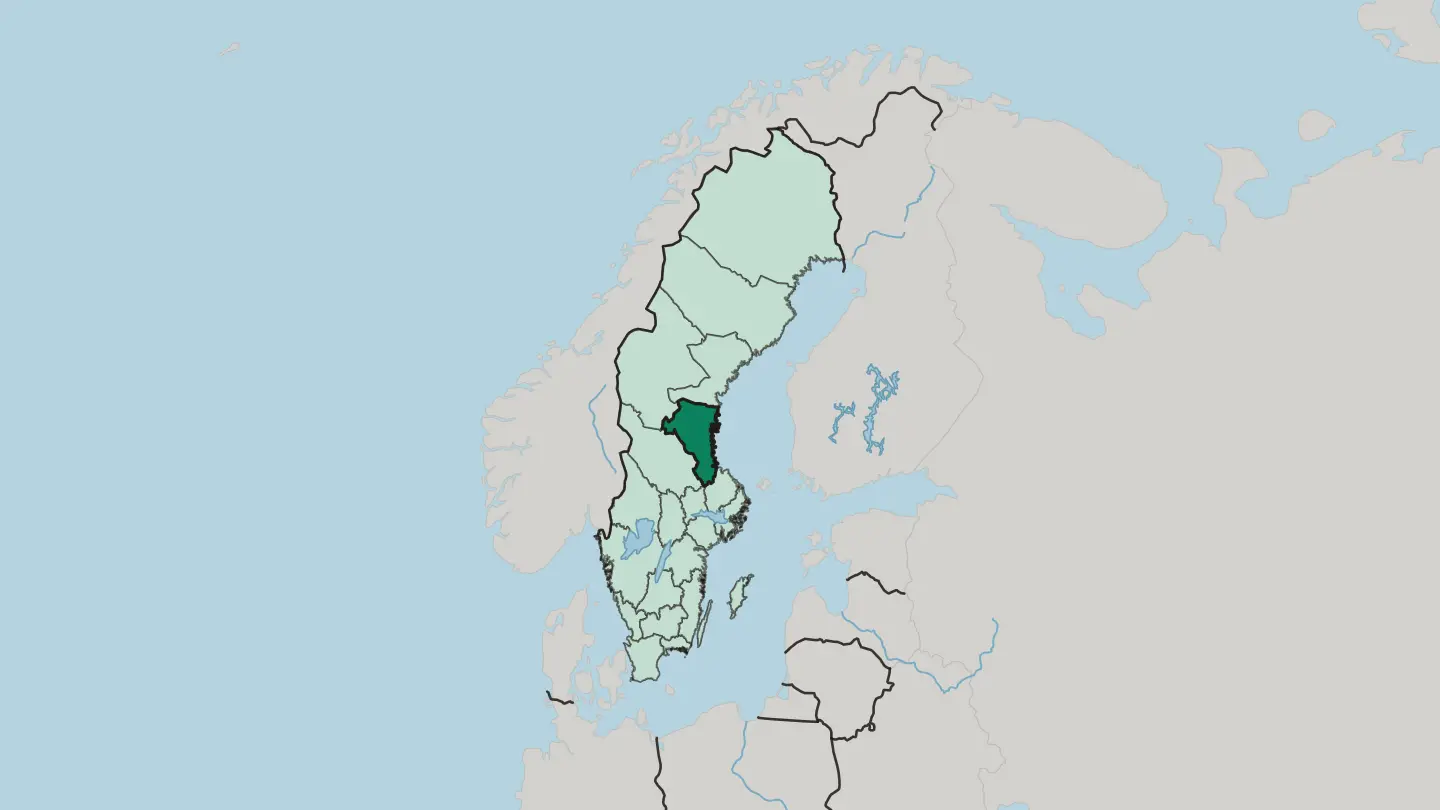
 Sweden
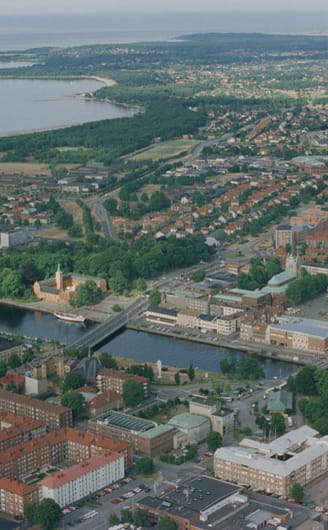
Halland County
Halland County is a coastal län in south-western Sweden, a strip of beach and farmland along the Kattegat between Göteborg and Skåne.Towns & cities →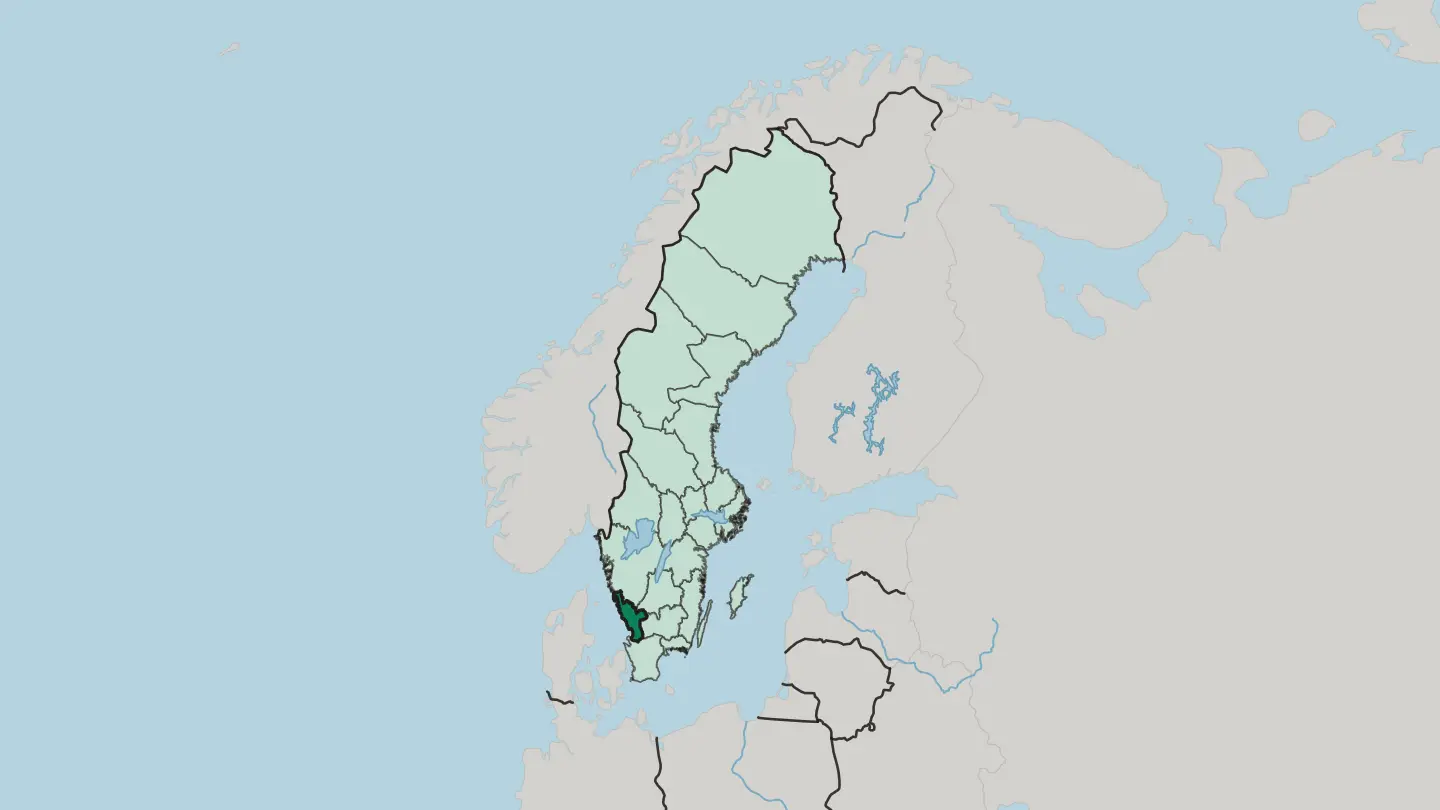
 Sweden
Jämtland County
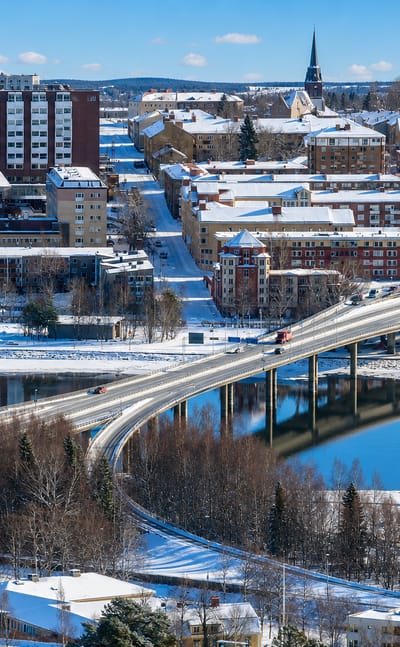
Jämtland County is a vast mountain län in northern Sweden, reaching from the great lake of Storsjön west to the Norwegian border.Towns & cities →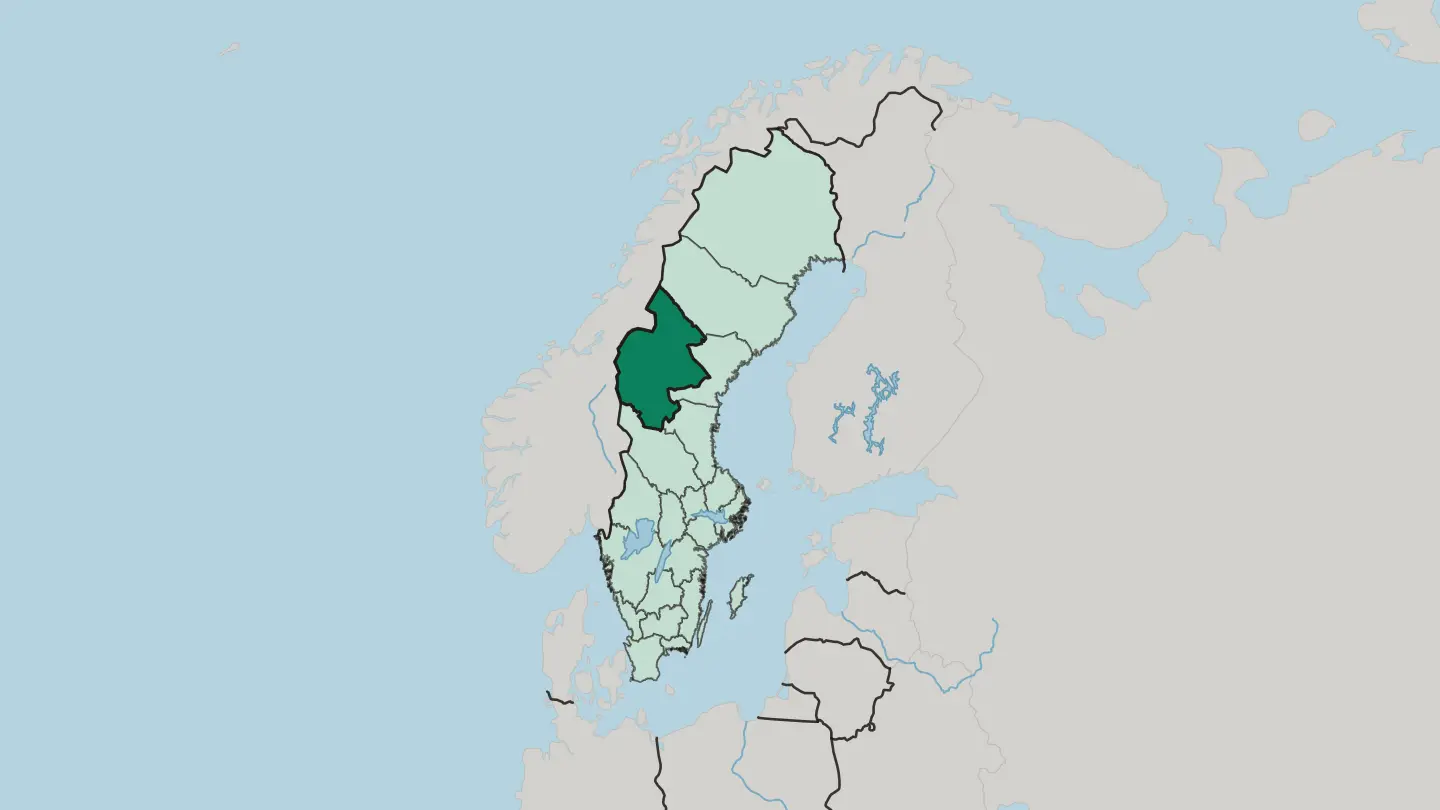 Sweden
Jönköping County
Jönköping County is an inland län in southern Sweden, spread over wooded highlands at the foot of Lake Vättern.Towns & cities →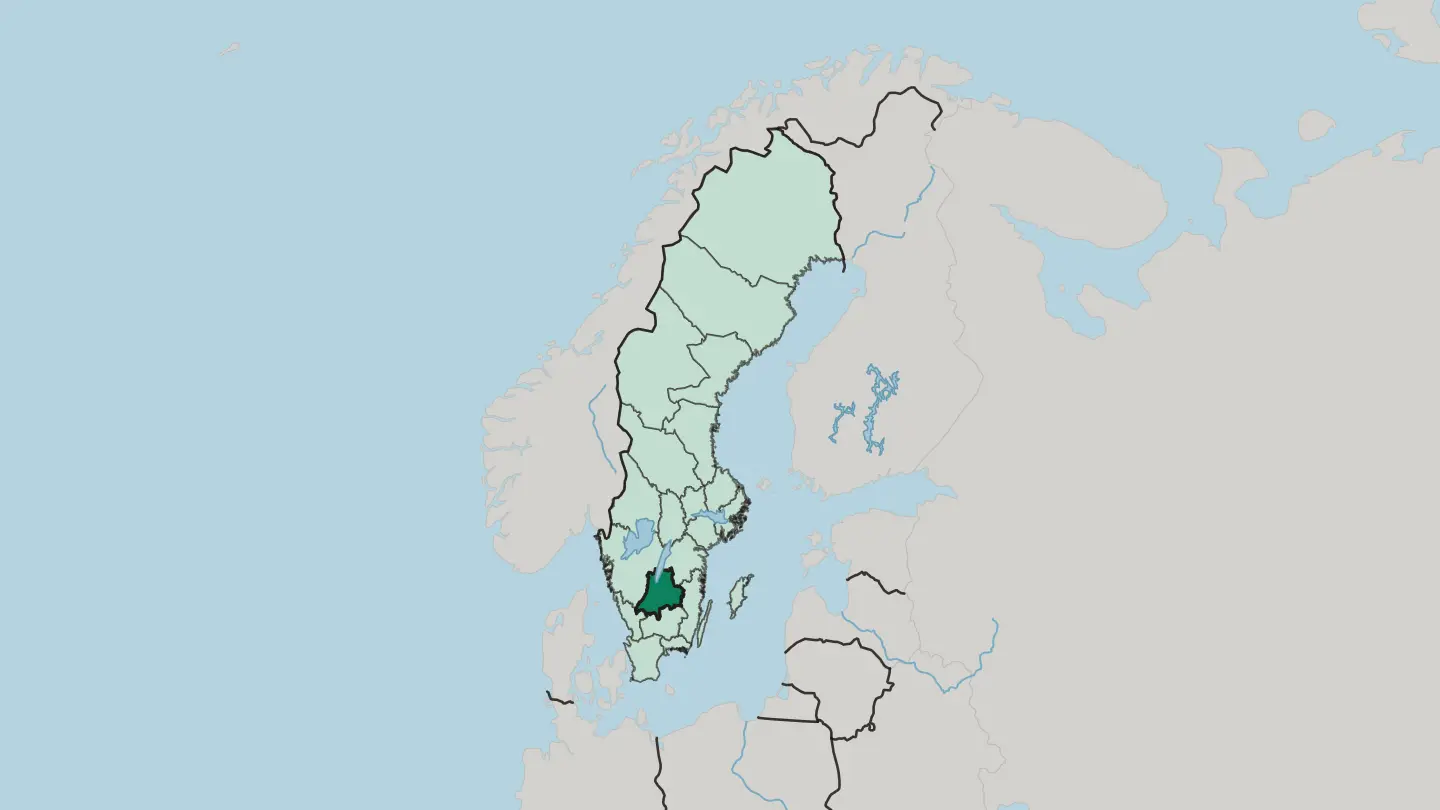
 Sweden
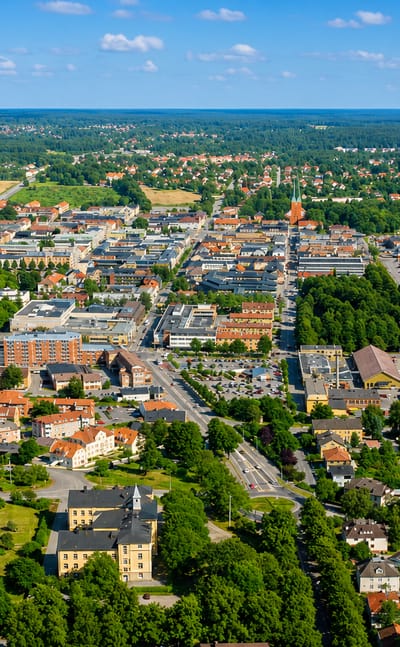
Kalmar County
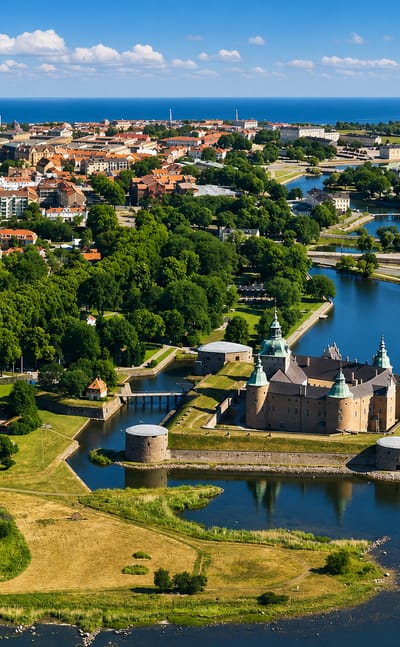
Kalmar County is a coastal län in southern Sweden, running down the Baltic shore opposite the long island of Öland.Towns & cities →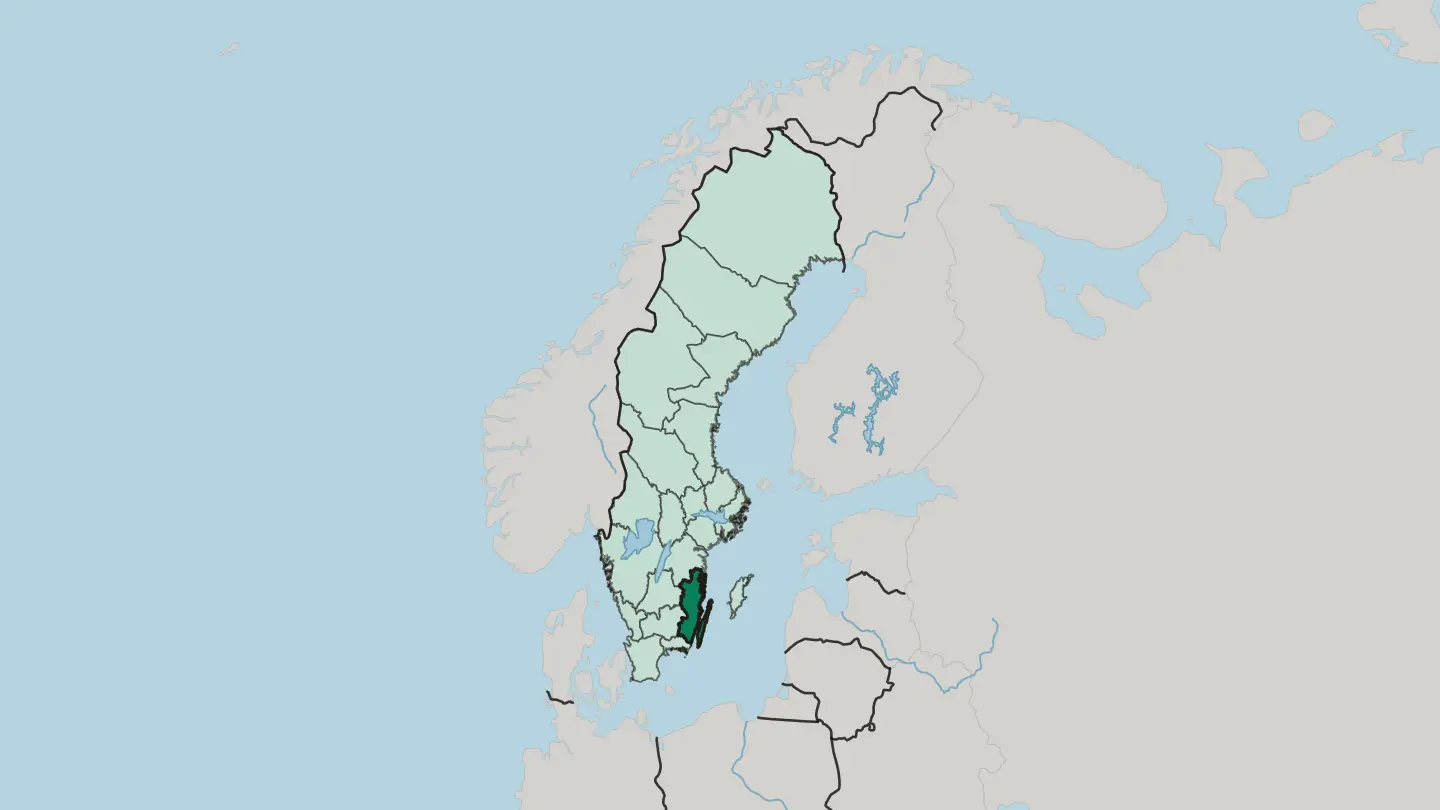
 Sweden
Kronoberg County
Kronoberg County is an inland län in southern Sweden, a forested lake country at the heart of Småland.Towns & cities →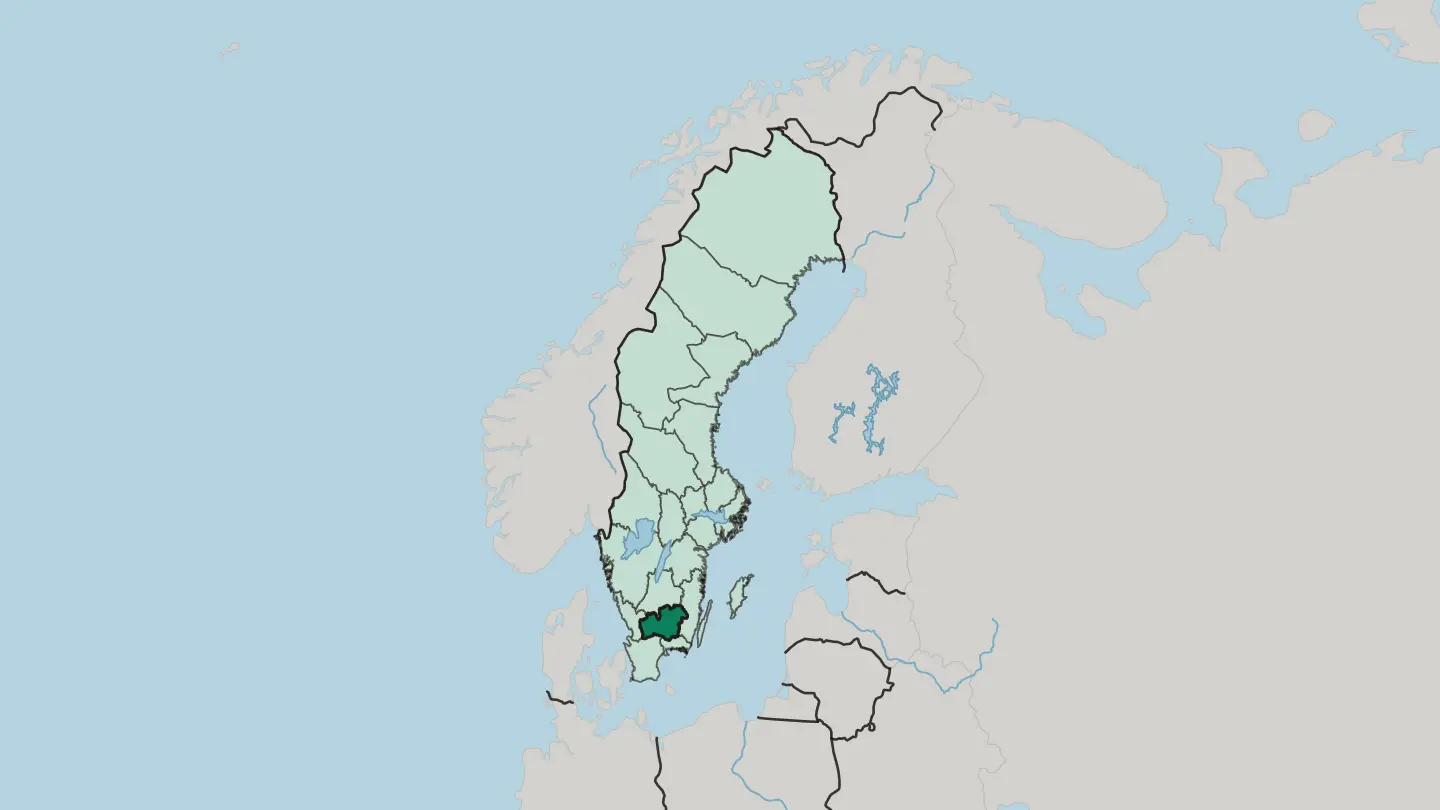 Sweden
Norrbotten County
Norrbotten County is Sweden's northernmost and largest county, reaching from the Gulf of Bothnia to the Norwegian mountains, with Luleå as its capital.Towns & cities →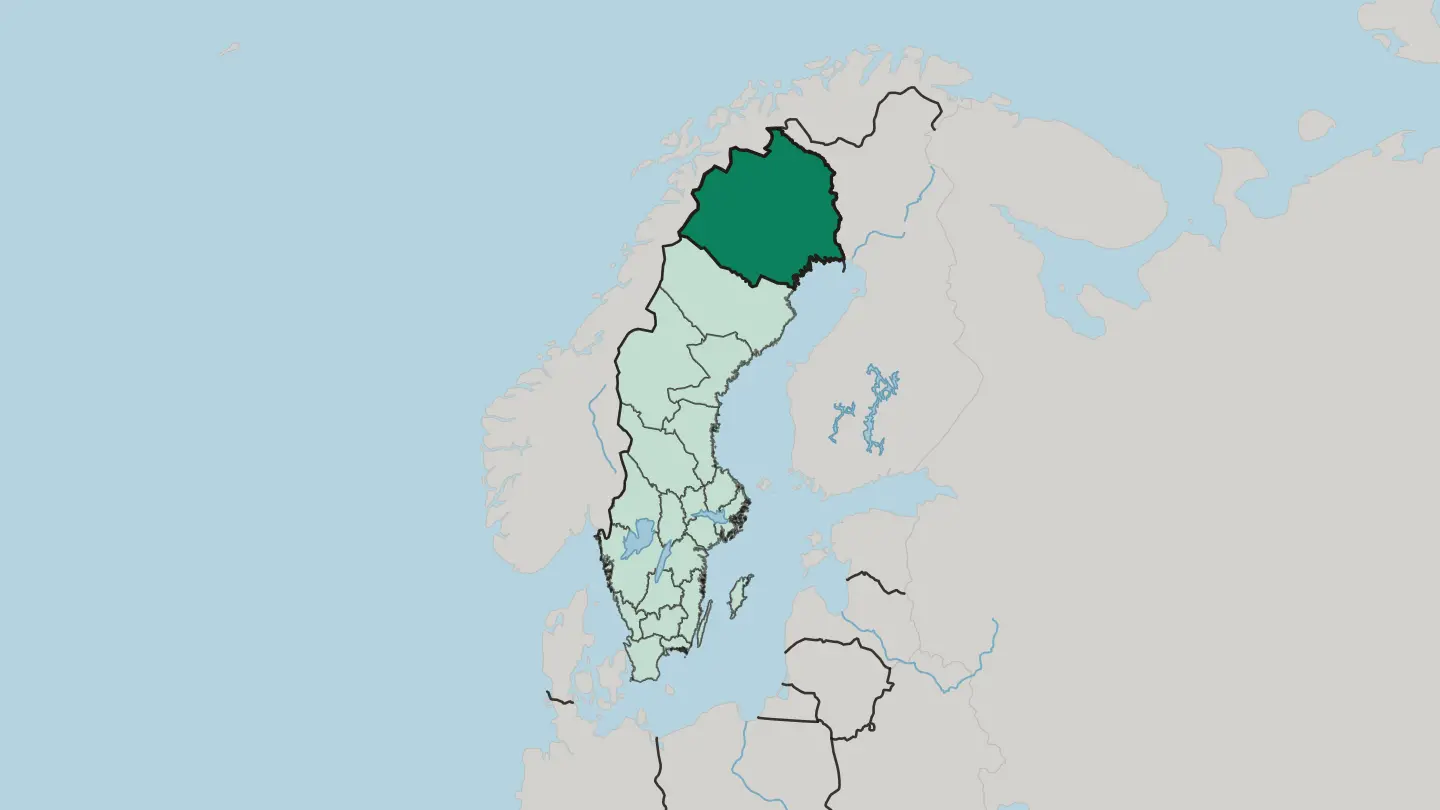 Sweden
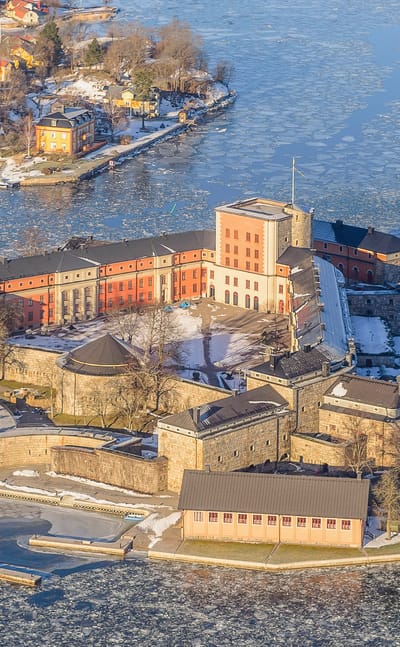
Skåne County
Skåne County is the southernmost county of Sweden, a region of open farmland and long coasts facing Denmark across the Öresund, with Malmö as its capital.Towns & cities →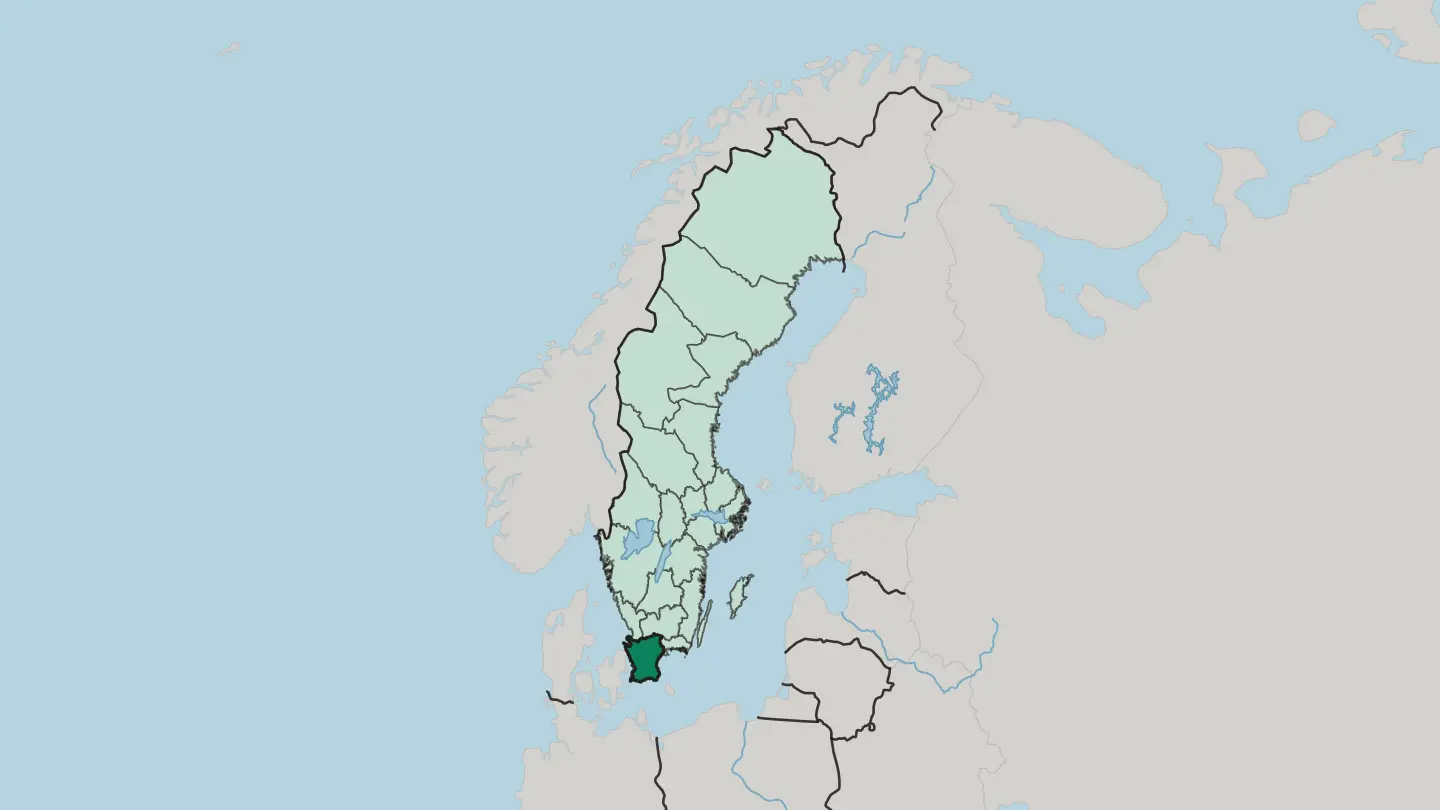
 Sweden
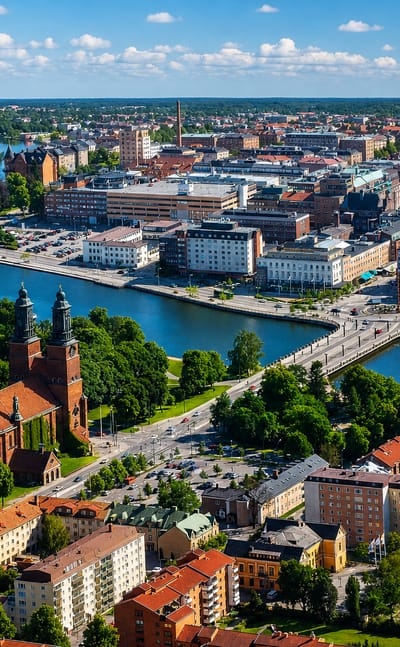
Stockholm County
Stockholm County is the Baltic-coast län of Sweden, wrapped around the capital, where the mainland splinters into more than thirty thousand islands.Towns & cities →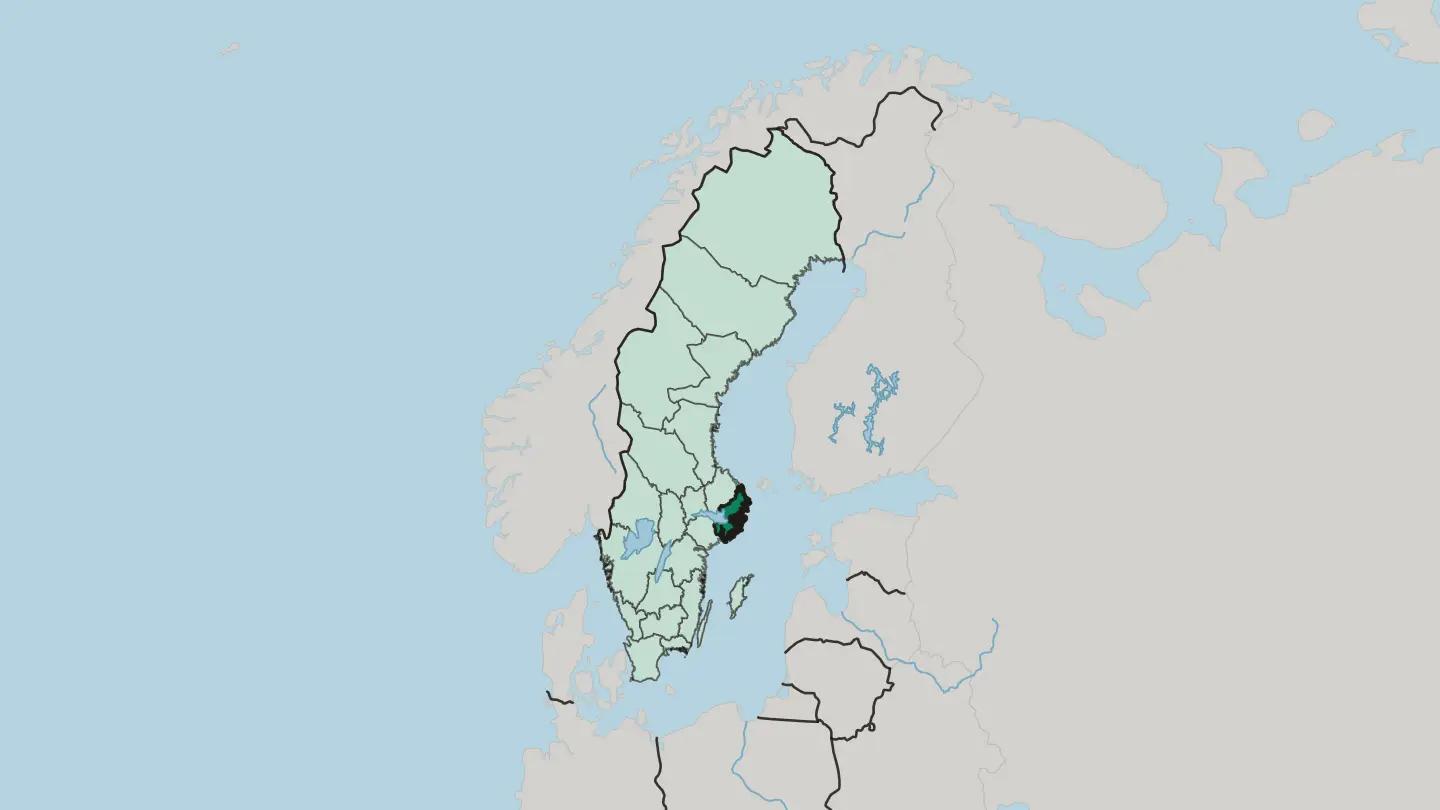
 Sweden
Södermanland County
Södermanland County is a region of lakes and manor estates south of Lake Mälaren, with Nyköping as its capital and Eskilstuna its largest city.Towns & cities →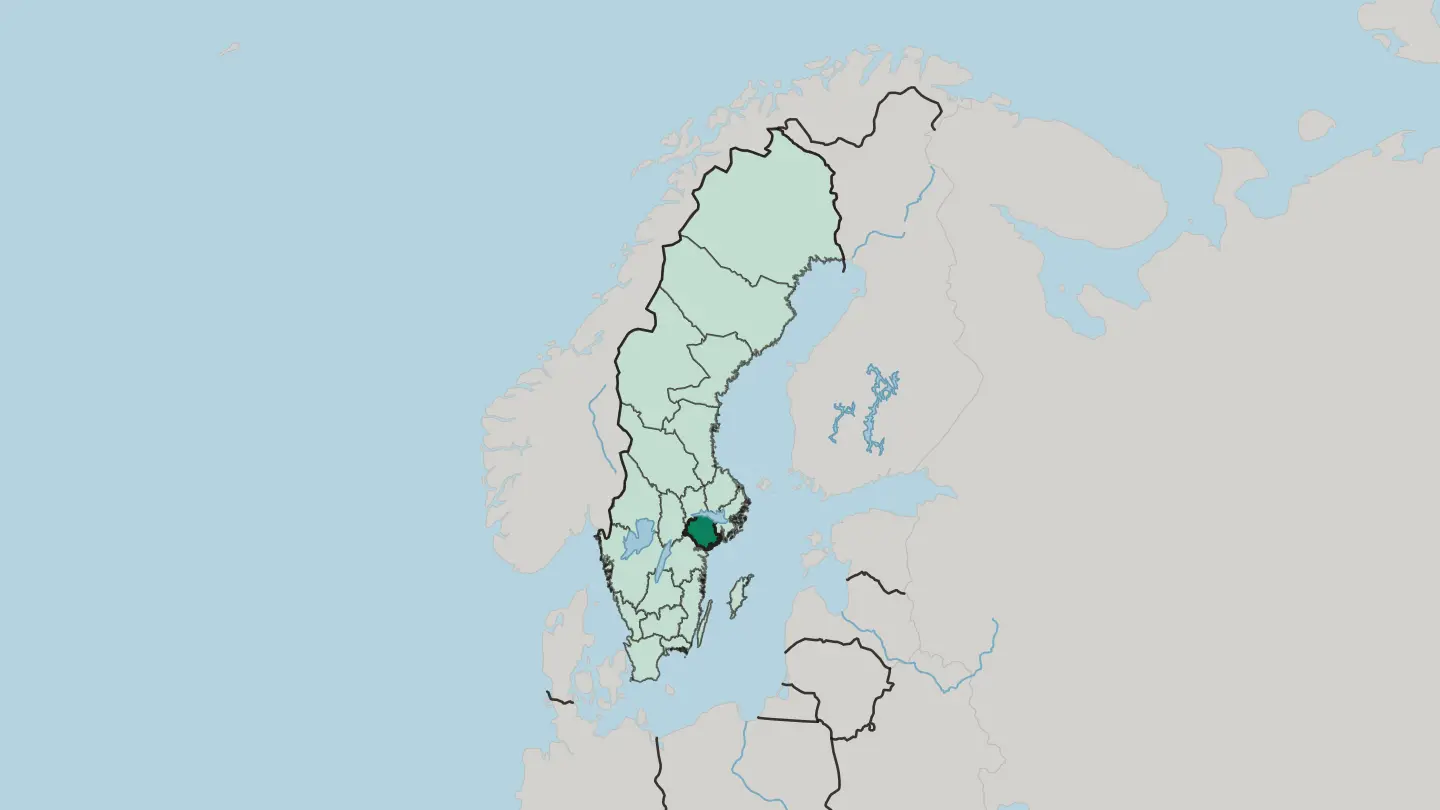 Sweden
Uppsala County
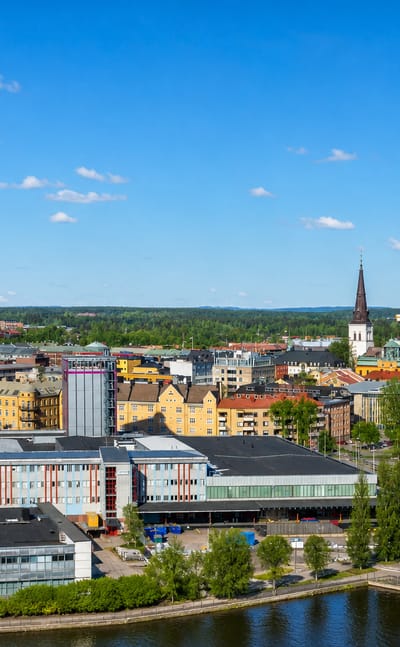
Uppsala County is a region of farmland, lakes, and old church towns north of Stockholm, with the cathedral and university city of Uppsala as its capital.Towns & cities →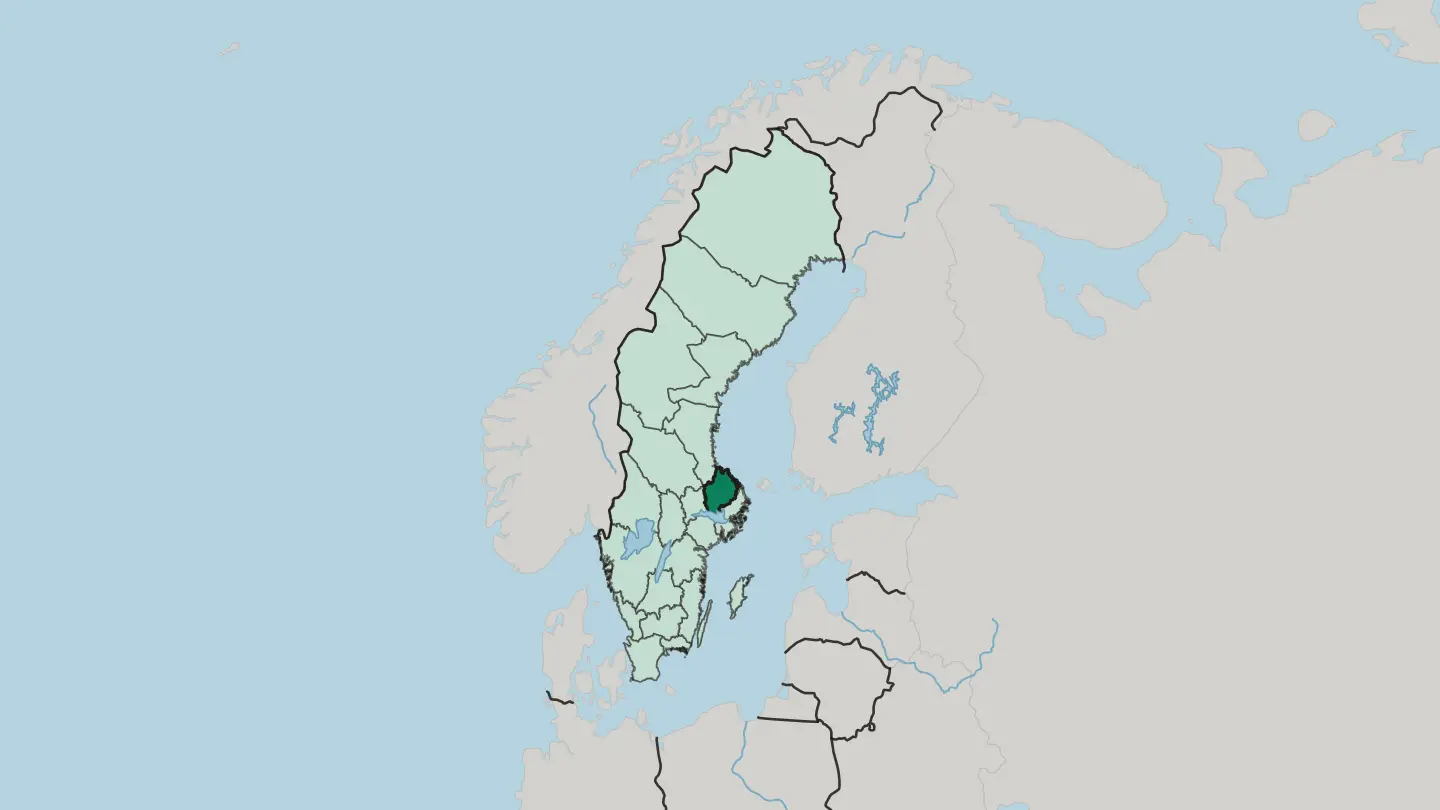
 Sweden
Värmland County
Värmland County is a region of deep forest, long rivers, and lakes reaching to the Norwegian border, with Karlstad on Lake Vänern as its capital.Towns & cities →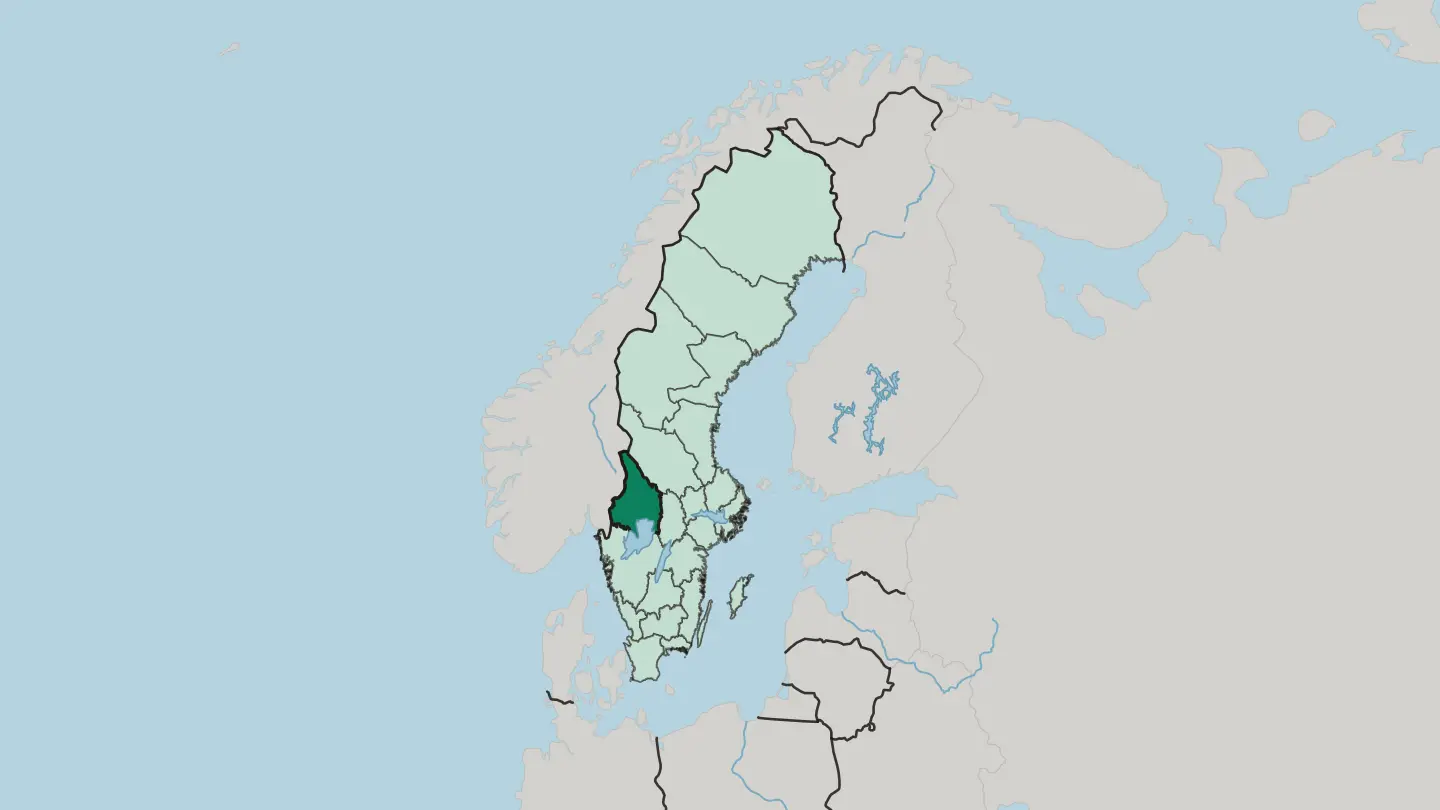 Sweden
Västerbotten County
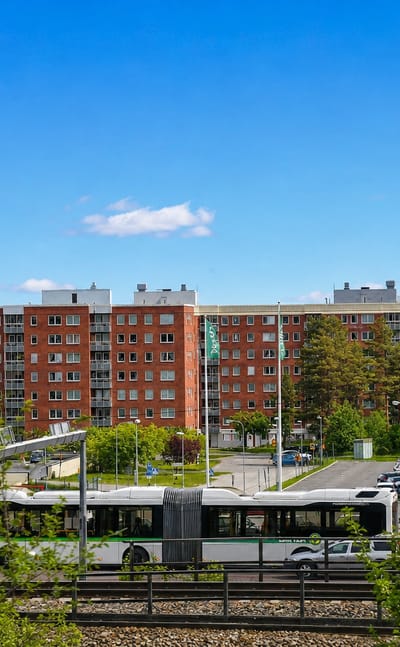
Västerbotten County in northern Sweden reaches from the Gulf of Bothnia coast through forest and river valleys to the mountains, with Umeå as its capital.Towns & cities →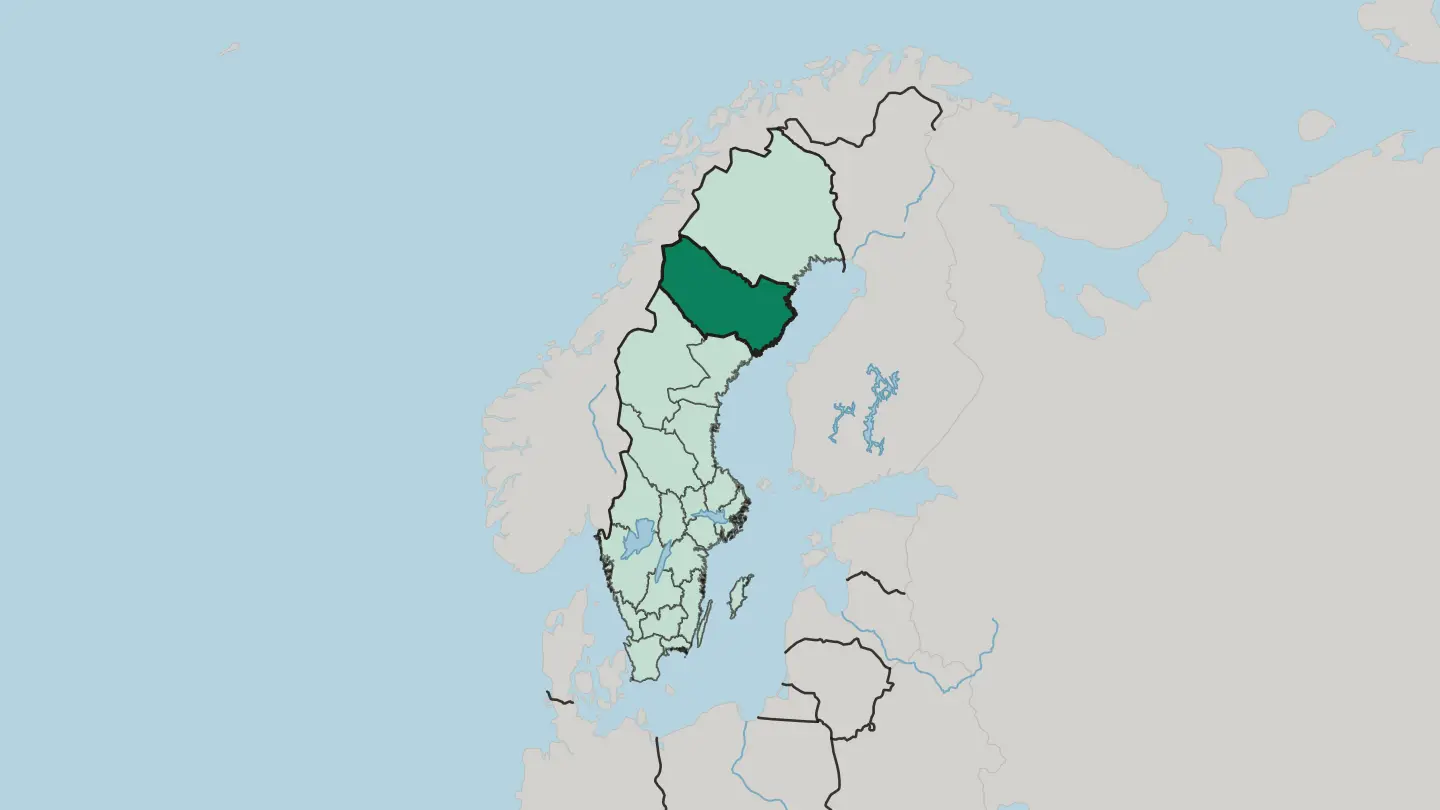
 Sweden
Västernorrland County
Västernorrland County is a forested coastal län in north-eastern Sweden, gathering the provinces of Ångermanland and Medelpad along the Gulf of Bothnia.Towns & cities →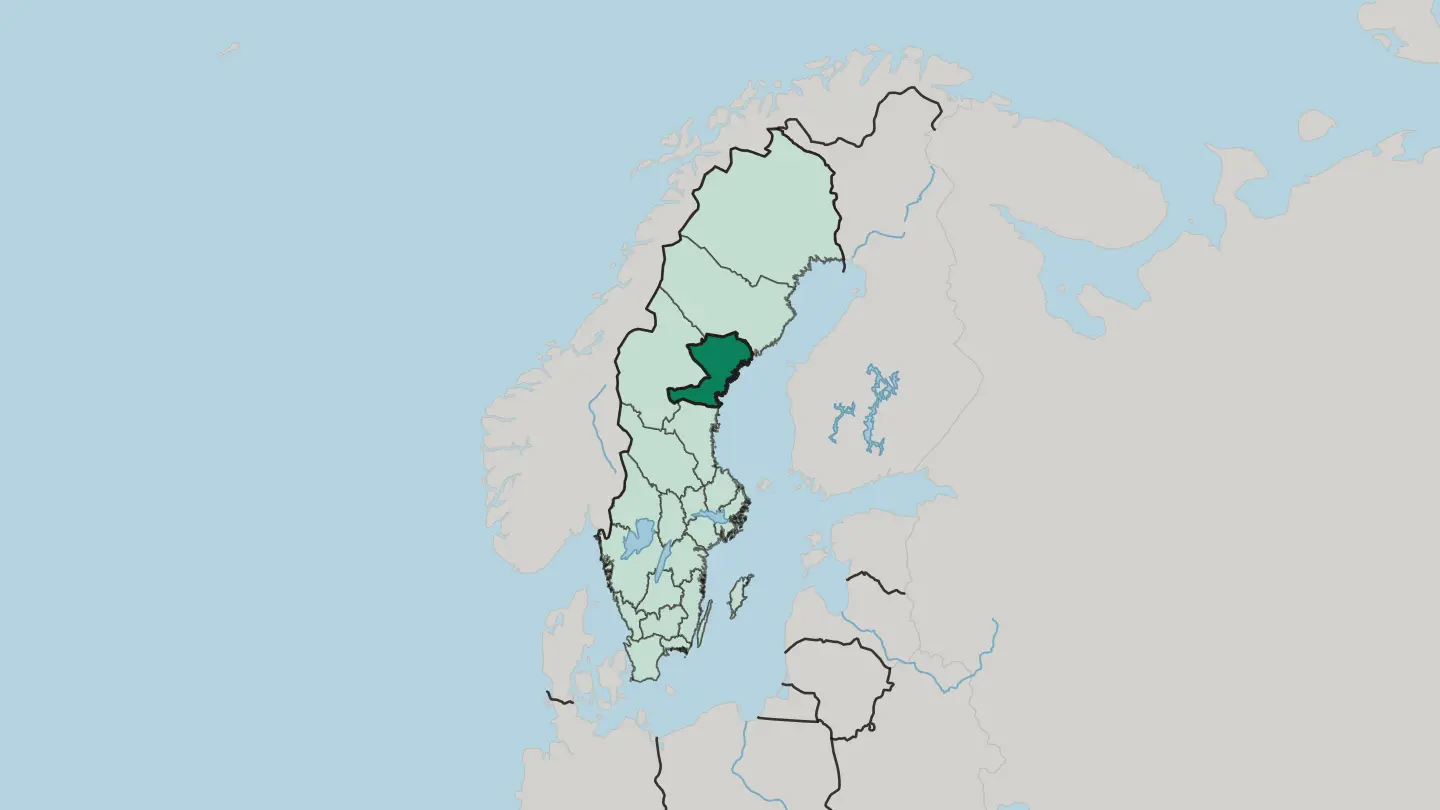 Sweden
Västmanland County
Västmanland County is an inland län in eastern Sweden, reaching from the shore of Lake Mälaren up into the old mining country of Bergslagen.Towns & cities →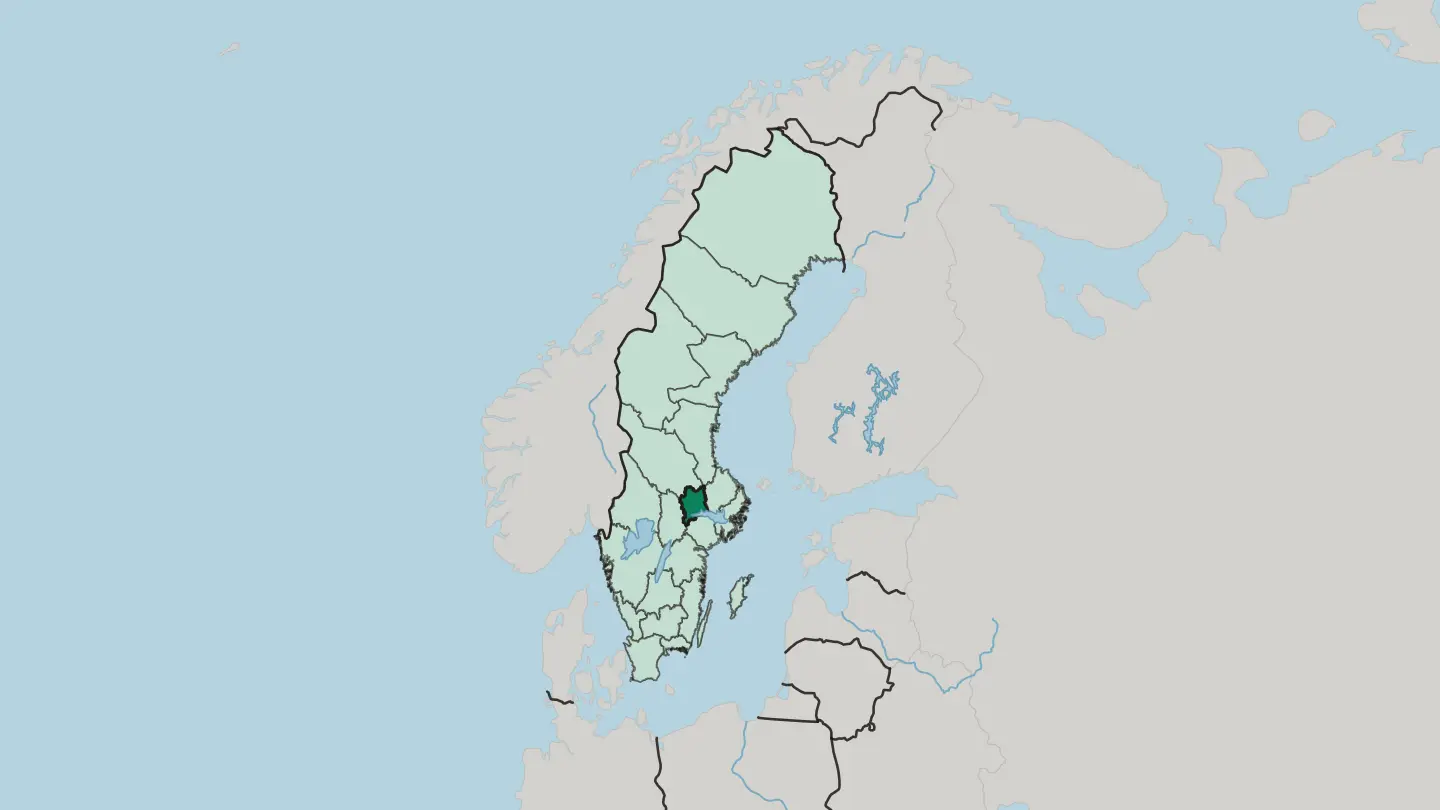 Sweden
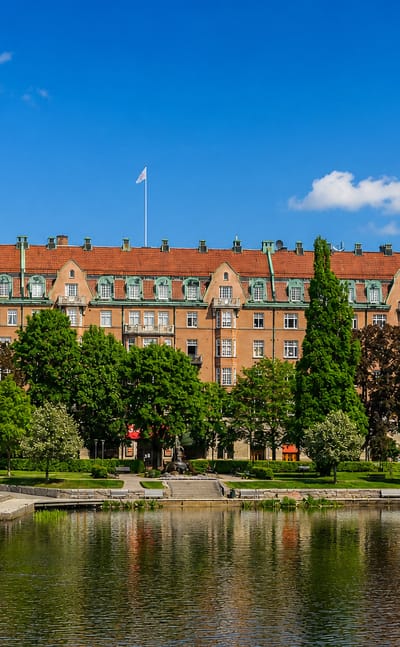
Västra Götaland County
Västra Götaland County is a large coastal län in western Sweden, running from the Bohuslän archipelago across the plains to the shore of Lake Vänern.Towns & cities →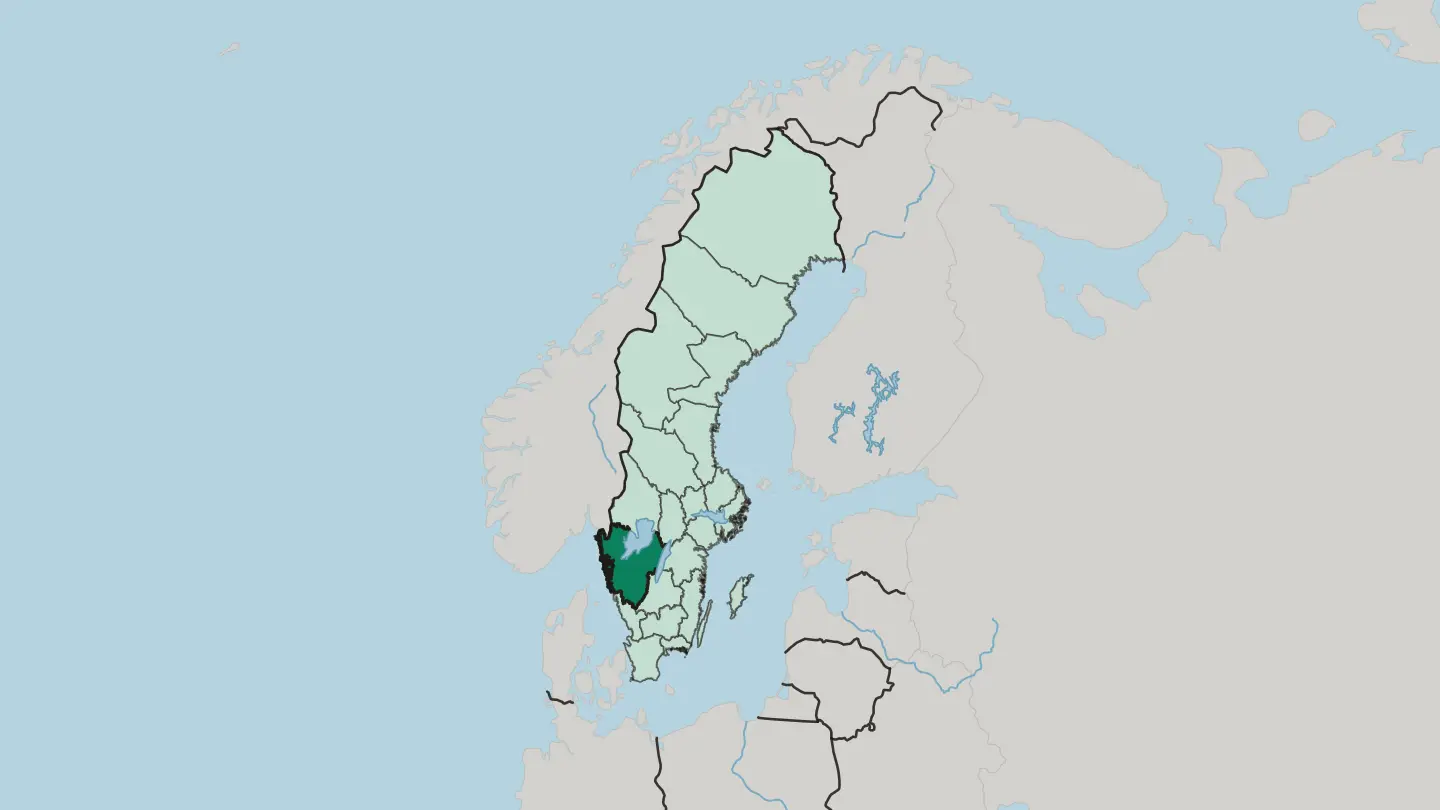
 Sweden
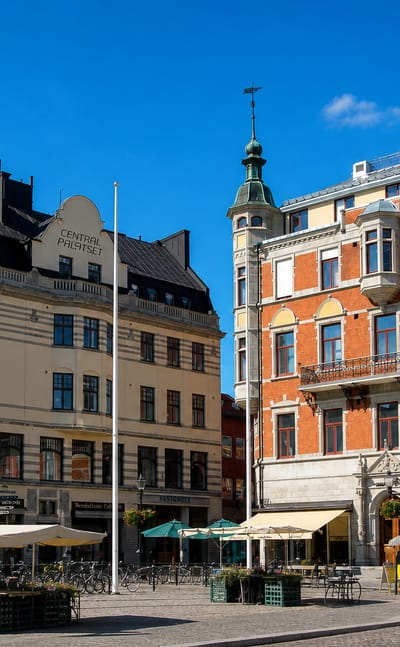
Örebro County
Örebro County is an inland län in central Sweden, set on the plains of Närke between Lake Hjälmaren and the forested hills of the north.Towns & cities →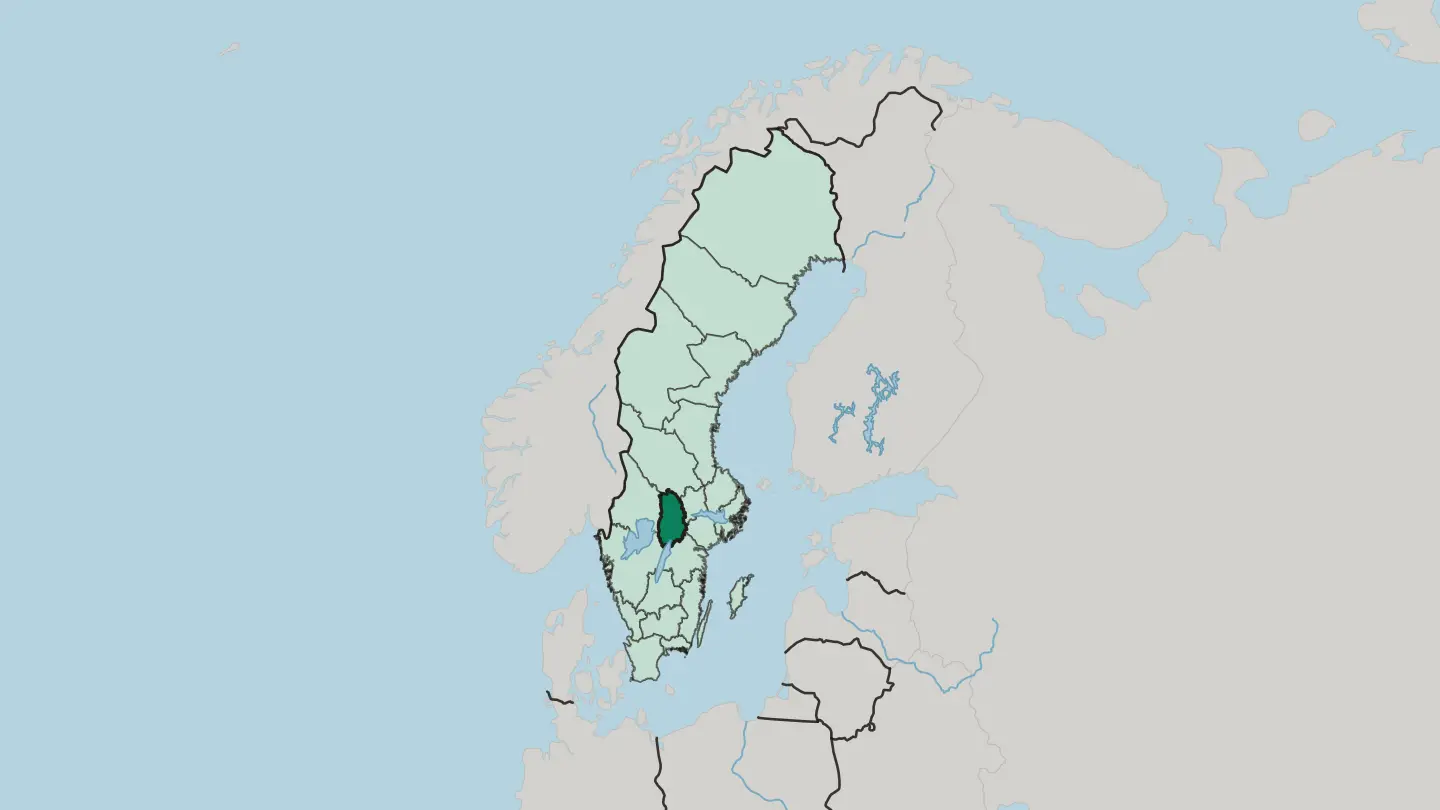
 Sweden
Östergötland County
Östergötland County is a län in central Sweden, spread across a broad farming plain between Lake Vättern and the Baltic coast.Towns & cities →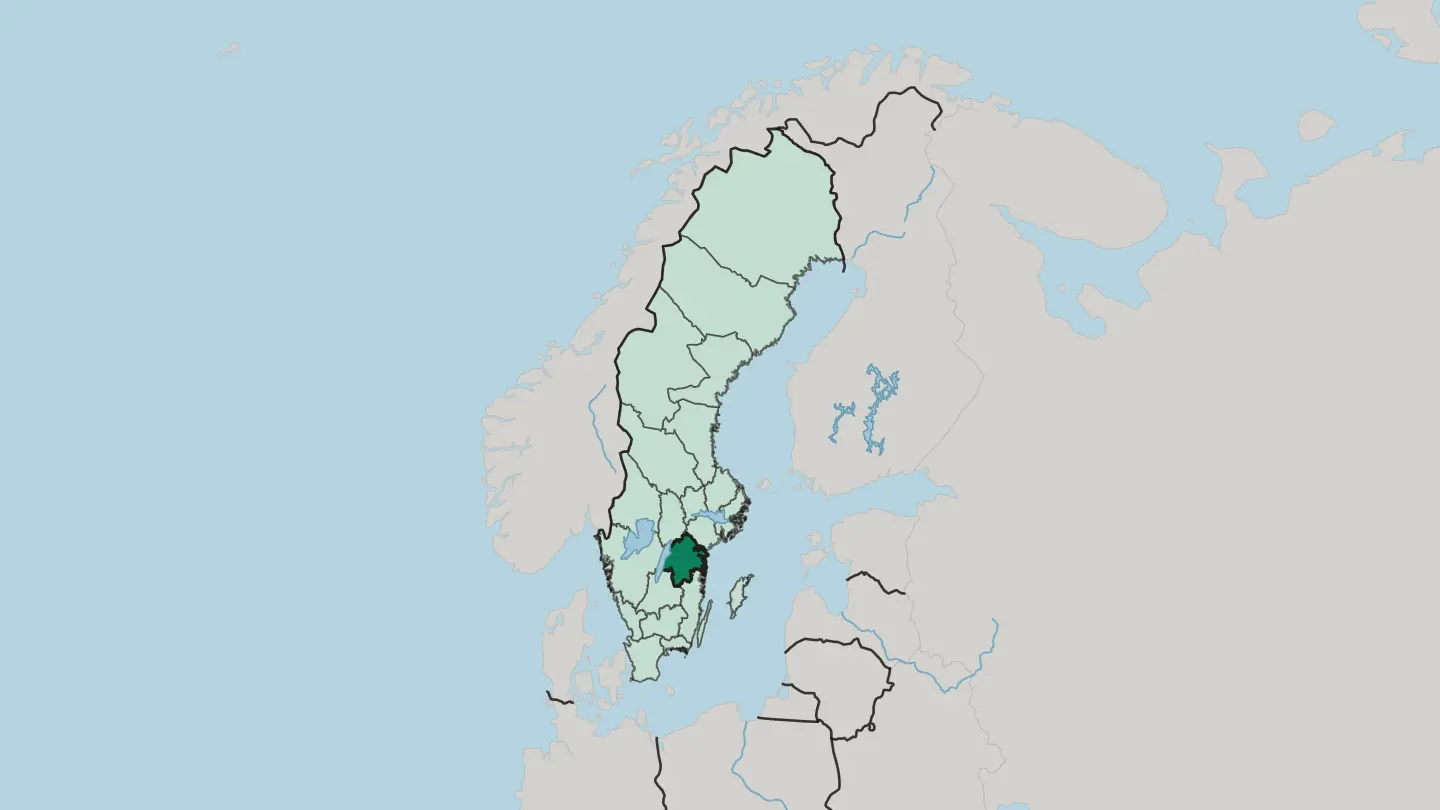
Explore by experience
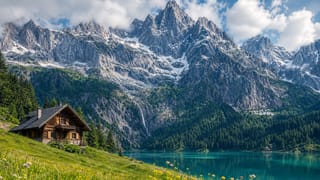
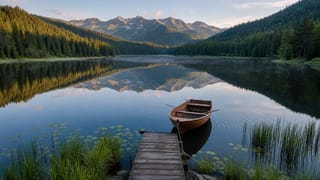
Not sure which place? Start from how you want to travel.
About Sweden
What is Sweden known for?
Three things travel with Sweden's name. First, the forest that covers more than half the country and the lakes stitched through it; then the Nobel Prize, handed out in Stockholm each December; and a pop tradition that runs from ABBA to an export industry of songwriters. Older layers sit beneath: Viking Age rune stones and the seventeenth-century empire that once ruled the Baltic.
There is also allemansrätten, the right to roam that lets anyone walk, camp, and pick berries across open country.
Where is Sweden?
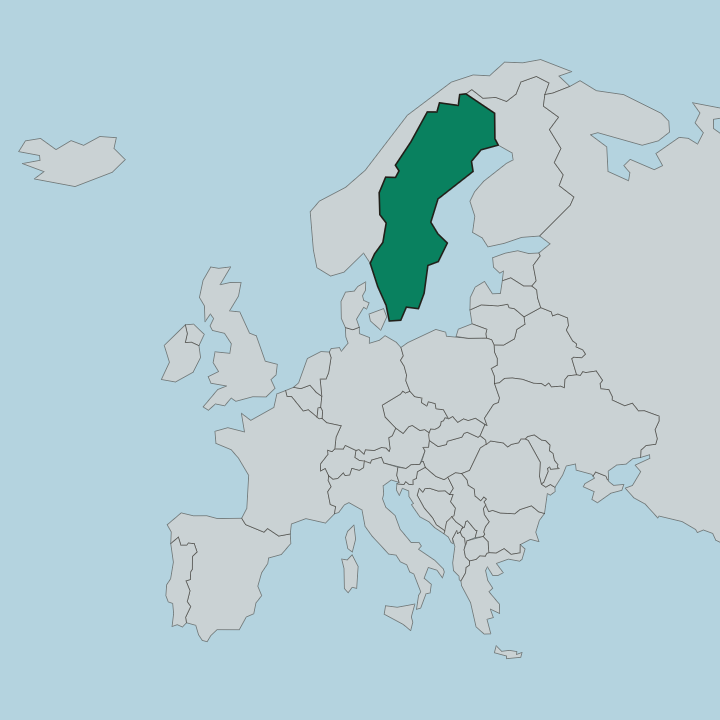
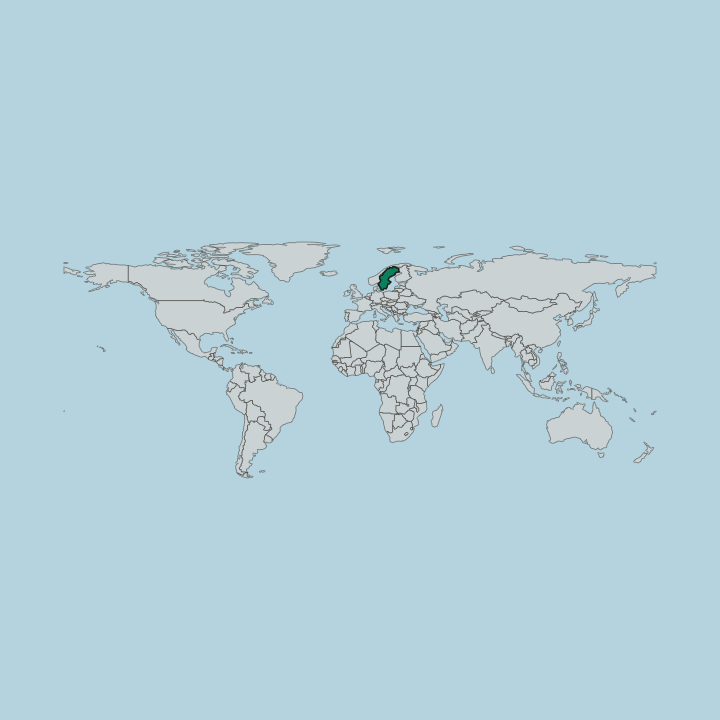
Sweden occupies the eastern flank of the Scandinavian Peninsula, in the southern and central reach of the Nordic north. Norway runs the length of the western and northern border; Finland lies to the east; and a maritime border with Denmark closes the south, across the narrow Öresund strait. The country is long. It falls from Arctic fell country in the far north, down through what feels like unbroken conifer forest and lake, to the flat grain plains of Skåne that read as almost continental.
Forest covers well over half the land, which is why so much of any journey here passes between trees. Beyond the forests, water gives Sweden the rest of its form. The Baltic Sea and the Gulf of Bothnia hold a coastline shattered into tens of thousands of islands, skerries, and islets; the Stockholm archipelago and the granite Bohuslän coast are the most visited.
Inland sit the great lakes, Vänern and Vättern the largest, linked toward the sea by the nineteenth-century Göta Canal. Rivers such as the Klarälven and the Göta älv drain the interior. Off the south-east coast, the limestone islands of Gotland and Öland keep landscapes all their own.
In the north-west the ground lifts into the Scandinavian mountains, where Kebnekaise is the highest point in the country.
What is the history of Sweden?
Sweden's roots reach into the Viking Age, when Norse traders and raiders from these shores pushed east along the rivers of what is now Russia and Ukraine, leaving rune stones still standing in the fields. Christianity and a single kingdom took hold over the following centuries. In 1397 the Kalmar Union bound Sweden, Denmark, and Norway under one crown, an arrangement many Swedes came to resent.
It broke when Gustav Vasa led a revolt and was crowned king in 1523, the moment usually taken as the birth of the modern state. He brought the Reformation with him. The seventeenth century turned Sweden into a great power.
Under kings such as Gustavus Adolphus, its armies fought across the Thirty Years' War and its rule reached around much of the Baltic. The empire did not last. Defeat by Russia at Poltava early in the next century began a long retreat, and Finland was lost soon after.
Sweden then entered a union with Norway in 1814, dissolved peacefully in 1905. From that settlement runs an unbroken peace: the country has stayed out of war, including both world wars, ever since. The nineteenth century also sent waves of emigrants to America before industry and the welfare state remade life at home.
What is Sweden like?
Daily life leans outdoors and toward moderation. Allemansrätten, the right to roam, is more than a law; it is a habit of mind that sends people into forest and onto water without a second thought, and the word lagom, roughly 'just the right amount', captures a wider taste for the unshowy. The calendar turns on a few fixed feasts.
Midsommar gathers families round a flower-dressed pole at the lightest point of the year; in December, Lucia processions carry candlelight through the dark; late summer brings crayfish parties under paper lanterns. Swedish culture travels well. Astrid Lindgren's Pippi Longstocking is read to children worldwide, Ingmar Bergman reshaped the art of film, and a pop machinery that began with ABBA still ships songs across the globe.
Design carries the same plain, useful instinct, clean lines, pale wood, and light-filled rooms, that the wider world now reads as Scandinavian. Food is honest rather than fancy: meatballs and lingonberry, cured herring, crispbread, and the daily ritual of fika, coffee with something sweet, savoured rather than gulped. Underneath sits a society that is largely secular, broadly equal, and quietly proud of looking after its own.
What is the climate of Sweden?
Length decides everything here. The south and the coasts stay temperate and changeable, warmed by Atlantic air, carrying mild grey winters and long, light summer evenings. Inland and northward the seasons sharpen into hard, snow-locked winters and short, intense summers.
Beyond the Arctic Circle the midsummer sun never sets while the midwinter sun barely climbs, and the cold can hold for months. Rain and snow fall across the year, heaviest over the western hills.
How do you get to Sweden?
Air travel brings most arrivals into Sweden. Stockholm Arlanda is the main international airport, with Göteborg Landvetter and Malmö handling the west and south. From the Continent, the Öresund Bridge carries road and rail straight across from Copenhagen into Skåne, so Denmark's main airport doubles as a back door to the south.
Ferries cross the Baltic to Finland, the Baltic states, Germany, and Poland. Inland, the E4 and E6 motorways and the trunk rail lines run the length of the country, north toward Lapland and the Arctic.
Common questions
What is the best area to stay in Sweden?
Stockholm: first-time visitors and city-plus-archipelago trips. Göteborg: a west-coast and seafood trip. Malmö: the south and easy hops to Denmark. Swedish Lapland: mountains, midnight sun, and winter aurora. Gotland: a Baltic island base.
Good for
Updated September 2026