Sweden · Blekinge County
Where to Stay in Olofström, Blekinge County
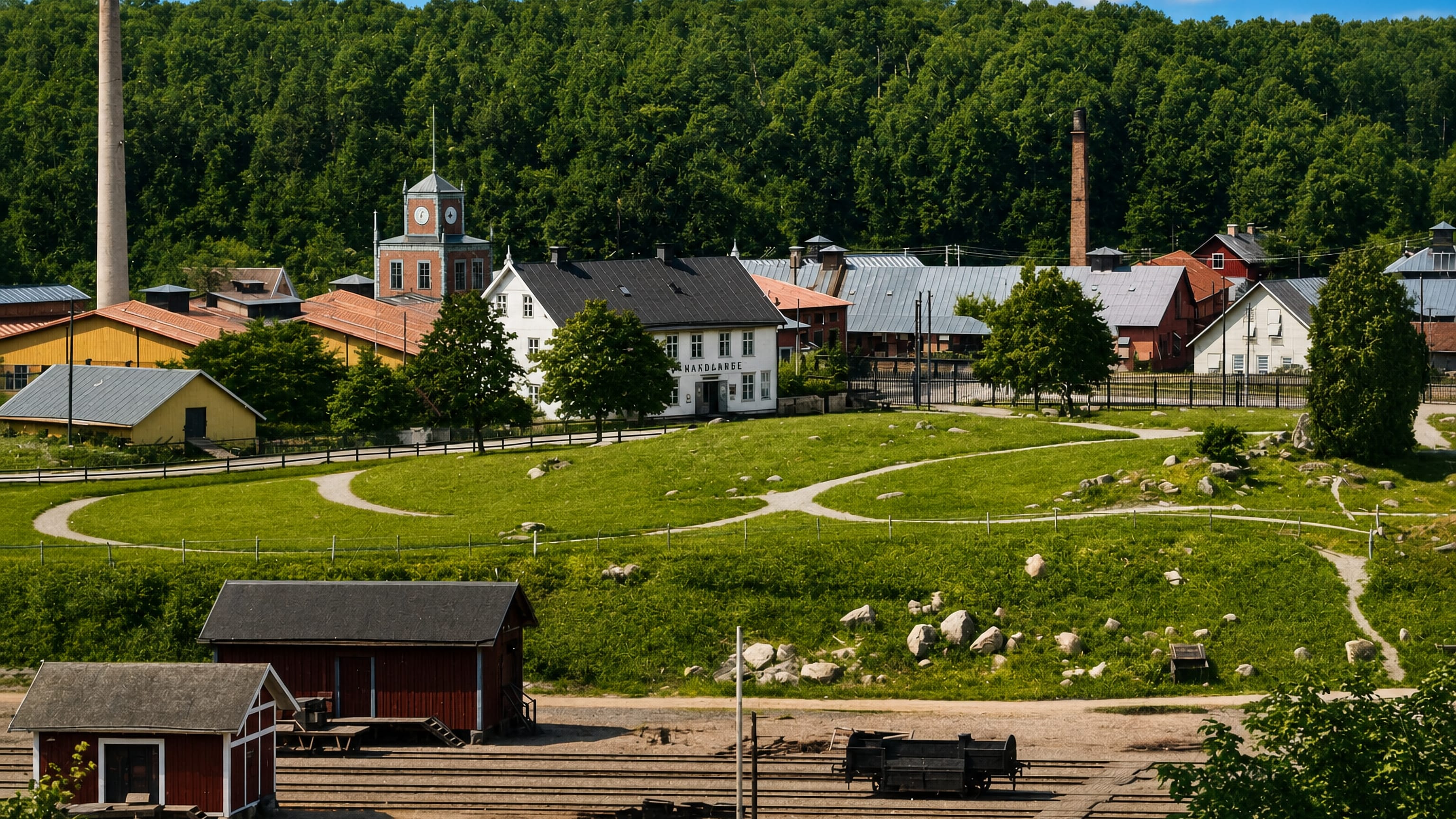
Olofström is a municipality in the wooded western part of Blekinge, an industrial town grown up around metalworking and the lakes of the inland forest.
Hotel links are affiliate links: booking through them may earn us a commission, at no extra cost to you. It never affects how places are ranked. How this works


Where to stay in Olofström
How the choice of base plays out on the ground.
The small centre holds most of what a visitor needs, with a hotel or two near the station and the main street. It suits anyone passing through on business with the works. Rooms are practical rather than scenic.
Out at Lake Halen, the campsite and cabins put you among pine and water, a short way from town and right on the canoe trails that thread the nature reserve. Families and paddlers head straight there. The surrounding parishes offer little but quiet.
For the setting, choose the lake; for convenience, choose the town.
Find hotels in Olofström
Direct booking searches for these neighbourhoods.
Town centre
hotels near the station and main streetFind hotels in Town centrepaddlers and familiesLake Halen
campsite and cabins on the canoe trailsFind hotels in Lake HalenHotel links are affiliate links: booking through them may earn us a commission, at no extra cost to you. It never affects how places are ranked. How this works
About Olofström
Olofström is a factory town in the best sense.
What is Olofström known for?
The pressing plant that stamps car-body panels has shaped the place for generations, drawing workers to a settlement that was barely a village before industry arrived. Lake Halen spreads its long, branching arms just outside town. Canoeists know it well.
The forest begins where the streets end.
What are the main landmarks in Olofström?
Olofströms kyrka stands at the centre of the town, a modern church for a modern community. The real draw lies outside: Halens naturreservat, where a chain of lakes and islets makes one of southern Sweden's best canoe waters. Marked trails run the shoreline.
The old ironworks heritage lingers in the street names and a small local collection. Take to the water here.
What is the history of Olofström?
Olofström grew late, and it grew on iron. Water power on the Holjeån river drove early forges and a paper mill, but it was sheet-metal pressing in the twentieth century that turned a forest hamlet into a town of thousands almost within a lifetime. The works pulled people in.
Housing, shops, and a church followed the payroll. The municipality itself is young. Carved out in the twentieth century from older Blekinge parishes, Olofström has always defined itself by the factory gate rather than a market charter.
Fortunes rose and fell with the car industry. The town held on.
Where is Olofström?
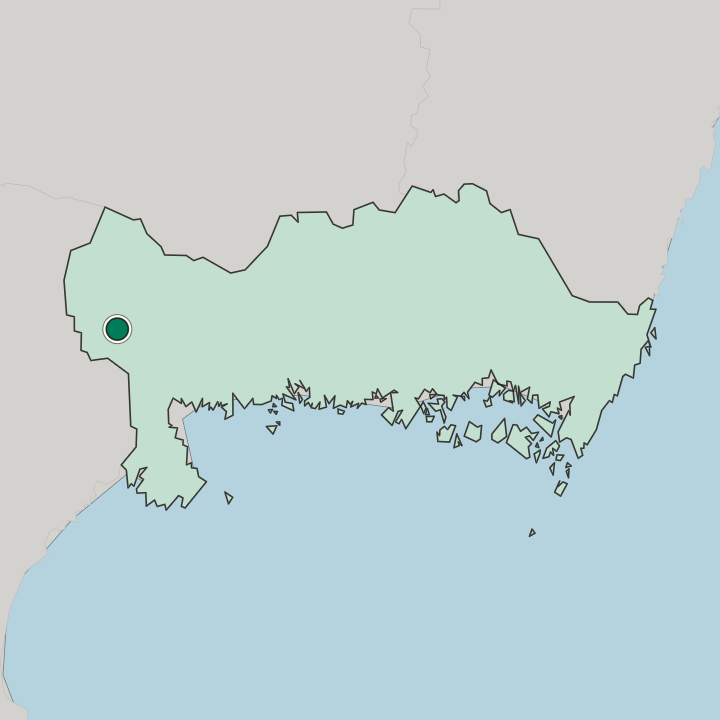
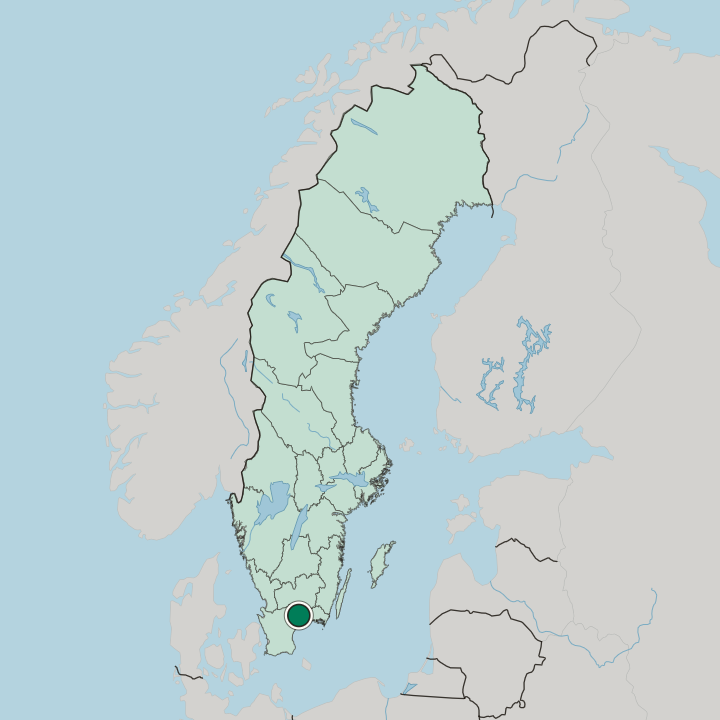
Olofström lies inland in the western part of Blekinge, in the rolling forest where the county climbs toward the lakes and ridges of Småland to the north. The Holjeån river and Lake Halen give the town its water. Pine and spruce press close on every side.
Unlike coastal Blekinge, this is a landscape of timber and freshwater rather than skerries. It sits well back from the sea. The woods rule here.
What is the climate of Olofström?
Olofström has a mild but more continental climate than the Blekinge coast, set back as it is among the inland forests. Winters bring more lasting snow than the shore, though rarely a hard freeze. Summers are warm and green, with the lakes holding their heat for swimming well into August and the long evenings drawing canoeists out onto the still water.
Spring passes quickly between the snow and the summer green. Autumn comes wet and golden.
How do you get to Olofström?
Olofström sits off the main coast corridors, reached most easily by road from the E22 motorway that runs along the coast to the south. Regional buses link the town to Karlshamn and the coast railway. A limited rail line serves the works.
The nearest airport is Ronneby, about an hour away by car. Come by car.
Common questions
What is the best area to stay in Olofström?
Town centre: business and through-travellers. Lake Halen: paddlers and families.
Good for
More cities in Blekinge County
Updated September 2026