Sweden · Blekinge County
Where to Stay in Karlskrona, Blekinge County
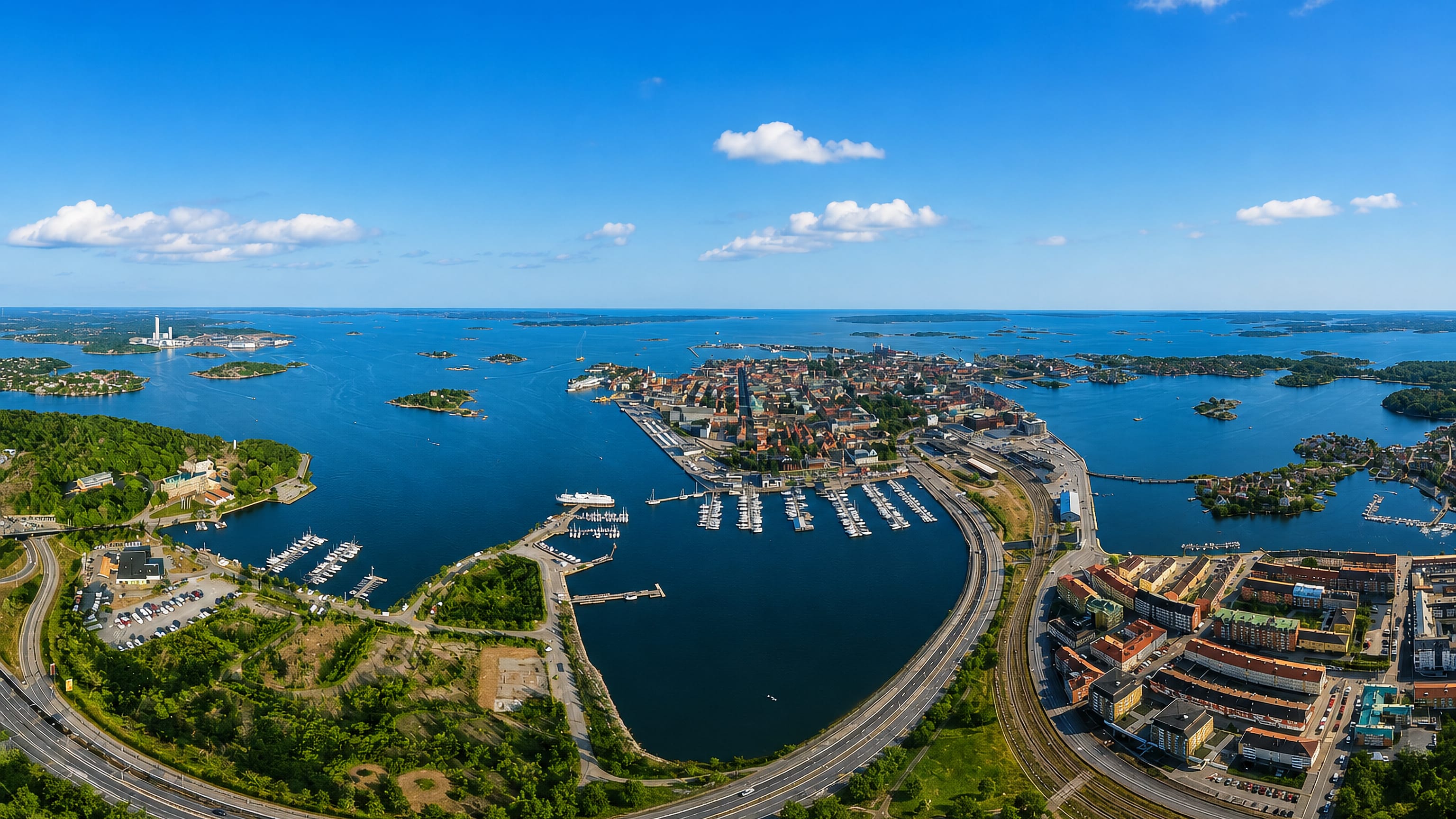
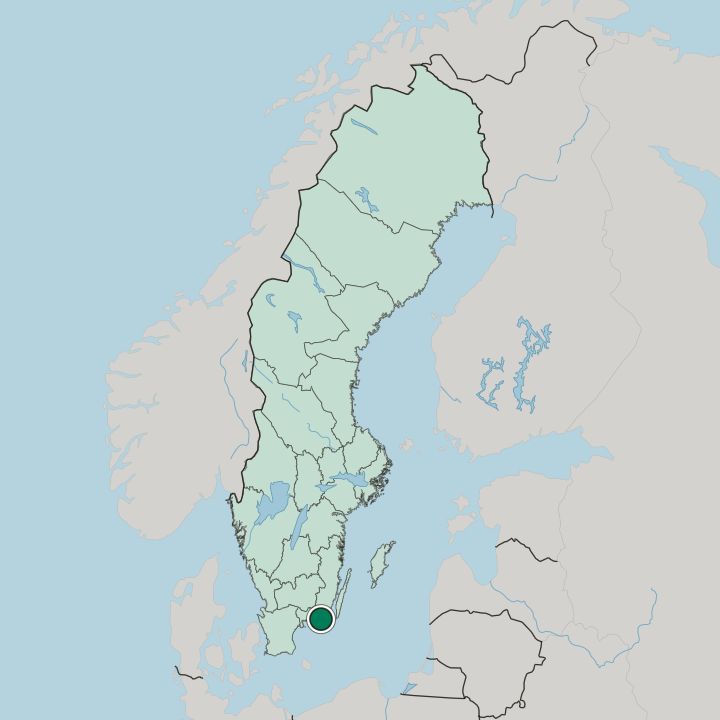
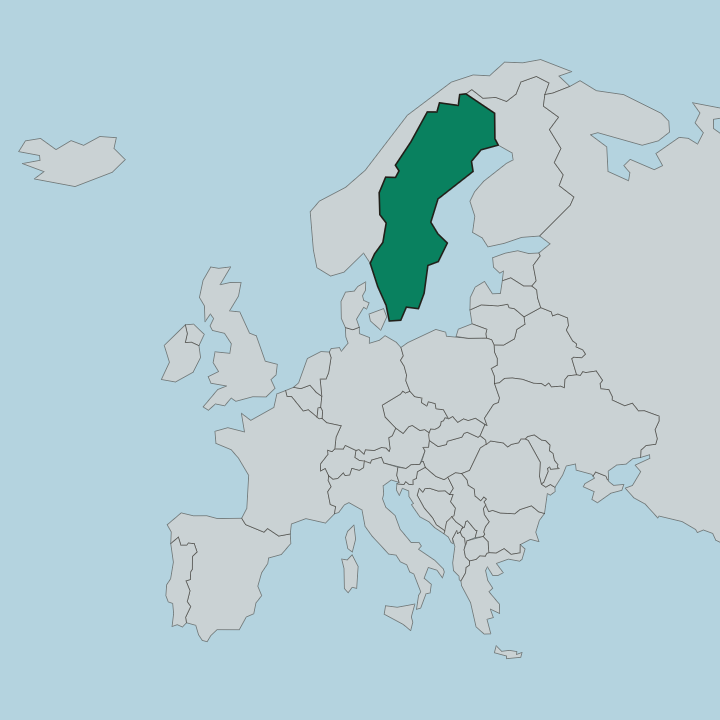
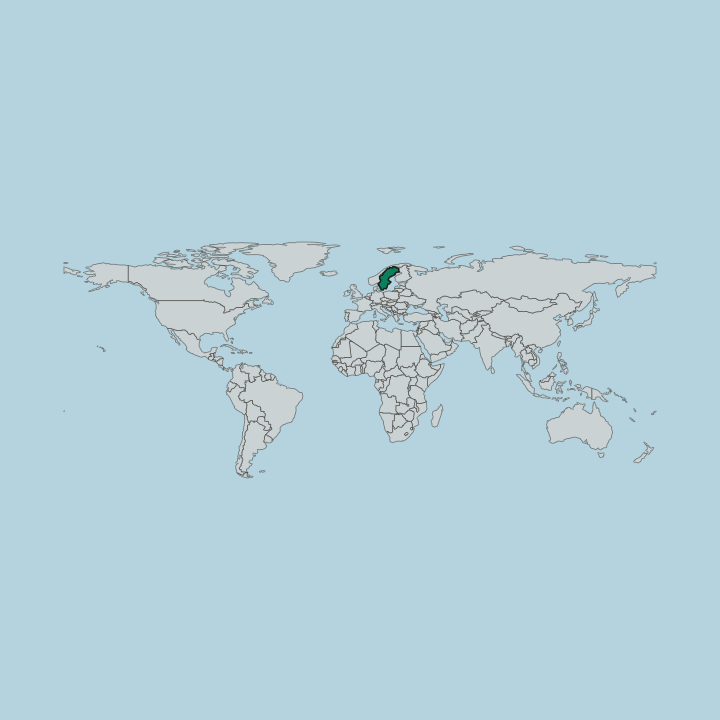
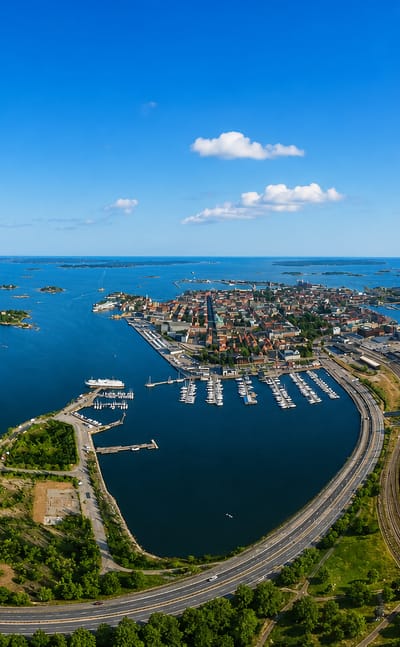
Karlskrona is the seat of Blekinge County in southern Sweden, a baroque naval city spread across an archipelago and listed as a UNESCO World Heritage Site.
Hotel links are affiliate links: booking through them may earn us a commission, at no extra cost to you. It never affects how places are ranked. How this works


Where to stay in Karlskrona
Where you base yourself shapes the visit — here's the character of each area.
 KarlskronaSweden
Bergåsa
Bergåsa is a district on the north-eastern edge of Karlskrona, the naval city of southern Sweden.Where to stay →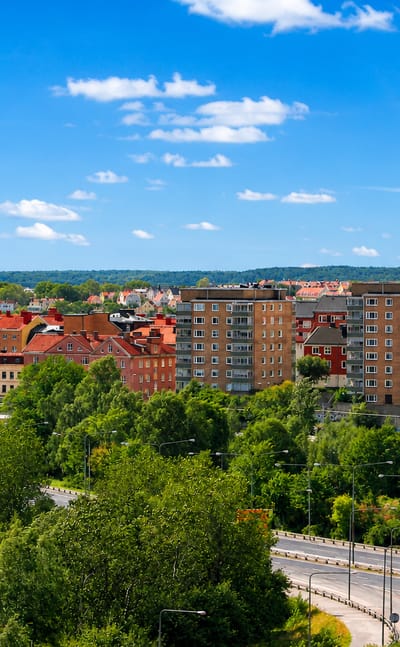 KarlskronaSweden
Pantarholmen
Pantarholmen is a central island district of Karlskrona, set on the Baltic waterfront of the naval city in southern Sweden.Where to stay →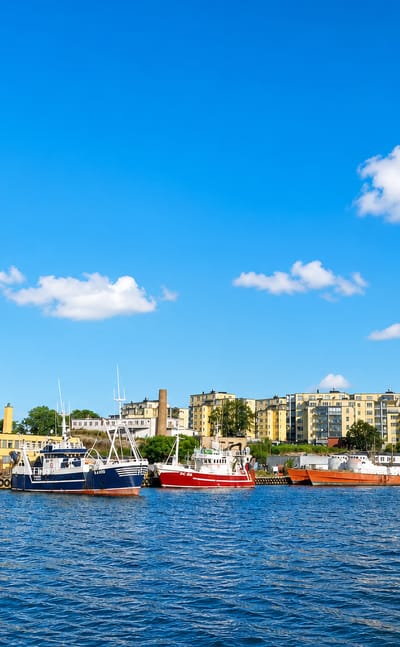 KarlskronaSweden
Saltö
Saltö is an island district of Karlskrona, one of the 30 islands the city spreads over, in the Blekinge archipelago of southern Sweden.Where to stay →Hotel links are affiliate links: booking through them may earn us a commission, at no extra cost to you. It never affects how places are ranked. How this works
Find hotels in Karlskrona
Direct booking searches for these neighbourhoods.
Trossö
the baroque core, museum and station within a walkFind hotels in Trossöfamilies and swimmersDragsö
campsite, cabins and bathing a short ride outFind hotels in DragsöHotel links are affiliate links: booking through them may earn us a commission, at no extra cost to you. It never affects how places are ranked. How this works
Things to do in Karlskrona
Ranked by global recognition; descriptions from Wikidata (CC0).
Museums & Galleries
3- Naval Museum of Sweden military history museum
- Albinsson & Sjöbergs bilmuseum working life museum
- Biograf- och Kopparslagarmuseum
Churches & Religious Sites
6- Fredrik Church Heritage
- Trinity Church Heritage
- Augerums kyrka Heritage
- Lösens kyrka Heritage
- Emanuelskyrkan Heritage
Show 1 more →
- Kungsmarkskyrkan Heritage
Stadiums & Sports
1- Brinova Arena Karlskrona
worth knowingacross 3 categories in Karlskrona
About Karlskrona
What is Karlskrona known for?
Karlskrona is Sweden's navy town. Built from nothing in the late seventeenth century as the base of the Swedish fleet, its grid of squares and dockyards is so completely preserved that UNESCO listed the whole naval port. The Marinmuseum on Stumholmen tells that story afloat.
Warships still dock here. Few European towns wear their century of origin so plainly.
What are the main landmarks in Karlskrona?
Stortorget is one of the largest baroque squares in northern Europe, framed by Nicodemus Tessin's two churches: the round Trefaldighetskyrkan and the tall, ochre Fredrikskyrkan. The Marinmuseum displays figureheads, submarines, and the long reach of the Swedish navy across three centuries of sea power. Out in the approaches, the seventeenth-century Kungsholms fort still guards the channel.
Admiralty Park keeps a wooden bell tower. Climb the square at dusk.
What is the history of Karlskrona?
Karlskrona began as a strategic decision. In 1680 Karl XI moved the Swedish navy south to an ice-free archipelago closer to the contested Baltic, and a whole city was planned around the new dockyard in the formal baroque style of the age. Architects laid out squares and avenues on a grid.
The fleet, the rope-walk, the ropeyard, and the shipwrights all filled them in turn. For two centuries the town lived and breathed the navy. Its yards built the ships of empire, and its forts ringed the sea lanes against Denmark and Russia.
The empire faded. The naval port and its plan came through almost untouched, which is the reason it endures.
Where is Karlskrona?
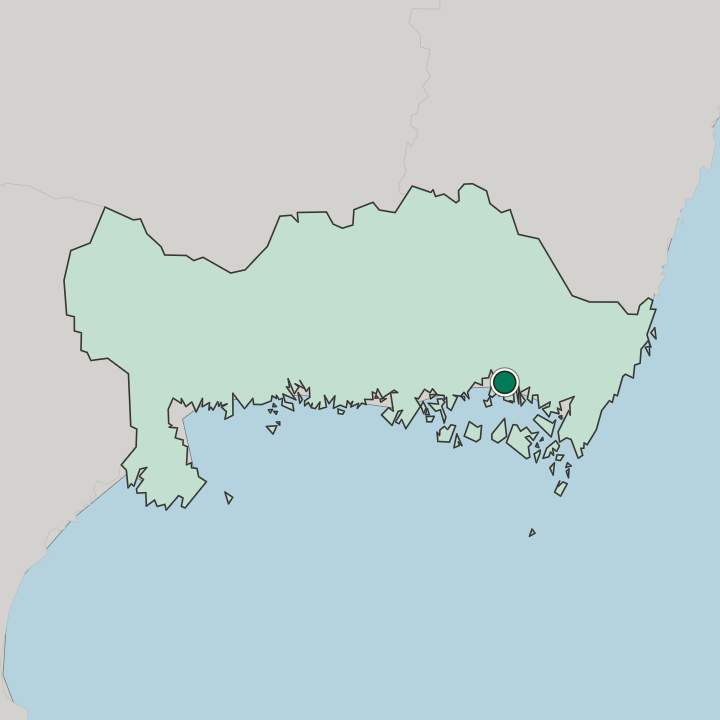
Karlskrona lies in the south-eastern corner of Blekinge, scattered across some thirty low islands and skerries where the county finally meets the open Baltic Sea. The core sits on Trossö, linked to the mainland and its neighbours by a chain of bridges. Low granite skerries and pine-clad holms run out to sea.
Inland, forest and small lakes climb gently north toward Småland. It is a city of water. Bridges hold it together.
What is the climate of Karlskrona?
Karlskrona has the mildest climate in Sweden, tempered on every side by the Baltic. Winters stay short and damp, and snow rarely holds long on the islands. Summers are warm and drawn out, with the surrounding water keeping the warmth deep into a long, gentle autumn.
Spring arrives early. The sea sets the pace of the seasons here.
How do you get to Karlskrona?
Karlskrona stands at the end of the Blekinge coast railway, with Kustpilen trains linking it west along the coast and north to Emmaboda for the main line. The E22 motorway runs in from the west. Stena Line runs a ferry from Karlskrona to Gdynia in Poland. Ronneby airport lies a short drive away.
Buses thread the bridges.
Common questions
What is the best area to stay in Karlskrona?
Trossö: first-timers. Dragsö: families and swimmers.
Good for
More cities in Blekinge County
Updated October 2026