Sweden · Gotland County
Where to Stay in Visby, Gotland County
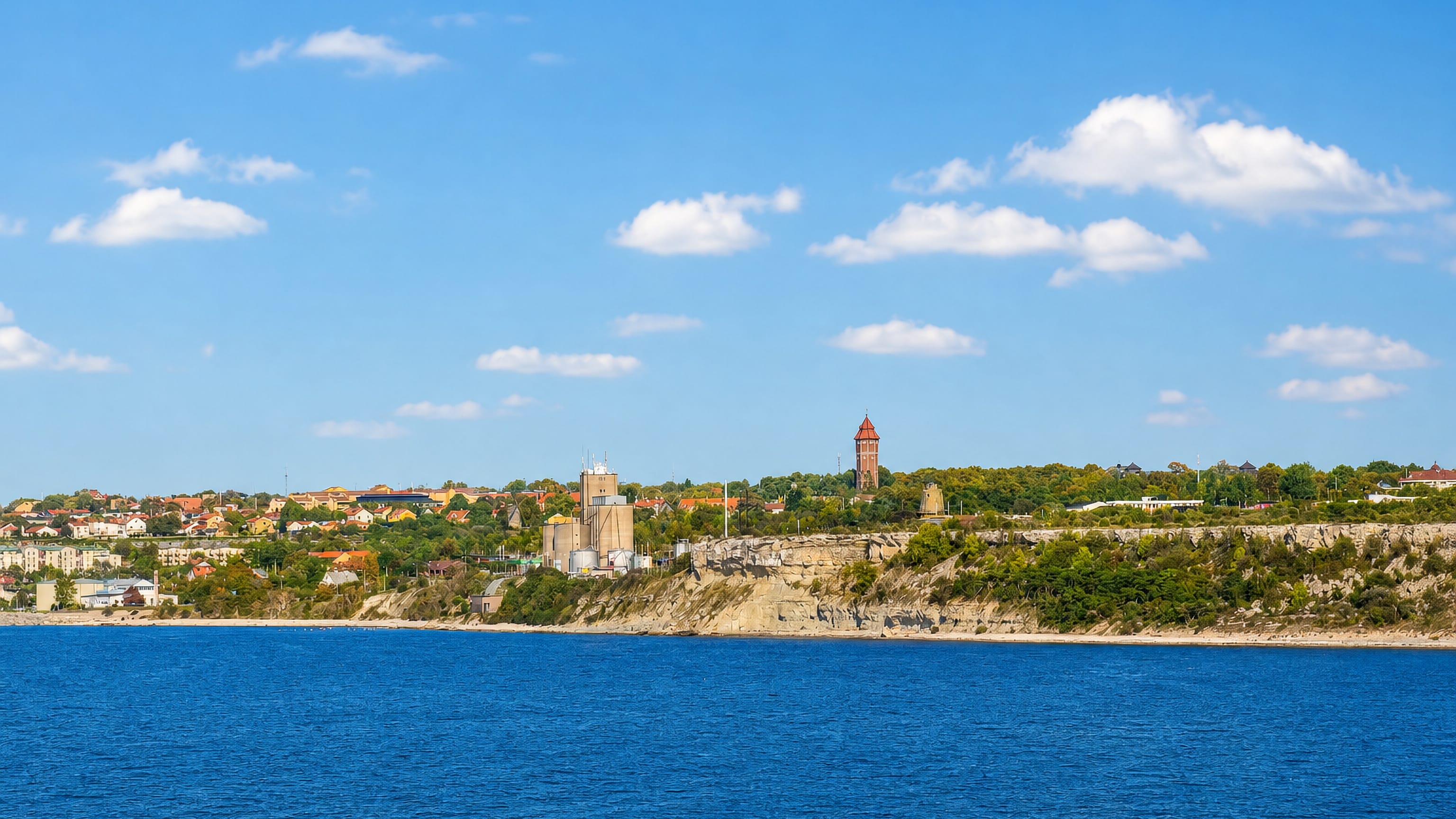
Visby, the seat of Gotland County, is a walled port town on Gotland's west coast, its limestone lanes climbing from the Baltic to medieval towers.
Hotel links are affiliate links: booking through them may earn us a commission, at no extra cost to you. It never affects how places are ranked. How this works


Where to stay in Visby
The practical side of choosing where to sleep.
Most visitors stay innanför ringmuren, inside the wall. The lanes here are too narrow for much traffic, and a short walk in any direction passes a roofless church, a worn cobbled slope, or a step-gabled merchant's house from the Hanseatic centuries. Rooms occupy converted stone cellars, old warehouses, and former counting-houses, and they fill early in the warm months.
Book ahead. If you want to open your door straight onto the medieval town and don't mind the premium, this walled core is the place to settle. Outside the wall, Visby hamn sits beside the ferry berths and the evening boats, handy for late arrivals and early departures.
North along the shore lies Snäck. Its low coastal hotels back onto a long pebble beach, with room for families after sea air, parking, and a quieter night. Just east of the gates, Östercentrum is plainer and modern, a practical base for drivers and for anyone catching island buses out across Gotland.
Beds are genuinely scarce inside the wall at midsummer. When the old town sells out, the Snäck strip and Östercentrum take the overflow. Pick the wall for atmosphere.
Pick the coast for space.
Find hotels in Visby
Direct booking searches for these neighbourhoods.
Innanför ringmuren
The walled old town of car-free lanes, church ruins and stone houses; rooms sit in converted cellars and warehouses. Beds are limited here, so book early.Find hotels in Innanför ringmurentravellers timing early or late ferriesVisby hamn
Beside the ferry berths and the quayside, handy for arrivals and departures by sea.Find hotels in Visby hamnfamilies wanting beach and spaceSnäck
Low coastal hotels along a long pebble beach north of the centre, with parking and quiet.Find hotels in Snäckdrivers and bus connectionsÖstercentrum
Plain, modern base just outside the eastern gates, with parking and the island bus hub.Find hotels in ÖstercentrumHotel links are affiliate links: booking through them may earn us a commission, at no extra cost to you. It never affects how places are ranked. How this works
Things to do in Visby
Ranked by global recognition; descriptions from Wikidata (CC0).
Museums & Galleries
2- Gotland art museum
- Wigströms verkstad working life museum in Gotland Municipality
Churches & Religious Sites
3- Solberga Abbey Heritage Cistercian nunnery
- Kristi Lekamens kyrka Heritage building on Gotland
- Visborgskyrkan Heritage
Castles & Historic Sites
2- Visborg Heritage fortress
- Valdemarskorset Heritage Ring cross commemorating the battle of Visby, 1361
Stadiums & Sports
2- Gutavallen outdoor sports stadium
- Visby ishall
Landmarks & Notable Places
6- Gotland Museum Heritage museum in Visby, Gotland
- The Powder Tower oldest tower in the city wall of Visby
- The Coin House
- The Maiden Tower tower
- The Slit Bottle Slit Bottle tower is a part of the City Wall of Visby
Show 1 more →
- The Tar Boiler's House house in Gotland Municipality
worth knowingacross 5 categories in Visby
About Visby
What is Visby known for?
Visby is among the best-preserved walled towns in northern Europe, ringed by the Visby ringmur and listed as a UNESCO World Heritage Site. Roses climb the ruins. The wall runs for kilometres, studded with squat saddle-roof towers such as Kruttornet and the slim Jungfrutornet.
Within it stand the roofless church ruins left from the Hanseatic boom, when Gotland traders carried goods across the Baltic and built in stone.
What are the main landmarks in Visby?
The Visby ringmur is studded with dozens of towers and turrets, many with their own names, Silverhättan, Långa Lisa, the squat Kvarntornet. Kruttornet, beside the harbour, is the oldest building still standing. The roofless ruins of Solberga kloster and Ryska kyrkan mark religious houses left empty long ago, while only fragments remain of Visborg, the castle that once guarded the town's southern corner.
Gotlands konstmuseum shows island art. Outside the gates, the Stenkorset på Korsbetningen marks the dead of 1361.
What is the history of Visby?
Visby grew up as a harbour on the Baltic trade routes, and by the 12th and 13th centuries it ranked among the leading ports of the Hanseatic League. German and Gotlandic merchants grew rich here. Their money raised stone churches and warehouses, and in the 13th and 14th centuries it paid for the ring wall, which guarded the town from the sea and, just as pointedly, from the farmers of the Gotland countryside who resented its trade monopoly.
The town's fortunes turned in 1361. A Danish army under Valdemar Atterdag landed on Gotland and cut down the island's yeomen outside the gates at the Battle of Visby. The dead were buried in mass graves where the Stenkorset på Korsbetningen still stands.
Decline followed the conquest. Pirates worked the surrounding waters, and around 1411 Erik of Pomerania built the castle of Visborg as a stronghold above the harbour. The churches were later stripped and abandoned, leaving the roofless ruins that mark the skyline.
Gotland passed to Sweden in 1645, Visborg was blown up in 1679, and the shrunken town drifted for two centuries before its preserved medieval core drew travellers and, in 1995, a place on the UNESCO World Heritage list.
Where is Visby?
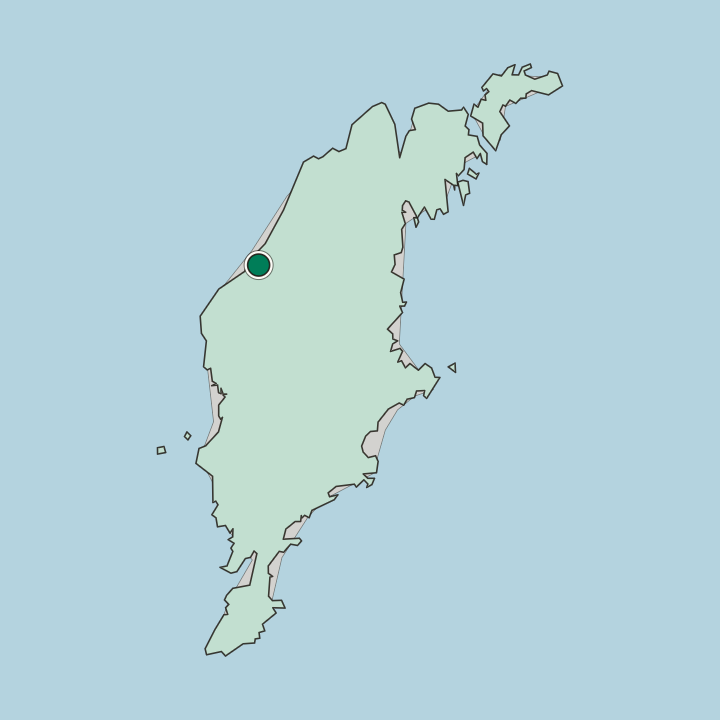
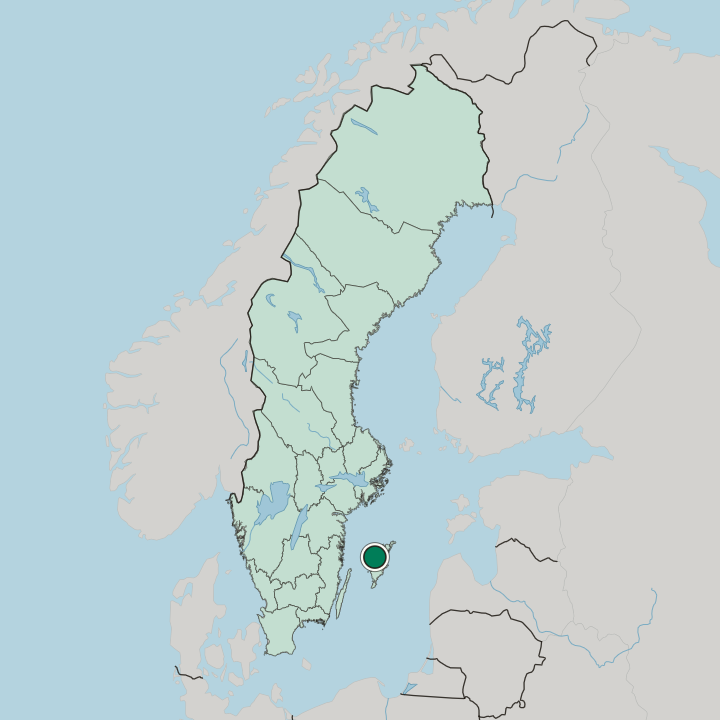
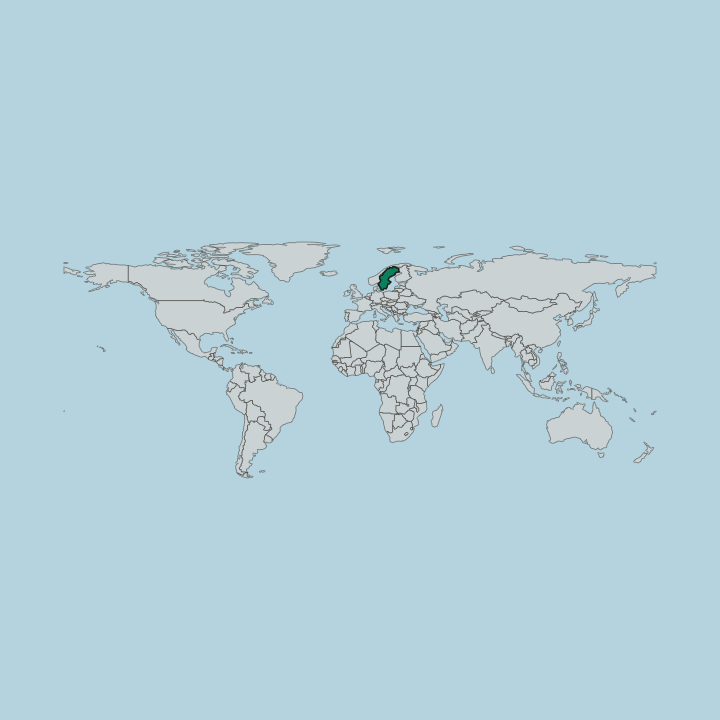
Visby lies on the west coast of Gotland, the large limestone island that sits in the Baltic off south-eastern Sweden. It occupies the north-western part of Gotland County and serves as the county seat. The town climbs from a working harbour up a low limestone escarpment, the klint, so its streets rise in terraces toward the inland plateau.
Thin soil covers bare rock. Open sea, not a mainland shore, lies on every side of Gotland.
What is the climate of Visby?
The open sea sets the rhythm. Gotland's position in the middle of the Baltic gives Visby a mild maritime climate, where the water warms slowly through spring and holds its heat long into autumn. Summers stay temperate rather than hot, cooled by breezes off the water.
Winters are milder and less snowy than inland Sweden, though raw winds cross the exposed coast. The island sits among the sunnier, drier corners of the country, in the lee of the Scandinavian rains.
How do you get to Visby?
Every trip to Visby crosses open water. Car ferries run to the town's harbour from two mainland ports, Nynäshamn south of Stockholm and Oskarshamn on the Småland coast, carrying vehicles, freight, and foot passengers across the Baltic. Visby Airport, just north of the town, links the island to Stockholm and other Swedish cities by short flights.
On Gotland itself, the main roads fan out from Visby to the rest of the island, and island buses use the terminal by the eastern gates. Inside the ring wall, the lanes are largely closed to traffic, so most arrivals continue on foot.
Common questions
What is the best area to stay in Visby?
Innanför ringmuren: first-time visitors who want the medieval town at the door. Visby hamn: travellers timing early or late ferries. Snäck: families wanting beach and space. Östercentrum: drivers and bus connections.
Good for
Updated October 2026