Sweden
Gotland County, Sweden — Towns & Travel Guide
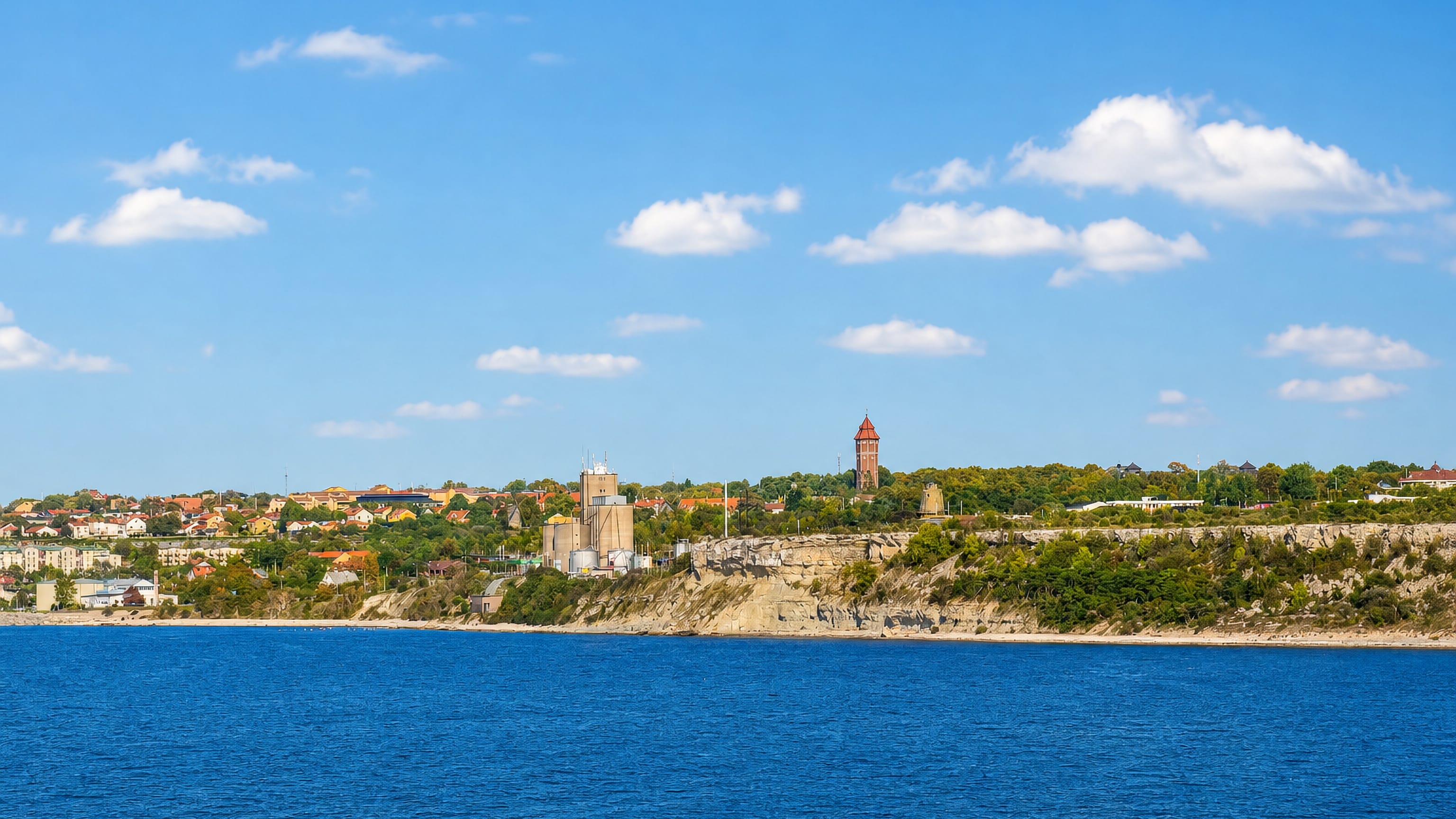
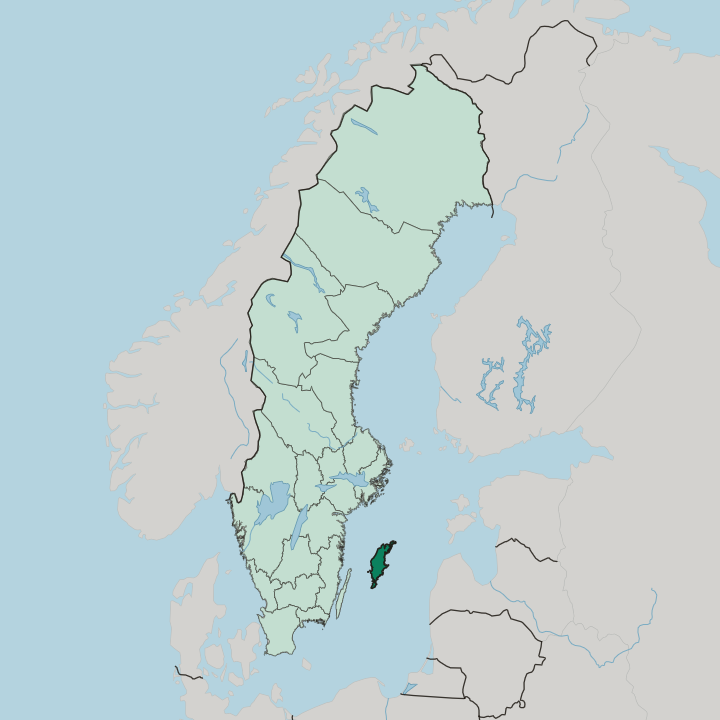
Gotland County is a county (län) of Sweden, built around the largest island in the Baltic Sea, off the mainland's south-eastern coast.
Hotel links are affiliate links: booking through them may earn us a commission, at no extra cost to you. It never affects how places are ranked. How this works


Towns & cities in Gotland County
One town here has its own guide — it links to where to stay.
 Sweden
Visby
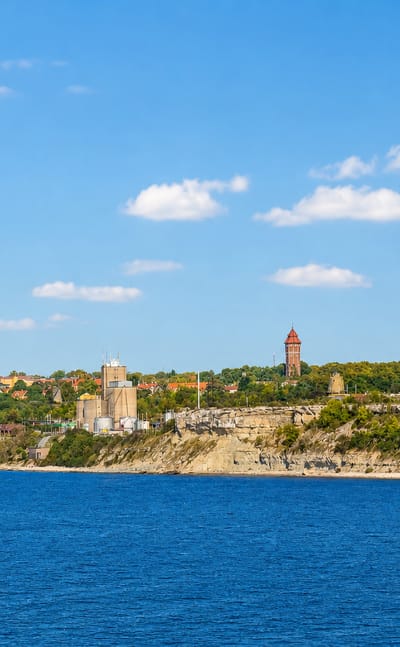
Visby, the seat of Gotland County, is a walled port town on Gotland's west coast, its limestone lanes climbing from the Baltic to medieval towers.Where to stay →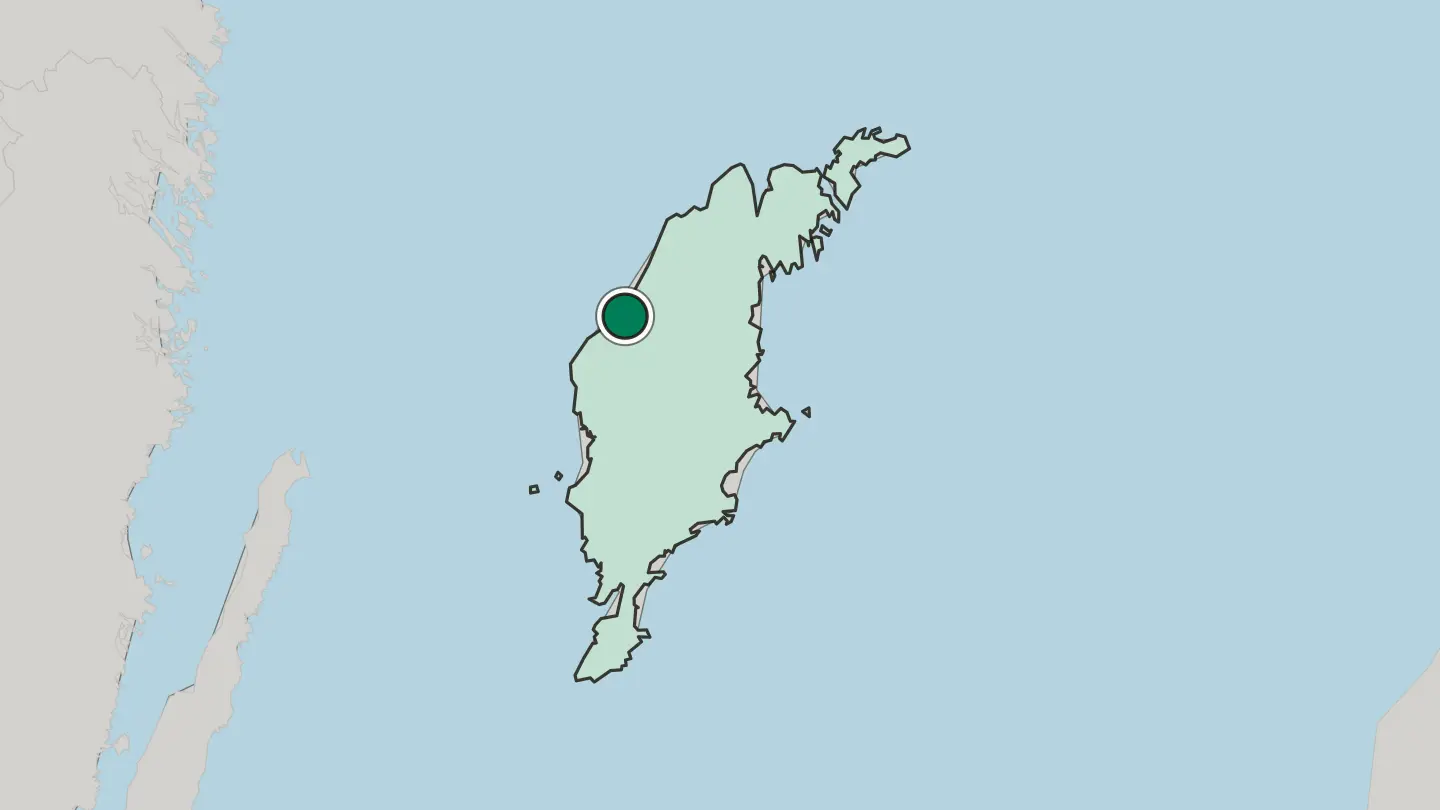
Hotel links are affiliate links: booking through them may earn us a commission, at no extra cost to you. It never affects how places are ranked. How this works
About Gotland County
Two things draw visitors across the water.
What is Gotland County known for?
The first is Visby, a walled medieval port whose ring of stone and stepped gable houses earned a place on the UNESCO World Heritage list. The second is geology. Weather and sea have carved raukar, freestanding limestone pillars, into ragged colonnades at Langhammars and Digerhuvud on Fårö.
The island also trades on saffron pancakes, autumn truffle hunts, and flocks of horned sheep grazing dry alvar grassland.
Where is Gotland County?
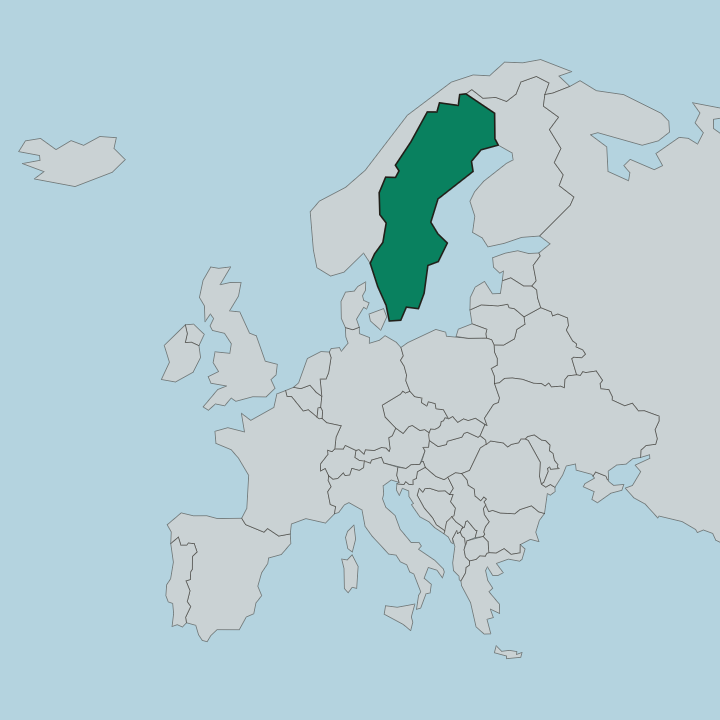
Gotland sits in the south-eastern part of Sweden, a long slab of land in the open Baltic with the mainland a half-day's sail to the west. The county takes in the main island and a scatter of smaller ones: Fårö across a narrow sound in the north, remote Gotska Sandön further out to sea, and the twin bird cliffs of Stora Karlsö and Lilla Karlsö off the western shore. Getting around does not take long.
From the northern tip down to Hoburgen at the far south is about a long day's drive. The bedrock explains almost everything. Gotland is built of Silurian limestone, the compressed floor of a tropical sea that lay near the equator hundreds of millions of years ago, and its slabs are thick with the fossils of corals and shellfish.
Rainwater has dissolved the stone into karst, dry pavements, sinkholes, and the underground passages of Lummelundagrottan. Where the coast faces open water the sea has done the sculpting, leaving raukar, the limestone stacks that stand offshore like a stranded crowd. Inland the country stays low and flat, much of it open alvar where thin soil feeds orchids, junipers, and grazing sheep.
What is Gotland County like?
The island kept its own voice. Gutnish, the old tongue of Gotland written down in the medieval Gutasaga, descends along a branch of Norse all its own and still colours rural speech. Wealth from the Hanseatic trade left another mark in stone: close to a hundred medieval churches dot the countryside, an astonishing number for so small a place, their towers often visible one from the next across open fields.
Summer turns the past into performance. During Medeltidsveckan the streets of Visby fill with tournaments, costume, and market stalls inside the old wall, while each year the country's political class decamps to Almedalen for a week of speeches. Fårö carries a different kind of fame.
Ingmar Bergman made the island his home and shot several films against its bare shores, and admirers still come to walk the locations. Tradition survives in sport as well, at the Stångaspelen, where competitors hurl the flat stones of varpa and play the old ball game of pärk. The table leans on local produce.
Saffron pancakes arrive with dewberry jam, lamb comes from the horned island flocks, and black truffle is dug from the autumn woods. Half-wild ponies, the gotlandsruss, still graze the heath at Lojsta.
What is the history of Gotland County?
Gotland grew rich early. Viking-age traders buried more silver here than anywhere else in the Nordic lands, and by the 12th and 13th centuries Visby had grown into one of the leading ports of the Hanseatic network, ringed by the stone wall that still stands. The good years ended in 1361, when the Danish king Valdemar Atterdag stormed the island and left thousands dead outside the walls.
Danish rule held until the island passed to Sweden in the mid-17th century, and the county itself took shape in 1658.
What is the climate of Gotland County?
Water surrounds Gotland on every side, giving it a gentler climate than its northern position would suggest. The Baltic stores summer warmth and releases it slowly, so autumn arrives late and hard frost is less common than on the mainland. Summers stay mild rather than hot, cooled by sea breezes, and the island sees more sunshine than almost anywhere else in Sweden once the grey of spring lifts.
Winters bring wind and damp more than deep cold. Snow rarely lingers long on Gotland.
How do you get to Gotland County?
No bridge reaches Gotland. The island is tied to the mainland by car ferries that cross from Nynäshamn, south of Stockholm, and from Oskarshamn on the Småland coast, both docking at the harbour below Visby's wall. Flights land at Visby Airport just north of the town, linking the island to Stockholm and a handful of other Swedish cities.
Once ashore, a car or bicycle is the usual way to reach the raukar coasts and southern beaches, since the distances between villages are real but rarely long.
Common questions
What is the best area to stay in Gotland County?
Visby: first-time visits and car-free trips. Fårö: the raukar coast and beaches. Ljugarn: east-coast beach stays. Burgsvik: the quiet southern tip.
Good for
More regions in Sweden
Updated September 2026