Sweden · Stockholm County
Where to Stay in Stockholm, Stockholm County
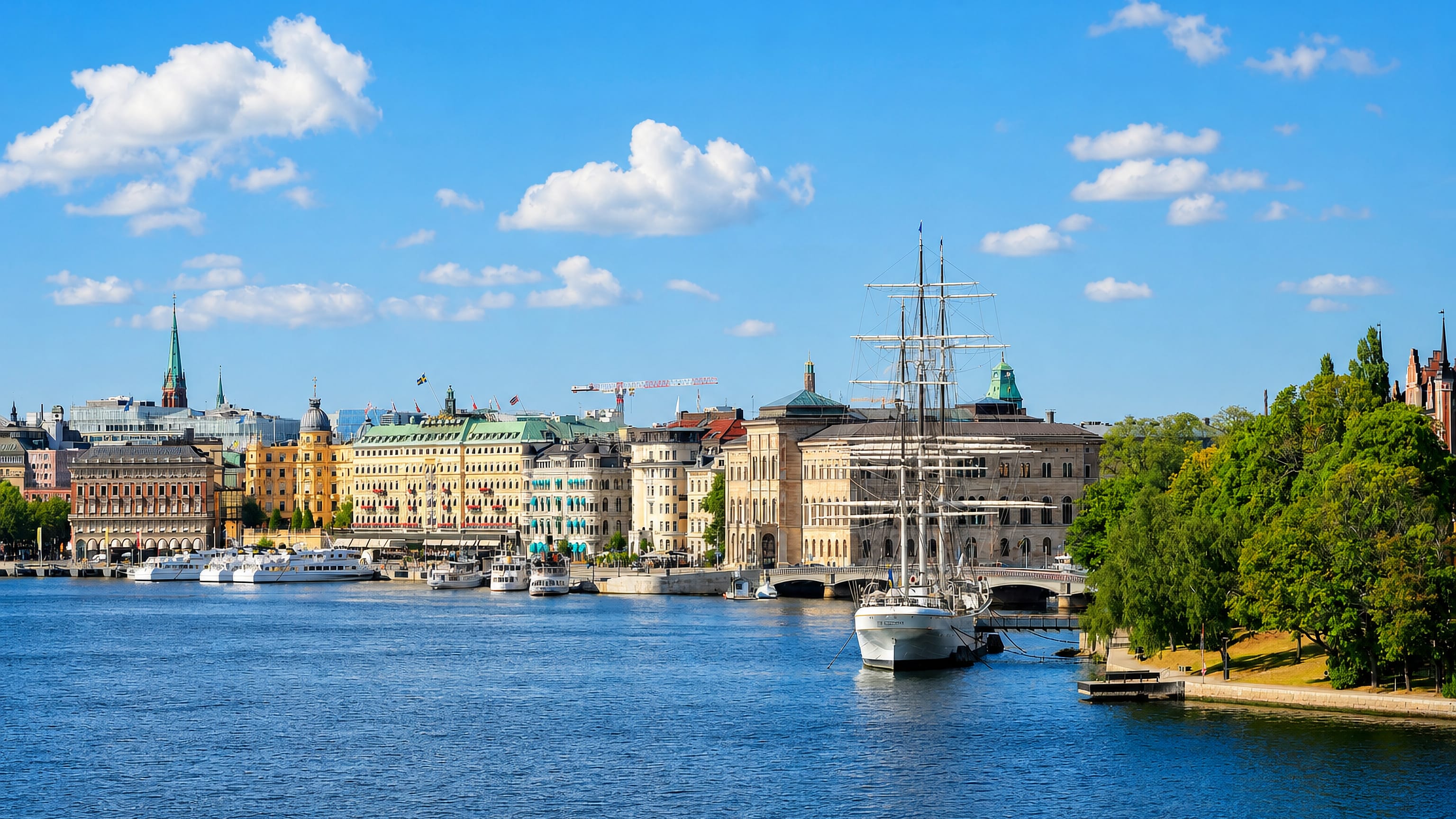
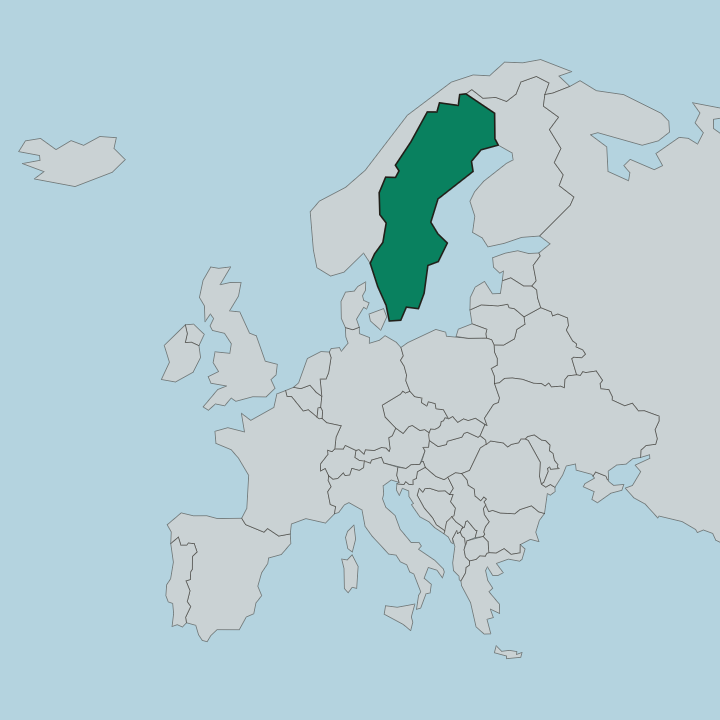
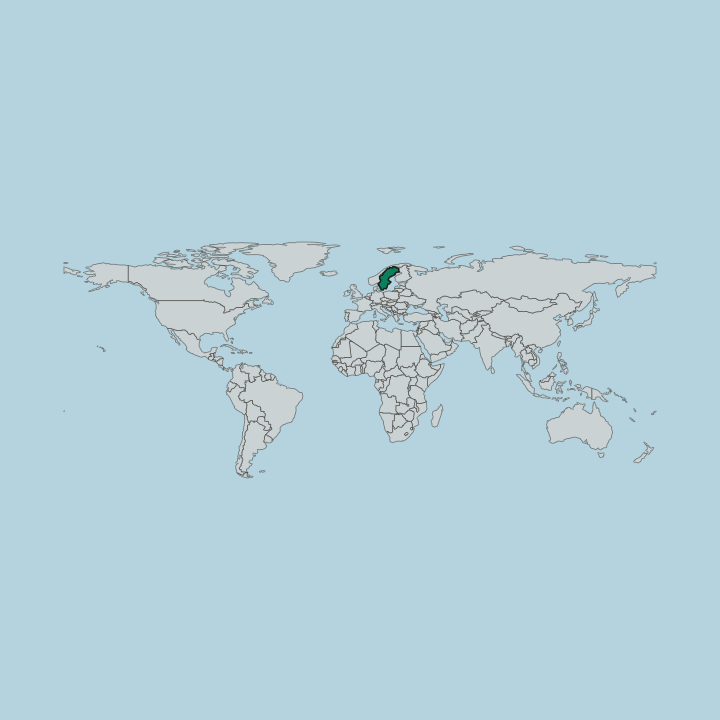
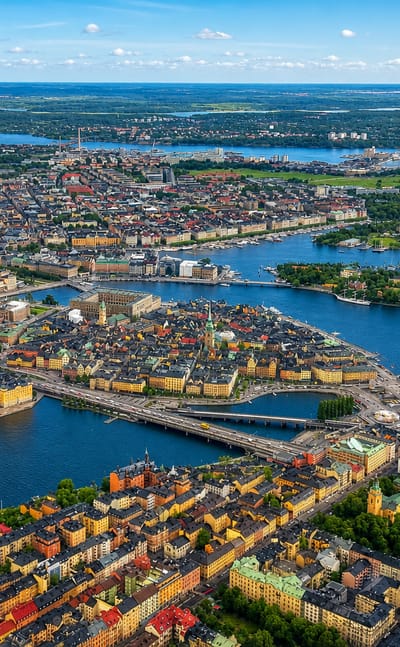
Stockholm is the capital of Sweden, a city built across fourteen islands where Lake Mälaren empties into the brackish Baltic Sea.
Hotel links are affiliate links: booking through them may earn us a commission, at no extra cost to you. It never affects how places are ranked. How this works


Where to stay in Stockholm
The right area depends on your trip — here's what each neighbourhood is best for.
 StockholmSweden
Gamla Stan
The medieval old town on its own island, lanes and the Royal Palace at the door. Lodging is scarce in this area; reserve in advance.Gamla Stan →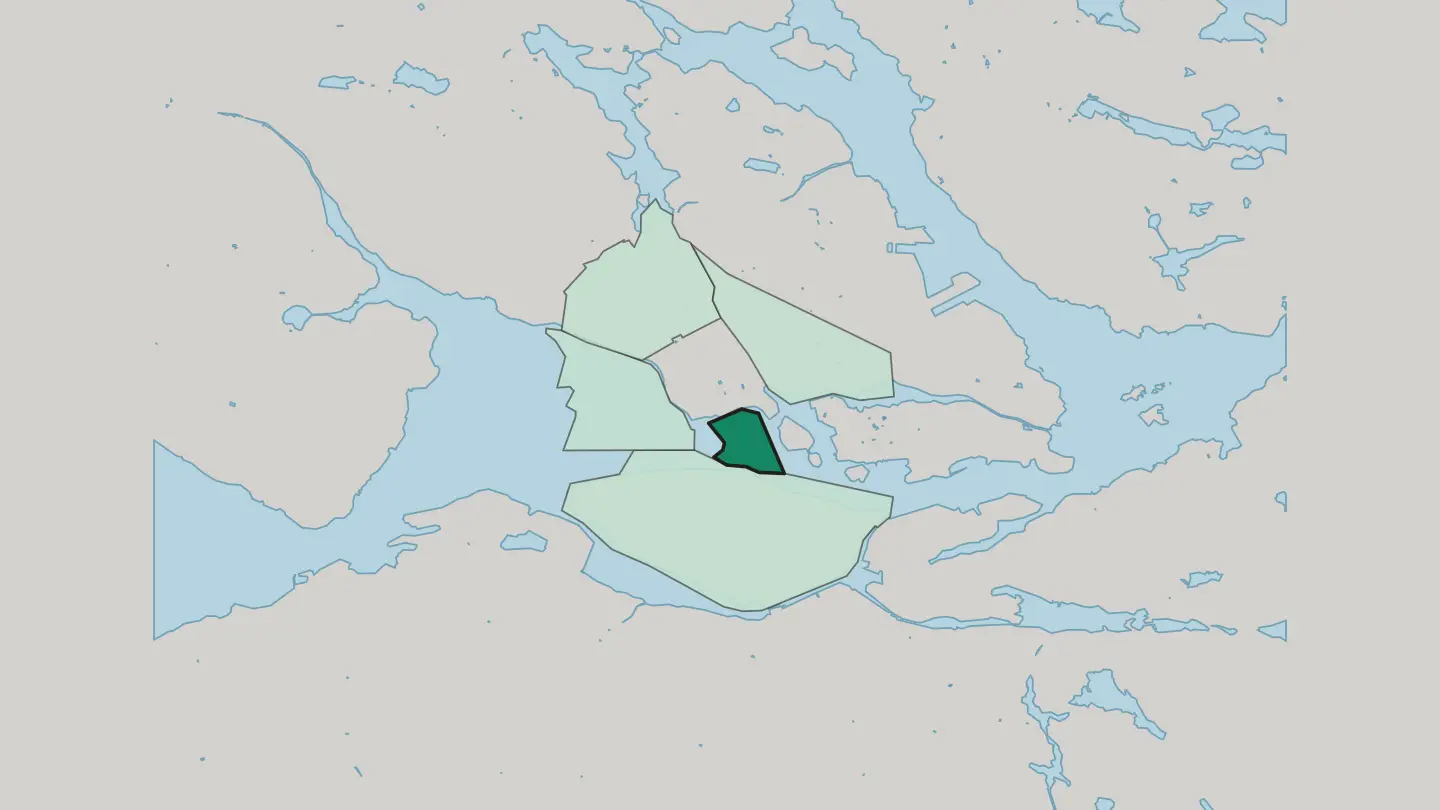
 StockholmSweden
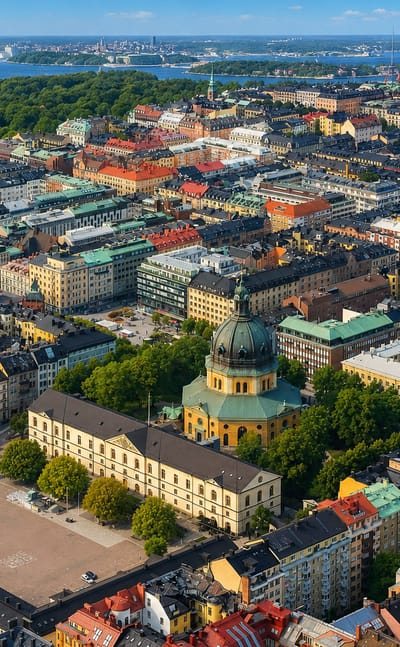
Östermalm
Grand stone blocks, the Saluhall food hall, walking distance to parks and centre.Östermalm →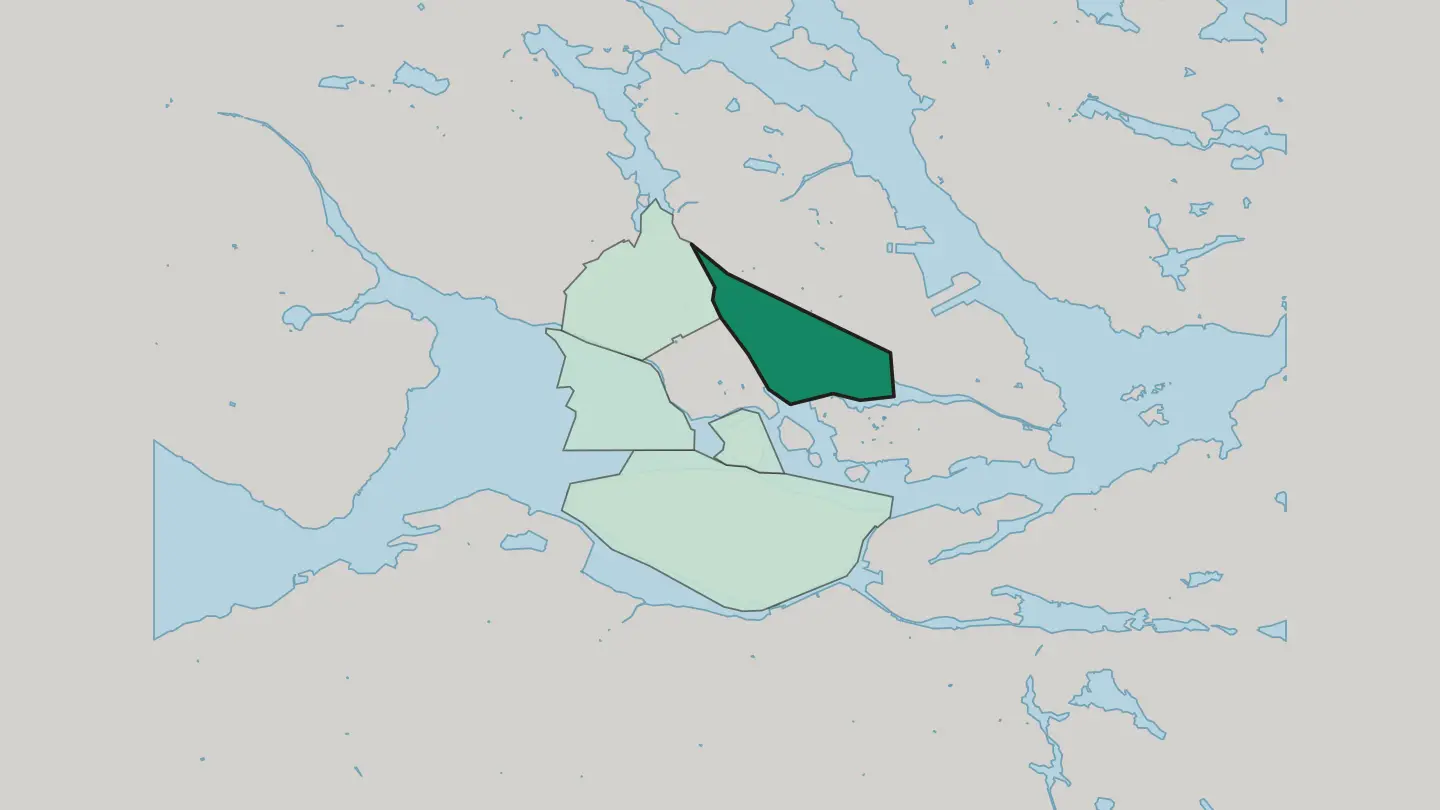
 StockholmSweden
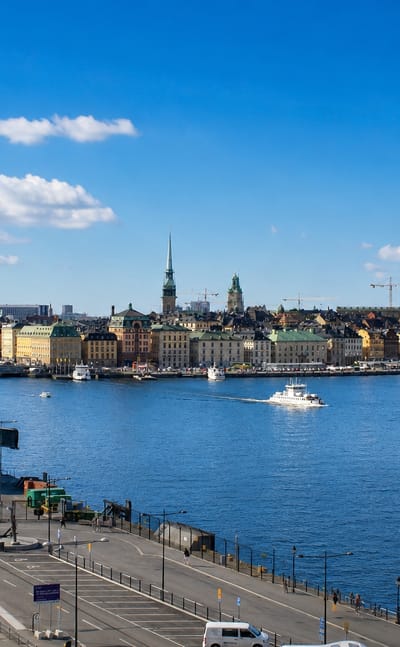
Södermalm
Cliff-top former working district of studios, vintage shops, and harbour overlooks.Södermalm →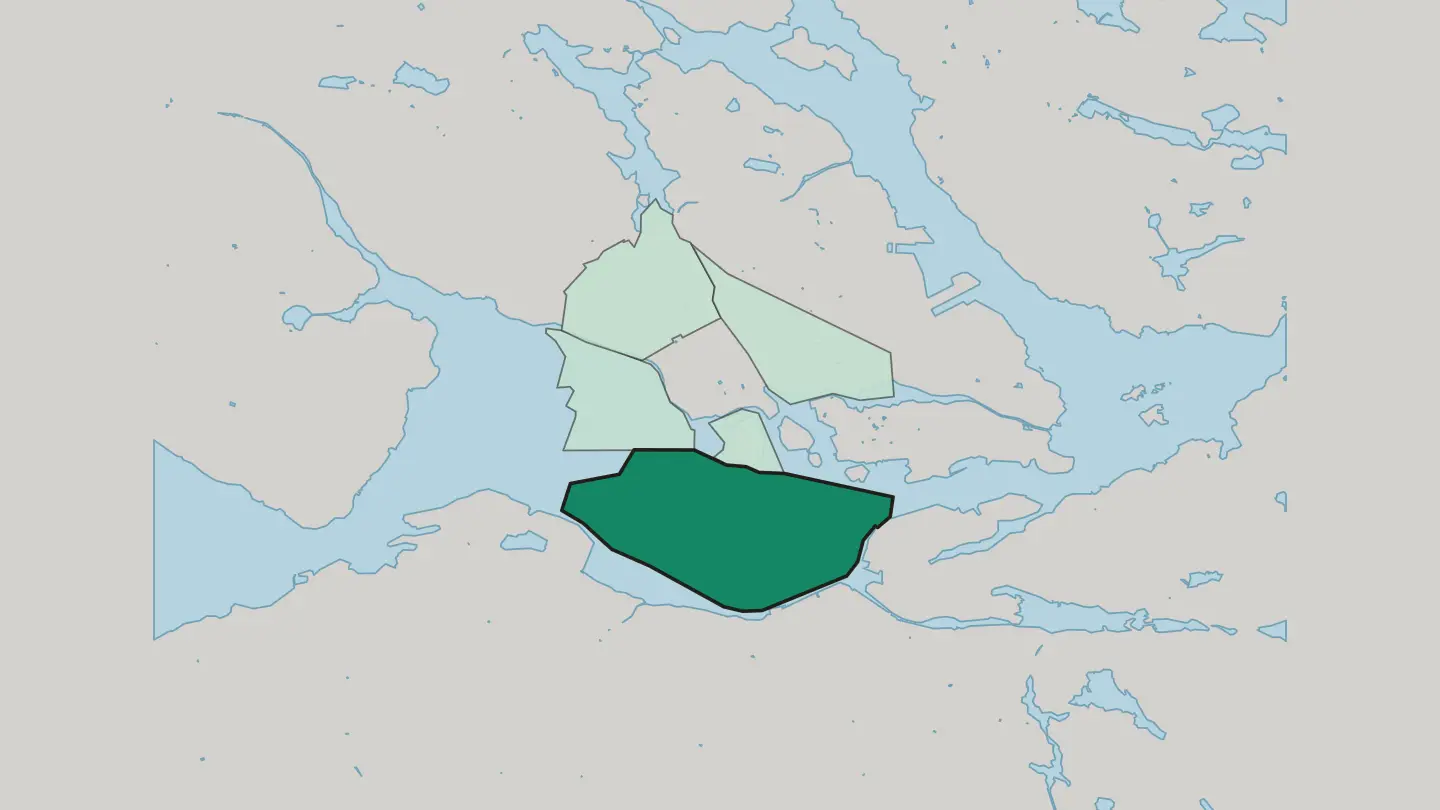
 StockholmSweden
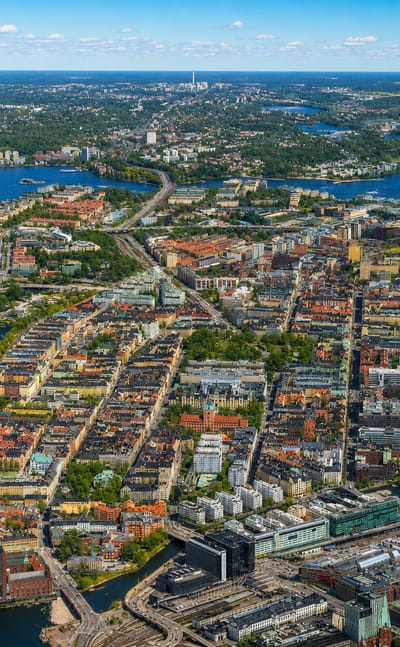
Kungsholmen
Residential island with a waterside path almost the whole way round.Kungsholmen →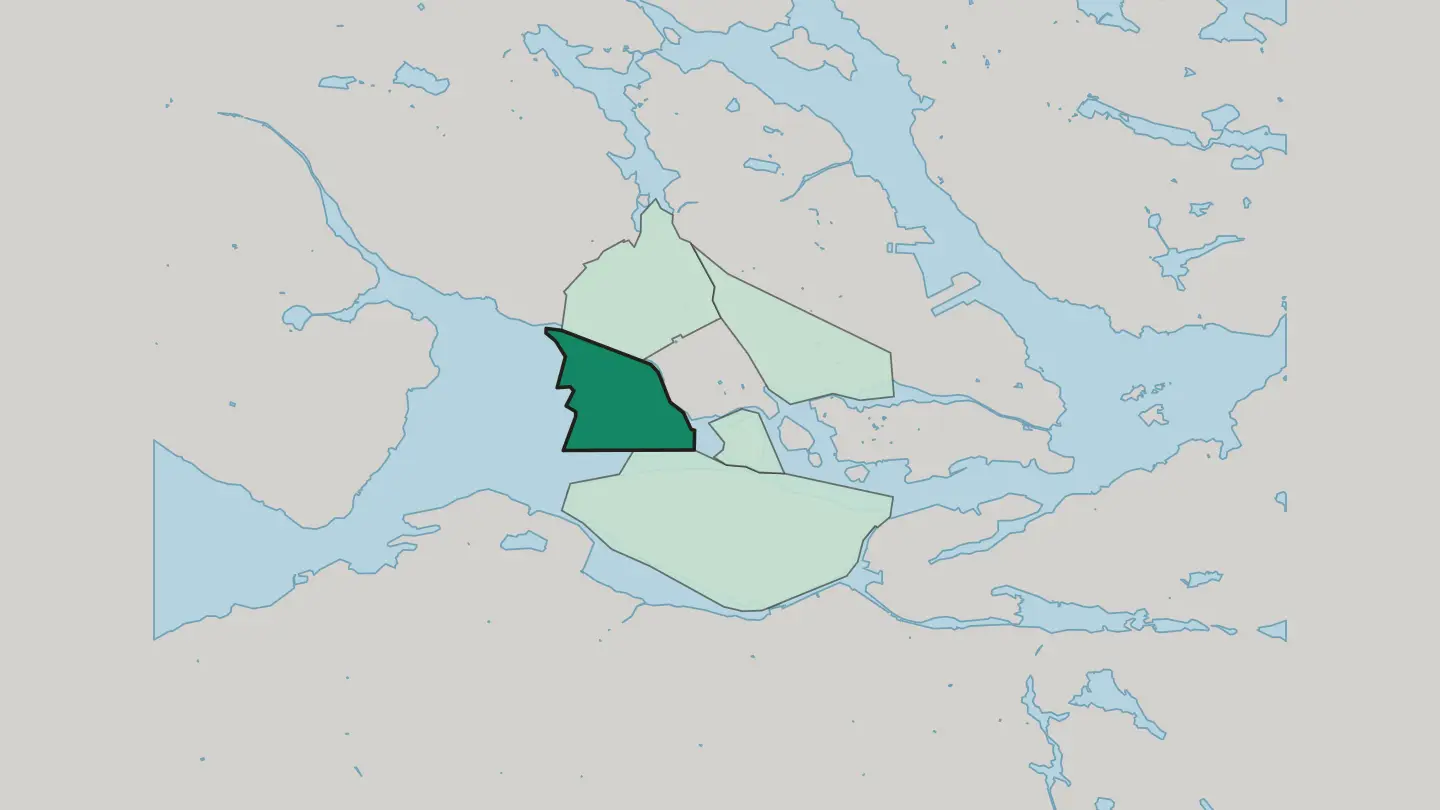
 StockholmSweden
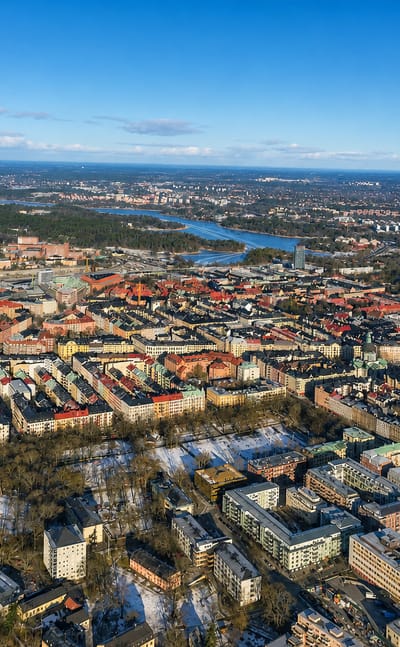
Vasastaden
Inland, unhurried streets of cafés and bookshops, the Astrid Lindgren neighbourhood.Vasastaden →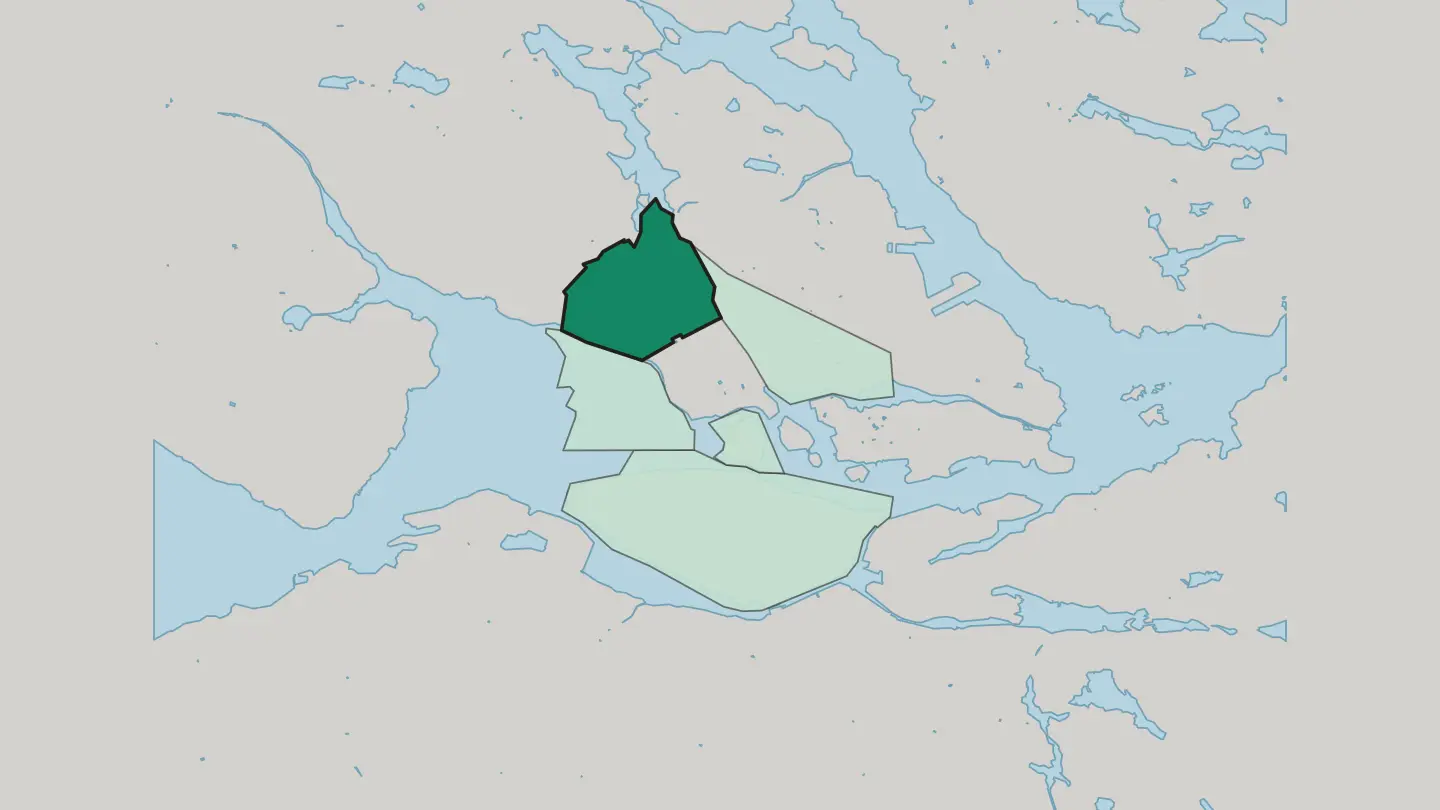
 StockholmSweden
Norrmalm
Norrmalm is the central borough of Stockholm in Sweden, known simply as City, bordering Östermalm along Birger Jarlsgatan.Where to stay → StockholmSweden
Riddarholmen
Riddarholmen is a palace islet in central Stockholm, where Riddarholmskyrkan served as Sweden's royal burial church until 1950.Where to stay → StockholmSweden
Skeppsholmen
Skeppsholmen is a small island of Stockholm, linked by bridge to Blasieholmen and Kastellholmen and given over to museums.Where to stay → StockholmSweden
Ladugårdsgärdet
Ladugårdsgärdet, known locally as Gärdet, is a modernist residential district of Stockholm laid out beside a broad open field.Where to stay → StockholmSweden
Långholmen
Långholmen is a small island between Södermalm and Kungsholmen in central Stockholm, with beaches below the walls of a former prison.Where to stay → StockholmSweden
Djurgården
Djurgården is a park island in central Stockholm, where Skansen, Gröna Lund and the Vasa Museum share ground with forest.Where to stay → StockholmSweden
Marieberg
Marieberg is a district on the island of Kungsholmen in central Stockholm, bordered in the south by the Mariebergsfjärden.Where to stay →All neighbourhoods (36)
 StockholmSweden
Albano
Albano is an area of Stockholm in Sweden, industrial through the twentieth century and now part of the Stockholm University campus.Where to stay → StockholmSweden
Södra Hammarbyhamnen
Södra Hammarbyhamnen is a Stockholm district built on a former industrial harbour, better known as Hammarby sjöstad, in the Södermalm district area.Where to stay → StockholmSweden
Hjorthagen
Hjorthagen is a district in the northeastern part of central Stockholm, part of Östermalm since 1997 and close to Ropsten and the Lidingöbron.Where to stay → StockholmSweden
Liljeholmen
Liljeholmen is a district of the Hägersten-Liljeholmen borough, in Söderort, the southern suburban part of Stockholm.Where to stay → StockholmSweden
Lilla Essingen
Lilla Essingen is a small island in central Stockholm, residential ground on Mälaren beside its larger neighbour Stora Essingen.Where to stay → StockholmSweden
Gröndal
Gröndal means green valley, and the district of that name grew as an industrial suburb of Stockholm around the Liljeholmen freight station.Where to stay → StockholmSweden
Fredhäll
Fredhäll ends Kungsholmen in a bathing cliff. Drawn up in 1934 above the Essingefjärden in central Stockholm, it carries the Essingeleden under its rock.Where to stay → StockholmSweden
Hornsbergs Strand
Hornsbergs strand is an area of the Stadshagen district on northwestern Kungsholmen, in Stockholm's inner city. Ulvsundasjön lies to its west.Where to stay → StockholmSweden
Johanneshov
Johanneshov is a district of southern Stockholm dating from 1934, with Hammarby IP and SkyView among its addresses.Where to stay →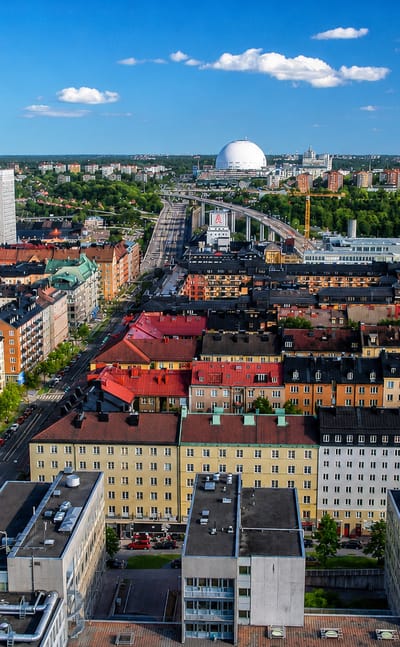 StockholmSweden
Årsta
Årsta is a district of Stockholm just south of the inner city, a planned post-war neighbourhood set above the bay of Årstaviken.Where to stay → StockholmSweden
Kristineberg
Kristineberg is one of six districts in the Kungsholmen borough of central Stockholm, listed beside Fredhäll, Marieberg and Stadshagen.Where to stay →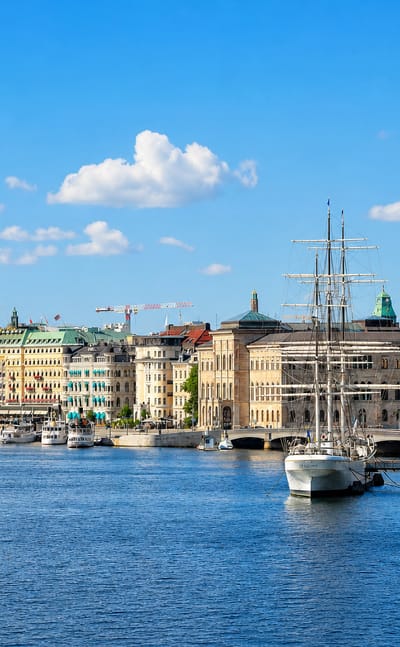 StockholmSweden
Lappkärrsberget
Lappkärrsberget is a district of Stockholm whose catalogued sights run from Naturhistoriska riksmuseet to the konsthall Accelerator.Where to stay → StockholmSweden
Enskede Gård
Enskede Gård is a quarter of Söderort in Stockholm, with a metro station of its own and three churches on the record.Where to stay → StockholmSweden
Stora Essingen
Stora Essingen is an island district in Stockholm's Kungsholmen borough, residential ground on Mälaren with the Tvärbanan stopping on it.Where to stay →StockholmSwedenTraneberg
Traneberg is a district of Västerort in western Stockholm whose Tranebergs Idrottsplats hosted football at the 1912 Summer Olympics.Where to stay →StockholmSwedenAspudden
Aspudden is a district of Stockholm's Hägersten-Liljeholmen borough, with Sankt Sigfrids kyrka, Aspuddsparken and Aspuddens IP inside it.Where to stay →StockholmSwedenÖstberga
Östberga is a small district of Stockholm, a shade under two square kilometres of ground, with Brännkyrka kyrka as its one named landmark.Where to stay → StockholmSweden
Midsommarkransen
Midsommarkransen is a suburban district of Stockholm with a recorded past reaching to 1775 and the Stockholms Ånglokssällskap on its ground.Where to stay → StockholmSweden
Alvik
Alvik is a residential district on the western side of Stockholm, part of the Bromma borough, with SALK-hallen and Sankt Ansgars kyrka on its streets.Where to stay → StockholmSweden
Äppelviken
Äppelviken took shape from 1913, a small named quarter of Stockholm whose one catalogued landmark is the church of Västerledskyrkan.Where to stay →StockholmSwedenBromma
Bromma is a district of Stockholm in the west, a spread of interwar garden suburbs around an airfield and the bays of Lake Mälaren.Where to stay → StockholmSweden
Tensta
Tensta is a district of Stockholm in the north-west, a Million Programme suburb on the Järva fields with a noted art hall at its heart.Where to stay →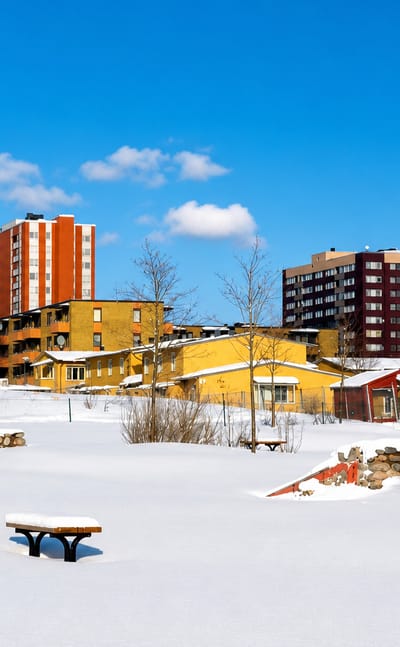 StockholmSweden
Akalla
Akalla is a district of Stockholm in the north-west, a planned suburb at the end of a metro line on the edge of the Järvafältet fields.Where to stay →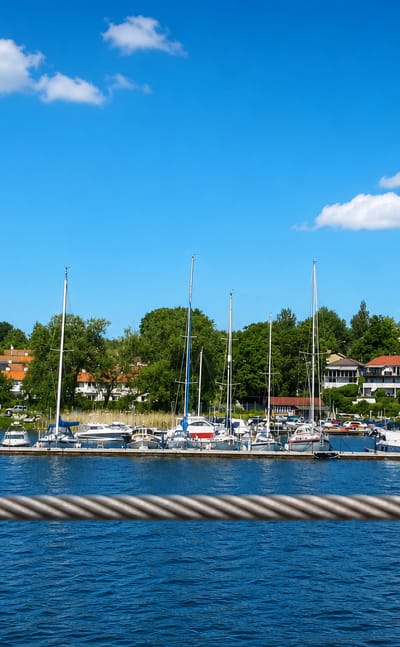 StockholmSweden
Hässelby Villastad
Hässelby Villastad is a district of Stockholm in the far north-west, a garden suburb of detached villas running down to the shore of Lake Mälaren.Where to stay →Hotel links are affiliate links: booking through them may earn us a commission, at no extra cost to you. It never affects how places are ranked. How this works
Things to do in Stockholm
Ranked by global recognition; descriptions from Wikidata (CC0).
Museums & Galleries
8- Swedish Museum of Natural History Heritage
- Stockholm Observatory Heritage astronomical observatory
- Sankt Erik Heritage 1915 icebreaker
- S/S Blidösund Heritage Swedish steamship built in 1911
- Carl Eldhs Ateljémuseum Heritage
Show 3 more →
- S/S Drottningholm Heritage
- SS Orion Heritage
- S/Y Ellen Heritage
Churches & Religious Sites
8- Hedvig Eleonora Church Heritage
- German Church Heritage
- Klara Church Heritage
- Katarina Church Stockholm Heritage church building on Södermalm
- Gustaf Vasa Church Heritage
Show 3 more →
- Adolf Fredrik Church Heritage
- Maria Magdalena Church Heritage
- Sofia Church Heritage
Castles & Historic Sites
3- Stockholm Palace Heritage official residence of the Swedish monarch
- Rosendal Palace Heritage
- Bonde Palace Heritage
Nature & Outdoors
2- Skeppsholmen Heritage
- Aspuddsparken
Stadiums & Sports
4- Sturebadet Heritage
- Tennispaviljongen Heritage
- Hammarby IP
- Spånga idrottplats sports venue in Spånga
Parks & Gardens
1- Gröna Lund amusement park
Landmarks & Notable Places
3- Stockholm Court House Heritage the building was designed in the Swedish National Romantic style, and was constructed between 1909 and 1915
- Direktörsvillan (Långholmen)
- Wittrock tower
worth knowingacross 7 categories in Stockholm
About Stockholm
Few capitals wear their geography so plainly.
What is Stockholm known for?
The old town of Gamla Stan sits on an island of ochre façades and narrow lanes laid down in the medieval city, while the water around it carries ferries out toward an archipelago of some 24,000 islands, islets, and skerries. Stockholm hosts the Nobel Prize ceremony each December, and its museums run into the scores. Water decides almost everything here.
What are the main landmarks in Stockholm?
Gamla Stan is compact. On its largest island stand the Royal Palace and Storkyrkan, the cathedral where Swedish monarchs were crowned, while a short ferry crosses to Djurgården. That island holds the Vasa Museum, built around a salvaged 17th-century warship, and Skansen, the open-air museum founded in 1891.
To the west, the brick tower of Stockholm City Hall marks where the Nobel banquet is held each December.
What is the history of Stockholm?
Stockholm was founded as a city in 1252, by tradition under the statesman Birger Jarl, on the small island now called Gamla Stan that guarded the passage between Lake Mälaren and the Baltic. People had lived around these shores far earlier, with traces of settlement reaching back to the Stone Age, but it was the lock-like narrows here, controlling trade between lake and sea, that made a town worth raising. Iron, salt, and grain passed through.
The German merchants of the Hanseatic League settled early, and their church still stands above the lanes. From that first island the city spread onto the surrounding shores and heights, north to the ridge of Norrmalm and south onto the cliffs of Södermalm. It became the seat of Swedish kings, then the capital of a Baltic empire, and later the county seat of Stockholm County.
Royal palaces, naval yards, and grand civic halls record each phase in stone. Birger Jarl is still its founder.
Where is Stockholm?
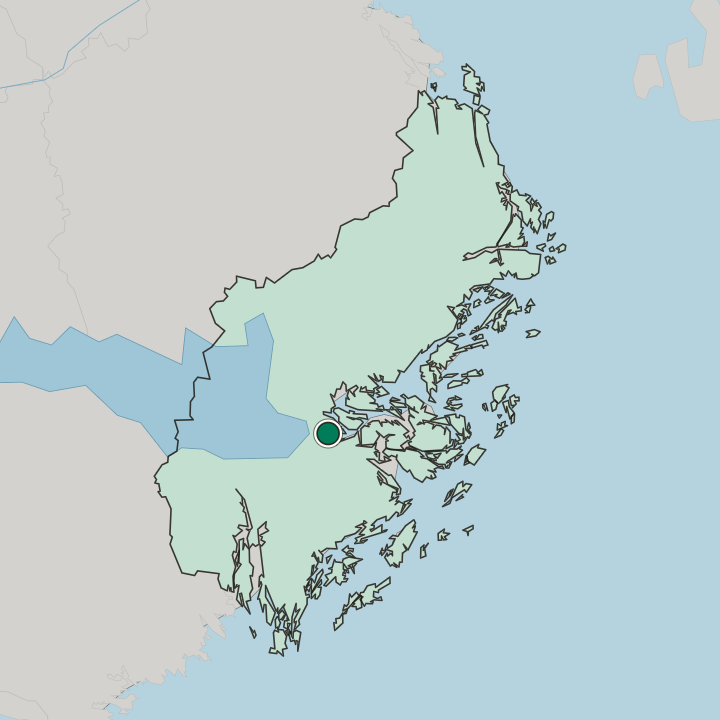
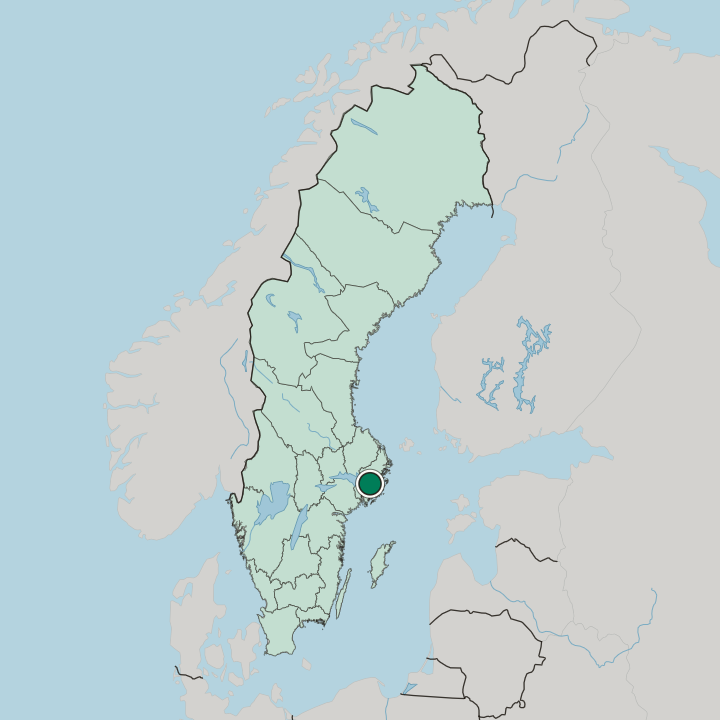
Stockholm lies on Sweden's east coast, in the southern part of Stockholm County, at the point where Lake Mälaren drains into the brackish Baltic. The inner city spreads across fourteen islands, threaded by bridges and three short straits, and roughly a third of the municipal area is water while another third is green. East of the centre the land breaks apart into the archipelago.
The city is the county seat. Water sets the rhythm.
What is the climate of Stockholm?
The city has a humid continental climate, tempered by the water that wraps around it. Winters are long and cold, with snow over the islands and the narrows sometimes freezing, while summers stay mild and bright, the daylight stretching far into the evening. Spring comes slowly.
Autumn brings grey skies and steady rain off the Baltic.
How do you get to Stockholm?
Most international arrivals land at Stockholm Arlanda Airport to the north, linked to the centre by the Arlanda Express rail line and by motorway. Long-distance trains converge on Stockholm Centralstation, where the national network meets the metro, the Tunnelbana, whose lines fan out beneath the city. The E4 motorway runs through from north to south.
Ferries cross the Baltic to Finland and out to the islands. Boats still matter here.
Common questions
What is the best area to stay in Stockholm?
Gamla Stan: Atmosphere and history. Östermalm: A polished central base. Södermalm: Character and viewpoints. Kungsholmen: Quiet near the centre. Vasastaden: Leafy, local evenings.
Good for
More cities in Stockholm County
Updated October 2026