Sweden · Halland County
Where to Stay in Hyltebruk, Halland County
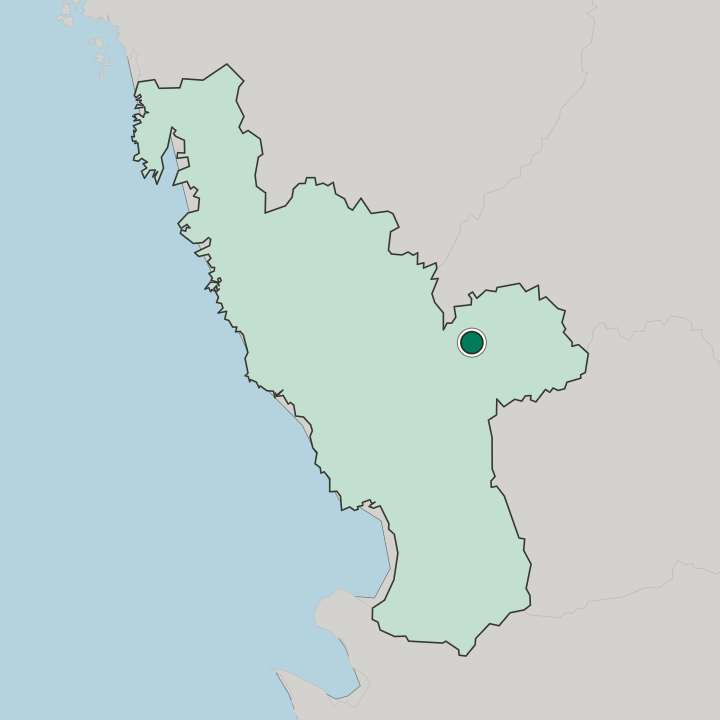
Hyltebruk is a small mill town in north-eastern Halland County, in the forested inland along the upper river Nissan.
Hotel links are affiliate links: booking through them may earn us a commission, at no extra cost to you. It never affects how places are ranked. How this works


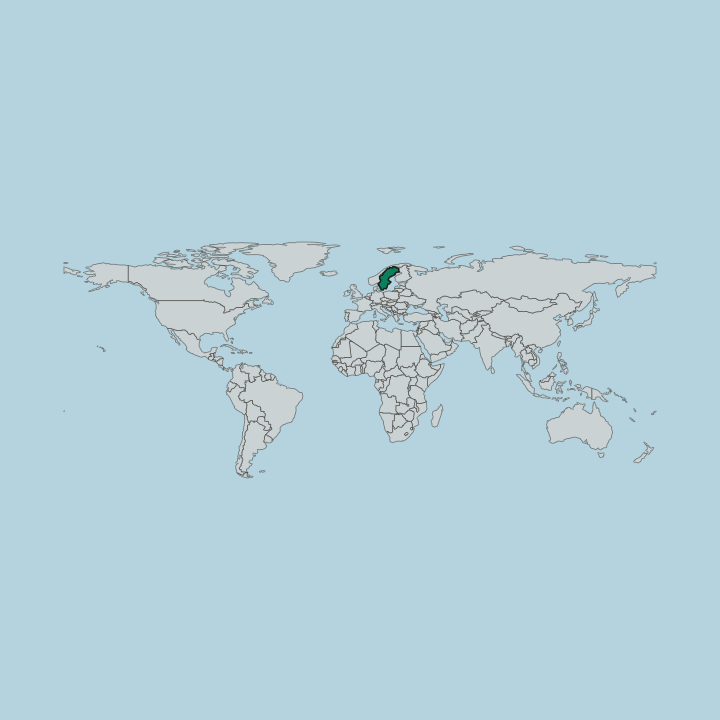
Where to stay in Hyltebruk
Where visitors usually base themselves, and why.
Hyltebruk is a small place, and most visitors stay in the compact centre near the mill and the church, where the few hotels and guesthouses sit within easy walking distance of the shops and the river. It suits travellers passing through the Halland interior or visiting on business with the works. Beds are limited here, so booking ahead pays off.
Around the town, the forest and the lakes of the upper Nissan valley hold scattered cabins, campsites, and farm stays that suit forest anglers and walkers after a quiet base in the woods. Färgaryd and the smaller parishes nearby offer the odd country room for those with a car. There is no resort scene and no beach.
This is a base for forest, water, and calm rather than crowds. Plan to drive.
Find hotels in Hyltebruk
Direct booking searches for these neighbourhoods.
Town centre
the few beds near the mill and the church. Few places to stay nearby — book ahead.Find hotels in Town centreforest anglers and walkersNissan valley and lakes
cabins and campsites in the forest. Beds are limited here, so book early.Find hotels in Nissan valley and lakesdriversFärgaryd and nearby parishes
country rooms in the surrounding villages. Few places to stay nearby — book ahead.Find hotels in Färgaryd and nearby parishesHotel links are affiliate links: booking through them may earn us a commission, at no extra cost to you. It never affects how places are ranked. How this works
About Hyltebruk
Paper made Hyltebruk.
What is Hyltebruk known for?
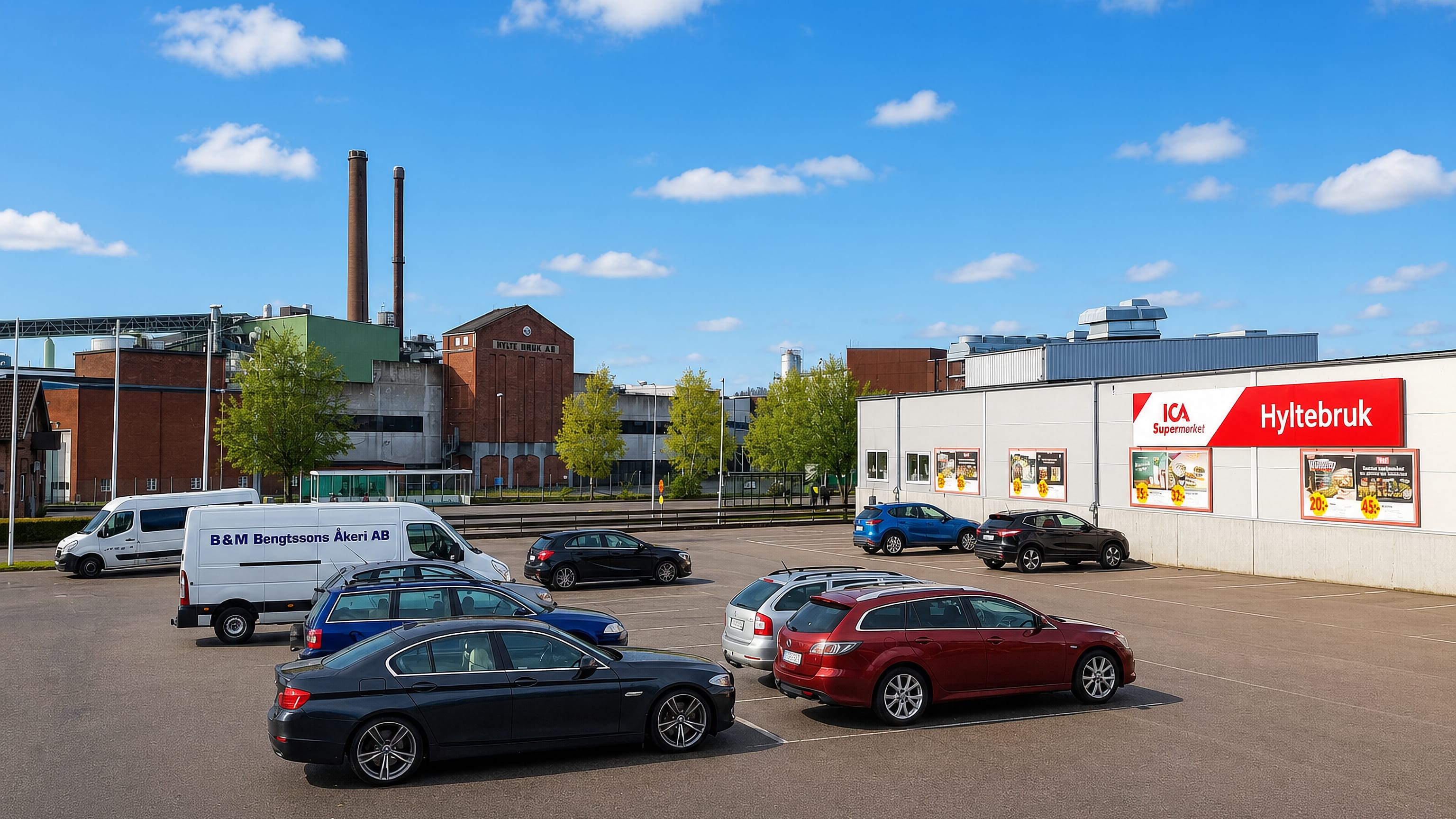
The town grew around a mill on the Nissan, and its paper works long stood as the reason the place exists at all, drawing on the river's power and the timber of the surrounding forest. The very name marks the trade, with bruk the old Swedish word for an ironworks or factory settlement. Forest presses in on every side.
It is a working town in deep woodland, far from the coast.
What are the main landmarks in Hyltebruk?
Hyltebruks kyrka serves the town from the centre, a modern parish church built for the mill community that gathered here. Older by far is Färgaryds kyrka, the medieval church of the parish that long predates the works, standing in the countryside nearby. The paper mill on the Nissan remains the dominant structure, its buildings shaping the skyline of the town.
Forest trails and fishing waters draw visitors out from the streets. The river ties the place together.
What is the history of Hyltebruk?
Hyltebruk owes its existence to industry. Where the medieval parish of Färgaryd had long farmed and worshipped in the forest, the modern town grew up around a mill on the Nissan, harnessing the river's flow and the timber of the surrounding woods. The word bruk names exactly this kind of settlement, a works community gathered around a factory rather than an old market town.
The mill set the streets and the rhythm of the place. Paper became the trade that endured. The works on the Nissan grew into a major producer, and the town's fortunes followed its furnaces and machines through the industrial age.
Houses, a church, and shops gathered around the gates. Hyltebruk remains a mill town in the Halland forest, quieter than the coastal cities yet shaped wholly by the river and the wood around it.
Where is Hyltebruk?
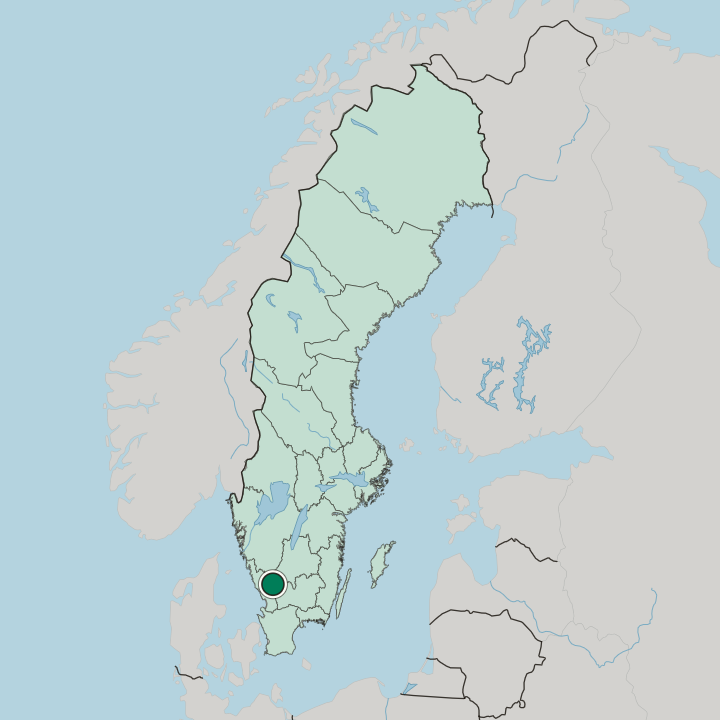
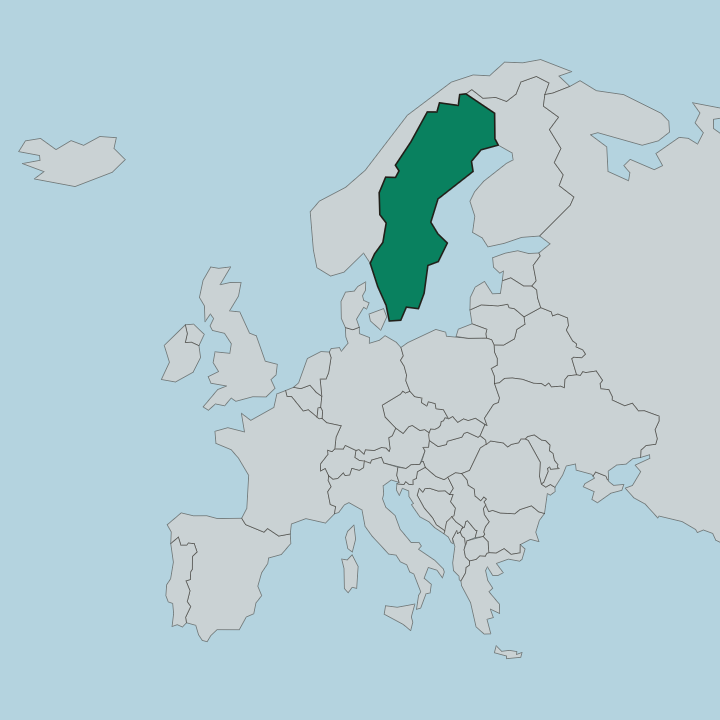
Hyltebruk is an interior town, well away from the shore. The town lies in the north-eastern part of Halland County, far from the Kattegat coast in the forested interior of south-western Sweden, along the upper course of the river Nissan that runs down through the woods toward Halmstad and the sea. Dense forest, low ridges, and a scatter of lakes surround it on every side.
The coast lies a fair drive west. Smaland's uplands rise to the east.
What is the climate of Hyltebruk?
Hyltebruk has a cool, damp climate, set inland in the forests of north-eastern Halland away from the moderating sea. Winters are colder here than on the coast, with snow that settles and holds through the woods longer than along the shore. Summers turn mild across the Halland woods.
Long northern evenings stretch the daylight late into the night around midsummer, when the forest and the lakes draw walkers and anglers out across the valley. Rain is frequent, and the woods stay damp much of the year.
How do you get to Hyltebruk?
Hyltebruk lies off the rail lines. The town is reached mostly by road through the Halland forest, with regional routes running down to the coast at Halmstad and east toward the Smaland towns to carry most of the traffic in and out. Buses link it to Halmstad and the county network, though services are sparser than on the coast.
A car is the practical way here. The nearest large airport is at Halmstad, out toward the sea.
Common questions
What is the best area to stay in Hyltebruk?
Town centre: passing travellers. Nissan valley and lakes: forest anglers and walkers. Färgaryd and nearby parishes: drivers.
Good for
More cities in Halland County
Updated September 2026