Sweden
Halland County, Sweden — Towns & Travel Guide
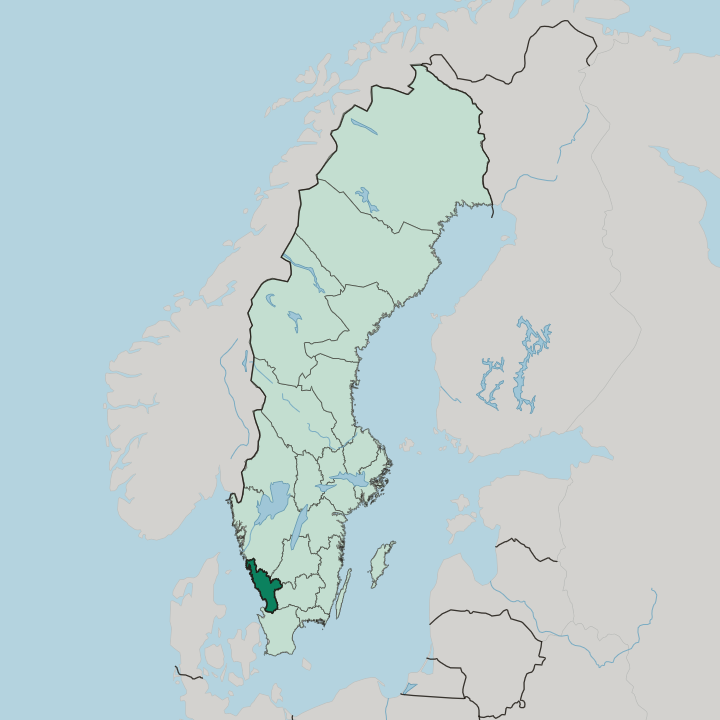
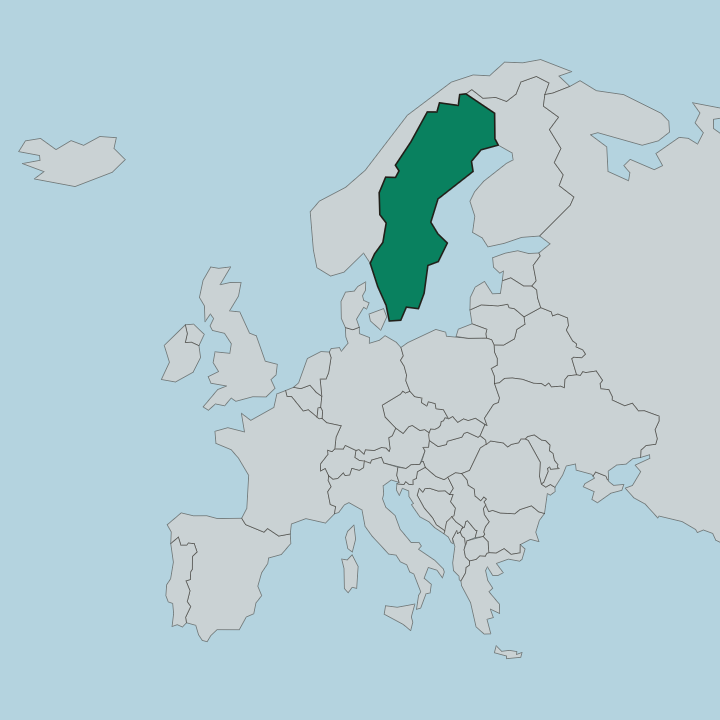
Halland County is a coastal län in south-western Sweden, a strip of beach and farmland along the Kattegat between Göteborg and Skåne.
Hotel links are affiliate links: booking through them may earn us a commission, at no extra cost to you. It never affects how places are ranked. How this works


Towns & cities in Halland County
Pick a town or city — each links to where to stay.
 Sweden
Halmstad
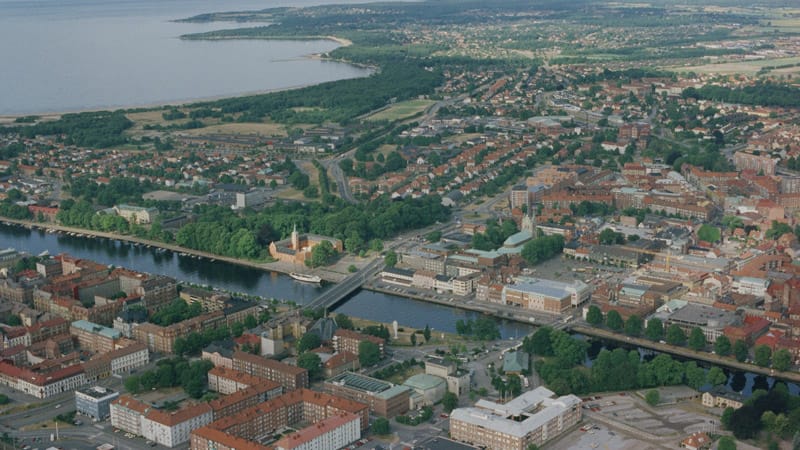
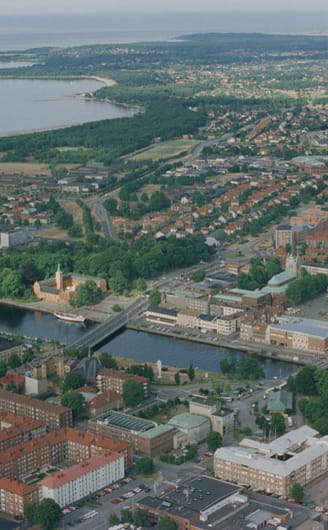
Halmstad is the seat of Halland County in south-western Sweden, a port and university city at the mouth of the river Nissan on the Kattegat coast.Where to stay →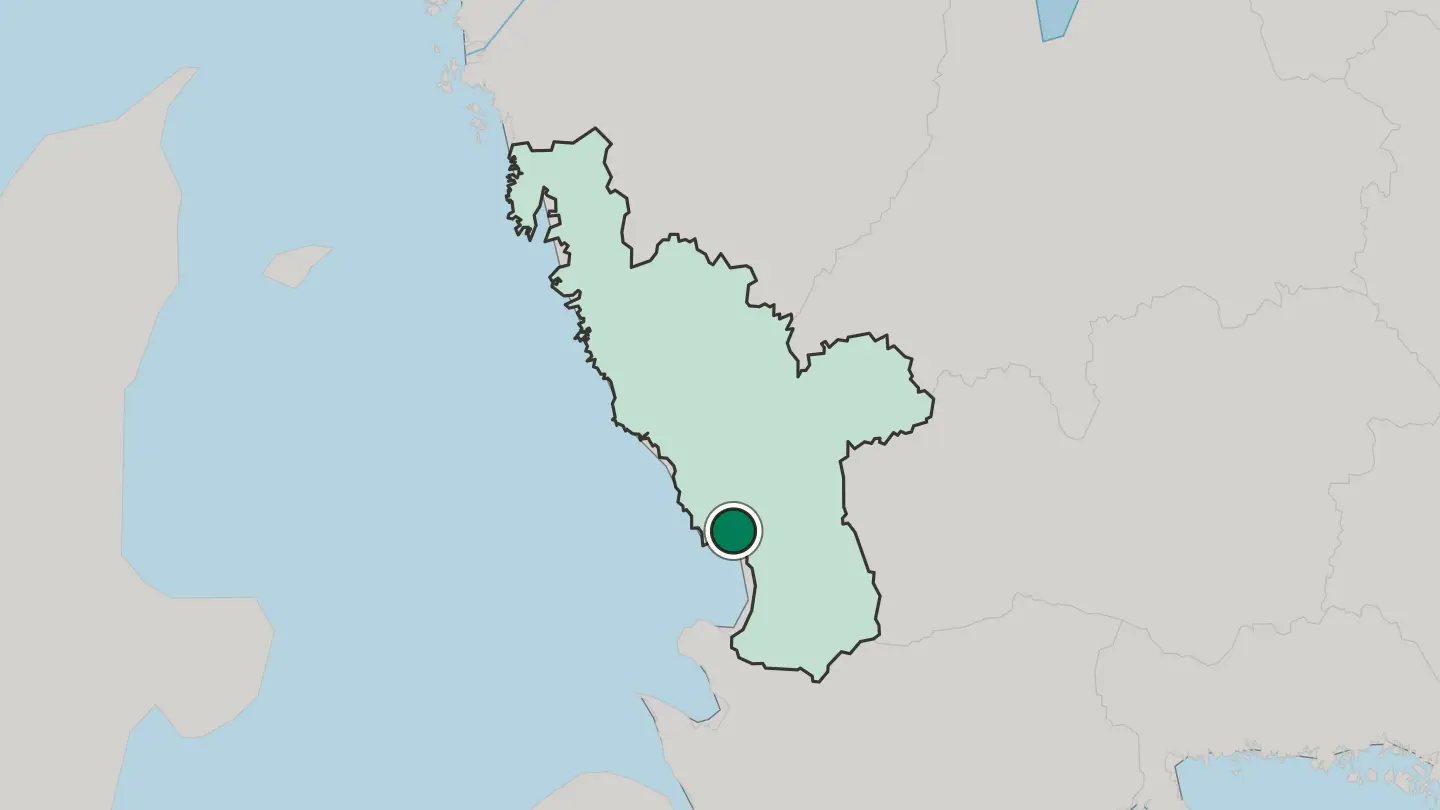
 Sweden
Varberg
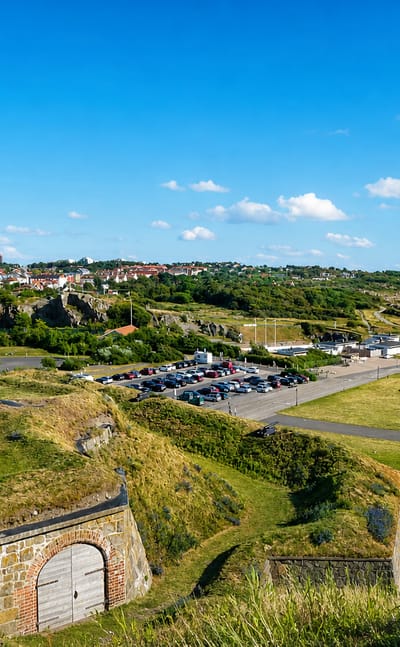
Varberg is a coastal town in north-western Halland County, a spa and beach resort below the medieval fortress of Varbergs fästning on the Kattegat.Where to stay →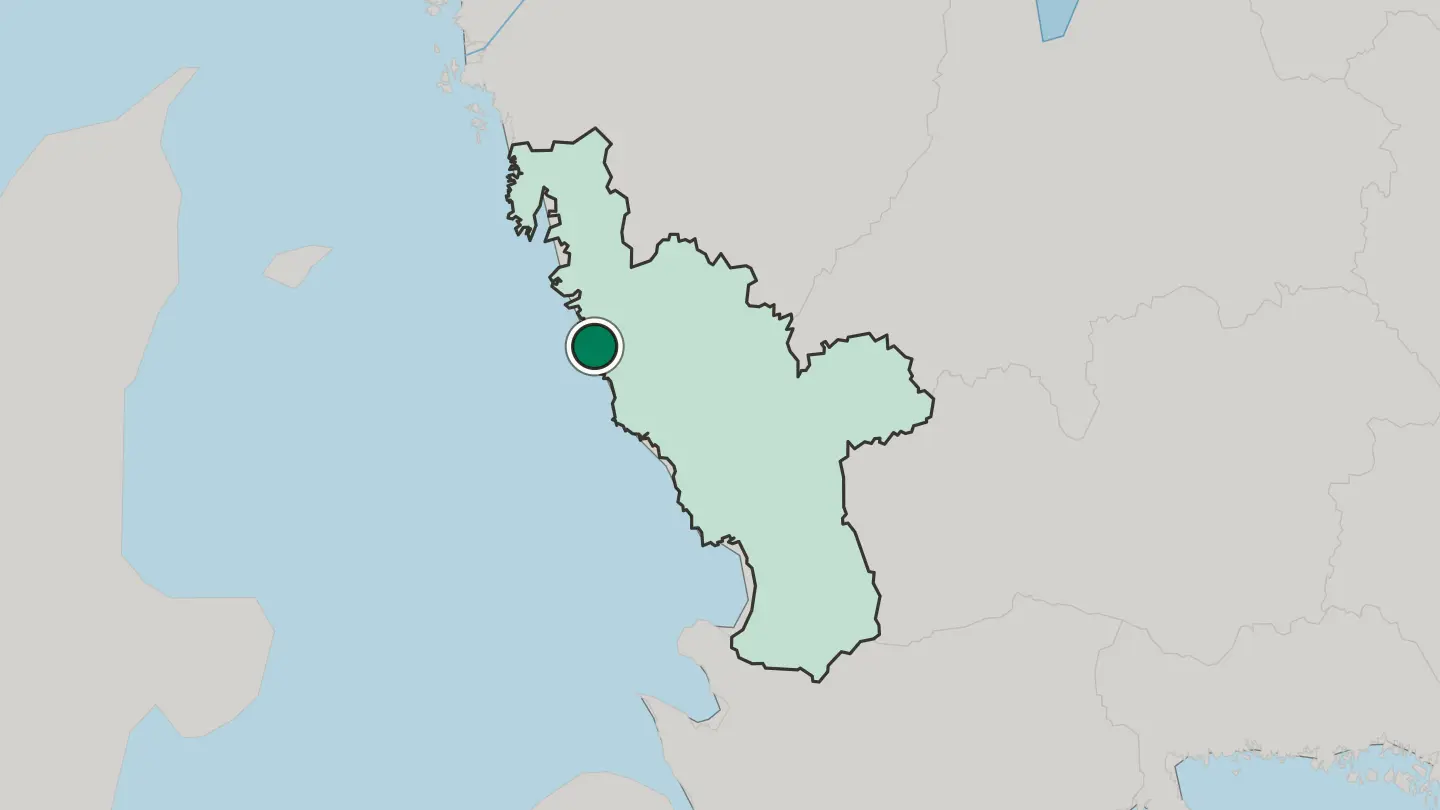
 Sweden
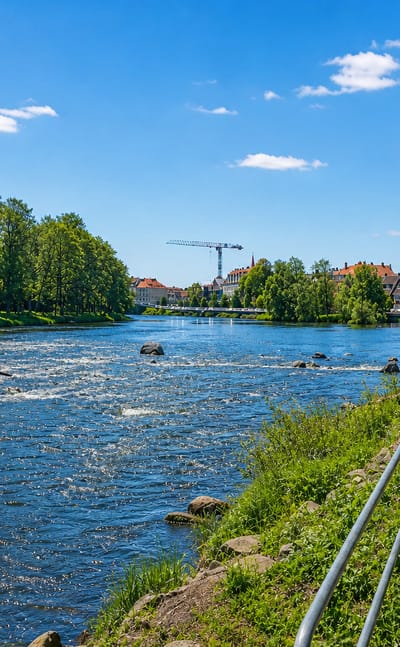
Falkenberg
Falkenberg is a coastal town in Halland County, south-western Sweden, set where the river Ätran reaches the sea beside the long sands of Skrea strand.Where to stay →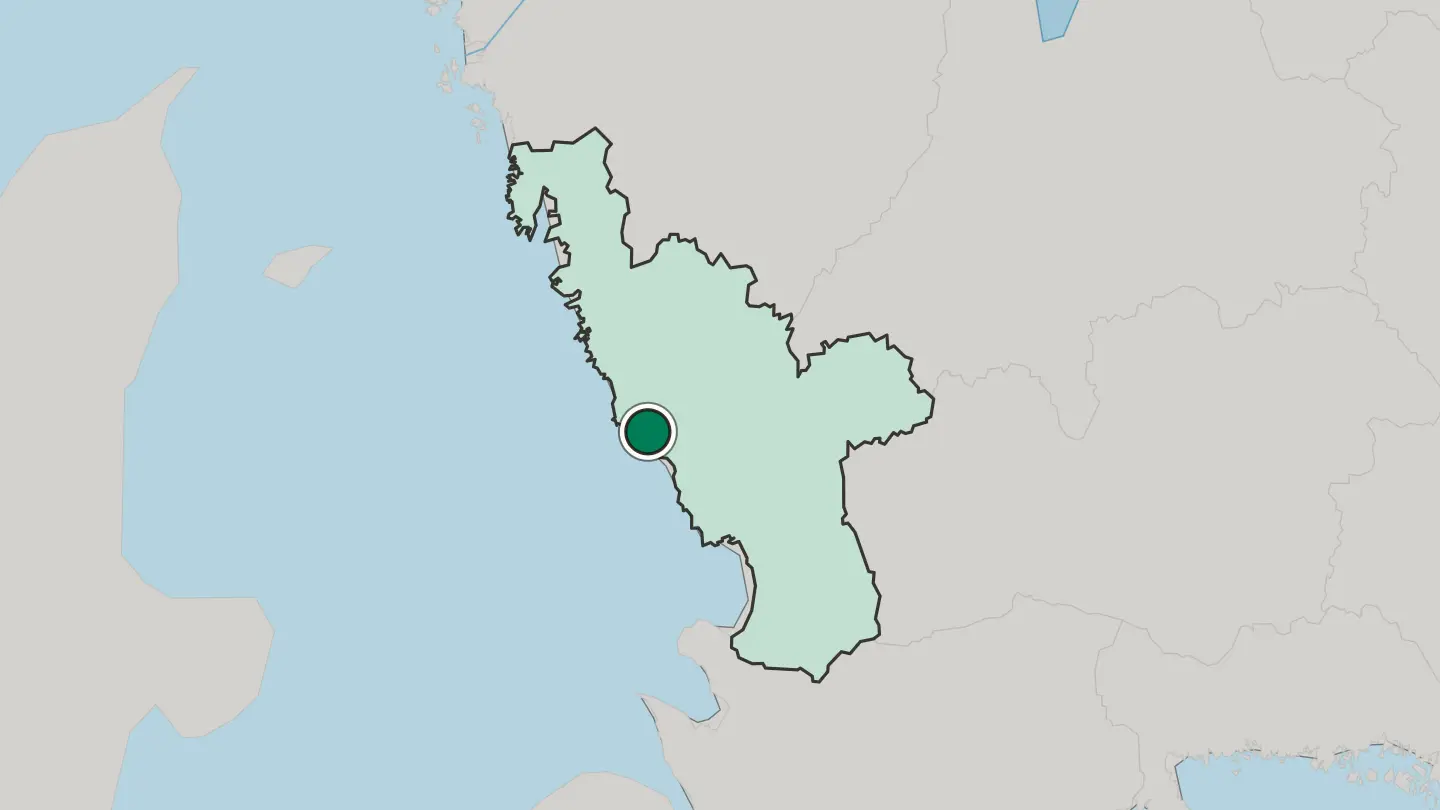
 Sweden
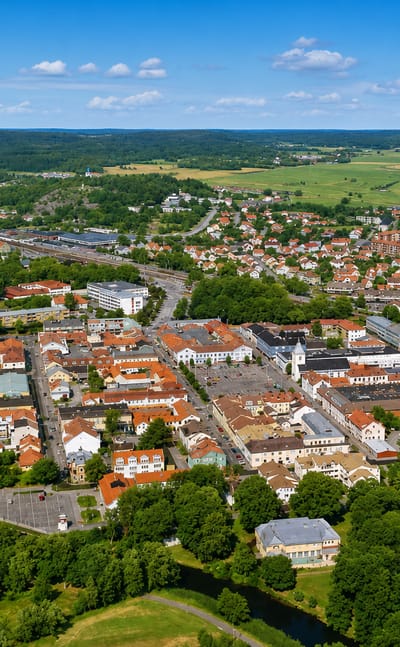
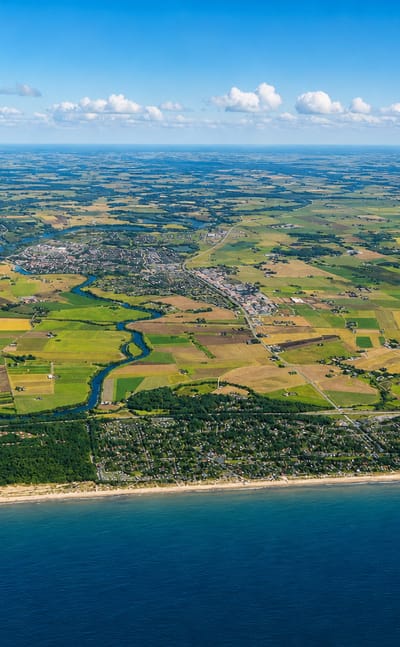
Kungsbacka
Kungsbacka is a town in north-western Halland County, on the river Kungsbackaån just south of Göteborg near the Kattegat coast.Where to stay →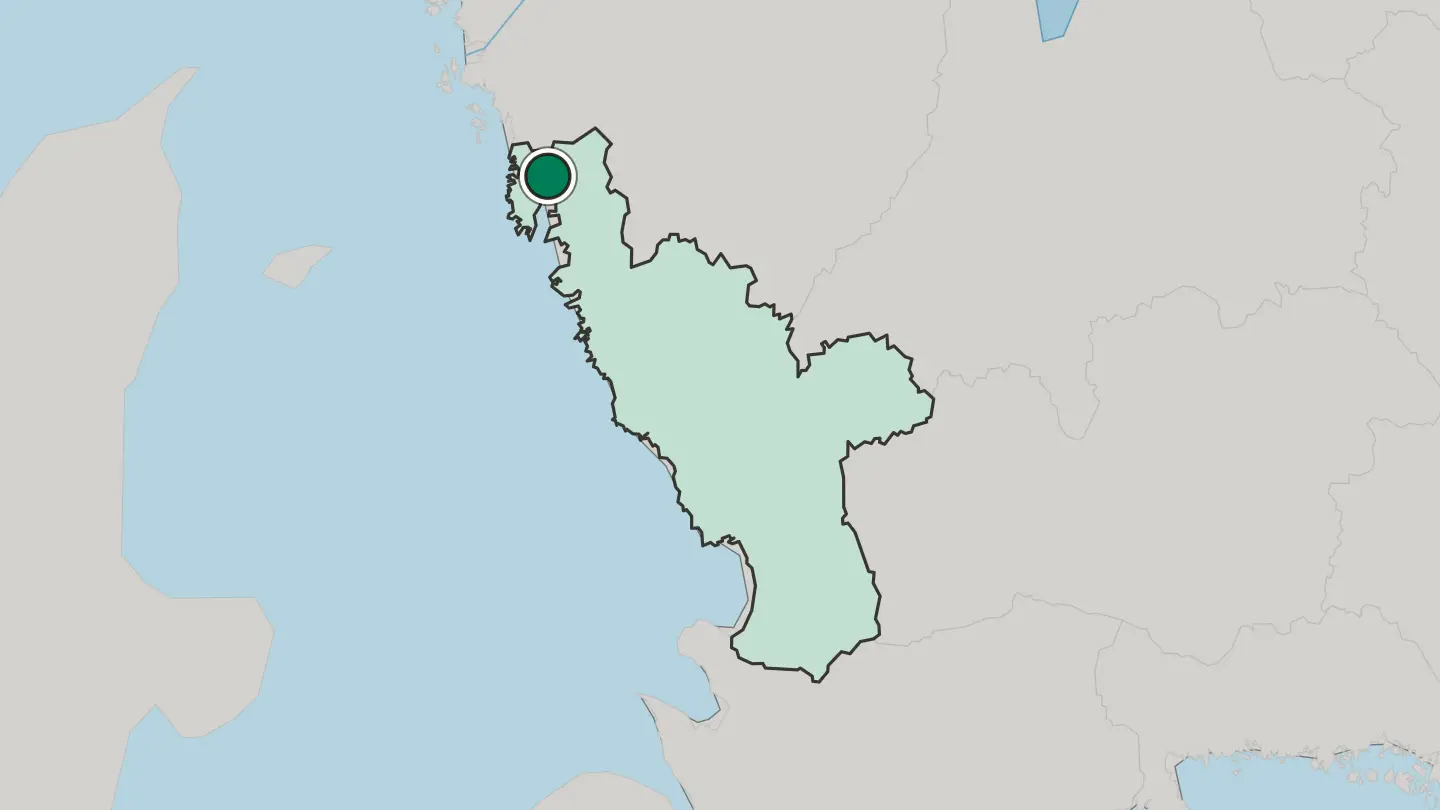
 Sweden
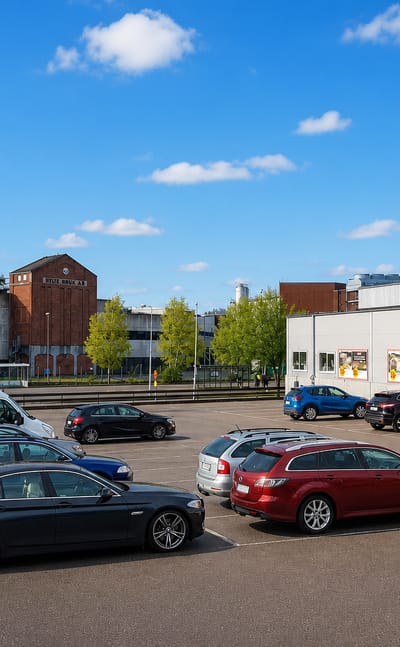
Laholm
Laholm is a small medieval town in the southern part of Halland County, south-western Sweden, set on the river Lagan near the broad sands of Laholmsbukten.Where to stay →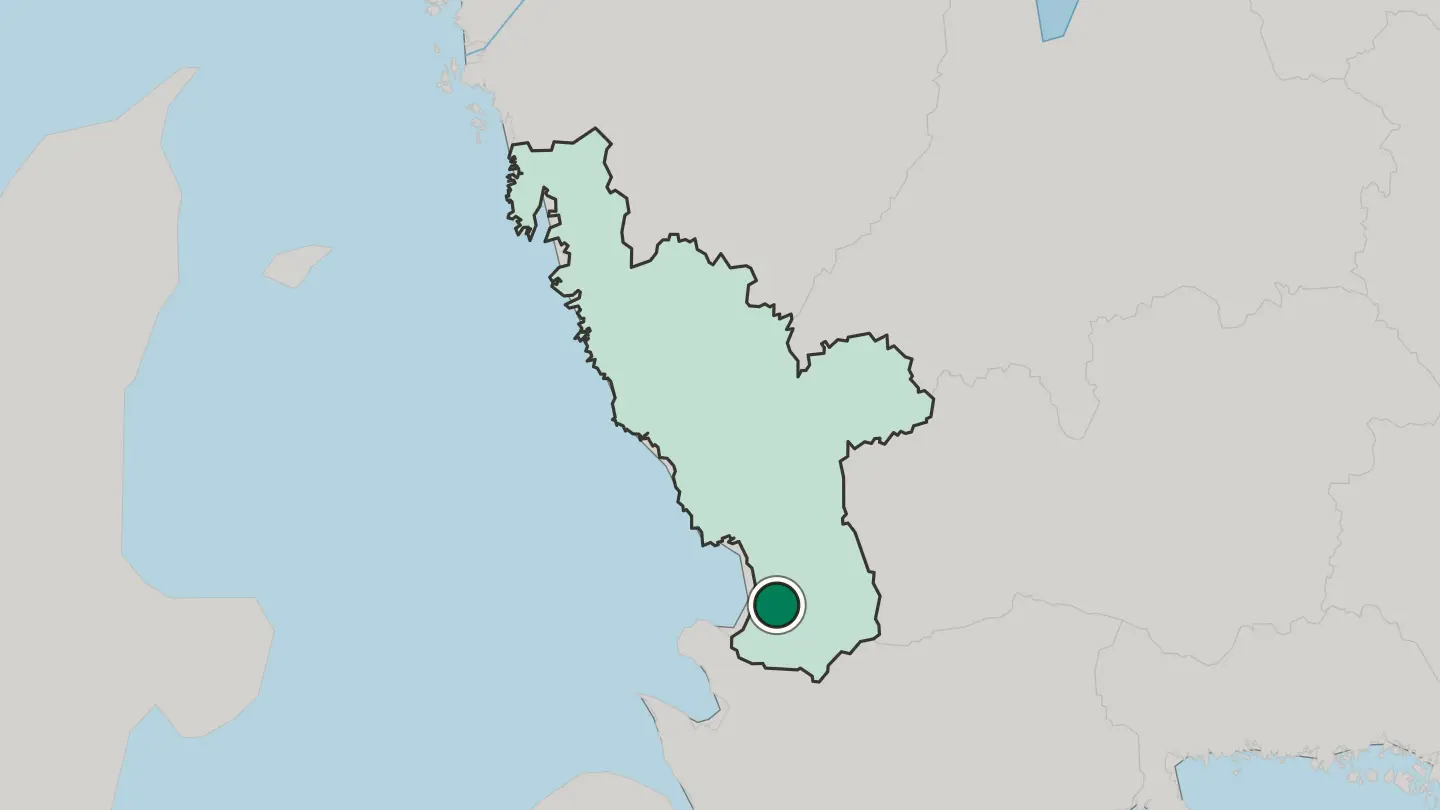
 Sweden
Hyltebruk
Hyltebruk is a small mill town in north-eastern Halland County, in the forested inland along the upper river Nissan.Where to stay →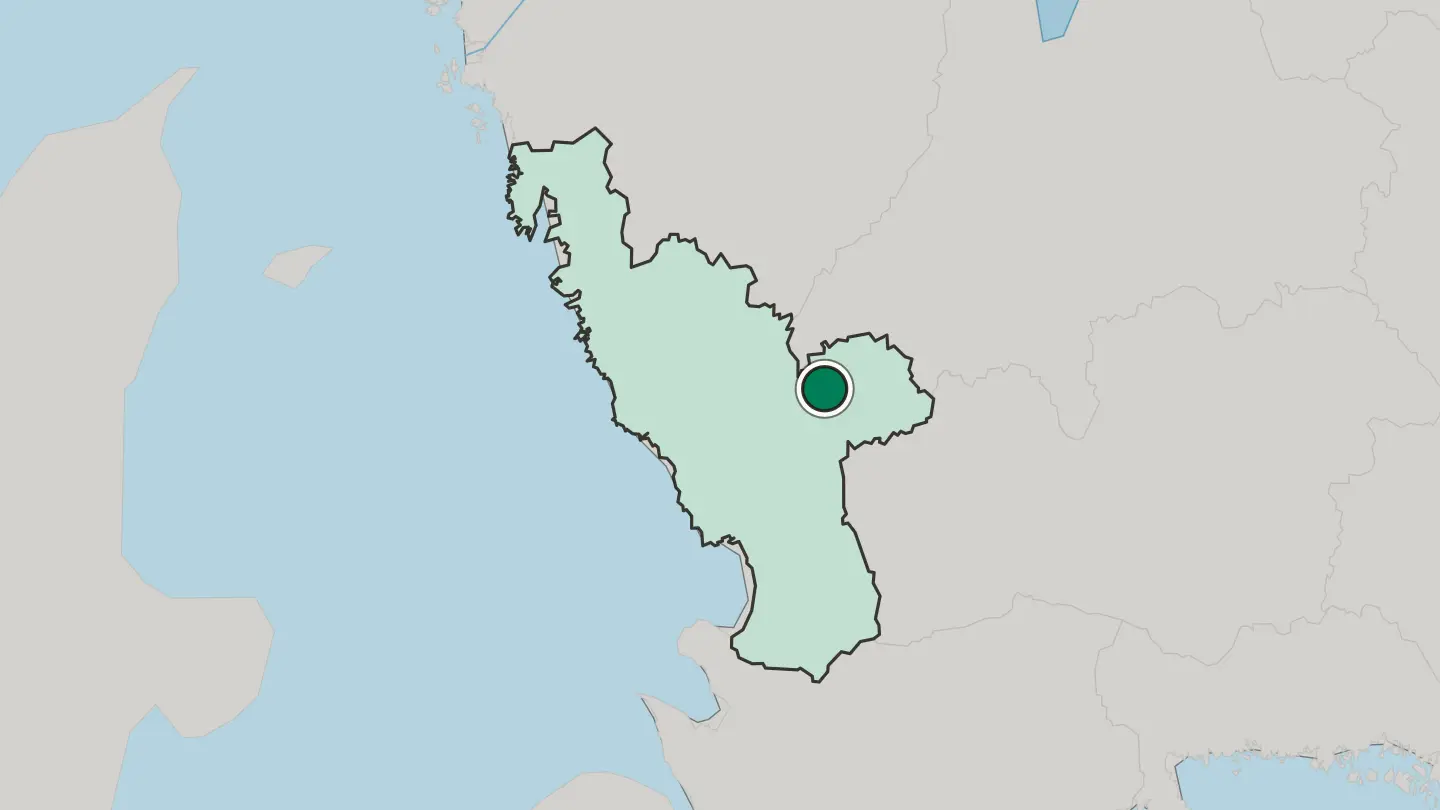
Hotel links are affiliate links: booking through them may earn us a commission, at no extra cost to you. It never affects how places are ranked. How this works
About Halland County
Beaches define Halland.
What is Halland County known for?
Its long sandy coast draws bathers, surfers, and golfers through the summer, and Tylösand near Halmstad ranks among the most popular shores in the country. Varberg keeps a brooding medieval fortress above its harbour and a cold-bathhouse still in use. The county also grows fruit and grain on its coastal plain.
Spa hotels, links courses, and the open shore give it a holiday character rare on the western seaboard.
Where is Halland County?
Halland runs as a narrow band down the west coast of Sweden. Its long western edge faces the Kattegat, a shore of wide sandy beaches, dunes, and shallow bays that gives the county its holiday name. Behind the beaches lies a flat, fertile coastal plain, well farmed and dotted with old estates, before the land climbs eastward into wooded hills and the rocky uplands that mark the border country.
Four rivers cross the plain on their way to the sea. The Ätran, the Nissan, the Lagan, and the Viskan each gather water from the inland forests and reach the coast at the chief towns. To the north the county meets Västra Götaland and the approaches to Göteborg; to the east, Jönköping and Kronoberg; and to the south, Skåne.
The Hallandsås ridge rises along the southern frontier. Sea, plain, and forest follow one another in clear bands from the shore inland. That ordered grain gives Halland its character.
What is Halland County like?
Halland looks west and south. The province changed hands between Denmark and Sweden through the Middle Ages and the early modern wars, and that border past still colours its building styles, dialects, and food. Sea bathing shaped the modern culture.
Varberg built its open-air cold bathhouse in the early twentieth century, and the seaside resort habit spread along the whole coast as railways brought summer guests. Halmstad carries the artistic side of the county. The Halmstad Group of surrealist painters worked here in the twentieth century and left murals and collections that the city still shows.
Folk traditions survive inland, where fiddle music, markets, and farm festivals keep the rhythm of the old agricultural year. Sport runs strong too. Golf, handball, and bathing fill the summer calendar across the towns.
A famous Bronze Age find, the gold-decorated chieftain's grave goods of the region, ties the county to a deep prehistoric past. Beach life, painting, and a borderland heritage together give Halland a relaxed coastal identity.
What is the history of Halland County?
Halland was Danish. The province passed to Sweden under the Treaty of Roskilde in 1658, and the county administration was organised in the years that followed, ending centuries of Danish rule over this contested coast. Varberg Fortress, raised by Danish and later Swedish hands, guarded the shore and still stands above the harbour.
Halmstad, chartered in the Middle Ages, became the chief town. Farming, fishing, and the later boom in seaside tourism carried the county into modern times.
What is the climate of Halland County?
Halland enjoys a mild maritime climate. The Kattegat keeps winters gentle by Swedish standards, with little lasting snow on the coast and frequent grey and rainy spells driven in off the open sea. Summers turn warm and bright along the Kattegat.
They draw crowds to the long beaches through July and August, when the shallow water heats up and the resorts fill. The inland hills run cooler and a touch snowier in winter than the shore. Spring and autumn bring steady rain and the strong westerly winds that prize the coast among surfers.
How do you get to Halland County?
Halmstad and Varberg both sit on the West Coast railway between Göteborg and Malmö, putting the county within easy reach of either city by frequent trains. The E6 motorway runs the same coastal line for drivers. Göteborg Landvetter is the nearest large airport to the north, while Halmstad keeps a small airport of its own.
Regional trains and buses link the coastal towns and reach inland toward the river valleys. The west-coast line makes the simplest approach.
Common questions
What is the best area to stay in Halland County?
Halmstad: first-time visitors and beach-goers. Varberg: spa stays and history. Coast and plain: families and golfers.
Good for
More regions in Sweden
Updated September 2026