Sweden · Halland County
Where to Stay in Kungsbacka, Halland County
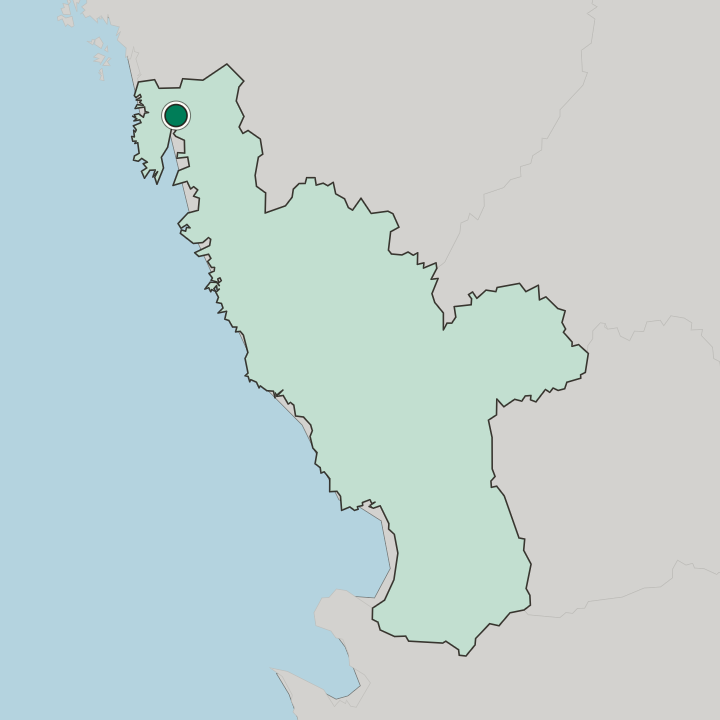
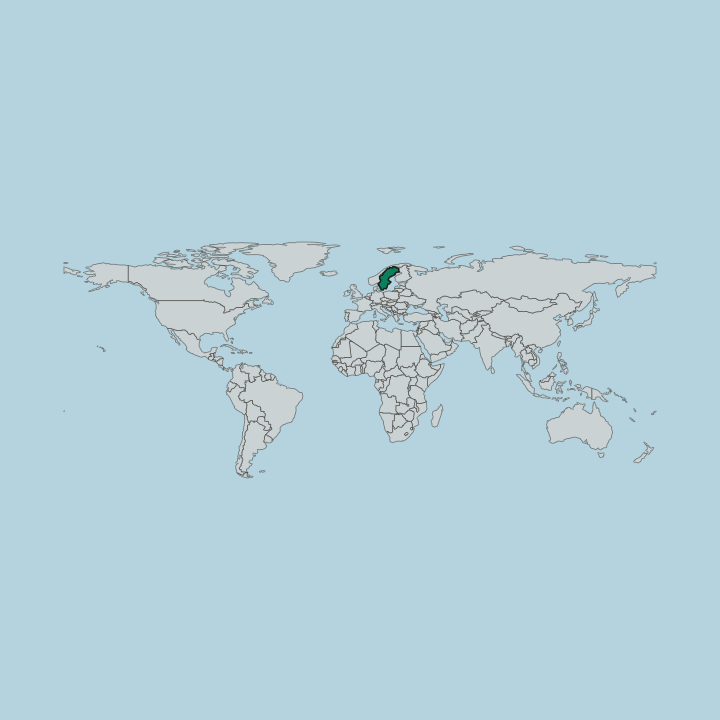
Kungsbacka is a town in north-western Halland County, on the river Kungsbackaån just south of Göteborg near the Kattegat coast.
Hotel links are affiliate links: booking through them may earn us a commission, at no extra cost to you. It never affects how places are ranked. How this works


Where to stay in Kungsbacka
Where the beds are, and what that means for the visit.
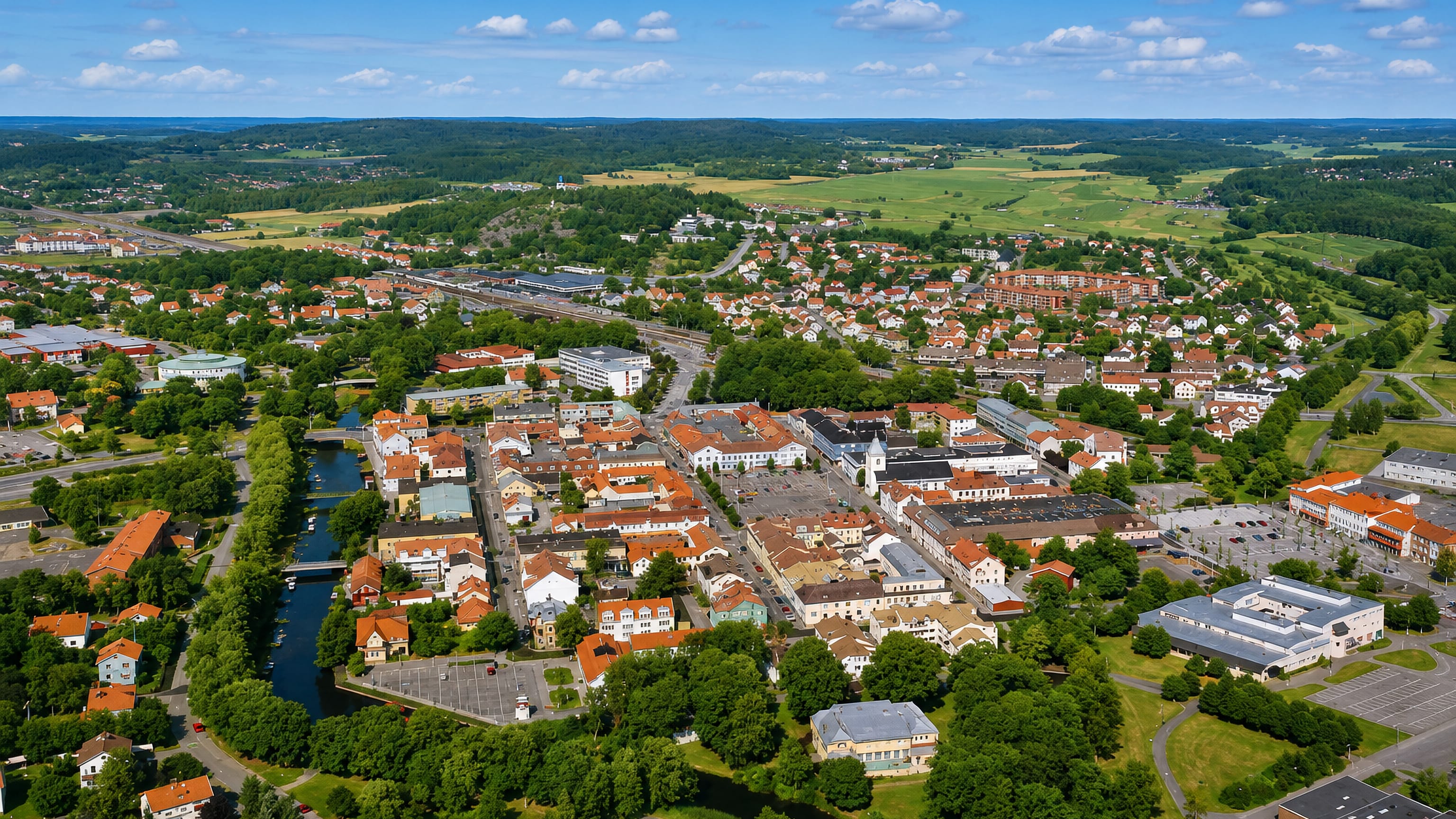
Most visitors stay in the town centre, the low timber grid around the market square and the church, where the few hotels and guesthouses sit within an easy walk of the shops and the rail station. It suits travellers using the town as a calm base near Göteborg, with the city a short train ride to the north. Beds in the centre are limited, so booking ahead helps.
Out toward the coast, the Onsala peninsula and the bay hold seaside cottages, marinas, and campsites that draw summer visitors to the water. The countryside east of town offers farm stays and quiet rooms for those with a car. There is little nightlife and no resort strip.
This is a base for the coast and the city rather than the town itself. Plan around the train.
Find hotels in Kungsbacka
Direct booking searches for these neighbourhoods.
Town centre
few beds by the square near the rail station. Beds are limited here, so book early.Find hotels in Town centresummer beach visitorsOnsala peninsula
seaside cottages and marinas on the bayFind hotels in Onsala peninsuladriversEastern countryside
farm stays in the country behind Tjolöholms slott. Rooms are few around here — worth securing early.Find hotels in Eastern countrysideHotel links are affiliate links: booking through them may earn us a commission, at no extra cost to you. It never affects how places are ranked. How this works
Things to do in Kungsbacka
Ranked by global recognition; descriptions from Wikidata (CC0).
Museums & Galleries
1- Nordhallands hembygdsföreings hembygdsmuseum working life museum
Churches & Religious Sites
4- Kungsbacka Church Heritage
- Tölö Church Heritage
- Varlakyrkan Heritage
- Sankta Gertruds kapell Heritage
Stadiums & Sports
1- Tingbergsvallen
worth knowingacross 3 categories in Kungsbacka
About Kungsbacka
Kungsbacka lives close to Göteborg.
What is Kungsbacka known for?
The town serves as a commuter base for the city to the north, its trains running up to the regional hub in well under an hour. Older Kungsbacka survives as well, a low timber town centre that was rebuilt after fire and keeps a quiet provincial charm of its own. Nearby the coast bends out toward Onsala and the bay.
The market square still anchors the heart of town.
What are the main landmarks in Kungsbacka?
Kungsbacka kyrka stands at the heart of the old town, the parish church beside the market square. The low wooden centre, rebuilt after a great fire swept the town, is itself the main draw, a rare survival of small-town timber architecture. Out on the coast, Tjolöholms slott rises as a grand country house above the bay, one of the region's best-known estates.
Tölö gamla kyrka keeps an older parish seat nearby. The square holds a weekly market still.
What is the history of Kungsbacka?
Kungsbacka was chartered as a market town in the medieval period, set on the river that bears its name where roads met near the head of the bay. For long stretches this part of Halland lay under Danish rule, a frontier zone fought over between Sweden and Denmark, until the province passed to the Swedish crown in the seventeenth century. The town stayed small, a trading and market seat for its corner of the coast.
Fire shaped its later look. A great blaze in the nineteenth century destroyed much of the centre, after which the low timber streets that still survive were rebuilt in their present form. In the modern era the railway changed everything, binding Kungsbacka tightly to Göteborg and turning it into a commuter town for the growing city.
Houses spread out across the surrounding parishes. The old square still holds its place.
Where is Kungsbacka?
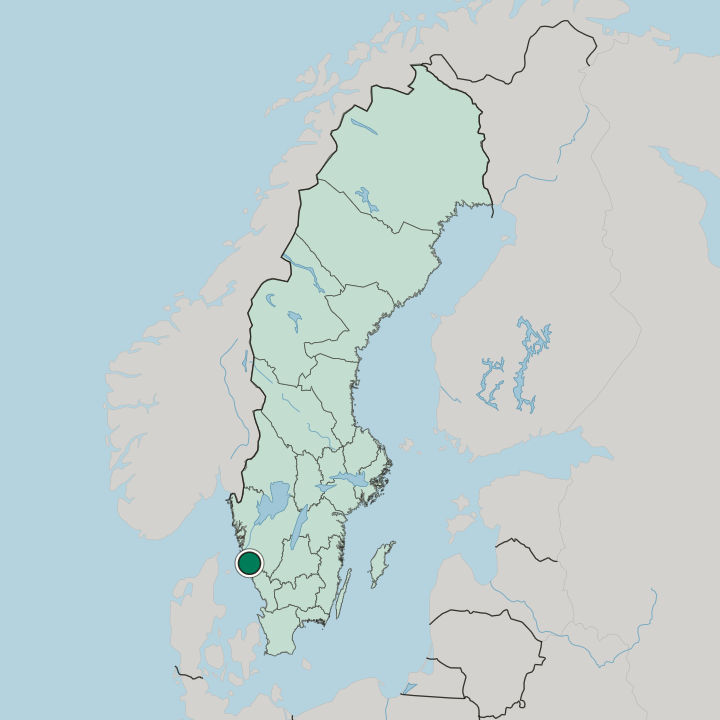
Kungsbacka lies in the north-western part of Halland County, just south of Göteborg near the Kattegat coast of south-western Sweden. The town sits a little inland on the river Kungsbackaån, which winds down to the broad shallow bay west of the centre. Out beyond it the Onsala peninsula reaches into the sea, framing a coast of inlets and skerries, while wooded ridges and farmland spread inland to the east.
Göteborg sits a short way north. The bay opens out to the west.
What is the climate of Kungsbacka?
Kungsbacka has a mild maritime climate, tempered by the Kattegat and the nearby bay. Winters stay cool rather than harsh, with the sea holding back the worst cold and snow that lies only lightly near the coast. Summers turn warm along the Kattegat.
Long northern evenings stretch the daylight late into the night around midsummer, drawing people out to the bay and the coast through the warmest weeks of the year. Rain falls across the seasons, heaviest in autumn.
How do you get to Kungsbacka?
Kungsbacka sits on the West Coast Line south of Göteborg, with frequent commuter and regional trains linking it to the city in well under an hour. The rail link is the town's main artery. The E6 motorway runs close by, carrying road traffic north into Göteborg and south down the Halland coast.
Buses thread out to Onsala and the surrounding parishes. The region's main airport, Göteborg Landvetter, lies a short drive to the north-east.
Common questions
What is the best area to stay in Kungsbacka?
Town centre: city commuters. Onsala peninsula: summer beach visitors. Eastern countryside: drivers.
Good for
More cities in Halland County
Updated October 2026