Sweden
Kalmar County, Sweden — Towns & Travel Guide
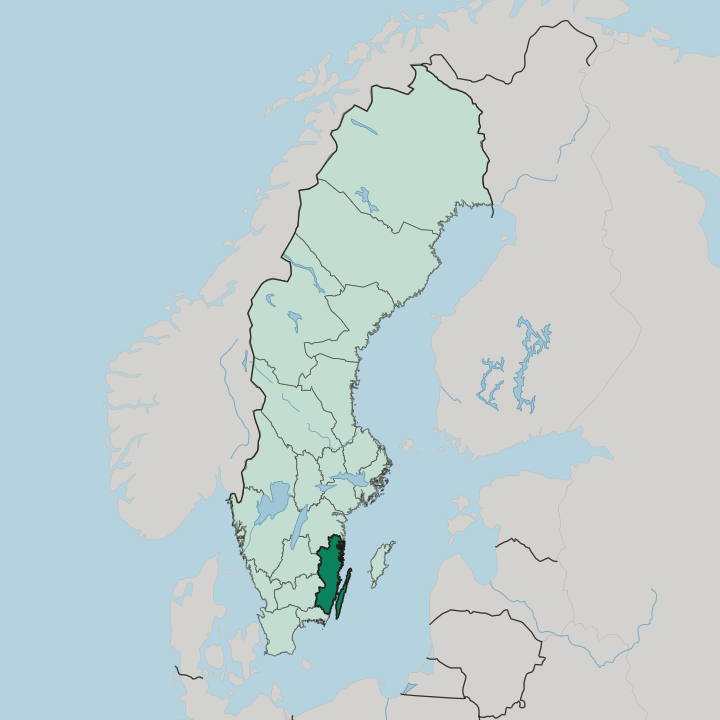
Kalmar County is a coastal län in southern Sweden, running down the Baltic shore opposite the long island of Öland.
Hotel links are affiliate links: booking through them may earn us a commission, at no extra cost to you. It never affects how places are ranked. How this works


Towns & cities in Kalmar County
Pick a town or city — each links to where to stay.
 Sweden
Kalmar
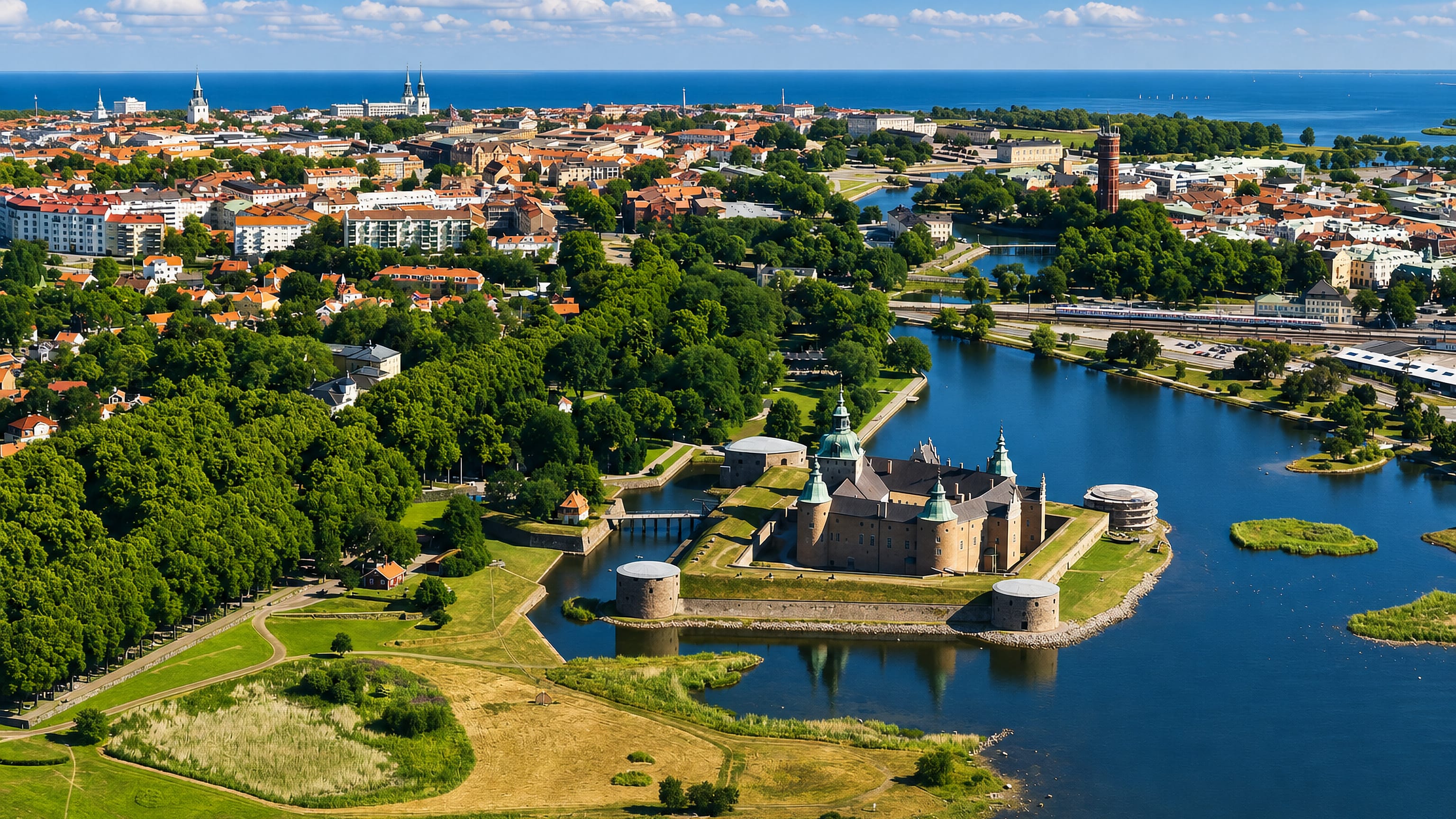
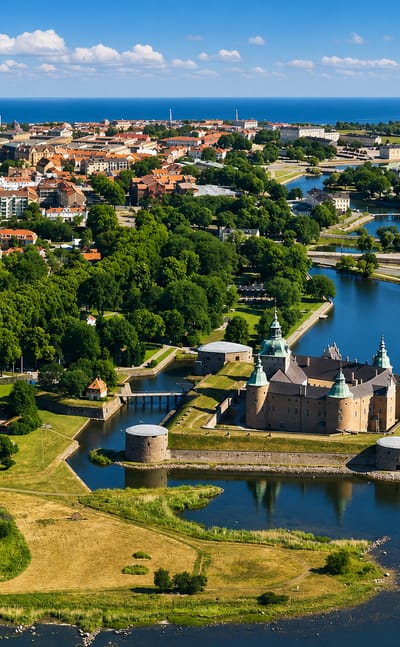
Kalmar is a city on the Baltic coast in the eastern part of Kalmar County, in southern Sweden, facing the island of Öland.Where to stay →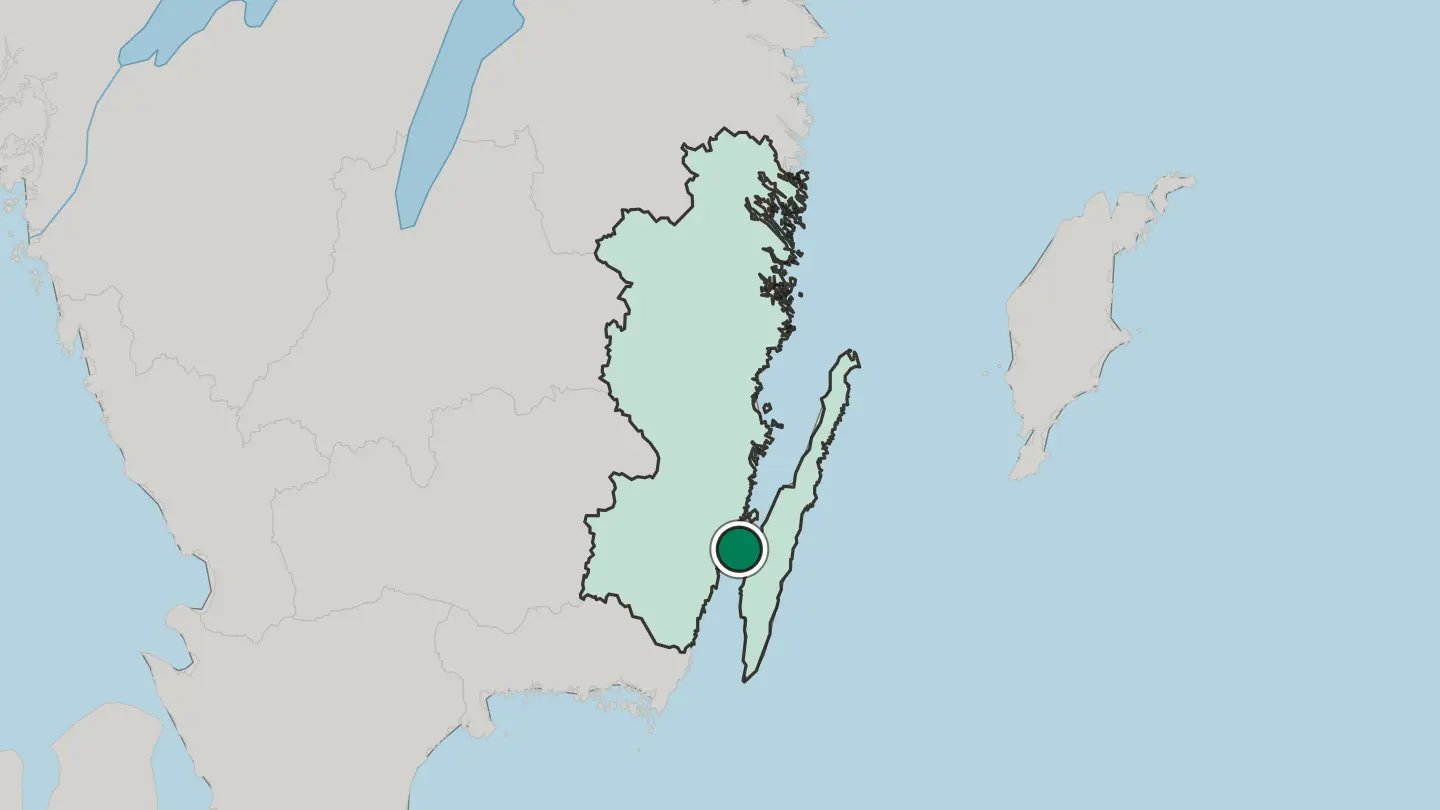
 Sweden
Västervik
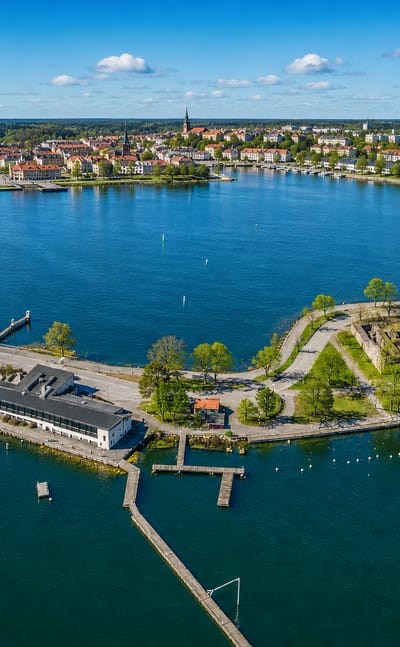
Västervik is a coastal town in north-eastern Kalmar County, among an archipelago of islands and skerries on the Baltic.Where to stay →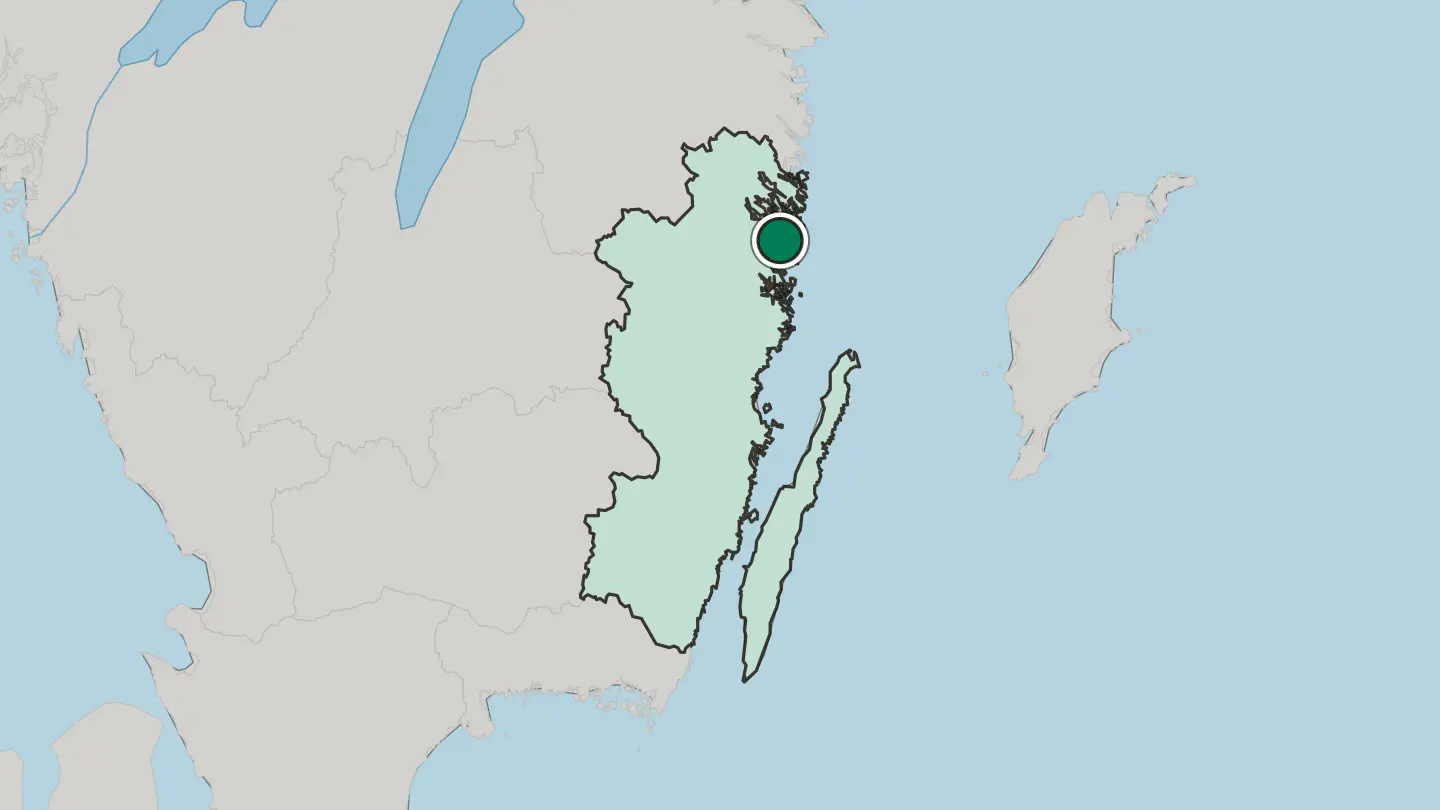
 Sweden
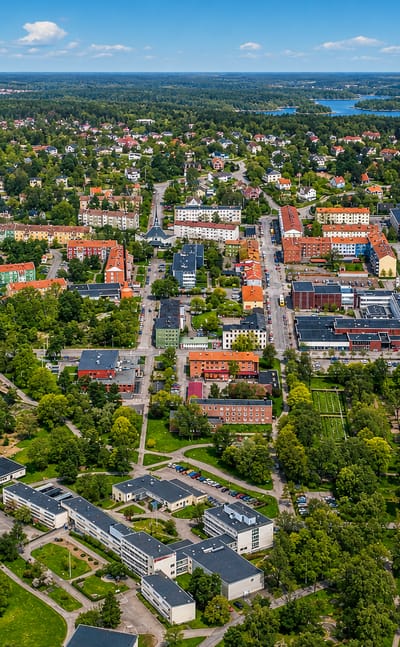
Oskarshamn
Oskarshamn is a coastal town in the north-eastern part of Kalmar County, on the Baltic shore of south-eastern Sweden.Where to stay →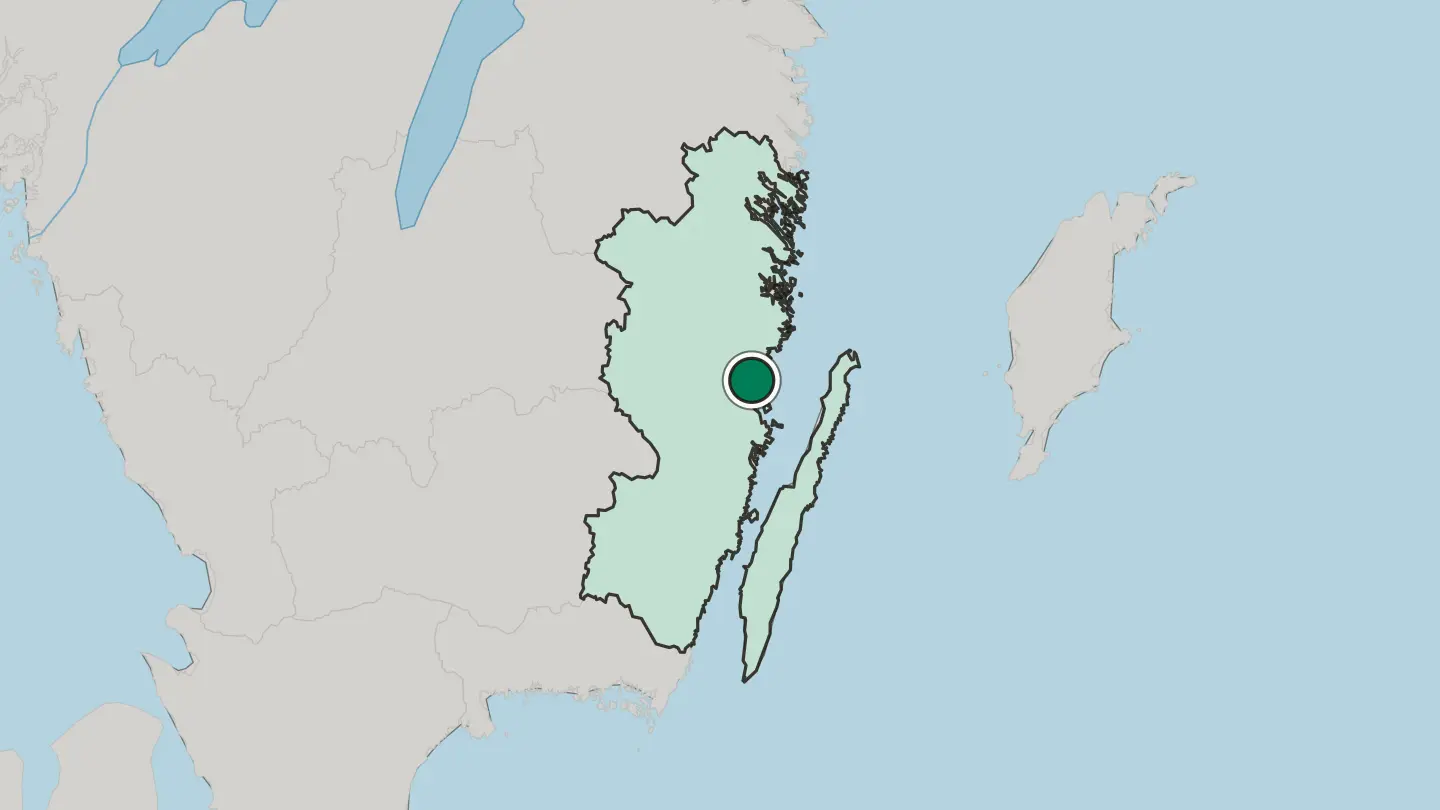
 Sweden
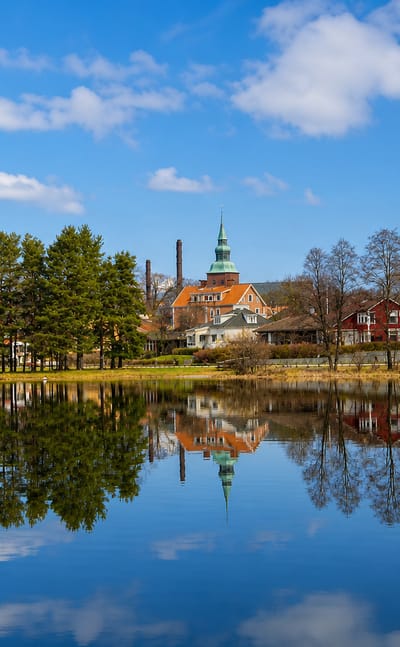
Nybro
Nybro is a town in the western part of Kalmar County, set in the forests of the Småland interior in southern Sweden.Where to stay →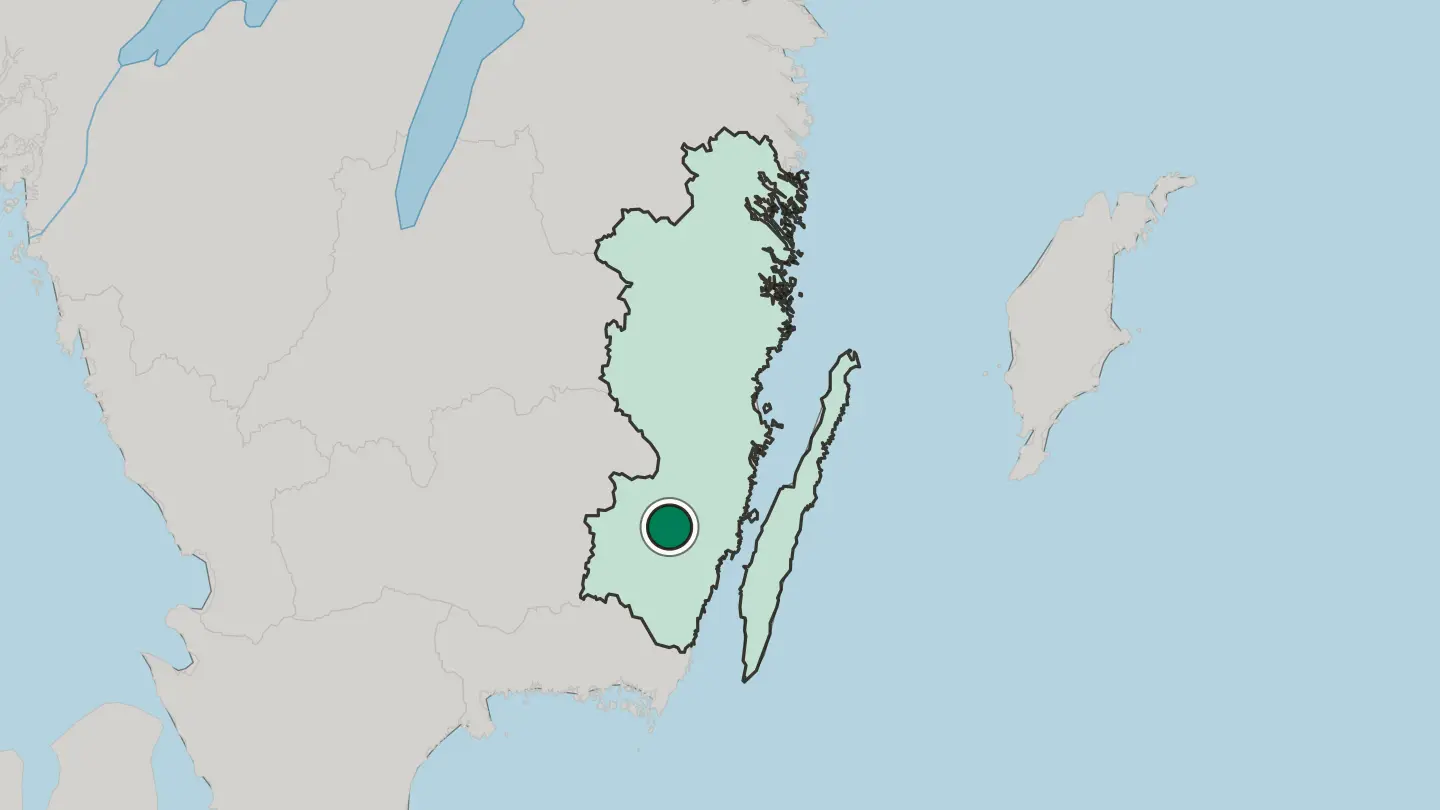
 Sweden
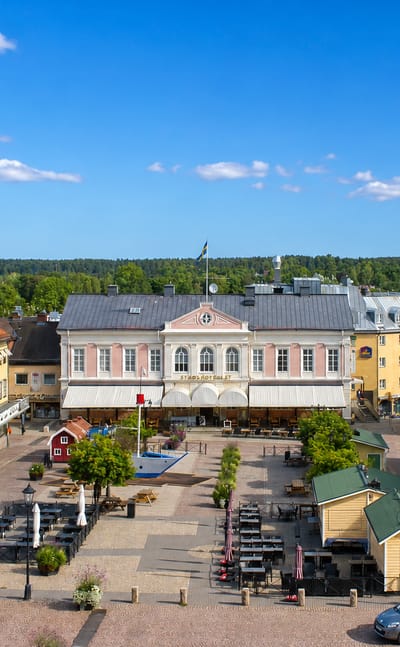
Vimmerby
Vimmerby is a small town in northern Kalmar County, best known as the birthplace of the writer Astrid Lindgren.Where to stay →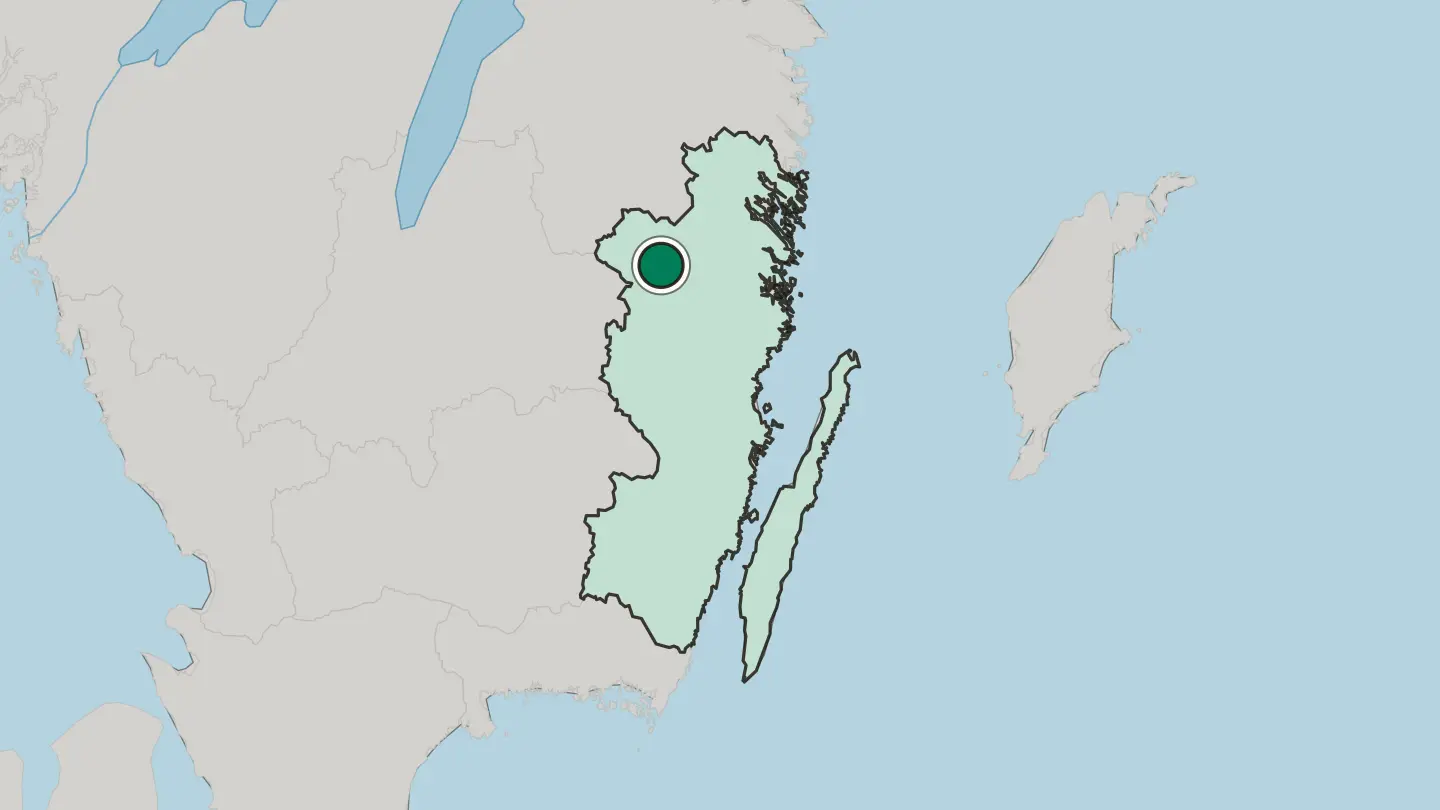 Sweden
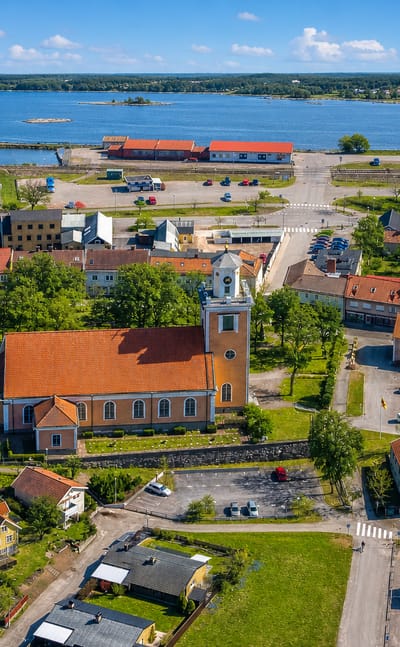
Hultsfred
Hultsfred is a small town in the Småland forests of northern Kalmar County, grown up beside the railway and an old military exercise field.Where to stay →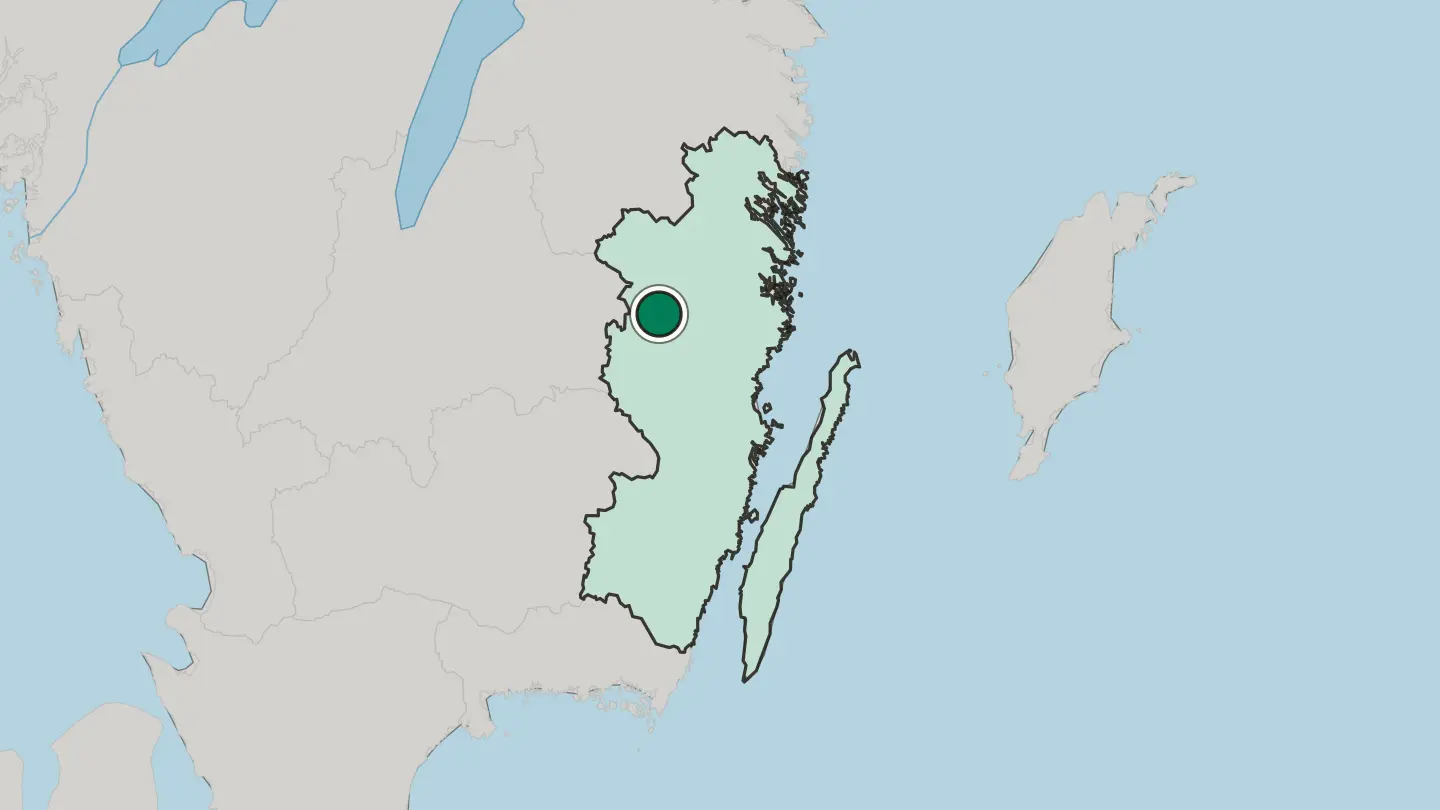
 Sweden
Mönsterås
Mönsterås is a coastal town in the north-eastern part of Kalmar County, on the Baltic shore of south-eastern Sweden.Where to stay →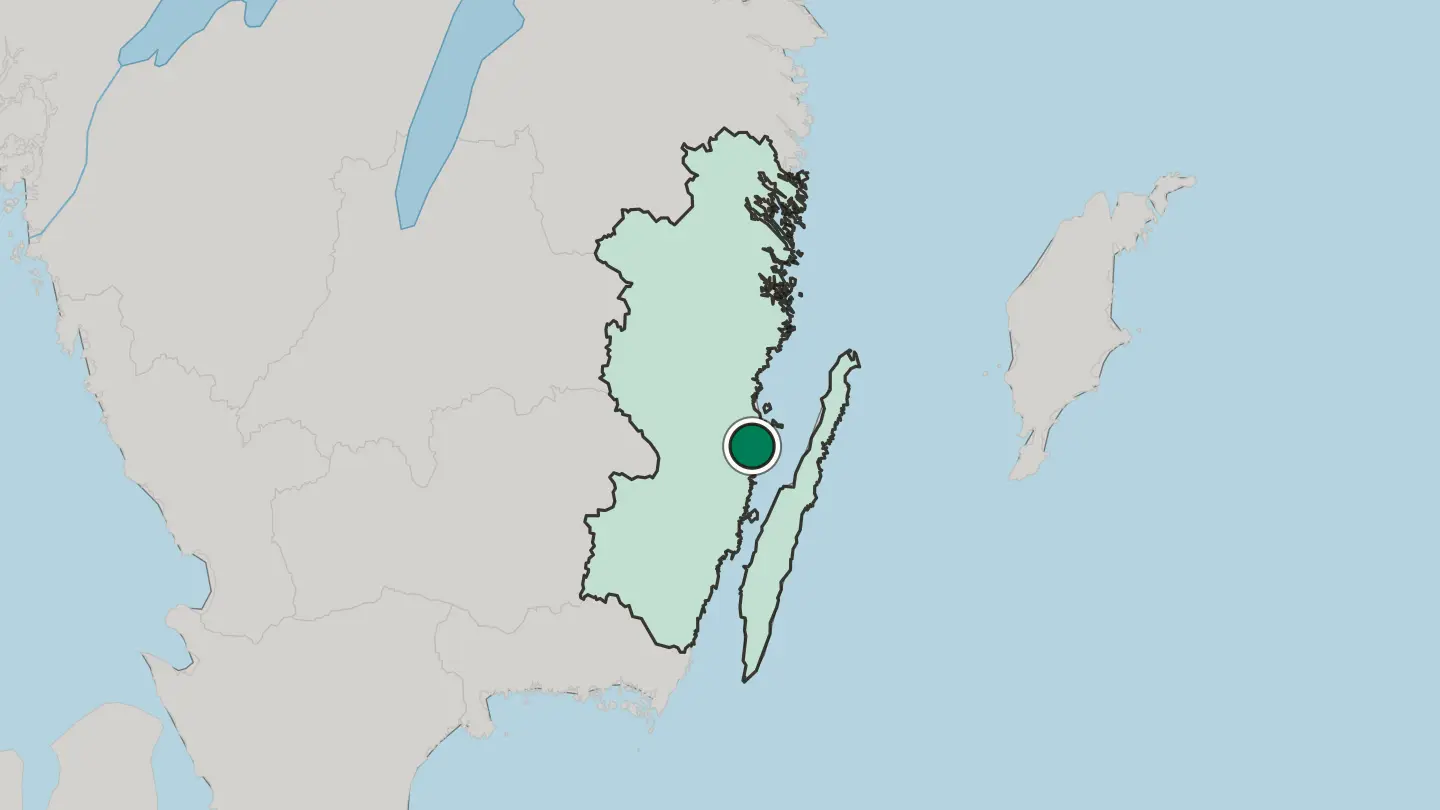
 Sweden
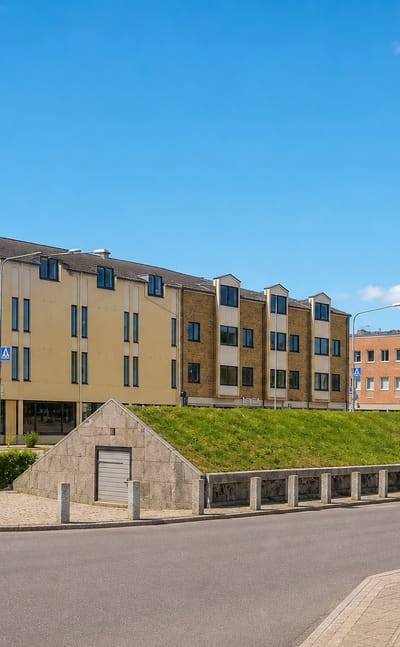
Emmaboda
Emmaboda is a small town in the Småland forests of western Kalmar County, grown up as a railway junction.Where to stay →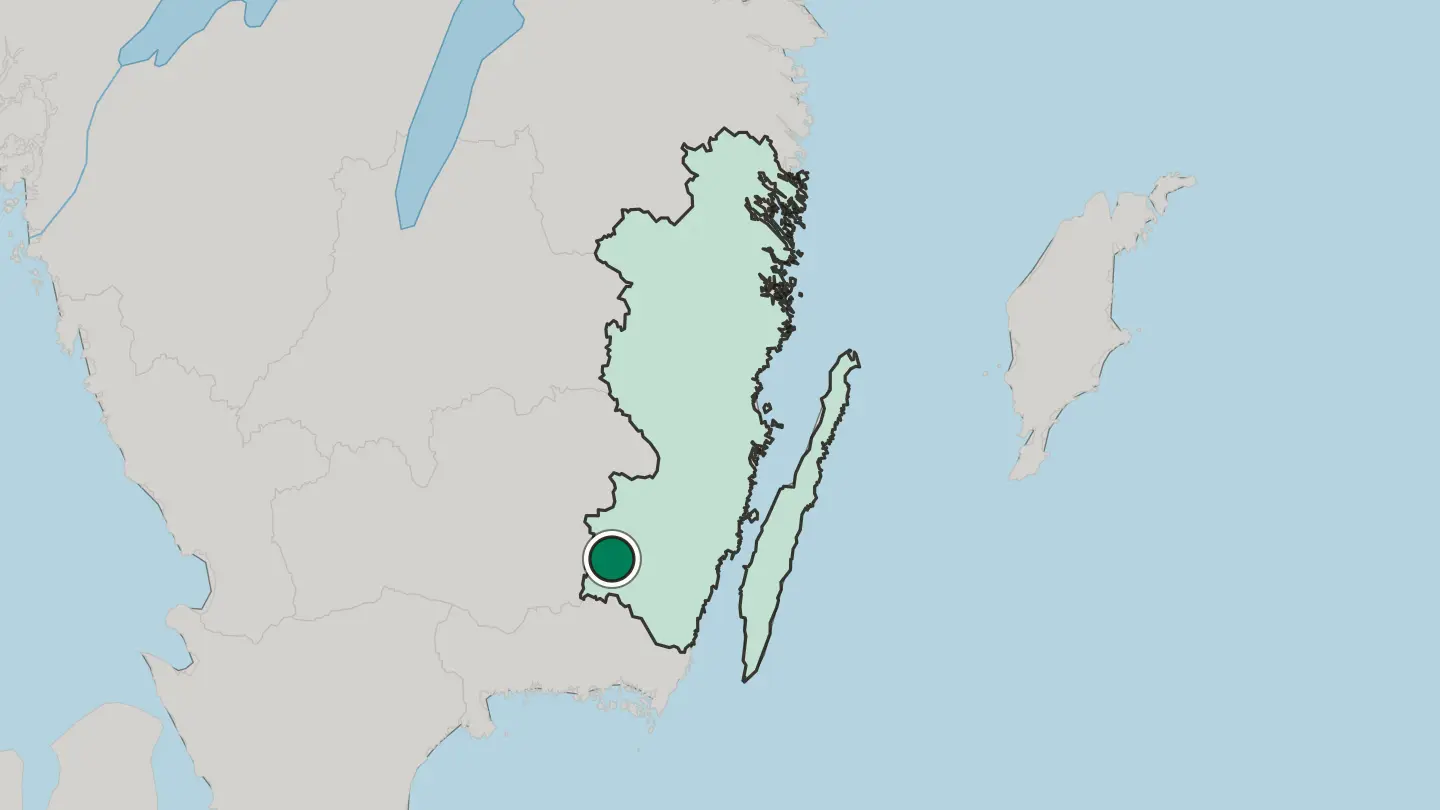
All towns & cities (12)
 Sweden
Borgholm
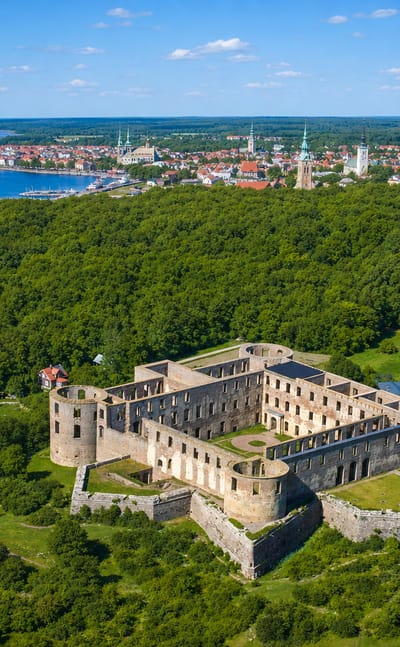
Borgholm is a small town on the island of Öland in the Baltic Sea, gathered below the great castle ruin of Borgholms slott on the Kalmar Strait.Where to stay →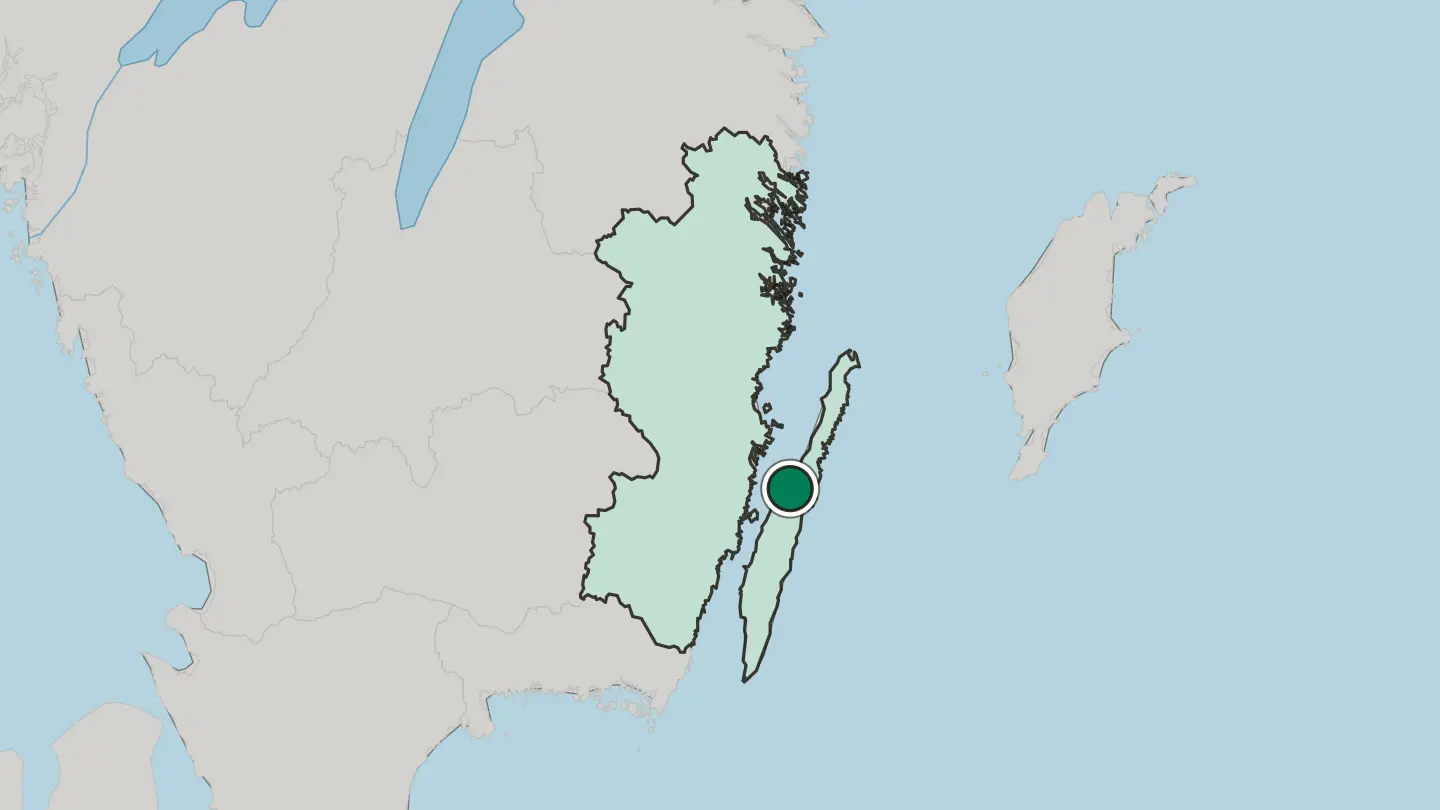
 Sweden
Torsås
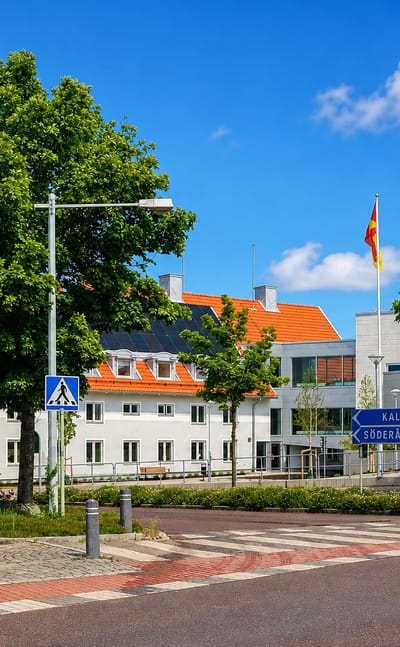
Torsås is a small town in the southern part of Kalmar County, in southern Sweden, the seat of its municipality on the Baltic side of Småland.Where to stay →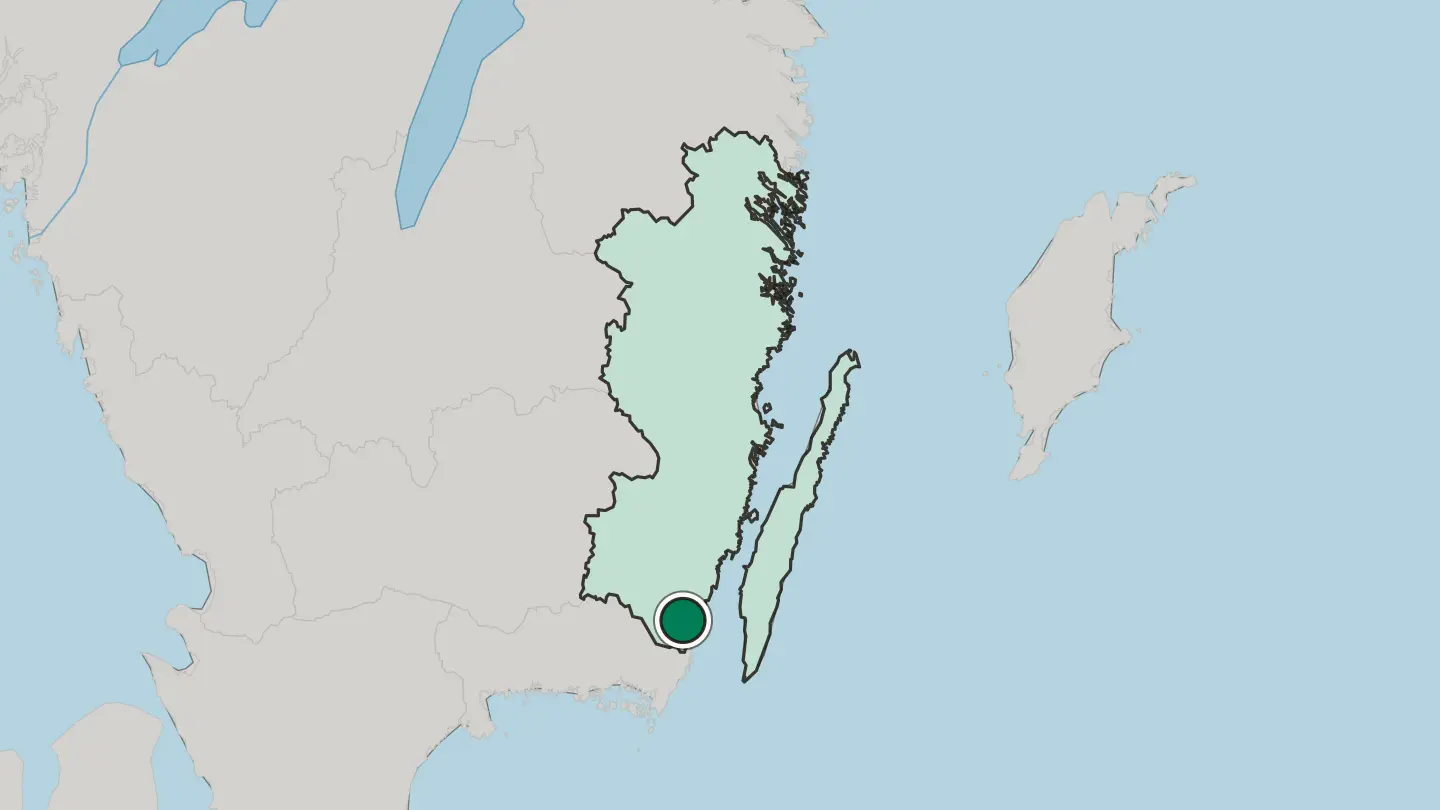
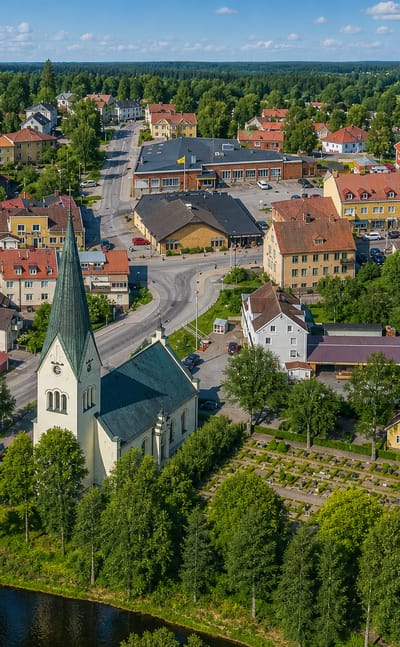 Sweden
Högsby
Högsby is a small town in the northern part of Kalmar County, set along the Emån river in southern Sweden.Where to stay →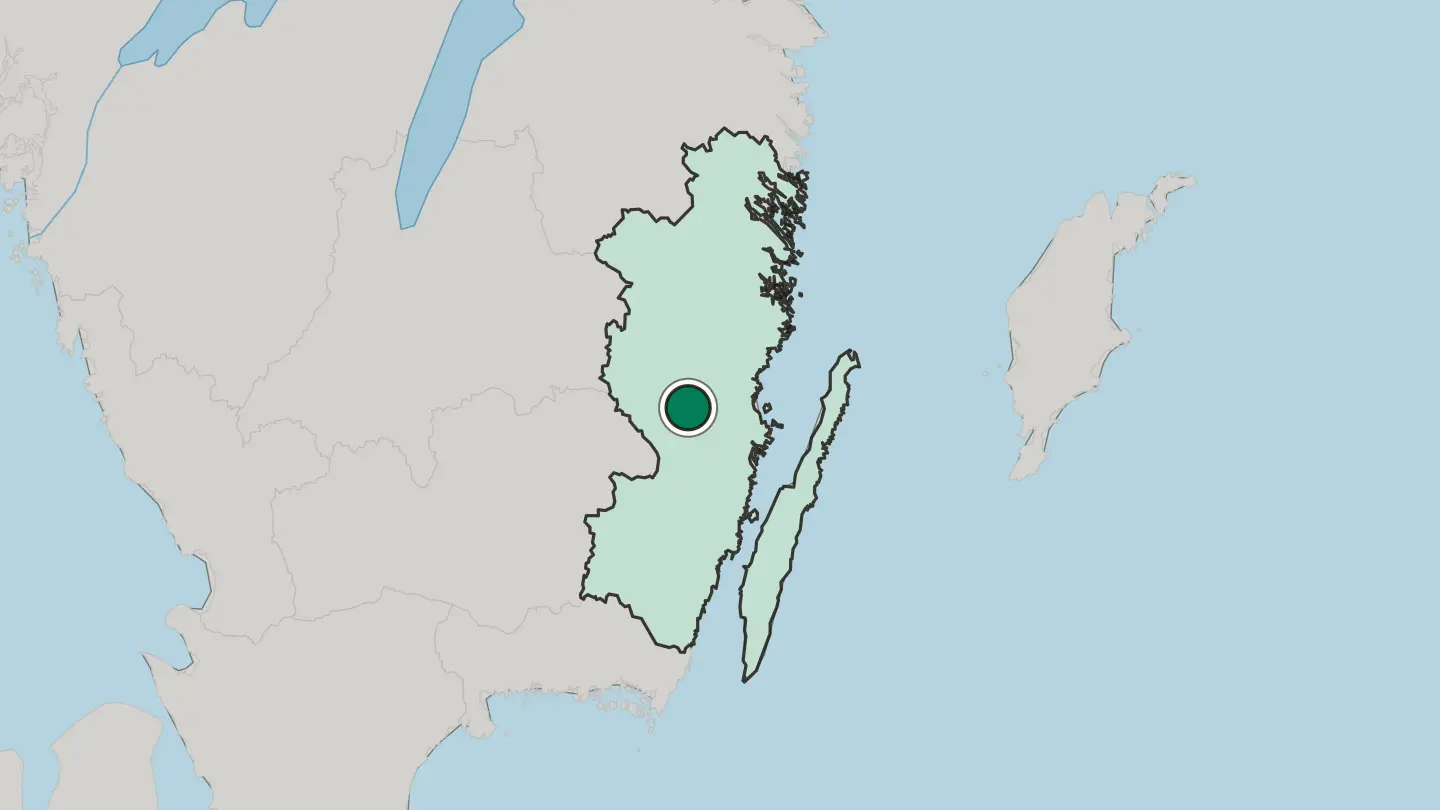
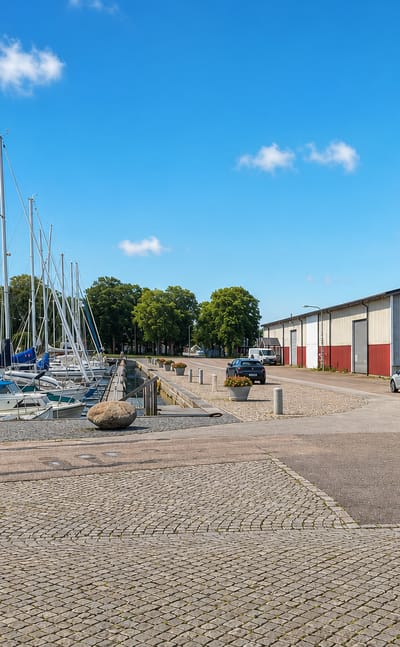 Sweden
Mörbylånga
Mörbylånga is a town on the island of Öland in the south-eastern part of Kalmar County, in southern Sweden.Where to stay →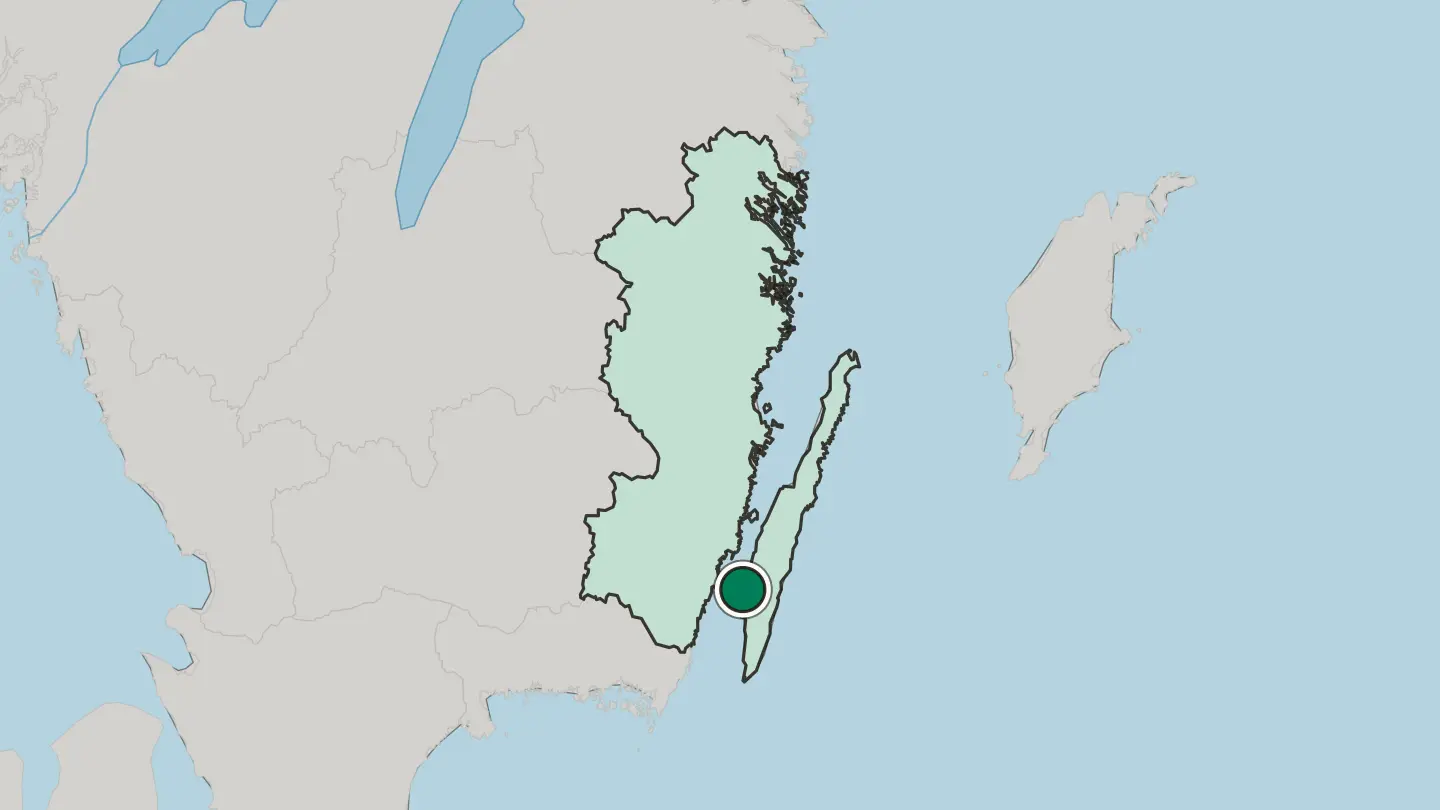
Hotel links are affiliate links: booking through them may earn us a commission, at no extra cost to you. It never affects how places are ranked. How this works
About Kalmar County
History and islands define this county.
What is Kalmar County known for?
Kalmar Castle guarded the old border with Denmark and gave its name to the union that joined the Nordic crowns in 1397. The bridge to Öland carries travellers to a flat sunny island of windmills, wide heaths, and the royal summer palace at Solliden. Inland lies the Glasriket, the Kingdom of Crystal, where famous glassworks still blow and cut glass among the forests.
Castle, island, and glass shape its draw.
Where is Kalmar County?
Kalmar County runs as a long strip down the south-eastern Baltic coast. Its eastern edge is the Kalmar Strait, the narrow sound that separates the mainland from Öland, crossed by one of the longest bridges in the country. Behind the coast the land rolls up into the wooded interior of eastern Småland, a country of forest, lakes, and small farms, while the northern shore breaks into the skerries and bays of the Tjust archipelago around Västervik. Öland forms the great eastern wing of the county.
The island is flat. A unique limestone plain called the Stora Alvaret stretches across its southern half, treeless and open under wide skies. To the north the county borders Östergötland; to the west, Jönköping and Kronoberg; and to the south, Blekinge.
The Baltic frames the whole eastern side from the archipelago down to the southern cape. Coast, strait, island, and forest set the geography. The sea is never far in this county.
What is Kalmar County like?
Two cultures meet across the strait. The mainland belongs to Småland, with its thrifty farming and craft heritage, while Öland carries its own island traditions of windmills, fishing, and a softer, sunnier way of life. The contrast runs through dialect, food, and festival across the county.
Glassmaking sits at the heart of the regional identity, since the famous works of the Kingdom of Crystal grew up in the inland forests and gave the area a name in design known far beyond Sweden. Kalmar carries the deepest history. Its great castle staged the founding of the Kalmar Union and centuries of border war with Denmark, and the old town around it keeps a fine stock of stone and timber houses. Öland holds prehistory in the open.
Ancient burial fields, ring forts, and standing stones lie scattered over its heaths, and the whole agricultural landscape of the southern island stands on the UNESCO World Heritage list. Folk music and summer markets round out the calendar. Border history, island life, and the glass tradition together give Kalmar County a wide and varied culture.
What is the history of Kalmar County?
Kalmar stands at the centre of Nordic history. Its castle hosted the treaty of 1397 that joined Denmark, Norway, and Sweden under one crown in the Kalmar Union. The town guarded the southern frontier with Danish Skåne and Blekinge for centuries.
The county dates from 1634. Öland served long as a royal hunting ground, and its windmills and farms shaped the island, while glassmaking and shipbuilding carried the wider region into modern times.
What is the climate of Kalmar County?
The county has a mild, dry climate by Swedish standards. Öland and the Kalmar coast lie in the rain shadow of the southern highlands, which makes this one of the sunniest and driest corners of the country. The season turns warm and bright. They draw crowds to the island beaches and the heaths through the long bright weeks, when the limestone plain bakes under clear skies.
Winters stay fairly gentle on the coast, with the Baltic holding off the worst of the cold, though the inland forests run colder and snowier. Spring comes early to the open island.
How do you get to Kalmar County?
Kalmar sits at the end of the railway from Alvesta on the southern main line, with through trains linking it to Göteborg and connections toward Stockholm and Malmö. Kalmar Öland Airport handles flights from the capital. Drivers reach the county on the E22 coastal road, and the long Öland bridge carries traffic straight onto the island.
Ferries run from Oskarshamn to Gotland out in the Baltic. Buses link the coastal towns and the glassworks district inland.
Common questions
What is the best area to stay in Kalmar County?
Kalmar: first-time visitors and history lovers. Öland: summer families and beach-goers. Glasriket and coast: craft tourers and ferry travellers.
Good for
More regions in Sweden
Updated September 2026