Sweden · Kalmar County
Where to Stay in Nybro, Kalmar County
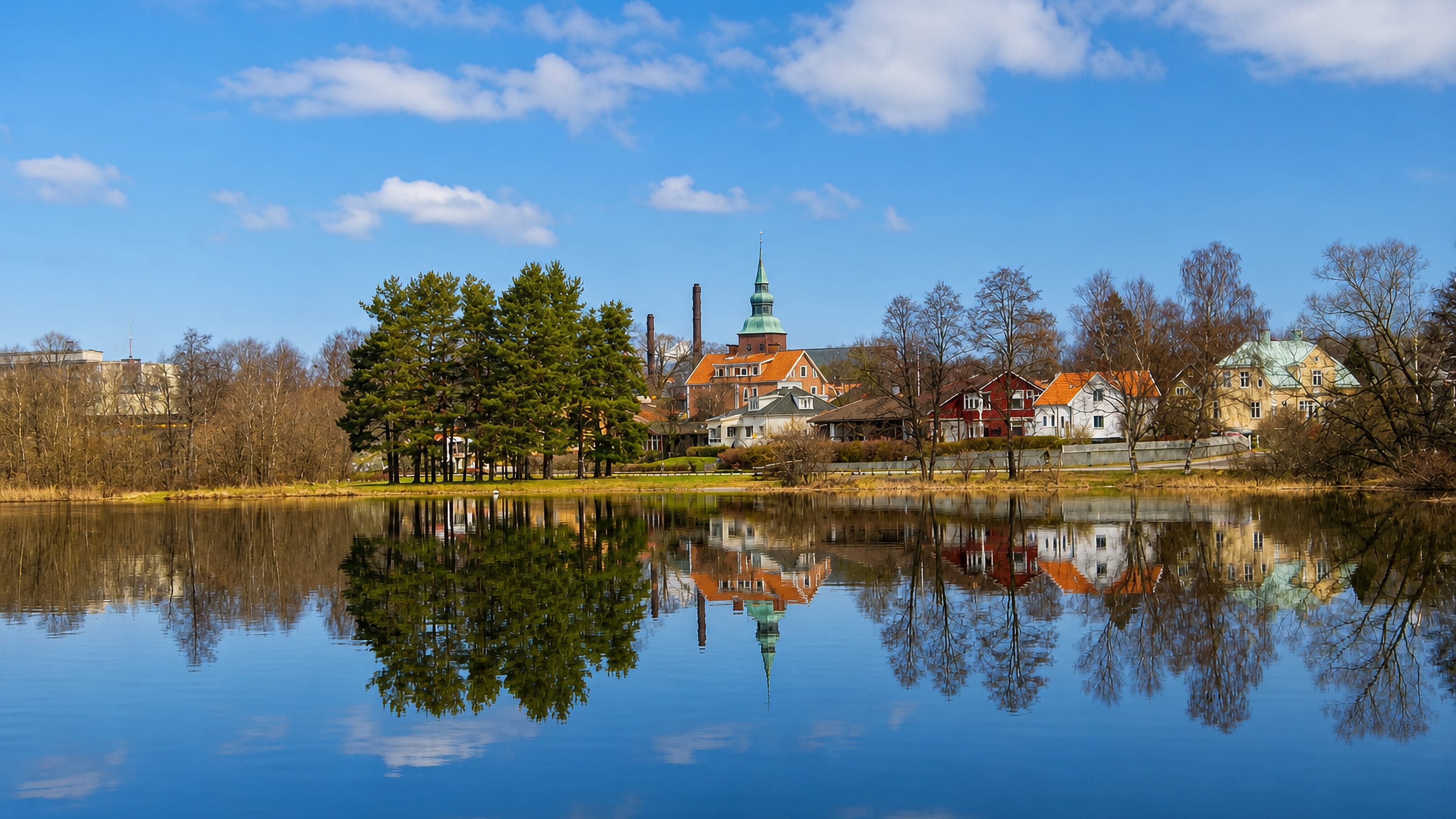
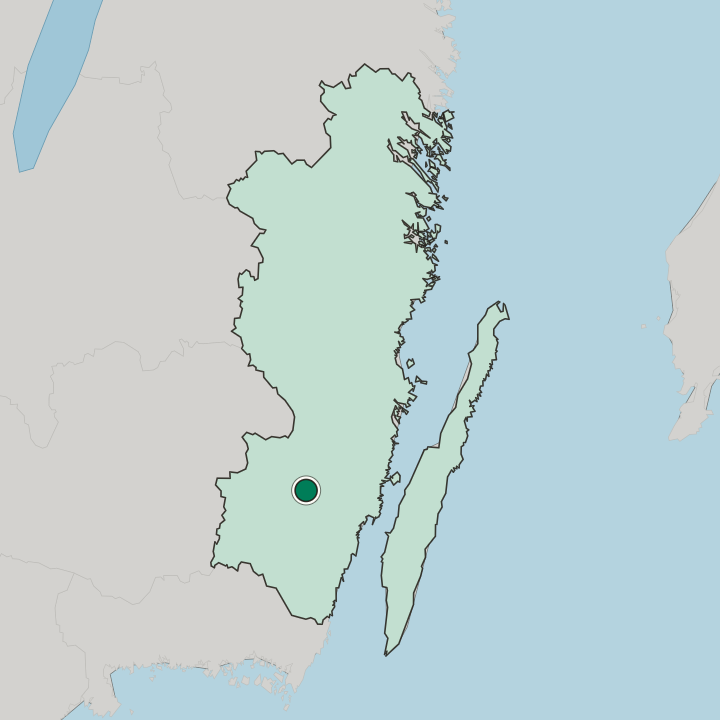
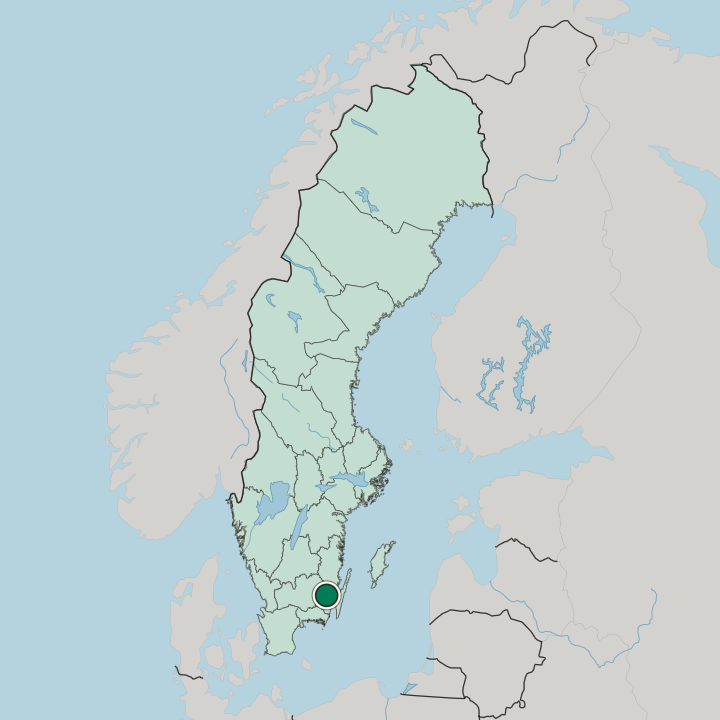
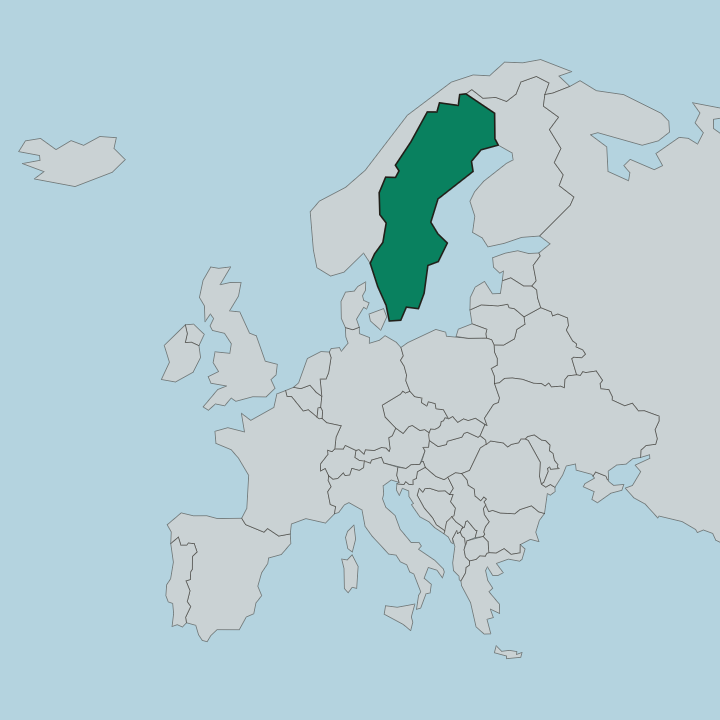
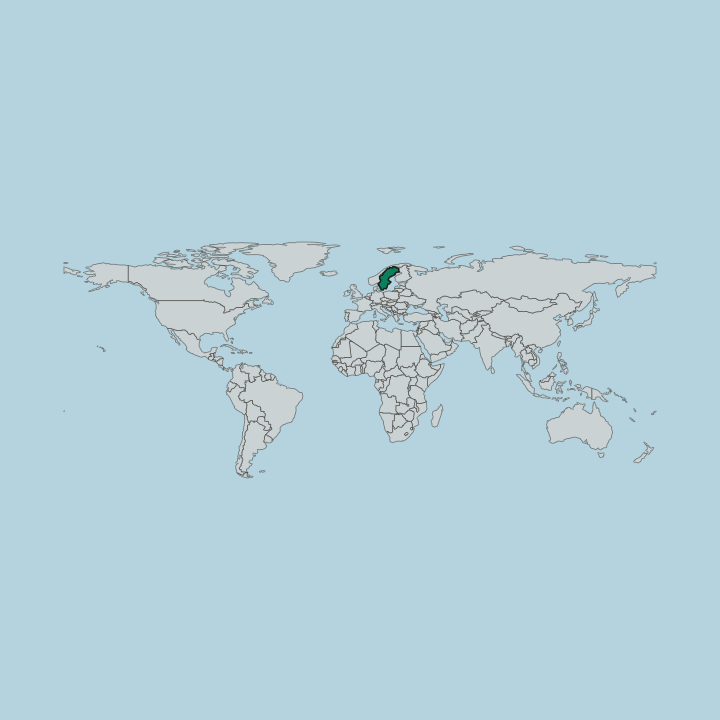
Nybro is a town in the western part of Kalmar County, set in the forests of the Småland interior in southern Sweden.
Hotel links are affiliate links: booking through them may earn us a commission, at no extra cost to you. It never affects how places are ranked. How this works


Where to stay in Nybro
Where visitors usually base themselves, and why.
Most visitors stay in the town centre, the small grid of streets near the church and the station that keeps the shops, a few cafes, and the bus stops within an easy walk. It suits those who arrive at the station. Rooms here lean toward simple hotels and guesthouses rather than anything grand, and the central streets make a handy base for touring the glassworks scattered through the forests around the town.
Out among the glassworks villages of Glasriket the setting turns rural, with inns, cabins, and small lodgings near the old furnaces and the showrooms that draw glass enthusiasts. This works best for those touring the district by car. Cabins fill it in summer.
Further out into the forest and beside the lakes, a scatter of campsites, farm stays, and holiday cottages gives drivers a quiet base among the woods and water of the Småland interior, and rates there tend to run lower than in town. Let your route decide. The glass or the forest decides it.
Find hotels in Nybro
Direct booking searches for these neighbourhoods.
Town centre
shops, the church and the trains all close by. Few places to stay nearby — book ahead.Find hotels in Town centreglass and design loversGlasriket villages
inns and cabins near the old glassworks and showrooms. Few places to stay nearby — book ahead.Find hotels in Glasriket villagesdrivers after forest calmForest and lakes
campsites and cottages among the woods and water inland. Lodging is scarce in this area; reserve in advance.Find hotels in Forest and lakesHotel links are affiliate links: booking through them may earn us a commission, at no extra cost to you. It never affects how places are ranked. How this works
Things to do in Nybro
Ranked by global recognition; descriptions from Wikidata (CC0).
Museums & Galleries
3- Designarkivet
- James Bond 007-museet working life museum
- Madesjö hembygdsmuseum
Churches & Religious Sites
3- Madesjö Church Heritage
- Nybro Church Heritage
- Nybro gravkapell
Stadiums & Sports
1- Nybro simhall swimming center
worth knowingacross 3 categories in Nybro
About Nybro
Glass made its name.
What is Nybro known for?
Nybro sits at the edge of Glasriket, the glassworks district of the Småland forests, and the town pairs that craft heritage with a design archive that gathers the records of Swedish glass and furniture making. Nybro kyrka stands in the centre. A James Bond museum surprises visitors.
Most travellers come for the glass, the design, and the deep surrounding woods.
What are the main landmarks in Nybro?
Nybro kyrka is the town's chief landmark, a stone church standing at the centre near the station. The Designarkivet keeps the records and drawings of Swedish glass and design, while the quirky James Bond 007-museet draws film fans, and the older Madesjö kyrka stands among the surrounding parish. Glassworks dot the woods.
The forest presses in close. Together these places tie the town to its craft heritage, its parish past, and the glassmaking country that spreads through the forests around it.
What is the history of Nybro?
Nybro grew from the forest. The town took its name from a new bridge on the road through the woods, and a settlement gathered there around the crossing, the church, and the market, while for generations the people of the surrounding parish farmed, logged, and worked the land much as their neighbours across inland Småland did. The parish of Madesjö came first.
Glass then changed everything. From the 18th century onward glassworks rose throughout these forests, drawn by the timber that fired the furnaces and the sand that fed the melt, and the district became known as Glasriket, the kingdom of crystal. Nybro grew into a centre of that trade, with its own works and a rail link carrying glass out to the wider world, and a busy little industrial town took shape around the station.
Craft and timber carried it on. The town later gathered a design archive to preserve that heritage, and while the glassworks have thinned, Nybro still stands as a hub of the glass country, its history bound up with the furnaces, the forest, and the road that gave it its name.
Where is Nybro?
Nybro lies in the western part of Kalmar County, in the forested interior of southern Sweden. The town sits among the woods and small lakes of the Småland uplands, west of the coast and the city of Kalmar, with pine and spruce forest covering most of the surrounding ground. The land rolls low and green.
East the country falls toward the Baltic shore and Kalmar, while west and north the deep forests of the glass district stretch on toward the lakes of inland Småland.
What is the climate of Nybro?
Nybro sits in the cool interior of Småland. Winters bring frost and snow, with cold settling over the forests and lakes, though they stay milder than in the far north of the country. Summers are warm but short.
The long days of midsummer then draw people out to the lakes, the woods, and the trails before the cooler season returns. Spring and autumn pass quickly between the cold and the warm.
How do you get to Nybro?
Nybro is reached easily by rail and road. Trains stop at the town on the line running between Kalmar and the interior toward Växjö, the station sits near the centre, and the main road links the same coast-to-inland route through the forests. The nearest airport is at Kalmar to the east.
Buses serve the glassworks villages nearby. Drivers from the coast head inland from Kalmar to reach the town among the woods.
Common questions
What is the best area to stay in Nybro?
Town centre: rail arrivals bound for the Glasriket. Glasriket villages: glass and design lovers. Forest and lakes: drivers after forest calm.
Good for
More cities in Kalmar County
Updated October 2026