Sweden · Västernorrland County
Where to Stay in Ånge, Västernorrland County
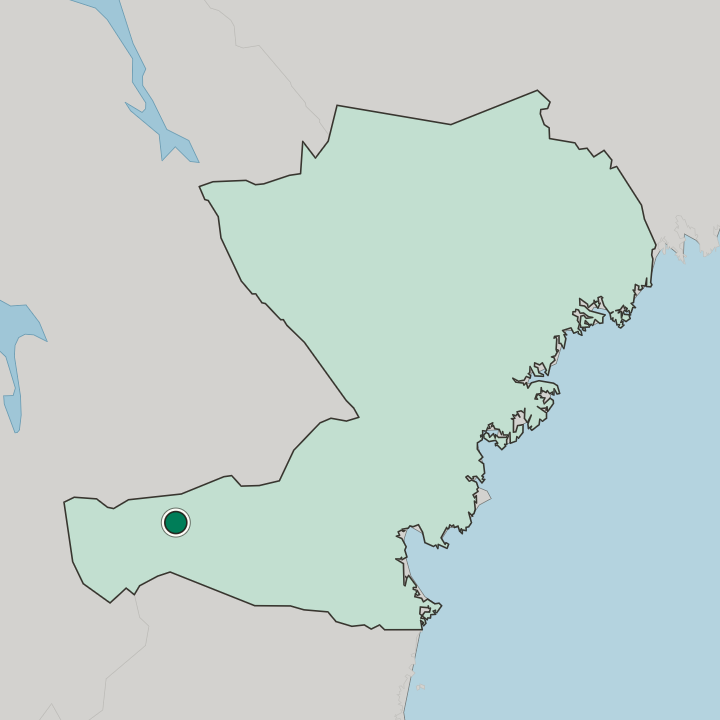
Ånge is an inland town in south-western Västernorrland County, a railway junction in the Medelpad forests of northern Sweden.
Hotel links are affiliate links: booking through them may earn us a commission, at no extra cost to you. It never affects how places are ranked. How this works


Where to stay in Ånge
The practical side of choosing where to sleep.
Most visitors stay in the small town centre, where a hotel and a few guesthouses sit within an easy walk of the station, the shops, and Ånge kyrka. The centre suits travellers who want services close at hand and a short step to the railway and the bus links. Rooms in the centre are few.
Out along the lakes and rivers of the surrounding country, campsites, cabins, and holiday cottages open through the warm months, drawing anglers, walkers, and families who come for the water, the forest, and the quiet inland light. The wider municipality holds farm stays and self-catering houses for those touring the western valleys by car toward the Jämtland border. Reserve well ahead through the warm months.
The fishing season and the long bright weeks together press on the modest local stock of beds across the warmest part of the year.
Find hotels in Ånge
Direct booking searches for these neighbourhoods.
Town centre
a hotel and guesthouses near the railway, shops, and church. Rooms are few around here — worth securing early.Find hotels in Town centreanglers and familiesLakes and rivers
campsites and cabins by the water and forest. Beds are limited here, so book early.Find hotels in Lakes and riversdrivers touring inlandWestern valleys
farm stays and houses toward the Jämtland border. Lodging is scarce in this area; reserve in advance.Find hotels in Western valleysHotel links are affiliate links: booking through them may earn us a commission, at no extra cost to you. It never affects how places are ranked. How this works
About Ånge
Ånge grew as a railway junction.
What is Ånge known for?
It grew up around a junction where main lines meet deep in the forests of western Medelpad, and the railway has shaped its whole life. The setting is forested and remote. Visitors come for the surrounding wilderness of lakes, rivers, and woodland, for fishing and walking in the long summer light, and for the quiet inland country that stretches west toward the mountains and the border with Jämtland.
What are the main landmarks in Ånge?
Ånge kyrka stands in the town centre. The parish church gathers the district as it has for generations, a quiet landmark among the low streets near the station. The railway yard is a sight in itself.
Trains and tracks spread across the junction that gave the town its reason to exist, while the surrounding country of lakes, rivers, and deep forest reaches out on every side toward the western hills and the Jämtland border. Water and woodland frame the whole place.
What is the history of Ånge?
The rail junction created the town. Before the lines came, this was thinly settled forest country in western Medelpad, the old parish of Borgsjö centred on Borgsjö kyrka, its rococo church among a scatter of farms, woodland, and timber. Borgsjö ran the district for centuries.
Then the railways arrived in the late nineteenth century, and a junction grew here where the routes met. The junction drew people and trade. A community gathered around the station, the marshalling yards, and the railway workshops, and Ånge grew into a busy node on the network that carried the ore, timber, and goods of the interior across northern Sweden.
Workers and their families built the town. Through the twentieth century the railway remained the heart of the place, and Ånge, set apart from Borgsjö and grown alongside the works at Alby, became the seat of its own municipality, serving the wide forested district of lakes and rivers around it.
Where is Ånge?
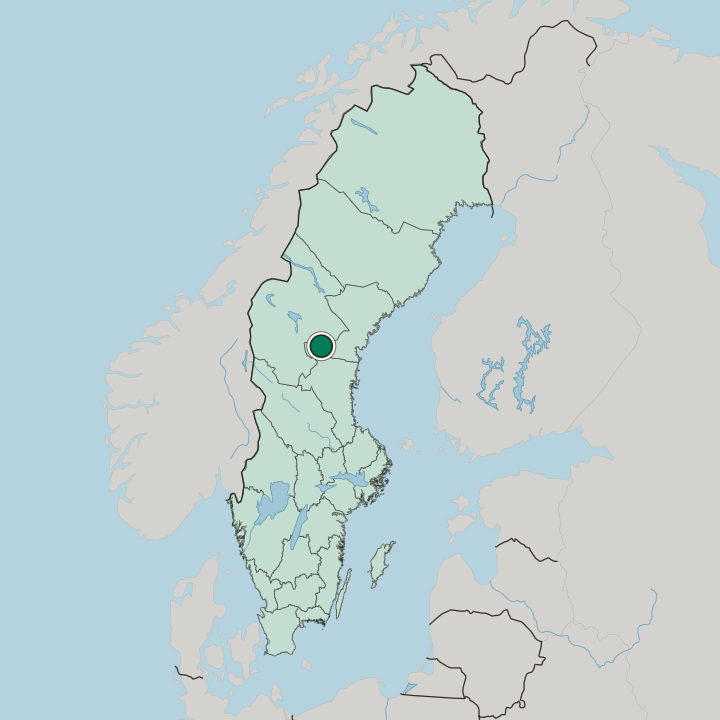
Ånge lies in the south-western part of Västernorrland County, far inland from the Baltic coast, among the lakes and forests of western Medelpad. The town stands on low ground beside Ångesjön, where the Ljungan river threads down its broad valley, ringed by woodland and rolling forested hills that climb toward the high country in the west. The setting is forested and remote.
Roads and the main railway run through the town, tying it east toward Sundsvall and the coast and west toward Östersund and Jämtland.
What is the climate of Ånge?
Ånge sits in a cold inland climate. Winters are long and snowy, with hard frost settling over the lakes and forests and a deep, reliable snow cover that lies across the district through the dark months of the year. In Ånge, the warmth comes late and stays only a few weeks, but when it arrives it is real.
The long northern daylight brings mild, bright weeks when the water and woodland draw anglers and walkers, and the country turns green and open. Between those poles, Ånge's spring and autumn are brief.
How do you get to Ånge?
Ånge is first of all a railway town. It sits on the main inland lines that cross northern Sweden, with trains stopping at the junction that gave the town its name, linking it east toward Sundsvall and the coast and west toward Östersund. Buses serve the wider district.
Drivers come on the roads that thread through the forests from the coast and the western valleys, and regional routes tie the town to the neighbouring places of Medelpad and Jämtland.
Common questions
What is the best area to stay in Ånge?
Town centre: travellers wanting services and the station close. Lakes and rivers: anglers and families. Western valleys: drivers touring inland.
Good for
More cities in Västernorrland County
Updated September 2026