Sweden · Västernorrland County
Where to Stay in Härnösand, Västernorrland County
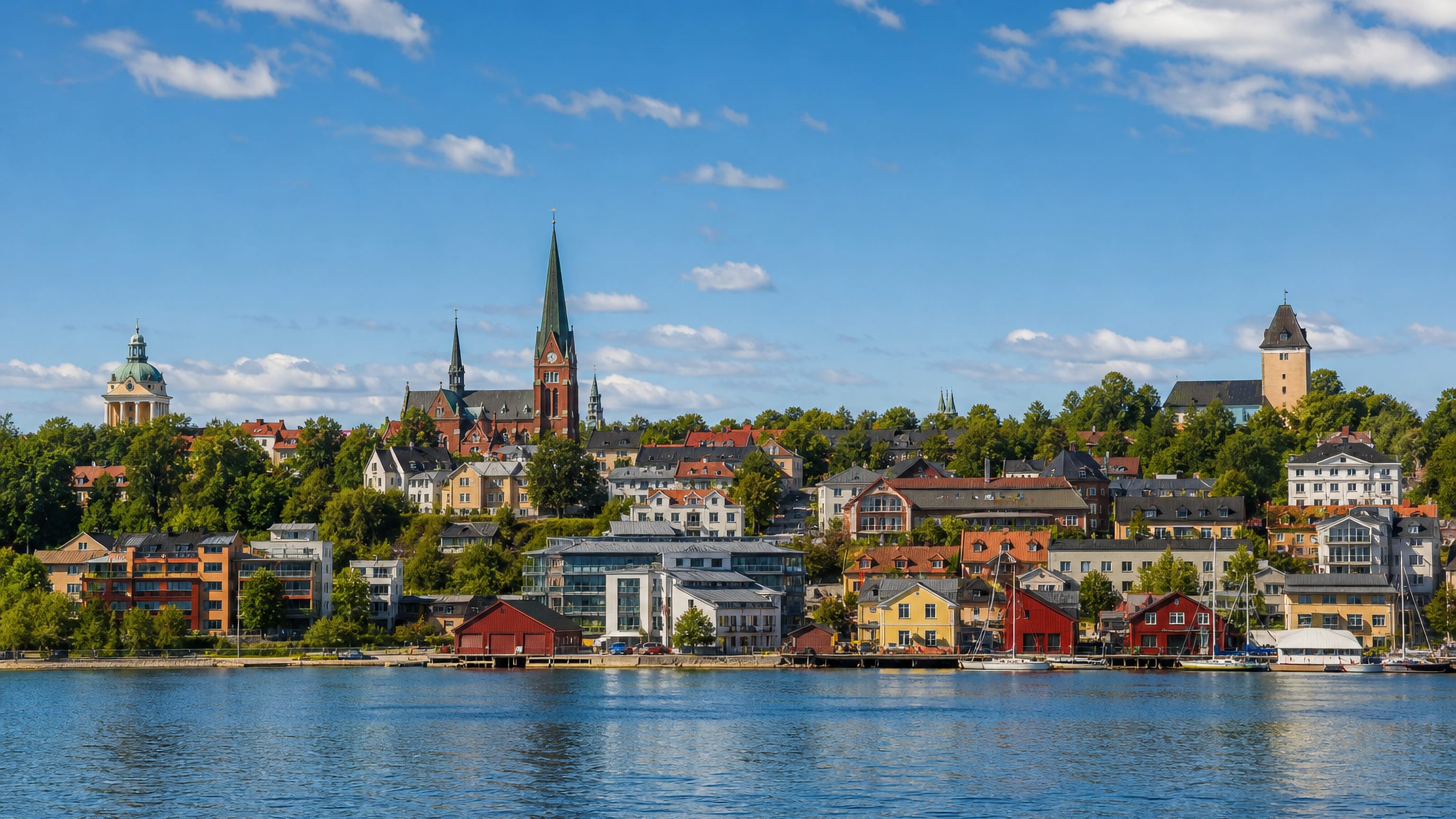
Härnösand is a coastal city and the seat of Västernorrland County, set on islands and inlets of the Bothnian coast in northern Sweden.
Hotel links are affiliate links: booking through them may earn us a commission, at no extra cost to you. It never affects how places are ranked. How this works


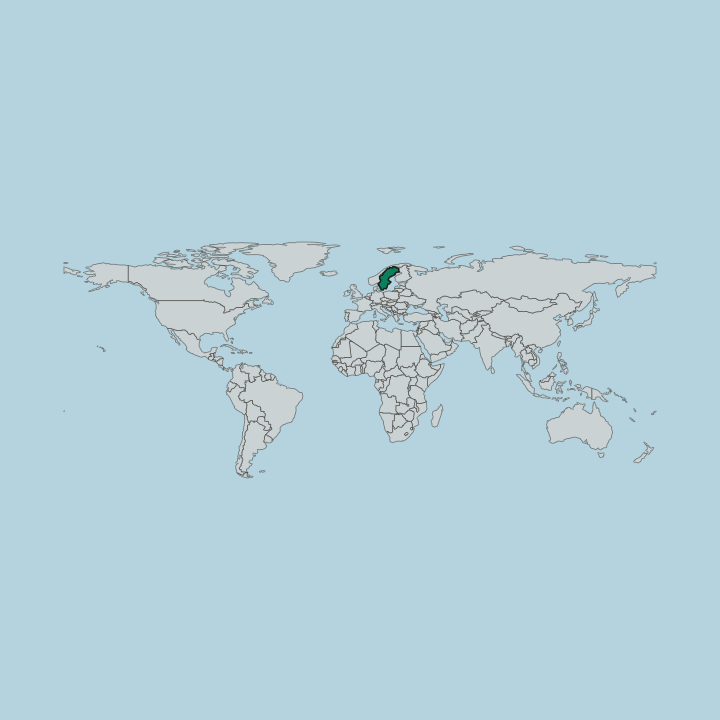
Where to stay in Härnösand
Where visitors usually base themselves, and why.
Most visitors stay in the old town near the harbour, where hotels and guesthouses sit among the wooden streets within an easy walk of the cathedral, the squares, and the quays where boats leave for the islands. The centre suits travellers who want history and services close at hand and a short step to the water. Rooms fill in summer.
Out along the coast and on the surrounding islands, campsites, cabins, and holiday cottages open through the warm months near the beaches and the dramatic shoreline of the High Coast to the north, drawing families and walkers who come for the sea and the long northern light. The Murberget district above the town holds the great open-air museum and quiet lodgings among the woods. Reserve early for the peak season.
Festival crowds, coastal walkers, and travellers touring the High Coast together press on the rooms across the warmest weeks of the year.
Find hotels in Härnösand
Direct booking searches for these neighbourhoods.
Old town and harbour
hotels among wooden streets near the cathedral and quaysFind hotels in Old town and harboursummer families and walkersCoast and islands
campsites and cottages by the shore and the High Coast. Rooms are few around here — worth securing early.Find hotels in Coast and islandsmuseum visitors wanting quietMurberget
the open-air museum and lodgings among the woods above townFind hotels in MurbergetHotel links are affiliate links: booking through them may earn us a commission, at no extra cost to you. It never affects how places are ranked. How this works
Things to do in Härnösand
Ranked by global recognition; descriptions from Wikidata (CC0).
Museums & Galleries
3- Härnösands bilmuseum Swedish vehicle museum
- Fritidsbåtsmuseet
- Birgittamuseet working life museum
Churches & Religious Sites
2- Ängekyrkan Heritage
- Murbergskyrkan
worth knowingacross 2 categories in Härnösand
About Härnösand
Härnösand is a cathedral city.
What is Härnösand known for?
The seat of a diocese since the late sixteenth century, it carries the white Härnösands domkyrka above the harbour, and a quiet old town of wooden streets and stone public buildings. Water is everywhere in Härnösand, a city spread across islands at the mouth of the High Coast. Spread across islands at the edge of the High Coast, the city is known as the county capital, as the home of the Murberget open-air museum, and as a base for the dramatic shoreline and archipelago to the north.
What are the main landmarks in Härnösand?
Härnösands domkyrka rises white above the harbour, the heart of the old city. Murberget is the great open-air museum. Its hill above the town gathers old timber houses, farms, and the parish church of Murbergskyrkan into a wide living picture of the region's past.
The Ängekyrkan serves a city parish, while the Fritidsbåtsmuseet tells the story of leisure boating on the coast and the Härnösands bilmuseum gathers a collection of old vehicles. The harbour, the wooden streets, and the islands close the picture.
What is the history of Härnösand?
The city was chartered in 1585. Härnösand was founded by royal charter on the Bothnian coast and soon rose into the church and administrative centre of the wide northern country, gaining a diocese, a cathedral, and the schools and offices that made it the capital of its region long before the railways reached the north. The sea carried its trade in timber, fish, and goods.
Fire and war marked its course. The town was burned by Russian forces in the early eighteenth century and rebuilt in wood and stone above its harbour, keeping the diocese, the cathedral, and the role of regional seat through the centuries that followed. The High Coast trade and later industry shaped its working life.
Härnösand settled into its place as the capital of Västernorrland County, and the old cathedral, the wooden streets, and the Murberget museum on the hill still carry the long story of a city that the church, the crown, and the sea built together.
Where is Härnösand?
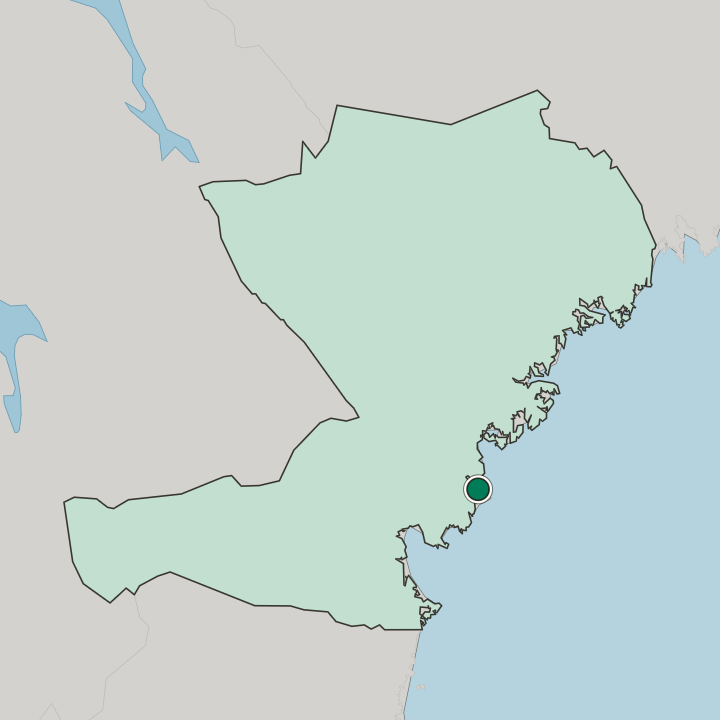
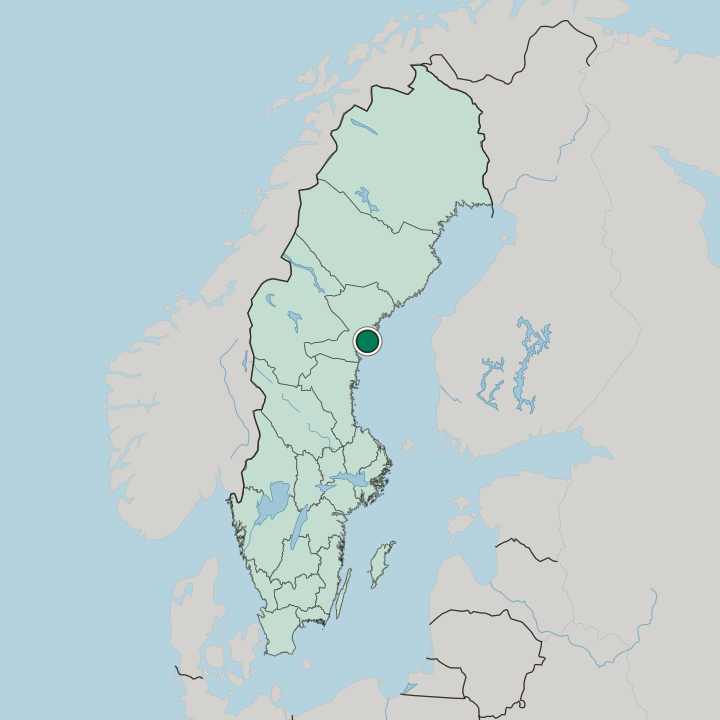
Härnösand lies in the eastern part of Västernorrland County, on the Bothnian coast where the city spreads across islands, inlets, and headlands at the southern edge of the High Coast. The old centre sits by a sheltered harbour, with bridges linking the islands and the sea reaching in among the streets, while wooded ridges and the rugged shoreline rise to the north toward the dramatic cliffs and bays of the coast. The setting is maritime and broken.
Roads and the railway tie the city south toward Sundsvall and north along the coast and the High Coast.
What is the climate of Härnösand?
Härnösand has a cool coastal climate, milder than the inland country at its level. The Härnösand winter arrives cold, with snow lying across the islands for much of the season. The Bothnian sea tempers the worst of the frost, though the harbour and bays can freeze through the darkest months of the northern year.
Summers stay mild and bright along the coast, and the long coastal light stretches the warm season, drawing visitors to the beaches, the islands, and the High Coast before the cold returns. Snow lies through much of the winter. The sea brings wind and changeable weather across the year.
How do you get to Härnösand?
Härnösand sits on the main coastal railway through Västernorrland, reached by train along the line that runs up the Bothnian shore. Roads link the city south to Sundsvall and north along the coast. Buses serve the district.
The nearest airports lie near Sundsvall to the south and along the coast, which serve as the main gateways from afar, while regional roads and rail tie the city to the dramatic shoreline and the towns of the wider region.
Common questions
What is the best area to stay in Härnösand?
Old town and harbour: history lovers and city visitors. Coast and islands: summer families and walkers. Murberget: museum visitors wanting quiet.
Good for
More cities in Västernorrland County
Updated October 2026