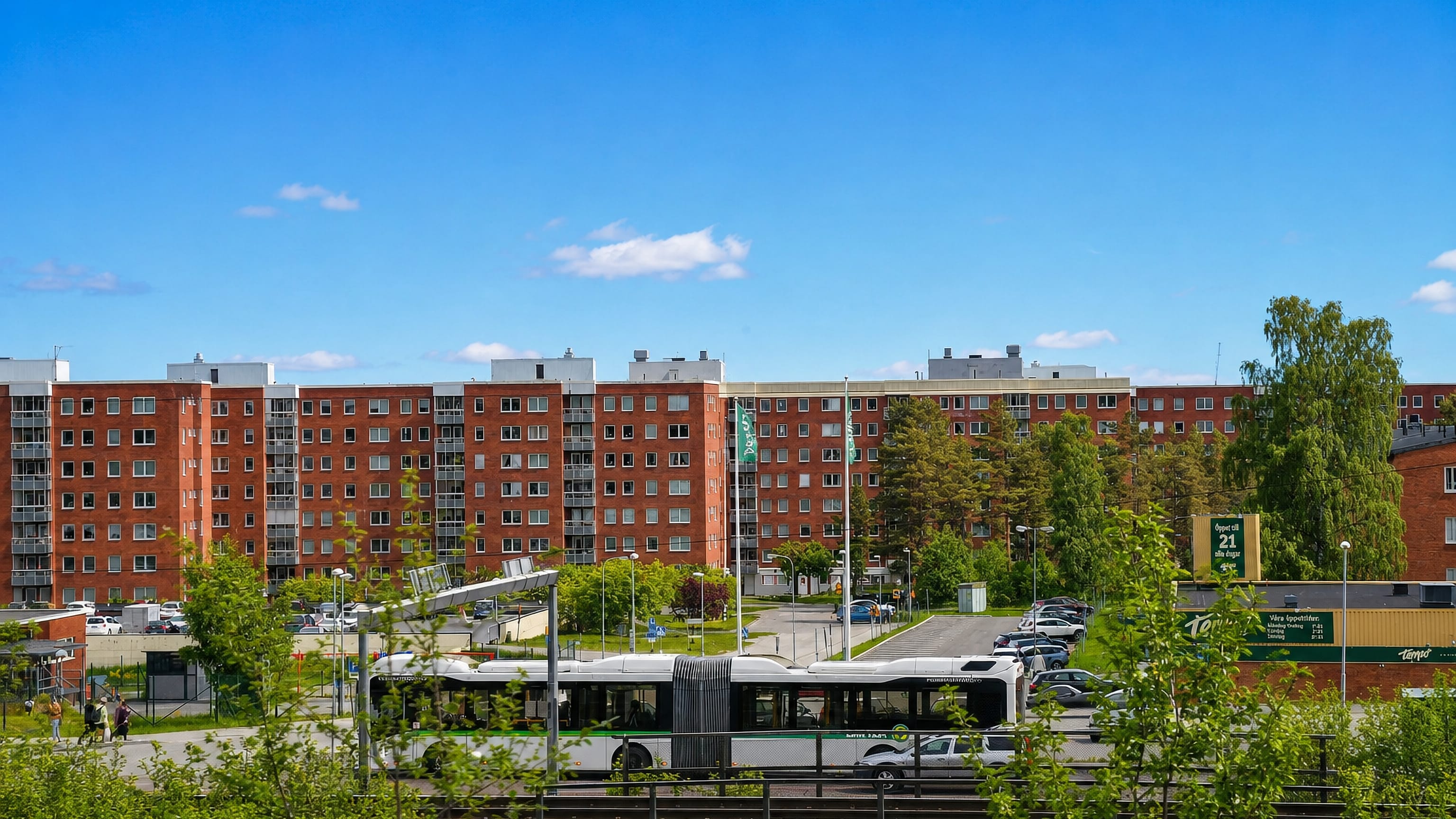
Sweden
Västernorrland County, Sweden — Towns & Travel Guide
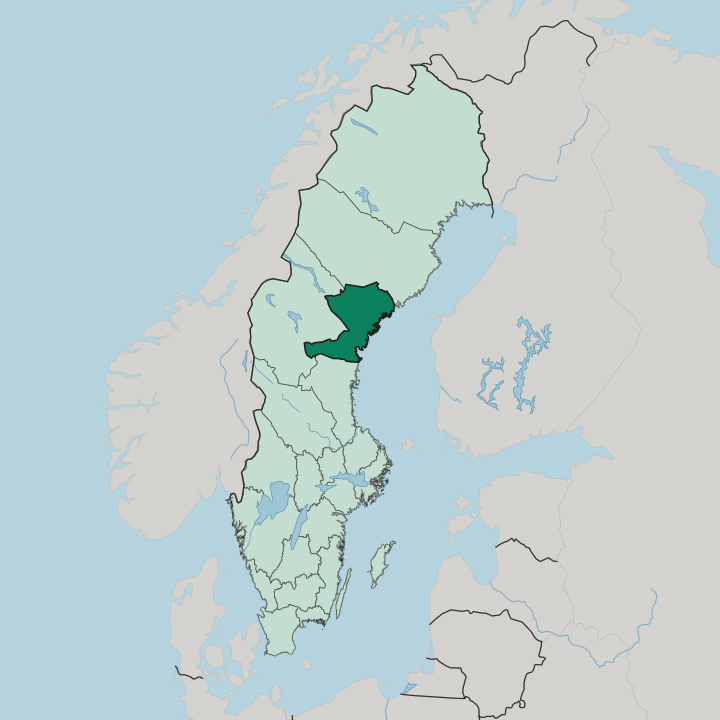
Västernorrland County is a forested coastal län in north-eastern Sweden, gathering the provinces of Ångermanland and Medelpad along the Gulf of Bothnia.
Hotel links are affiliate links: booking through them may earn us a commission, at no extra cost to you. It never affects how places are ranked. How this works


Towns & cities in Västernorrland County
Pick a town or city — each links to where to stay.
 Sweden
Sundsvall
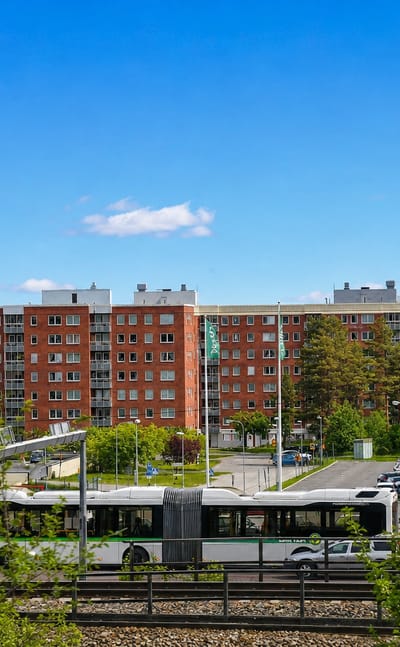
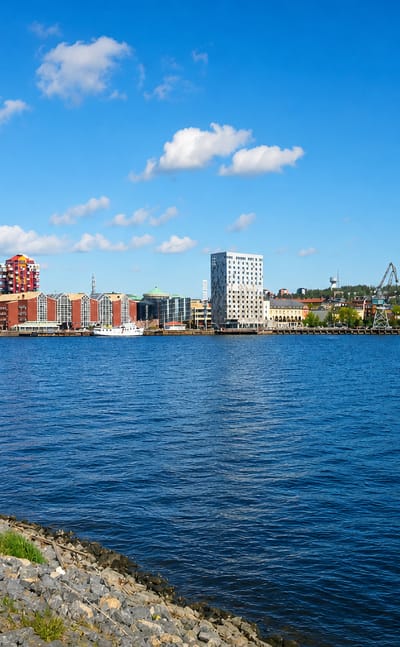
Sundsvall is a coastal city in south-eastern Västernorrland County, the county seat and the only city of the Medelpad province.Where to stay →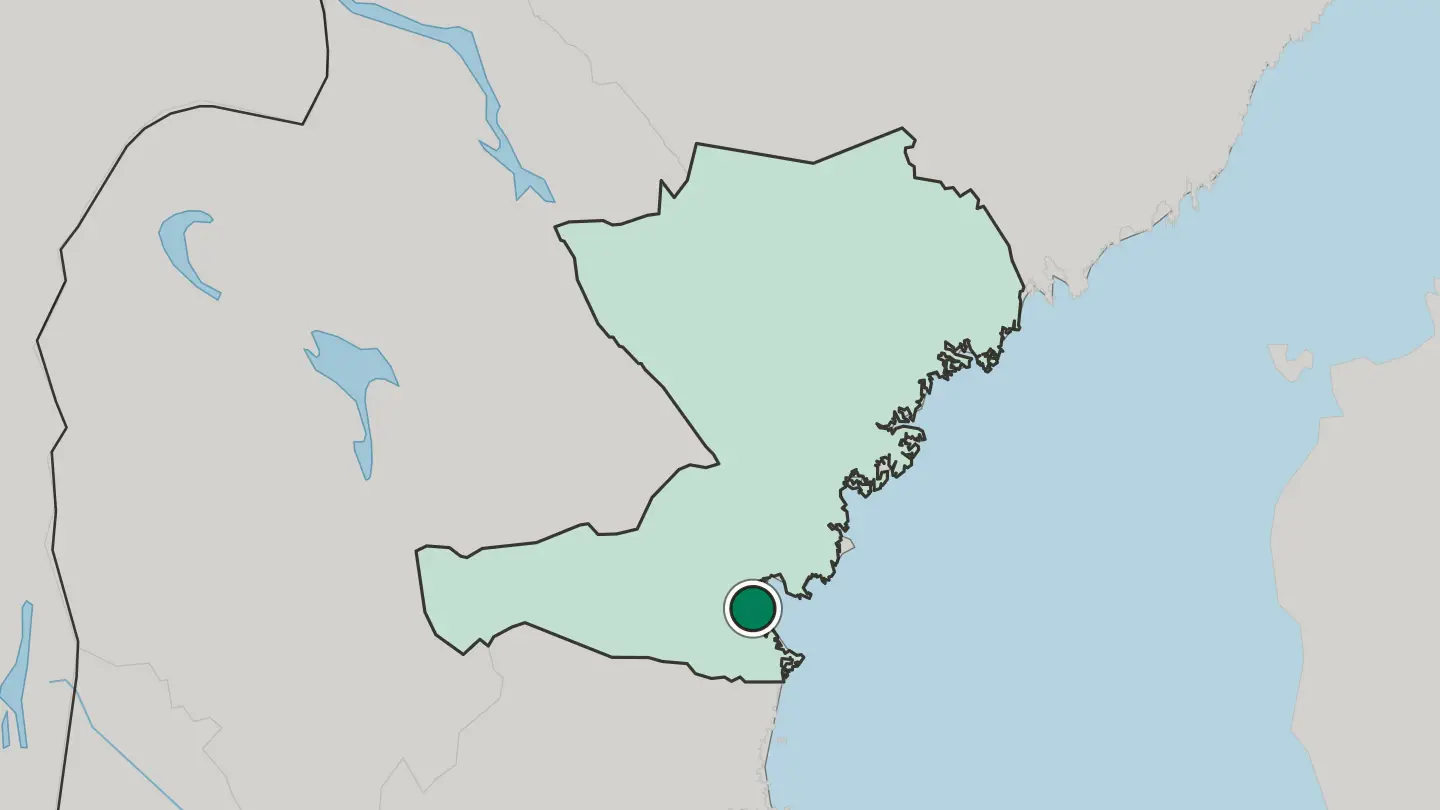
 Sweden
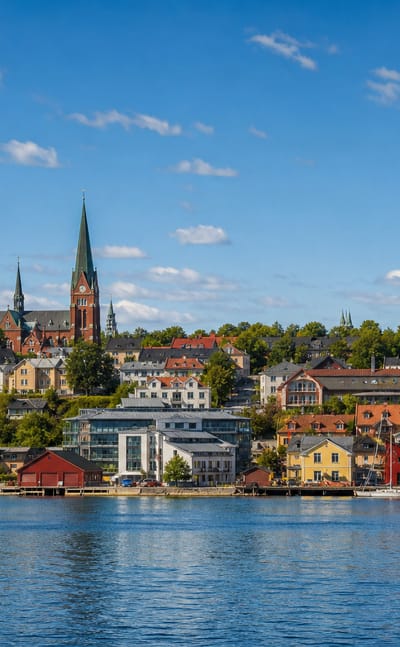
Örnsköldsvik
Örnsköldsvik is a coastal city in north-eastern Västernorrland County, on a bay below the High Coast.Where to stay →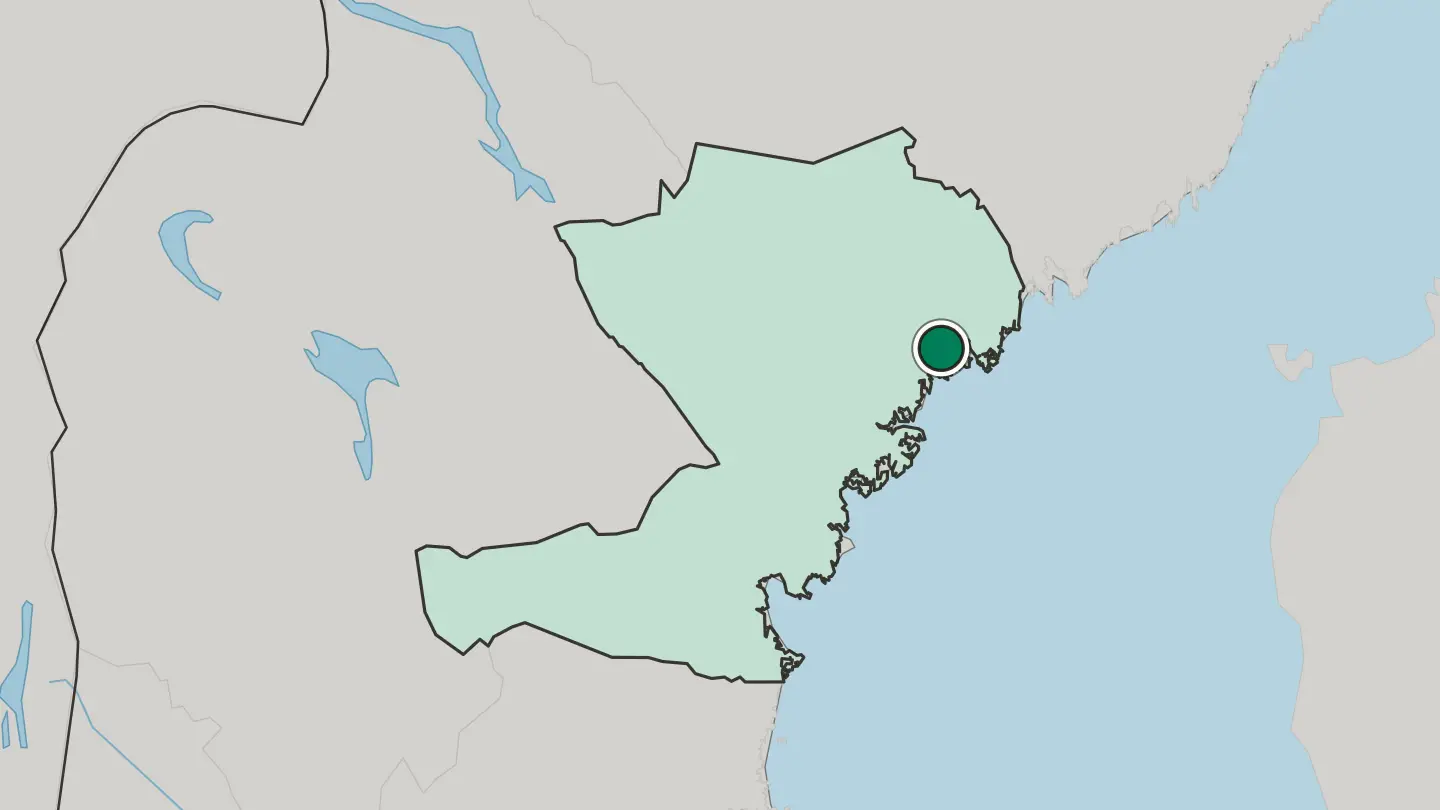
 Sweden
Härnösand
Härnösand is a coastal city and the seat of Västernorrland County, set on islands and inlets of the Bothnian coast in northern Sweden.Where to stay →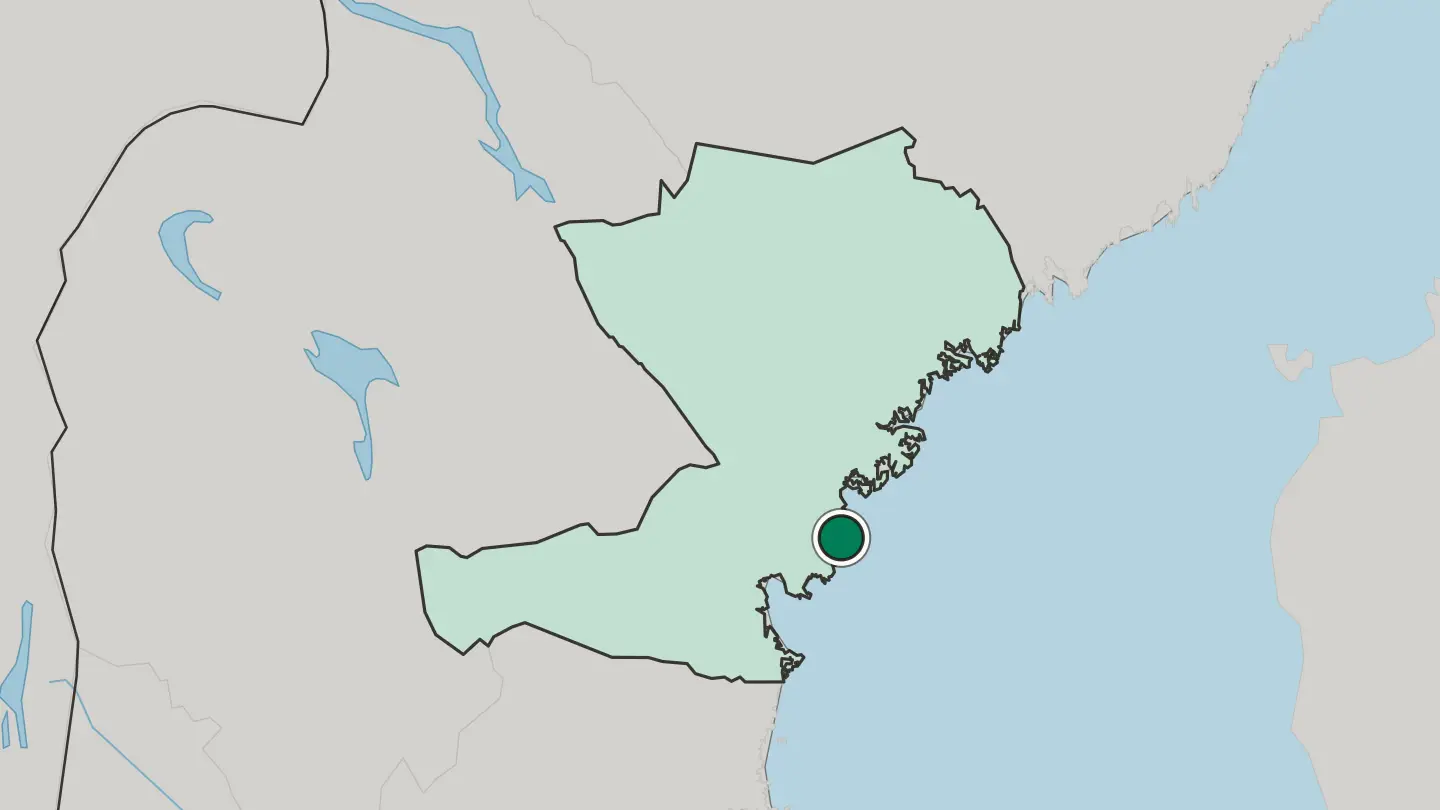
 Sweden
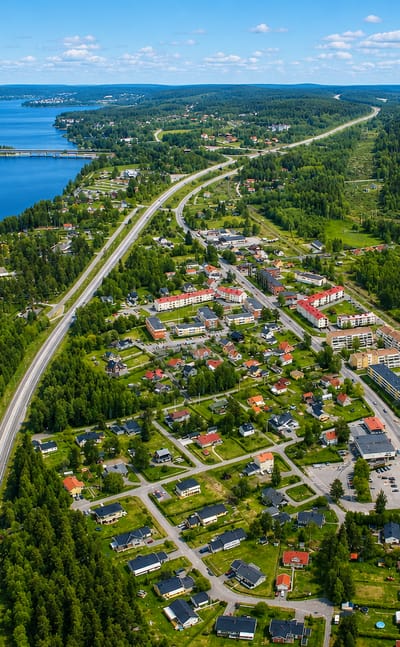
Timrå
Timrå is a coastal town in the south-eastern part of Västernorrland County, in north-eastern Sweden, the seat of its municipality just north of Sundsvall.Where to stay →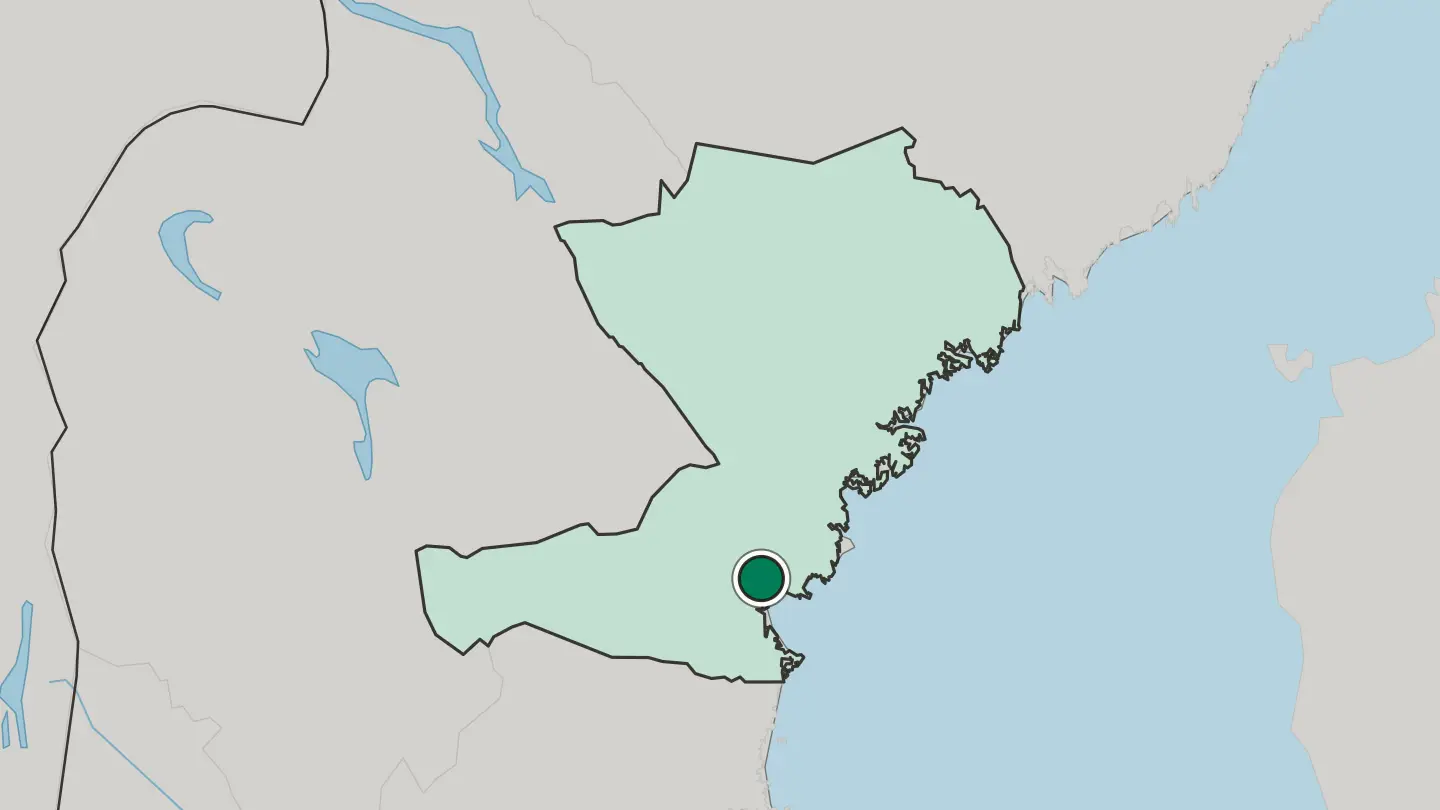
 Sweden
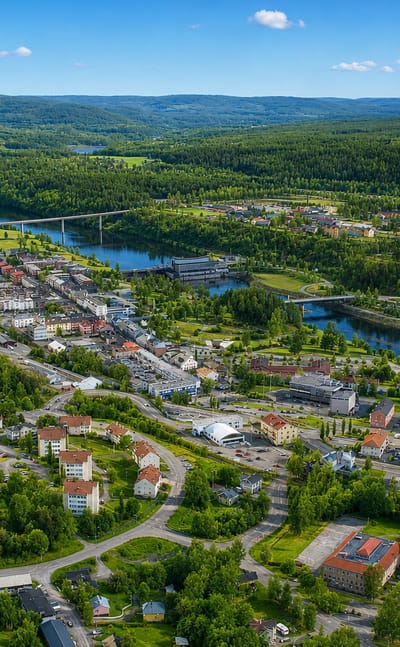
Sollefteå
Sollefteå is an inland town in north-eastern Västernorrland County, the seat of its municipality on the Ångermanälven river.Where to stay →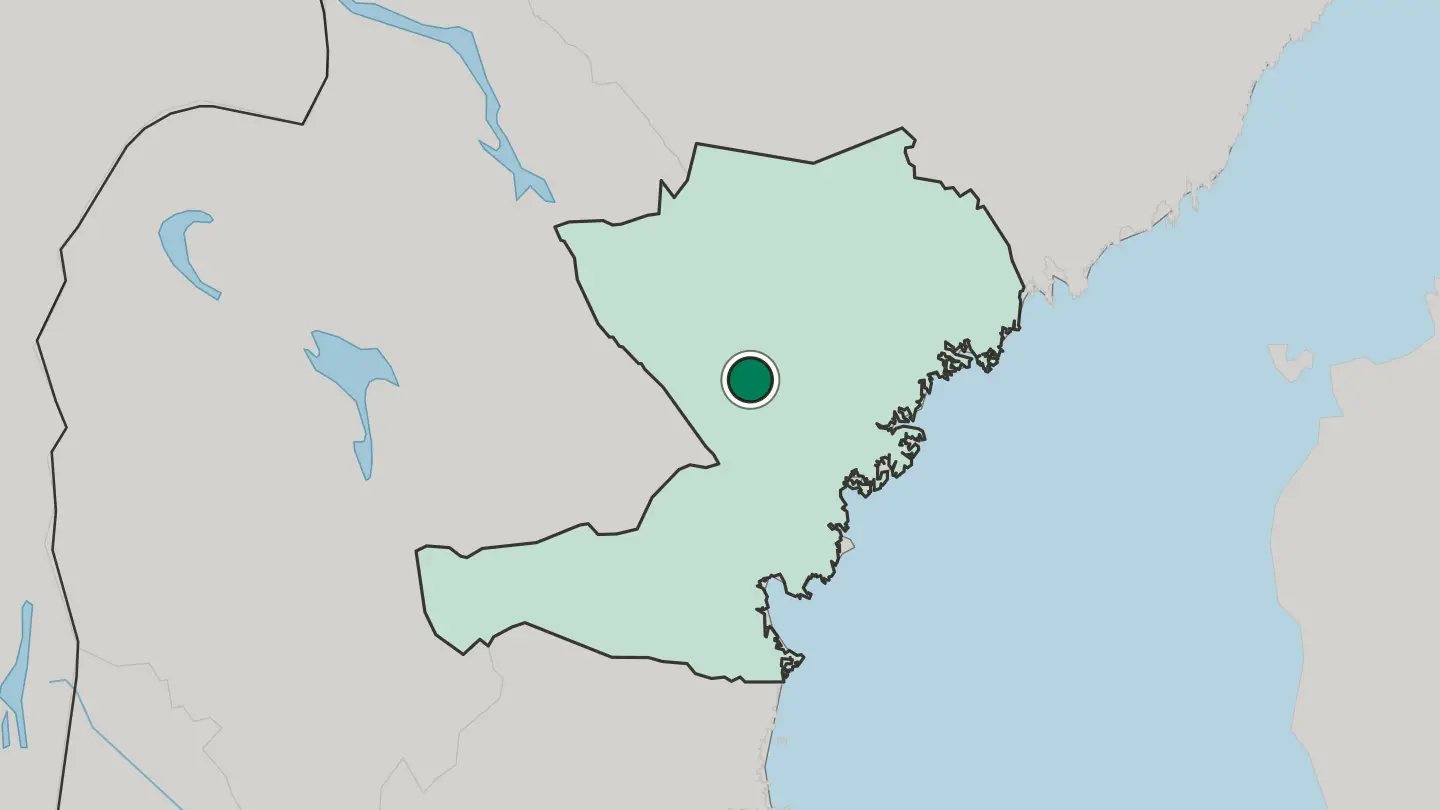
 Sweden
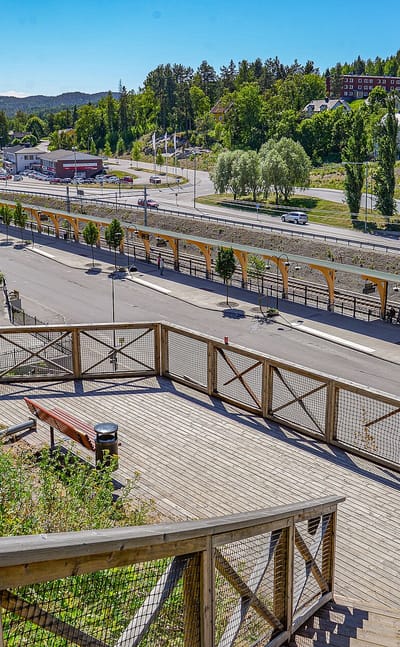
Kramfors
Kramfors is a town in north-eastern Västernorrland County, on the Ångerman River near the High Coast of northern Sweden.Where to stay →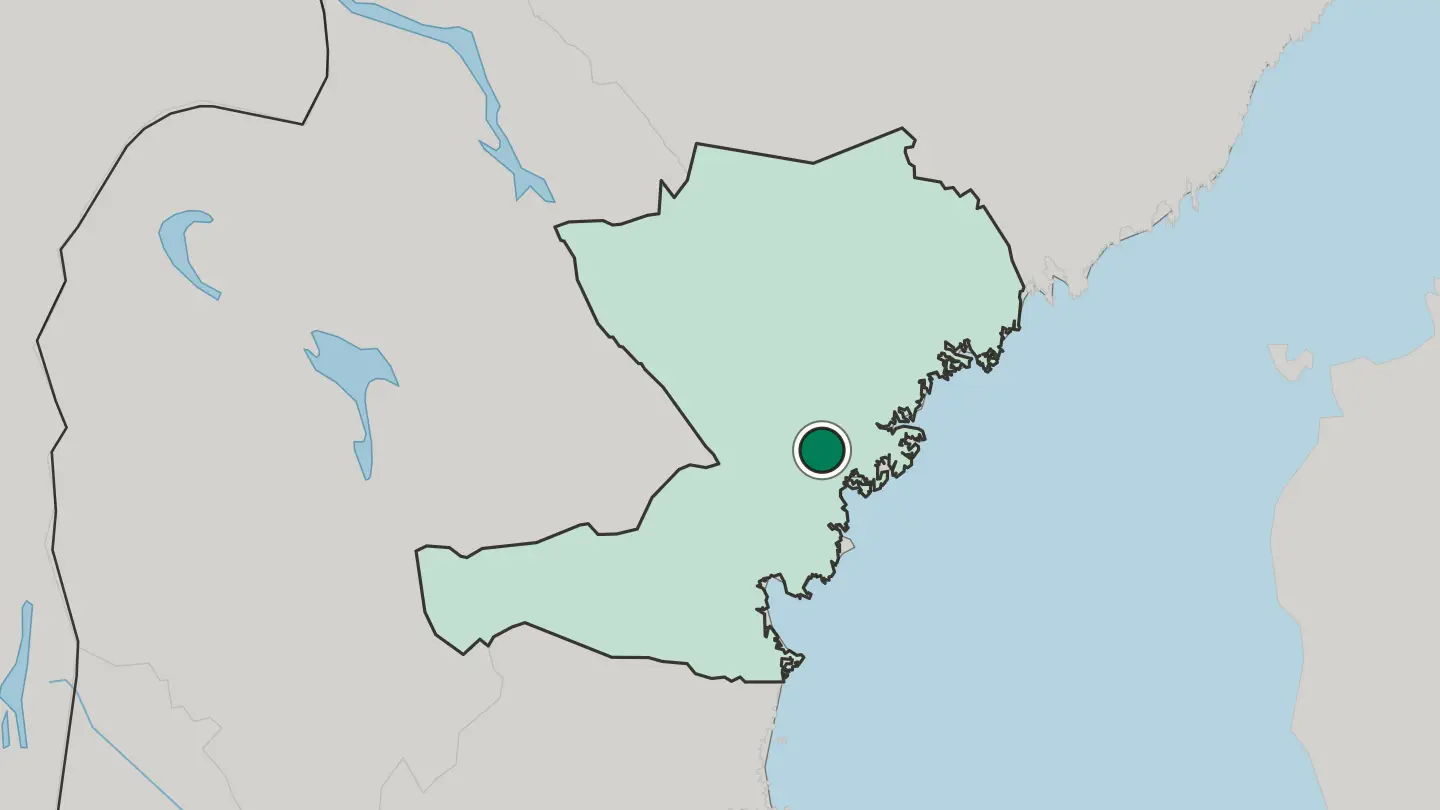 Sweden
Ånge
Ånge is an inland town in south-western Västernorrland County, a railway junction in the Medelpad forests of northern Sweden.Where to stay →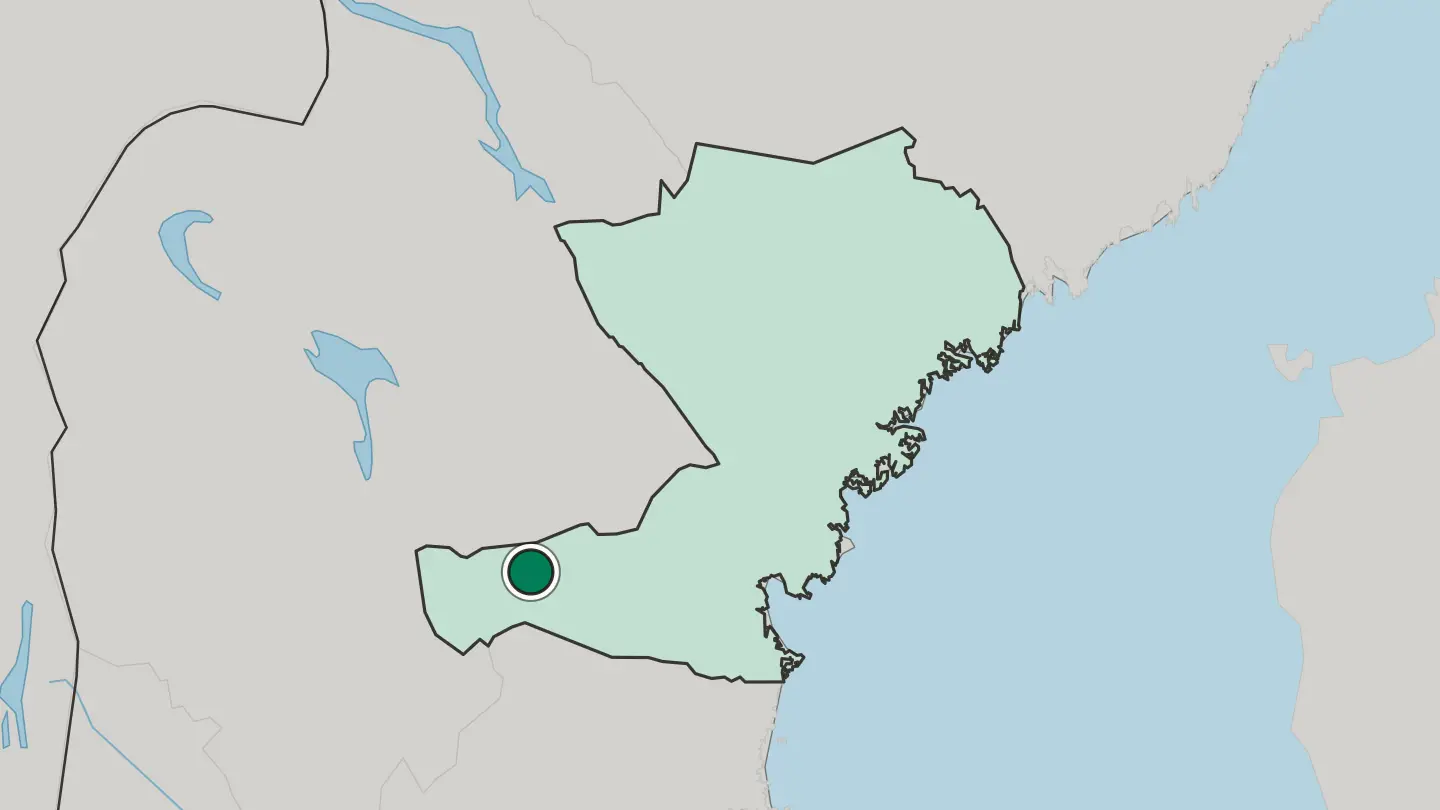
Hotel links are affiliate links: booking through them may earn us a commission, at no extra cost to you. It never affects how places are ranked. How this works
About Västernorrland County
Forest and coast define this county.
What is Västernorrland County known for?
Endless spruce and pine roll inland from the Gulf of Bothnia, and the timber they yield built the sawmills and pulp mills that made this stretch of shore one of the industrial engines of northern Sweden. The Höga kusten, or High Coast, lifts the shoreline into dramatic cliffs and islands that carry a place on the UNESCO World Heritage list. Sundsvall anchors the south.
Härnösand keeps the seat of the county, and Örnsköldsvik holds the busy north.
Where is Västernorrland County?
Västernorrland County spreads across a wide swathe of north-eastern Sweden, from the Gulf of Bothnia deep into the forested interior. The land is wooded. Spruce and pine cover most of the surface, broken by river valleys, lakes, and the broad estuaries where the Indalsälven and the Ångermanälven empty into the sea after their long descent from the western mountains.
The coast is the defining edge, rising in the north into the steep cliffs, fjards, and skerries of the Höga kusten. The High Coast is the geological showpiece. Land here keeps rising.
Freed of the weight of the last ice sheet, the shore lifts measurably from the sea each century, the fastest such rebound recorded anywhere on Earth. Inland the terrain climbs gradually toward the border with Jämtland, a country of forest, bog, and scattered farms threaded by the great rivers. To the south lies Gävleborg; to the north, Västerbotten.
The Bothnian shore frames the whole eastern side. Forest, river, and rising coast set the geography of this northern county.
What is Västernorrland County like?
Two old provinces give the county its grain. Medelpad in the south and Ångermanland in the north each carry their own dialects, foods, and traditions, and the contrast between them runs through the cultural life of the whole region. Industry shaped the modern identity above all, since the sawmill and timber boom along the coast drew workers, built mill communities, and left a labour heritage still marked in song, museum, and memory.
Surströmming, the famously pungent fermented herring of the north, belongs to this coast. Sundsvall carries the urban culture. Rebuilt in stone after a great fire, the city wears a grand turn-of-the-century centre that earned it the name Stenstaden, the Stone Town, and its theatres and museums anchor the cultural calendar.
The High Coast adds a quieter, landscape-bound culture of fishing villages and artist colonies. Härnösand keeps the cathedral and the old administrative dignity of the county seat. Folk music, mill history, and the draw of the coast together give Västernorrland a culture rooted equally in forest, sea, and the age of timber.
What is the history of Västernorrland County?
Settlement here is ancient. Burial grounds and old farms along the rivers and the coast trace people back through the Iron Age and beyond, drawn by fishing, timber, and the salmon runs. The county itself dates from the seventeenth century.
Through the eighteen-hundreds the timber trade transformed the coast, as steam sawmills crowded the estuaries and turned quiet fishing parishes into booming mill towns. Sundsvall burned and rose again in stone. That industrial age still defines the modern region.
What is the climate of Västernorrland County?
The county has a cold northern climate. Winters run long and snowy, especially inland, where the forests lie under a deep cover for months and the rivers freeze hard. Summers stay short yet bright along the coast.
The Bothnian coast softens the extremes a little, and the long daylight of the northern summer fills the High Coast trails with walkers through the warm green weeks. Autumn turns the birch forests gold before the snow returns. Spring comes late to this part of Sweden, arriving on the coast well before it reaches the interior highlands.
How do you get to Västernorrland County?
Sundsvall is the main gateway. The city lies on the East Coast Line, with trains linking it south toward Stockholm and north along the Bothnian coast, and Sundsvall-Timrå Airport handles flights from the capital. Drivers reach the county on the E4, which runs the length of the coast through all three of its cities.
Härnösand and Örnsköldsvik sit on the railway too. Buses connect the coastal towns with the forested interior and the trailheads of the High Coast.
Common questions
What is the best area to stay in Västernorrland County?
Sundsvall: first-time visitors. Höga kusten: hikers and nature travellers. Härnösand and Örnsköldsvik: harbour stays in the north.
Good for
More regions in Sweden
Updated September 2026