Slovenia · Urban Municipality of Ljubljana
Where to Stay in Ljubljana, Urban Municipality of Ljubljana
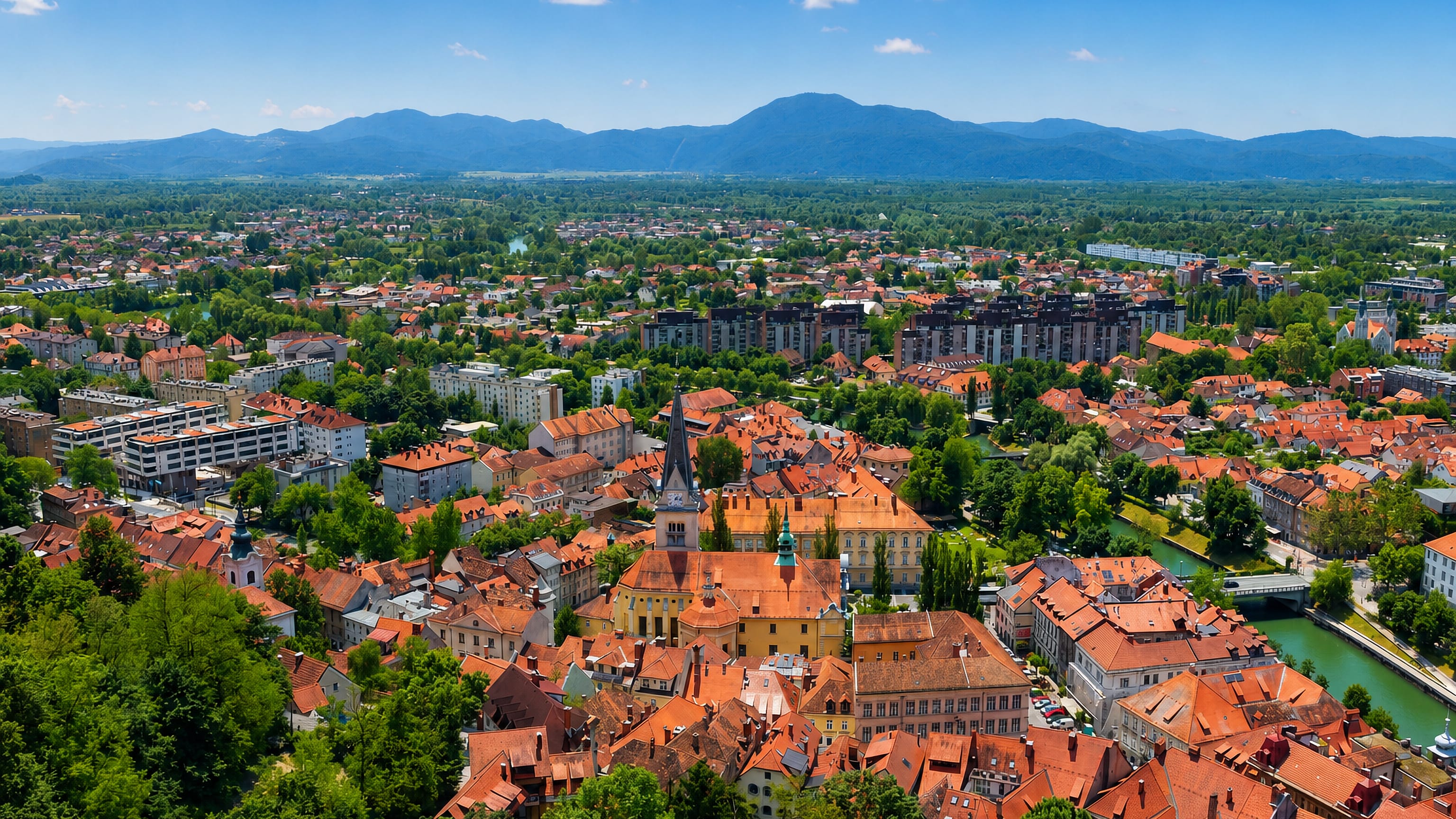
Ljubljana is the capital and largest city of Slovenia, an old centre of museums and galleries below the walls of Ljubljana Castle.
Hotel links are affiliate links: booking through them may earn us a commission, at no extra cost to you. It never affects how places are ranked. How this works


Where to stay in Ljubljana
Each area has its own feel; here's who each one suits.

 LjubljanaSlovenia
Spodnja Šiška
Spodnja Šiška is a former village of Ljubljana, annexed in 1914, whose Old Church of St. Bartholomew is one of the oldest in the city.Where to stay → LjubljanaSlovenia
Glince
Glince is a former village on the south-western edge of Ljubljana, in the Vič District where the Glinščica meets the Gradaščica.Where to stay →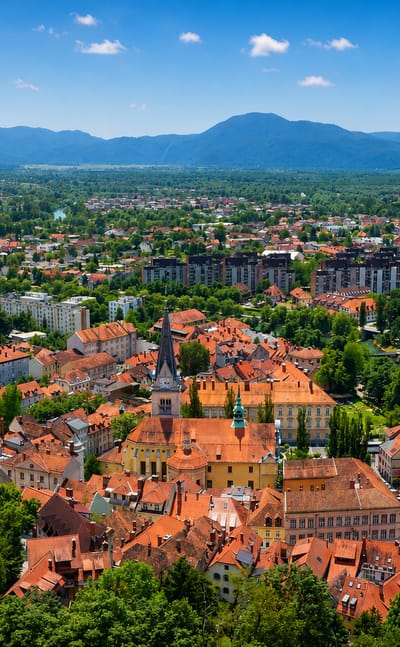 LjubljanaSlovenia
Koseze
Koseze is a quiet residential neighbourhood on the north-western edge of Ljubljana, tucked beside Tivoli.Where to stay →LjubljanaSloveniaZgornja Šiška
Zgornja Šiška holds the Slovenian Computer History Museum and Vodnikova domačija, two of the quieter stops on the northwest side of Ljubljana.Where to stay → LjubljanaSlovenia
Dravlje
Dravlje is a district of the City Municipality of Ljubljana, Slovenia's capital, and it takes its name from a former village of the same name.Where to stay →LjubljanaSloveniaZapuže
Zapuže is a small neighbourhood of Ljubljana, Slovenia, tucked below Šentvid near Celovška cesta.Where to stay → LjubljanaSlovenia
Bokalce
Bokalce is a former settlement in the southwest part of Ljubljana, set below the Rožnik ridge near the city zoo.Where to stay →LjubljanaSloveniaTrata
Trata is a neighbourhood in the northwest of Ljubljana, near Šentvid and the Šiška lowlands below the Pržan hills.Where to stay →LjubljanaSloveniaPržan
Pržan is a hillside neighbourhood on the north-western edge of Ljubljana, the capital of Slovenia.Where to stay →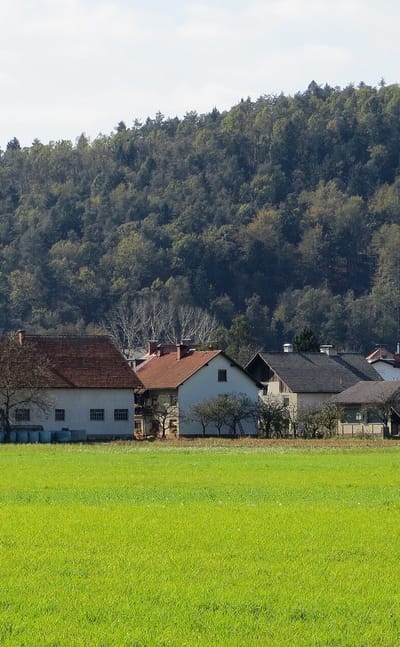 LjubljanaSlovenia
Poljane
Poljane is a district of Ljubljana below Gradišče nad Pržanom, its houses on Gunceljska set among the memorials of Šiška.Where to stay →LjubljanaSloveniaGlinica
Glinica is a north-western neighbourhood of Ljubljana, set below the Gradišče nad Pržanom hillfort near Šentvid.Where to stay →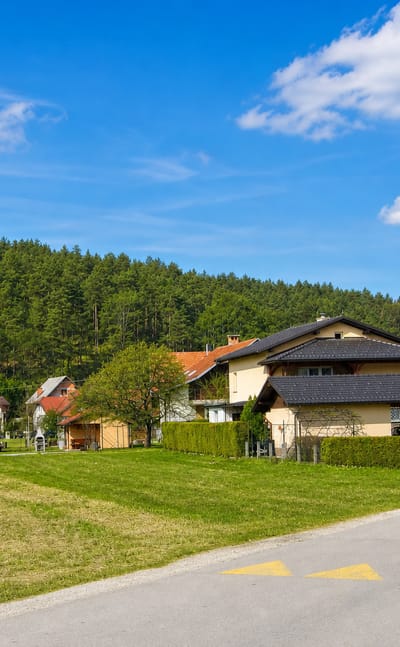 LjubljanaSlovenia
Podgorica pri Črnučah
Podgorica pri Črnučah is a former village folded into the northern edge of Ljubljana, out toward the Črnuče borough.Where to stay →LjubljanaSloveniaHrušica
Hrušica is a district on the north slope of Golovec in south-east Ljubljana, split into Zgornja and Spodnja Hrušica by Graben Creek.Where to stay →LjubljanaSloveniaMurgle
Murgle is a planned residential neighbourhood of Ljubljana, the capital of Slovenia in Central Europe.Where to stay →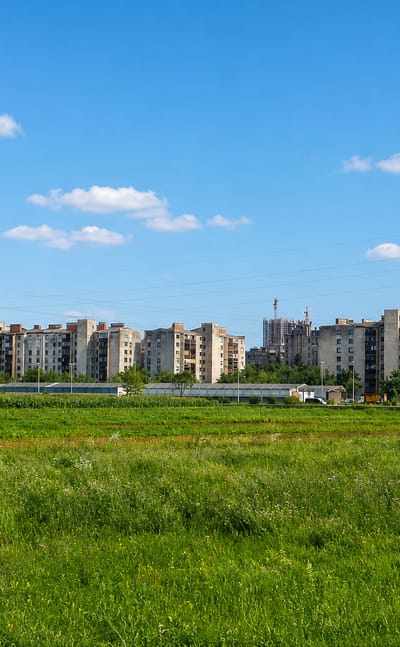 LjubljanaSlovenia
Nove Jarše
Nove Jarše is a district of Ljubljana, the capital of Slovenia, named after the former village of Jarše.Where to stay →Hotel links are affiliate links: booking through them may earn us a commission, at no extra cost to you. It never affects how places are ranked. How this works
Find hotels in Ljubljana
Direct booking searches for these neighbourhoods.
Old Town
The compact old core below Ljubljana Castle, holding Ljubljana Cathedral, the Prešeren Monument and Križanke within a short walk.Find hotels in Old Townquiet and a view from Ljubljana CastleCastle Hill
The rise crowned by Ljubljana Castle, a short climb above the old centre and its crowded lanes.Find hotels in Castle HillHotel links are affiliate links: booking through them may earn us a commission, at no extra cost to you. It never affects how places are ranked. How this works
Things to do in Ljubljana
Ranked by global recognition; descriptions from Wikidata (CC0).
Museums & Galleries
3- Museum of Modern Art Heritage
- National Gallery of Slovenia
- National Museum of Slovenia
Churches & Religious Sites
3- Ljubljana Cathedral Heritage
- Križanke Heritage
- Cerkev Jezusa Kristusa svetih iz poslednjih dni Šiška
Castles & Historic Sites
8- Ljubljana Castle Heritage
- Path of Remembrance and Comradeship Heritage
- Prešeren Monument, Ljubljana Heritage
- Vodnik Monument Heritage
- Bokalce Castle Heritage
Show 3 more →
- Spomenik maršalu Titu, Tivoli Heritage
- Spomenik Svobode, Šiška Heritage
- Spomenik padlim v NOB v Šentvidu Heritage
Stadiums & Sports
1- Športni center Dolgi most
Landmarks & Notable Places
8- Philip Mansion Heritage
- Souvan House Heritage
- Plečnik House Heritage
- Schweiger House Heritage
- Vodnikova domačija Heritage
Show 3 more →
- Hribarjeva hiša, Ljubljana Heritage
- Bamberg house Heritage
- Čuden House Heritage
worth knowingacross 5 categories in Ljubljana
About Ljubljana
Ljubljana is the capital and largest city of Slovenia.
What is Ljubljana known for?
It is the country's cultural, educational and administrative centre, a place of artists, museums and galleries gathered in a compact old core. Ljubljana Castle looks down over that centre from its hill, while the National Gallery of Slovenia and the National Museum of Slovenia hold the national collections nearby. The old streets stay small and walkable.
What are the main landmarks in Ljubljana?
Ljubljana keeps most of its landmarks in and around the old centre. Ljubljana Castle crowns the hill above the town, while Ljubljana Cathedral and the Prešeren Monument stand among the streets below. The museums do the rest.
The National Museum of Slovenia and the National Gallery of Slovenia hold the national collections, and the Museum of Modern Art and the Slovene Ethnographic Museum sit close by. Križanke and the Plečnik House round out the old town.
What is the history of Ljubljana?
Ljubljana has been inhabited since prehistoric times. The reason is its position: the site sits on an old trade route between the northern Adriatic Sea and the Danube region, a natural corridor through the mountains that people have used for thousands of years. Settlement gathered here early.
Long before it was a capital, the place mattered as a crossing point between the sea and the great rivers inland. Over the centuries the town on that corridor grew into the chief city of the Slovene lands. It became the capital and largest city of Slovenia, and the seat of the Urban Municipality of Ljubljana that bears its name.
Much of its long past is kept in its institutions. The National Museum of Slovenia and the City Museum of Ljubljana hold the record of the city and the country, while the old centre below Ljubljana Castle preserves the streets themselves. The castle above is the oldest landmark of all.
From a prehistoric crossing to the capital of a modern state, Ljubljana has held the same ground between the Adriatic Sea and the Danube region throughout.
Where is Ljubljana?
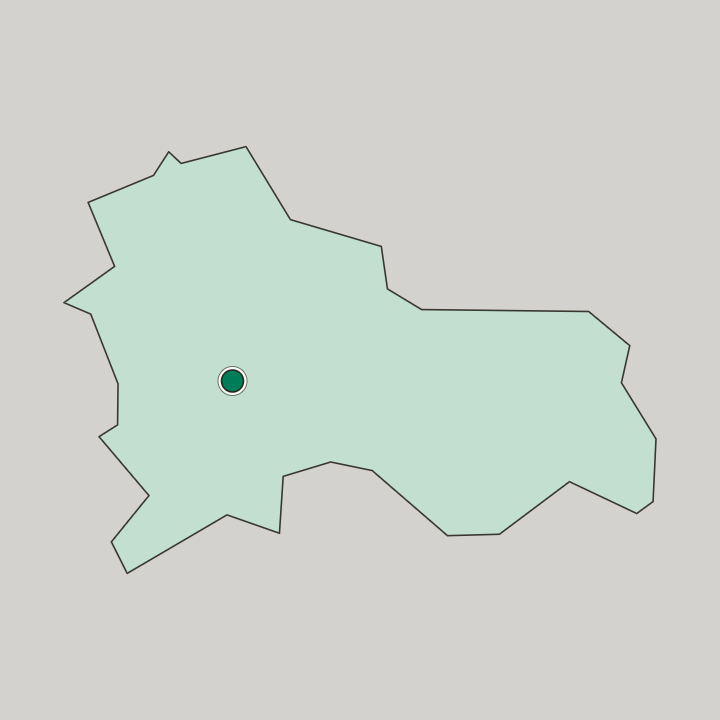
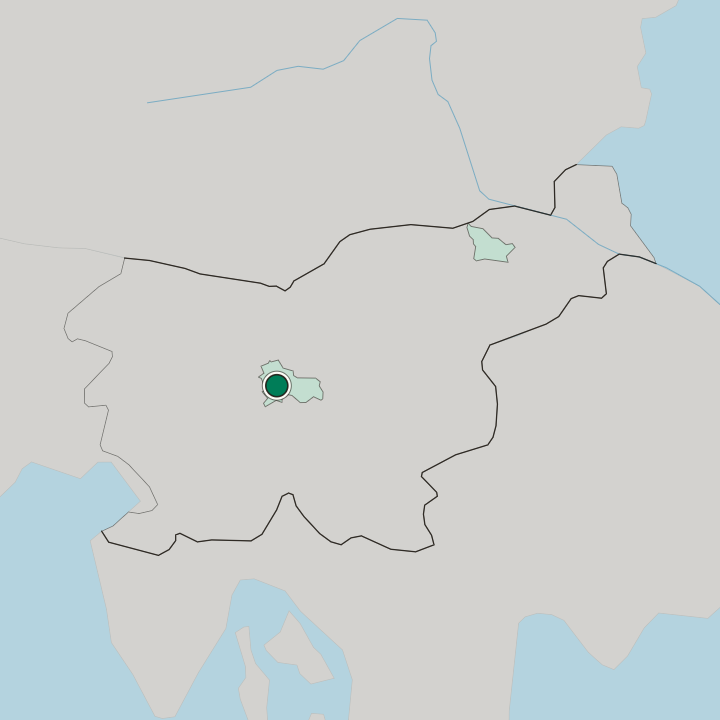
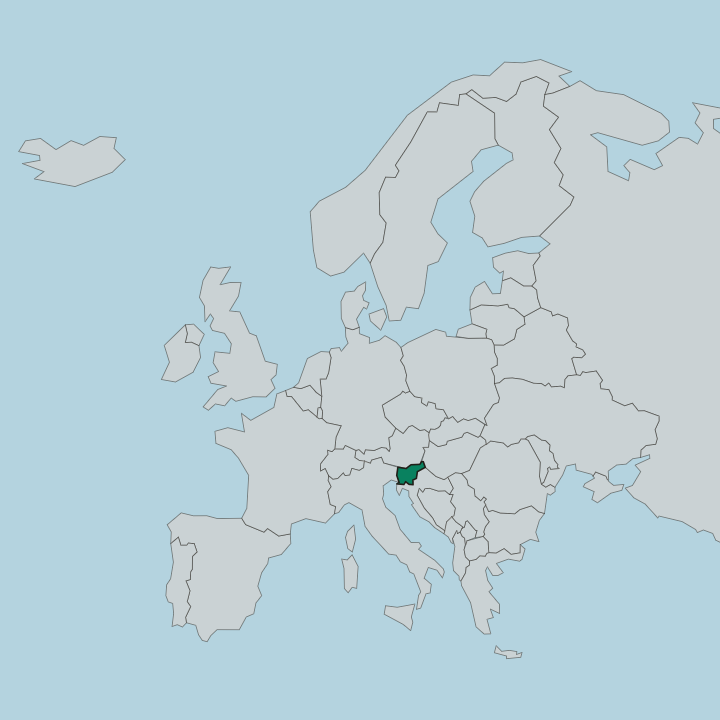
Ljubljana sits inland, on the old corridor between the northern Adriatic Sea and the Danube region. The city grew just north of the country's largest marsh. That corridor is the point: a natural passage linking the Adriatic Sea in the southwest to the Danube region inland.
Ljubljana Castle marks the centre. The old core gathers below the castle hill, small enough to cross on foot.
What is the climate of Ljubljana?
Ljubljana has a temperate continental climate, shaped by its inland position. Summers are warm and winters are cold, with a sharper swing between the seasons than the distant Adriatic coast sees. Snow falls through the winter months.
Well away from the sea, the city misses the mild, even weather of the coast and takes the four-season rhythm of the interior instead. Both shoulder seasons pass quickly in Ljubljana.
How do you get to Ljubljana?
Getting to Ljubljana takes little effort. As the capital of Slovenia, it is the hub the country's roads and rail lines run to, sitting on the same corridor between the Adriatic Sea and the Danube region that first put it on the map. Most visitors arrive at the edge of the old centre.
From there the compact core is a short walk, with Ljubljana Castle and the museums close together. The rest of Slovenia radiates out from the city.
Common questions
What is the best area to stay in Ljubljana?
Old Town: the sights of Ljubljana at your door. Castle Hill: quiet and a view from Ljubljana Castle.
Good for
Updated October 2026