Somalia · Gobolka Jubbada Hoose
Where to Stay in Kismayo, Gobolka Jubbada Hoose
Kismayo is a southern Somali port. It serves as the de facto capital of the autonomous Jubaland region and the coastal outlet of Lower Juba.
Hotel links are affiliate links: booking through them may earn us a commission, at no extra cost to you. It never affects how places are ranked. How this works


Where to stay in Kismayo
Where the beds are, and what that means for the visit.
Beds follow the harbour here. Kismayo is a working port before it is anything else, and the rooms that exist cluster where the business is, which means the streets within reach of the Lower Juba quays and the offices that go with them. Jubaland business fills the rest.
Anyone arriving for the regional administration will want to be near its de facto seat, since the town is small enough that its two ends are the water and the government side. Options here run out quickly. Kismayo is not a resort coast, and travellers used to a long list of options will find that the ports of southern Somalia offer a short one, with most beds serving trade, family visits and official work.
Jubbada Hoose has little else. The province concentrates on this town, so what the city holds is effectively what the province holds, and a stay here is planned around the harbour rather than around a district with a name of its own. Bosaso and Berbera run on the same logic further along the water, where the harbour sets the shape of the town around it.
Find hotels in Kismayo
Direct booking searches for these neighbourhoods.
By the quays
Within reach of the Lower Juba harbour where the cargo landsFind hotels in By the quaysVisitors with appointments at the Jubaland regional officesThe administrative side
Beside the de facto seat of the autonomous Jubaland regionFind hotels in The administrative sideHotel links are affiliate links: booking through them may earn us a commission, at no extra cost to you. It never affects how places are ranked. How this works
About Kismayo
Cargo defines Kismayo.
What is Kismayo known for?
The quays of Lower Juba handle the seaborne trade of southern Somalia, and the town doubles as the de facto capital of Jubaland, so the harbour and the administration of an entire region occupy the same short stretch of coast. Jubbada Hoose is the province in Somali. Kismaayo is how the name is written locally.
What are the main landmarks in Kismayo?
The harbour is the sight. No monument carries the name of Kismayo in the record, so what a visitor actually looks at is the working port of Lower Juba and the administrative buildings of Jubaland behind it. Kismaayo keeps its business at the quays.
The coast supplies the rest. Jubbada Hoose lists no monument of that kind, and the pull of this town is commercial rather than architectural, which is the plain description of a working port.
What is the history of Kismayo?
The harbour came before the politics. Kismayo grew as the port of Lower Juba, the outlet through which the cargo of southern Somalia reached the water, and that trading role is the oldest continuous fact recorded about the place. Ships made the town.
Everything the city later became, from provincial centre to regional seat, followed from the presence of a working harbour on a coast that offers few of them. Kismaayo is the same port under its Somali spelling. Each layer of authority arrived separately.
Kismayo is the city of the Lower Juba province, written Jubbada Hoose in Somali, and it also functions as the de facto capital of the autonomous Jubaland region, so provincial and regional authority sit together in one coastal town. Somalia carries several such arrangements. Puntland conducts its commercial business through the port at Bosaso, while Somaliland, governed from Hargeysa, has declared a separation that the wider world does not accept, which makes the Jubaland formula one pattern among several within the same country.
Berbera answers to that separate administration. The layers differ from one coast to the next, but the pattern of a port carrying its region is common to all of them.
Where is Kismayo?
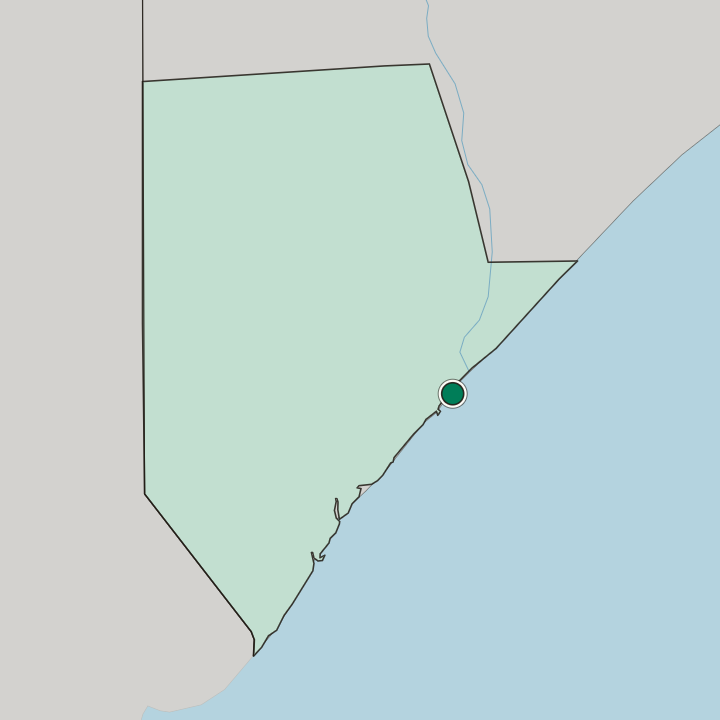
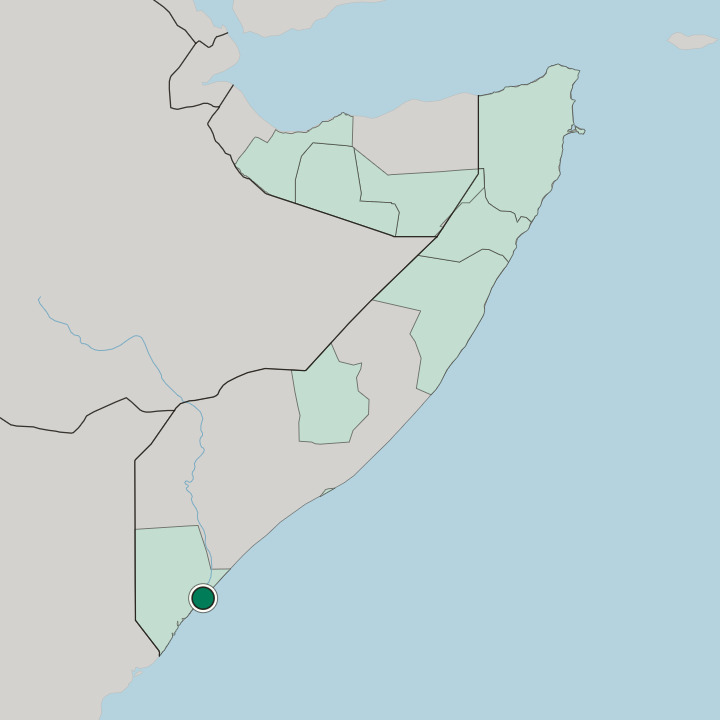
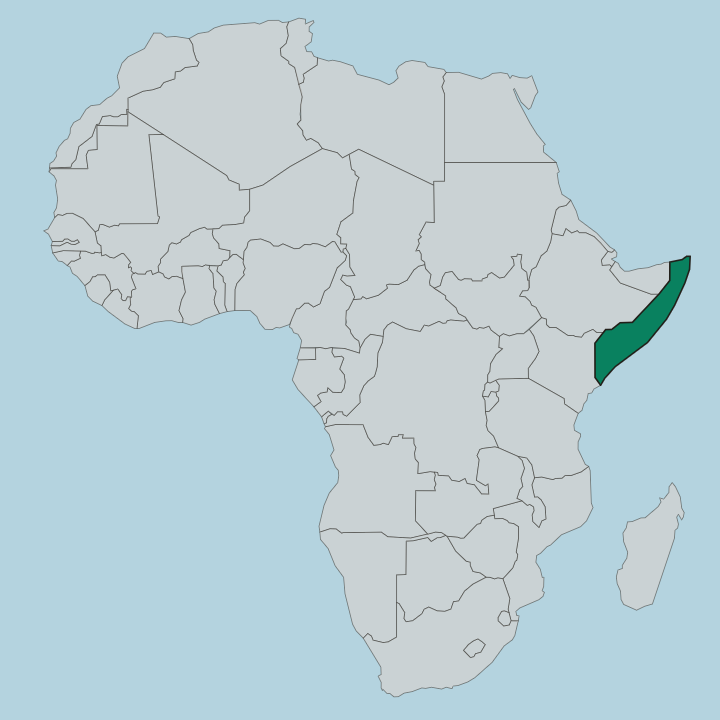
Kismayo sits on the water. Its built-up ground covers some 42 square kilometres along the tropical shore of Lower Juba, with the province of Jubbada Hoose reaching inland behind the port and the rest of southern Somalia beyond that. Jubaland takes in the country around.
The coast is the one clear edge this city has.
What is the climate of Kismayo?
The sea rules the air at Kismayo. Tropical warmth holds along the Lower Juba coast through the whole year, and the water beside the port keeps the range narrow, so the calendar is read in wet and dry spells rather than in seasons of heat and cold. Only the rain changes.
Jubbada Hoose shares the same belt.
How do you get to Kismayo?
Arrivals come by sea or by road. The port takes the cargo traffic of Lower Juba directly, and overland routes run inland through Jubbada Hoose and along the coast toward the rest of southern Somalia, which is how most passengers reach the town. Jubaland administers the region around.
The ports at Bosaso and Berbera lie at the other end of the seaboard, a long way from Kismayo.
Common questions
What is the best area to stay in Kismayo?
By the quays: Crews and traders working the Kismayo waterfront. The administrative side: Visitors with appointments at the Jubaland regional offices.
Updated September 2026