Syria · Al-Hasakah Governorate
Where to Stay in Al Ḩasakah, Al-Hasakah Governorate
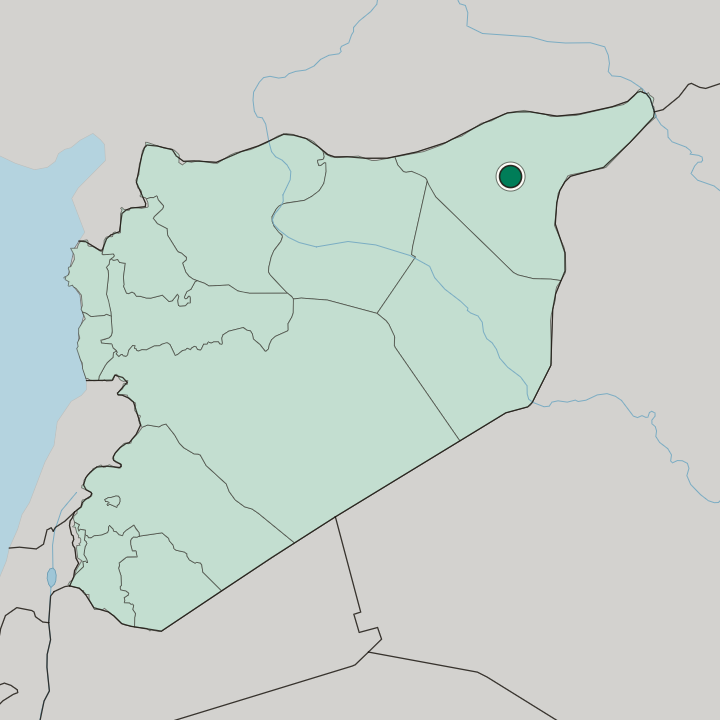
Al Ḩasakah stands where the Jaghjagh River joins the Khabur in northeastern Syria, the capital of its governorate south of Qamishli.
Find your area →


Where to stay in Al Ḩasakah
How the choice of base plays out on the ground.
The Khabur organises Al Ḩasakah. The river crosses the city from west to east, and the addresses that matter most for a short stay are the ones within a few streets of its banks, where the centre and the market both sit. Another line runs into that one.
The Jaghjagh River comes in from the north and meets the Khabur inside the city, and the ground around that junction carries most of the traffic that crosses Al Ḩasakah in a day. Distances between the two banks and the cathedral quarter are short enough that the choice comes down to noise rather than to travel time. Quieter ground lies around the cathedrals.
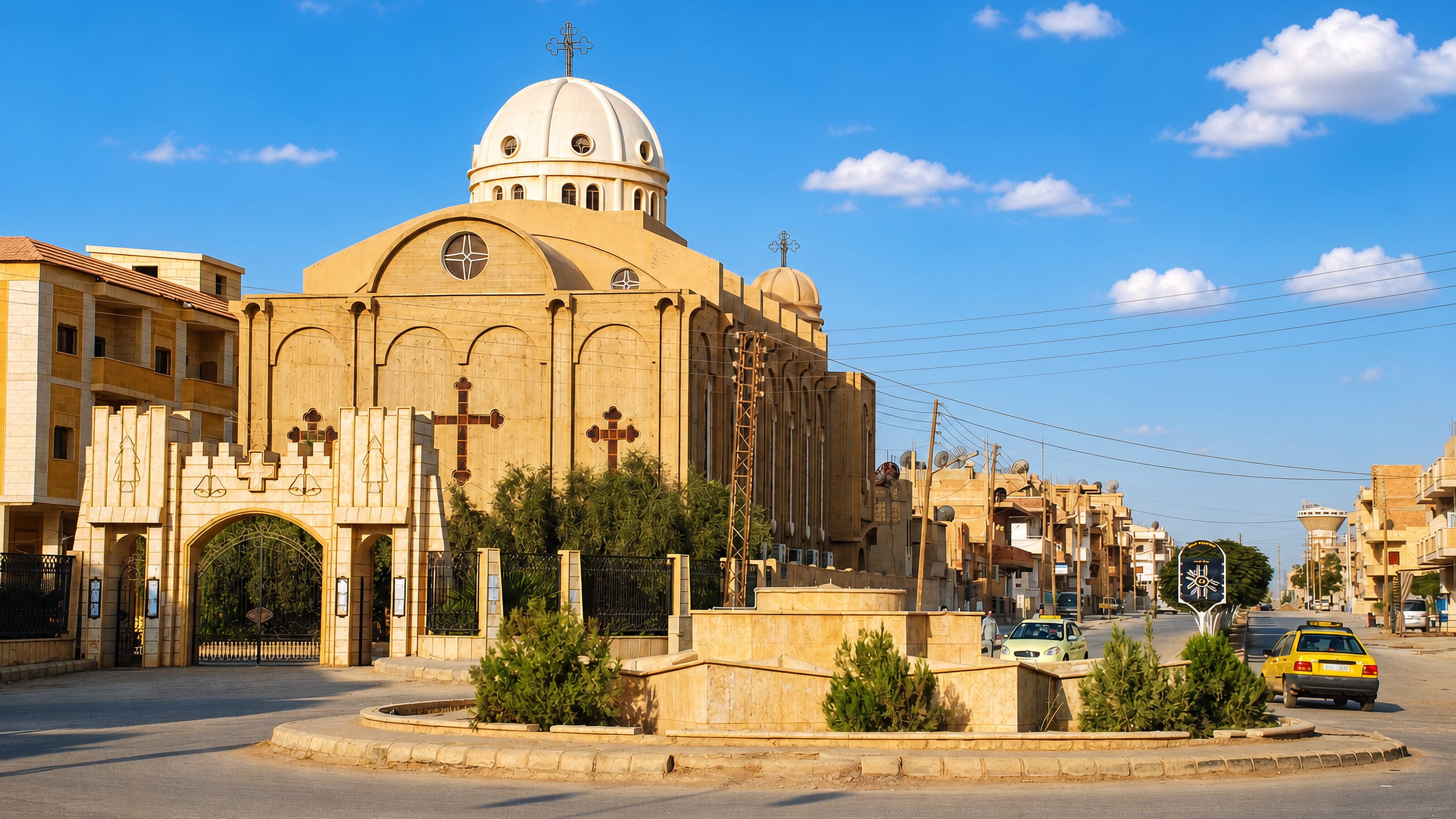
The Cathedral of Our Lady and Saint George's Cathedral stand within the same few streets, and a room near them trades the river frontage for blocks that empty out after dark. Qamishli lies to the north. Al Ḩasakah is the capital of its governorate and the larger of the two, so beds, transport, and supplies are all settled here rather than up that road.
The Euphrates lies beyond. The Khabur that runs through Al Ḩasakah is a tributary of it, which places the city inside the wider river system of northeastern Syria rather than out on dry ground alone.
About Al Ḩasakah
Two rivers meet at Al Ḩasakah.
What is Al Ḩasakah known for?
The Khabur River, a tributary of the Euphrates River, flows west-east through the city, and the Jaghjagh River comes down from the north to join it there, which is the fact the place is most often described by. Its churches come next. The Cathedral of Our Lady and Saint George's Cathedral both stand in the city, and Arabs, Kurds, Assyrians, Armenians, and Chechens all figure in its make-up.
What are the main landmarks in Al Ḩasakah?
Every landmark on Al Ḩasakah's list is a church. The Cathedral of Our Lady and Saint George's Cathedral both stand within it, and the city's Christian congregations, Assyrian and Armenian alike, are the reason the list reads the way it does. Two rivers finish the picture.
The Khabur River and the Jaghjagh River meet inside Al Ḩasakah, and the junction is the feature the city is recognised by more than any building.
What is the history of Al Ḩasakah?
The Khabur came before the city. A river flowing west-east through this part of northeastern Syria, and feeding the Euphrates River downstream, gave the ground its water long before Al Ḩasakah took a name, and the Jaghjagh River joining from the north doubled that advantage. Settlement followed the confluence.
Al Ḩasakah grew at the meeting of the two rivers, and the mix recorded there of Arabs, Kurds, Assyrians, Armenians, and Chechens is what the city has been described by ever since. Administration settled here. Al Ḩasakah became the capital of Al-Hasakah Governorate, the province that reaches north to Qamishli, and the provincial business is transacted in the city on the Khabur rather than anywhere else within it.
Qamishli lies 80 kilometres north. The road between them ties the northern half of the governorate together, and Al Ḩasakah's position on the Khabur is what has kept it the senior of the two. Churches record the older communities.
The Cathedral of Our Lady and Saint George's Cathedral stand for the Christian presence in a city that Arabs, Kurds, Assyrians, Armenians, and Chechens have all shared, and الحسكة is the Arabic name behind the forms Hasakah and Al-Hasakah.
Where is Al Ḩasakah?
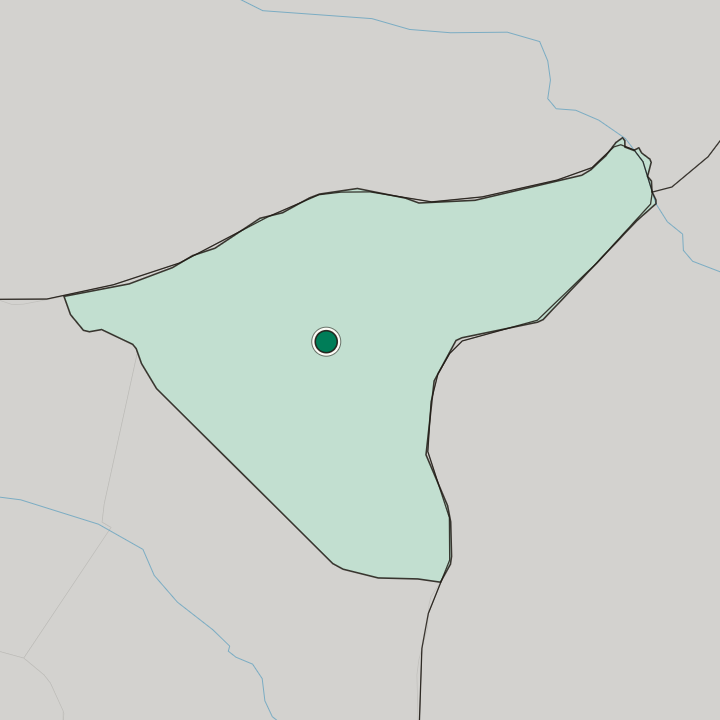
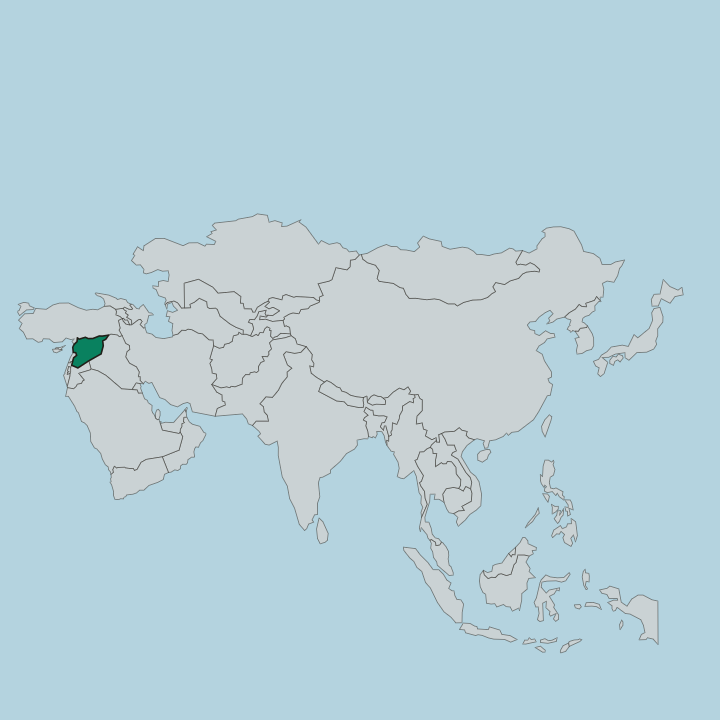
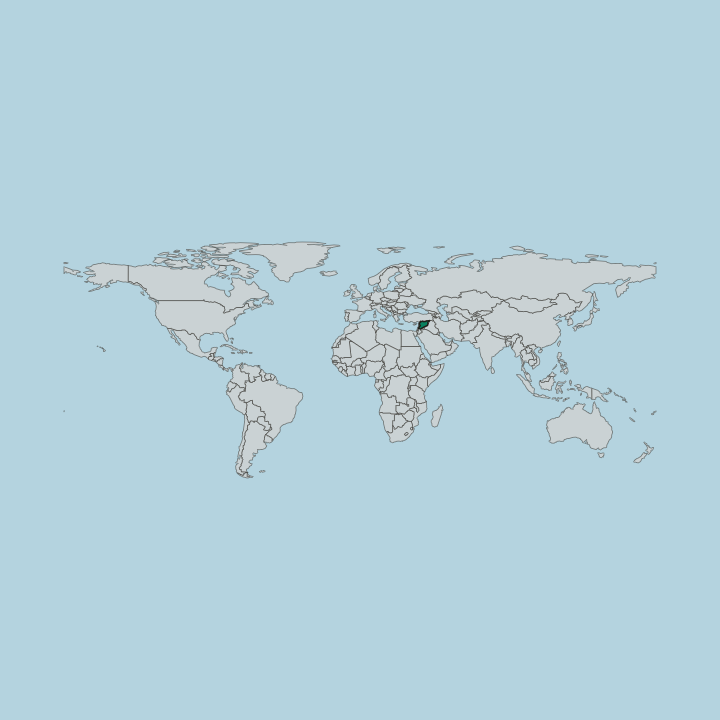
Two rivers define the site. The Khabur River flows west-east through Al Ḩasakah on its way to the Euphrates River, and the Jaghjagh River drops in from the north to meet it inside the city, which sits in northeastern Syria well away from any coast. Qamishli stands to the north.
Al-Hasakah Governorate spreads around the city in every direction, and Al Ḩasakah holds the middle of it as the point where its two rivers come together.
What is the climate of Al Ḩasakah?
The Khabur is the only relief in summer. Al Ḩasakah lies deep inland in northeastern Syria, so the hot season runs long and cloudless, and the two rivers through the city are what keep the ground around it green when nothing else would. Winter brings the rain.
Cold nights follow it, since a city this far from the sea loses heat quickly once the season turns, and travel across the governorate is easiest in the weeks either side of it.
How do you get to Al Ḩasakah?
No railway or harbour serves the city. Roads carry all of it, and one of them runs north to Qamishli, while the rest reach out across Al-Hasakah Governorate in every other direction. The rivers are not routes.
The Khabur River and the Jaghjagh River shape the city rather than carry traffic through it, so arrival and departure are both a matter of the road, and Al Ḩasakah is where the governorate's road connections are put together.
Good for
Another city in Al-Hasakah Governorate
Updated September 2026