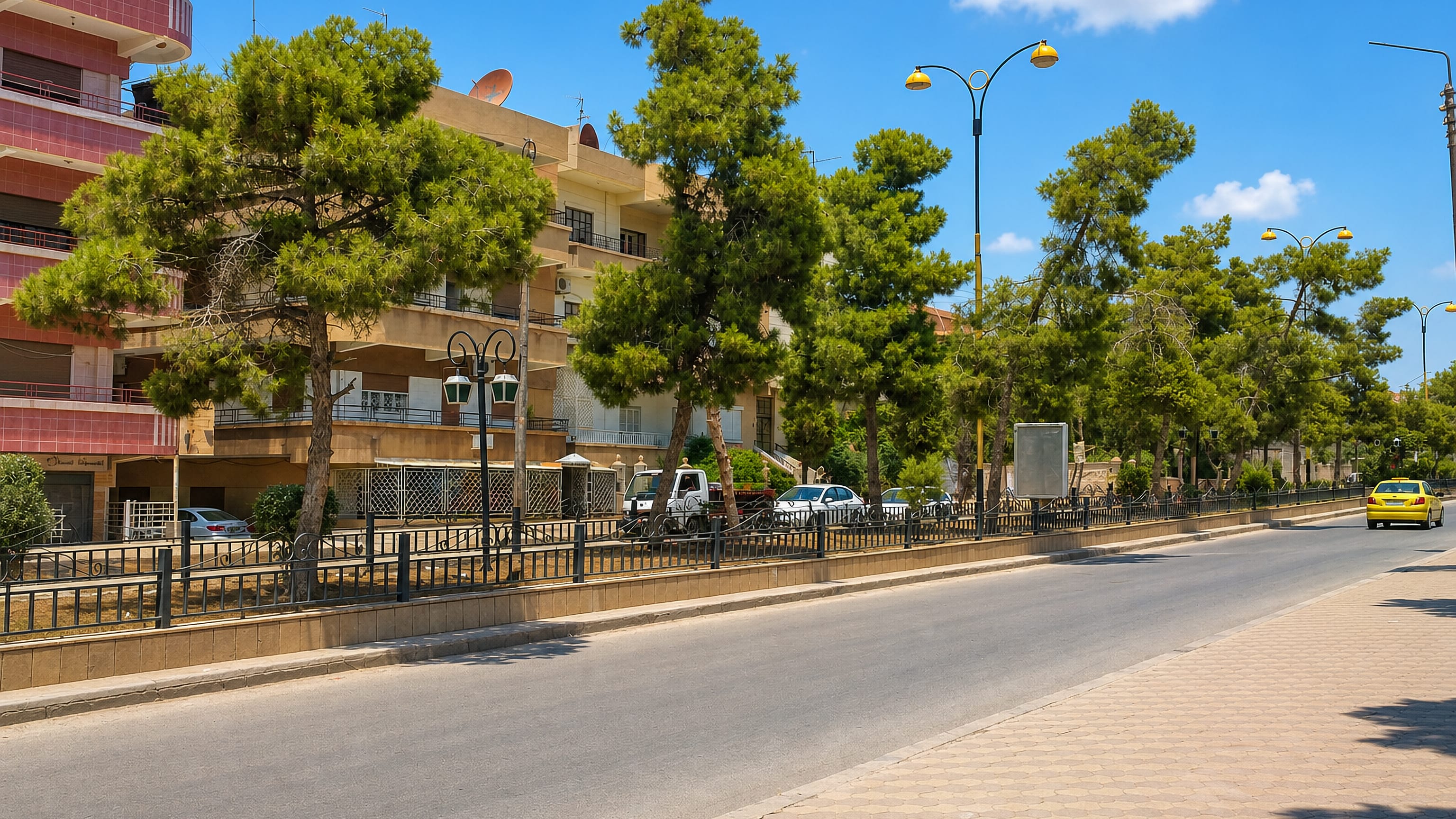
Syria · Al-Hasakah Governorate
Where to Stay in Al Qāmishlī, Al-Hasakah Governorate
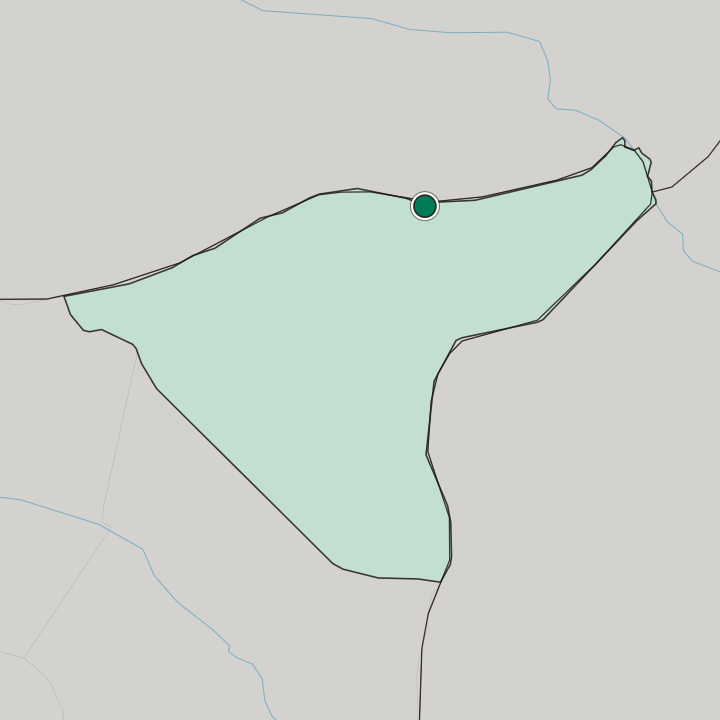
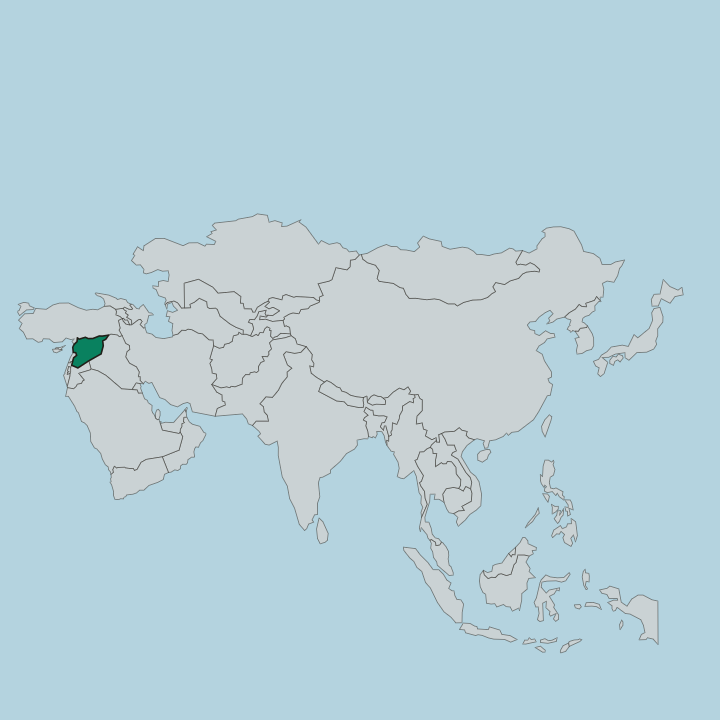
Al Qāmishlī grew on the Syria-Turkey border in northeastern Syria from 1925, a city on the Jaghjagh River facing Nusaybin across the line.
Find your area →


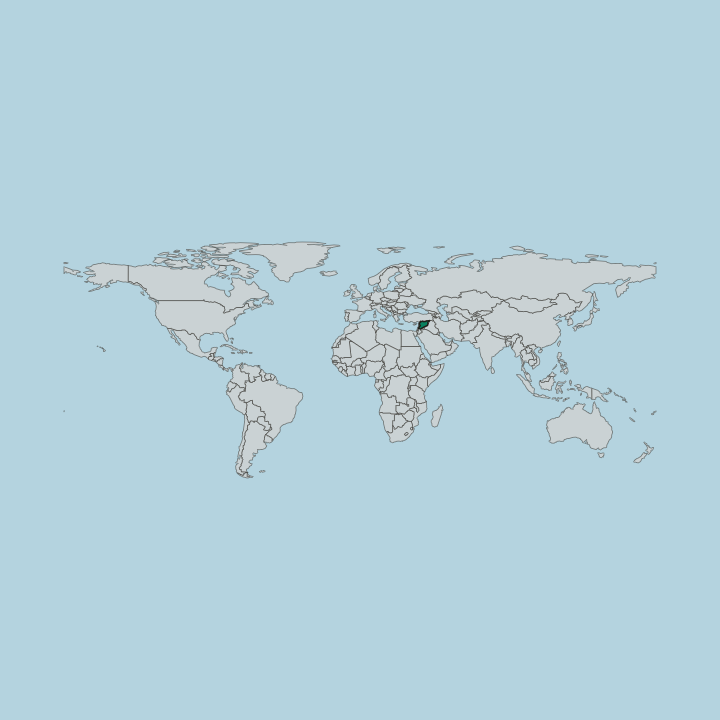
Where to stay in Al Qāmishlī
Where visitors usually base themselves, and why.
Two things organise Al Qāmishlī. The Syria-Turkey border runs along one edge, with Nusaybin immediately on the far side, and the Jaghjagh River crosses the city in the other direction, so most addresses can be described by their distance from one or the other. The frontier side is the busiest.
Rooms there suit anyone whose business is the crossing, since the traffic to and from Nusaybin sets the pace of the day and quiet is not what the streets are for. Al Qāmishlī grew outward from the frontier rather than from a historic core, so the newer streets and the older ones sit closer together than in most cities. The river gives the alternative.
Streets along the Jaghjagh carry the older part of a city that only dates from 1925, and a stay on either bank puts the centre within walking distance without putting the border at the window. Saint Joseph church marks the quietest option. Blocks around it sit back from the approach roads, and they suit travellers who want the city's Assyrian and Armenian layers rather than its frontier business.
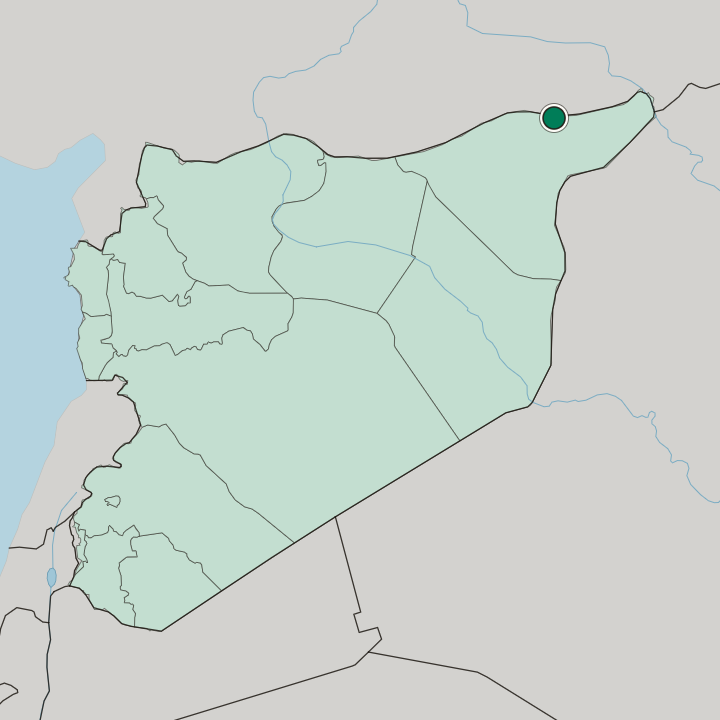
Al-Hasakah lies south. Al Qāmishlī is the second city of Al-Hasakah Governorate, and the governorate capital that outranks it lies away to the south down the same road.
About Al Qāmishlī
Al Qāmishlī is a border city.
What is Al Qāmishlī known for?
It adjoins Nusaybin directly across the Syria-Turkey line, and the Jaghjagh River runs through the middle of it, which makes the place as much a crossing point as a town in its own right. Its founding is recent by regional standards. The city dates from 1925, and Kurds, Arabs, Assyrians, and Armenians have all made their lives in it since, with Saint Joseph church among the buildings that record that mix.
What are the main landmarks in Al Qāmishlī?
Al Qāmishlī keeps few monuments. Saint Joseph church is the one building the city is regularly named for, a marker of the Assyrian Christian community that has long been part of it. The rest is geography.
The Jaghjagh River through the centre and the Syria-Turkey border at the edge do more to give Al Qāmishlī its shape than any built landmark, and Nusaybin stands directly across that line.
What is the history of Al Qāmishlī?
Al Qāmishlī dates from 1925. That makes it a young city by the standards of northeastern Syria, laid out beside the Syria-Turkey border with Nusaybin on the far side of it and the Jaghjagh River running through what became the centre. The community was Assyrian Christian in the beginning.
Kurds, Arabs, Assyrians, and Armenians have all settled the city since, and Saint Joseph church serves the Christian congregation among them. Nusaybin sits directly opposite, and the two towns have looked at each other across the line for as long as Al Qāmishlī has existed. Distance from Damascus explains a good deal.
The capital lies far to the southwest, which leaves Al Qāmishlī nearer to Nusaybin than to most of Syria, and the frontier has been part of its daily geography from the start. Al-Hasakah Governorate holds the administration. Al Qāmishlī grew into the second city of that governorate, behind Al-Hasakah itself, and the offices that govern the province sit in the capital rather than here.
The Syrian Desert surrounds it. Al Qāmishlī and Nusaybin face each other across that dry country, and القامشلي is the Arabic form of a name the city has carried since its founding.
Where is Al Qāmishlī?
The Jaghjagh River runs through Al Qāmishlī. The city occupies the Syria-Turkey border in northeastern Syria, with Nusaybin immediately across it and the dry country of the Syrian Desert opening away on the southern side. Damascus is very far off.
Al-Hasakah Governorate is the frame that matters at closer range, and within it Al Qāmishlī holds the northern ground while Al-Hasakah itself sits away down the province.
What is the climate of Al Qāmishlī?
The Syrian Desert sets the pattern. Al Qāmishlī sits well inland in northeastern Syria, so summers run long and hot with little cloud, and the Jaghjagh River is the only water that crosses the city through them. Winters turn genuinely cold.
The northern position, close to the border with Turkey and far from any sea, gives the city a real winter, with rain arriving in those months rather than in summer.
How do you get to Al Qāmishlī?
The crossing to Nusaybin is the shortest journey out. Al Qāmishlī adjoins that city directly across the Syria-Turkey border, which makes the frontier the nearest thing the place has to a terminal, while everything on the Syrian side arrives by road. Damascus is 680 kilometres off.
Roads run south through Al-Hasakah Governorate toward Al-Hasakah and on into the rest of the country, and within Al Qāmishlī itself the Jaghjagh River divides one side of the centre from the other.
Good for
Another city in Al-Hasakah Governorate
Updated September 2026