Syria · Homs Governorate
Where to Stay in Tadmur, Homs Governorate
Tadmur is an oasis town in central Syria beside the ruins of ancient Palmyra, a UNESCO World Heritage Site in the Homs Governorate.
Find your area →


Where to stay in Tadmur
Where visitors usually base themselves, and why.
Tadmur keeps its lodging in the modern town beside the archaeological site, within easy reach of the ruins of ancient Palmyra. The streets of the town centre place the Great Colonnade at Palmyra and the Temple of Bel a short way to the southwest, so a base here puts the whole excavated field within walking distance. That closeness is the point.
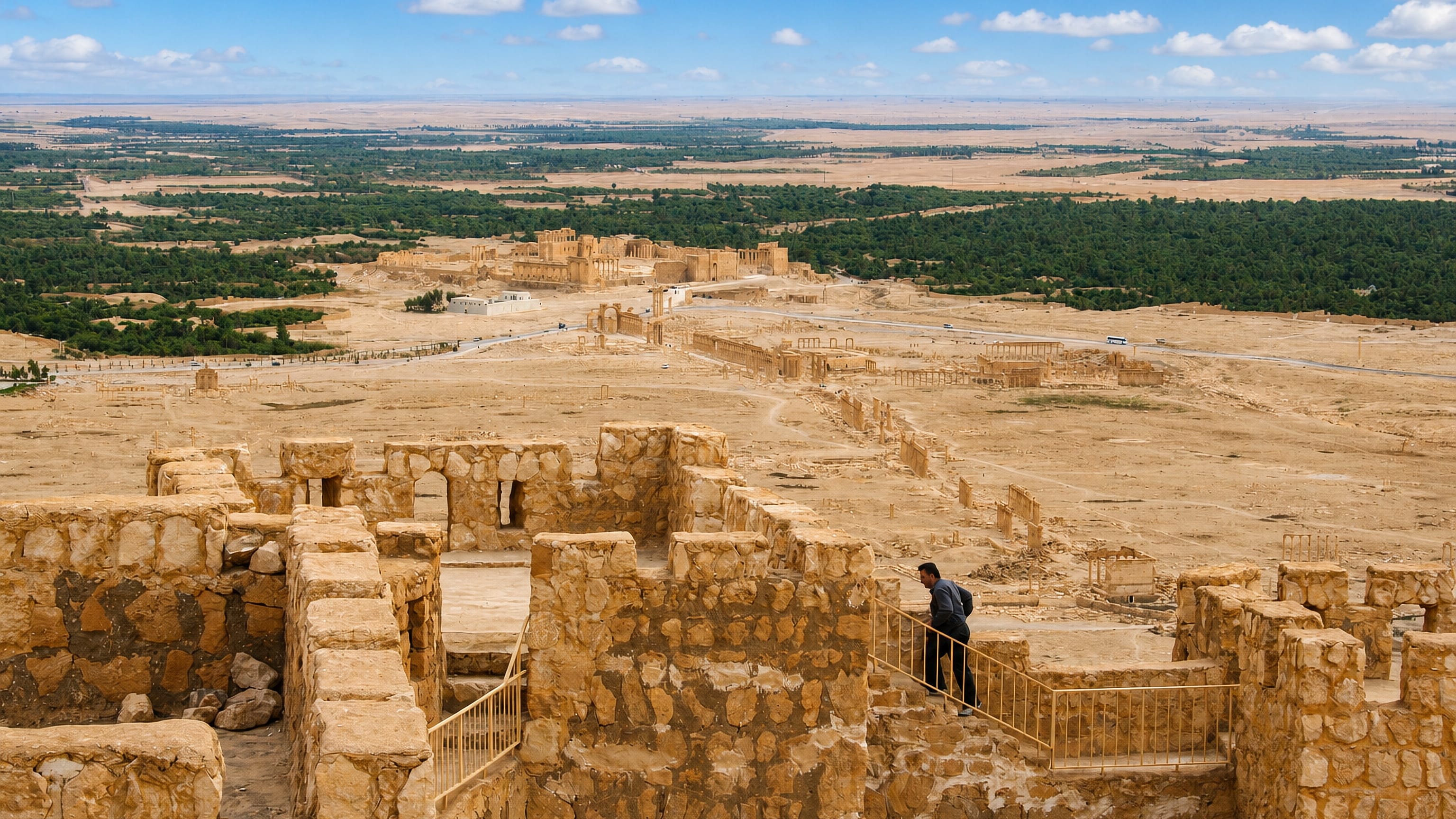
From the town the Roman Theatre at Palmyra, the Palmyra Agora, and the Temple of Baalshamin open outward across the oasis, and the desert edge of the Homs Governorate begins where the built streets end. The ridge above the site offers the other orientation. The Fakhr-al-Din al-Maani Castle stands on the high ground overlooking ancient Palmyra, and the ground near it looks down over the Camp of Diocletian and the Temple of Al-Lat below.
This upper vantage suits travellers who want the long view over the ruins and the surrounding Syrian Desert, while the town's own lodging and the main colonnade remain a short descent away across the oasis floor.
Things to do in Tadmur
Ranked by global recognition; descriptions from Wikidata (CC0).
Churches & Religious Sites
3- Temple of Bel
- Temple of Baalshamin
- Temple of Al-Lat
Castles & Historic Sites
3- Roman Theatre at Palmyra
- Fakhr-al-Din al-Maani Castle
- Great Colonnade at Palmyra
worth knowingacross 2 categories in Tadmur
About Tadmur
What is Tadmur known for?
Tadmur is known for the ruins of ancient Palmyra, a UNESCO World Heritage Site set just southwest of the modern town in central Syria. A desert oasis defines it. Colonnaded avenues and temples draw on the caravan wealth of the old city, among them the Temple of Bel, the Roman Theatre at Palmyra, and the Great Colonnade at Palmyra, with the Fakhr-al-Din al-Maani Castle standing on the ridge above.
The site is the reason to come.
What are the main landmarks in Tadmur?
Tadmur's landmarks are the monuments of ancient Palmyra, gathered on the oasis floor just southwest of the modern town. The Temple of Bel anchors the eastern end of the site. Running through the field, the Great Colonnade at Palmyra links the Roman Theatre at Palmyra, the Palmyra Agora, the Temple of Baalshamin, and the Camp of Diocletian, while the Fakhr-al-Din al-Maani Castle crowns the ridge above.
Each marks a phase of the old caravan city's growth.
What is the history of Tadmur?
Tadmur grew where a spring rose in the Syrian Desert, and the caravan city of ancient Palmyra made that oasis one of the great trading places between the Mediterranean and the routes toward the Euphrates River. Wealth built it in stone. Along the Great Colonnade at Palmyra, merchants raised temples, an agora, and a theatre, and the Temple of Bel became the largest sanctuary of the old town, its precinct dominating the eastern quarter of the site in what is now the Homs Governorate.
Later eras left their own layers. The Camp of Diocletian marks the Roman military reorganisation of the frontier, and the Fakhr-al-Din al-Maani Castle on the ridge belongs to a much later age of fortification above the ruins. Among the survivals, the Roman Theatre at Palmyra and the Temple of Baalshamin remained some of the most complete monuments of the caravan period.
That old city faded, but its stones endured across the centuries. The endurance is the town's inheritance.
Where is Tadmur?
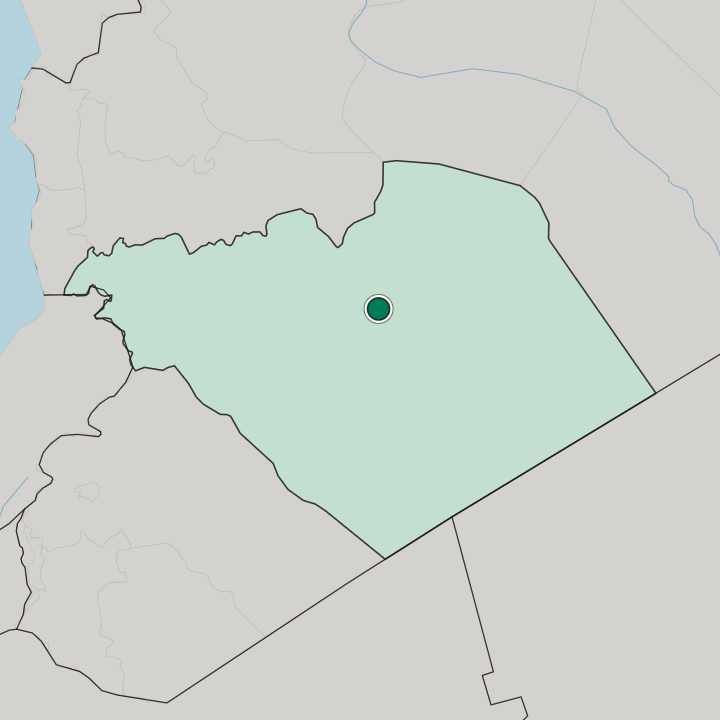
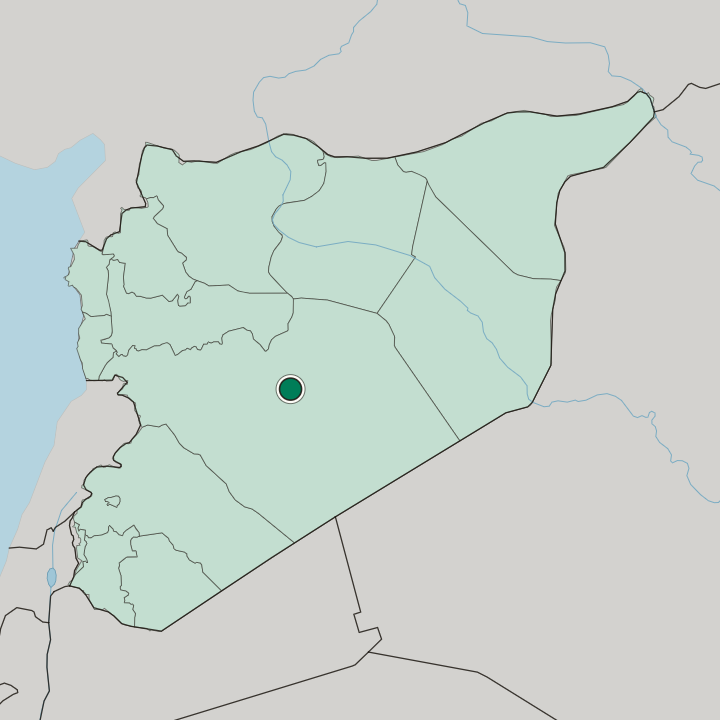
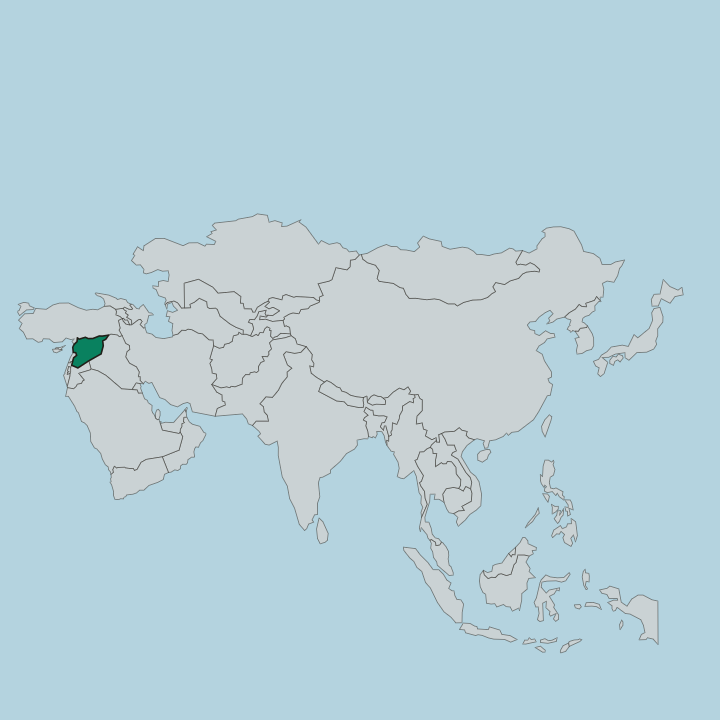
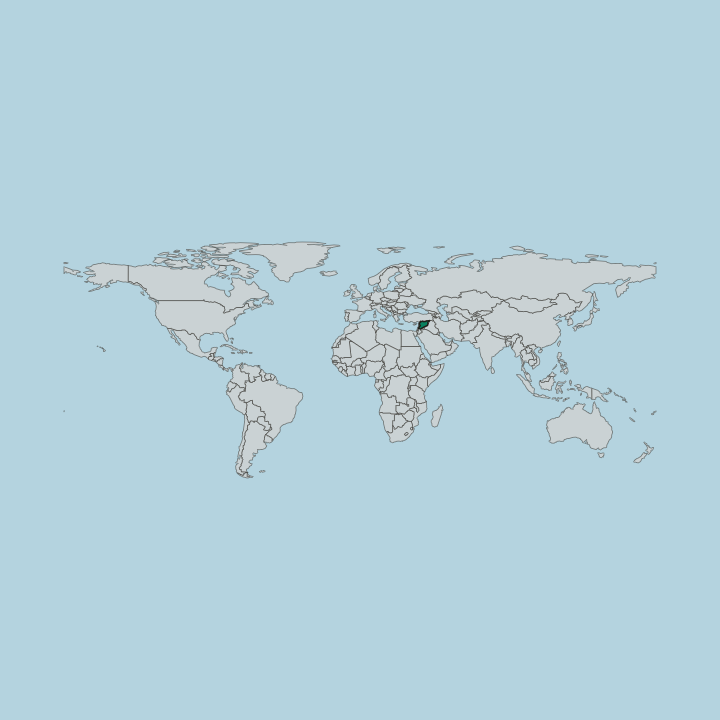
Tadmur lies in central Syria, an oasis in the middle of the Syrian Desert within the Homs Governorate. It sits inland. Northeast of Damascus and southwest of the Euphrates River, relatively isolated on the arid interior, the town is ringed at a distance by Arak to the east, Al-Sukhnah to the northeast, Tiyas to the west, and al-Qaryatayn to the southwest.
The ruins of ancient Palmyra stand just beyond the modern town centre.
What is the climate of Tadmur?
Tadmur has a hot, dry desert climate, the arid pattern of the Syrian Desert around the oasis. Summers are long and scorching. Rain is rare and falls mostly in the cooler months, when the desert nights around ancient Palmyra can turn sharply cold against the daytime heat.
The isolation of central Syria, far from any moderating sea, gives the town wide swings between day and night across the year.
How do you get to Tadmur?
Tadmur sits on the desert routes of central Syria, reached overland across the Syrian Desert from the west. The town lies northeast of Damascus, and the road toward it crosses the arid interior of the Homs Governorate. It is relatively isolated.
The nearest neighbours are Tiyas to the west and al-Qaryatayn to the southwest, and from the town the ruins of ancient Palmyra lie only a short way to the southwest on the oasis floor.
Good for
Another city in Homs Governorate
Updated September 2026