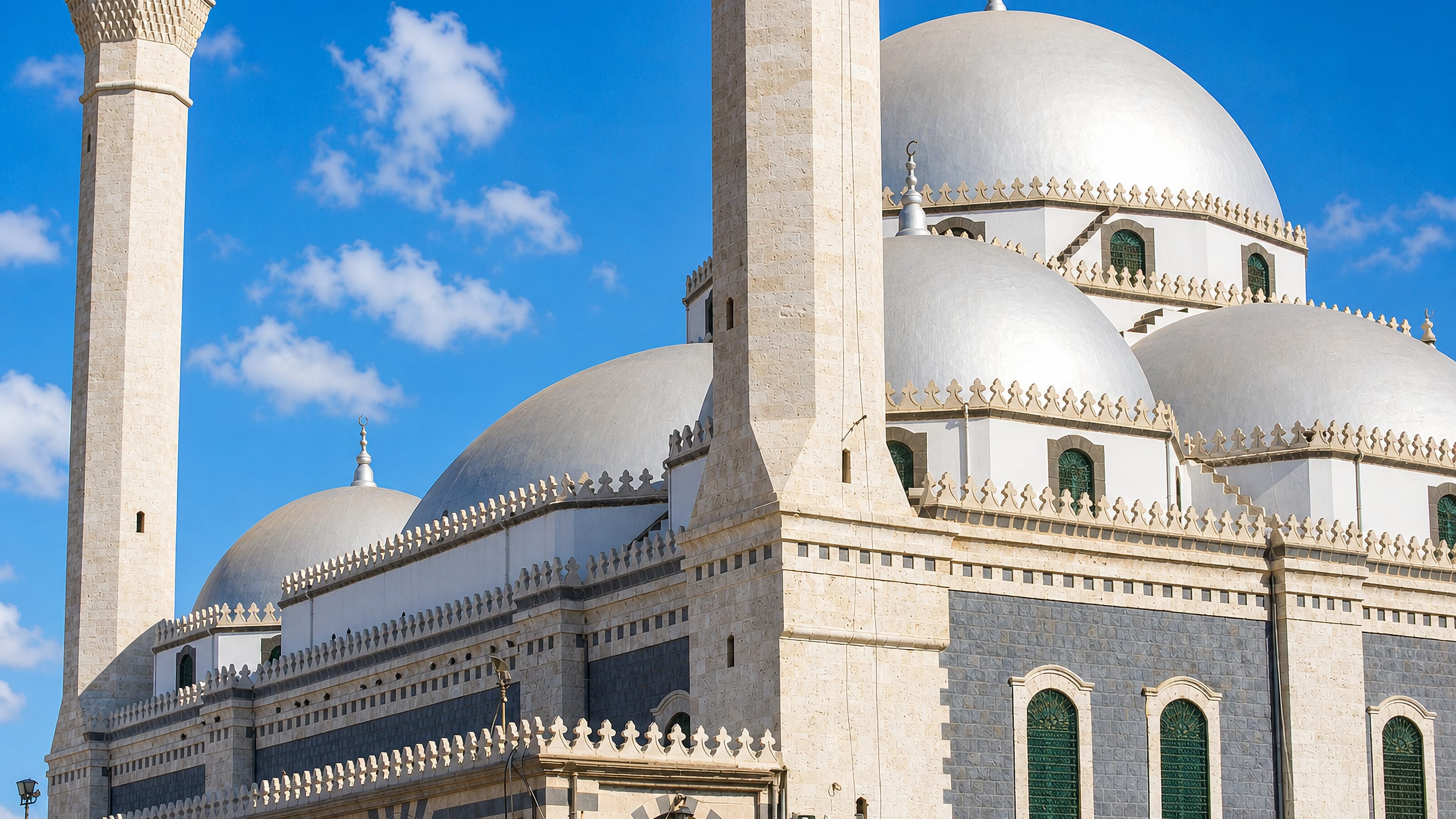
Syria · Homs Governorate
Where to Stay in Homs, Homs Governorate
The Orontes River runs through Homs, an ancient city of western Syria once called Emesa and capital of the Homs Governorate.
Find your area →


Where to stay in Homs
Where the beds are, and what that means for the visit.
Most stays in Homs centre on the old town near the Orontes River, within reach of the Citadel of Homs and the city's historic churches. This is the practical heart of the capital of the Homs Governorate, where the markets and the heritage streets gather close together. The river edges the centre.
Travellers who want the Citadel and the old cathedrals at hand base themselves here, in the quarters that grew up around the ancient core of Emesa beside the Orontes. Newer districts spread outward from the old town across the surrounding plain of western Syria. These outer areas lie further from the historic sights but keep the whole city within a short ride.
Arabic is the language of the front desk throughout Homs.
Things to do in Homs
Ranked by global recognition; descriptions from Wikidata (CC0).
Museums & Galleries
1- Homs Museum
Churches & Religious Sites
3- St. Mary Church of the Holy Belt
- Church of Saint Elian
- Forty Martyrs Cathedral, Homs
Castles & Historic Sites
2- Citadel of Homs
- necropolis of Emesa
worth knowingacross 3 categories in Homs
About Homs
What is Homs known for?
Homs is known as an ancient city of western Syria and the capital of the Homs Governorate. Called Emesa in pre-Islamic times, it stands on the Orontes River as the central link between the country's interior and the Mediterranean coast. Arabic is the language of its streets.
The Citadel rises above the old town.
What are the main landmarks in Homs?
Homs holds a dense layer of heritage sites. The Citadel of Homs crowns the centre, while the Church of Saint Elian and the St. Mary Church of the Holy Belt mark the city's long Christian history that reaches back to late antiquity. Nearby stand the Forty Martyrs Cathedral and the Homs Museum.
The ancient necropolis of Emesa recalls the pre-Islamic city, and these landmarks of the Homs Governorate capital gather close to the Orontes River.
What is the history of Homs?
Homs traces its roots to Emesa, the ancient city that stood on the Orontes River in what is now western Syria. Emesa was a place of note in the classical world, remembered for its temple cult and for the necropolis that still bears its name. The old city ran deep.
Through the centuries the settlement grew into a walled town beneath its citadel, a crossing point on the road between the interior and the Mediterranean coast, and its churches record the long Christian presence that took hold here in the early centuries of the faith. The Church of Saint Elian and the St. Mary Church of the Holy Belt carry that heritage forward from late antiquity. Arabic came to be the common tongue as the city passed through the Islamic era, when the walled town beneath its citadel remained a hinge on the caravan roads between the interior and the sea.
The Citadel of Homs guarded it all. Emesa gave Homs its ancient name.
Where is Homs?
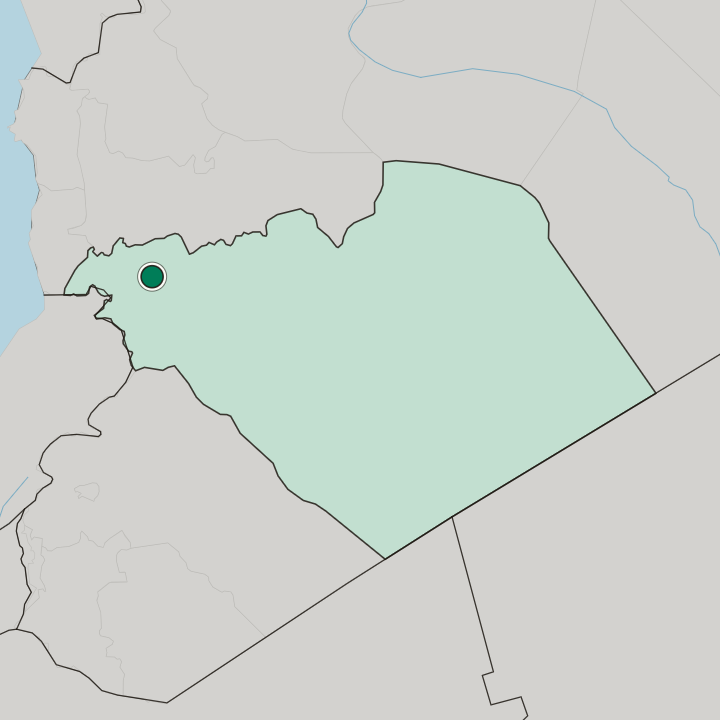
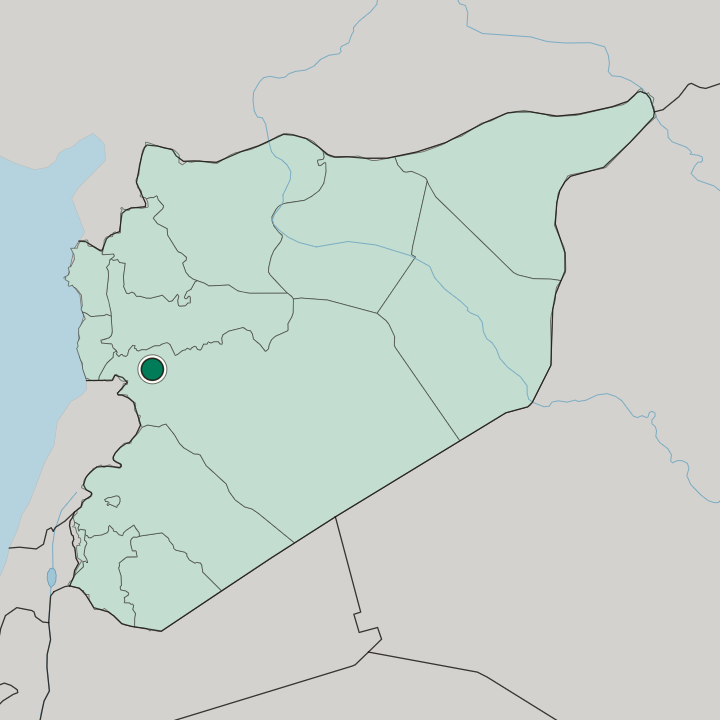
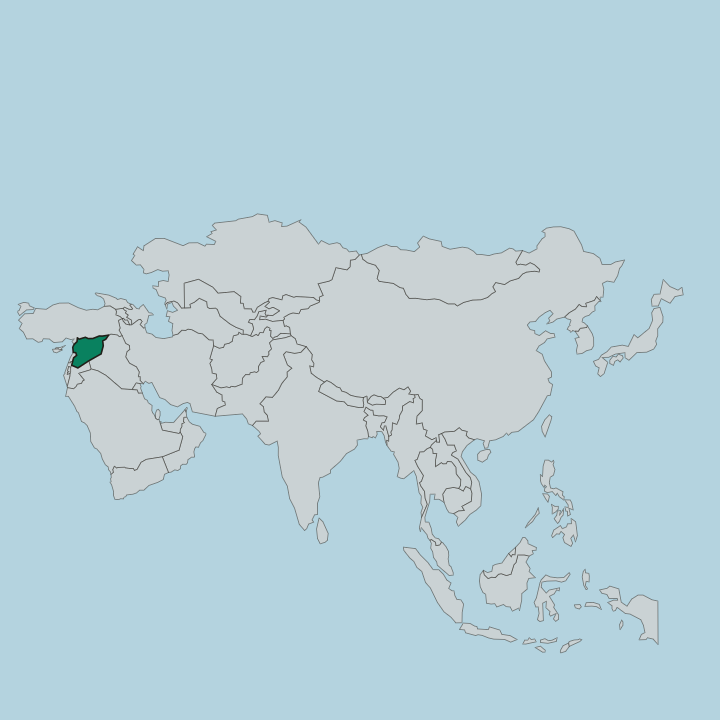
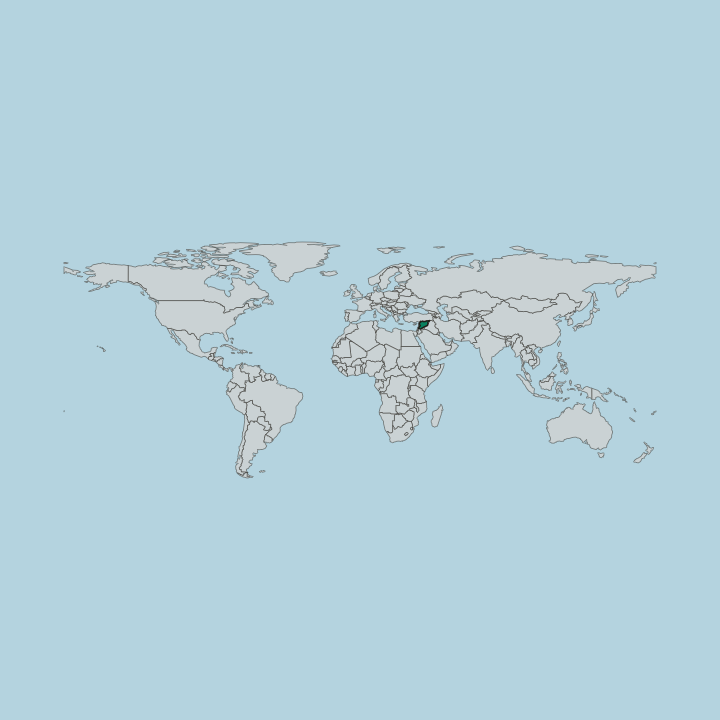
Homs stands on the Orontes River in western Syria, well above sea level on the plain that opens between the interior and the Mediterranean coast. The city is the capital of the Homs Governorate and the central link on the route from the inland cities to the sea. It lies north of Damascus.
Its subtropical setting places it in the Northern Hemisphere, on a broad valley floor away from the coastal ranges.
What is the climate of Homs?
Homs has a subtropical climate, set inland from the Mediterranean on the Orontes River. Hot, dry summers give way to cooler, wetter winters, the pattern of the Syrian interior tempered a little by the gap that opens toward the coast. Around Homs the summer stretches long and rainless.
The Northern Hemisphere seasons bring what rain there is to the winter months around the city.
How do you get to Homs?
Homs sits at a crossroads of western Syria. As the central link between the interior cities and the Mediterranean coast, it draws roads that run north and south along the valley of the Orontes River and west toward the sea, converging on the old town from every direction. The route to Damascus leaves to the south.
The city has long been reached overland, a hinge between the coast and the inland plains.
Another city in Homs Governorate
Updated October 2026