Syria
Homs Governorate, Syria — Towns & Travel Guide
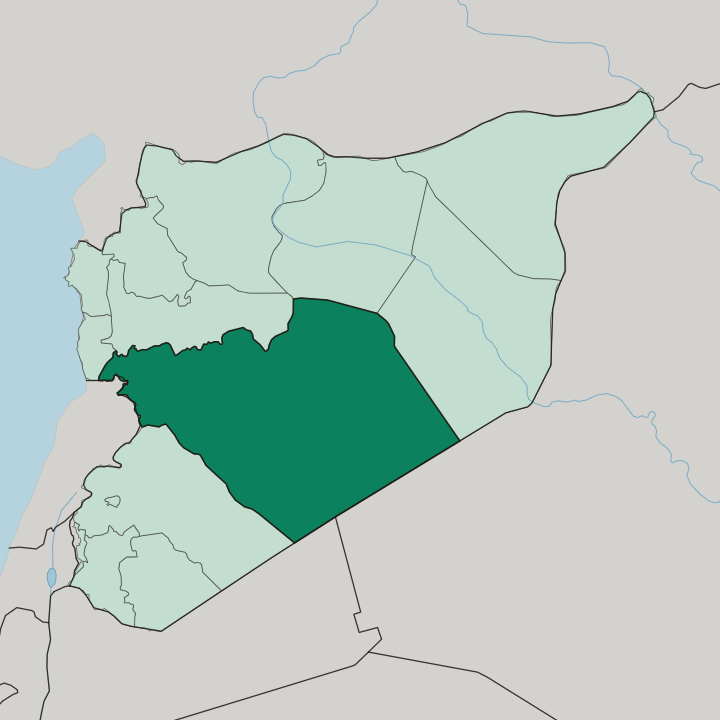
Homs Governorate is Syria's largest region by area, reaching from the Orontes plains east into the desert to Palmyra.
Find your area →


Towns & cities in Homs Governorate
Pick a town or city — each links to where to stay.
 Syria
Syria
Homs
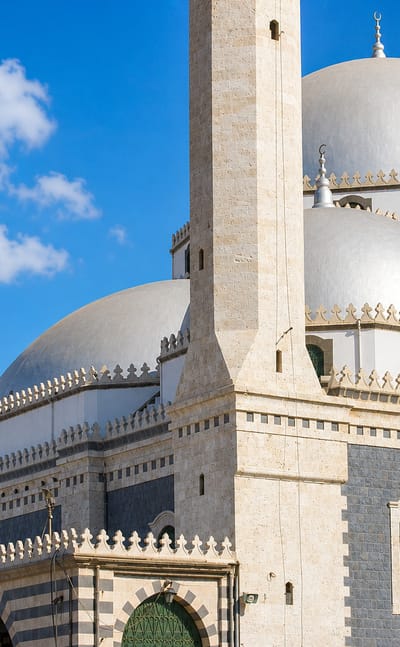
The Orontes River runs through Homs, an ancient city of western Syria once called Emesa and capital of the Homs Governorate.Where to stay →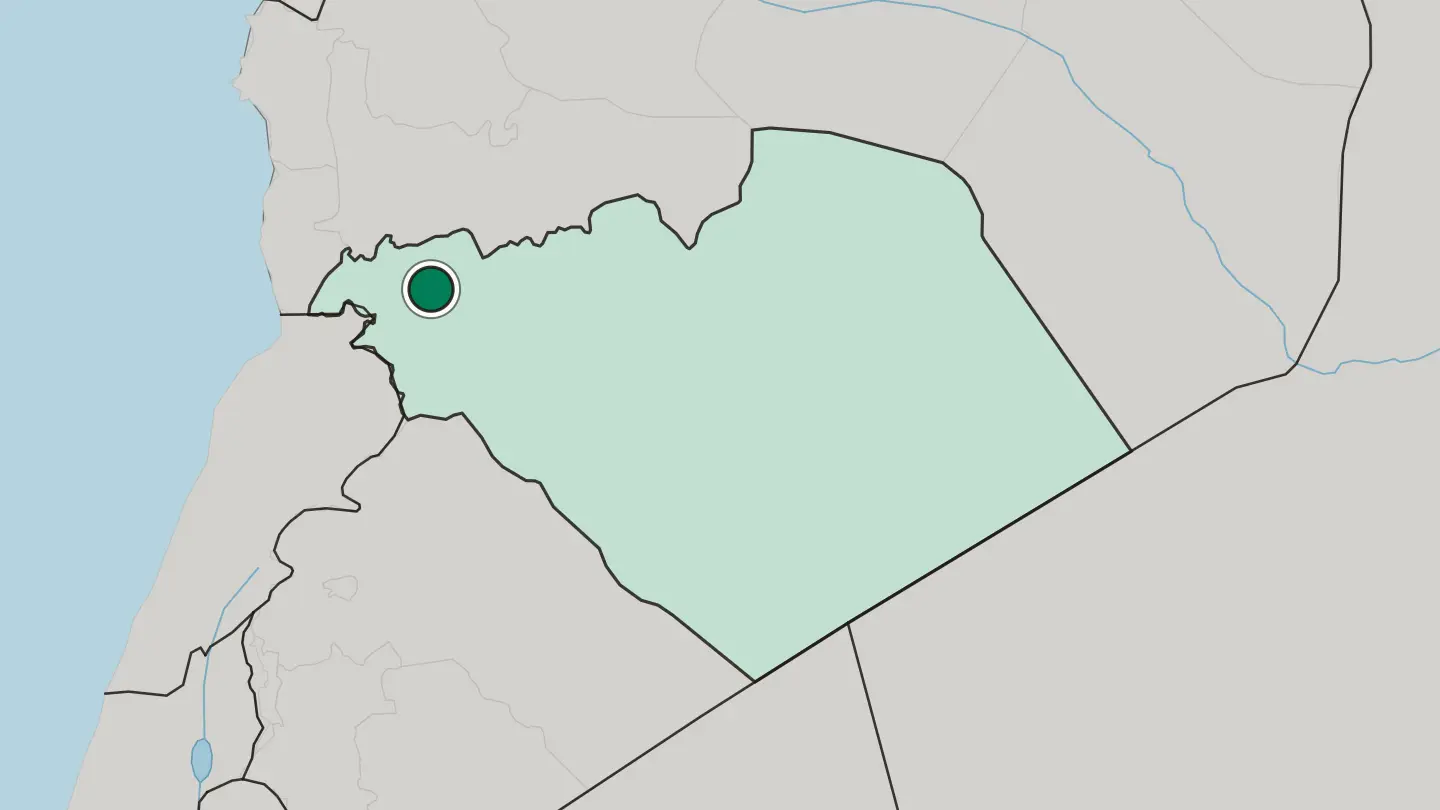
 Syria
Syria
Tadmur
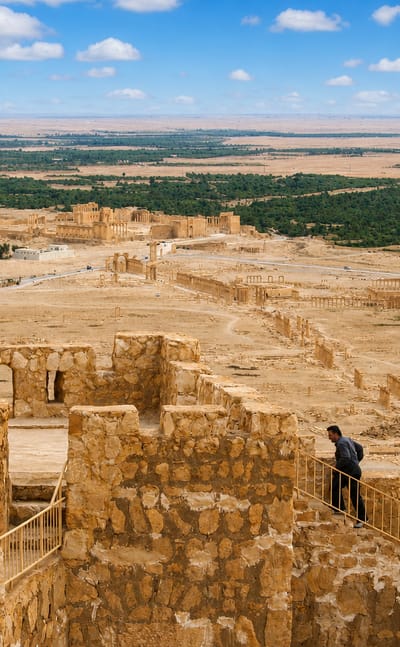
Tadmur is an oasis town in central Syria beside the ruins of ancient Palmyra, a UNESCO World Heritage Site in the Homs Governorate.Where to stay →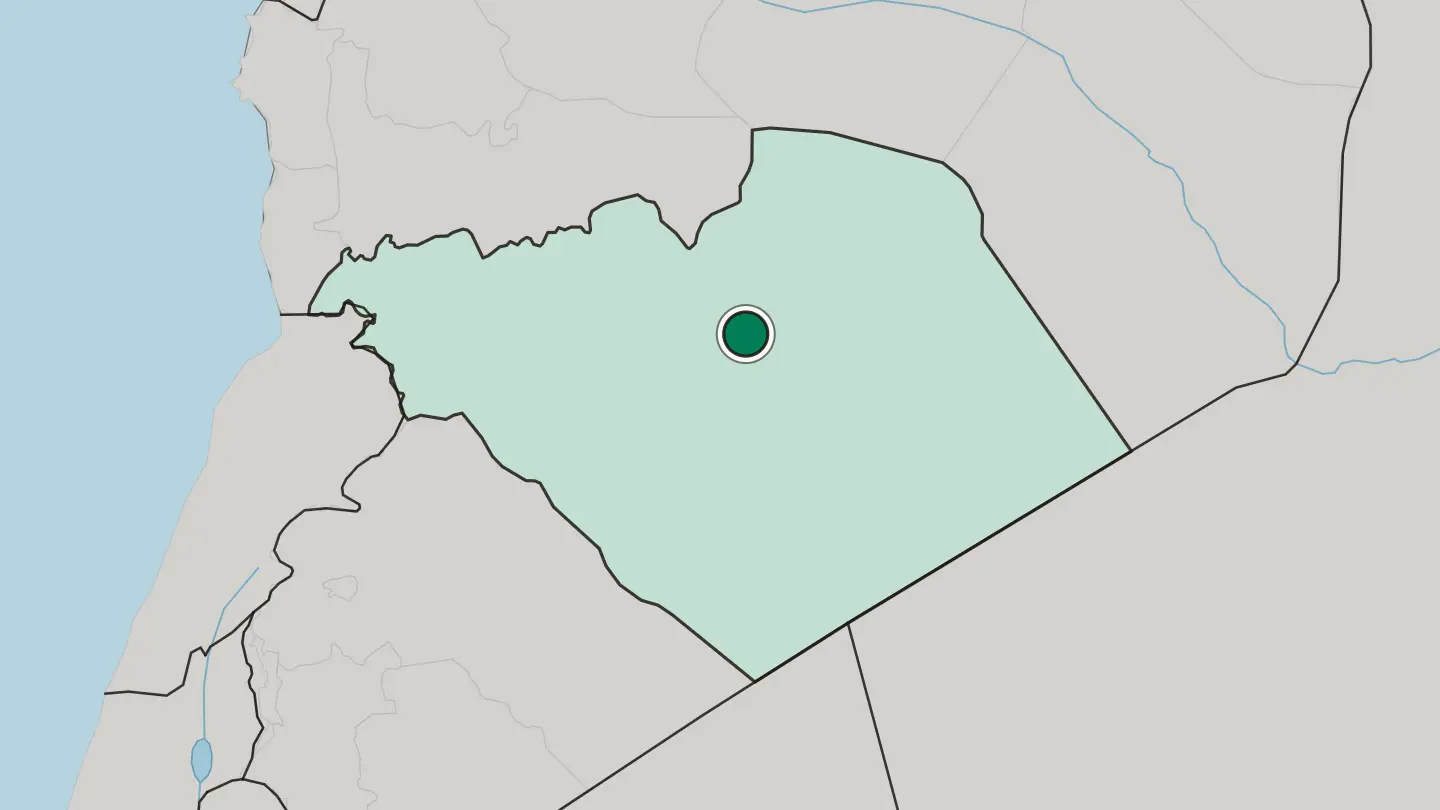
About Homs Governorate
Two very different landscapes share one region.
What is Homs Governorate known for?
In the west sits the city of Homs, capital of the governorate, spread along the Orontes River where a break in the mountains funnels sea air inland. Far to the east, deep in the Syrian Desert, stand the columns of Palmyra, the ancient caravan oasis that grew wealthy on the trade routes crossing central Syria. Between them run steppe and grazing land.
The Crusader castle of Krak des Chevaliers guards the western hills.
Where is Homs Governorate?
Homs Governorate occupies the middle of Syria, and by area it is the country's largest. Its shape tells the story of two Syrias. The western end is settled country: the city of Homs on the east bank of the Orontes River, fertile plains, and a gap in the mountains that lets moist air off the Mediterranean push inland.
That gap matters. It is the one easy break in the high ground that otherwise walls the coast off from the interior, so the corridor around Homs has always carried the traffic between the sea and the inland cities of Syria. East of the plains the land dries out into steppe and then into the open Syrian Desert, which fills most of the governorate's enormous area.
Palmyra stands out there, an oasis ringed by desert on every side, roughly halfway across the country toward the Euphrates. The coastal mountains rise to the west of Homs and Mount Lebanon closes the corridor to the south. Damascus lies to the south and Hama to the north, along the same Orontes valley.
The river gives the west its water. The desert takes over the east.
What is Homs Governorate like?
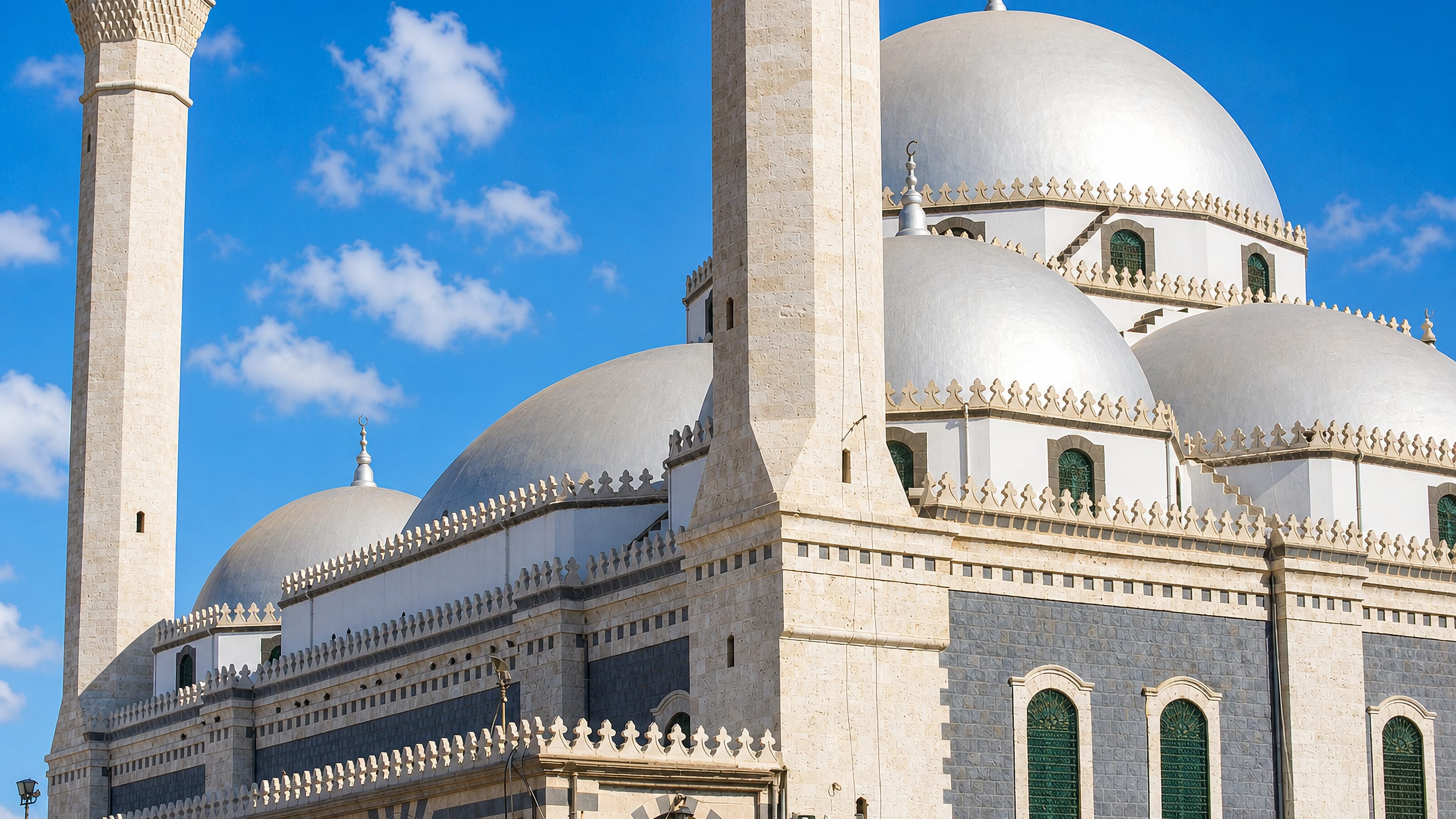
Arabic is the everyday language across the governorate, and the culture divides along the same line as the land. In and around Homs, life is that of a Syrian river city: markets, mosques, and the Khalid ibn al-Walid Mosque rising over the old quarter, its black-and-white stonework a landmark for the whole region. The city has long drawn together Sunni Muslims, Alawites, and Christians, and that mix shaped its neighbourhoods and its calendar of feasts.
Out east, the culture is desert culture. Palmyra sat for centuries at the meeting point of Aramaic, Greek, and Roman worlds, a caravan city that spoke its own Palmyrene dialect and carved it into stone that still stands. The Badiya, the Syrian steppe, carries a Bedouin tradition of herding and hospitality that predates any of the towns.
Food leans on the region's wheat, olives, and river gardens. Between the mosque city and the ruined colonnades lies most of the character of the place. One belongs to the river.
The other belongs to the sand.
What is the history of Homs Governorate?
Empires left their mark. Homs was Emesa in Roman times, a city known for its cult of the sun god, and it passed to Muslim rule in the year 637 when its people surrendered it without a fight. Palmyra's story is older and stranger: an oasis that turned caravan tolls into monumental wealth and, under Queen Zenobia, briefly defied Rome itself before the legions crushed the revolt.
Later the western hills gained Krak des Chevaliers, raised by Crusader knights to hold the mountain gap. The Ottomans ran it as the Sanjak of Homs.
What is the climate of Homs Governorate?
The weather splits with the land. Homs itself is the mildest corner, because the gap in the mountains lets Mediterranean air and rain reach it, so the city sees more cloud and gusty wind than the country to its north or south. Summers there are hot and dry, winters cool and damp.
Push east and the rain gives out. Across the steppe and the Syrian Desert around Palmyra the days turn baking in summer and the nights cold in winter, with barely any rainfall to soften the ground.
How do you get to Homs Governorate?
Homs is the hinge. The city stands on the main road and rail line running up the Orontes valley between Damascus to the south and Hama and Aleppo to the north, so almost everyone reaches the governorate through it. Its gap in the mountains is also the shortest way in from the coast.
Palmyra sits far out east, reached only by a long desert highway that runs from Homs across the open steppe toward the ruins. Getting there means crossing the Syrian Desert.
Common questions
What is the best area to stay in Homs Governorate?
Homs: a central base on the Orontes. Palmyra (Tadmur): the desert ruins.
Good for
More regions in Syria
Updated September 2026