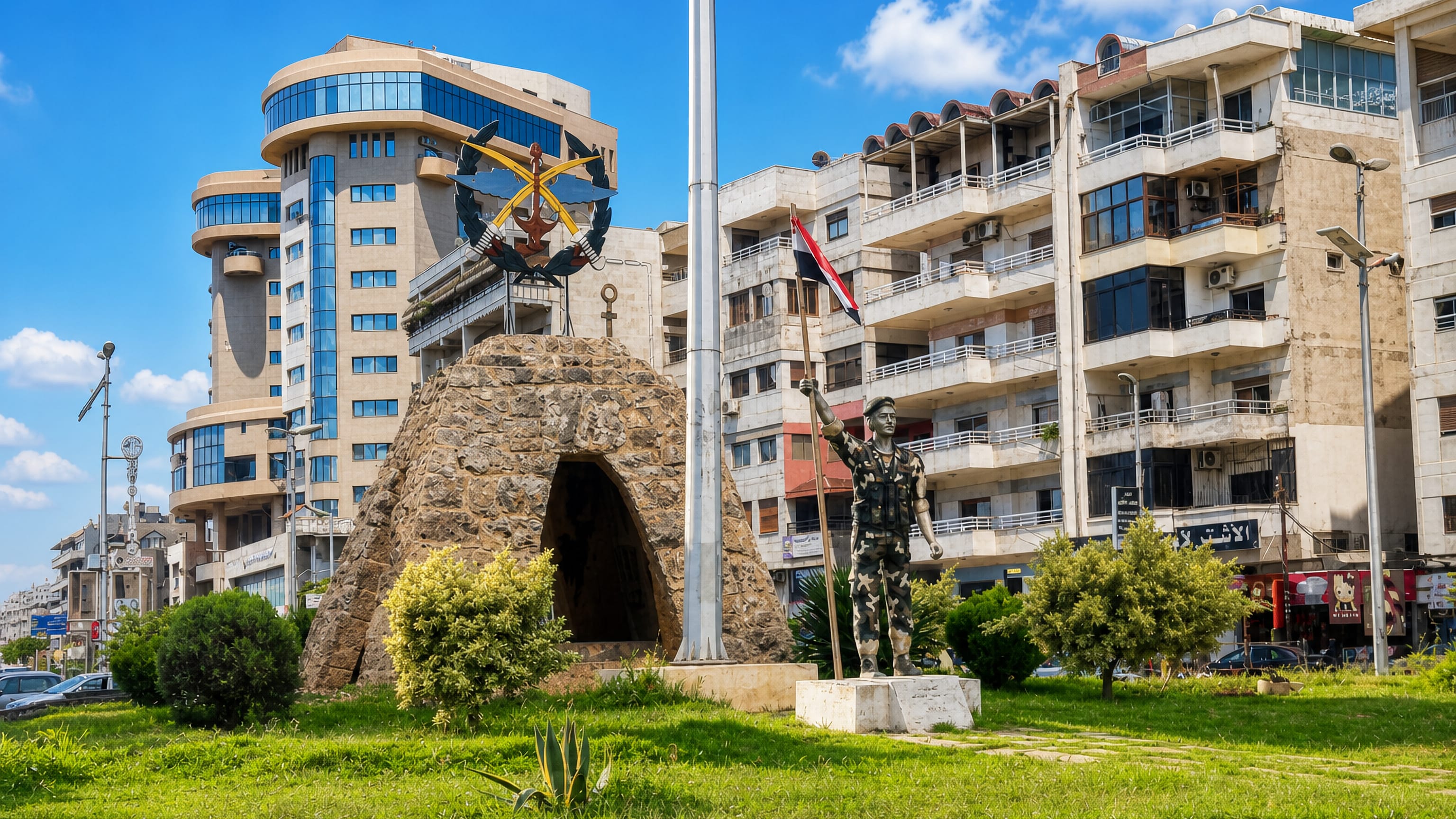
Syria · Latakia Governorate
Where to Stay in Latakia, Latakia Governorate
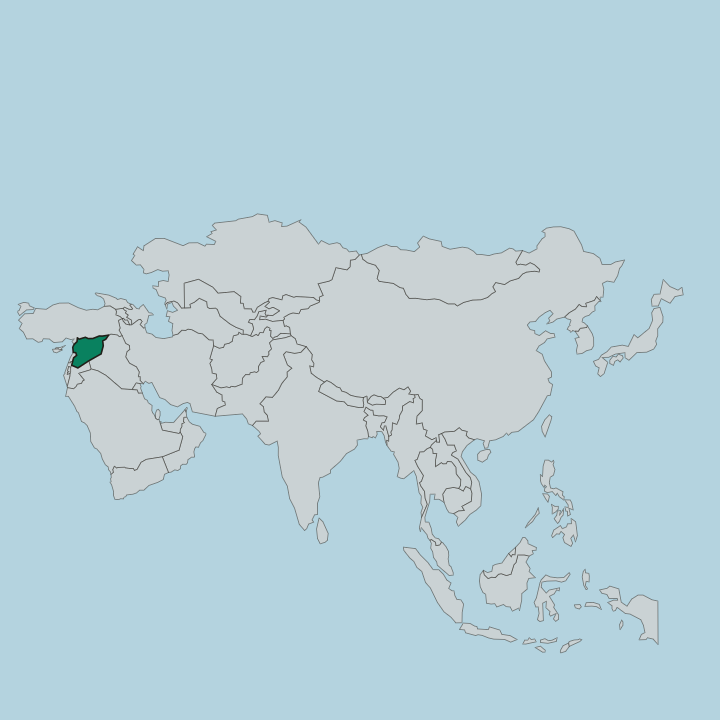
Latakia is the principal port of Syria, a Mediterranean city known in antiquity as Laodicea ad Mare and the seat of Latakia Governorate.
Find your area →


Where to stay in Latakia
Where the beds are, and what that means for the visit.
Latakia divides between the water and the town behind it. Rooms along the port front look onto working quays rather than a resort strip, and they suit a traveller who wants the Mediterranean at the end of the street and does not mind the noise of a commercial harbour. The old core is different.
Streets around the National Museum of Latakia carry the city's classical past under a modern surface, and a stay there trades the harbour view for a shorter walk to the collections. Churches mark the third choice. The Church of the Sacred Heart of Jesus and the National Evangelical Presbyterian Church of Latakia stand within a few streets of each other, and the blocks around them stay quieter at night than either the quays or the market.
Choose that side for sleep. Latakia Governorate runs inland from the coast, and the agricultural towns it contains send their trade down to the city, which is why the harbour and the market rather than any beach set the rhythm of a stay here. Cyprus lies out beyond the horizon. Cape Apostolos Andreas, the north-eastern tip of the island, lies out across the water, close enough that the sea has always been part of Latakia's outlook.
About Latakia
The port comes first.
What is Latakia known for?
Latakia is the principal port city of Syria, handling the sea trade of the Mediterranean coast and serving as a manufacturing centre for the agricultural towns and villages that stand behind it. Antiquity gave it another name. Laodicea ad Mare, also written Laodicea in Syria, is the classical form, and the National Museum of Latakia keeps the record of what the harbour town has been through those centuries.
What are the main landmarks in Latakia?
Three buildings carry the city's public life. The National Museum of Latakia holds the record of the port and the coast around it, while the Church of the Sacred Heart of Jesus and the National Evangelical Presbyterian Church of Latakia serve congregations that have long shared these streets. None of them is far from the water.
Laodicea ad Mare is the older layer beneath all three, and the museum is where that layer is easiest to see.
What is the history of Latakia?
Latakia begins in the Greek world. The city extends back to Ancient Greek times, when it was Laodicea, and the fuller forms Laodicea ad Mare and Laodicea in Syria distinguished a harbour on the Mediterranean from the other places that carried the name. The sea did the rest.
A port on this coast faces Cyprus rather than the interior, and the north-eastern tip of that island at Cape Apostolos Andreas lies about 109 kilometres away across open water. Trade shaped the modern city. Latakia became the principal port of Syria, and the goods of the agricultural towns and villages behind the coast moved through it, which in turn made the place a manufacturing centre in its own right.
Administration followed the trade, and the city became the capital of Latakia Governorate, the coastal province it still anchors. Aleppo, Damascus, Homs, and Hama are larger. Latakia is the port among them, and that single distinction has held through every period the National Museum of Latakia records.
The Church of the Sacred Heart of Jesus and the National Evangelical Presbyterian Church of Latakia are among the buildings that record the city's Christian congregations. The Arabic name اللاذقية and the alternative spelling Lattakia both stay in use.
Where is Latakia?
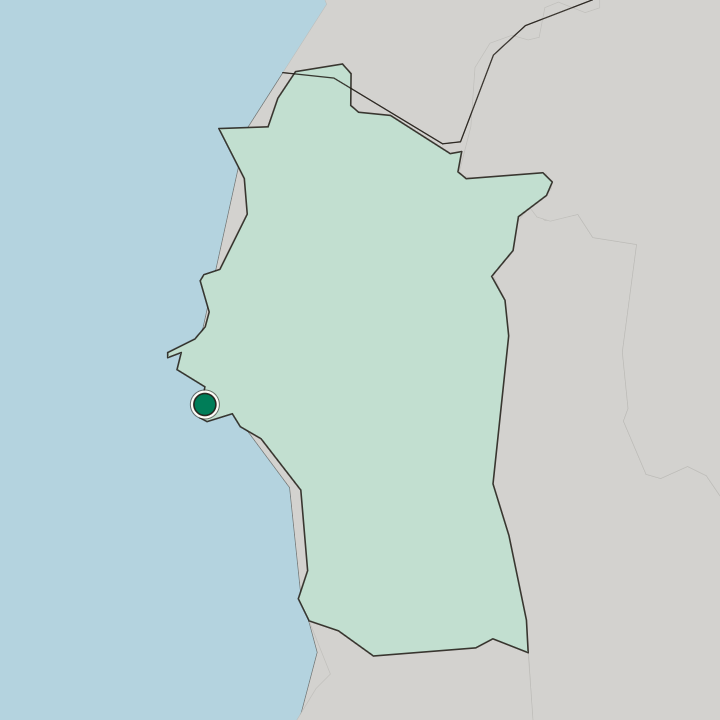
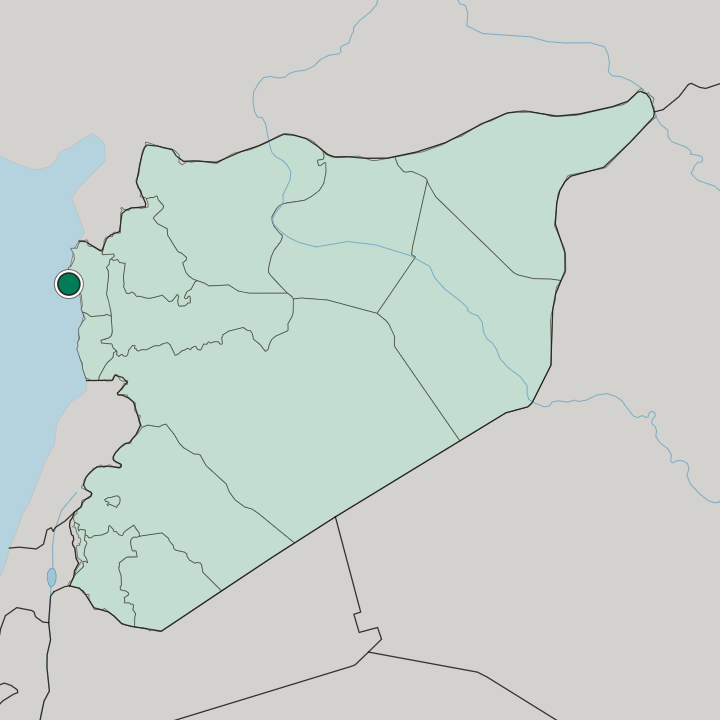
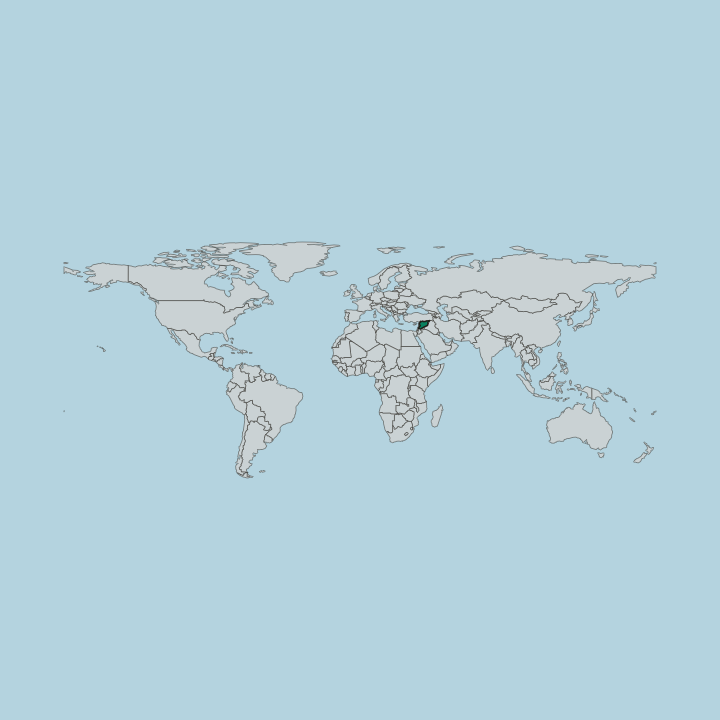
Latakia sits on the Mediterranean coast. The city occupies a stretch of shoreline with Latakia Governorate reaching inland behind it, and the agricultural towns and villages of that province stand between the port and the interior. Cyprus lies offshore.
Cape Apostolos Andreas, the north-eastern tip of the island, lies across that water, and the sea rather than any land border defines this edge of Latakia Governorate.
What is the climate of Latakia?
The sea keeps Latakia even. Summers on this coast run hot and dry with the water close enough to take the edge off the worst of it, and winters bring the rain that the Mediterranean carries in off the water. Humidity comes with the shore.
Latakia Governorate runs inland behind the city, and the agricultural towns there feel the season differently from the quays.
How do you get to Latakia?
The harbour is the oldest way in. Latakia is the principal port of Syria, and shipping on the Mediterranean still reaches the city directly, while road traffic runs inland toward Aleppo, Homs, Hama, and Damascus. Cyprus lies across the water.
Within Latakia Governorate the city is the point that the agricultural towns and villages behind the coast connect through, so onward movement in the province is arranged from the port city rather than from them.
Good for
Another city in Latakia Governorate
Updated September 2026