Thailand · Changwat Chiang Mai
Where to Stay in Chiang Mai, Changwat Chiang Mai
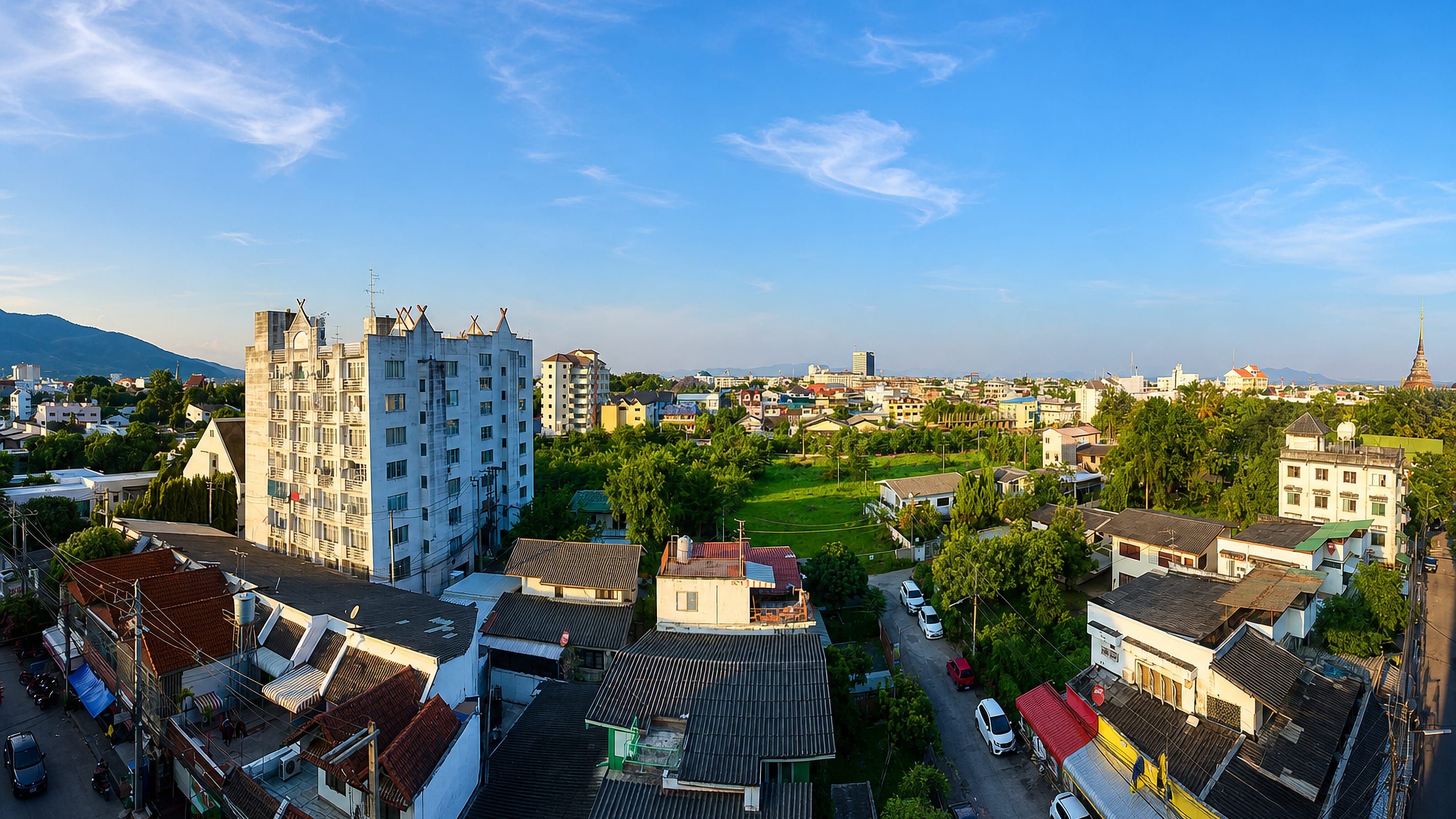
Mountains ring the plain around Chiang Mai, the largest city of the Thai highlands and capital of Chiang Mai province, founded in 1201 as the Lanna seat.
Hotel links are affiliate links: booking through them may earn us a commission, at no extra cost to you. It never affects how places are ranked. How this works


Where to stay in Chiang Mai
Where the beds are, and what that means for the visit.
Chiang Mai draws most visitors toward the historic core and the streets that fan out from it. The old centre gathers around the Three Kings Monument, where the Chiang Mai City Art & Cultural Center and the Lanna Folklife Museum sit within a short walk of one another. If you want the museums and the Lanna heritage at the doorstep, this quarter suits you best.
The Buddhist Manuscript Library and Museum keeps the district's scholarly side alive. Away from the monument, the character shifts. The blocks near the Sacred Heart Cathedral lean quieter and more residential, a calmer base for travellers who prefer green streets over crowds.
The Chiang Mai National Museum and the Tribal Museum anchor another pocket, closer to the hill country that rings the plain, and they reward anyone drawn to the peoples and kingdoms of the Thai highlands. Cooler evenings and the mountain backdrop make the whole city an easy place to walk between sights, so where you sleep matters less than which museums and which corner of the old Lanna town you want at your door each morning.
Find hotels in Chiang Mai
Direct booking searches for these neighbourhoods.
Old centre by the Three Kings Monument
The Chiang Mai City Art & Cultural Center and the Lanna Folklife Museum stand a short walk from the monument.Find hotels in Old centre by the Three Kings MonumentQuieter, residential nightsStreets near the Sacred Heart Cathedral
Calmer green blocks around the cathedral, away from the crowds of the old core.Find hotels in Streets near the Sacred Heart CathedralHighland history and craftMuseum quarter toward the hills
The Chiang Mai National Museum and the Tribal Museum sit closer to the ring of mountains around the plain.Find hotels in Museum quarter toward the hillsHotel links are affiliate links: booking through them may earn us a commission, at no extra cost to you. It never affects how places are ranked. How this works
Things to do in Chiang Mai
Ranked by global recognition; descriptions from Wikidata (CC0).
Museums & Galleries
3- Chiang Mai National Museum
- Tribal Museum
- Lanna Folklife Museum
Churches & Religious Sites
1- Sacred Heart Cathedral
Castles & Historic Sites
1- Three Kings Monument, Chiang Mai
worth knowingacross 3 categories in Chiang Mai
About Chiang Mai
Chiang Mai is the rose of the north.
What is Chiang Mai known for?
This old Lanna capital sits on a mountain-ringed plain a long way up-country from the lowland heat of Bangkok, and museums crowd the streets around its historic core. The Three Kings Monument marks that centre. Two of them, the Lanna Folklife Museum and the Chiang Mai City Art & Cultural Center, tell the kingdom's long story, while cooler air and green hills draw visitors up from the plains below.
What are the main landmarks in Chiang Mai?
Chiang Mai keeps its landmarks close to the old core. The Three Kings Monument stands at the heart of the historic town, flanked by the Chiang Mai City Art & Cultural Center and the Lanna Folklife Museum. The Chiang Mai National Museum and the Tribal Museum trace the kingdoms and hill peoples of the Thai highlands, while the Sacred Heart Cathedral, the Buddhist Manuscript Library and Museum, and the Chiang Mai Philatelic Museum round out a compact, walkable set.
What is the history of Chiang Mai?
Chiang Mai was founded in 1201 as the capital of the Lanna kingdom, laid out on a plain in the mountains far to the north of Bangkok. Its rulers built the seat that made the city the centre of the highlands. The Three Kings Monument commemorates those founders, and it still marks the heart of the historic town.
For centuries the Lanna court governed the surrounding hills from here, a kingdom apart from the lowland powers. Museums now gather the long story of the region. Inside the Chiang Mai National Museum lie the kingdoms and dynasties of the north, while the Lanna Folklife Museum keeps the crafts, beliefs, and daily life of the old court alive.
Hill peoples of the surrounding mountains fill the Tribal Museum. Lanna faith added its own layer. Records of the traditions that gathered in this highland town survive in the Sacred Heart Cathedral and the Buddhist Manuscript Library and Museum, and the Chiang Mai City Art & Cultural Center ties the threads together in the very core the founders first walled.
Where is Chiang Mai?
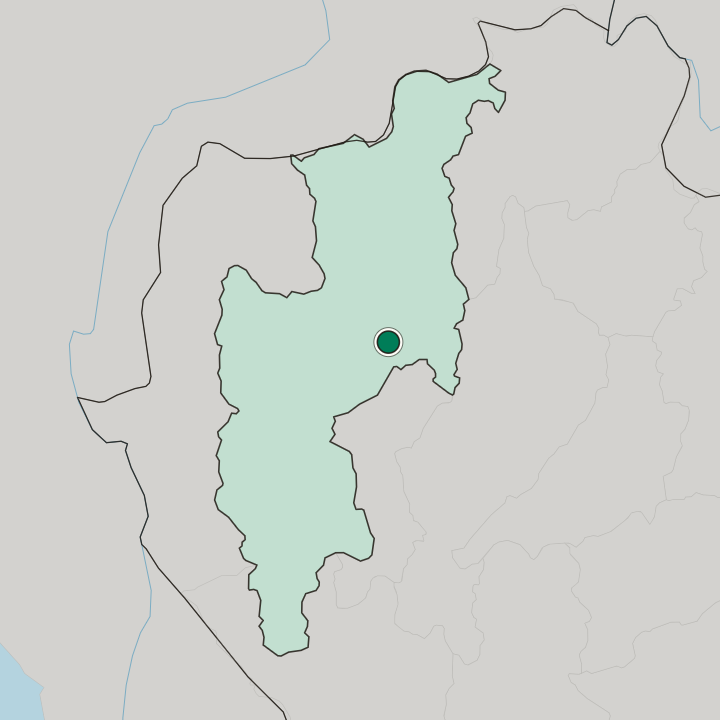
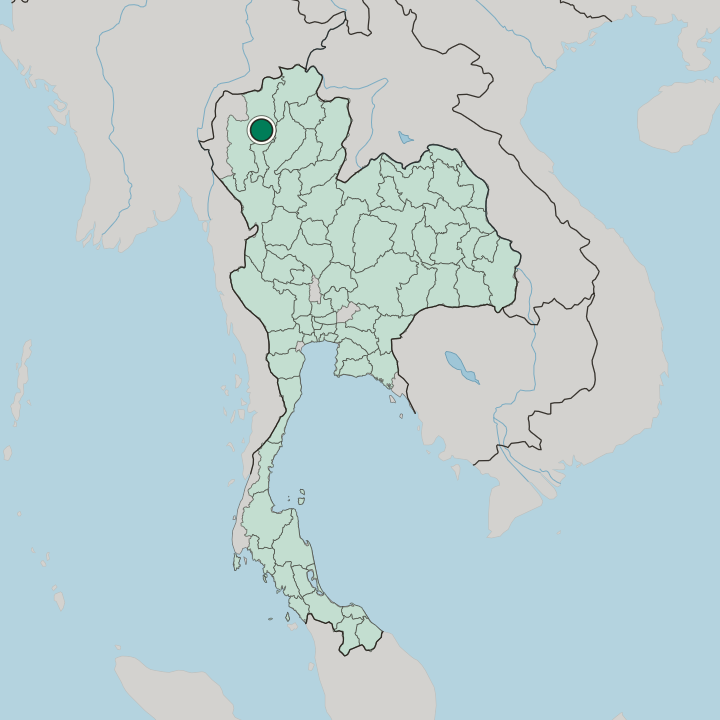
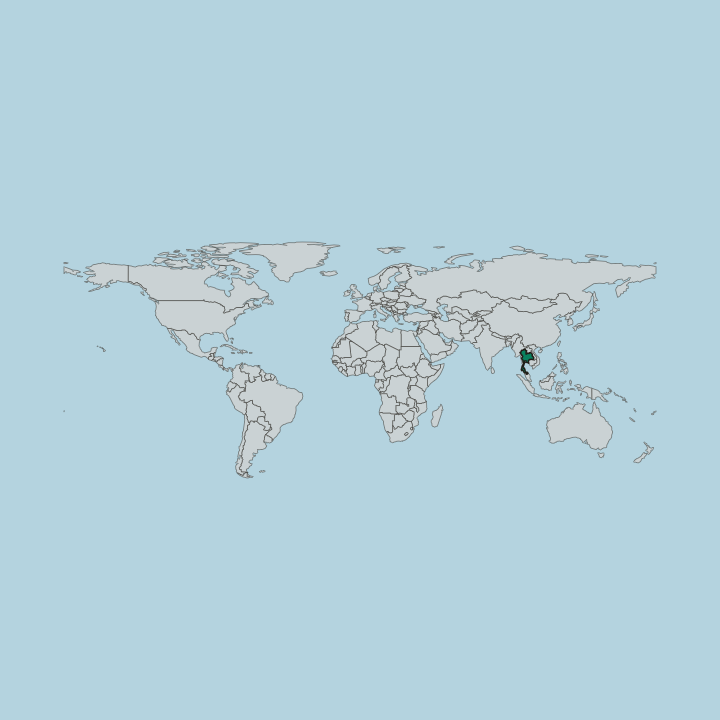
Chiang Mai sits on a plain in the Thai highlands, ringed by mountains that rise on every side. Hills close it off. Far up-country from Bangkok, the city lies deep in the highland north, where the cooler, greener character of the hills sets it apart from the lowlands stretching south toward the capital.
The plain around it stays lush and open. That mountain setting shapes everything from the climate to the peoples whose story the Tribal Museum tells.
What is the climate of Chiang Mai?
Chiang Mai runs warm and green. Its perch on a mountain plain in the Thai highlands keeps it cooler and quieter than the lowland capital, and the ring of hills tempers the heat that settles over Bangkok. The wet monsoon greens the plain through the middle of the year, while the cool, dry months turn the air crisp and the mornings hazy over the mountains.
That highland balance earned the city its name as the rose of the north.
How do you get to Chiang Mai?
Chiang Mai is the transport hub of the north. It stands a long way up-country from Bangkok, and most travellers reach it by air, rail, or the roads that climb into the Thai highlands. Once in the city, the historic core is small enough to cross on foot, with the Three Kings Monument and the museums around it clustered within easy reach.
The surrounding mountains hold the hill routes that fan out from the old Lanna capital.
Common questions
What is the best area to stay in Chiang Mai?
Old centre by the Three Kings Monument: Lanna museums on foot. Streets near the Sacred Heart Cathedral: Quieter, residential nights. Museum quarter toward the hills: Highland history and craft.
Good for
Updated October 2026