
Tajikistan · Dushanbe
Where to Stay in Dushanbe
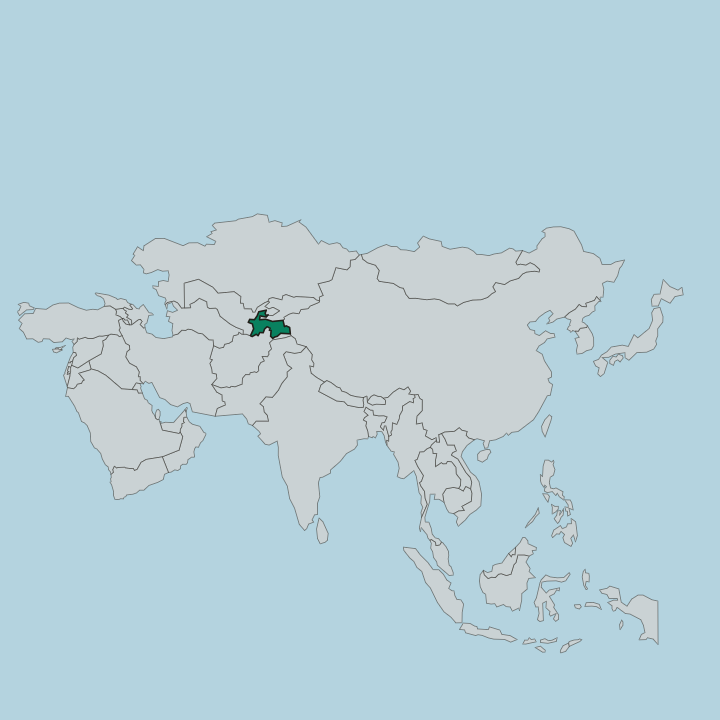
Dushanbe is the capital of Tajikistan, a city of the Hisar Valley founded about 1700 and known as Stalinabad until 1961.
Hotel links are affiliate links: booking through them may earn us a commission, at no extra cost to you. It never affects how places are ranked. How this works


Where to stay in Dushanbe
The right area depends on your trip — here's what each neighbourhood is best for.

 DushanbeTajikistan
Falakon
Falakon is a district of Dushanbe, written Фалакон in Tajik, and the record gives it little beyond that name and its place in the city.Where to stay →DushanbeTajikistanNavbahor
Navbahor is a district of Dushanbe in Tajikistan, listed on the city's register alongside neighbours such as Falakon and Guliston.Where to stay →DushanbeTajikistanGuliston
Guliston is a village and jamoat of Rudaki District in Tajikistan, one of the Districts of Republican Subordination.Where to stay →Hotel links are affiliate links: booking through them may earn us a commission, at no extra cost to you. It never affects how places are ranked. How this works
Find hotels in Dushanbe
Direct booking searches for these neighbourhoods.
Shah Mansur
Shah Mansur is one of the four divisions of Dushanbe, listed with Ismail Samani, Avicenna and Ferdowsi, and choosing it gives an address the city's own administrative map recognises rather than a vague central label.Find hotels in Shah MansurVisitors who came for the Ismoil Somoni monument in Dushanbe and the state building around itIsmail Samani
This district carries the name of Ismail Samani, the figure the Ismoil Somoni monument in Dushanbe commemorates, and it is one of the four parts into which the capital of Tajikistan is divided.Find hotels in Ismail SamaniLonger stays with the Gurminj Museum of Musical Instruments and the Mirzo Tursunzoda House Museum still on the listFerdowsi
Ferdowsi is the third of the four districts of Dushanbe, and several nights based in it leave time for the smaller collections such as the Gurminj Museum of Musical Instruments and the Mirzo Tursunzoda House Museum that a single day skips.Find hotels in FerdowsiRooms that keep the Hisar Valley in view without leaving the working capitalAvicenna
Avicenna completes the four districts of Dushanbe, and the Hisar Valley the city occupies is near enough on every side that a room here holds both the valley floor and the offices of the capital within reach.Find hotels in AvicennaHotel links are affiliate links: booking through them may earn us a commission, at no extra cost to you. It never affects how places are ranked. How this works
Things to do in Dushanbe
Ranked by global recognition; descriptions from Wikidata (CC0).
Museums & Galleries
3- Tajikistan National Museum
- National Museum of Antiquities of Tajikistan
- Gurminj Museum of Musical Instruments
Churches & Religious Sites
2- St. Nicholas Cathedral
- St Joseph Church
Castles & Historic Sites
1- Ismoil Somoni monument in Dushanbe
Stadiums & Sports
1- Sportkompleks Dushanbe
worth knowingacross 4 categories in Dushanbe
About Dushanbe
Old and new sit side by side.
What is Dushanbe known for?
Soviet-era buildings stand next to new state buildings and monuments in Dushanbe, and the tension between demolition and construction is what a visitor notices before anything else. Museums account for much of the rest. The Tajikistan National Museum, the National Museum of Antiquities of Tajikistan and the Gurminj Museum of Musical Instruments are among the collections the capital keeps, and the Ismoil Somoni monument in Dushanbe anchors its ceremonial side.
What are the main landmarks in Dushanbe?
Dushanbe's roster of collections is long. The Tajikistan National Museum and the National Museum of Antiquities of Tajikistan carry the state collections, while the Gurminj Museum of Musical Instruments, the Mirzo Tursunzoda House Museum and Осорхонаи адабии Айнӣ keep smaller and more particular holdings. Two churches stand among them.
St. Nicholas Cathedral and St Joseph Church are both recorded here, and the Ismoil Somoni monument in Dushanbe, Dushanbe Zoo and Sportkompleks Dushanbe complete what the city puts on show.
What is the history of Dushanbe?
The city is older than its name. Dushanbe dates from about 1700, and for most of that span it was known in Russian as Dyushambe, a form that held until 1929. Then it took Stalin's name.
From 1929 to 1961 the city was Stalinabad, written Сталинабад, after Joseph Stalin, and only afterwards did the name Dushanbe come into general use. The valley did not change. Whatever the city was called, it occupied the same ground in the Hisar Valley, with the Hisar Range on one side and the Babatag, Aktau, Rangontau and Karatau mountains on the other.
The Soviet decades left the built fabric. Soviet-era buildings still stand next to the newer state buildings and monuments the capital has raised, and the demolition of one and the construction of the other run alongside each other across Dushanbe. The city is largely Tajik.
Ismail Samani, Avicenna, Ferdowsi and Shah Mansur are the four districts it is divided into, and that division is the frame within which the capital of Tajikistan is administered. The Ismoil Somoni monument in Dushanbe is among the monuments the city has raised. St. Nicholas Cathedral and St Joseph Church stand among them, and the Tajikistan National Museum and the National Museum of Antiquities of Tajikistan hold what has been gathered from the periods before any of these names existed.
Where is Dushanbe?
Mountains close the city in. Dushanbe lies in the Hisar Valley, bounded by the Hisar Range to the north and east and by the Babatag, Aktau, Rangontau and Karatau mountains to the south, at an elevation between 750 and 930 m. The floor is broad. Some 125 square kilometres of it carry the capital of Tajikistan, split into the districts of Ismail Samani, Avicenna, Ferdowsi and Shah Mansur, in temperate rather than tropical country.
What is the climate of Dushanbe?
The Hisar Range does the work. That range runs along the north and east of the city, while the Babatag, Aktau, Rangontau and Karatau mountains close the south, so Dushanbe sits in air the Hisar Valley holds in. Height tempers the heat.
The city stands between 750 and 930 m, which is enough elevation to separate its seasons from those of the lower country beyond the ranges that bound the valley.
How do you get to Dushanbe?
Everything in Tajikistan converges here. Dushanbe is the capital and the largest city of the country, so arrivals from elsewhere in Tajikistan and from abroad come to it first, and the Hisar Valley is the ground all those approaches have to reach. The mountains set the routes.
With the Hisar Range on the north and east and the Babatag, Aktau, Rangontau and Karatau mountains on the south, the ways into the valley are limited, and the districts of Ismail Samani, Avicenna, Ferdowsi and Shah Mansur all lie inside it.
Common questions
What is the best area to stay in Dushanbe?
Shah Mansur: A first stay in Dushanbe pinned to one of its four named districts. Ismail Samani: Visitors who came for the Ismoil Somoni monument in Dushanbe and the state building around it. Ferdowsi: Longer stays with the Gurminj Museum of Musical Instruments and the Mirzo Tursunzoda House Museum still on the list. Avicenna: Rooms that keep the Hisar Valley in view without leaving the working capital.
Good for
Updated October 2026