
Tajikistan
Dushanbe, Tajikistan — Towns & Travel Guide
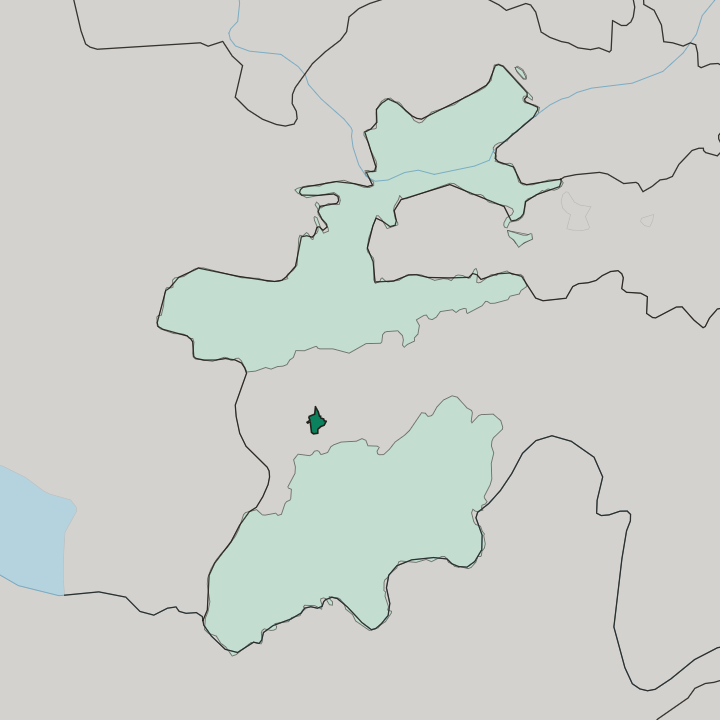
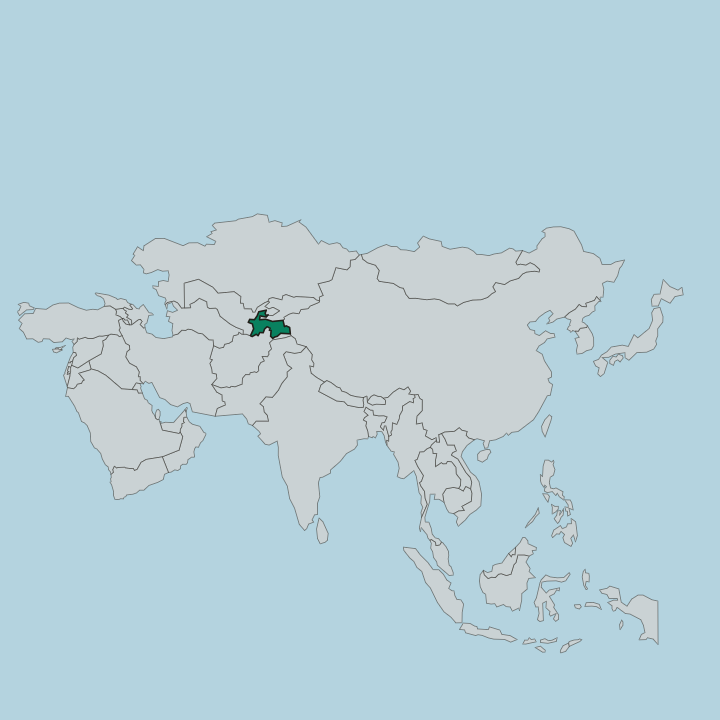
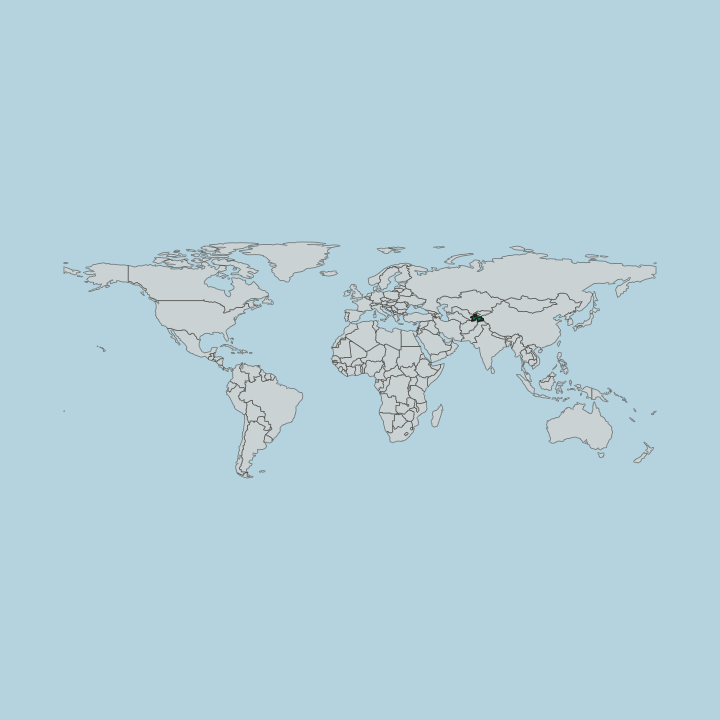
Dushanbe is the capital of Tajikistan, a city of the Hisar Valley enclosed by the Hisar Range and the mountains that wall the southern side.
Hotel links are affiliate links: booking through them may earn us a commission, at no extra cost to you. It never affects how places are ranked. How this works


Towns & cities in Dushanbe
One town here has its own guide — it links to where to stay.

 Tajikistan
Dushanbe
Dushanbe is the capital of Tajikistan, a city of the Hisar Valley founded about 1700 and known as Stalinabad until 1961.Where to stay →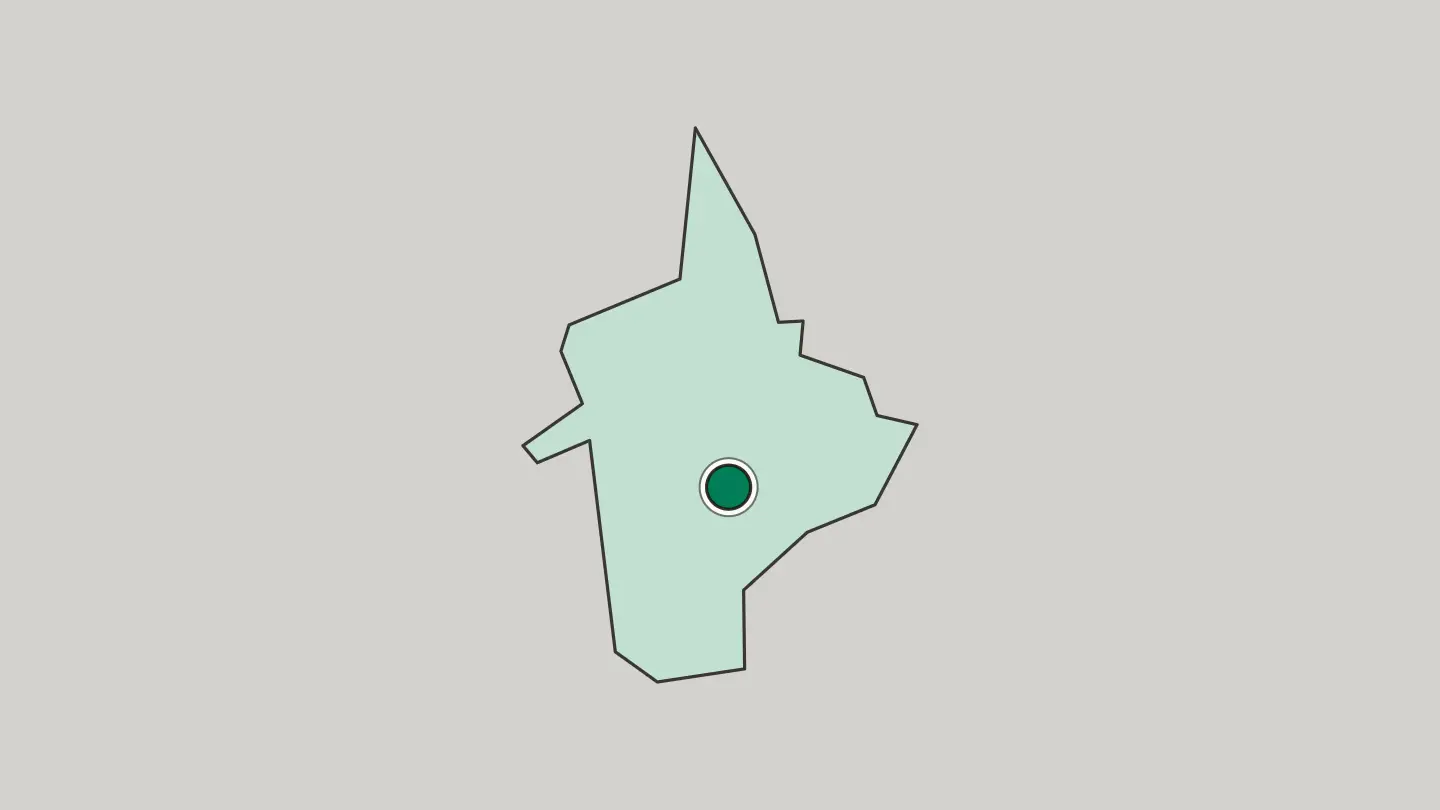
Hotel links are affiliate links: booking through them may earn us a commission, at no extra cost to you. It never affects how places are ranked. How this works
About Dushanbe
Contrast is the first thing noted.
What is Dushanbe known for?
Soviet-era blocks stand beside massive new state buildings, and the demolition of one and the construction of the other run at the same time across a capital that has never settled on a single face. Names carry the rest. The four districts, Ismail Samani, Avicenna, Ferdowsi, and Shah Mansur, divide the city and give arrivals four names to navigate by.
Where is Dushanbe?
A valley with walls on every side. Dushanbe occupies the floor of the Hisar Valley, and the Hisar Range closes it off to the north and east while the Babatag, Aktau, Rangontau and Karatau mountains hold the southern side. The ring is almost complete.
Elevation across the built-up area runs between 750 and 930 metres, a spread wide enough that the city climbs noticeably from one end to the other without ever leaving the valley floor. Orientation inside Dushanbe is a matter of knowing which range lies ahead: the Hisar Range to the north and east, the Babatag and Karatau to the south. Scale is modest for a capital.
The municipal territory covers a little over 124 square kilometres, which puts every district within a short drive of the valley edge, and the four of them, Ismail Samani, Avicenna, Ferdowsi and Shah Mansur, divide ground that a walker could cross in a long day. Mountains are the constant. They frame street ends across the whole city, they set the limits of expansion in every direction, and they are the reason Dushanbe reads as a valley settlement rather than as a plains capital in the Central Asian manner.
What is Dushanbe like?
Tajik is the language of the street. Russian shaped the record and the older name forms, and Soviet planning shaped the blocks that still stand in every district, yet the culture that fills them belongs to a Tajik capital rather than to the system that built them. The layers sit on top of each other.
The district names make the point. Ismail Samani, Avicenna, Ferdowsi, and Shah Mansur are proper names rather than numbers or compass points, which is a choice a city makes deliberately. Building is the visible culture.
Old Soviet-era structures stand adjacent to new state buildings and monuments, and the pull between tearing down and putting up has been constant enough that a visitor returning after some years finds a different skyline. Monuments carry much of the public art, and new ones have gone up at a pace that outruns any guidebook. That tension is the subject.
Among Central Asian capitals Dushanbe has kept a smaller scale than the construction suggests, and the Hisar Valley setting keeps the mountains in the frame behind every new tower. Culture here is legible in concrete.
What is the history of Dushanbe?
Three names in one century. The place goes back to about 1700, was known in Russian as Dyushambe until 1929, and then carried the name Stalinabad, Сталинабад, for a little over three decades, named after Joseph Stalin. The old name returned in 1961.
Almost everything visible in the capital dates from the stretch bracketed by those changes or from the construction that has not stopped since.
What is the climate of Dushanbe?
The valley does the work. Mountains on the north and east cut the capital off from whatever weather crosses the Hisar Range, so summers on the valley floor build heat that the surrounding walls hold in place, and the temperate band gives a winter with a real edge. The ranges take the harder weather.
Down at 750 to 930 metres, the seasons are milder than the skyline suggests, and the difference between the city and the mountains above it is the first thing a traveller learns to plan around.
How do you get to Dushanbe?
The mountains decide the approach. Every road into Dushanbe has to find a way through the ring, the Hisar Range to the north and east, the Babatag, Aktau, Rangontau and Karatau to the south, which is why arrival at the capital tends to feel like entering a room rather than crossing a plain. Inside the ring the floor is flat.
Shah Mansur and Ismail Samani hold the central ground most arrivals aim for, and Ferdowsi and Avicenna spread out from there.
Common questions
What is the best area to stay in Dushanbe?
Shah Mansur: central nights among the new state buildings. Ismail Samani: walkable days across the capital's administrative middle. Ferdowsi: quieter streets away from the building sites. Avicenna: plain rooms with the valley wall in sight.
Good for
More regions in Tajikistan
Updated September 2026