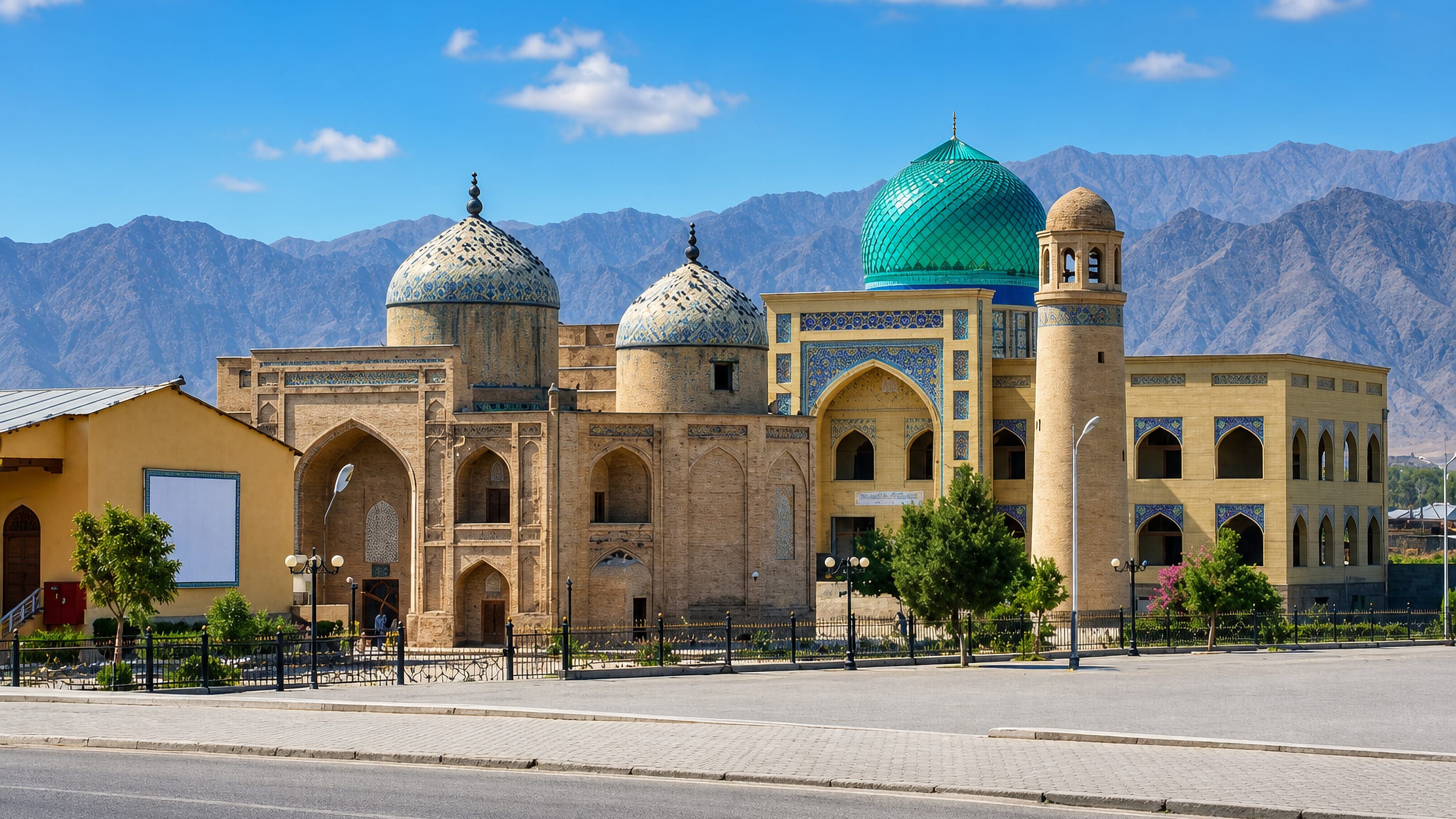
Tajikistan
Viloyati Sughd, Tajikistan — Towns & Travel Guide
Viloyati Sughd is the northwest province of Tajikistan, centred on historical Sogdiana and run from Khujand, and it was called Leninabad until 2001.
Hotel links are affiliate links: booking through them may earn us a commission, at no extra cost to you. It never affects how places are ranked. How this works


Towns & cities in Viloyati Sughd
Pick a town or city — each links to where to stay.
 Tajikistan
Isfara
Isfara is a city in Viloyati Sughd, northern Tajikistan, on the Tajik side of the Ferghana Valley and hard against the border with Kyrgyzstan.Where to stay →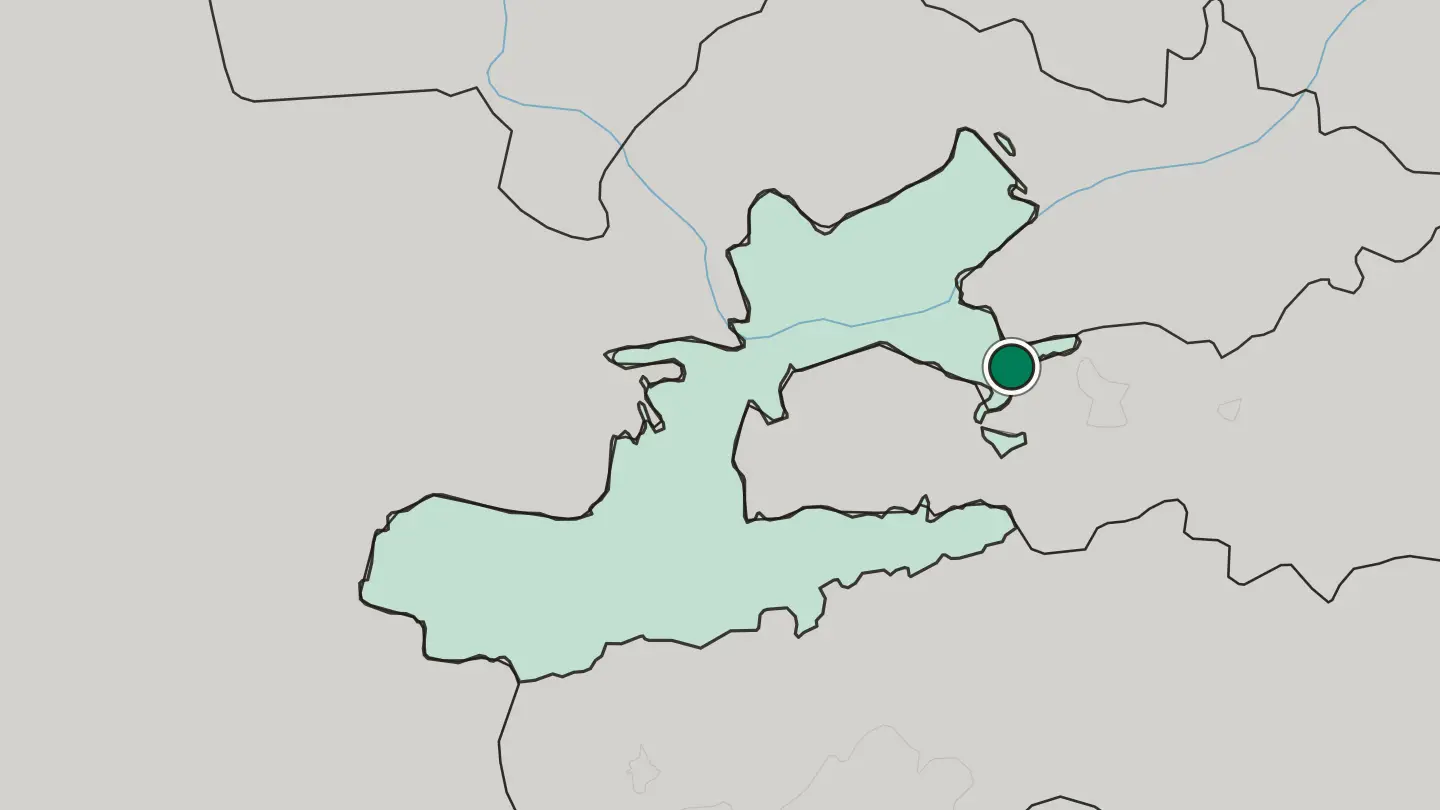
 Tajikistan
Istaravshan
Istaravshan, called Uroteppa until 2000, is an old city in the Turkistan foothills of Tajikistan, known for its Abdullatif Madrassah and Mosque.Where to stay →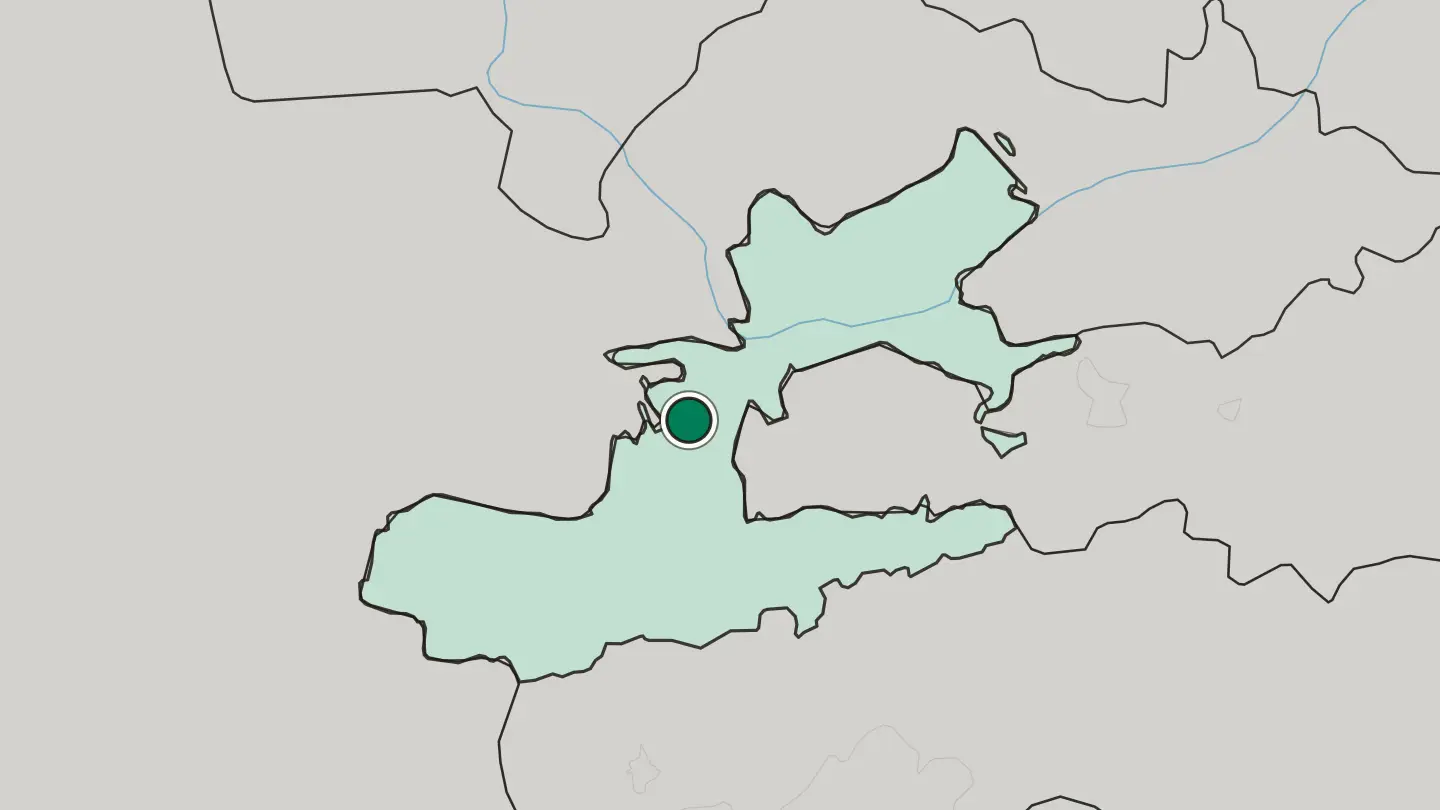
 Tajikistan
Khujand
Khujand is the second-largest city of Tajikistan and the capital of Sughd, standing in the western Ferghana Valley.Where to stay →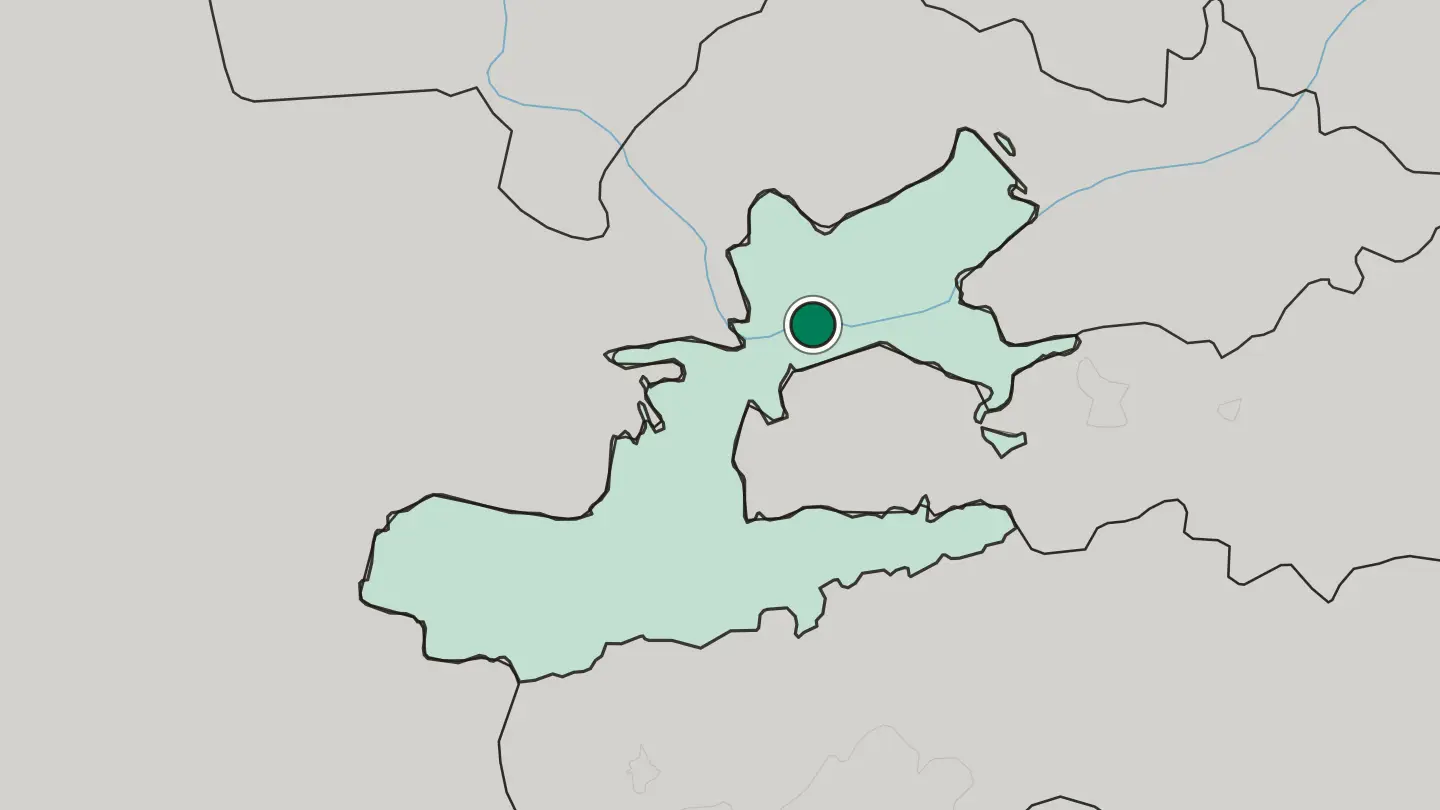
Hotel links are affiliate links: booking through them may earn us a commission, at no extra cost to you. It never affects how places are ranked. How this works
About Viloyati Sughd
Sogdiana gave the province its name.
What is Viloyati Sughd known for?
Sughd is centred on that historical region, and the older Soviet name of Leninabad stayed on maps until 2001, which is why sources of different vintages disagree about what to call the same northwestern ground. Khujand is the capital. The province is one of four administrative divisions in Tajikistan and one of the three that carry the title of province, holding the country's northwest.
Where is Viloyati Sughd?
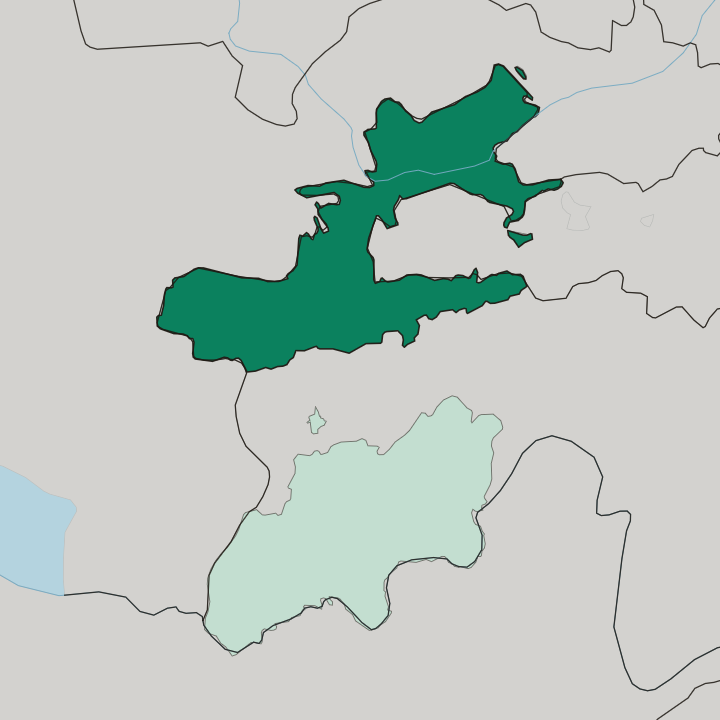
Sughd holds the northwest of Tajikistan. The province is one of four first-level divisions in the country, and of the three that are titled provinces it is the one set apart in the north, away from the ground the other divisions occupy. Khujand sits at its centre of gravity.
The capital gives the province its single fixed reference, and distances in Sughd are measured from Khujand outward rather than from the country's centre. Sogdiana is the underlying shape. The province is centred on the historical region of that name, so the modern boundary encloses ground that had an identity of its own long before Tajikistan drew its administrative map.
Sogdia is the other spelling. Both forms appear in reference works, and Sughd, Sogdia, and Sogdiana are read as the same place under different conventions rather than as separate regions. The name on the map changed twice.
Leninabad was the provincial title through the Soviet period and stayed in use until 2001, and the Russian-language form of that name still appears in documents predating the change. Khujand kept its own name. The capital is the constant across all of it, and a visitor working from Khujand is working from the same centre that the Leninabad-era province used.
What is Viloyati Sughd like?
The province is mixed. Tajiks form the large majority in Sughd, with a substantial Uzbek minority alongside them and smaller Kyrgyz, Russian, and Tatar communities recorded in the provincial census returns. Tajik is the language.
Russian remains legible in the naming layer, since the province answered to Leninabad for decades and the official Russian form of that title sits beside the Tajik one in older paperwork. Sogdiana is the deep layer. The province is centred on the historical Sogdian region, and that inheritance is what distinguishes Sughd from a purely administrative unit drawn in the twentieth century.
Khujand carries that continuity. The capital of Sughd is the seat from which the province is administered, and it is the reference point for the Sogdian ground around it in the same way it was for Leninabad. Names change slowly in practice.
Sughd, Sogdia, Sogdiana, and Leninabad all point at the same northwestern province, and reading across them is the ordinary work of anyone following its record through the twentieth century. The mix of peoples persists underneath. Uzbek, Kyrgyz, Russian, and Tatar households are counted in the province alongside the Tajik majority, and that composition is the plainest cultural fact the record carries about Sughd.
What is the history of Viloyati Sughd?
Leninabad was the name until 2001. The province carried it through the Soviet decades, and the change to Sughd restored a name attached to the historical Sogdian region rather than to a twentieth-century figure. Khujand held the seat throughout.
The capital's role did not move with the renaming, so the administrative history of the northwest runs continuously through one city under two provincial titles.
What is the climate of Viloyati Sughd?
Sughd sits in the temperate band. The province holds the northwest of Tajikistan in the northern hemisphere, which puts Khujand and the districts around it into a year of four marked seasons rather than a tropical one. Seasonal contrast is the rule.
Khujand is where the provincial year is most readily read, and the temperate reading in the record applies to the whole northwestern division rather than to one district within it.
How do you get to Viloyati Sughd?
Khujand is the way in. The capital is the province's hub, and journeys into the northwest are usually organised as a run to Khujand followed by a shorter leg out to whichever district is the actual destination. Sughd is set apart from the rest.
Reaching it means crossing from the other divisions of Tajikistan into the country's northwestern province, and that geography is why Khujand functions as the arrival point for the whole of Sogdiana.
Common questions
What is the best area to stay in Viloyati Sughd?
Khujand: Trips built around Khujand, the seat of historical Sogdiana.
More regions in Tajikistan
Updated September 2026