
Turkmenistan
Ashgabat, Turkmenistan — Towns & Travel Guide
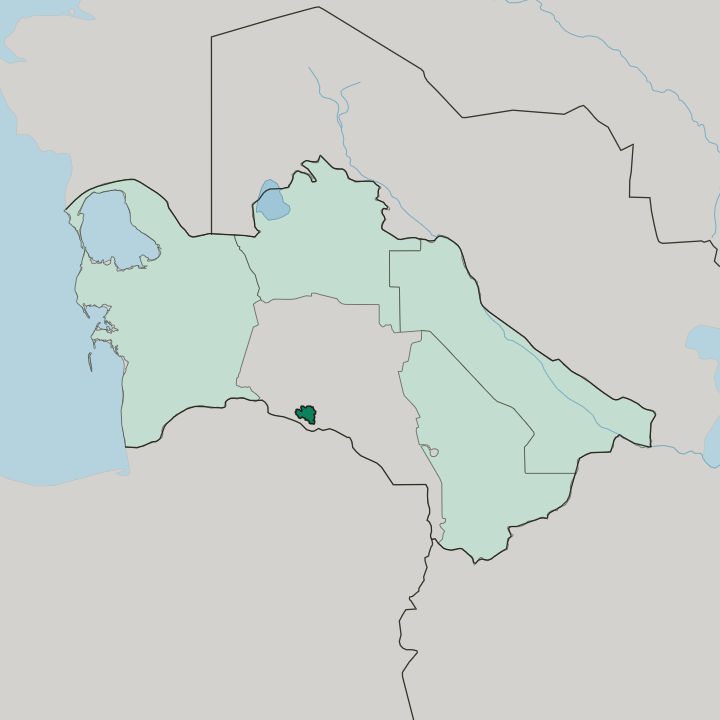
Ashgabat is the capital region of Turkmenistan, a foothill province wedged between the Karakum Desert and the Köpetdag range in Central Asia.
Hotel links are affiliate links: booking through them may earn us a commission, at no extra cost to you. It never affects how places are ranked. How this works


Towns & cities in Ashgabat
One town here has its own guide — it links to where to stay.
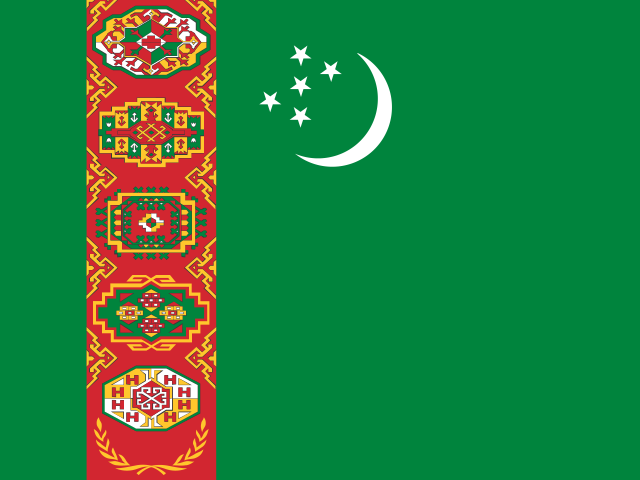 Turkmenistan
Ashgabat
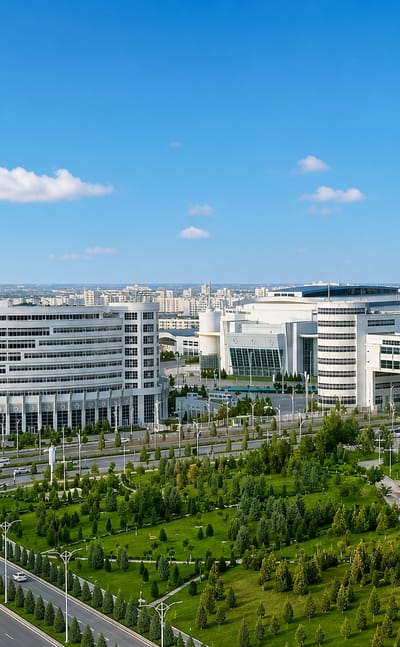
White marble catches the desert sun in Ashgabat, capital of Turkmenistan below the Köpetdag range, known for the Turkmen Carpet Museum.Where to stay →
Hotel links are affiliate links: booking through them may earn us a commission, at no extra cost to you. It never affects how places are ranked. How this works
About Ashgabat
What is Ashgabat known for?
The Ashgabat region is known as the capital province of Turkmenistan, built around the marble city that shares its name. It gathers the seat of the country. Its ground runs from the sands of the Karakum Desert in the north to the bare wall of the Köpetdag range along the southern frontier with Iran, and it holds the oasis line where most of the province's life and water collect within Central Asia.
Where is Ashgabat?
The Ashgabat region occupies the narrow foothill province of Turkmenistan, caught between two overwhelming landscapes. To the north the Karakum Desert spreads in dune and salt flat, ranking among the great deserts of Central Asia. To the south the Köpetdag range rises as a bare limestone rampart along the frontier with Iran, and it is beneath that wall that the whole province lives.
The mountains are the key. Springs and short streams off the Köpetdag feed a thin band of watered ground at the foot of the peaks, and it is on this oasis line that the capital city of Ashgabat and the surrounding settlements of the region take hold. Beyond the watered strip the land runs quickly into the Karakum Desert, so the province is best read as a threshold between the mountain and the sand rather than a broad territory.
Water comes from the mountains, not the plain. That single fact of relief, the peaks catching what little moisture the desert allows, decides where every road, field, and town of the Ashgabat region can sit within Turkmenistan.
What is Ashgabat like?
The Ashgabat region carries a Turkmen culture shaped by the meeting of desert and mountain. Its identity is oasis-bred. Life gathered where the Köpetdag springs allowed it, so the province holds the settled, town-building strand of Turkmen tradition rather than the open-steppe nomadism of the wider Karakum Desert, and that rootedness shows in its language, its craft, and its long habit of building at the foot of the peaks.
Turkmen is the everyday language across the province, and the region's cultural weight comes from its role as the seat of Turkmenistan. The capital gives it museums, monuments, and the woven-carpet heritage for which the Turkmen name is known abroad. Marble is the modern signature.
Yet beneath the new stone the province keeps an older character as an oasis settlement on the edge of Central Asia, a place where Turkmen, Russian, and other communities have long shared the narrow band of ground between the Köpetdag range and the sands, and where the rhythm of life still follows the water off the mountains.
What is the history of Ashgabat?
The Ashgabat region takes its history from the capital founded in 1881 at the foot of the Köpetdag range. A garrison came first. The imperial road across Central Asia needed a watered halt beneath the mountains, and the oasis strip of the future province supplied it, drawing the settlement that would grow into the seat of Turkmenistan and lend the whole capital region its name against the Karakum Desert.
What is the climate of Ashgabat?
The Ashgabat region holds a hot desert climate, wrung dry by the Köpetdag range that stands between it and the moist air beyond. Summers are long and scorching. Heat pours off the Karakum Desert across the foothill strip for months, and the province bakes under clear skies with little relief until the season turns.
Winters are short and cool, with cold air draining down from the mountains, and rainfall stays sparse all year in this rain-shadowed pocket of Central Asia.
How do you get to Ashgabat?
The Ashgabat region is reached through its capital, the main gateway of Turkmenistan for the whole province. Flights into Ashgabat bring most visitors. The Karakum Desert to the north and the Köpetdag range to the south leave few easy overland routes, so travellers land in the hub city of Ashgabat and move out along the oasis roads from there.
The southern frontier with Iran offers a narrow land crossing beneath the mountains within Central Asia.
Common questions
What is the best area to stay in Ashgabat?
Capital core: The only practical base.
Good for
More regions in Turkmenistan
Updated September 2026