Ukraine · Donetska Oblast
Where to Stay in Donetsk, Donetska Oblast
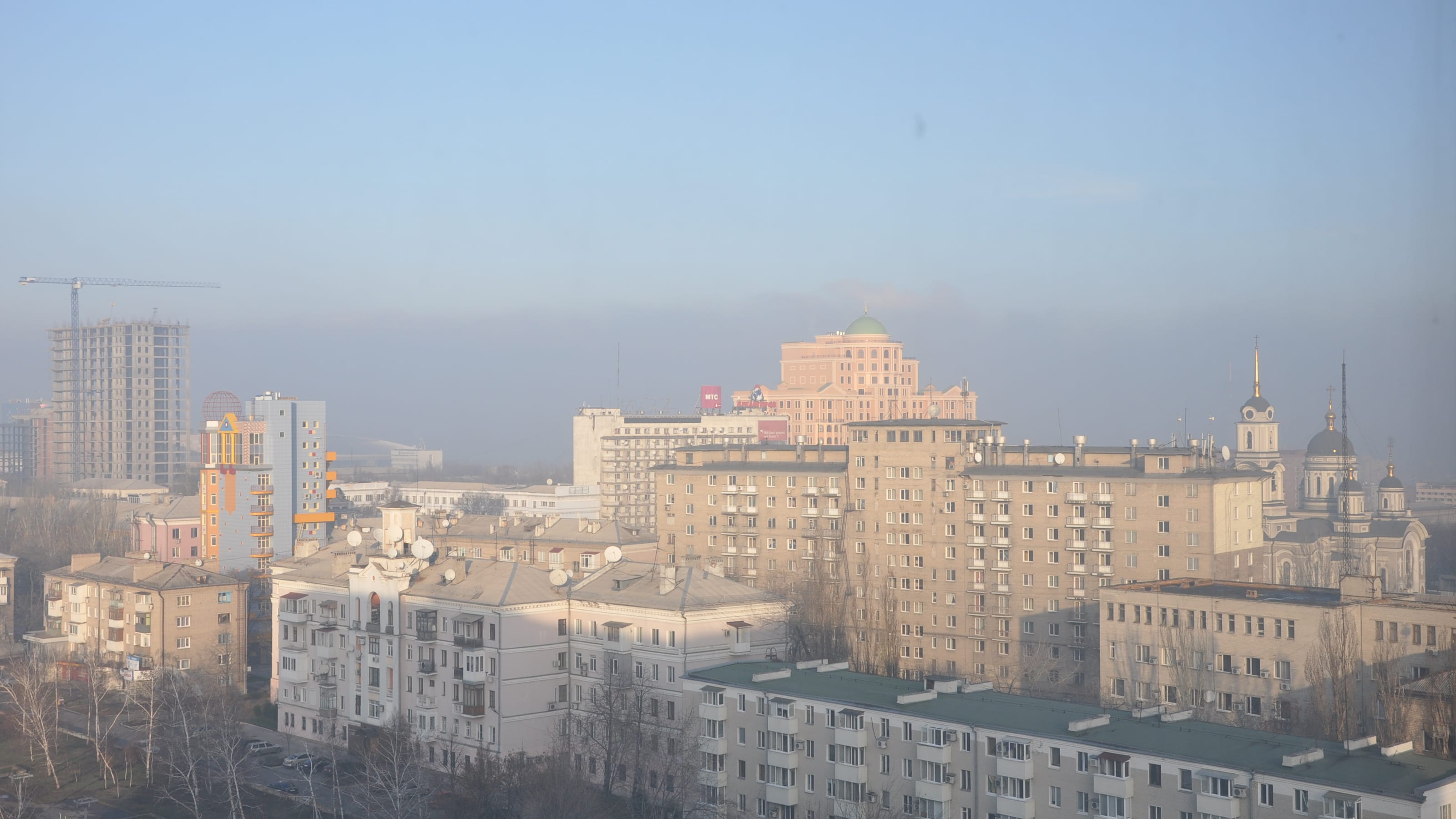
Donetsk is a metallurgical city in Donetska Oblast, Ukraine, grown from ironworks founded in 1869 and known for its Forged Figures Park.
Find your area →


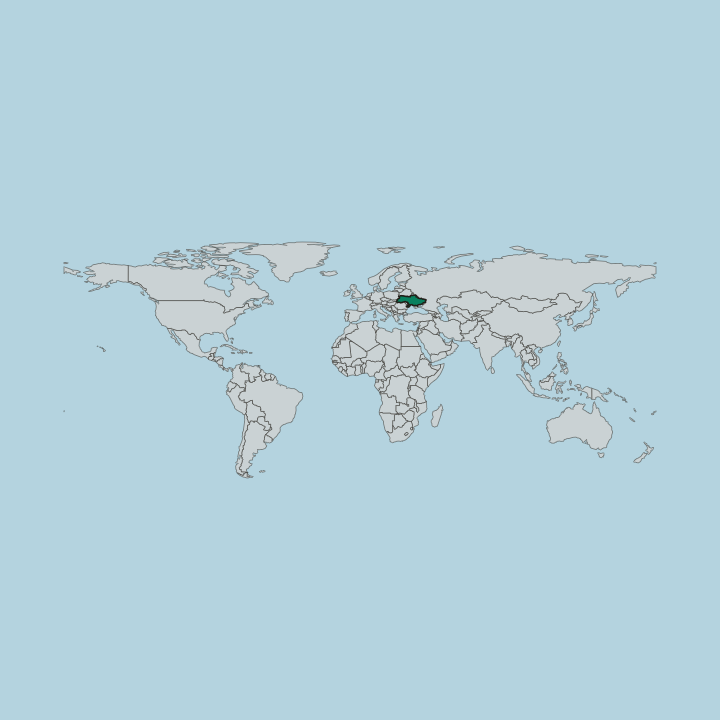
Where to stay in Donetsk
One neighbourhood here has its own guide — here's what it is best for.
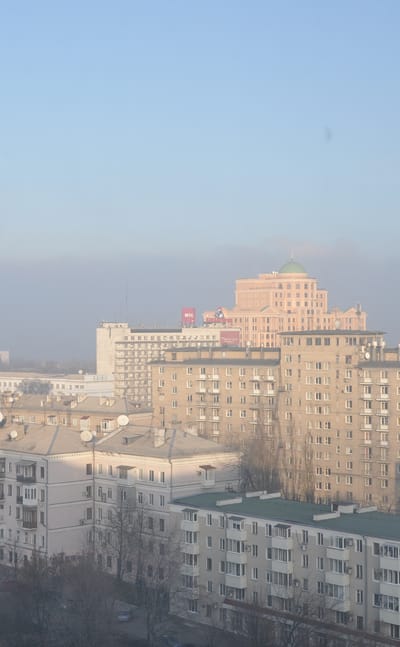
 DonetskUkraine
Hladkivka
Old burial mounds and war memorials mark Hladkivka, a district tied to Donetsk in the plains of Donetska Oblast, Ukraine.Where to stay →Things to do in Donetsk
Ranked by global recognition; descriptions from Wikidata (CC0).
Museums & Galleries
3- Donetsk Regional Museum of Art
- Museum of FC Shakhtar Donetsk
- Pharmacy Lache
Churches & Religious Sites
1- Church of Intercession of the Theotokos in Donetsk
Castles & Historic Sites
8- To Donbass Liberators Heritage
- Hughes monument in Donetsk Heritage
- Monument to Artyom in Donetsk Heritage
- Monument to Iosif Kobzon, Donetsk Heritage
- Monument to miner (Donetsk) Heritage
Show 3 more →
- Monument to soldiers of Soviet war in Afghanistan Heritage
- Пам'ятник ліквідаторам чорнобильської катастрофи (Донецьк) Heritage
- Taras Shevchenko monument in Donetsk Heritage
Stadiums & Sports
2- Shakhtyor sport palace Heritage
- Druzhba Arena
Landmarks & Notable Places
1- Gorelik house Heritage
worth knowingacross 5 categories in Donetsk
About Donetsk
What is Donetsk known for?
Donetsk is known as an industrial and coal city, its name bound to metalworking and to the mining football tradition recorded in the Museum of FC Shakhtar Donetsk. The Forged Figures Park gathers sculptures beaten from iron, a nod to the trade that built the place. Steel made this city.
Its markers run from the Hughes monument, honouring the founder of the first works, to the Taras Shevchenko monument that ties Donetsk to the broader culture of Ukraine.
What are the main landmarks in Donetsk?
Donetsk keeps a dense set of monuments and museums. The Forged Figures Park shows ironwork sculpture in the open air, while the Donetsk Regional Museum of Art and the Donetsk Region Museum of local history hold its collections. Memory has many markers here.
The Alley of Angels, the Hughes monument, the Taras Shevchenko monument, and the Holocaust memorial stand across the city, alongside the domed Church of Intercession of the Theotokos.
What is the history of Donetsk?
Donetsk began in 1869 as a metallurgical settlement on the open steppe, raised around ironworks and the coal seams beneath it. The venture drew its early shape from the Welsh industrialist recalled by the Hughes monument, and the Monument to Alexander II marks the imperial era of that first works. Coal and iron set the pattern.
Miners' housing, pit-heads, and foundries spread outward as the settlement grew into a city across the surrounding plain of Donetska Oblast. Through the following century the place expanded as a centre of heavy industry, and much of its public memory was cast in monument and museum. The Donetsk Region Museum of local history gathers that record, while the Monument to Artyom and the To Donbass Liberators memorial mark the Soviet decades.
Football grew beside the mines. The mining club whose story fills the Museum of FC Shakhtar Donetsk took the miners' name, and the Solovyanenko monument honours the opera singer born to the city.
Where is Donetsk?
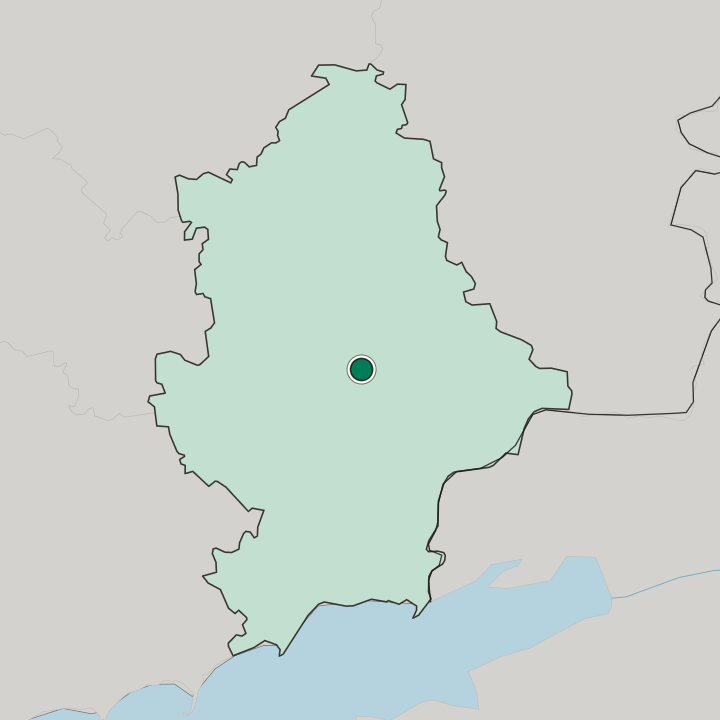
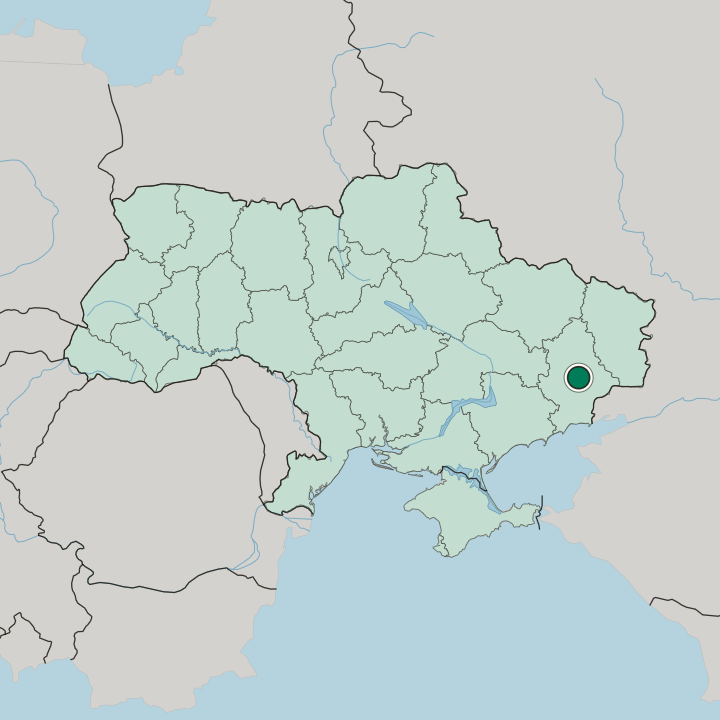
Donetsk stands on the open steppe of Donetska Oblast, part of the coalfield plains of Ukraine. The land is cut by shallow river valleys and shaped more by mine workings and spoil heaps than by any natural relief. Rivers here run small.
The city sprawls over a wide stretch of that plain, its districts strung along roads and rail lines rather than gathered around one old core, with the pit-heads and works that built Donetsk still legible across the ground.
What is the climate of Donetsk?
Donetsk has a continental climate shaped by its position on the exposed steppe of Donetska Oblast, far inland in Ukraine. Summers turn hot and dry, with long spells of sun over the open plain. The winters here are harsh.
Cold air sweeps across the treeless country, bringing frost and snow, while spring and autumn pass quickly between the two extremes and wind stays a constant on the flat land around Donetsk.
How do you get to Donetsk?
Donetsk is reached across the plains of Donetska Oblast, the coalfield region it centres. Roads and rail lines converge on the city from across that country, drawing together the mining towns of the surrounding steppe. Reaching Donetsk means crossing the steppe by road or rail.
From the centre the museums, the Forged Figures Park, and the main squares lie close together within an easy walk. The plain makes every approach a long one.
Good for
More cities in Donetska Oblast
Updated October 2026