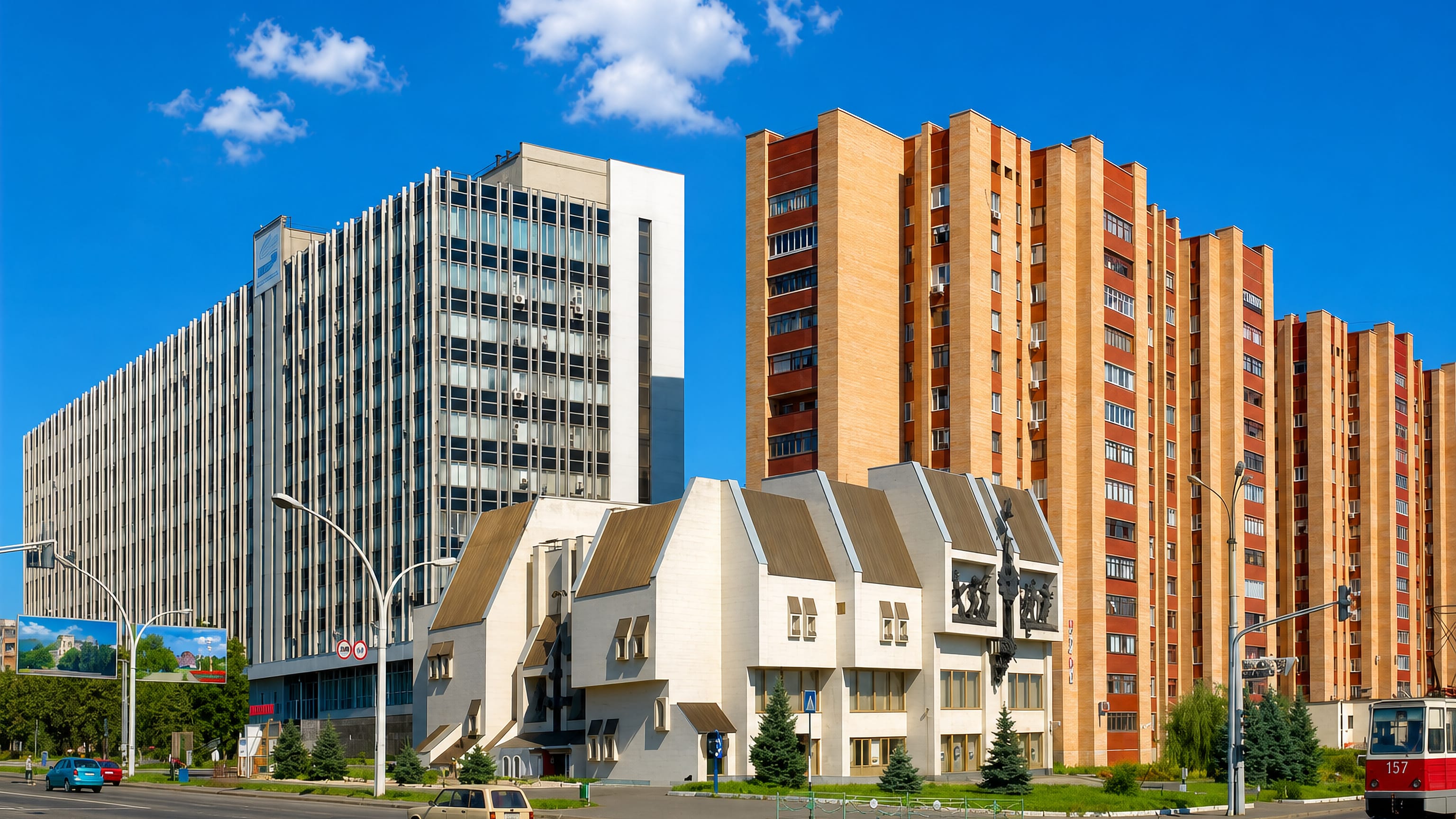
Ukraine · Luhanska Oblast
Where to Stay in Luhansk, Luhanska Oblast
Foundry smoke shaped Luhansk, a city on the Donbas steppe in eastern Ukraine, known for its ironworking origins and Vladimir Dal's Literary Museum.
Find your area →


Where to stay in Luhansk
Where the beds are, and what that means for the visit.
Luhansk spreads across the plains of the Donbas, and its lodging gathers around the old civic core. The centre near Saints Peter and Paul Cathedral and the Houses with spire holds the main streets and services. It suits travellers who want the historic heart close at hand.
Toward the museum quarter, the ground around Vladimir Dal's Literary Museum and the Lugansk Regional Museum of Art leans toward the city's cultural side, trading busy avenues for a quieter, older grain. This part draws those who come for the collections rather than the commercial streets. Nearer the Vasniov House, the blocks carry a plainer residential character across Luhansk Oblast's regional centre.
Each area reads differently. Where you settle depends on whether the cathedral square or the museums shape your visit.
Things to do in Luhansk
Ranked by global recognition; descriptions from Wikidata (CC0).
Museums & Galleries
3- Luhansk Local Museum Heritage
- LGPU Stone image
- Museum of History and Culture of Luhansk
Churches & Religious Sites
3- Список православних храмів Луганська
- Saints Peter and Paul Cathedral, Luhansk
- Свято-Троїцький кафедральний собор (Луганськ)
Castles & Historic Sites
8- Statue of Kliment Voroshilov in Luhansk Heritage
- Пам'ятник Володимиру Далю (Луганськ) Heritage
- Statue of Taras Shevchenko in Luhansk Heritage
- Monument of Civil war of Russia in Luhansk Heritage
- Charles Gascoigne monument Heritage
Show 3 more →
- Monument to Iubilaeum A.D. 2000, Luhansk Heritage
- Monument to the Unknown Soldier, Luhansk Heritage
- Monument to Alexandr Parkhomenko in Luhansk Heritage
Landmarks & Notable Places
2- Vasniov House Heritage
- Будинки зі шпилем (Луганськ)
worth knowingacross 4 categories in Luhansk
About Luhansk
What is Luhansk known for?
Luhansk is known for its foundry origins in the Donbas and for the lexicographer Vladimir Dal, remembered at Vladimir Dal's Literary Museum. The Charles Gascoigne monument recalls the founder of the ironworks that first drew the town into being. Saints Peter and Paul Cathedral anchors the skyline of the centre.
Its museums run deep. The Lugansk Regional Museum of Art holds the city's collection.
What are the main landmarks in Luhansk?
The main landmarks in Luhansk cluster in the old centre of the Donbas city. Vladimir Dal's Literary Museum honours the lexicographer born here, while the Museum of History and Culture of Luhansk sets down the wider story of the town. Saints Peter and Paul Cathedral rises over the centre, and the Charles Gascoigne monument marks the founder of the ironworks.
The Vasniov House stands among the older buildings. The Lugansk Regional Museum of Art rounds out the collections.
What is the history of Luhansk?
Luhansk began as an ironworks. The town grew from a foundry founded in 1795, drawn up on the plains of what is now eastern Ukraine, and the Charles Gascoigne monument recalls the ironmaster who set the works in motion. That casting works gave the city both its name and its early purpose, and the labour of metal ran through its story from the start.
Culture took root alongside industry. The lexicographer Vladimir Dal was born here, and Vladimir Dal's Literary Museum keeps his memory in the old centre of the Donbas. Saints Peter and Paul Cathedral rose over the growing town as it spread across the regional plains.
The Museum of History and Culture of Luhansk gathers those threads together. Iron and letters both shaped the place.
Where is Luhansk?
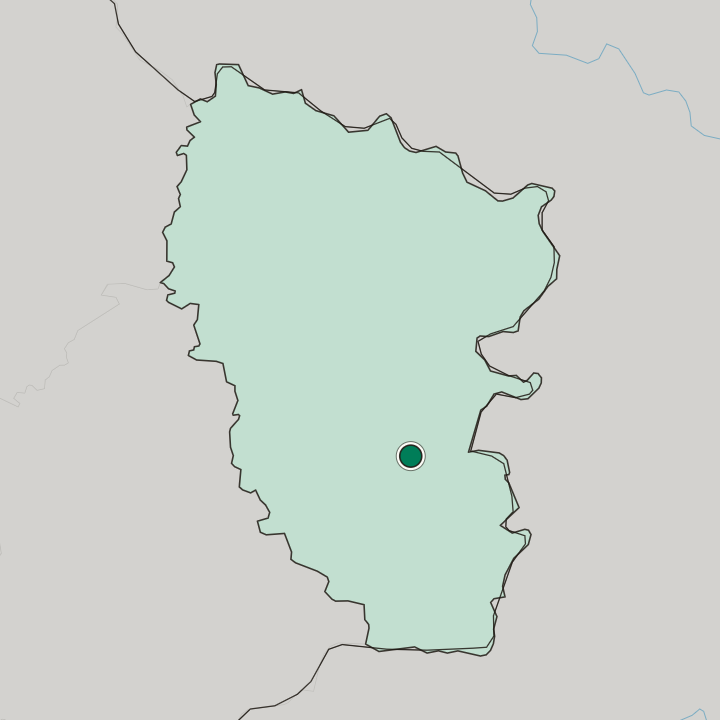
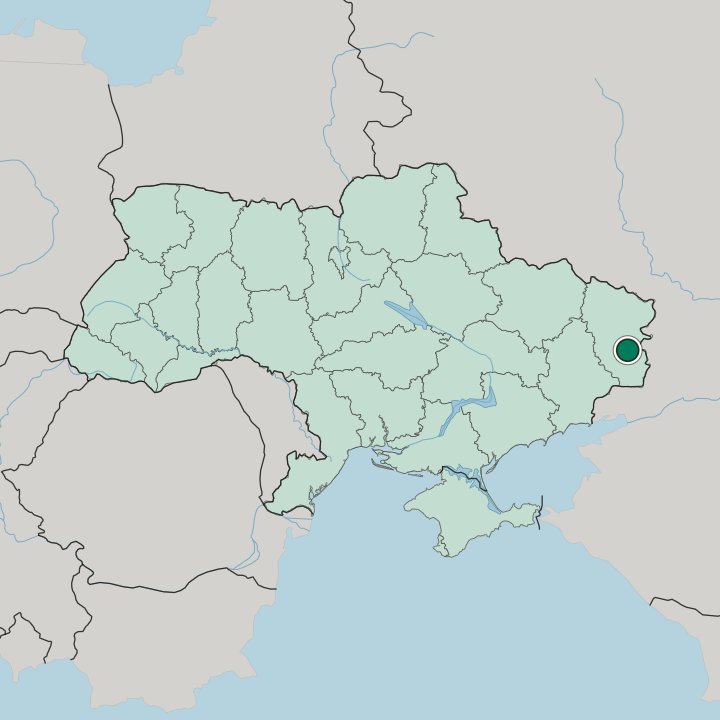
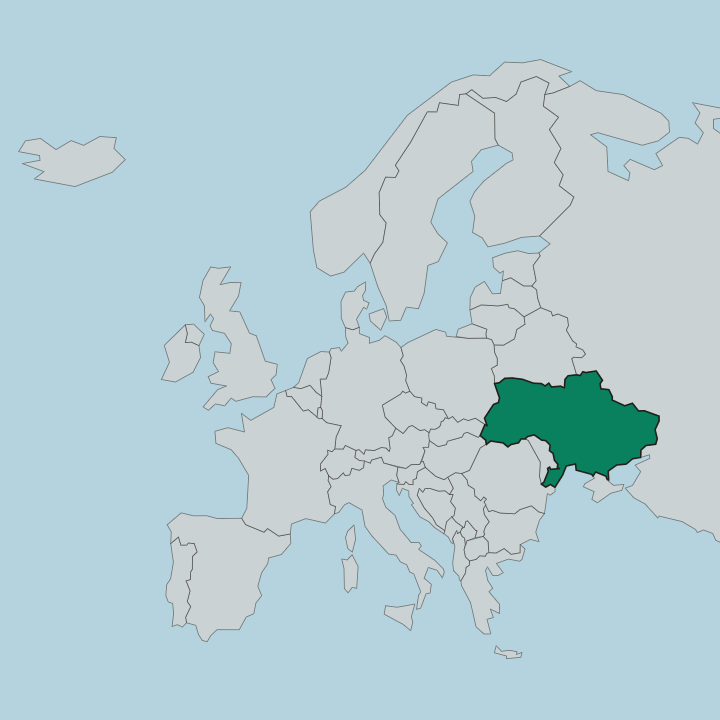
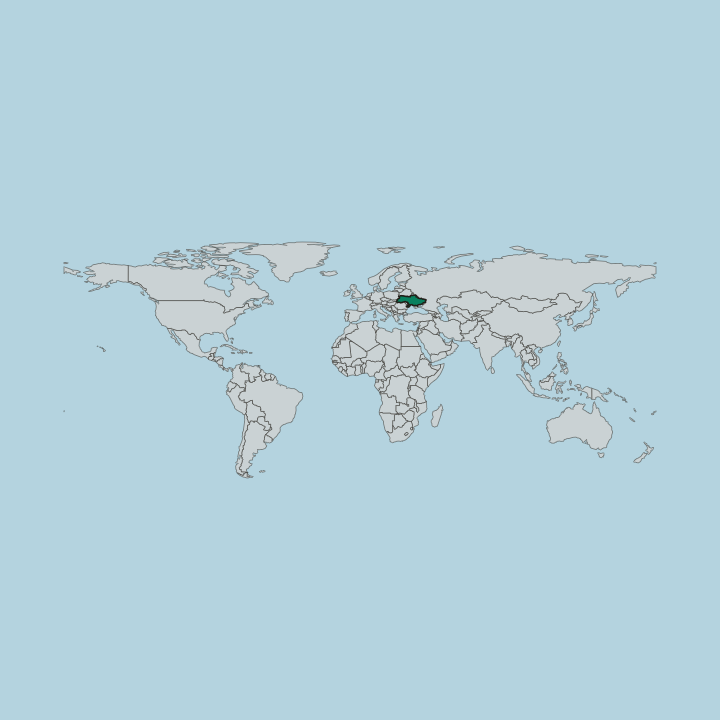
Luhansk lies on the Donbas steppe in eastern Ukraine, spread across low plains. The city sits inland, well back from any coast, where gentle rises break the open country of Luhansk Oblast. Rivers thread the shallow valleys around it.
The plains define the setting. Steppe grassland rolls away in every direction from the built centre.
What is the climate of Luhansk?
Luhansk has a continental climate set by the open steppe of the Donbas. Summers run hot and dry across the inland plains. Winters turn cold, with frost and wind sweeping the exposed country of Luhansk Oblast far from any moderating sea.
Spring and autumn pass briefly. The steppe gives the year its sharp extremes.
How do you get to Luhansk?
Luhansk sits on inland road and rail corridors crossing the Donbas steppe of eastern Ukraine. As the regional centre, it draws the routes of Luhansk Oblast toward its old core. Roads run out across the plains toward the neighbouring towns.
Rail lines converge here. The city has long been a junction on the eastern steppe.
Good for
More cities in Luhanska Oblast
Updated September 2026