Ukraine · Luhanska Oblast
Where to Stay in Lysychansk, Luhanska Oblast
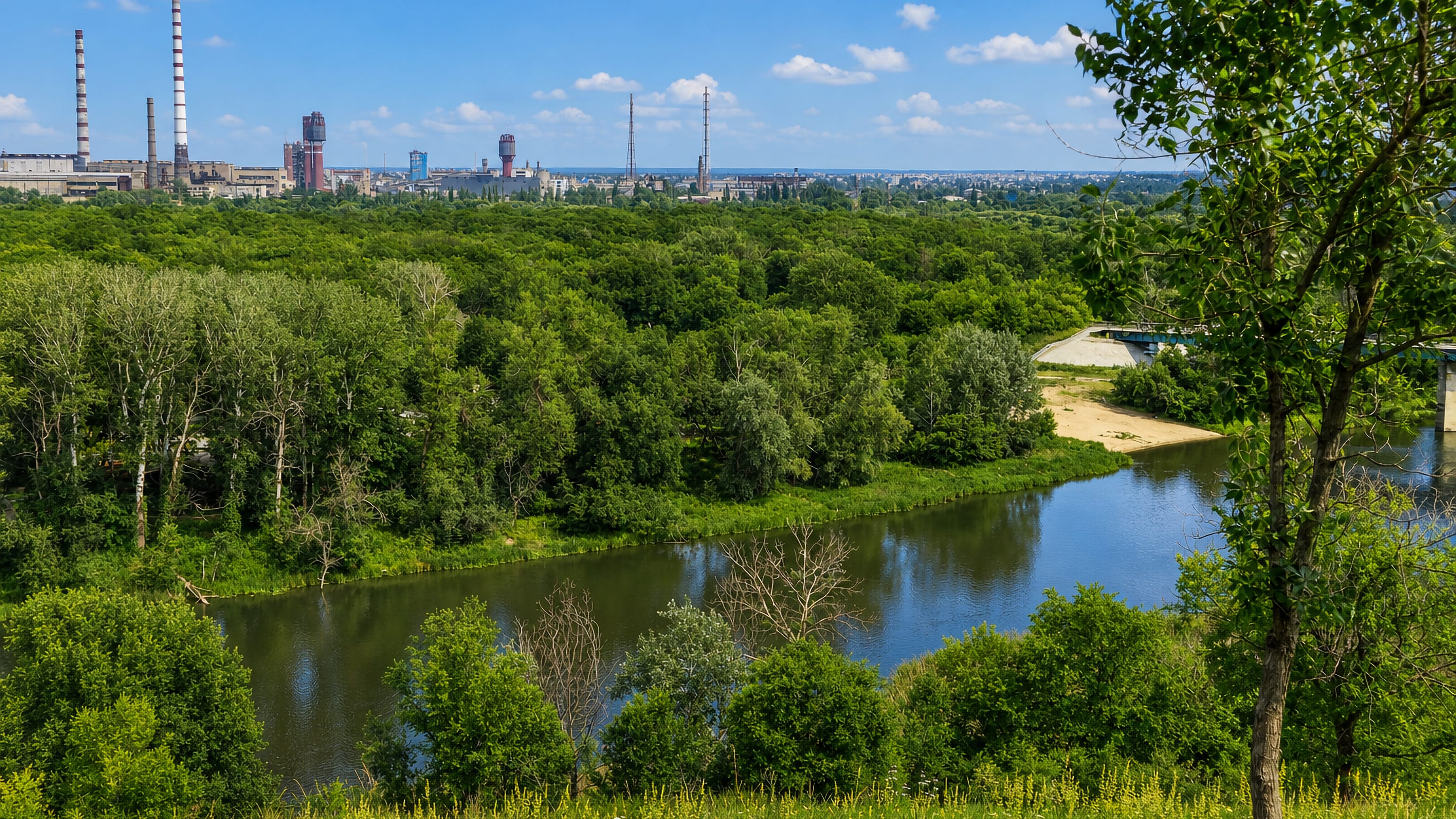
Lysychansk rose in 1710 on the high right bank of the Donets River, facing Sievierodonetsk, with the first mine in Donbas marked on its ground.
Find your area →


Where to stay in Lysychansk
How the choice of base plays out on the ground.
Lysychansk keeps its centre on the high right bank, and a room up there puts Lysychansk Local History Museum, the Memorial sign to the victims of Holodomor in Lysychansk and the drop to the Donets River inside a single walk. The bank is the whole city. Beyond it the ground belongs to the coalfield, where Memorial sign to the first mine in Donbas and Memorial sign to 200 years of Donbas stand a long way from the museum end and suit a driver better than a walker.
Sievierodonetsk is the obvious alternative, near enough across the water to be counted the twin city, while Rubizhne and Kreminna sit close enough in Sievierodonetsk Raion to serve the same purpose. Rooms cannot be assumed. War has disrupted ordinary life in Lysychansk, so any stay wants confirming directly rather than arranging from a distance, and the choice of bank matters less than the choice being real.
It suits you if the reason for the trip is the coalfield's earliest workings, or family on this side of the water. Luhansk is too far to travel in and out of, roughly 115 kilometres off at the head of Luhansk Oblast, which leaves one bank of the Donets River or the other as the only sensible base.
About Lysychansk
The first mine in Donbas began here.
What is Lysychansk known for?
Memorial sign to the first mine in Donbas records it, and Memorial sign to 200 years of Donbas stands in the same city, both of them dating the coalfield rather than the town that grew on it. Lysychansk Local History Museum keeps the rest indoors. Across the Donets River, Sievierodonetsk faces it closely enough that the two are counted twin cities, and Rubizhne and Kreminna lie close by in Sievierodonetsk Raion.
What are the main landmarks in Lysychansk?
Memorials do most of the work. Memorial sign to the victims of Holodomor in Lysychansk and Afghanistan War memorial in Lysychansk mark two losses the city chose to record separately. Lysychansk Local History Museum is the one indoor stop.
Memorial sign to the first mine in Donbas and Memorial sign to 200 years of Donbas both point at the coalfield rather than the town, which is how the place has described itself since the pits opened.
What is the history of Lysychansk?
The city dates from 1710. Coal followed, and Memorial sign to the first mine in Donbas ties the opening of the whole coalfield to this stretch of the Donets River rather than to any of the bigger cities of Luhansk Oblast. Two centuries of it were worth marking.
Memorial sign to 200 years of Donbas records that anniversary, and Lysychansk Local History Museum holds what a mining town accumulates across a span of that length. The twentieth century added its own markers. Memorial sign to the victims of Holodomor in Lysychansk stands for one loss and Afghanistan War memorial in Lysychansk for another, both of them set in a city that had already spent generations working the ground beneath it.
Sievierodonetsk grew up opposite. The two face each other across the water and are counted twin cities, with Rubizhne and Kreminna near enough that Sievierodonetsk Raion reads as one settled area rather than four separate towns. War returned to this ground in the present century.
Ordinary life in Lysychansk has been disrupted by it, so any account of the place describes a city whose circumstances have changed, and the memorials on the high right bank are the steadiest record it keeps of itself. Luhansk lies roughly 115 kilometres off. That distance has always left Lysychansk looking to its own bank and to the towns of Sievierodonetsk Raion rather than to the administrative centre of the oblast.
Where is Lysychansk?
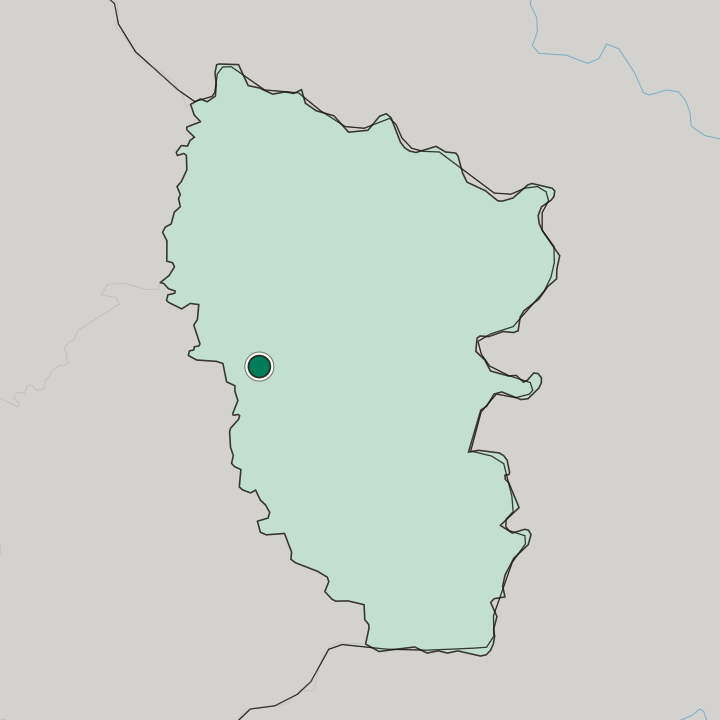
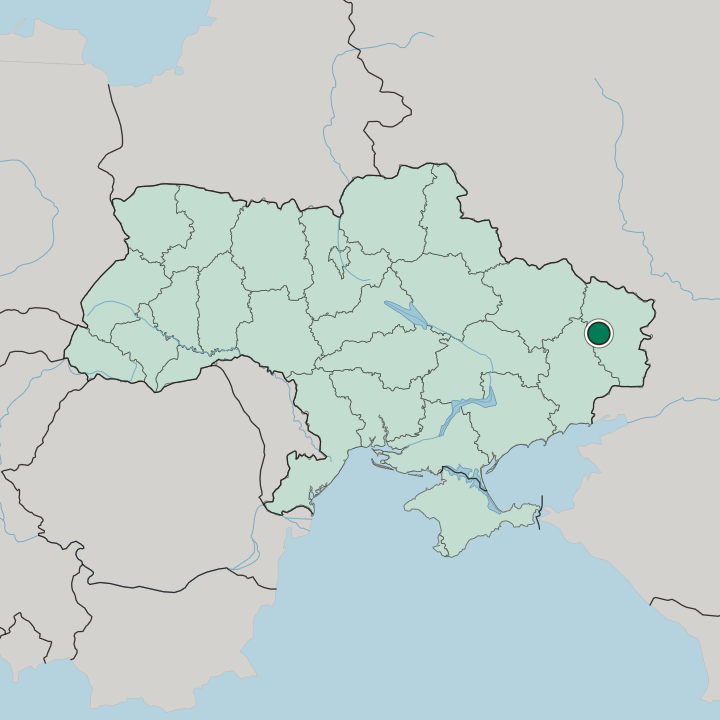
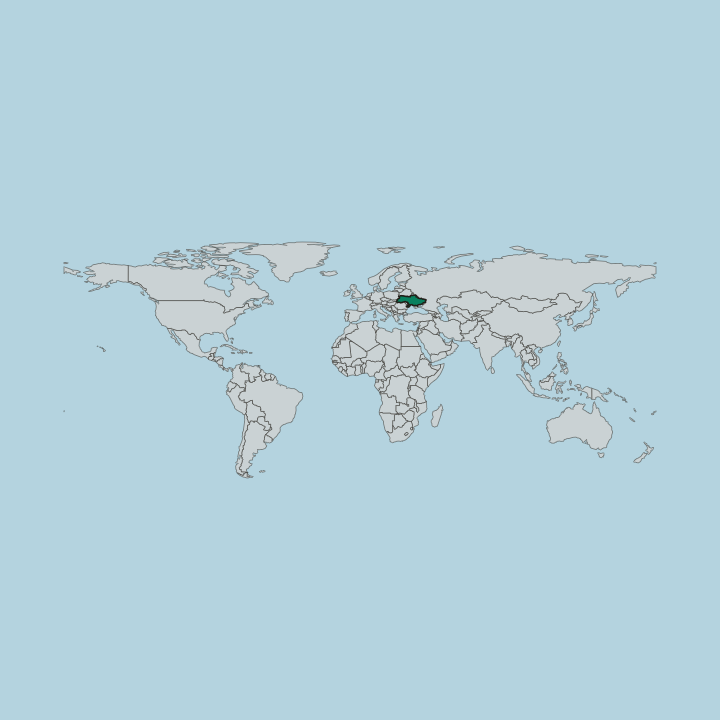
The right bank stands high above the Donets River, and Lysychansk occupies it, looking across the water to Sievierodonetsk on the far side. The bank is steep. Sievierodonetsk Raion gathers the neighbouring towns, Rubizhne and Kreminna among them, while Luhansk, the administrative centre of Luhansk Oblast, lies roughly 115 kilometres away.
What is the climate of Lysychansk?
The Donets River runs below the city, and a river of that size moderates very little, so Lysychansk takes the full temperate swing between a cold half-year and a hot one. Snow settles on the bank. Wind crosses the open ground of Sievierodonetsk Raion with nothing much in its way, and the high right bank leaves the city exposed to it rather than sheltered.
How do you get to Lysychansk?
The river has to be crossed. Sievierodonetsk sits directly opposite on the far bank of the Donets River, and moving between the twin cities means crossing the water, however short the distance between them looks. Luhansk lies roughly 115 kilometres off.
Roads from Rubizhne and Kreminna come in from the near side, and war has made every arrangement here provisional, so nothing about access to Lysychansk should be taken as settled.
More cities in Luhanska Oblast
Updated September 2026