United States · Connecticut
Where to Stay in New Haven, Connecticut
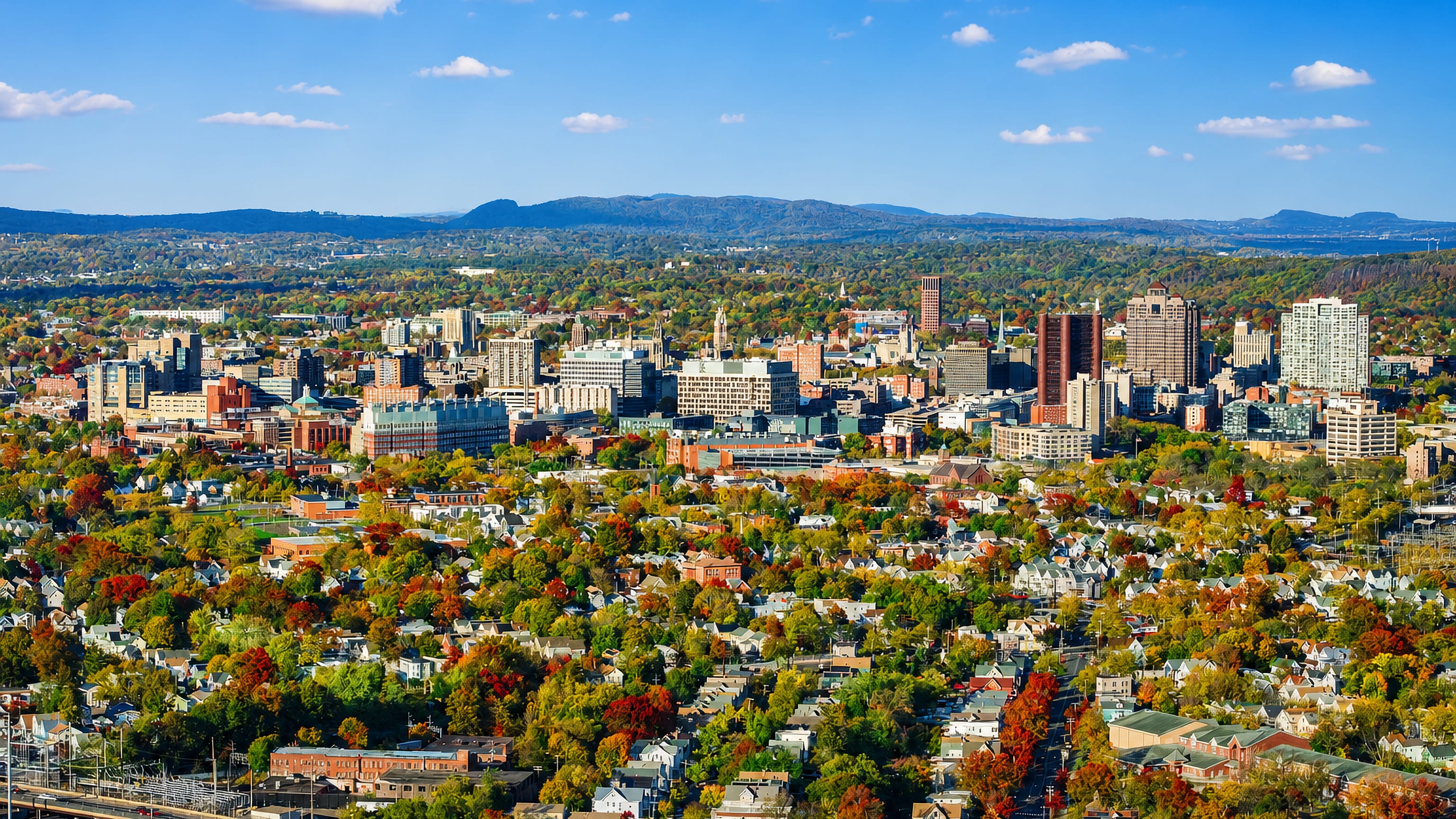
Gothic towers rise over the elms at New Haven, a Connecticut city founded in 1638 and known for Yale and its central green.
Hotel links are affiliate links: booking through them may earn us a commission, at no extra cost to you. It never affects how places are ranked. How this works




Where to stay in New Haven
Where the beds are, and what that means for the visit.
New Haven arranges most of its rooms around the central green and the Yale campus, so where you stay turns on how close you want the museums and the towers. The downtown around the green holds the university and its galleries within a compact walk, and it suits a first visit best. Stay by the green near the Yale University Art Gallery if you come for the campus and the museums.
The old town plan puts the galleries, Trinity Church on the Green and Harkness Tower within a few flat blocks, and the walk between them is short. You trade quiet for that centrality. Rooms near the green fill fastest during university terms and events, so book ahead when New Haven is busy.
Stay closer to the Yale Peabody Museum and the eastern campus edge for a calmer base with the same reach. This side keeps you near the science museums and the Eli Whitney Museum a little out of town, away from the busiest green-side blocks. You walk slightly further to the galleries.
It works well for a longer, steadier stay in this corner of Connecticut.
Find hotels in New Haven
Direct booking searches for these neighbourhoods.
The green and campus core
The blocks around the green reach the Yale University Art Gallery, Trinity Church on the Green and Harkness Tower in a few flat streets.Find hotels in The green and campus coreVisitors drawn to the natural-history and science museumsPeabody science quarter
The eastern campus edge sits near the Yale Peabody Museum and the Eli Whitney Museum just out of town.Find hotels in Peabody science quarterA quieter base among the colonial-era churches and homesOld-town heritage streets
The streets near Christ Church and the New Haven Museum give a calm historic base off the green.Find hotels in Old-town heritage streetsHotel links are affiliate links: booking through them may earn us a commission, at no extra cost to you. It never affects how places are ranked. How this works
Things to do in New Haven
Ranked by global recognition; descriptions from Wikidata (CC0).
Museums & Galleries
3- Yale University Art Gallery
- Yale Morris Steinert Collection of Musical Instruments
- New Haven Museum
Churches & Religious Sites
5- Trinity Church on the Green Heritage
- Christ Church Heritage
- St. Luke's Episcopal Church Heritage
- Dixwell Avenue Congregational United Church of Christ Heritage
- Plymouth Congregational Church Heritage
Castles & Historic Sites
1- 29th Colored Regiment Monument
Stadiums & Sports
2- Bush Field
- Quigley Stadium
Landmarks & Notable Places
4- William Pinto House Heritage
- Russell Henry Chittenden House Heritage
- John Cook House Heritage
- Caroline Nicoll House Heritage
worth knowingacross 5 categories in New Haven
About New Haven
What is New Haven known for?
New Haven is best known for Yale University and the museums gathered around its old green. The Yale University Art Gallery and the Yale Center for British Art hold collections of national weight. Science has its own house here.
The Yale Peabody Museum draws visitors to its natural-history halls, while Harkness Tower rises over the campus as the emblem of New Haven.
What are the main landmarks in New Haven?
New Haven's main landmarks cluster around Yale and the central green. The Yale University Art Gallery, the Yale Center for British Art and the Yale Peabody Museum form a rare run of museums within a few blocks. Above them stands the campus emblem.
Harkness Tower rises over the green, near Trinity Church on the Green and the New Haven Museum, while the Amistad Memorial and the Eli Whitney Museum carry more of the city's story.
What is the history of New Haven?
New Haven was founded in 1638 as a Puritan colony, laid out on the nine-square grid that still centres the city on its green. The early town was a port and a religious settlement, and its meeting-houses became the churches that ring the green, among them Trinity Church on the Green. The grid set the shape.
Everything shifted when the college arrived. Yale grew from a small colonial school into a university that reshaped the town around it, giving New Haven the towers and galleries it is known for, from Harkness Tower to the Yale University Art Gallery. Industry came alongside learning.
The Eli Whitney Museum recalls the inventor whose armory helped make the region a manufacturing centre, and the Amistad Memorial marks the trial that tied the city to the wider fight over slavery. The New Haven Museum keeps the record of all these chapters, from the colonial green to the industrial and university city. Founded by faith and remade by a college, New Haven still reads through the layers of that long past.
Where is New Haven?
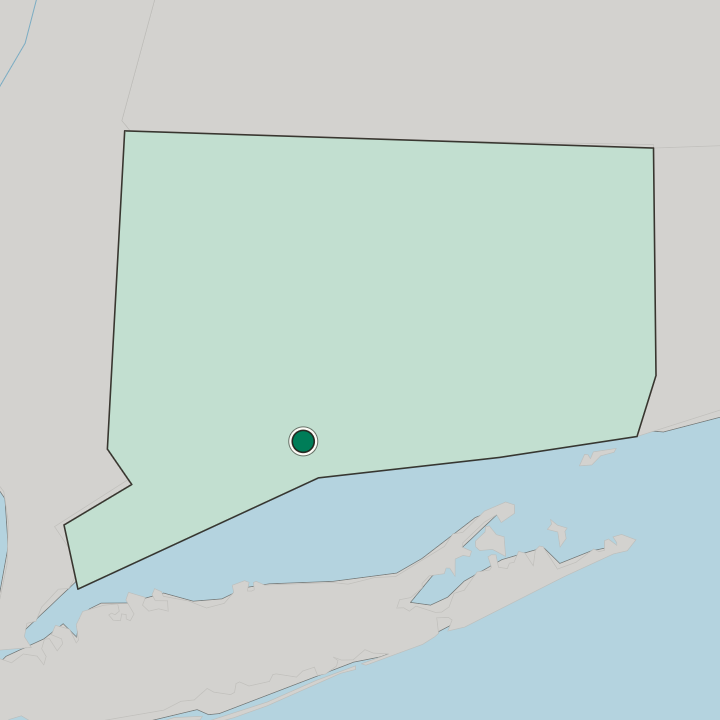
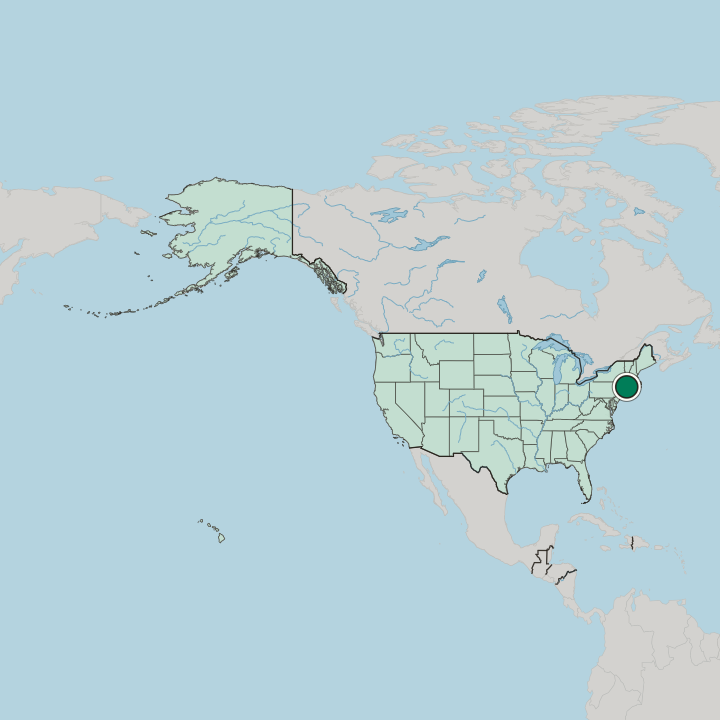
New Haven sits on the Connecticut coast where a harbour opens to Long Island Sound. The land is low around the water, rising inland to the trap-rock ridges that frame the city from the north. Its centre holds the old green.
The Yale campus and Harkness Tower stand on the nine-square grid there, and the wider city of New Haven spreads outward from the green across the harbour plain of Connecticut.
What is the climate of New Haven?
New Haven has a temperate coastal climate with four distinct seasons. Winters are cold and often snowy, though the nearby Sound tempers the sharpest chill along the harbour. Summers turn warm and humid.
That milder season fills the green and the paths below Harkness Tower, while spring and autumn are short and changeable across this coastal edge of Connecticut, the autumn bright with turning elms.
How do you get to New Haven?
New Haven is a rail and road hub on the Connecticut coast, well linked to the wider region. Frequent trains run along the shoreline line between the city and the larger cities beyond, and its station sits a short way from the green. Interstate highways cross here.
Once you arrive, the core of New Haven is walkable, with the Yale University Art Gallery, Harkness Tower and the green close together on foot.
Common questions
What is the best area to stay in New Haven?
The green and campus core: First-timers close to Yale and its galleries. Peabody science quarter: Visitors drawn to the natural-history and science museums. Old-town heritage streets: A quieter base among the colonial-era churches and homes.
Good for
More cities in Connecticut
Updated October 2026