United States
Connecticut, United States — Towns & Travel Guide
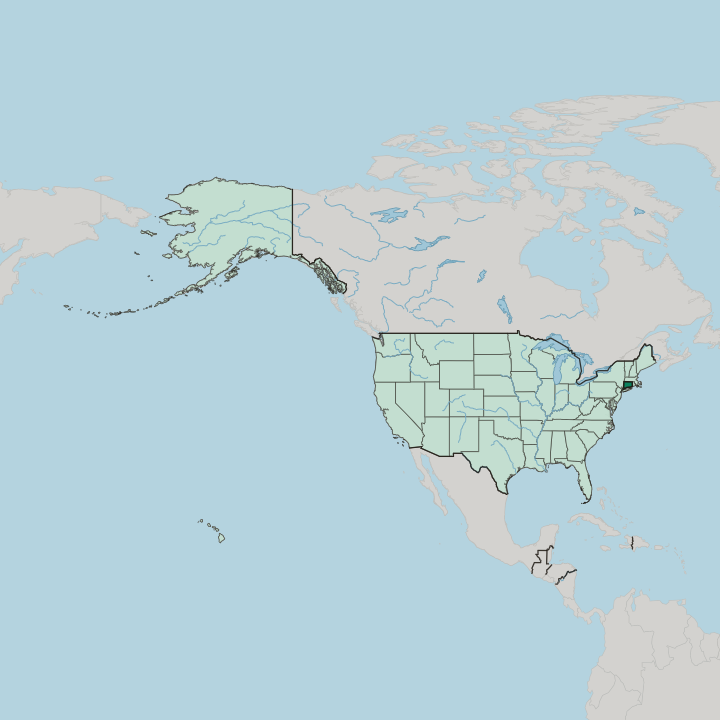
Connecticut is New England's south-western corner, a small coastal state on Long Island Sound between New York City and Boston.
Hotel links are affiliate links: booking through them may earn us a commission, at no extra cost to you. It never affects how places are ranked. How this works


Towns & cities in Connecticut
Pick a town or city — each links to where to stay.

 United States
Bridgeport
Bridgeport is Connecticut's largest city, at the mouth of the Pequonnock River on Long Island Sound, with the Barnum Museum anchoring downtown.Where to stay →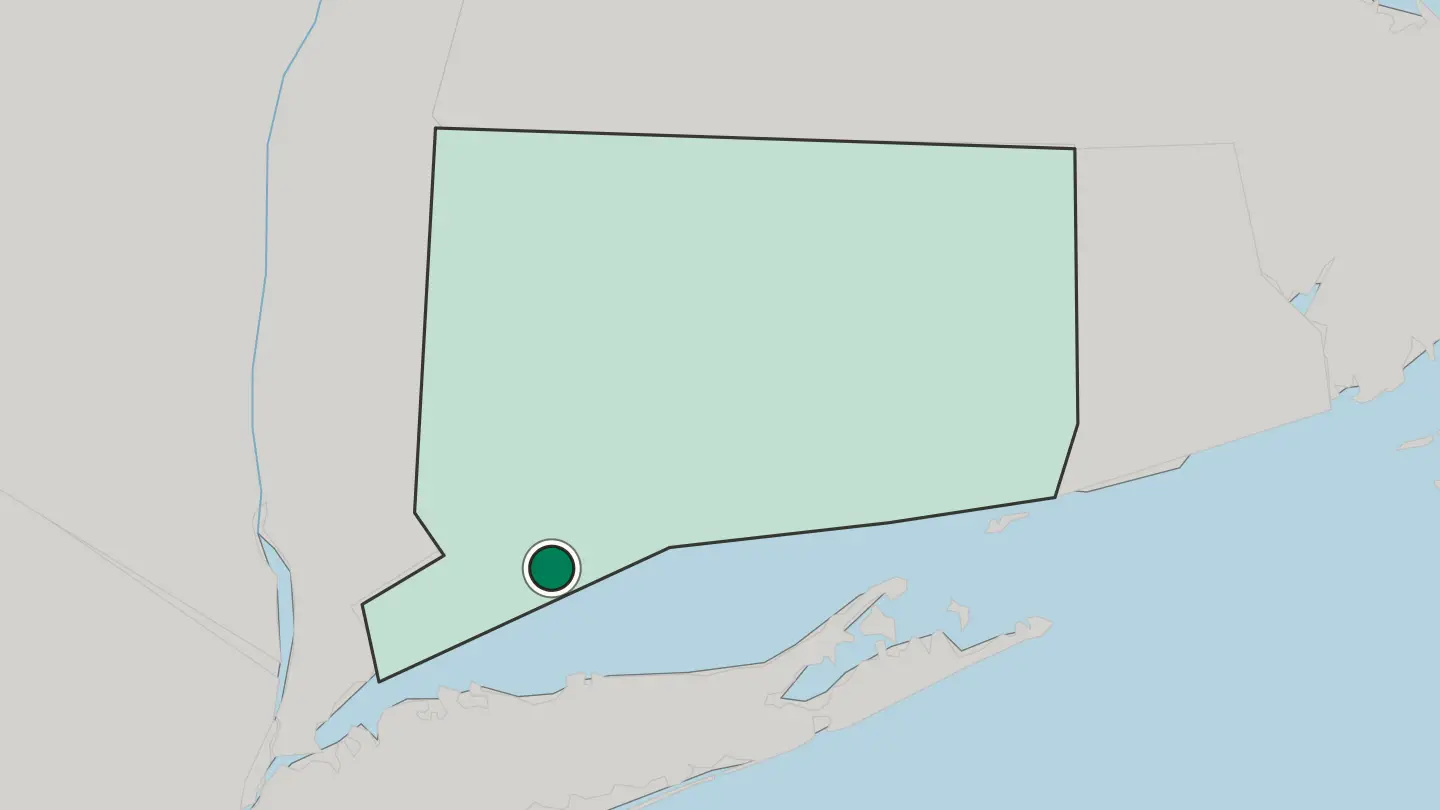
 United States
New Haven
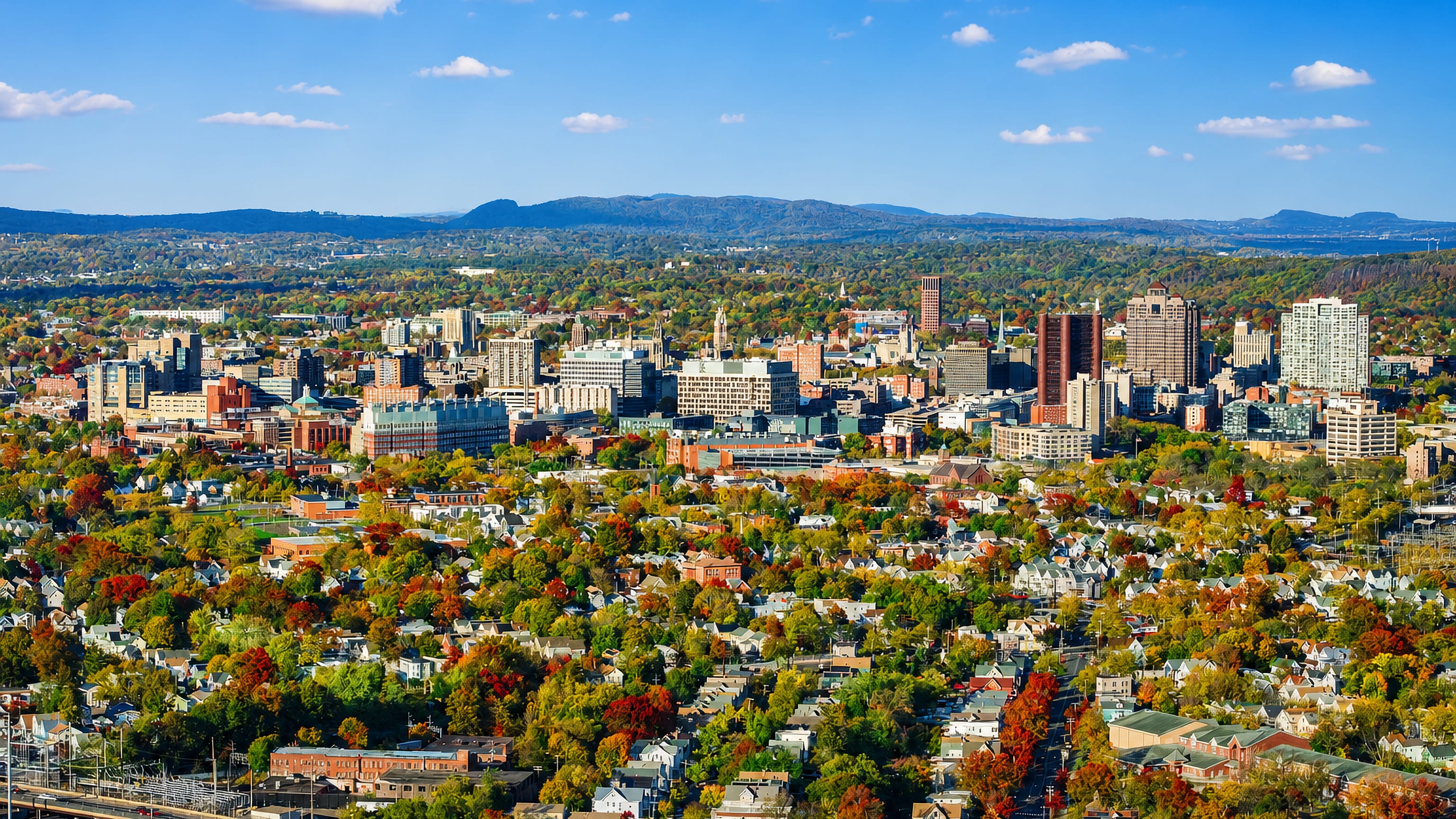
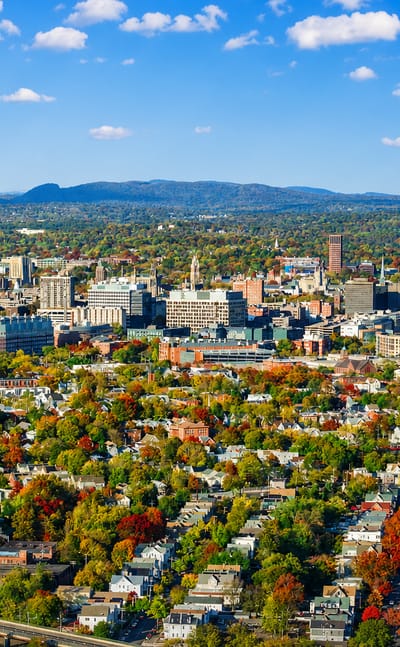
Gothic towers rise over the elms at New Haven, a Connecticut city founded in 1638 and known for Yale and its central green.Where to stay →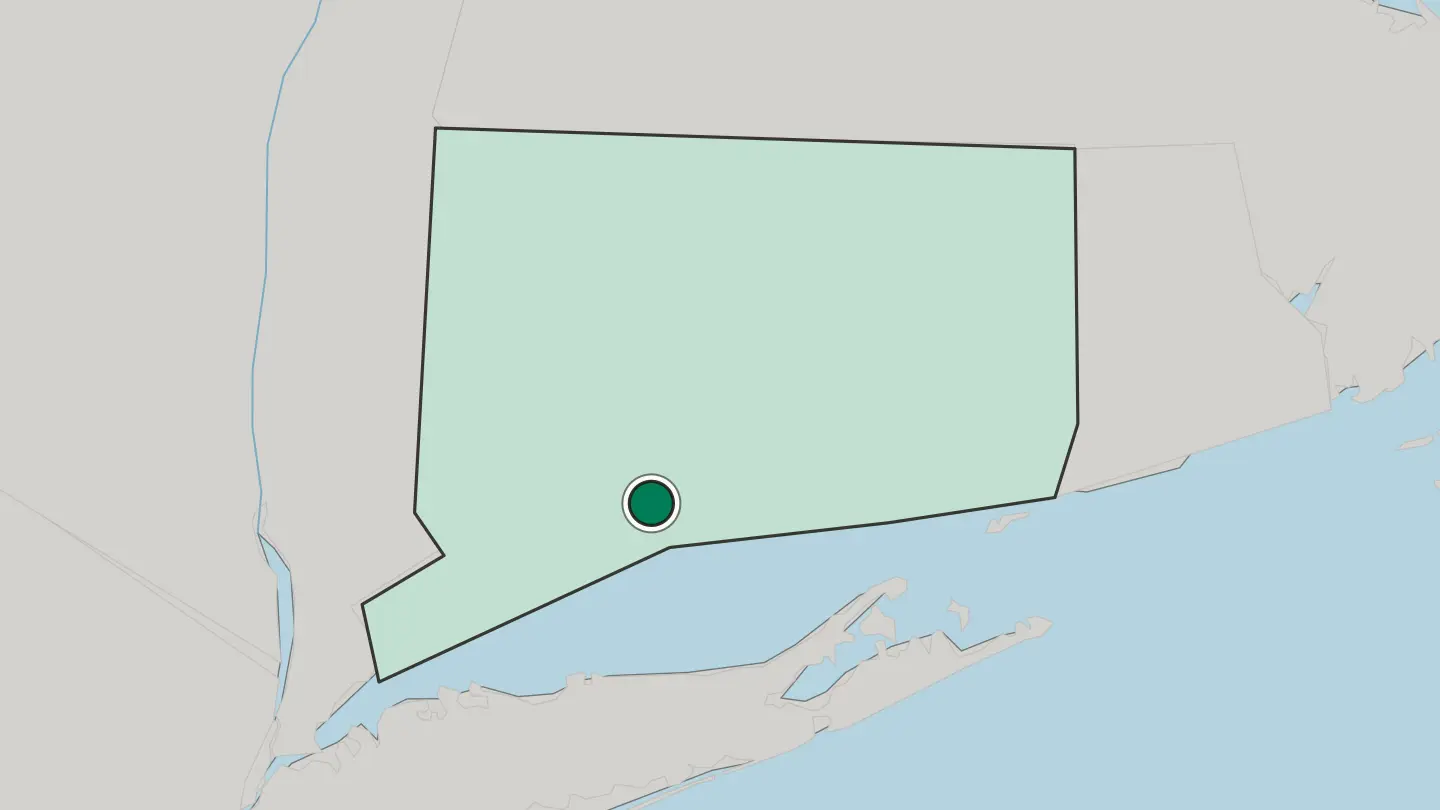
 United States
Stamford
Stamford is a city on the Connecticut shore of Long Island Sound, founded in 1641 and known for the fish-shaped Fish Church.Where to stay →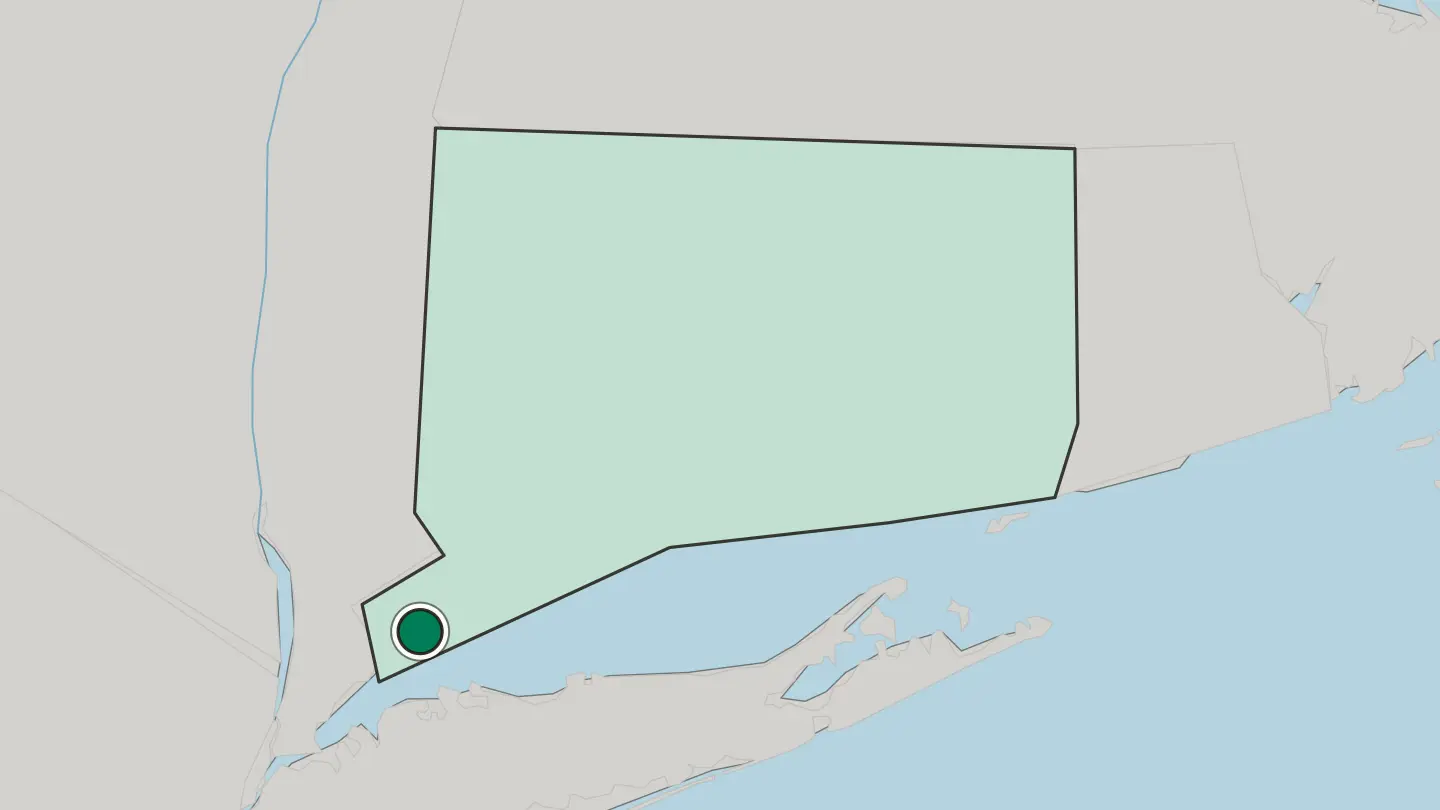
 United States
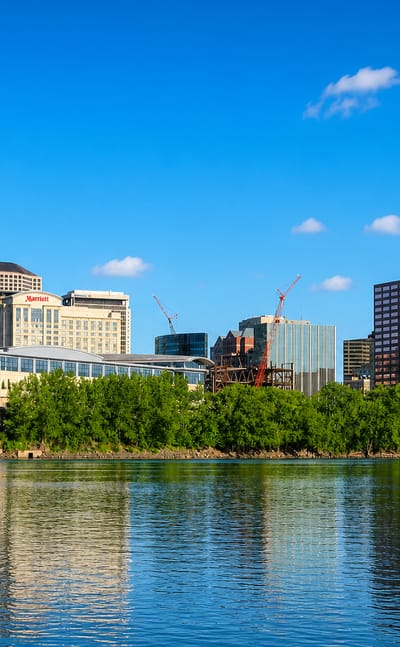
Hartford
Brownstone and museum stone mark Hartford, a city in Connecticut known for the Wadsworth Atheneum Museum of Art and the Mark Twain House.Where to stay →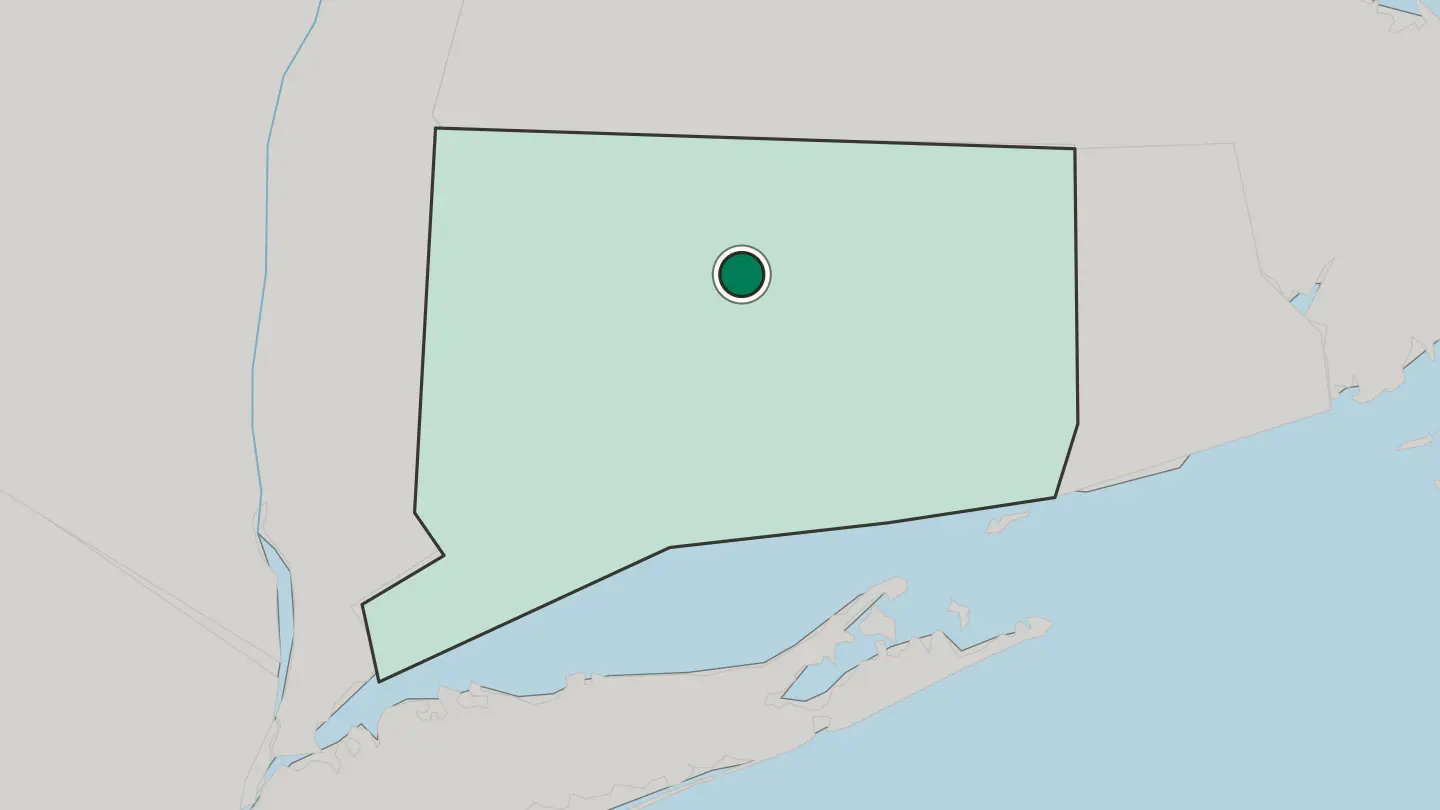 United States
Waterbury
Waterbury is the Brass City of Connecticut, an old metal-working centre in the Naugatuck Valley, 33 miles southwest of Hartford.Where to stay →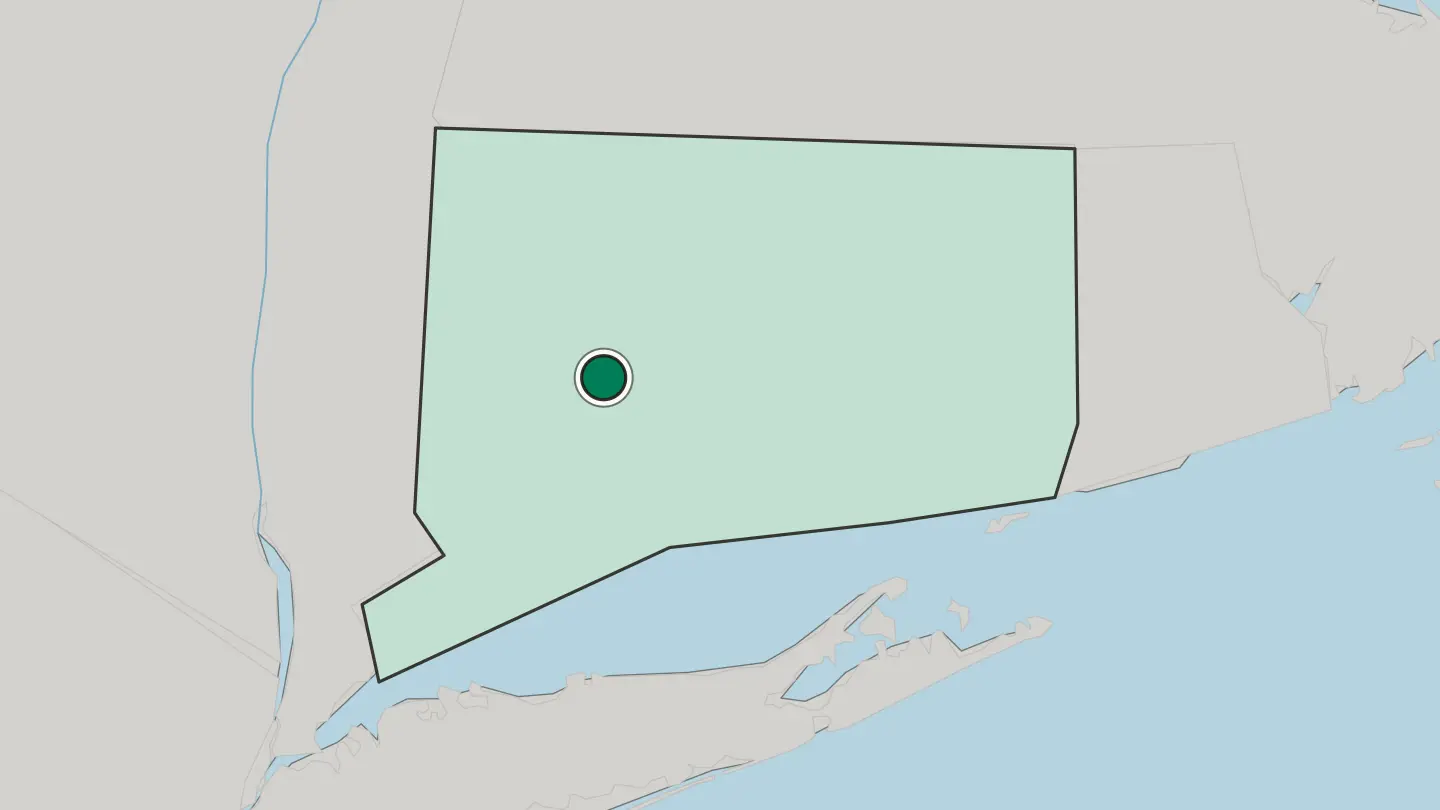
 United States
Norwalk
Norwalk is a Fairfield County city in Connecticut, a cluster of villages from Rowayton to South Norwalk inside the New York Metropolitan Area.Where to stay →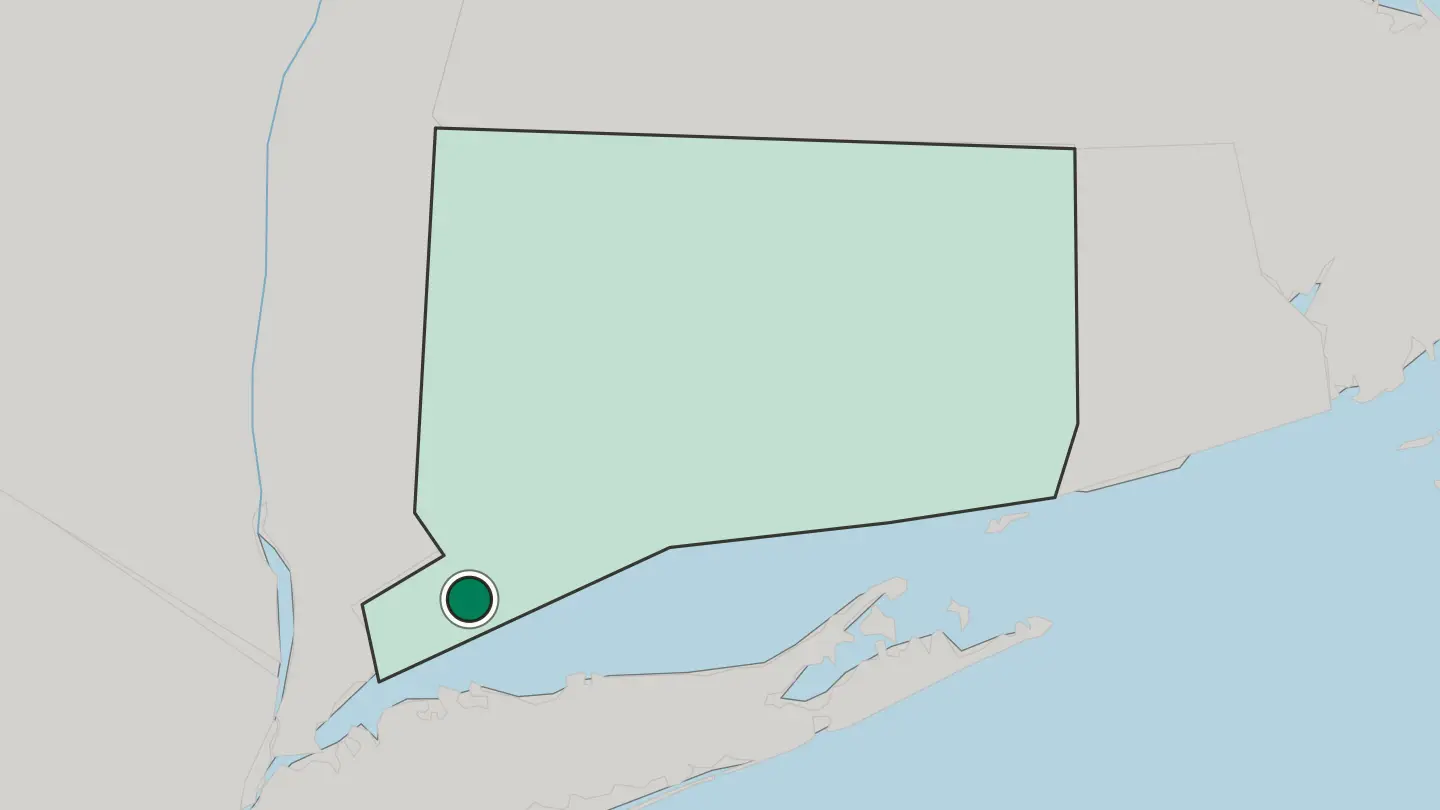
 United States
Danbury
The Hat City of Fairfield County, Danbury lies in the Housatonic Valley, fifty miles from New York City. Hearthstone Castle survives here.Where to stay →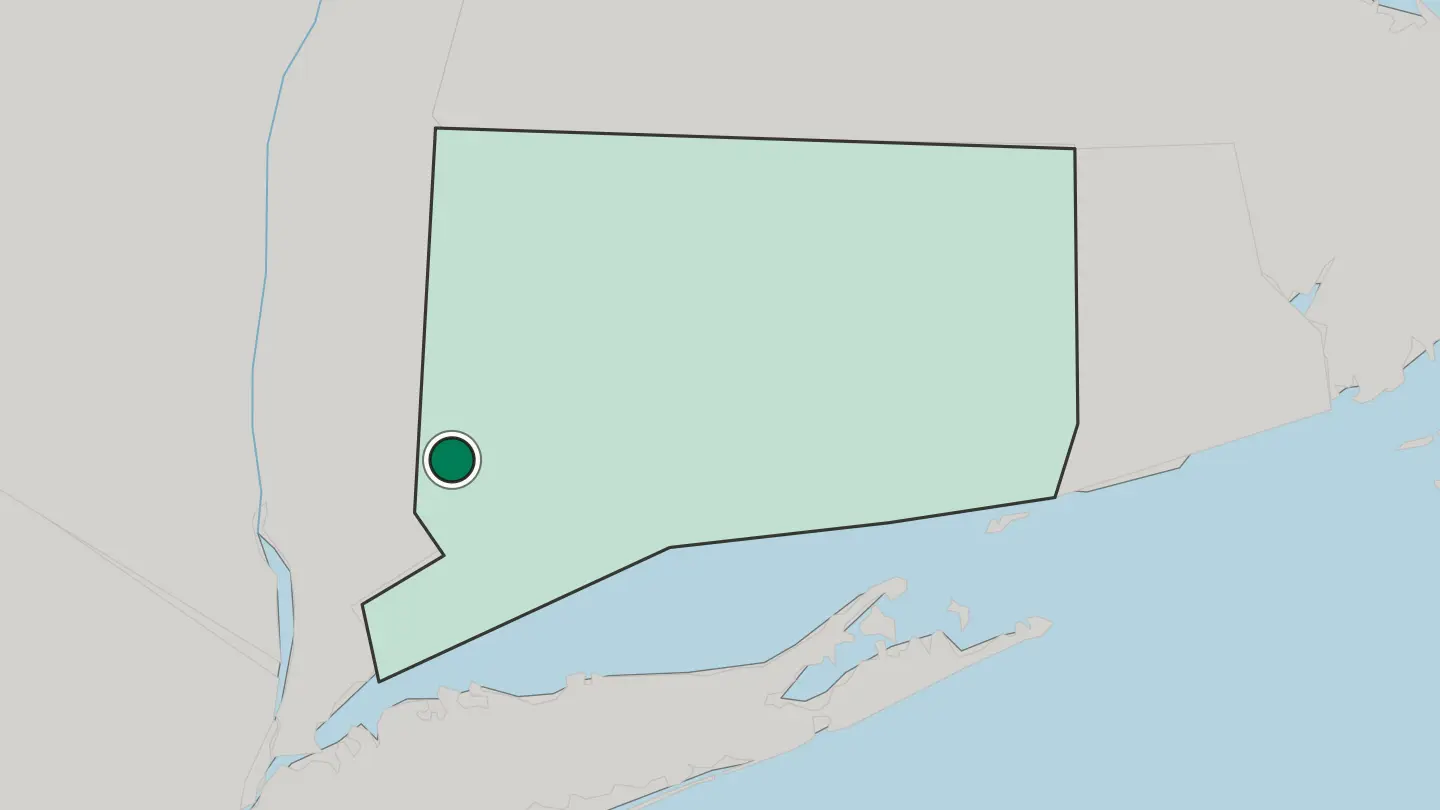
 United States
New Britain
New Britain is a Connecticut city in Hartford County, the self-styled Hardware City, some 9 miles southwest of Hartford.Where to stay →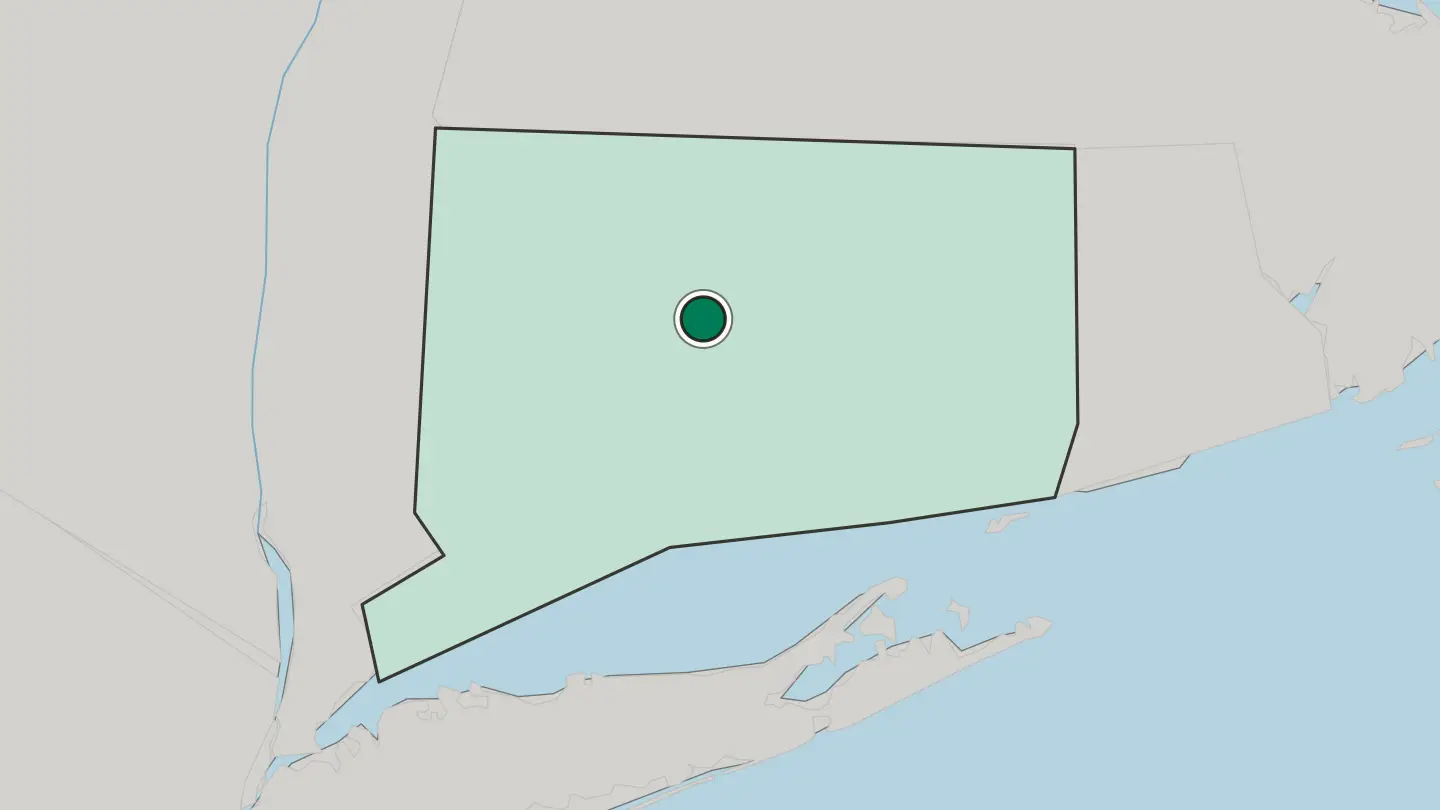
All towns & cities (14)
 United States
West Hartford
West Hartford is a town in Hartford County, Connecticut, founded in 1854 and standing about five miles west of downtown Hartford.Where to stay →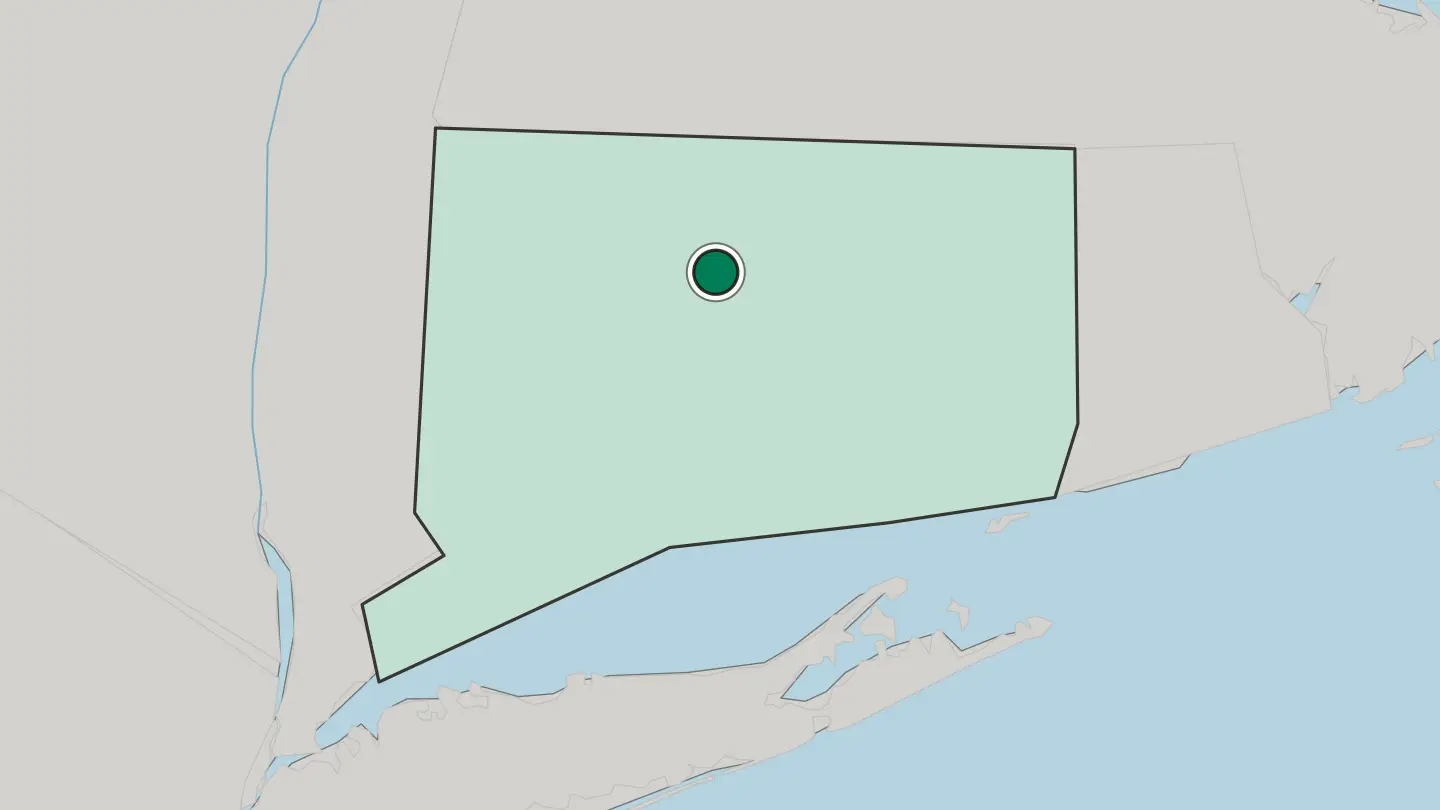 United States
Bristol
A suburban city in Hartford County, Bristol stands twenty miles southwest-west of Hartford. Its clock museum draws the visitors.Where to stay →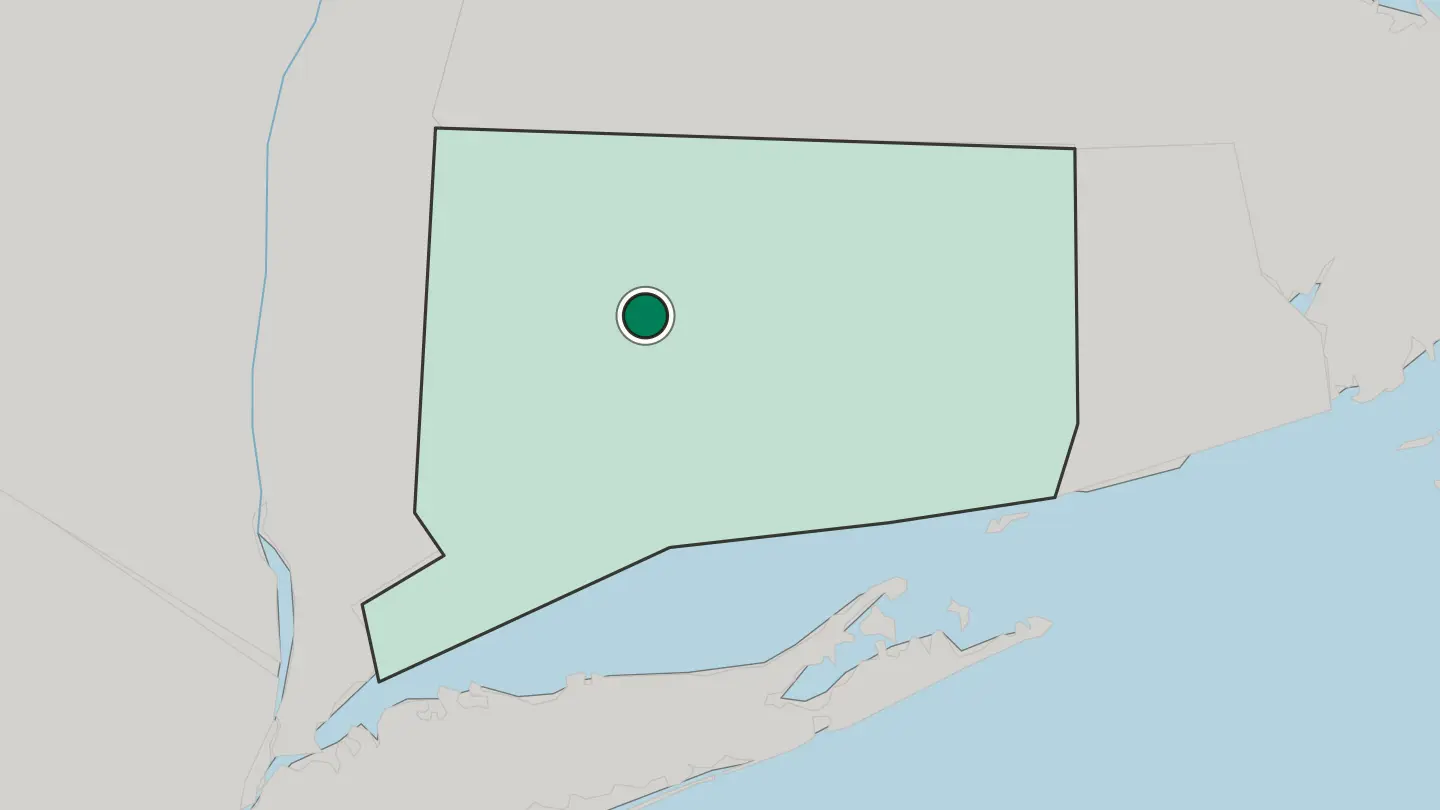
 United States
Hamden
Hamden, the Land of the Sleeping Giant, spreads beside New Haven in New Haven County. Quinnipiac University sits here.Where to stay →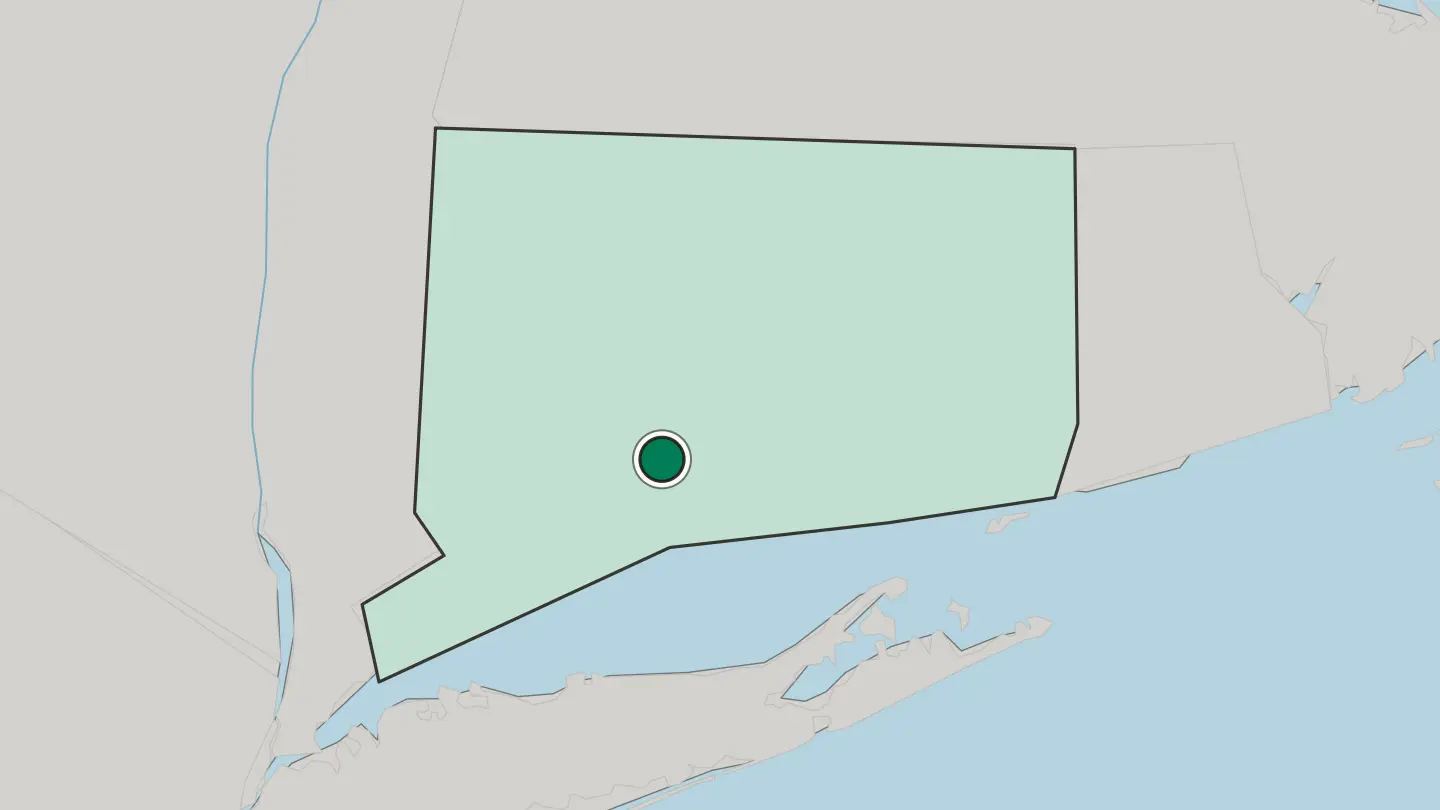
 United States
Fairfield
Fairfield lines the Gold Coast of Connecticut beside Bridgeport, with two universities inside its bounds. The David Ogden House survives.Where to stay →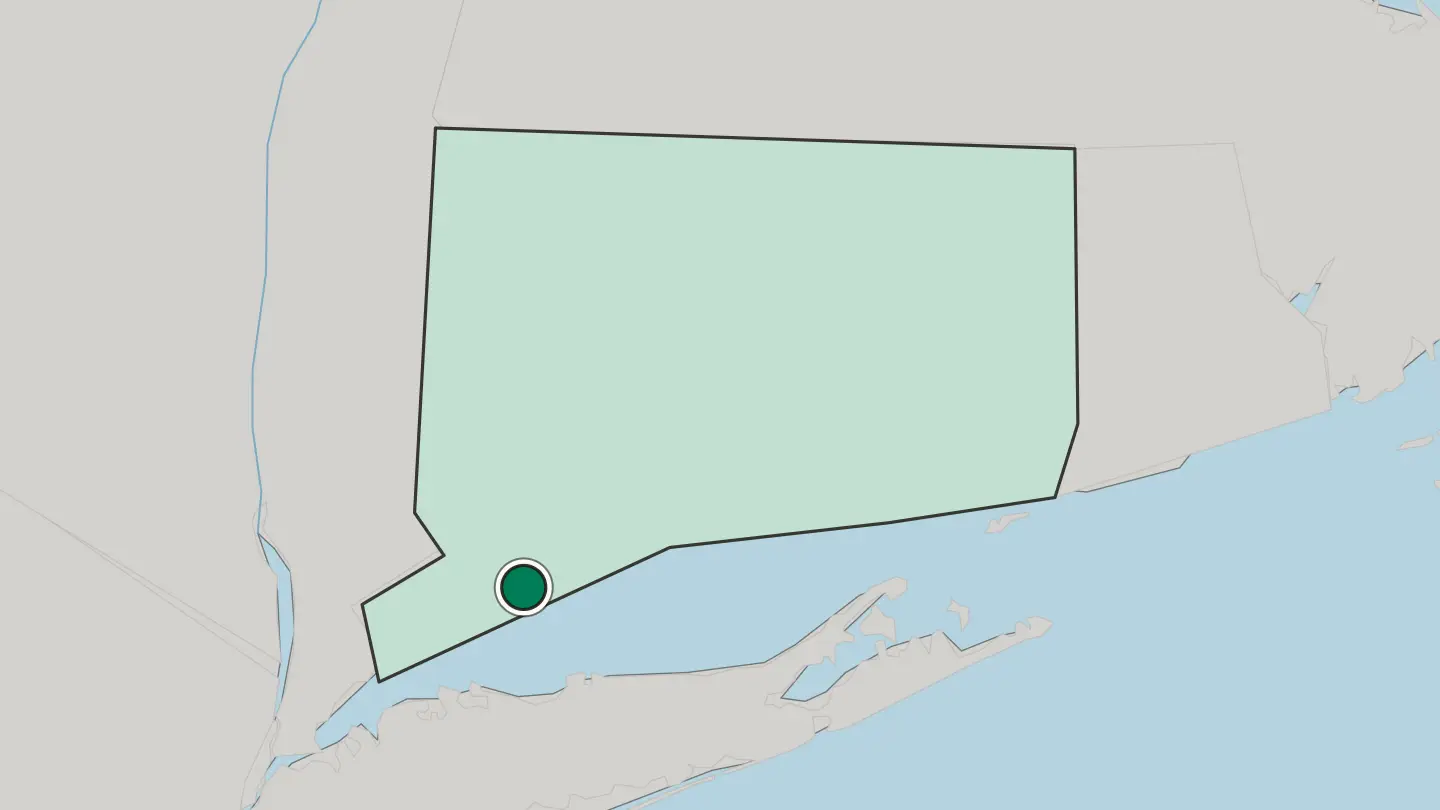
 United States
Milford
Milford is a coastal city in New Haven County, Connecticut, on Long Island Sound between New Haven and Bridgeport.Where to stay →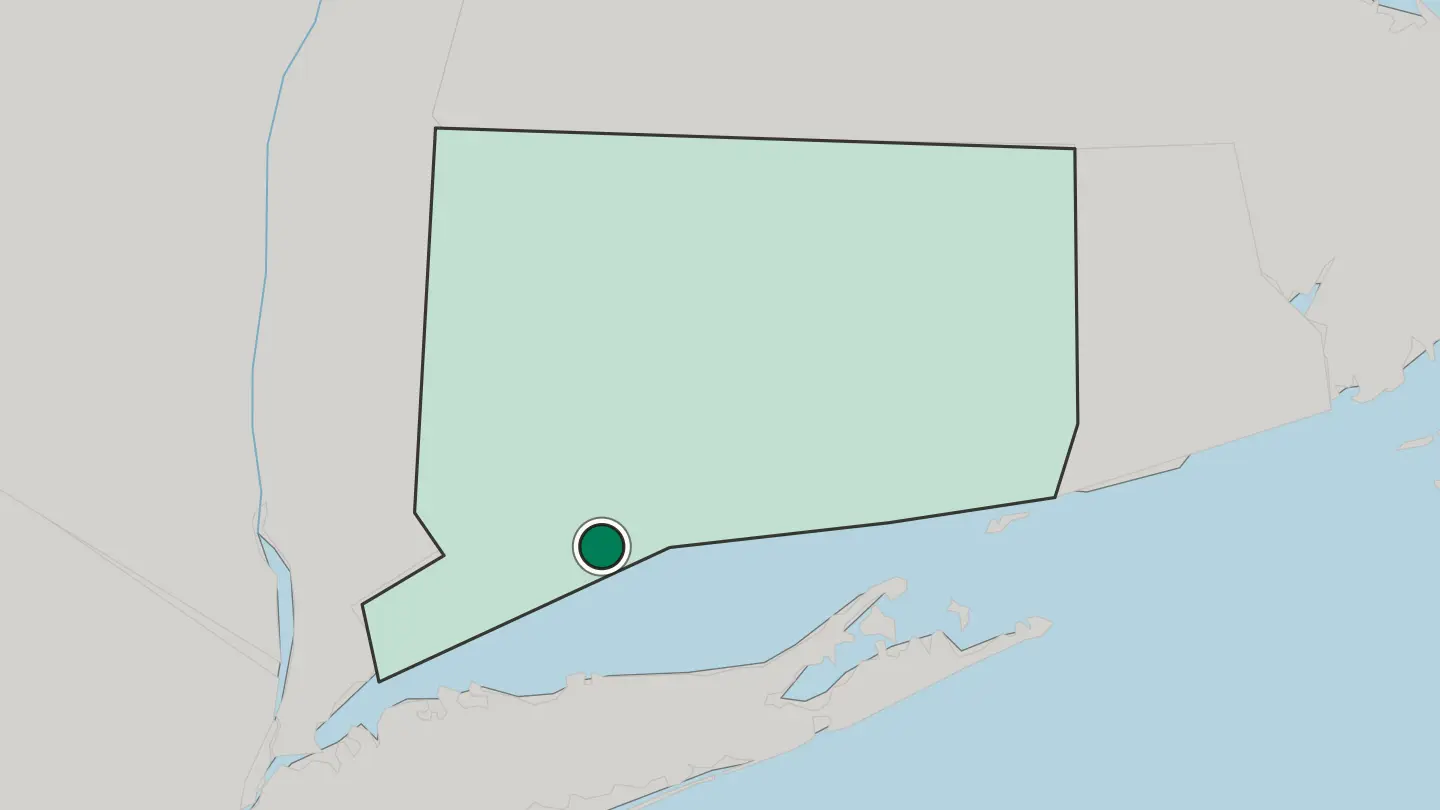
 United States
Stratford
Stratford sits at the mouth of the Housatonic River on Long Island Sound, a Fairfield County town in Connecticut settled by Puritans in 1639.Where to stay →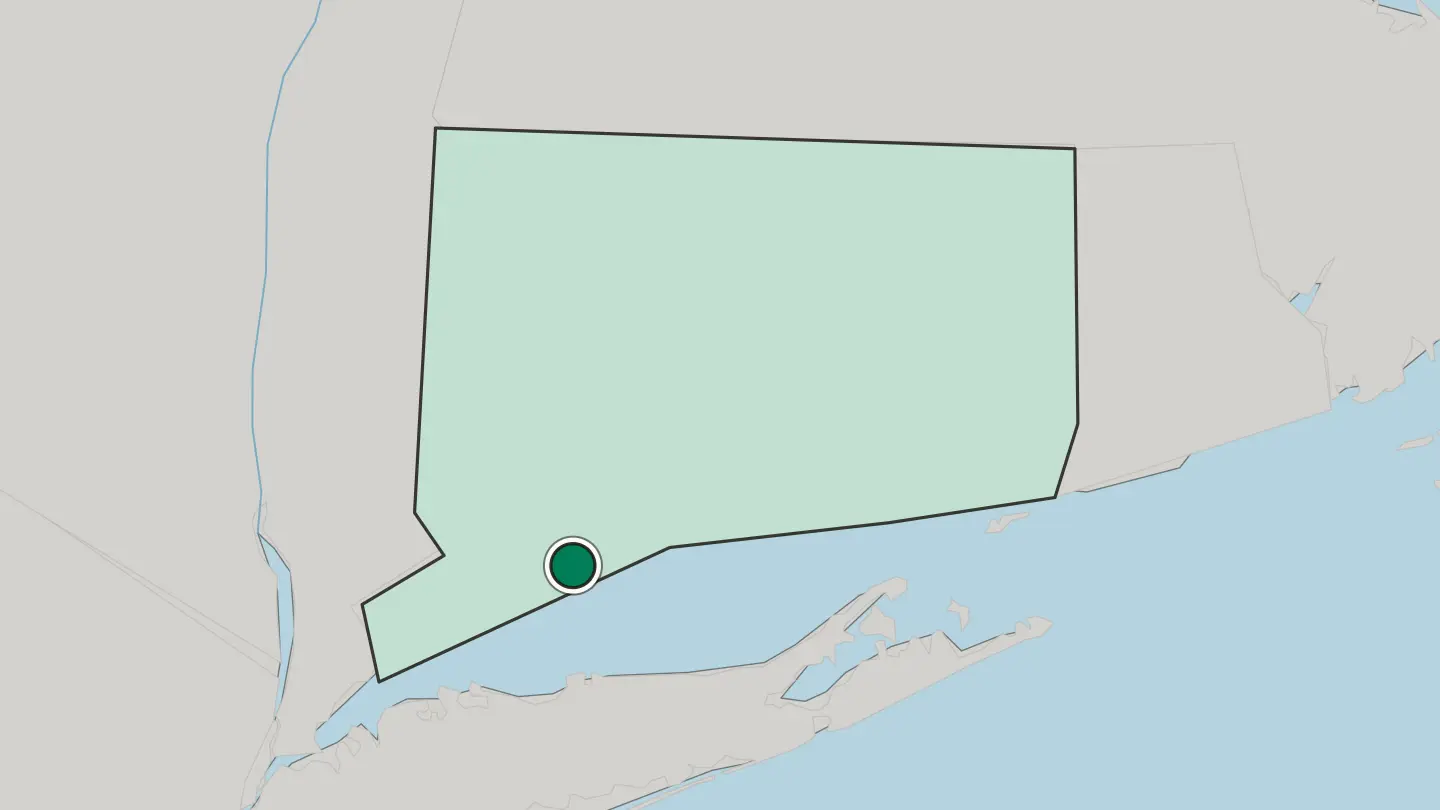
Hotel links are affiliate links: booking through them may earn us a commission, at no extra cost to you. It never affects how places are ranked. How this works
About Connecticut
Two names carry Connecticut abroad.
What is Connecticut known for?
Yale University anchors New Haven, its galleries and libraries drawing scholars and visitors alike, while the city's coal-fired apizza has made it a destination for people who travel to eat. Down the coast lies Mystic, where the Mystic Seaport preserves the age of wooden ships and whaling. Hartford built the American insurance business.
Two of the country's largest casinos, Foxwoods Resort Casino and Mohegan Sun, sit inland on tribal land in the state's southeast.
Where is Connecticut?
Few states cover less ground than Connecticut. Only Rhode Island and Delaware are smaller, and the whole state fits inside the stretch of the Northeast Corridor between New York City and Boston. Massachusetts lies along the northern border, Rhode Island to the east, and New York down the western side. The southern edge is all water.
Long Island Sound separates the shoreline from Long Island across the water in New York, opening east toward the Atlantic Ocean. The Connecticut River splits the state down the middle. New England's longest river, it runs south past Hartford and empties into Long Island Sound between the shoreline towns of Old Saybrook and Old Lyme.
West of the river the land is denser and more suburban, and the New York metropolitan area reaches across the state line into the southwest, where Stamford and Bridgeport crowd the coast. Bridgeport is the most populous city. The northwest tilts the other way.
There the Litchfield Hills rise into wooded ridges and lakes, a rural corner that runs up toward the Berkshires in Massachusetts. New Haven opens its own harbor on the Sound, midway along the coast. Nothing here sits far from water or woods.
What is Connecticut like?
Two Connecticuts overlap here. One is old New England, white clapboard churches around village greens, colonial towns, and the maritime past kept alive at Mystic and the old whaling port of New London. The other faces New York City.
Fairfield County, the wealthy commuter belt along the southwestern shore, sends trains full of bankers down the coast each morning and keeps one foot in the city's orbit. New Haven carries the state's cultural weight. Yale University fills it with art galleries, a repertory theater, and one of the country's great collections of books and paintings.
Theater has deep roots, from the Shubert in New Haven to the summer playhouses of the shoreline. Hartford has its own literary streak. Mark Twain wrote his best-known books in a house there, next door to Harriet Beecher Stowe, and the two homes still stand as museums.
English is the common language. Two tribal nations, the Mashantucket Pequot and the Mohegan, run the state's largest casinos in the southeastern woods. Everyday life leans on food and sport, the coal-fired apizza of New Haven, seafood pulled from Long Island Sound, and a college basketball following that treats the University of Connecticut like a home team.
What is the history of Connecticut?
English Puritans founded Connecticut. In the 1630s settlers pushed inland from Massachusetts to the banks of the Connecticut River and laid out the river towns of Windsor, Wethersfield, and Hartford. Those towns wrote the Fundamental Orders of 1639, often called the first written constitution, which is why Connecticut still calls itself the Constitution State.
It became the fifth state in 1788. Later came the factories. Samuel Colt's firearms works in Hartford, Yale University's rise in New Haven, and the insurance houses of the capital turned a farming colony into a workshop of the young republic.
What is the climate of Connecticut?
Connecticut runs through four full seasons. Winters are cold and often snowy, and the Litchfield Hills in the northwest gather far deeper snow than the milder shoreline along Long Island Sound. Summers turn hot and humid.
The water keeps the coast cooler in July and milder in January than the interior around Hartford. Autumn is the prize. Cool nights set the hardwoods of the northwest ablaze in red and gold, and leaf-peepers pour into the Litchfield Hills every October.
How do you get to Connecticut?
Most visitors reach Connecticut overland. The state sits squarely on the Northeast Corridor, so trains run straight in from New York City and Boston, with Metro-North lines feeding the southwestern shore from Grand Central. Bradley International Airport, north of Hartford, handles most flights.
Many travelers skip it. They fly instead into New York or Boston Logan and drive in on Interstate 95 along the shore or Interstate 91 up the Connecticut River valley. Ferries still cross Long Island Sound to Long Island, linking New London and Bridgeport with the New York shore.
Common questions
What is the best area to stay in Connecticut?
New Haven: Yale, the museums, and New Haven apizza. Mystic and the shoreline: maritime history on Long Island Sound. Hartford: the capital and the Connecticut River valley. Litchfield Hills: country inns and autumn foliage.
Good for
More regions in United States
Updated September 2026