United States · Connecticut
Where to Stay in Stamford, Connecticut
Stamford is a city on the Connecticut shore of Long Island Sound, founded in 1641 and known for the fish-shaped Fish Church.
Hotel links are affiliate links: booking through them may earn us a commission, at no extra cost to you. It never affects how places are ranked. How this works




Where to stay in Stamford
The practical side of choosing where to sleep.
Where you stay in Stamford turns on downtown or the shore. The centre, close to the station and the Fish Church, puts the restaurants and the train within a short walk, and it suits anyone in town for business or bound onward to New York by rail. The blocks stay busy into the evening.
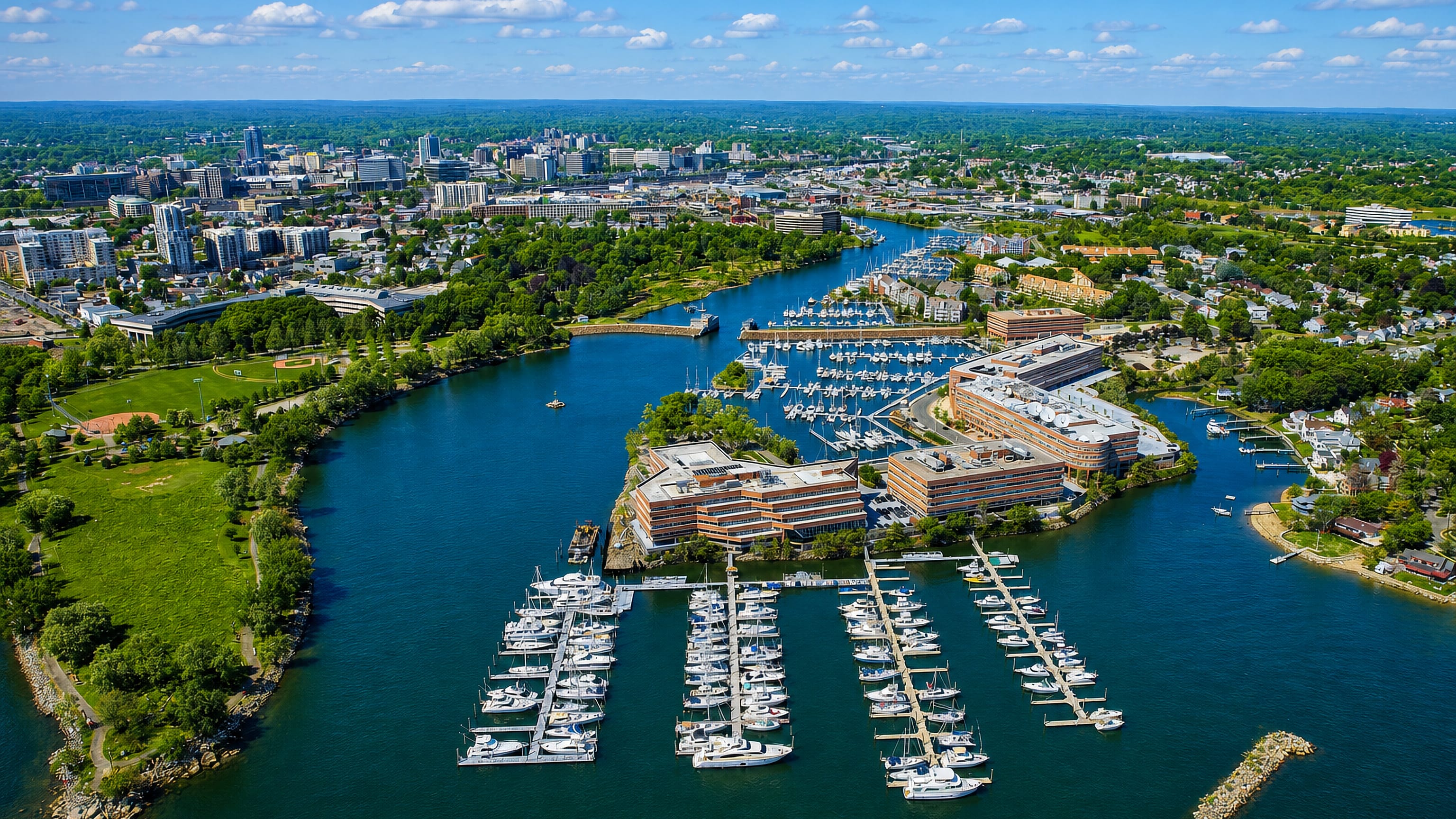
Most of the city's rooms sit here, near the tracks that define the commute. The shore is the quieter choice. Out toward Long Island Sound, the coves and parks near the Stamford Museum & Nature Center trade the downtown crowds for water and trees, better for a slower stay than a fast connection.
Mornings open onto the Sound. If you want the trains and the restaurants, stay downtown; if you want the shore, take a room near the water. Either way, New York is a short ride down the line.
Find hotels in Stamford
Direct booking searches for these neighbourhoods.
Downtown Stamford
By the station and the Fish Church, with restaurants and the commuter line within a short walkFind hotels in Downtown StamfordSlower stays wanting Long Island Sound and the coastal parksThe shore
Toward the water near the Stamford Museum & Nature Center, with coves and coastal parks on the SoundFind hotels in The shoreHotel links are affiliate links: booking through them may earn us a commission, at no extra cost to you. It never affects how places are ranked. How this works
Things to do in Stamford
Ranked by global recognition; descriptions from Wikidata (CC0).
Museums & Galleries
1- Stamford Museum & Nature Center
Churches & Religious Sites
3- Fish Church Heritage
- Saint Bridget of Ireland Church
- Saint Gabriel Church (Stamford, Connecticut)
Landmarks & Notable Places
4- Deacon John Davenport House Heritage
- Josiah Wilcox House Heritage
- John Knap House Heritage
- C. J. Starr Barn and Carriage House Heritage
worth knowingacross 3 categories in Stamford
About Stamford
Stamford sits between the city and the Sound.
What is Stamford known for?
A short run up the shore from New York, the town grew into one of Connecticut's business centres while keeping the old colonial houses that mark its age, and its strangest landmark, the Fish Church, curves like a fish above the streets. Trains carry commuters south each morning. The Sound is never far.
What are the main landmarks in Stamford?
The Fish Church is the city's oddest sight. Its roof curves over the congregation like a great fish, a modern shape among the older stones of Stamford, while Saint Bridget of Ireland and Saint Gabriel keep the traditional lines of the parish church. Colonial houses fill in the rest.
The Deacon John Davenport House and the John Knap House still stand, and the Stamford Museum & Nature Center holds the countryside's past on the edge of town.
What is the history of Stamford?
Stamford began in 1641. English settlers laid out a town on the shore of the Sound, and a handful of their houses still stand among the modern streets. The Deacon John Davenport House, the John Knap House, and the Josiah Wilcox House carry the seventeenth century into the present, plain timber frames from the colony's first generations.
Farms and mills spread inland behind the harbour. Growth came with the age of the railroad and the pull of New York. The town swelled from a farming and milling settlement into a commercial city on the commuter line, and churches rose with the population, Saint Bridget of Ireland and Saint Gabriel among them, marking the waves of newcomers who filled the parishes.
Its most famous building came later still. The Fish Church, curving over its congregation like a great fish, gave the modern city a landmark as strange as any in the state. The Stamford Museum & Nature Center keeps the older, rural past on the edge of town.
Old and new stand close in Stamford.
Where is Stamford?
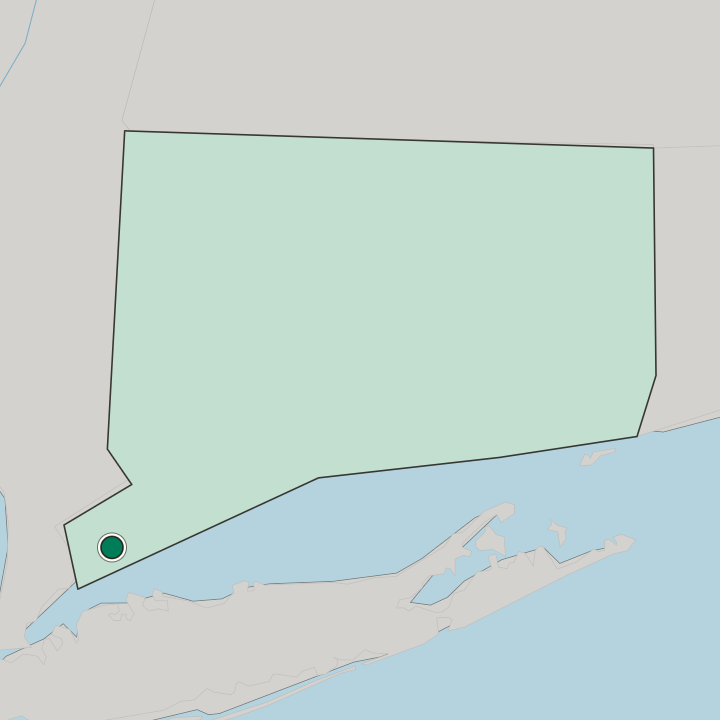
Long Island Sound sets the southern edge. Stamford runs back from the water in southwestern Connecticut, its harbours and inlets giving way to wooded ridges and the rocky hills inland, with New York just down the coast. Rivers cut through the town to the Sound.
The water shapes the map.
What is the climate of Stamford?
Four clear seasons turn here. The New England coast gives Stamford cold, snowy winters and warm, humid summers, with the Sound moderating the extremes a little along the shore. Autumn colours the ridges.
Spring comes late but green.
How do you get to Stamford?
The train is the easy way in. Stamford sits on the main line up the coast from New York, one of the main commuter stops in Connecticut, and the interstate runs beside the tracks along the shore. Boats use the harbour on the Sound.
Most arrive by rail, riding the same line the city was built around.
Common questions
What is the best area to stay in Stamford?
Downtown Stamford: Business travellers and rail commuters bound for New York. The shore: Slower stays wanting Long Island Sound and the coastal parks.
Good for
More cities in Connecticut
Updated September 2026