United States · District of Columbia · Washington
Capitol Hill, Washington — Area Guide & Where to Stay
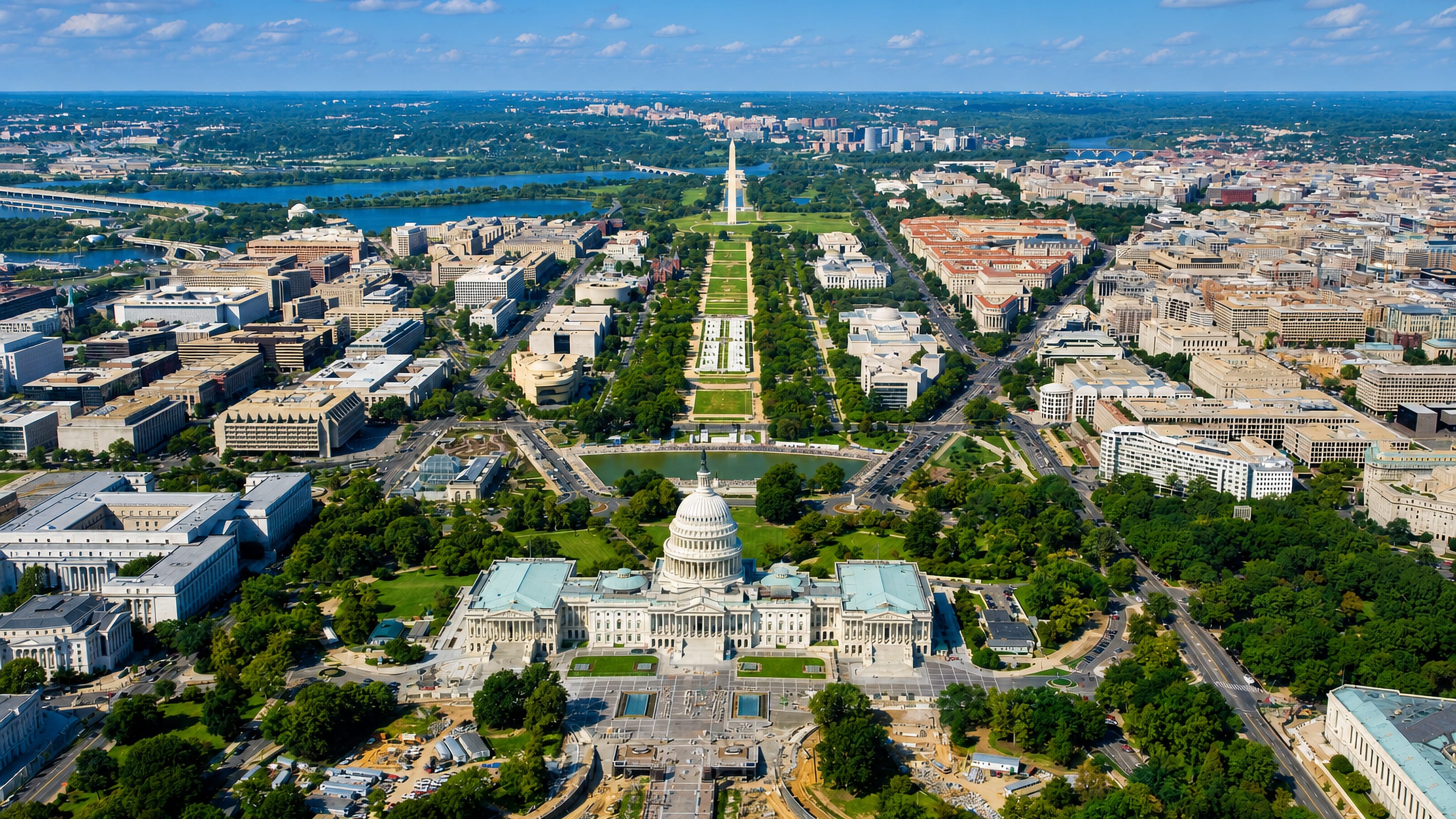
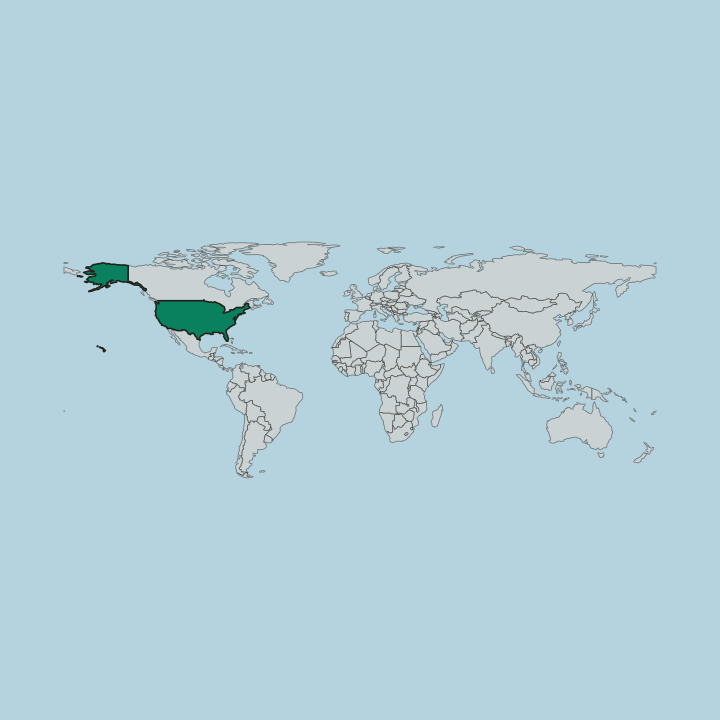
Capitol Hill is a large historic neighborhood of Washington, District of Columbia, on the rise carrying the United States Capitol, toward Union Station.
Hotel links are affiliate links: booking through them may earn us a commission, at no extra cost to you. It never affects how places are ranked. How this works


Where to stay in Capitol Hill
Where visitors usually base themselves, and why.
The Hill is mostly residential. Its quiet, tree-lined row-house streets sit within an easy walk of the United States Capitol, the Smithsonian museums of the National Mall, and the trains at Union Station. Hotels are few, and the larger ones cluster near Union Station at the northern edge.
The setting suits sightseers who want to reach the monuments and museums on foot and prefer calm evenings to nightlife. For a wider choice of rooms, downtown Washington lies a short ride to the west.
Things to do in and around Washington
Ranked by global recognition; descriptions from Wikidata (CC0).
Museums & Galleries
3- Freer Gallery of Art Heritage
- National Building Museum Heritage
- Arts and Industries Building Heritage
Castles & Historic Sites
2- Peace Monument Heritage
- James A. Garfield Monument
worth knowingacross 2 categories in and around Washington
About Capitol Hill
What are the main landmarks in Capitol Hill?
Inside the United States Capitol, National Statuary Hall gathers the states' bronze and marble figures beneath the dome. Just outside, the Peace Monument and the Garfield Monument stand at the Capitol's western approach, and the National Postal Museum fills the old City Post Office beside Union Station. The great Smithsonian collections sit along the adjoining National Mall rather than in the residential blocks: the National Air and Space Museum, the National Museum of Natural History, the National Museum of American History, and the National Museum of the American Indian.
The Hirshhorn Museum and Sculpture Garden, the Freer Gallery of Art, and the National Museum of African Art belong to the same Mall frontage. Most stand within a few blocks.
What is the history of Capitol Hill?
The neighborhood grew up around the United States Capitol, whose cornerstone was laid in 1793 on the hill Pierre L'Enfant's plan had reserved for Congress. Clerks and tradesmen who served it built the brick row houses that still line the streets. Union Station opened here in 1907.
National Statuary Hall, once the chamber of the House of Representatives, was given over to the states' statues during the nineteenth century. The rail lines it drew, and the government beside it, turned these blocks into one of the largest historic districts in the country.
Where is Capitol Hill?
Capitol Hill occupies the ground east of the National Mall, with the United States Capitol standing at its western end and the Smithsonian museums spreading west from the Capitol's foot. Union Station and the National Postal Museum mark the northern edge, where Massachusetts Avenue cuts diagonally across the street grid. East Capitol Street runs the length of the district from the Capitol's east front, dividing the row-house blocks into their northeast and southeast halves.
The Anacostia River lies to the south.
Good for
More areas in Washington
Updated October 2026