United States
District of Columbia, United States — Towns & Travel Guide
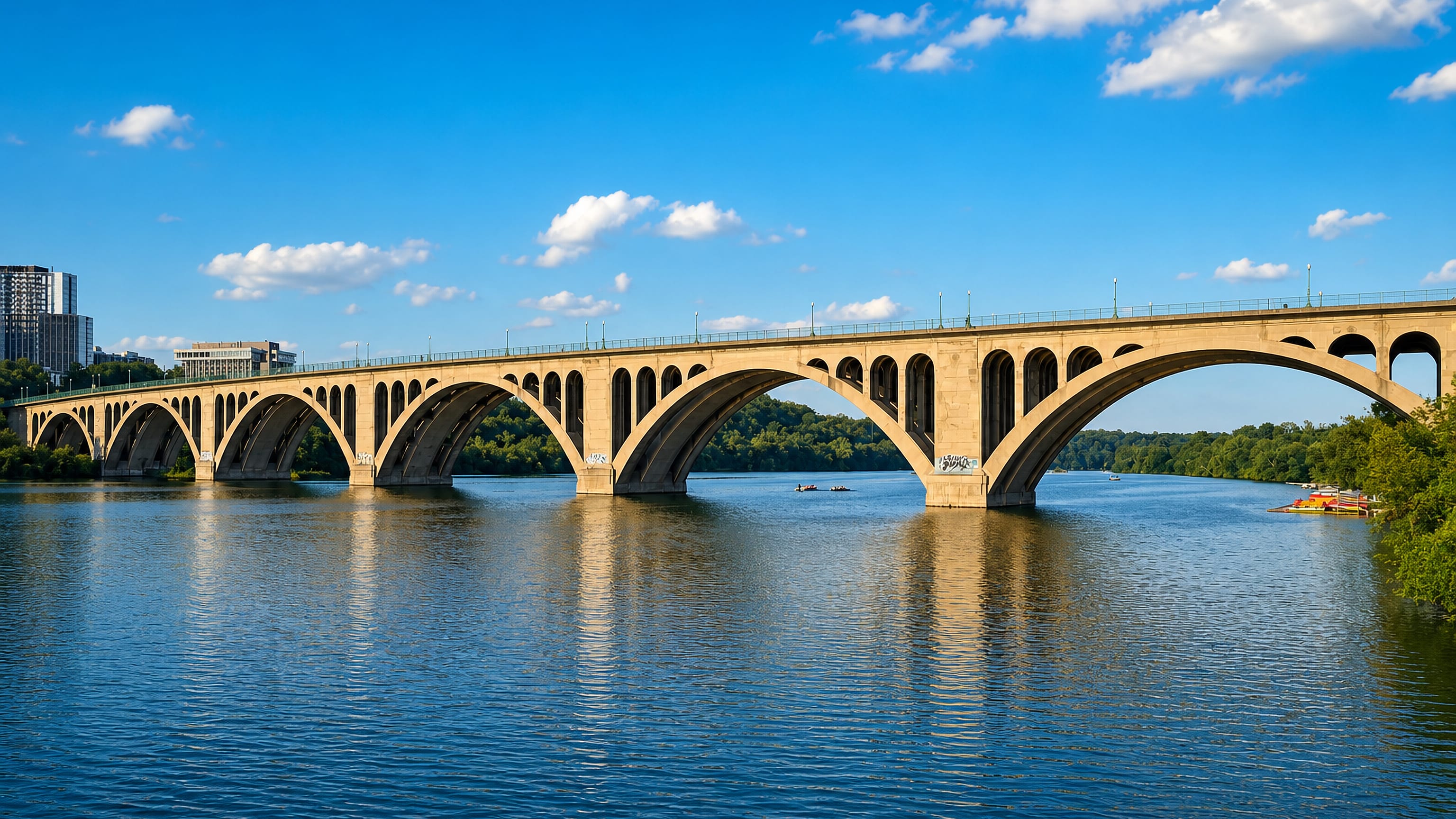
The District of Columbia is the capital of the United States, the federal city on the Potomac River that the world simply calls Washington, D.C.
Hotel links are affiliate links: booking through them may earn us a commission, at no extra cost to you. It never affects how places are ranked. How this works


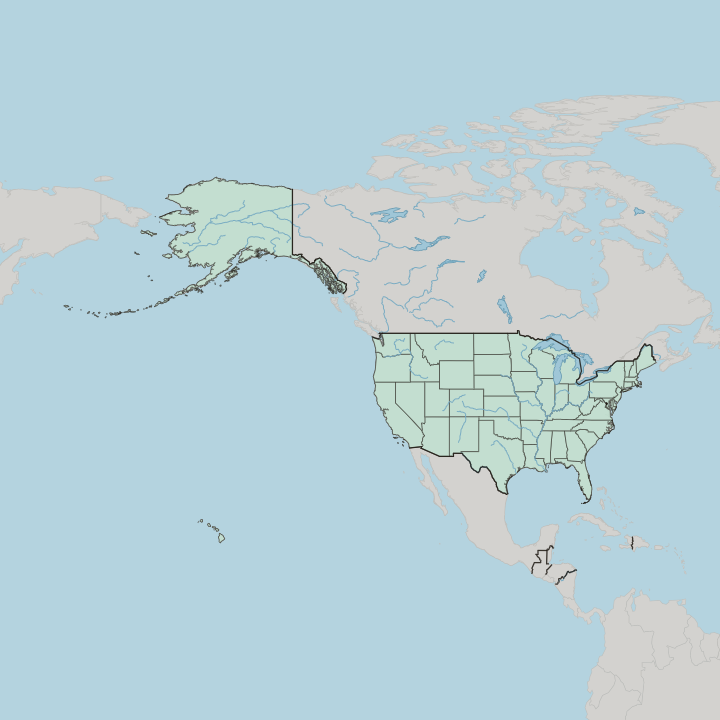
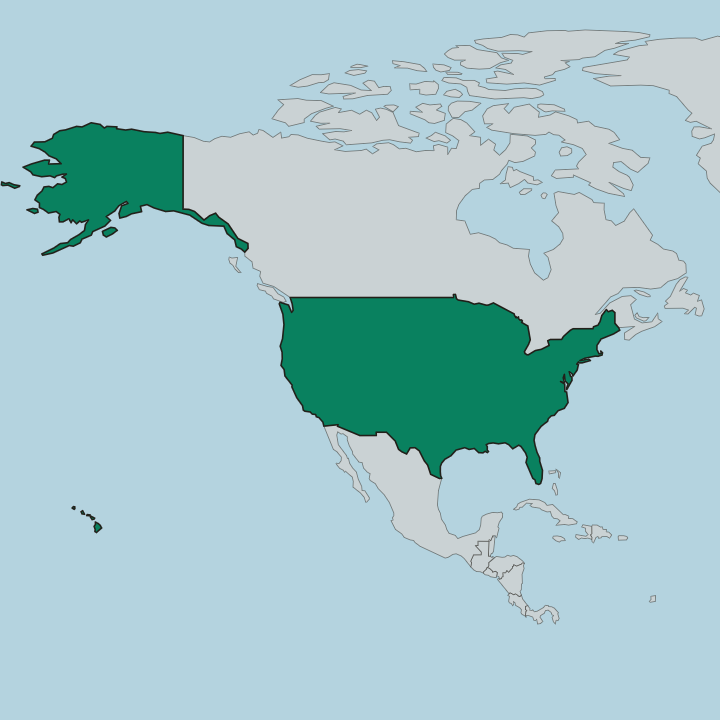
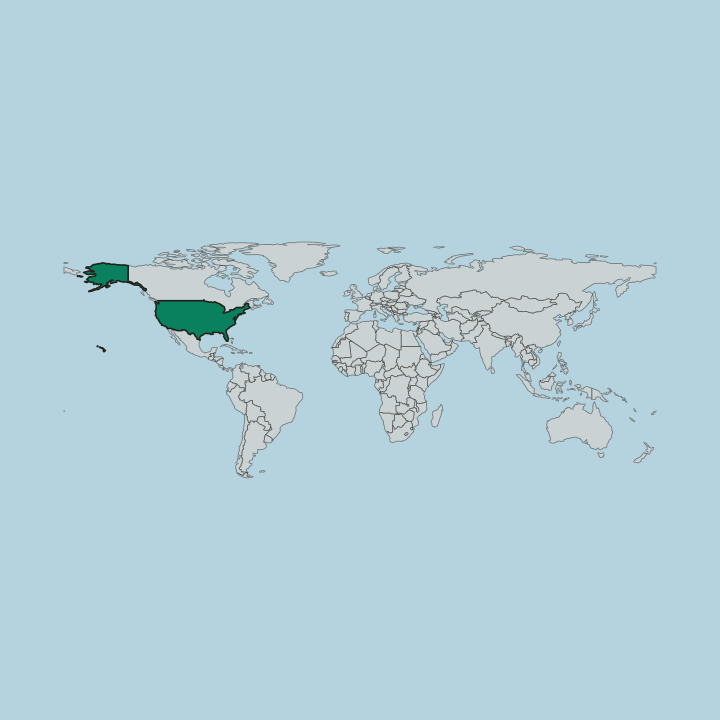
Towns & cities in District of Columbia
One town here has its own guide — it links to where to stay.
 United States
Washington
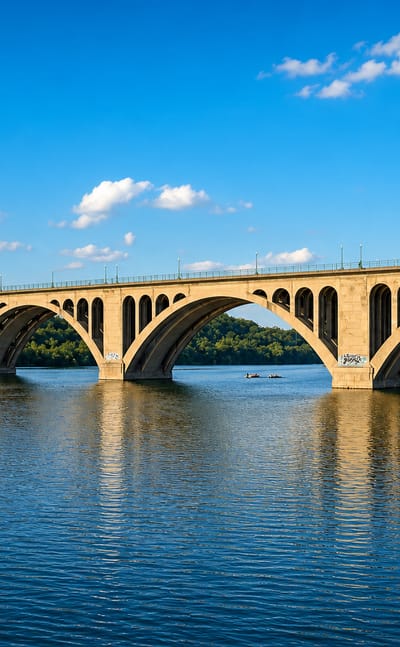
Marble monuments line the Mall at Washington, the capital in the District of Columbia known for the Lincoln Memorial and the Smithsonian Institution.Where to stay →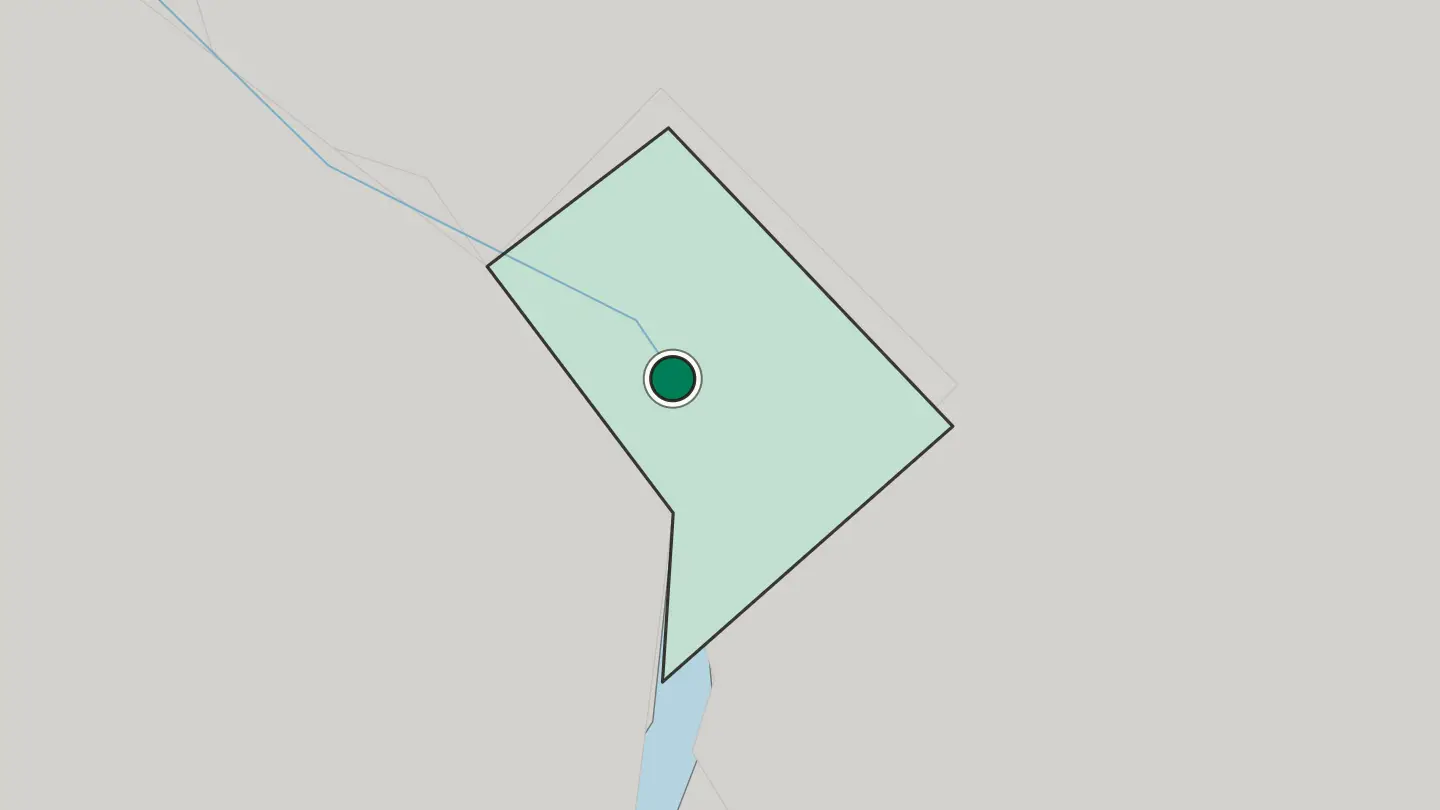
Hotel links are affiliate links: booking through them may earn us a commission, at no extra cost to you. It never affects how places are ranked. How this works
About District of Columbia
What is District of Columbia known for?
The District of Columbia is the seat of the federal government of the United States. Three branches sit here. The United States Capitol, the White House, and the Supreme Court all stand within a few miles of one another, and the National Mall runs a green spine between them past the Washington Monument and the Lincoln Memorial.
Along that same corridor the Smithsonian Institution keeps a row of museums that charge no admission. Power and public history share one small city.
Where is District of Columbia?
The District of Columbia sits on the north bank of the Potomac River, wedged between Maryland and Virginia on the mid-Atlantic seaboard. It is a compact place. The whole federal district covers less ground than most American counties, a compact patch carved out of Maryland in 1790 to house the national capital.
Virginia once gave land too, on the river's south side, but Congress handed that portion back, which is why the original ten-mile square lost its neat diamond shape. The Anacostia River flows in from the east to join the Potomac, and the two rivers frame the low ground where the monumental core was built. From a single marker under the Capitol, four quadrants divide the streets.
The land tilts upward as it leaves the water. Tidal flats and reclaimed marsh line the Potomac and the Anacostia, and the ground climbs north and west toward the wooded ridges of the northwest quadrant, where Tenleytown marks the highest point in the district. Rock Creek Park slices a long green valley through that rise, one of the largest urban forests in any American city.
This is the fall line, the seam where the rolling Piedmont drops to the flat coastal plain, and it once set the limit of river navigation. Maryland still wraps the district on three sides. Only the Potomac separates it from Virginia.
What is District of Columbia like?
The District runs on one industry, and that industry is government. Politics sets the rhythm. Congress, agencies, think tanks, embassies, and the press corps fill the office blocks, and the daytime workforce swells each morning from Maryland and Virginia before draining back at dusk.
Yet the city visitors meet is mostly free and open to the public. The Smithsonian Institution alone keeps a chain of museums along the National Mall that charge nothing at the door, from dinosaurs and spacecraft to the National Museum of African American History and Culture. Marble memorials line the reflecting pools between them.
Away from the marble there is an ordinary city with a deep local culture. It has long been a majority-Black city, and the U Street corridor once carried the name Black Broadway, the ground where Duke Ellington grew up and where go-go, the District's own percussive strain of funk, was born. Embassies from more than a hundred nations give whole blocks a foreign accent, and the restaurant scene runs from Ethiopian along Ninth Street to half-smokes at the old lunch counters.
English is the working language of the capital. The Kennedy Center stages opera and symphony above the Potomac, while Ford's Theatre keeps performing in the hall where Lincoln was shot. Neighborhoods, not monuments, hold the daily life.
What is the history of District of Columbia?
Congress created the district in 1790 to give the republic a capital owned by no single state. George Washington chose this bend of the Potomac, and the engineer Pierre Charles L'Enfant drew its diagonal avenues and circles in 1791. The government moved from Philadelphia in 1800.
British troops burned the Capitol and the White House here in 1814, and both were rebuilt after the war. Virginia took back its share of the land in 1846. Self-rule came late.
What is the climate of District of Columbia?
The District has a humid subtropical climate, and summer is the season it is known for. July air turns thick and heavy. Heat and humidity build off the Potomac and the Anacostia until afternoon thunderstorms crack the mugginess, and the marble monuments shimmer in the haze.
Winters run cool to cold, with a modest snowfall that swings wildly from one year to the next. Spring is the reward, when the cherry trees around the Tidal Basin flower for a couple of weeks. Autumn stays crisp and clear.
How do you get to District of Columbia?
Three airports serve the capital. Reagan National sits just across the Potomac in Virginia, a few minutes from downtown on the Metro. Dulles lies farther west in the Virginia suburbs, and Baltimore/Washington International is off to the north in Maryland, both linked to the centre by rail.
Many travellers skip flying altogether and arrive at Union Station, where fast trains run up the busy corridor to Philadelphia, New York, and Boston. The Metro subway then reaches most of the sights. A car is more burden than help.
Common questions
What is the best area to stay in District of Columbia?
Downtown: a first visit to the capital. Georgetown: historic streets and the waterfront. Dupont Circle: restaurants and nightlife. Capitol Hill: families near the Smithsonian.
More regions in United States
Updated September 2026