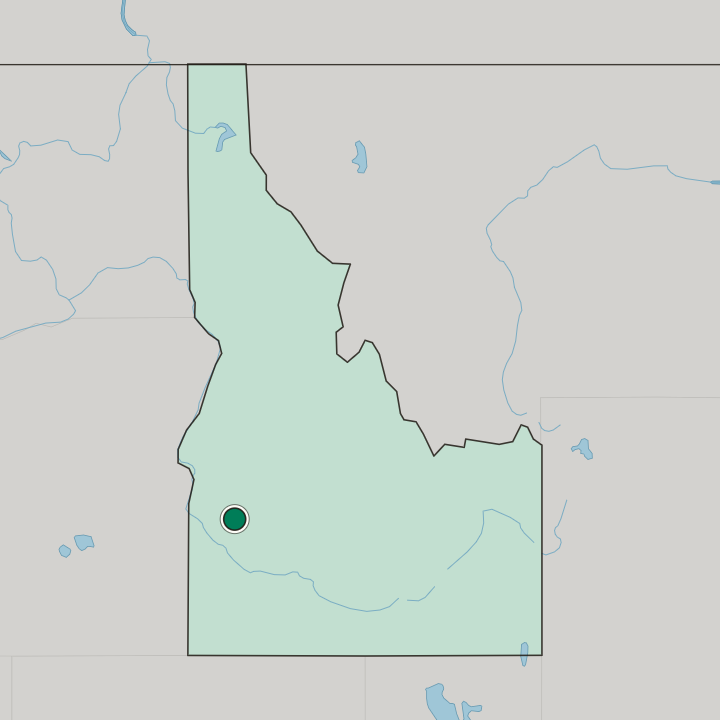
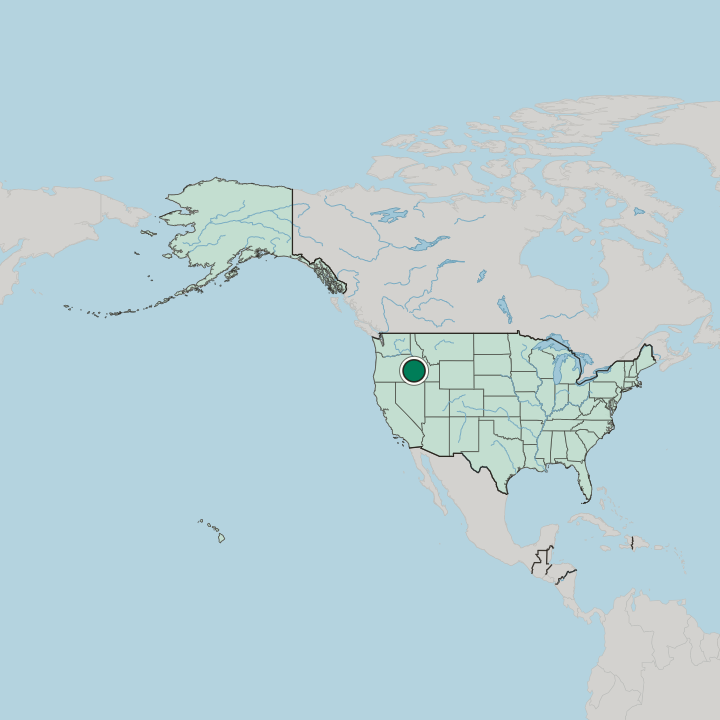
United States · Idaho
Where to Stay in Boise, Idaho
Boise is a city in Idaho, seat of state government since 1863, known for the Cathedral of St. John the Evangelist and the Boise Art Museum.
Hotel links are affiliate links: booking through them may earn us a commission, at no extra cost to you. It never affects how places are ranked. How this works


Where to stay in Boise
Where the beds are, and what that means for the visit.
Boise concentrates its lodging around the state-capital core, a walkable downtown anchored by the Boise Art Museum and the historic churches of the founding grid. Rooms here put you closest to the civic district that has defined the city since 1863. Book central.
The compact centre rewards visitors who want galleries and historic streets on foot, all within a few unhurried blocks of one another. Stay beside the Boise Art Museum and its cultural park if galleries and green space matter most to your trip. The Discovery Center of Idaho sits nearby, which suits families with a science-minded afternoon in mind.
History-minded guests can base themselves near the preserved Cyrus Jacobs House and the John A. O'Farrell House, two of the oldest surviving buildings in the Idaho capital. Zoo Boise and the Idaho Aquarium give a clear reason to book a room on the parkland edge of downtown, where families cluster together. Each pocket stays close to the centre.
Wherever you land in this core, the Boise Art Museum and the wider civic grid remain an easy stroll away.
Find hotels in Boise
Direct booking searches for these neighbourhoods.
Capitol core
The state-capital grid around the Cathedral of St. John the Evangelist packs Boise's civic and cultural sights into a walkable stretch.Find hotels in Capitol coreFamilies pairing the Boise Art Museum with Zoo Boise and the Idaho AquariumMuseum park edge
Parkland beside the Boise Art Museum links the Discovery Center of Idaho, Zoo Boise, and the Idaho Aquarium in one green corridor.Find hotels in Museum park edgeHistory-minded guests near the Cyrus Jacobs House and John A. O'Farrell HouseHistoric house blocks
Quiet streets around the Cyrus Jacobs House preserve some of Idaho's oldest standing homes a short walk from downtown.Find hotels in Historic house blocksHotel links are affiliate links: booking through them may earn us a commission, at no extra cost to you. It never affects how places are ranked. How this works
Things to do in Boise
Ranked by global recognition; descriptions from Wikidata (CC0).
Museums & Galleries
1- Boise Art Museum
Churches & Religious Sites
5- Cathedral of St. John the Evangelist Heritage
- St. Mary's Catholic Church (Boise, Idaho) Heritage
- Christian Church Heritage
- Immanuel Evangelical Lutheran Church Heritage
- Immanuel Methodist Episcopal Church Heritage
Stadiums & Sports
1- Hillcrest Country Club (Boise, Idaho)
Landmarks & Notable Places
7- Cyrus Jacobs House Heritage
- Bishop Daniel S. Tuttle House Heritage
- John A. O'Farrell House Heritage
- Thomas E. Logan House Heritage
- Daniel F. Murphy House Heritage
Show 2 more →
- Joseph Chitwood House Heritage
- Anton Goreczky House Heritage
worth knowingacross 4 categories in Boise
About Boise
What is Boise known for?
Boise is Idaho's largest city and civic anchor, a place people know first for its cluster of museums and historic churches. The Boise Art Museum and the Discovery Center of Idaho draw families and school groups alike. Two zoos-adjacent attractions, Zoo Boise and the Idaho Aquarium, sit within easy reach of the centre.
Faith landmarks give the skyline older lines. Boise's Cathedral of St. John the Evangelist and St. Mary's Catholic Church stand among the city's most recognised buildings. Together they define the visit.
What are the main landmarks in Boise?
Boise's landmarks range from grand churches to preserved pioneer homes. Boise's Cathedral of St. John the Evangelist and St. Mary's Catholic Church give the city its most prominent religious architecture, while the Immanuel Evangelical Lutheran Church adds to the historic cluster. Museums carry the rest of the load.
The Boise Art Museum, the Discovery Center of Idaho, Zoo Boise, and the Idaho Aquarium sit near the centre. For older fabric, the Cyrus Jacobs House, the John A. O'Farrell House, and the Bishop Daniel S. Tuttle House survive from the city's founding decades. Small but distinct.
What is the history of Boise?
Boise dates to 1863, the year it was laid out and quickly named the seat of government for Idaho. The John A. O'Farrell House survives from that founding decade, one of the earliest dwellings raised on the new townsite. Settlement grew fast around the civic function that still defines the place.
The Cyrus Jacobs House stands from the same early era, a merchant's home that recorded the commercial life of a young frontier capital. Permanent congregations soon replaced the first temporary meeting places. The grand Cathedral of St. John the Evangelist rose to serve a growing city, and the Bishop Daniel S. Tuttle House marked the arrival of an established Episcopal presence across the territory.
Faith and commerce grew together. Across roughly 214 square kilometres the modern city later spread outward from that compact original grid. Its founding purpose as the administrative centre of Idaho never really changed, and that continuity, more than any single event, shaped how Boise developed.
Where is Boise?
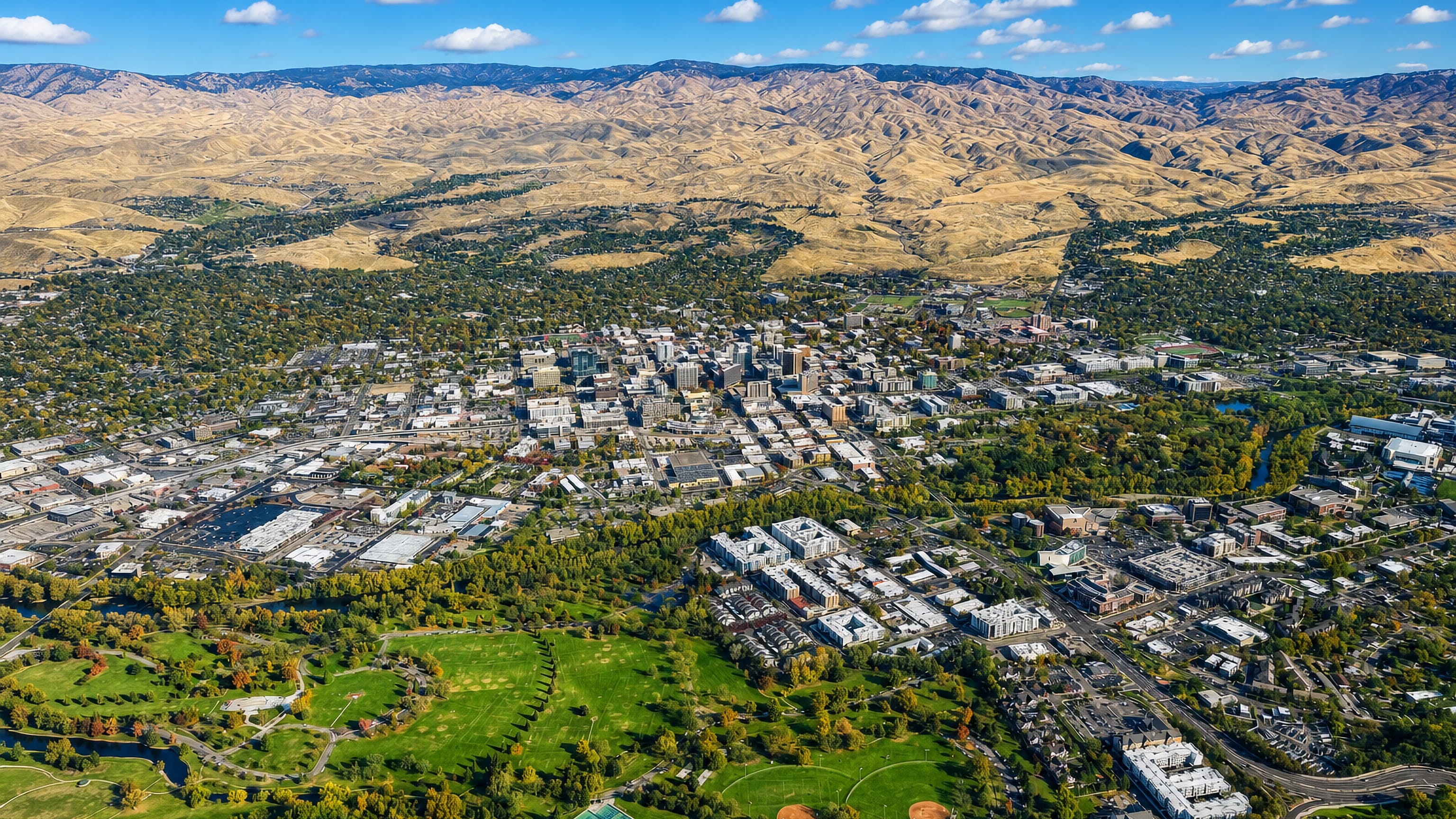
Boise spreads across roughly 214 square kilometres as the largest urban centre in Idaho, its street grid fanning out from a compact core that holds the Boise Art Museum and the founding-era churches. The city occupies a broad valley. Surrounding terrain shifts fast from settled flats to open high country, and that contrast between town and back-country edge frames daily life.
The founding grid of 1863 still sets the line of the oldest streets. Ridges close the horizon.
What is the climate of Boise?
Boise sits in a temperate zone with a marked swing between seasons. Summers run hot and dry across the valley, while winters bring cold spells and periodic snow to the streets around the Cathedral of St. John the Evangelist. Spring and autumn stay short and changeable.
The high-country setting keeps humidity low for much of the year. Days here can warm sharply and then cool fast once the sun drops behind the surrounding ridges, a rhythm familiar to anyone living in Idaho's interior. Clear skies are common.
How do you get to Boise?
Boise is served by its own airport and by the interstate corridor that crosses Idaho, making it the natural arrival point for the state's interior. Most visitors reach the city by road or by air, then find the core compact enough to explore on foot. From the terminal it is a short run to the downtown grid around the Boise Art Museum.
Boise's Cathedral of St. John the Evangelist marks the civic centre for anyone orienting on arrival. Getting around is simple.
Common questions
What is the best area to stay in Boise?
Capitol core: First-time visitors who want the Cathedral of St. John the Evangelist and galleries on foot. Museum park edge: Families pairing the Boise Art Museum with Zoo Boise and the Idaho Aquarium. Historic house blocks: History-minded guests near the Cyrus Jacobs House and John A. O'Farrell House.
Good for
More cities in Idaho
Updated September 2026