United States · Kentucky
Where to Stay in Lexington-Fayette, Kentucky


Lexington-Fayette joins a city and its county under one government in Kentucky, a merged seat of the Bluegrass country whose oldest quarters date to a 1775 charter.
Find your area →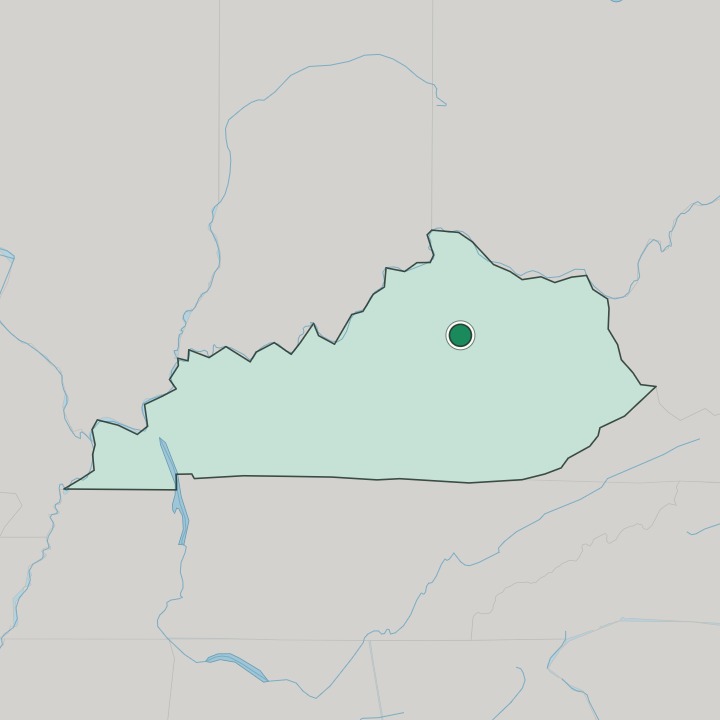
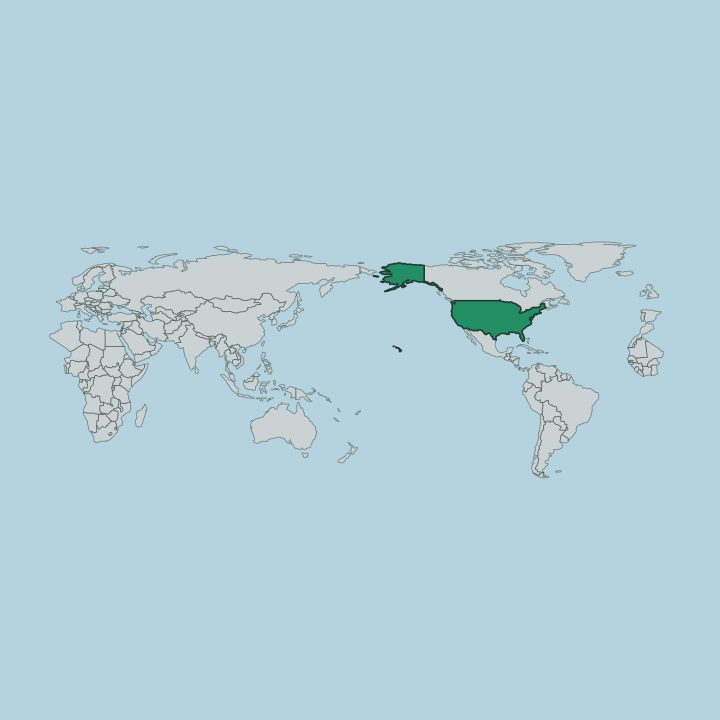
Where to stay in Lexington-Fayette
Each area has its own feel; here's who each one suits.
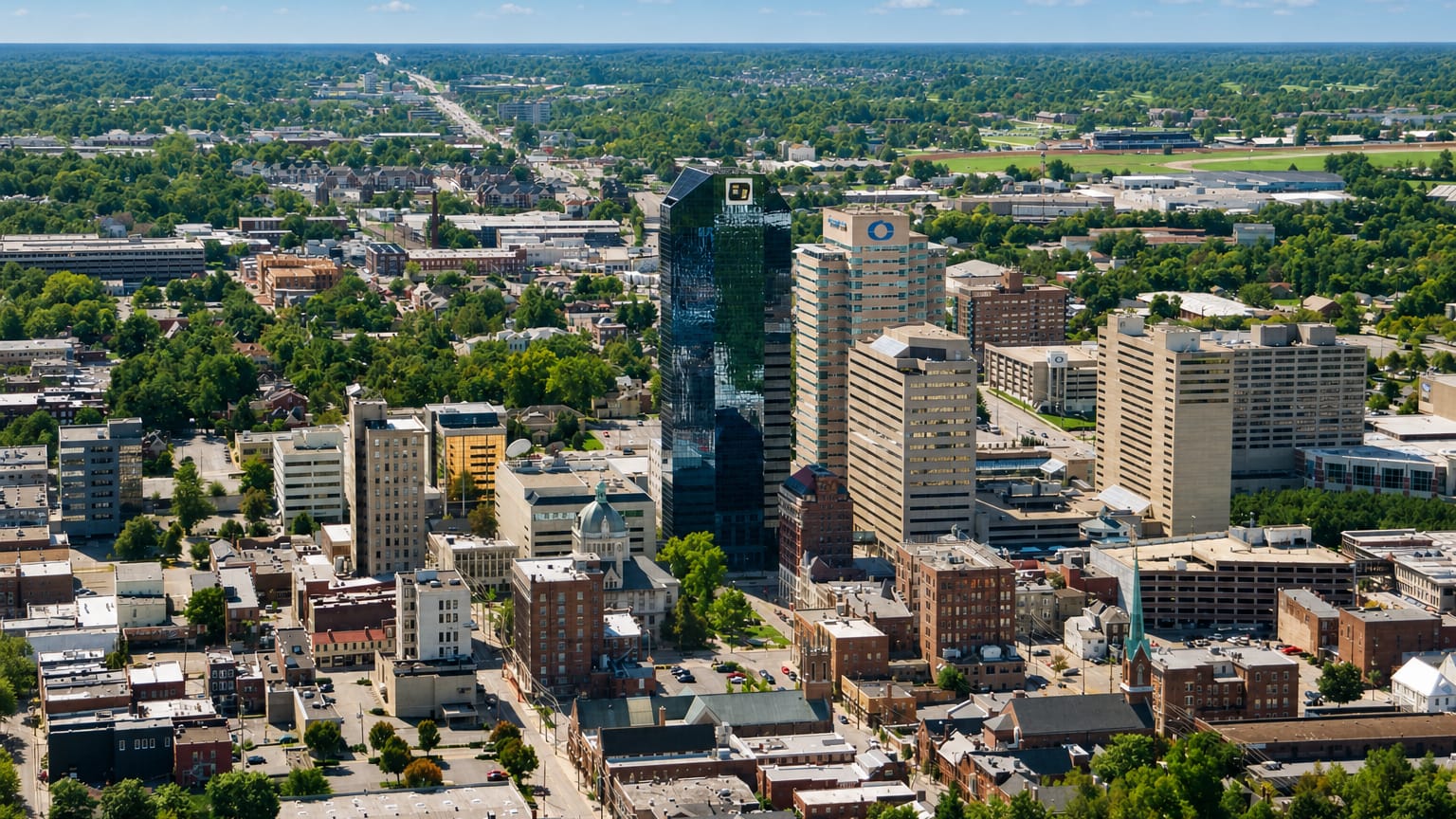
Lodging across Lexington-Fayette spreads with the merged county, so the choice comes down to which quarter suits your visit. Rooms near the downtown historic district put the Hunt-Morgan House and the Central Christian Church within a short walk, the best base for anyone drawn to the old brick streets. Pick this ground for spires, preserved townhouses, and the quiet of Christ Church Episcopal nearby.
Toward the University of Kentucky, streets around the University of Kentucky Art Museum offer a calmer footing tied to the school and its calendar. Sports visitors often settle close to Whitaker Bank Ballpark, an easy walk to a game on summer evenings. Farmland fills the gaps between these pockets.
Plan on driving between them.
About Lexington-Fayette
What is Lexington-Fayette known for?
Lexington-Fayette is known as the horse-farm capital of the Bluegrass and for the merged county it governs. Grand old homes fill its centre, from the Johnston-Felton-Hay House to the Hunt-Morgan House. The Living Arts and Science Center and the University of Kentucky Art Museum draw visitors for exhibitions.
Bluegrass pasture rings the whole.
What are the main landmarks in Lexington-Fayette?
Landmarks in Lexington-Fayette gather in the merged county's old core. The Mary Todd Lincoln House and the Bell Place sit among preserved homes, while the John Hunt Morgan Memorial and the John C. Breckinridge Memorial mark figures from the Civil War era. Worshippers left the Second Presbyterian Church and the First Presbyterian Church.
Rose Hill stands nearby. Brick and stone endure.
What is the history of Lexington-Fayette?
The settlement that became Lexington-Fayette took its 1775 charter from a Massachusetts battle fought that year, one of the first towns planted on the Kentucky frontier. Planters carved farms from the level Bluegrass and built the brick homes still standing across the county. The families remembered by the Hunt-Morgan House and the Bell Place drew wealth from land and horses.
The Mary Todd Lincoln House links the town to a future first lady. Trade in livestock and tobacco carried the century. War came hard to a border region divided against itself, and the John Hunt Morgan Memorial with the John C. Breckinridge Memorial recall soldiers of that fight.
Congregations raised the Second Presbyterian Church and the Central Christian Church as the town matured. In the twentieth century the city and Fayette County merged their governments into a single urban-county body, the arrangement the place carries in its name. Preservationists saved houses like the Matthew Kennedy House and the William Morton House from the wrecking ball.
Old walls still line the streets.
Where is Lexington-Fayette?
Lexington-Fayette covers a broad merged county across the Bluegrass tableland of Kentucky. Fenced pasture and low limestone rises run out from the built-up centre, ground worked for horses and grain. The old streets near the Hunt-Morgan House sit on easy grades rather than steep terrain.
Fields reach almost to the roads. Horizons stay open and green.
What is the climate of Lexington-Fayette?
The climate of Lexington-Fayette is temperate and continental, set by its inland place in Kentucky. Warm humid summers settle over the county's pasture, and winters bring frost with the odd snowfall to the historic core. Spring and autumn draw out mild and easy.
Showers come year-round. That rain keeps the grass its famous green.
How do you get to Lexington-Fayette?
Reaching Lexington-Fayette usually means driving the interstate corridors that thread the Bluegrass of Kentucky. The county's own airport handles connecting flights for longer trips. Motorists come in from farm towns across the region in short order.
Coach lines tie the seat to larger cities. Getting downtown is straightforward.
Good for
More cities in Kentucky
Updated July 2026