United States · Kentucky
Where to Stay in Lexington, Kentucky
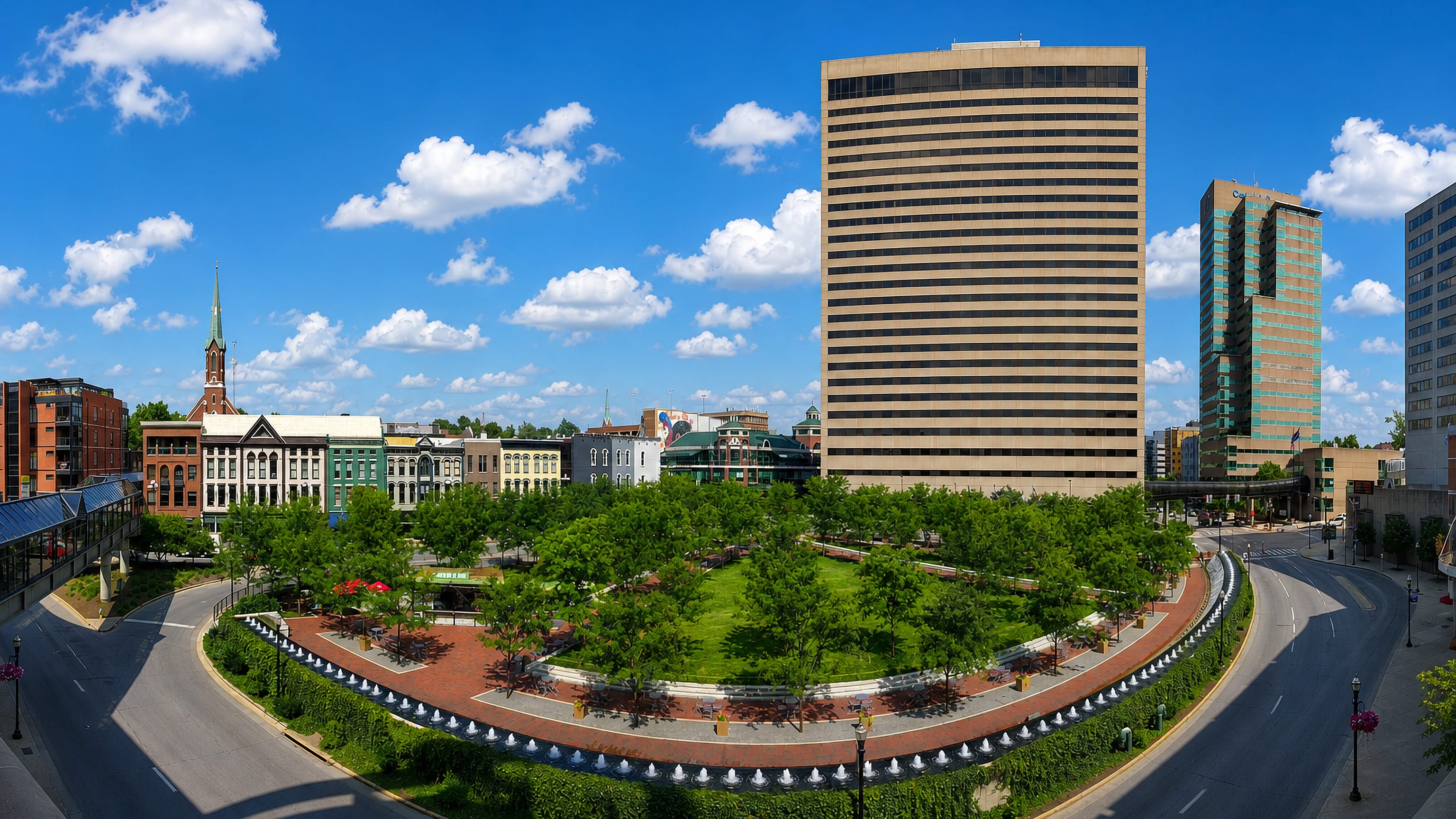
Brick townhouses and church spires mark the old streets of Lexington, a city in Kentucky, long tied to the surrounding Bluegrass country.
Hotel links are affiliate links: booking through them may earn us a commission, at no extra cost to you. It never affects how places are ranked. How this works




Where to stay in Lexington
The practical side of choosing where to sleep.
Where you stay in Lexington turns on how close you want to be to its historic core. The blocks around the Mary Todd Lincoln House and the Hunt-Morgan House hold the oldest streets, and staying near them puts the walkable centre of Lexington at your door. Choose this ground if you want brick townhouses, the Central Christian Church, and Christ Church Episcopal within an easy walk.
The University of Kentucky side of town gathers around the University of Kentucky Art Museum and campus streets, a quieter footing that suits visitors tied to the school or its events. Ballgame nights pull crowds toward Whitaker Bank Ballpark, and rooms nearby favour travellers who want to walk to a game. Each pocket sits a short drive from the next.
The city is spread wide.
Find hotels in Lexington
Direct booking searches for these neighbourhoods.
Historic core
Brick townhouses around the Mary Todd Lincoln House and the Hunt-Morgan House, church spires at every corner.Find hotels in Historic coreCampus visits and museum daysUniversity of Kentucky side
Quiet streets gathered around the University of Kentucky Art Museum, close to the school's events.Find hotels in University of Kentucky sideWalking to a gameBallpark district
Rooms within reach of Whitaker Bank Ballpark for ballgame nights and the crowds they draw.Find hotels in Ballpark districtHotel links are affiliate links: booking through them may earn us a commission, at no extra cost to you. It never affects how places are ranked. How this works
Things to do in Lexington
Ranked by global recognition; descriptions from Wikidata (CC0).
Museums & Galleries
2- University of Kentucky Art Museum
- Blue Grass Trust for Historic Preservation
Churches & Religious Sites
4- Central Christian Church Heritage
- First Presbyterian Church Heritage
- Second Presbyterian Church Heritage
- Christ Church Episcopal Heritage
Stadiums & Sports
1- Whitaker Bank Ballpark
Landmarks & Notable Places
8- Mary Todd Lincoln House Heritage
- Hunt-Morgan House Heritage
- Living Arts and Science Center Heritage
- Bell Place Heritage
- Brand-Barrow House Heritage
Show 3 more →
- Charles McPheeters House Heritage
- Courtney Mathews House Heritage
- Dr. John McGarvey House Heritage
worth knowingacross 4 categories in Lexington
About Lexington
What is Lexington known for?
Lexington is known for its horse country and a compact centre of preserved nineteenth-century houses. The Mary Todd Lincoln House and the Hunt-Morgan House stand among brick homes kept by the Blue Grass Trust for Historic Preservation. The University of Kentucky Art Museum anchors the campus side of town.
Old money built these streets.
What are the main landmarks in Lexington?
The main landmarks in Lexington cluster in and around its historic core. The Mary Todd Lincoln House recalls the family of Abraham Lincoln's wife, while the Hunt-Morgan House and Rose Hill carry the names of early Bluegrass families. Congregations left the Second Presbyterian Church, the First Presbyterian Church, and Christ Church Episcopal.
The Living Arts and Science Center rounds out the list. Preservation runs deep here.
What is the history of Lexington?
Lexington was established in 1775, among the earliest settlements west of the Appalachian ridges in what became Kentucky. Its name honoured the Massachusetts battle of that year. Early planters raised brick houses on the level ground, and families like the ones remembered in the Hunt-Morgan House and Rose Hill grew wealthy on the land around town.
The Mary Todd Lincoln House ties the place to the wife of a United States president. Fortunes rose on horses and farming through the century that followed. The Civil War split loyalties across the region, and the John Hunt Morgan Memorial and the John C. Breckinridge Memorial still mark figures from those years.
Congregations built the First Presbyterian Church and the Second Presbyterian Church as the town filled out. Much of that older fabric survives because groups such as the Blue Grass Trust for Historic Preservation fought to keep it. The Matthew Kennedy House and the Thomas January House are two of the many kept from demolition.
The past stands in brick.
Where is Lexington?
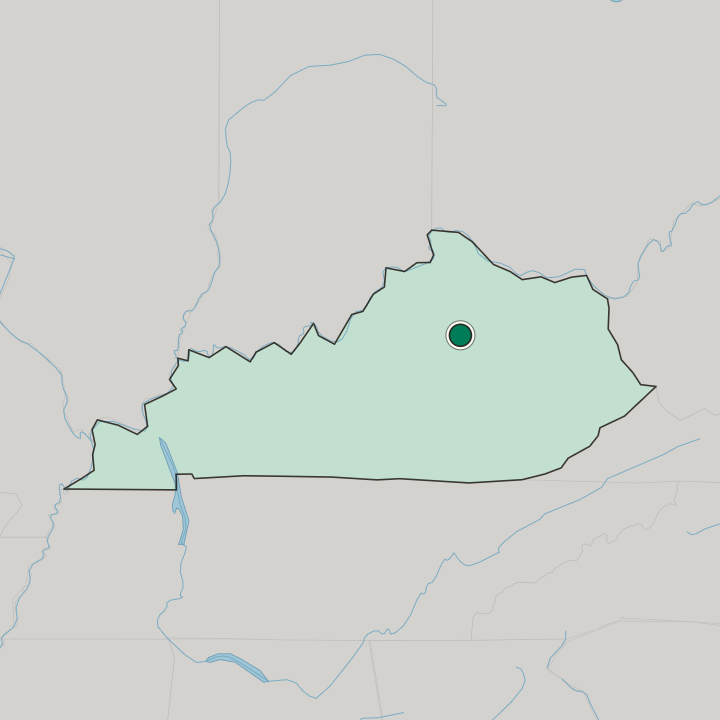
Lexington sits on the rolling farm country of the Bluegrass region of Kentucky. Level pasture and low limestone ridges surround the built-up centre, ground long given over to horses and grazing. The historic streets around the Hunt-Morgan House rise on gentle slopes rather than steep hills.
Wide fields press close to the edge of town. Green runs to the horizon.
What is the climate of Lexington?
Lexington has a temperate climate shaped by its inland setting in Kentucky. Summers turn warm and humid over the surrounding Bluegrass pasture, while winters bring cold spells and occasional snow to the older streets. Spring and autumn stay mild and long.
Rain falls across the seasons. The green fields owe their colour to it.
How do you get to Lexington?
Lexington sits at a road junction in the Bluegrass country of Kentucky, reached most often by car along the interstate corridors that cross the region. A regional airport serves the city with connecting flights. Drivers arrive from the surrounding farm towns within an hour or two.
Buses link it to larger cities. The centre is easy to reach.
Common questions
What is the best area to stay in Lexington?
Historic core: Lexington's oldest streets on foot. University of Kentucky side: Campus visits and museum days. Ballpark district: Walking to a game.
Good for
More cities in Kentucky
Updated October 2026