United States · Kentucky
Where to Stay in Louisville, Kentucky
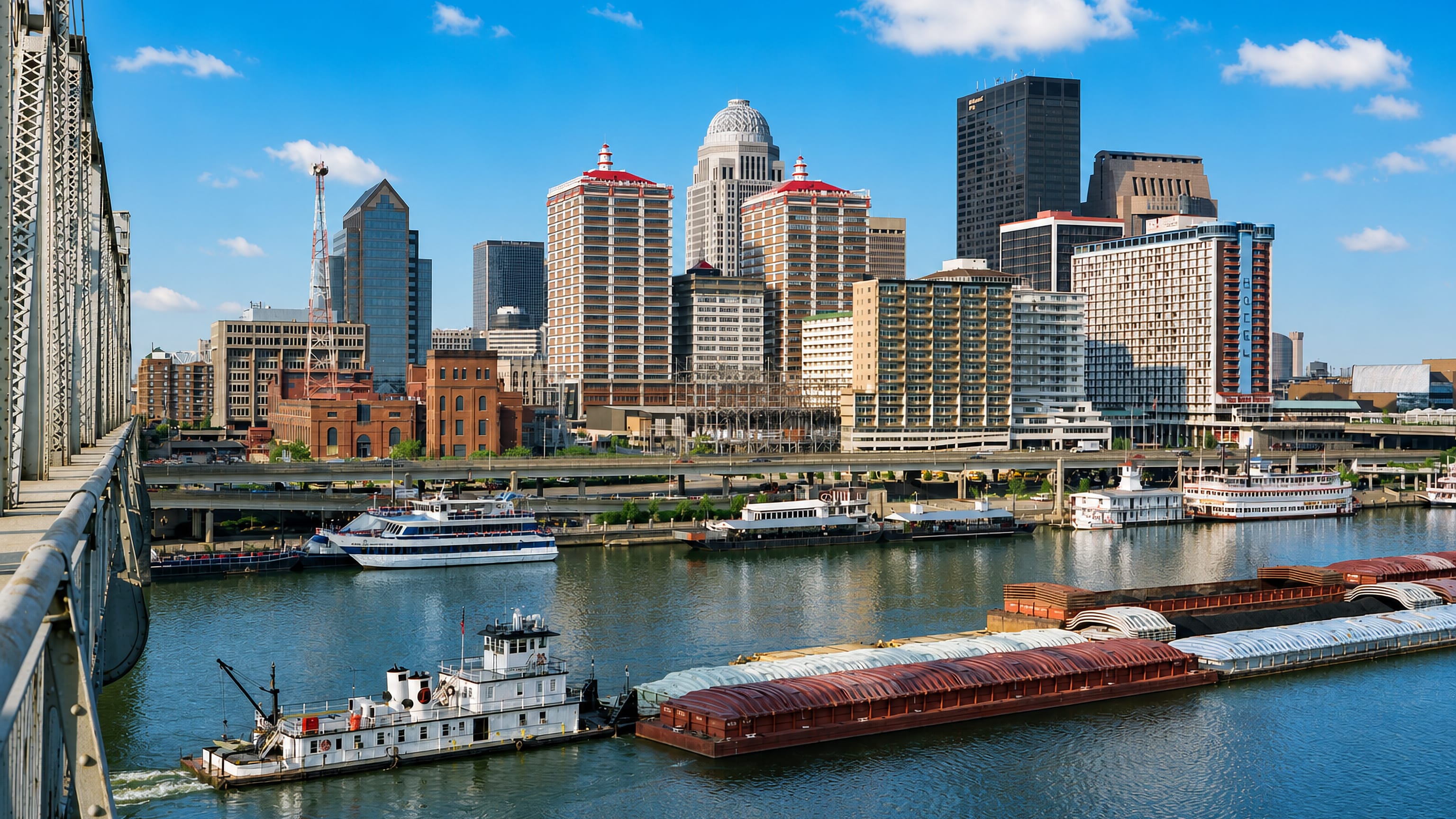
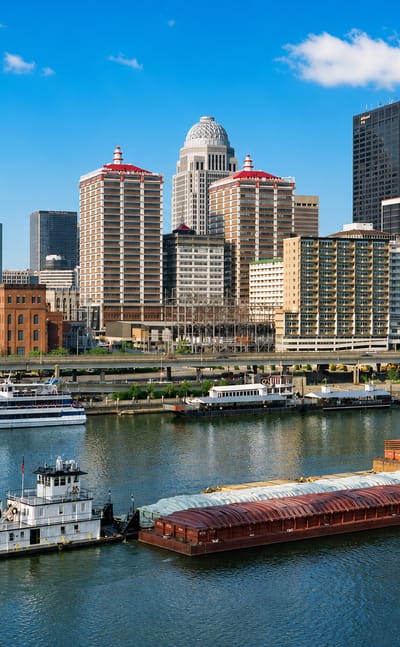
The Ohio River runs past Louisville, a river city in Kentucky known for the Muhammad Ali Center and the Louisville Slugger Museum & Factory.
Hotel links are affiliate links: booking through them may earn us a commission, at no extra cost to you. It never affects how places are ranked. How this works


Where to stay in Louisville
One neighbourhood here has its own guide — here's what it is best for.
 LouisvilleUnited States
Pleasure Ridge Park
Pleasure Ridge Park is a Louisville neighbourhood in southwest Jefferson County, Kentucky, a former census place folded into the city by the 2003 merger.Where to stay →Hotel links are affiliate links: booking through them may earn us a commission, at no extra cost to you. It never affects how places are ranked. How this works
Find hotels in Louisville
Direct booking searches for these neighbourhoods.
The riverfront downtown
The Muhammad Ali Center, the Frazier History Museum and the Louisville Slugger Museum & Factory line the Ohio River beside Louisville Slugger Field.Find hotels in The riverfront downtownPortland and the inventor's homeThe old river wards
The Thomas Edison House and the Portland Museum stand in the older river neighbourhoods set back from the downtown museum crowds.Find hotels in The old river wardsHotel links are affiliate links: booking through them may earn us a commission, at no extra cost to you. It never affects how places are ranked. How this works
Things to do in Louisville
Ranked by global recognition; descriptions from Wikidata (CC0).
Museums & Galleries
3- Sons of the American Revolution
- Muhammad Ali Center
- Louisville Slugger Museum & Factory
Churches & Religious Sites
8- Cathedral of the Assumption Heritage
- St. Vincent DePaul Church, Rectory, School, St. Ursula Home and Convent Heritage
- St. Paul's German Evangelical Church Heritage
- Calvary Episcopal Church Heritage
- Church of Our Merciful Saviour Heritage
Show 3 more →
- First Christian Church Heritage
- College Street Presbyterian Church Heritage
- Board of Extension of the Methodist Episcopal Church, South Heritage
Stadiums & Sports
2- Louisville Slugger Field
- Louisville Baseball Park
Landmarks & Notable Places
1- Porter–Todd House Heritage
worth knowingacross 4 categories in Louisville
About Louisville
What is Louisville known for?
Louisville is known for its museums along the Ohio River and its baseball bats. The Louisville Slugger Museum & Factory still turns out its famous bats, and the Muhammad Ali Center honours the boxer born in the city. Museums line the waterfront.
The Frazier History Museum, the Kentucky Science Center, and the KMAC Museum stand near the water, and the Cathedral of the Assumption crowns the old streets. The Thomas Edison House keeps a home of the inventor in Kentucky.
What are the main landmarks in Louisville?
Louisville's landmarks run from a boxing champion to a bat factory. The Muhammad Ali Center honours the boxer, and the Louisville Slugger Museum & Factory still makes the bats the city is known for. Museums fill the downtown.
The Frazier History Museum and the Kentucky Science Center stand near the Ohio River, and the KMAC Museum holds its art. The Cathedral of the Assumption and the Thomas Edison House mark the older streets.
What is the history of Louisville?
Louisville was founded in 1778 on the Ohio River, in Kentucky, at the falls that break the river's course. Boats could go no further downstream without portage, so goods and travellers came ashore here, and the settlement grew as a place where the river traffic had to stop and unload. The falls made the town.
Warehouses and wharves rose along the bank, and Louisville became a river port where the Ohio trade changed hands between the upper and lower reaches. The old streets near the water still keep the Cathedral of the Assumption from those years. Over the generations that followed, the river port grew into a settled city.
Industry rose along the water, and the Louisville Slugger Museum & Factory records the bat-making trade that made the city's name. Museums gathered the region's story. The Frazier History Museum and the Portland Museum keep the city's past, and the Muhammad Ali Center honours a champion born on these streets.
The Thomas Edison House recalls the inventor's years in the town. Louisville grew from a stop at the falls of the Ohio. The river still runs at its edge.
Where is Louisville?
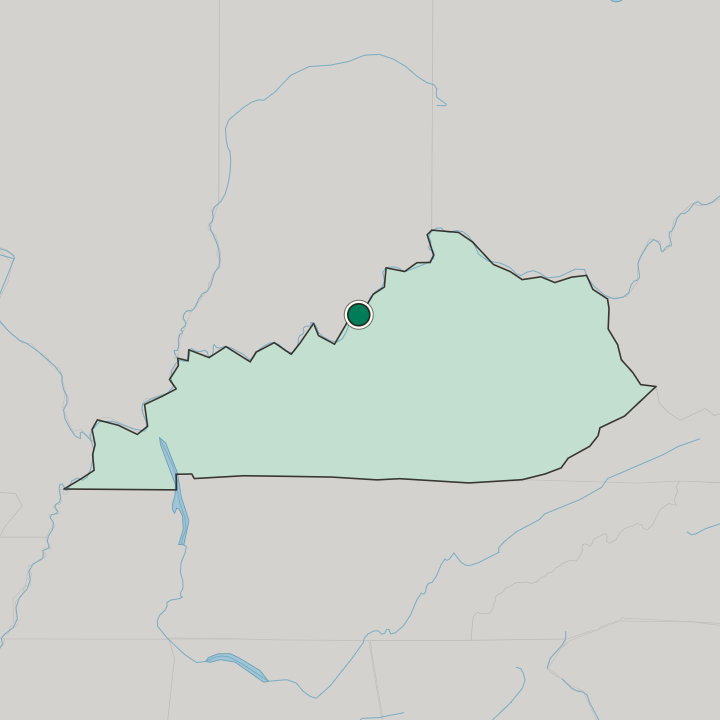
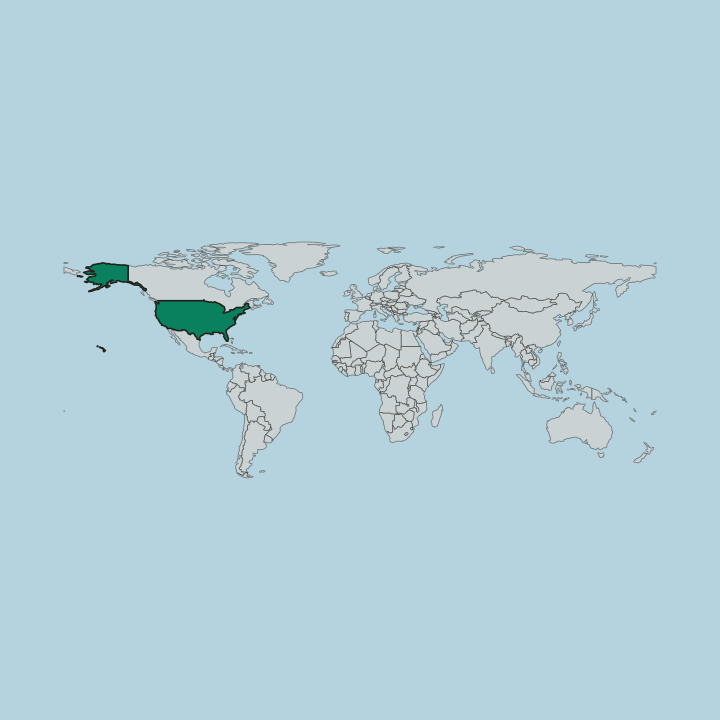
Louisville stands on the Ohio River, in Kentucky, one of the states of the United States. The river marks the northern edge of the city and the state line beyond it, and the falls of the Ohio break the water here into rapids and islands. Low land lines the banks.
The ground rolls gently back from the river, but the wide valley of the Ohio holds the city on both its shores.
What is the climate of Louisville?
Louisville has a temperate climate, set in the humid interior beside the Ohio River. Summers turn hot and heavy with damp air off the water, and thunderstorms build over the valley through the warm afternoons of the season. The seasons run full.
Winters bring cold and some snow to Kentucky, though the river keeps the deep freeze shorter than on the open plains to the west.
How do you get to Louisville?
Louisville is reached by road, by air, and by river. Interstate highways cross Kentucky and meet at the city, carrying traffic from across the United States, and barges still work the Ohio River past the falls. An airport lies south of downtown.
The river crossings tie the city to the far bank, and most travellers reach Louisville by car.
Common questions
What is the best area to stay in Louisville?
The riverfront downtown: Waterfront museums and the slugger factory. The old river wards: Portland and the inventor's home.
Good for
More cities in Kentucky
Updated October 2026